Sabitlenmiş Tweet
Thufir Hawhataburger
45.8K posts

Thufir Hawhataburger
@Lt_JerkFace
When dipshit finally runs this place into the ground you can find me at https://t.co/sLLAYBgWit He/Him

Texas Katılım Mart 2007
2.6K Takip Edilen482 Takipçiler
Thufir Hawhataburger retweetledi

Friends, this week marks an important, ultimately life-changing event for me. Two years ago, we ate arguably one of the worst meals of my life. The blog post that I wrote about that experience went viral and was read by millions:
everywhereist.com/2021/12/bros-r…
English

Don't forget to find me at the other site. Lt-jerkface.bsky.social
English

#masterpancakehalloween Dr_Boom_Boom here. I don't dress up much but here's me from a few years ago (ft. The Thing embroidery by maiwaif) and her dino costume from tonight.


English
Thufir Hawhataburger retweetledi

I finally got an invite to the sky place. If you're there come find me at Lt-jerkface.bsky.social
English
Thufir Hawhataburger retweetledi

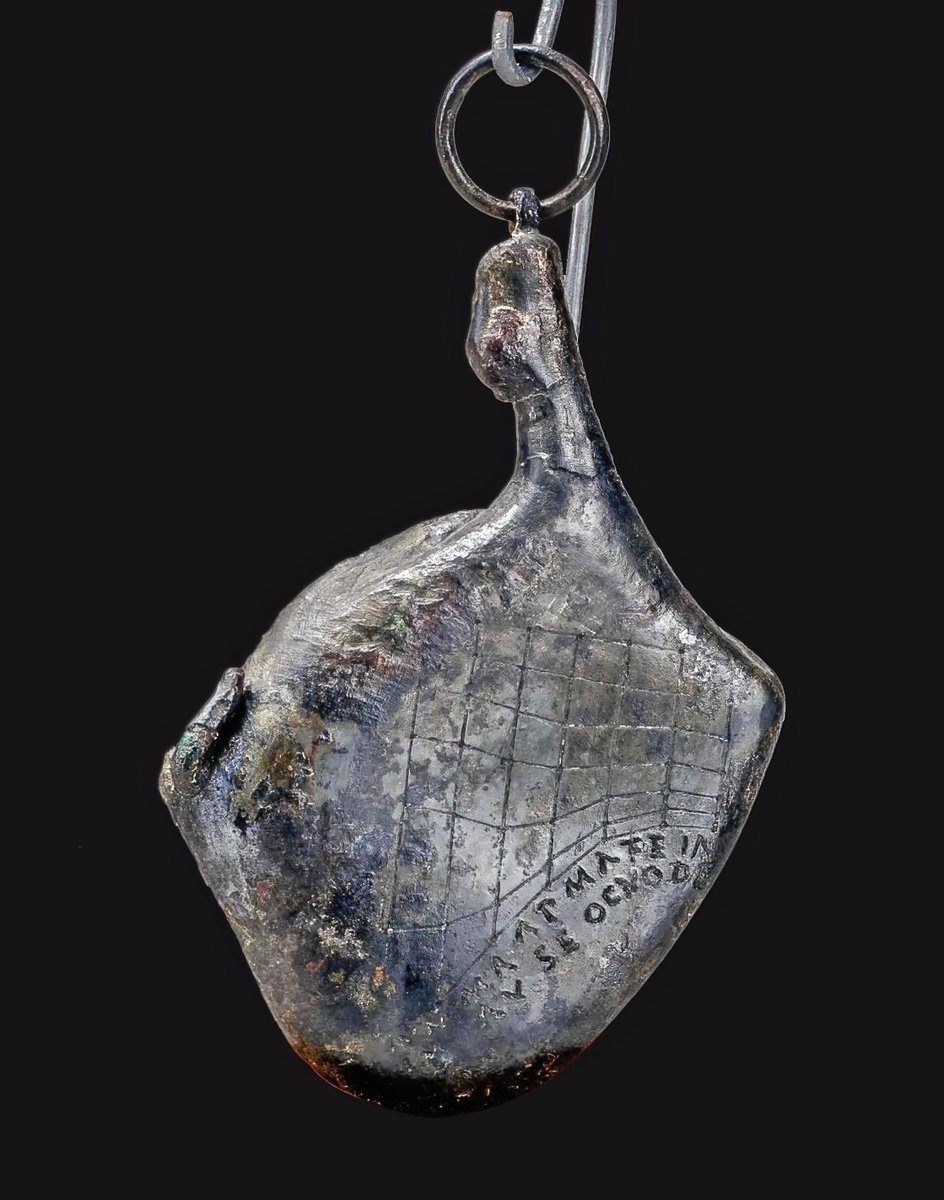
Roman portable sundial in the shape of a cured ham. The whimsical yet precision-crafted bronze timepiece was unearthed in Herculaneum in 1760 and quickly identified as a rare pocket sundial by its grid markings. The exact workings of the 'pork clock' have, however, only recently come to light thanks to new research.
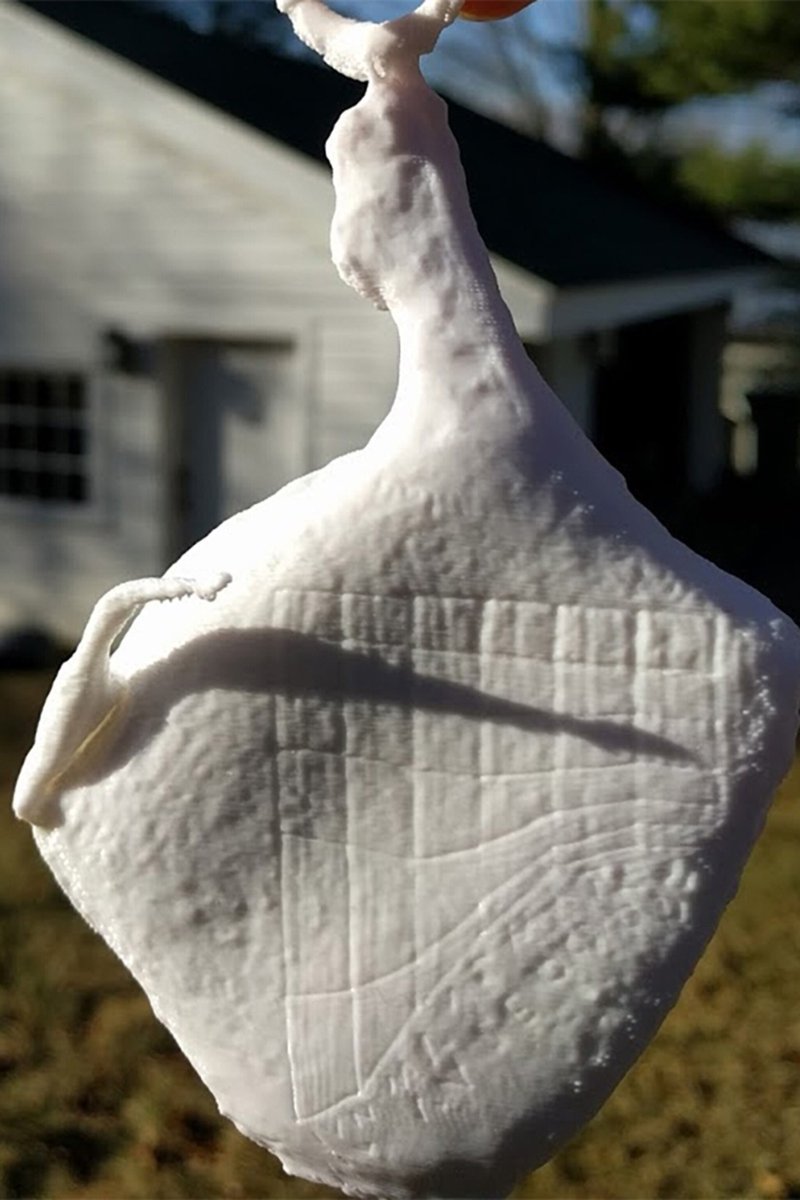
Historians at Wesleyan University created an exact 3D-printed replica of the sundial, complete with its lost gnomon (the part of a sundial that casts a shadow) which was described by an 18th-century museum curator as having been in the shape of a pig’s tail.
Outdoor experimentation with the sundial confirmed that the device would be hung from a chain with the sun on its left side, allowing the pig tail to cast its shadow across the grid. Vertical lines on the grid represent the months of the year, while the horizontal lines indicate the number of hours past sunrise or before sunset.
The Roman user aligned the tip of the tail's shadow to fall on the vertical column of the current month. They then counted the number of horizontal lines from the top of the grid to the tip of the shadow, to reveal the hour of the day.
While fixed sundials were common in towns across the Roman world, this prosciutto clock is one of only around 25 portable sundials to survive from antiquity and one of the earliest known to exist.


English
Thufir Hawhataburger retweetledi