
Luke Chadwick retweetledi

This isn’t a random scientist who got lucky.
Mariano Barbacid discovered the first human oncogene in 1982. He isolated H-RAS from bladder cancer cells and proved a single point mutation could trigger cancer. That finding launched the entire field of molecular oncology.
KRAS mutations cause 90% of pancreatic cancers. For 43 years, oncologists called KRAS “undruggable” because the protein had no obvious binding pocket. Barbacid spent the last decade using genetically engineered mice to systematically test every node in the KRAS signaling pathway, looking for combinations that would work without killing the patient.
The triple therapy blocks KRAS three ways at once: the main growth signal, the escape routes through EGFR and HER2, and the stress-response backup through STAT3. Cut the engine, seal the exits, disable the emergency system. Tumors vanished in mice and didn’t return for 200+ days after treatment stopped.
Pancreatic cancer has a 13% five-year survival rate. 8% for the ductal adenocarcinoma type this therapy targets. Most patients live one year after diagnosis.
The catch: this is preclinical. Human trials are 3+ years away. One of the drugs, RMC-6236, might get approved this year, but the full triple combination has regulatory hurdles.
Still. The man who discovered human oncogenes in 1982 may have just figured out how to eliminate the cancer those genes cause. That’s a 43-year arc from first principles to potential cure. Science rarely works this clean.
All day Astronomy@forallcurious
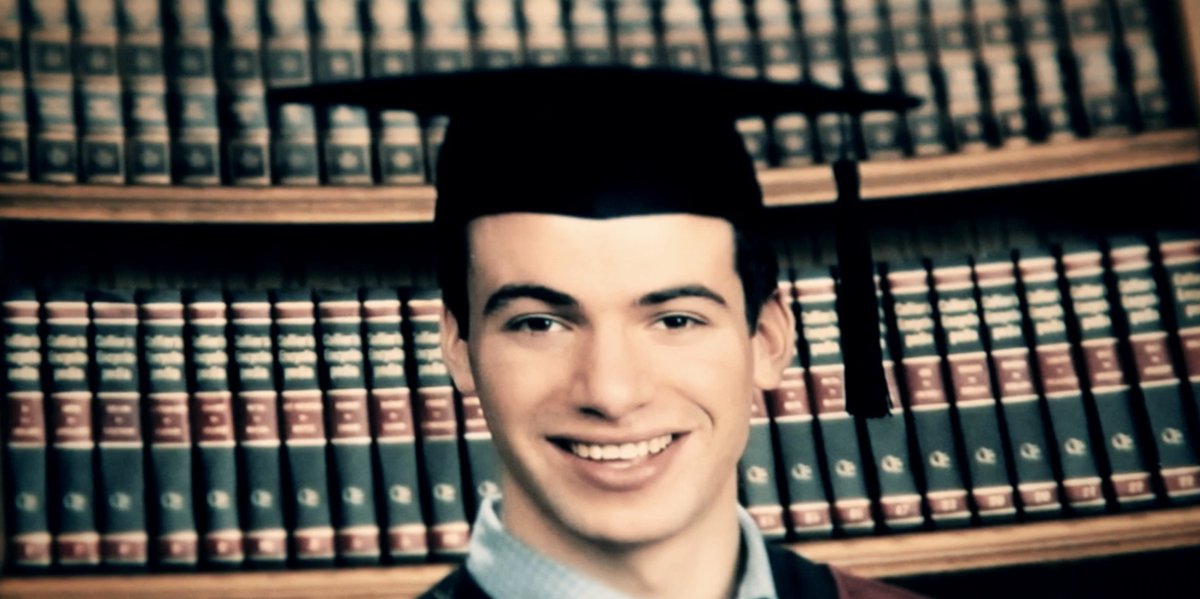
BREAKING🚨: This is Mariano Barbacid, the scientist who may have discovered the cure for pancreatic cancer.
English