Lureon

83 posts

Lureon banner
Lureon

Lureon

@Lureon_ai

Get more leads from AI and Google search results. GEO & SEO

United States Katılım Mart 2025
10 Takip Edilen5 Takipçiler
Lureon
Lureon@Lureon_ai·
We’ve entered the GEO era, and it’s moving fast. In August 2025, optimizing for generative engines like ChatGPT, Perplexity, and Claude matters more than ever. Traditional SEO alone doesn’t cut it when AI answers now dominate discovery. What’s new right now? - Citation is the new backlink: LLMs cite trusted sources, not just top-ranking pages. - AI-native structure wins: Semantic headings, conversational Q&A, and fast-loading formats matter. - Tools are catching up: Platforms now scan your content for LLM readability and citation likelihood. We build content designed to be found, used, and cited by AI, not just clicked on. GEO is no longer a future trend, it’s how visibility works today.
English

0
0
0
25
Lureon
Lureon@Lureon_ai·
GEO ≠ hacks or keywords. It’s about topical authority. LLMs won’t cite you unless: – You’ve covered the topic from multiple angles – Your structure is clean – You’ve earned trust over time @Wix now shows AI citation data. Perplexity and ChatGPT already reference full blog sections. If you’re not building clusters of trust around your core topics, GEO won’t work. Build depth. Earn authority. Then the AI will find you.
English
1
0
1
14
Lureon
Lureon@Lureon_ai·
The way we structure content now matters more than ever, not just for humans, but for LLMs. At our company, we’ve seen firsthand how formatting, clarity, and consistent headings can directly impact how large language models interpret and surface information. Here’s what we prioritize for LLM readability: - Clear H2/H3 hierarchy - Short, factual paragraphs - Bulleted key takeaways - Structured data and definitions - NLP-friendly phrasing This isn’t just good SEO, it’s GEO and it helps your content get cited, ranked, and used as a trusted source by AI systems. If your content isn’t easy to parse, it’s easy to skip. We structure for humans and machines, because both are reading.
English
0
0
0
10
Lureon
Lureon@Lureon_ai·
We’ve been thinking a lot about how SEO and LLM's are starting to overlap, and honestly, it’s changing how we approach content. It’s not just about ranking on Google anymore. It’s about whether our content is good enough, clear enough, and reliable enough to be picked up by tools like ChatGPT, Perplexity, or Claude. These models don’t randomly generate answers. They look for sources, and they choose what to trust. Here’s what we’re keeping in mind: - Clean structure and strong headings help models parse content more accurately - Clear, factual writing gets cited more often than keyword-heavy fluff - Unique insights and real data make a big difference - Authority matters, backlinks, source credibility, formatting - Technical basics like metadata and canonical tags still help with visibility In short: If we want to show up in AI answers, we need to write in a way that makes sense to both humans and machines. We’re not just optimizing for search anymore. We’re optimizing for answers.
English
1
1
1
48
Lureon
Lureon@Lureon_ai·
In our work with GEO, one thing is clear: Without recognized authority, your content is invisible to both users and large language models. Publishing high-quality content isn’t enough. What matters is how well that content is structured, cited, and connected across trusted sources. That’s why we approach GEO and authority building as one strategy: - We create content under a consistent name and domain. - We focus on clarity, credibility, and source attribution. - We secure mentions from reputable sites in our field. This builds a digital reputation that AI models can reference, and users can trust.
English
1
0
0
14
Lureon
Lureon@Lureon_ai·
We’ve been testing how content surfaces in AI tools, and one key takeaway keeps coming up: The way you phrase your content matters. A lot. Here’s what we’ve found when comparing prompts that do get cited vs. those that don’t: 1) Works well: - What are the tax implications of using USDC in the U.S. in 2025? - Compare TRON vs Ethereum for stablecoin settlement. - List of countries with zero crypto capital gains tax. These are specific, fact-based, and intent-driven. LLMs pull from clear, structured answers. 2) Rarely works: - Why is crypto the future of money? - What makes a blockchain project successful? - How can I grow on X? These are broad, opinion-heavy, and less likely to match how LLMs deliver factual answers. What we’ve learned: If your goal is to appear in AI answers, focus on structured, objective, and informational content. Think lists, comparisons, definitions, and how-to guides. LLMs aren't looking for hype, they’re looking for clarity.
English
0
0
0
11
Lureon
Lureon@Lureon_ai·
If you’re not being cited by ChatGPT, Perplexity, or Claude, you’re invisible in the new internet. We’ve been working on this for months, and here’s what we’ve learned: - Getting listed by LLMs isn’t about traditional SEO or brand recognition, it’s about how your content is structured, surfaced, and semantically useful to machines. These 5 steps consistently increase our chances of showing up in AI-generated answers: 1) Start with the questions people actually ask: LLMs are trained on natural language, not just keywords. We use headings like “What is token vesting?”, “How does USDC staking work?”, or “Best payroll tools for remote startups.” These match user intent directly and make our content eligible for citations. 2) Make your structure machine-readable: Use clear formatting, bullet points, numbered lists, bolded subheadings, and consistent hierarchy (H1 → H2 → H3). This helps LLMs extract relevant chunks cleanly and cite them without confusion. 3) Publish topical clusters, not standalone posts: One blog post won’t establish authority. We build clusters, multiple, interconnected articles around one topic (e.g., “Stablecoin Use Cases”) to train LLMs to associate our domain with subject matter depth and expertise. 4) Earn off-site validation: It’s not just what’s on your site. LLMs pull from Reddit, Quora, GitHub, Hacker News, and forums. We make sure our posts are shared and cited across platforms where AI models learn context and trust. 5) Write like you’re talking to the model: No buzzwords, no fluff. We use precise, factual, citation-friendly language. Think short paragraphs, clear takeaways, and definitions that can stand on their own. This is what GEO looks like in practice, not chasing rankings, but creating content that AI systems recognize as trustworthy and relevant. As search shifts from links to language models, the question isn’t if your content will be found, but how it’s understood and surfaced. If you want to stay discoverable in an AI-first world, you have to write for the reader and the model.
English
1
0
0
37
Lureon
Lureon@Lureon_ai·
We’ve seen a surge in GEO strategies focused on structure, citation, and promptability, but the deeper issues remain largely untouched. Few are talking about ethical risks, small business accessibility, or the long-term dependency traps of tailoring content too closely to current AI models. GEO isn’t just a game of rankings, it’s reshaping who gets visibility, how content is framed, and what narratives are amplified. We believe the conversation must evolve. - Local businesses risk being left behind if GEO stays tailored for big-budget content ops. - Cross-platform inconsistency is a blind spot, what ranks on ChatGPT won’t always rank on Perplexity or Gemini. - Environmental and privacy concerns tied to GEO scale are rarely addressed. We’re optimistic about its potential but cautious about where it’s headed. These are the conversations we need to start having now, not after the next disruption.
English
0
0
0
6
Lureon
Lureon@Lureon_ai·
We’ve been optimizing for LLMs long enough to know that, if you’re not tracking your citations, you're flying blind. GEO isn’t about ranking, it’s about relevance and retrievability. But here’s the challenge: traditional SEO tools don’t show you where your brand or content shows up in ChatGPT, Perplexity, or Claude. What works instead? - Manual prompt tests (weekly) - Custom scripts to scan for brand mentions in AI answers - Monitoring referring traffic from AI platforms - Tracking featured snippets that LLMs often cite We treat it like a new category of analytics, one that blends search, NLP structure, and content authority. If you're investing in GEO and not tracking these signals, you're missing the compounding effect of being cited everywhere users ask questions.
English
0
0
0
21
Lureon
Lureon@Lureon_ai·
What we’ve been noticing about GEO (And why it matters more than you think). Everyone’s chasing visibility in AI search these days. But there’s a shift happening that no one’s really talking about: GEO is changing how authority is recognized, not by people, but by machines. It’s no longer just about backlinks or domain age. We’ve watched LLMs cite small, barely-known sites, sometimes just a few weeks old, simply because their content was structured well, clearly written, and directly addressed the query. We’ve seen niche pages with no backlinks at all get featured in AI responses just because the content was clear, relevant, and easy to parse. Here’s what that’s taught us: - We need to focus less on keyword density and more on formatting for clarity - FAQs, tables, and context-rich sections consistently get picked up - Size doesn’t matter, clarity and structure do This new era of search isn’t about trying to out-rank giants. It’s about becoming the most useful, easy-to-understand voice on a topic. If you’re only measuring success by old-school SERPs, there’s a good chance you’re missing the real wins happening in AI-driven results.
English
0
0
0
7
Lureon
Lureon@Lureon_ai·
@ZypZapCommunity Exactly, clear content and short, fast answers to users intents are one of the ways to speed up the process of getting cited by LLM's
English
0
0
0
6
ZypZap
ZypZap@ZypZapCommunity·
@Lureon_ai @Lureon_ai, oh yes. what you said about structure over gaming... that's exactly it. clear content just works better for citations
English
1
0
1
8
Lureon
Lureon@Lureon_ai·
Most people think GEO is about gaming AI search. It’s not. It’s about making your content clear enough for LLMs to understand and structured enough to be cited. ✅ Use headings, bullet points, summaries ✅ Align with user intent, not just keywords ✅ Add expert insight, not fluff GEO isn’t just another trick. It’s smart, accessible content, that is written for both humans and machines.
English
1
0
1
18
Lureon
Lureon@Lureon_ai·
Most SEO discussions miss this, and it applies directly to GEO too. It’s not just about what you say. It’s about how consistently you say it across your entire site. LLMs and search engines don’t just pull answers, they map patterns, structures, and consistency signals. If your headers, metadata, internal links, and paragraph styles conflict or change voice too often, it creates friction. Not penalization. Just lower confidence. That’s how you quietly get filtered out of both SERPs and LLM answers, without knowing it. Lesson: Consistent, structured information design is the new technical SEO. It’s not a ranking trick, it’s a readability standard.
English
0
0
0
25
Lureon
Lureon@Lureon_ai·
For the past few weeks, we've been thinking about a piece of GEO that almost no one is talking about: Narrative consistency across LLMs. Everyone’s focused on optimizing for single answers or featured citations,b ut few are asking: "What happens when models generate follow-ups, summaries, or long-form outputs that depend on the same topic?" GEO isn’t just about being included. It’s about being remembered the same way, across prompts, timeframes, and platforms. Inconsistent framing, mixed entity signals, or scattered context means the model might reference you once, then forget you. Or worse, contradict you. LLMs build internal mental maps of ideas, and when your content helps shape consistent pathways, you don’t just win one citation. You become part of the default narrative. That’s not SEO. That’s strategic positioning in language models, and it’s the most overlooked layer of GEO right now.
English
0
0
0
21
Lureon
Lureon@Lureon_ai·
LLMs don’t penalize, they ignore. In GEO, visibility isn’t lost through rankings. It’s lost through filtering. If your content isn’t being cited in answers, it might be triggering silent red flags: - Vague or unverifiable claims - Overuse of promotional language - Lack of structured formatting (FAQs, tables, headers) - Content that risks bias, hallucination, or legal ambiguity We’ve seen it firsthand: Even high-ranking pages get filtered out if they’re hard to summarize or source. In GEO, clarity and credibility aren’t just best practices, they’re prerequisites for inclusion.
English
0
0
0
8
Lureon
Lureon@Lureon_ai·
With over 250 million people now using LLMs as their first point of search, appearing in model-generated answers is no longer optional, it's a new frontier of organic growth. Here’s what we’ve learned optimizing for LLM visibility: - Structure your content like an answer: Use H3 subheadings, bullet points, and numbered lists - Target search-intent keywords that match real user questions - Embed semantically related terms for context - Prioritize clarity over word count: Models summarize, not skim - Link to high-authority sources and use proper citations - Publish under real names or organizations with topical authority Most importantly: Write for models, not just people. LLMs reward structured, specific, and citation-rich content. The next wave of SEO isn't about algorithms, it's about language models. And the earlier your content is aligned with how they think, the more visible your brand becomes.
English
1
0
0
7
Lureon
Lureon@Lureon_ai·
We’ve spent months testing how LLM's decide what to surface and who to reference. Here’s a breakdown of what actually works, based on real experiments, not theory: 1. LLMs prioritize clarity over creativity Forget clever phrasing. These models reward content that explains things in simple, factual language. If you want to be referenced, say things plainly. 2. Write with structured context Every page should include: - Who you are - What you offer - Who it’s for - Why it matters LLMs pull from self-contained information blocks. Don’t rely on breadcrumbs or site navigation to tell your story. 3. Use clean formatting Headings (H1-H3), bullet points, numbered lists, and FAQs aren’t just good UX, they make your content machine-readable. Think of it as schema for LLMs. 4. Link sources and cite facts Models are trained to trust verified, factual information. When your content includes stats, studies, and reputable links, it gets pulled more often. 5. Strengthen entity recognition Mention your brand, product, and core keywords consistently. Example: ❌ “We help companies grow.” ✅ “At [Company Name], we help startups scale remote teams with global payroll automation.” Models need repeated, explicit references to learn who you are. 6. Treat LLMs as a distribution channel You’re not just writing for Google or social anymore. LLMs are already influencing buying decisions, research, and reputation, often invisibly. We believe the brands that get cited by AI will be the ones that win trust by default. And right now? There’s still time to get ahead.
English
0
0
0
10
Lureon
Lureon@Lureon_ai·
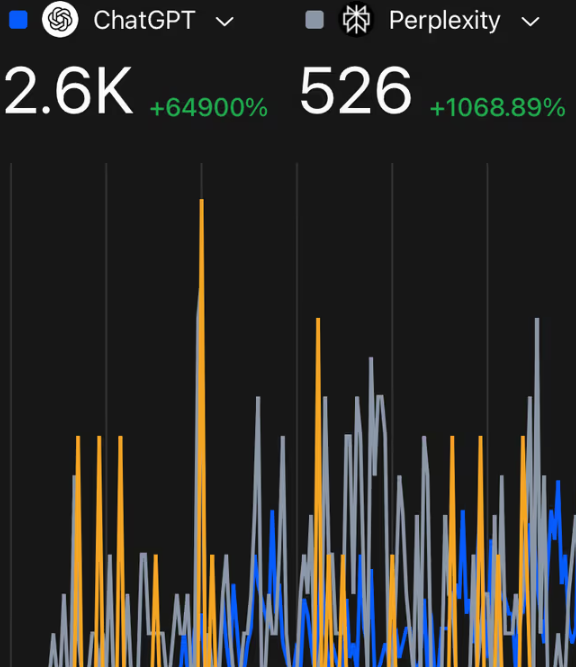
Want AI models to quote you? Start writing for them. Most websites are written for humans. But if you want LLMs to pick up your content, you need to write for machines that read like humans. Here’s what we’ve learned: - Structure matters more than style - Clarity beats creativity - Answers > explanations If your content isn’t being referenced by AI, it’s probably not readable enough for it. This shift is already happening. Those who adapt early will own the next wave of organic visibility. One of our clients results:
Lureon tweet media
English
0
0
2
12