
Luthor
14.6K posts


Luthor
@Luthordml
Collab Manager • AI Automation Specialist • Vibe Coder • Building @collabos_ | Main account @brainer_eth suspended for now


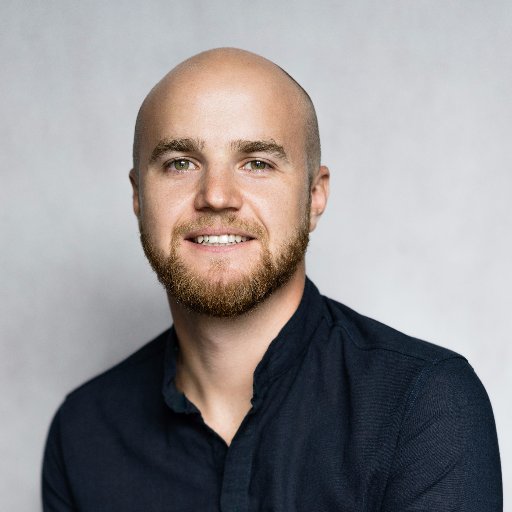


• everyone flexing already making 4 figures on tempo but not me, I didn’t pack enough when I was early. decided that I’ll be making my first 4 figures from @TotemWild [will keep price prediction to myself post launch; hate jinxing] • 1st free mint on tempo • 1st on the no.1 market place — stable whels • 1st collab to help go viral with tempo whels the tempo quants have risen and selling foolishly might be ones biggest regret this szn.


I’ve hired 5 people for my startup 🤝 Co-founder: OpenClaw 👨💻 Coding: Opus 4.6 🐞 Debugging: GPT-5.2 🔬 Research: Grok 4.1 ✍️ Writing: GPT-5 Mini Work anytime, no leave, no drama


Nigeria is ranked #1 in global USDT and USDC ownership. Not the US. Not the UK. Not Singapore. Nigeria. 59% of Nigerian crypto users hold USDT. 48% hold USDC. More than any other country surveyed. India is third. Brazil close behind. The reason is obvious once you see it: in countries where local currency loses 20–40% of value annually, stablecoins aren't a crypto product. They're a savings account. A dollar-denominated store of value that doesn't require a US bank account. Here's what the data doesn't show: most of those stablecoin holders can't use their USDT to buy anything. No merchant acceptance. No subscription billing. No automatic payment. No way to pay a supplier. They hold the dollars. They can't spend the dollars. They convert back to fiat every time they need to transact. The gap between stablecoin adoption and stablecoin utility is most visible not in San Francisco or Singapore. It's in Lagos, Jakarta, São Paulo. $308B in circulation. The people who need stablecoin commerce most have the fewest tools to access it. That's not a distribution problem. That's an infrastructure problem. The rails exist everywhere. The billing layer doesn't exist anywhere. That's who we're building for.

