LynLight Literacy

152 posts

LynLight Literacy banner
LynLight Literacy

LynLight Literacy

@LynLightLit

Research-informed support for parents and educators of struggling readers. Scaffolding strategies & gentle guidance.

Katılım Ekim 2022
222 Takip Edilen532 Takipçiler
Sabitlenmiş Tweet
LynLight Literacy
LynLight Literacy@LynLightLit·
Reading is not a character trait. And struggling readers are not broken learners. LynLight Literacy exists to bring clarity to reading development and dyslexia for educators, families, and schools. 🧵 1/5
English
4
0
2
312
LynLight Literacy
LynLight Literacy@LynLightLit·
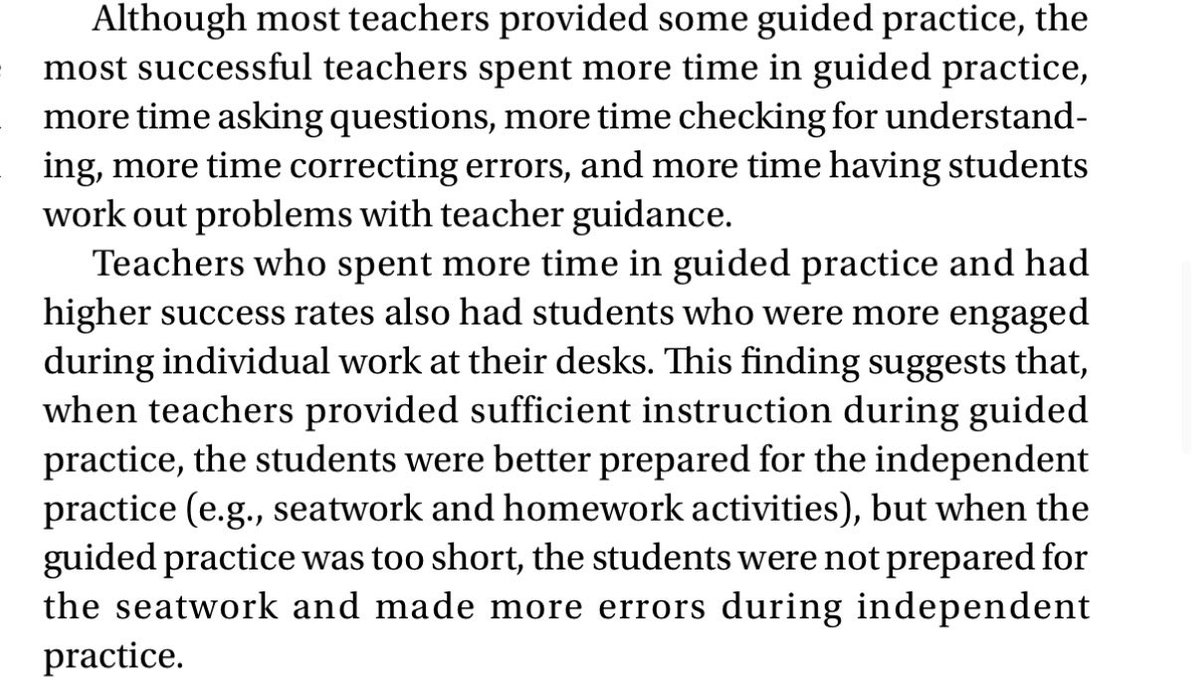
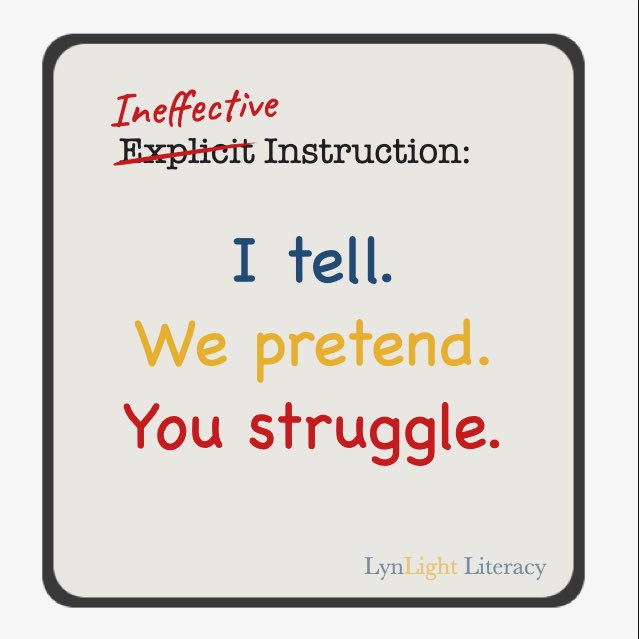
Effective instruction is not “I tell, move on, and hope for the best.” It includes modeling, guided practice, active monitoring, feedback, and gradual release. When those pieces are missing, students don’t fail. The system does.
LynLight Literacy tweet media
English
0
1
3
69
Zac Bauermaster
Zac Bauermaster@ZBauermaster·
Every kid needs someone in their corner.
English
4
23
122
4.1K
Jason
Jason@anenglishteachr·
Yesterday was my last session with a dyslexic 2nd grader I've been tutoring and for the best possible reason: He doesn't need help anymore He's not just caught up but is now ahead of where his school says he should be Its bittersweet, especially since he said he is going to miss our sessions, but such a great win since he has been working so damn hard
English
19
12
697
9.9K
LynLight Literacy
LynLight Literacy@LynLightLit·
If your child is struggling to read, it does not mean they are behind in intelligence. Reading is a learned skill. When the instruction matches how the brain builds word recognition, growth is possible at any age.
English
1
1
5
104
LynLight Literacy
LynLight Literacy@LynLightLit·
@EduConsumersFdn That’s the challenge. When students fall behind, maintaining status quo instruction rarely closes the gap. Precision, intensity, and coherence become essential.
English
0
0
1
16
Education-Consumers
Education-Consumers@EduConsumersFdn·
Truth. For children who are behind, “catch-up” rates of achievement growth are critical.  The knowledge and skills that define each grade-level are a moving target.  By design, they become more challenging at each higher grade. For example, a proficient second grader (i.e. a second grader who is a grade level) must gain one year's worth of knowledge and skills in order to remain on grade level in grade three. However, a second-grader who is a half-year below grade level must grow by one and one-half years’ in order to reach grade level in grade three. Without teachers who can bring about the rate of achievement growth necessary to catch up, a child who lags at school entry tends to remain behind and eventually become a discouraged learner.
Polly Karr@karr_pe

@George13287 @EduConsumersFdn If your child isn't already a beginning reader before you send them off to a public school with 20 to 25 kids in their class, you are taking a huge gamble.

English
1
1
4
295
LynLight Literacy
LynLight Literacy@LynLightLit·
@oliviajune82 That distinction matters. Automaticity isn’t the end goal, it’s the support system that makes higher-level thinking sustainable.
English
0
0
1
34
LynLight Literacy
LynLight Literacy@LynLightLit·
Struggling readers don’t need lower expectations. They need clearer instruction, more guided practice, and protected cognitive load.
English
0
0
6
127
LynLight Literacy
LynLight Literacy@LynLightLit·
@larissaphillip Research suggests interest and choice help students begin reading. Success builds confidence, and confidence fuels continued engagement. Start with interest to build buy-in, then intentionally build knowledge through supported reading.
English
0
0
2
40
Larissa Phillips
Larissa Phillips@larissaphillip·
Is it better for teenagers who are struggling readers to read a book, with support in a tutoring session, that is of their exact interest, or knowledge/building historical fiction that they might not read otherwise?
English
11
0
4
1.6K
Brett Tingley
Brett Tingley@brett_tingley·
It’s heartbreaking to me that adults will defend ineffective teaching strategies when children’s lives literally depend on getting it right. Why not do it for the children? I simply will never understand.
Justin Browning@SorforMore

From Dr. Doug Reeves…

English
7
7
47
4.3K
LynLight Literacy
LynLight Literacy@LynLightLit·
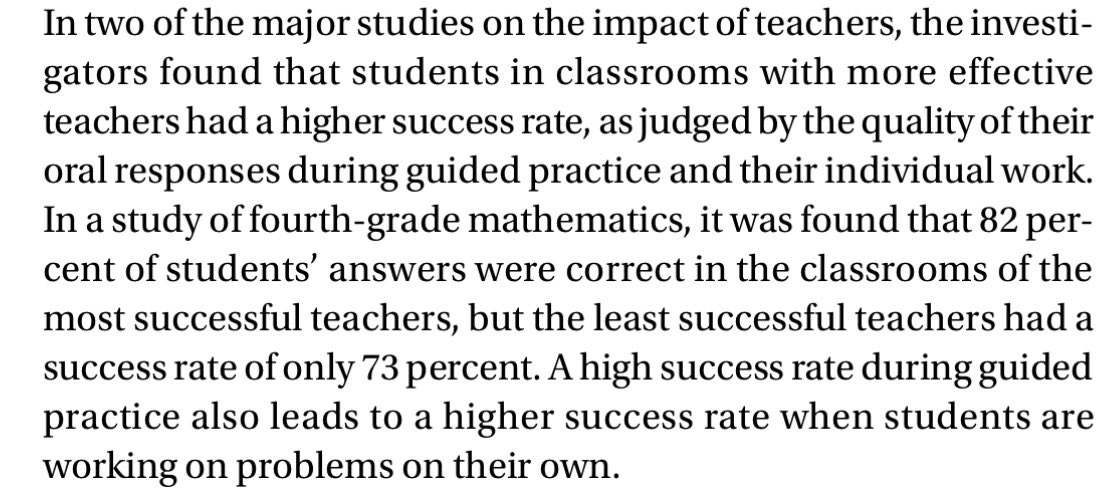
Deep reading depends on automaticity and manageable cognitive load. When decoding is effortful, comprehension and stamina are affected.
LynLight Literacy tweet media
English
0
1
5
76
LynLight Literacy
LynLight Literacy@LynLightLit·
@HannahWardEdu More books, please. Deep reading thrives on quiet, continuity, and sustained attention. Print makes that easier.
English
1
0
2
204
LynLight Literacy
LynLight Literacy@LynLightLit·
@educatedandfree It really is a beautiful process. Hearing complex language spoken clearly gives children a mental model for what reading can sound and feel like. Later, when print becomes easier, that foundation makes a difference.
English
0
0
1
18
Dissident Teacher
Dissident Teacher@educatedandfree·
Which is why you start with read aloud as a parent, choosing strong stories employing high-level vocabulary words so a child can start associating the words with the mental images while you read the words properly, pronouncing them correctly and clearly so that a child can recognize them later when they encounter them on their own. It’s such a beautiful process.
English
1
0
3
174
Dissident Teacher
Dissident Teacher@educatedandfree·
I've noticed there is some discourse on reading trending. May I invite you inside? It's warm and wonderful -- the full breadth of human experience is here. Warm drinks and comfy chairs and afghans crocheted by grandma highly recommended. (If you really struggle with reading -- either focus or comprehension-- start with the 3-7 list. I promise, these are not baby books. They will fill your heart; your elementary school let you down on this.) If you enjoy reading but recognize your knowledge of canon is weak, hit the 8-12 list. Anthologies of mythology and poetry will serve you very well. (And the Westerns are GREAT.) (The 13-99+ list should be finished within the next couple of days.) Ages 3-7: open.substack.com/pub/educatedan… Ages 8-12: open.substack.com/pub/educatedan…
Dissident Teacher tweet mediaDissident Teacher tweet media
English
6
47
323
10.2K
LynLight Literacy
LynLight Literacy@LynLightLit·
@SoLInTheWild The “We do it” phase is often underestimated. That’s where clarity, feedback, and active monitoring prevent error patterns from forming. Independence works best when it rests on high-success guided practice. Archer has also said that it can be more like “We do, we do, we do…”
English
0
0
3
73
SoL in the Wild
SoL in the Wild@SoLInTheWild·
I remember hearing Archer say in an interview recently that prompted/guided practice is the piece of explicit instruction teachers miss the mark on most commonly. I’m one of them. The purposeful and deliberate model of this phase of practice outlined by Archer and Hughes is quite remarkable in its simplicity. First, when a skill or concept is very new for students, “We do it” can and likely should have three different ideations: 1️⃣Tell them what to do 2️⃣Ask them what to do 3️⃣Remind them what to do I’m especially noticing the effective deployment of turn and talk and cold calling during the “Ask them what do” phase of prompted practice. There is also an important use of active observation (i.e. “Teacher monitors”) during this entire process. The Rosenshine influences and/or parallels are clear here. 🚨Successful independent practice depends on how successfully you guide practice. According to Rosenshine’s work, we need to error on the side of more time for guided practice not less to ensure we have obtained a high success rate before independent practice. This is necessary to avoid having students practice making errors. The more I learn about explicit instruction, the more I question the knowledge and motivations of anyone who claims it’s a teacher-centered lecture. It’s anything but that. It’s a student-centered experience. Students experience the lesson, the skills, the knowledge, all under the guidance of an expert.
SoL in the Wild tweet mediaSoL in the Wild tweet mediaSoL in the Wild tweet media
English
2
11
38
2.3K
LynLight Literacy
LynLight Literacy@LynLightLit·
Many students labeled “unmotivated” are operating at maximum cognitive load. When foundational skills aren’t automatic, every task costs more mental energy than we realize.
English
0
0
1
49
LynLight Literacy
LynLight Literacy@LynLightLit·
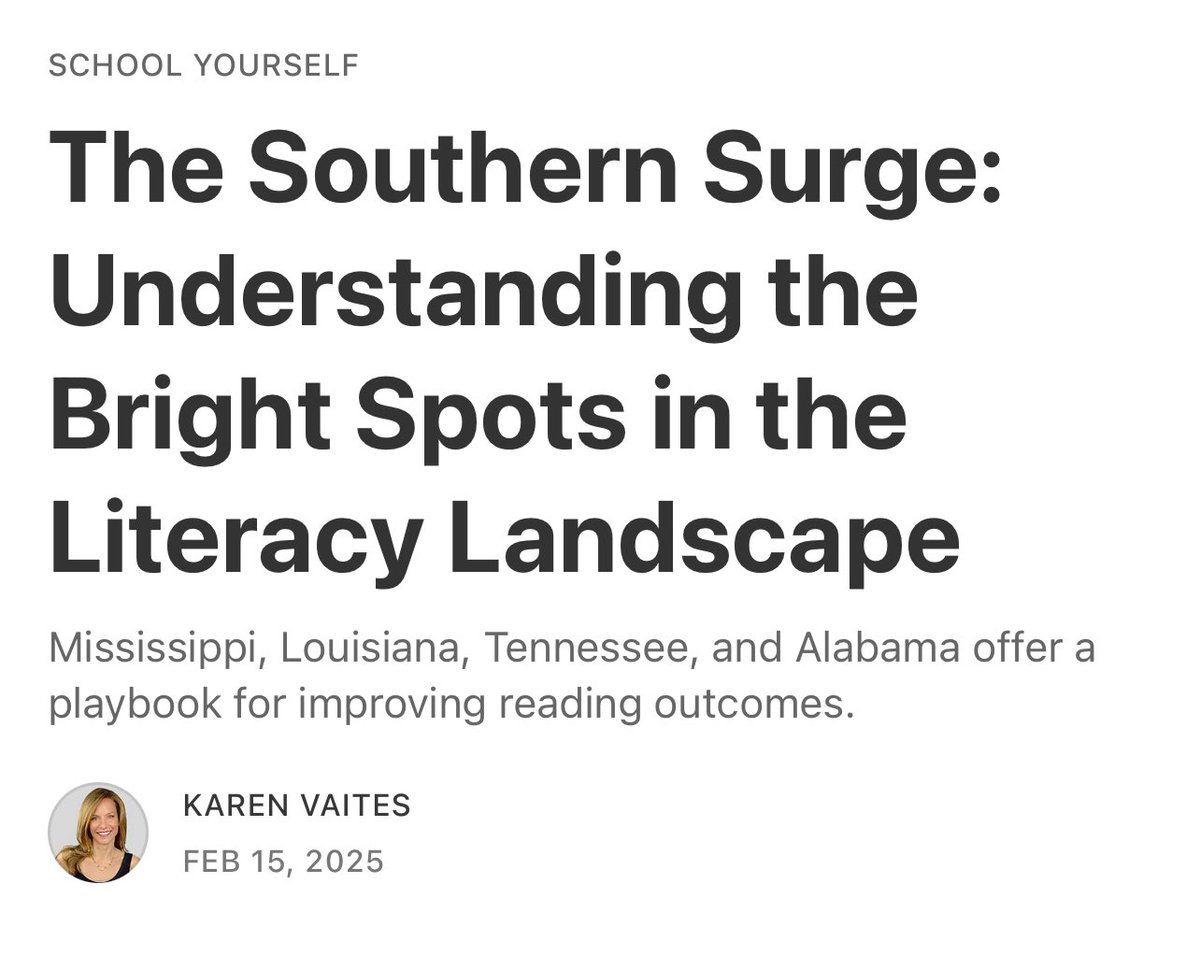
@karenvaites Behind every “surge” are years of sequencing, curriculum decisions, teacher training, and classroom implementation. Durable gains rarely happen by accident.
English
0
0
0
34
Karen Vaites
Karen Vaites@karenvaites·
One year ago today, I published a piece on the important trend getting lost in the NAEP coverage. I made sure to give it a worthy, memorable name. Happy anniversary to the Southern Surge. 1/
Karen Vaites tweet media
English
4
8
46
1.6K
LynLight Literacy
LynLight Literacy@LynLightLit·
@gerrydiamond71 Behavior is information. When we shift from “How do we stop this?” to “What is this telling us?”, we sometimes uncover overload, skill gaps, or stress responses that suspension alone won’t address.
English
0
0
1
36
Gerry🧠🌱
Gerry🧠🌱@gerrydiamond71·
When a pupil becomes a problem,the behaviour becomes the focus. This is often the lens used by a behaviourst approach. The pupil is suspended, again & again. Each suspension fuels resentment & a lack of hope. We tend to miss what their behaviour is telling us.🧠🌱
English
4
13
26
961