The Mississippi Department of Environmental Quality Welcomes Project Ideas for the 2026 Mississippi Multiyear Implementation Plan Amendment and the Mississippi State Expenditure Plan Amendment
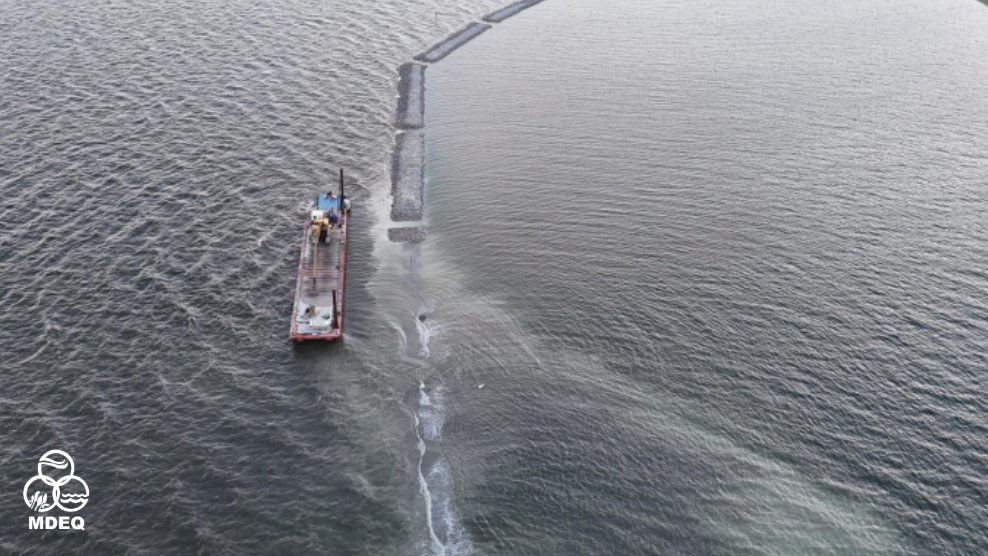
The Resources and Ecosystems Sustainability, Tourist Opportunities, and Revived Economies of the Gulf Coast States Act of 2012 (RESTORE Act) established a new Trust Fund in the Treasury of the United States known as the Gulf Coast Restoration Trust Fund. Eighty percent of the civil penalties paid after July 6, 2012, under the Federal Water Pollution Control Act (33 U.S.C. 1321) in connection with the Deepwater Horizon oil spill will be deposited into the Trust Fund and invested. Trust Fund amounts will be available for programs, projects, and activities described in the RESTORE Act.
Two of the programs are the Direct Component (Bucket 1), administered by the U.S. Department of the Treasury and the Spill Impact Component-Gulf RESTORE Program (Bucket 3), administered by the Gulf Coast Ecosystem Restoration Council. These components required Mississippi, through the Mississippi Department of Environmental Quality (MDEQ), to prepare a Multiyear Implementation Plan (MIP, Bucket 1, 2016) and a State Expenditure Plan (SEP, Bucket 3, 2017) describing each activity, project or program for which Mississippi seeks funding. These plans are periodically amended.
· In preparation of the upcoming amendments for both plans, we welcome you to submit new restoration project ideas or revise previously submitted ideas in the project portal · Mississippi Restoration Project Portal - mdeq.ms.gov/restoration/pr…
Please note that the project portal is always available for project idea submissions. In order to allow sufficient time for the Governor’s Gulf Coast Advisory Committee to review new and revised projects, please provide or update your project(s) ideas by May 15, 2026.
Thank you for your engagement in this process. We look forward to considering your restoration project ideas.
Fossil Friday is making waves… and teeth the size of your hand.
Long before Mississippi had highways and headlines, it was underwater and ruled by the massive Otodus auriculatus, a 30+ foot mega-toothed shark with serrated teeth up to 5 inches long. And it wasn’t alone… it shared these ancient seas with giant early whales, including the 70-foot predator Basilosaurus.
This week, we’re diving into real fossil finds from Rankin County that help tell the story of Mississippi’s prehistoric oceans and the creatures that ruled them.
Read more and explore the full story here.
mdeq.ms.gov/geology/fossil…#FossilFriday#MississippiGeology#SharkTeeth#AncientOceans
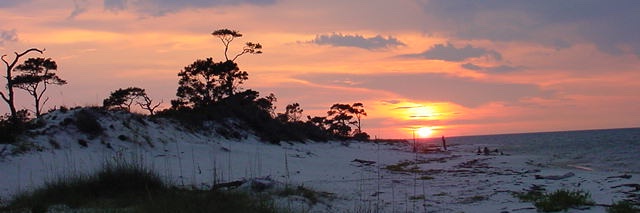
It’s a great weekend to enjoy Mississippi’s beautiful Gulf Coast.
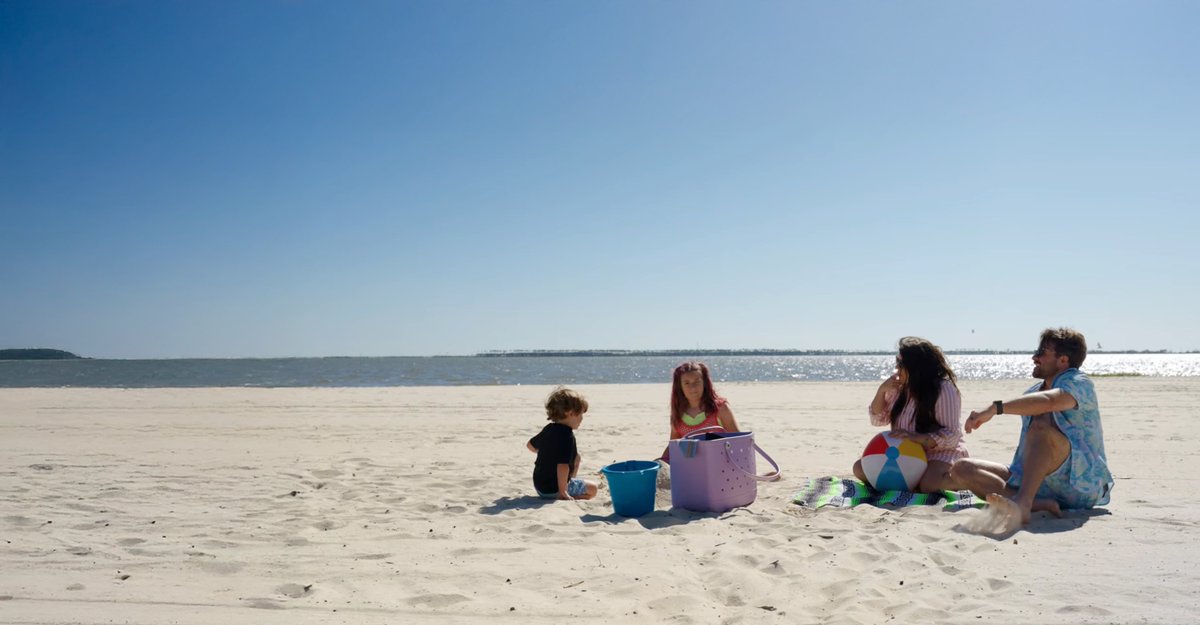
Before you head out to the beach, check beaches.mdeq.ms.gov for the latest water quality updates from MDEQ’s Beach Monitoring Program.
A quick check helps you stay informed before your beach day begins
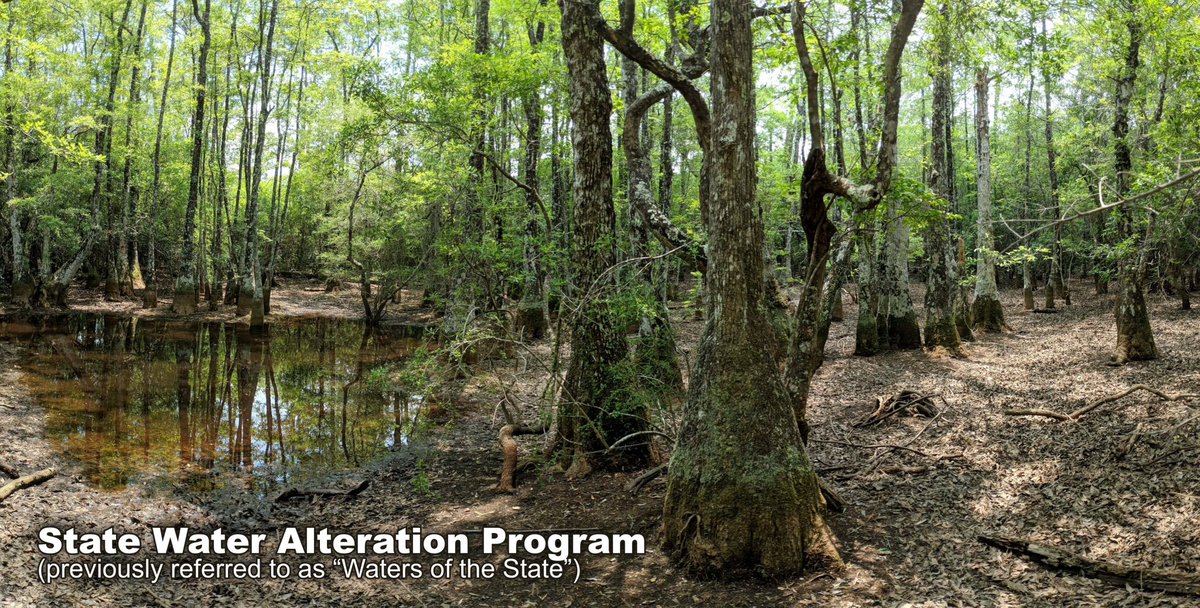
MDEQ has extended the informal comment period for the State Water Alteration Program (SWAP) Advance Notice of Proposed Rulemaking (ANPRM) to October 5, 2026.
Stakeholders now have additional time to review the draft SWAP framework and submit feedback. Click here for details. mdeq.ms.gov/wots/
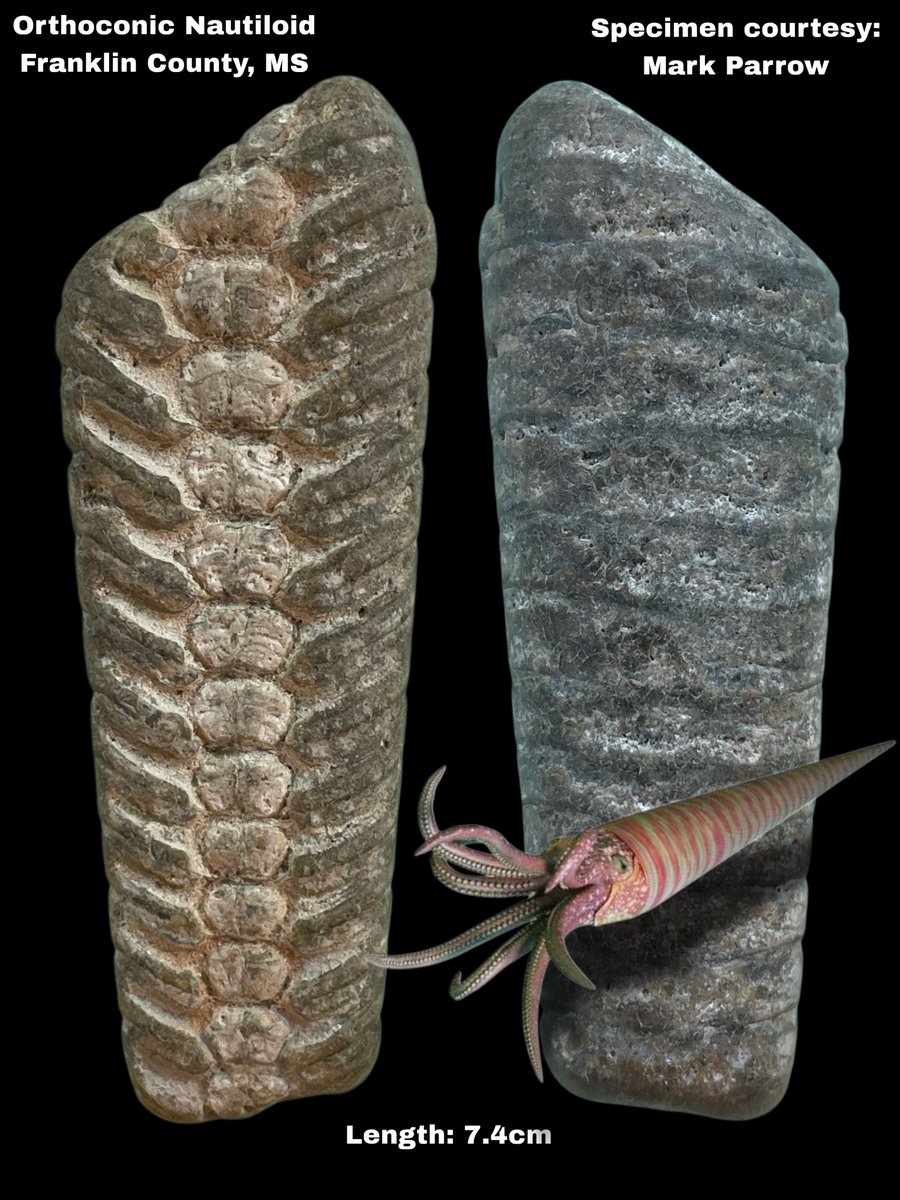
Mississippi’s geology holds clues to ancient oceans that existed hundreds of millions of years ago. In chert gravels across the state, fossils of marine creatures like corals, brachiopods, snails and cephalopods can still be found today.
At the Mississippi Museum of Natural Science’s annual Fossil Road Show, a visitor recently brought in an incredible find from the Homochitto River watershed: a remarkably preserved orthoconic nautiloid, an ancient straight-shelled relative of modern squid and octopus that swam Paleozoic seas long before dinosaurs.
These fossils help scientists trace ancient rivers and the geologic history that shaped Mississippi. Visit our partners at the Mississippi Museum of Natural Science to learn more and read the full Fossil Friday story here:
mdeq.ms.gov/geology/fossil…#FossilFriday#MississippiGeology#MMNS#MDEQ
Join Us in Grenada Tomorrow!
MDEQ is hosting a listening session to gather input on the development of the State Water Alteration Program (SWAP). This is your opportunity to share feedback on key topics such as permitting pathways, exemptions, mitigation options, delineation requirements, and overall program structure.
Topics include:
• Permitting pathways
• Exemptions
• Mitigation options
• Delineation requirements
• Overall program structure
Grenada – February 19, 2026 | 2:00 p.m.
Learn more and review the advance notice: mdeq.ms.gov/wots/
For today’s fossil Friday we are returning to the late Pleistocene at the height of the last glacial maximum, between about 110,000 and 11,700 years ago, and featuring two fossil fragments that belonged to an American mastodon: one of a tusk, and one of a tooth. mdeq.ms.gov/geology/fossil…