Movement Disorders Journal

640 posts

Movement Disorders Journal banner
Movement Disorders Journal

Movement Disorders Journal

@MDJ_Journal

Movement Disorders, the official Journal of the International Parkinson and Movement Disorder Society. @movedisorder

Katılım Temmuz 2020
76 Takip Edilen5.2K Takipçiler
Movement Disorders Journal
Movement Disorders Journal@MDJ_Journal·
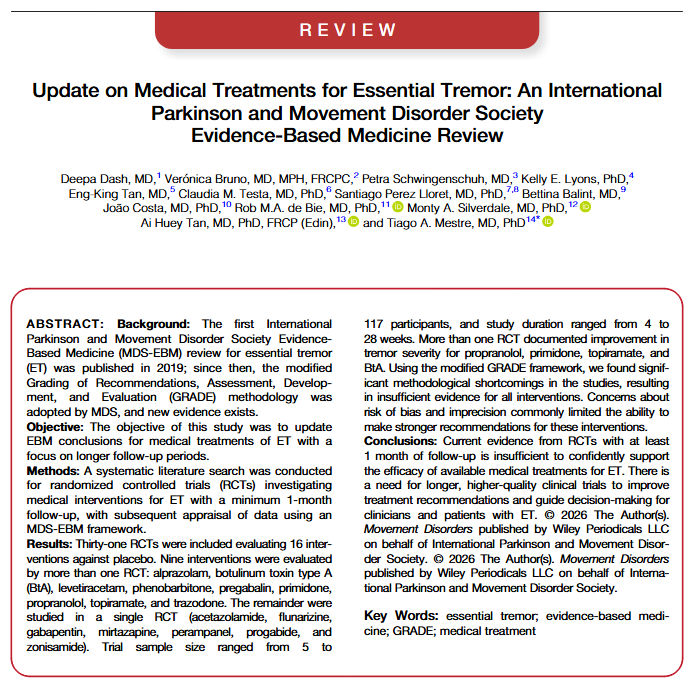
Changes in evidence standards call for more rigorous and modern clinical trials. Find out what that means for the latest assessment in medical treatments for ET. loom.ly/7b3mW9w
Movement Disorders Journal tweet media
English
0
0
2
376
Movement Disorders Journal
Movement Disorders Journal@MDJ_Journal·
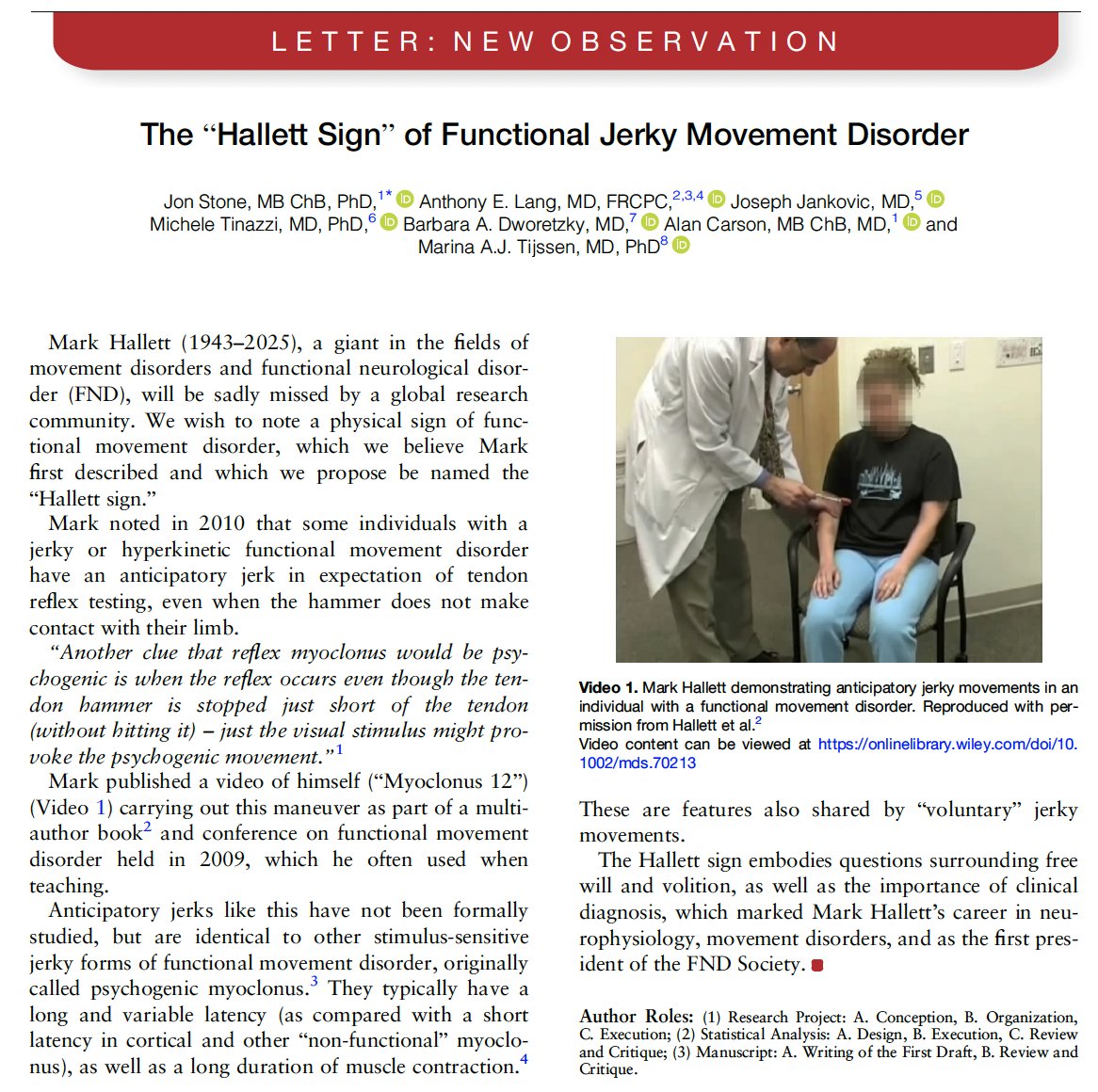
A fitting tribute to Dr. Mark Hallett (1943–2025), one of the true giants in movement disorders and functional neurological disorder. This article introduces the proposed “Hallett sign”: an anticipatory jerk in functional movement disorder triggered by the expectation of tendon reflex testing, even when the hammer never makes contact — a subtle, elegant clinical observation he used to teach generations of neurologists. @jonstoneneuro @JankovicJoseph …mentdisorders.onlinelibrary.wiley.com/doi/10.1002/md…
Movement Disorders Journal tweet media
English
0
15
34
3.5K
Movement Disorders Journal
Movement Disorders Journal@MDJ_Journal·
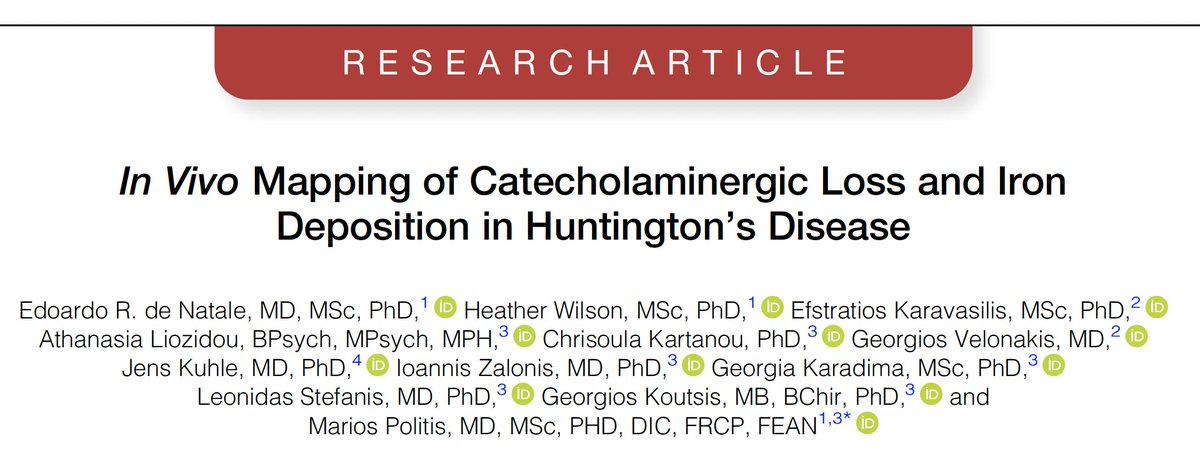
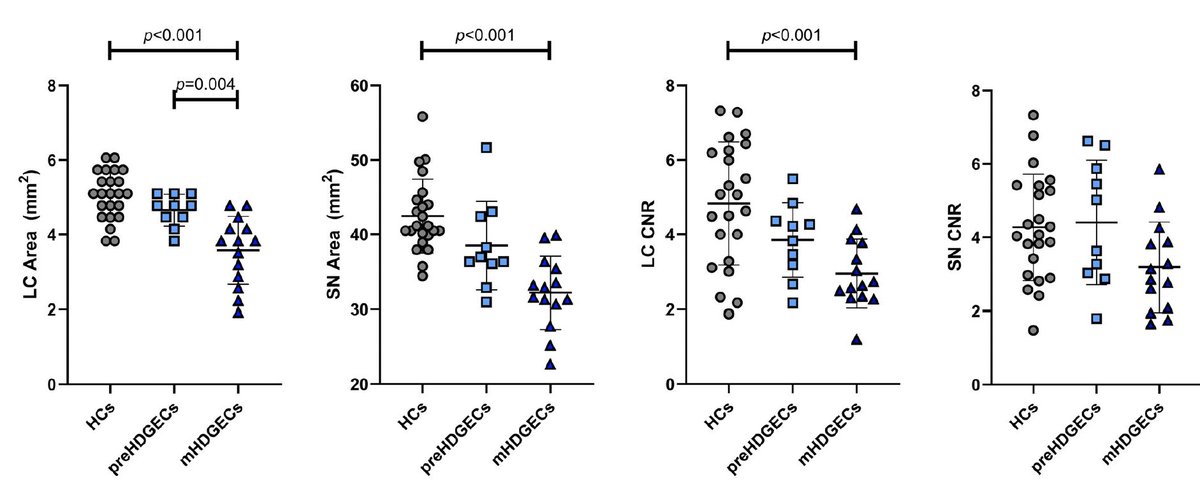
This important imaging study in Huntington’s disease (HD) reports significant subcortical iron accumulation and noradrenergic neuronal loss. A question for the future: What is the role of noradrenergic pathology in HD? loom.ly/dE06Y2Y
Movement Disorders Journal tweet mediaMovement Disorders Journal tweet media
English
0
0
7
659
Movement Disorders Journal
Movement Disorders Journal@MDJ_Journal·
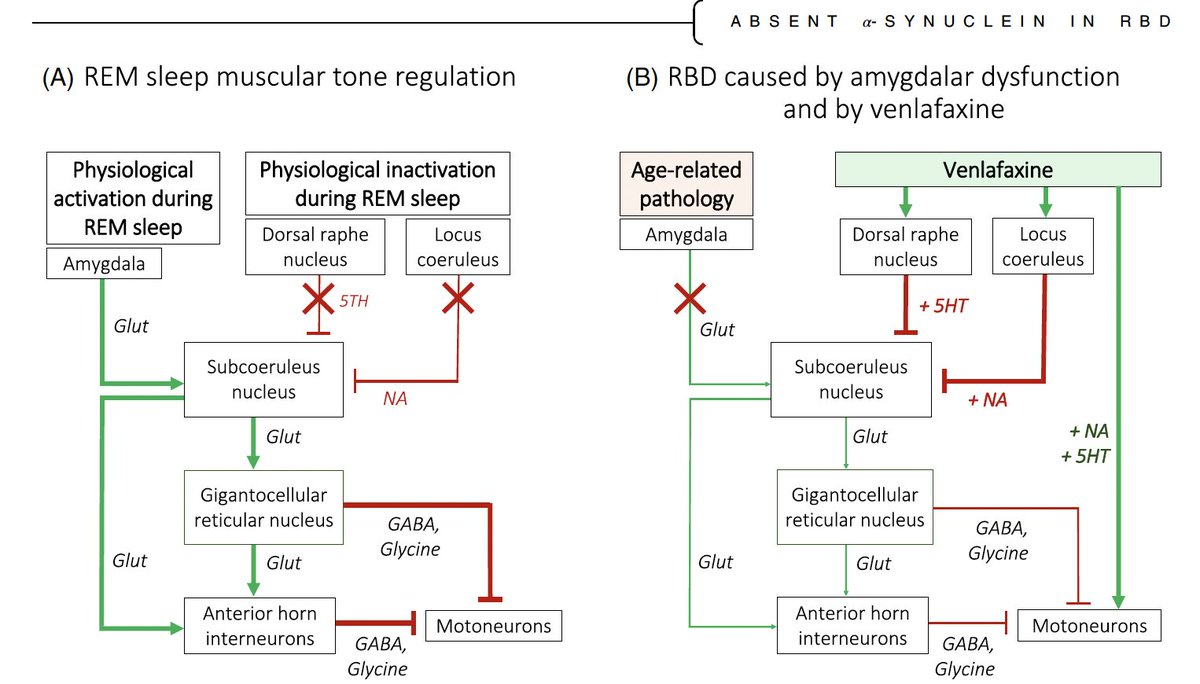
An important case illustrating that REM sleep behavior disorder (RBD) does not necessarily signify an underlying alpha-synucleinopathy. Instead, it may arise from pathology involving the amygdala, with the clinical threshold potentially lowered by antidepressant use. loom.ly/E56j5nw
Movement Disorders Journal tweet mediaMovement Disorders Journal tweet media
English
0
18
86
12.5K
Movement Disorders Journal
Movement Disorders Journal@MDJ_Journal·
A strength of the 2016 nomenclature proposal for genetically determined movement disorders is the delivery of relevant information by linking phenotype-genotype. However, with this comes possible subjectivity. Read more on the strengths and weaknesses. loom.ly/TV7jCRE
Movement Disorders Journal tweet media
English
0
2
4
639
Movement Disorders Journal
Movement Disorders Journal@MDJ_Journal·
More than 80% of MSA patients report pain, making it important to identify the type of pain. In this large study of 157 MSA patients, the authors explored pain subtypes. The two most common types were directly related to autonomic dysfunction: coat-hanger pain (59%) and painful cold hands and feet (48%). loom.ly/pq0N3Mw
Movement Disorders Journal tweet mediaMovement Disorders Journal tweet media
English
1
5
24
1.6K
Movement Disorders Journal
Movement Disorders Journal@MDJ_Journal·
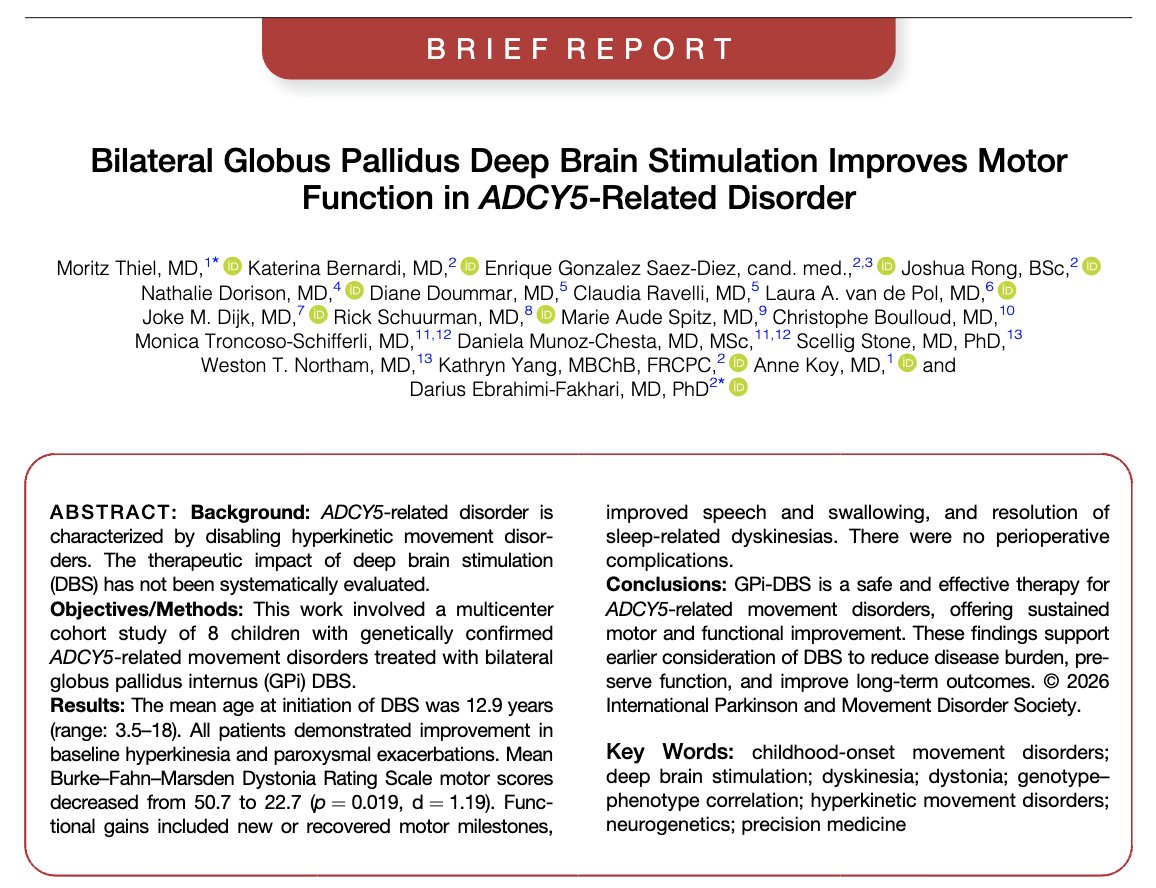
This collaborative study (via DBSMatchMaker) demonstrates significant clinical improvement in patients with ADCY5-related disorder following bilateral GPi deep brain stimulation and represents the largest reported DBS case series in pediatric patients with this condition. @DariusFakhari loom.ly/JoHh2B8
Movement Disorders Journal tweet mediaMovement Disorders Journal tweet media
English
0
2
10
1.4K
Movement Disorders Journal
Movement Disorders Journal@MDJ_Journal·
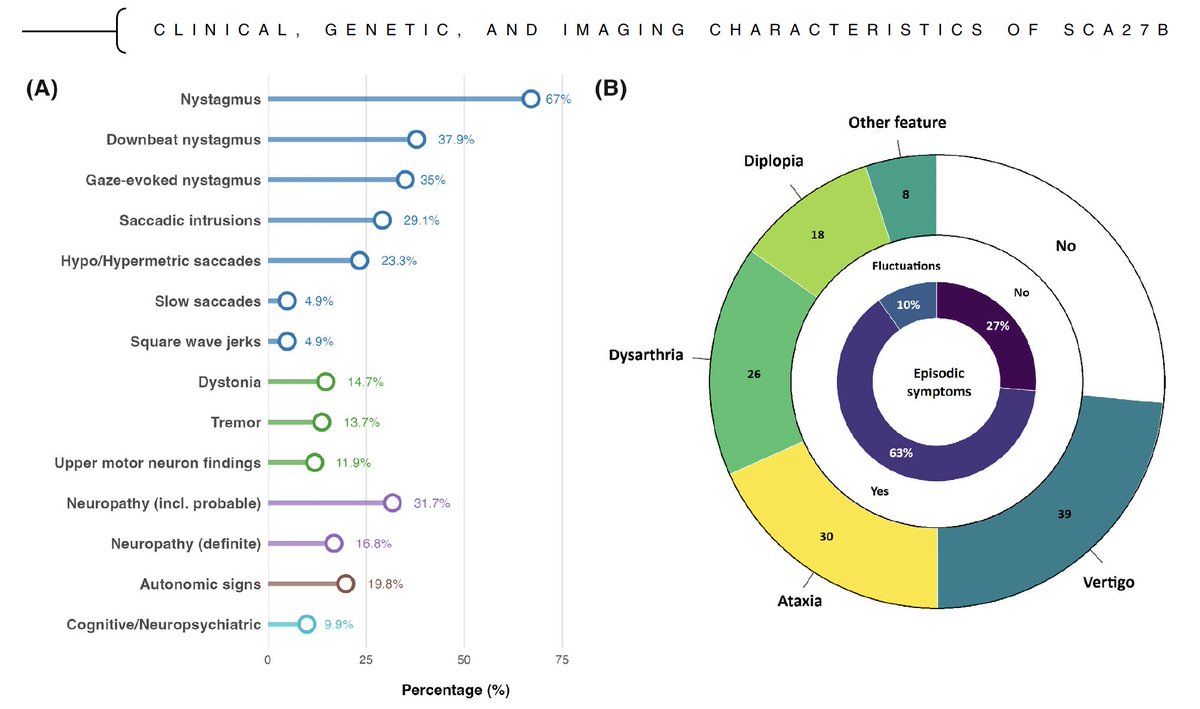
Here is a large Dutch cohort study by Prooije and colleagues on SCA27B: loom.ly/JJFljvI Key takeaways: 1) Core features appear with GAA 200–249 expansions; 2) episodic SCA27B can mimic stroke 3) ~50% show benefit from 4-aminopyridine.
Movement Disorders Journal tweet mediaMovement Disorders Journal tweet media
English
0
4
13
999
Movement Disorders Journal
Movement Disorders Journal@MDJ_Journal·
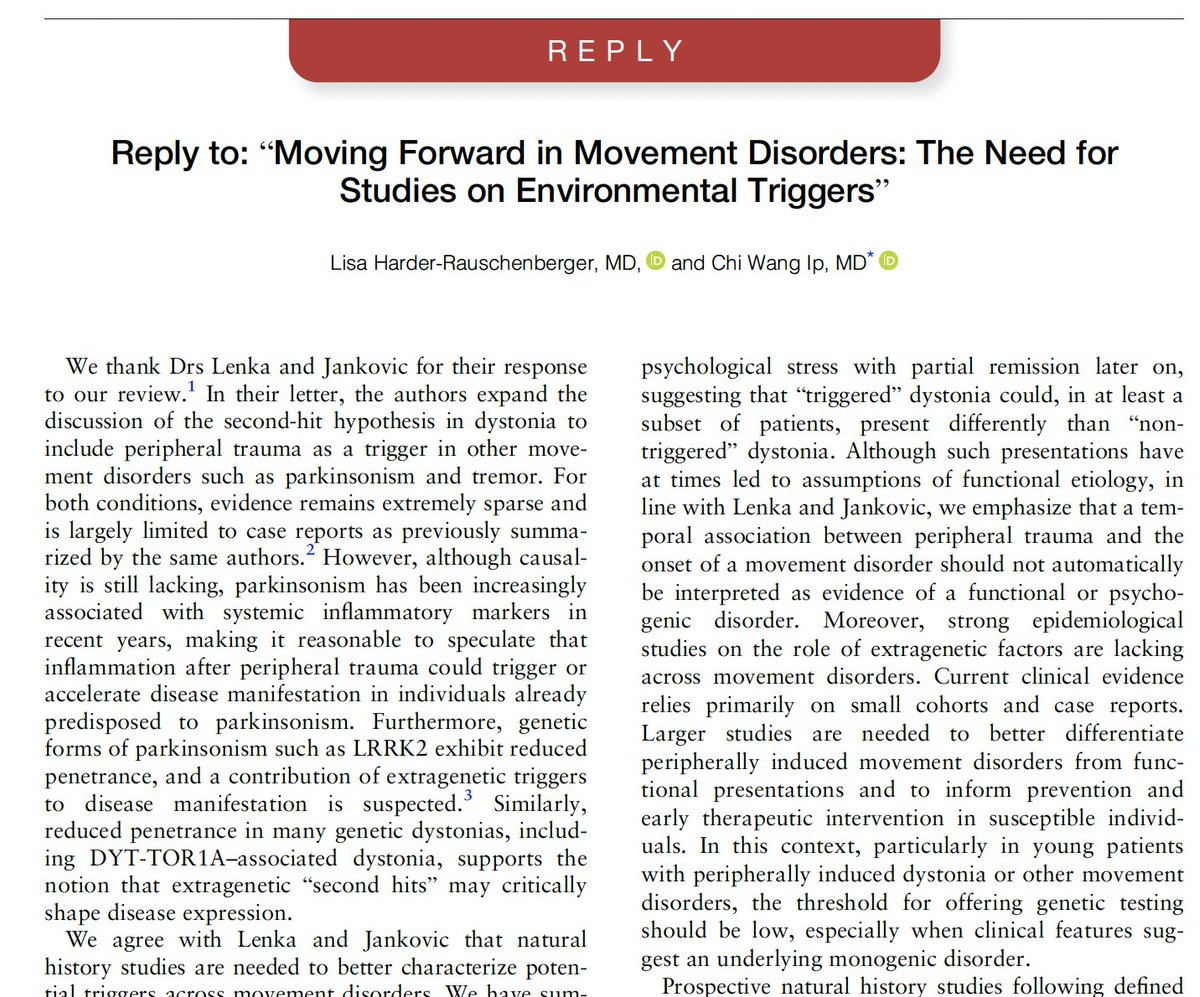
An outstanding review, along with related correspondence, that emphasizes the “second-hit hypothesis” in peripherally induced movement disorders. loom.ly/LFOXbng
Movement Disorders Journal tweet mediaMovement Disorders Journal tweet mediaMovement Disorders Journal tweet media
English
2
6
15
1.6K
Movement Disorders Journal
Movement Disorders Journal@MDJ_Journal·
Here is an insightful review by Lang and colleagues discussing LRRK2 as a potential disease-modifying target in sporadic Parkinson’s disease. loom.ly/41ob-eE
Movement Disorders Journal tweet mediaMovement Disorders Journal tweet media
English
0
2
7
630
Movement Disorders Journal
Movement Disorders Journal@MDJ_Journal·
This study from Brazil found subclinical, predominantly restrictive respiratory dysfunction in Friedreich’s ataxia. Compared with controls, patients had lower O₂ saturation, FVC, and FEV₁. loom.ly/xomEySI
Movement Disorders Journal tweet media
English
1
3
6
1K
Movement Disorders Journal
Movement Disorders Journal@MDJ_Journal·
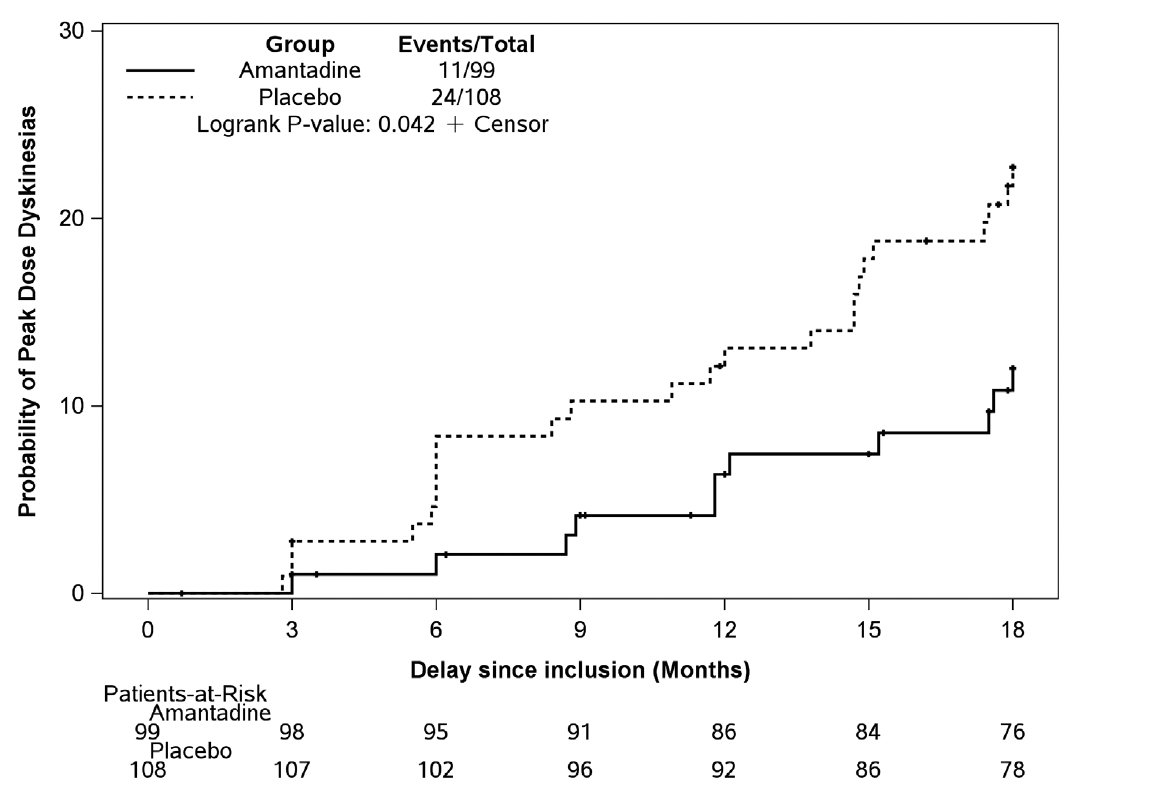
In this clinical trial (PREMANDYSK) by Rascol and colleagues, early addition of 200 mg/day of amantadine IR to levodopa in patients with early PD, before the onset of motor complications, reduced the incidence of levodopa-induced dyskinesia by an average of 50%. loom.ly/gIMI7X0
Movement Disorders Journal tweet mediaMovement Disorders Journal tweet media
English
3
15
70
6.4K
Movement Disorders Journal
Movement Disorders Journal@MDJ_Journal·
In this randomized, double-blind, placebo-controlled study, propranolol (titrated up to 240 mg/day) produced a significantly greater reduction in tremor than placebo in individuals with SCA12. loom.ly/zKIxli4
Movement Disorders Journal tweet mediaMovement Disorders Journal tweet media
English
1
12
28
4.3K
Movement Disorders Journal
Movement Disorders Journal@MDJ_Journal·
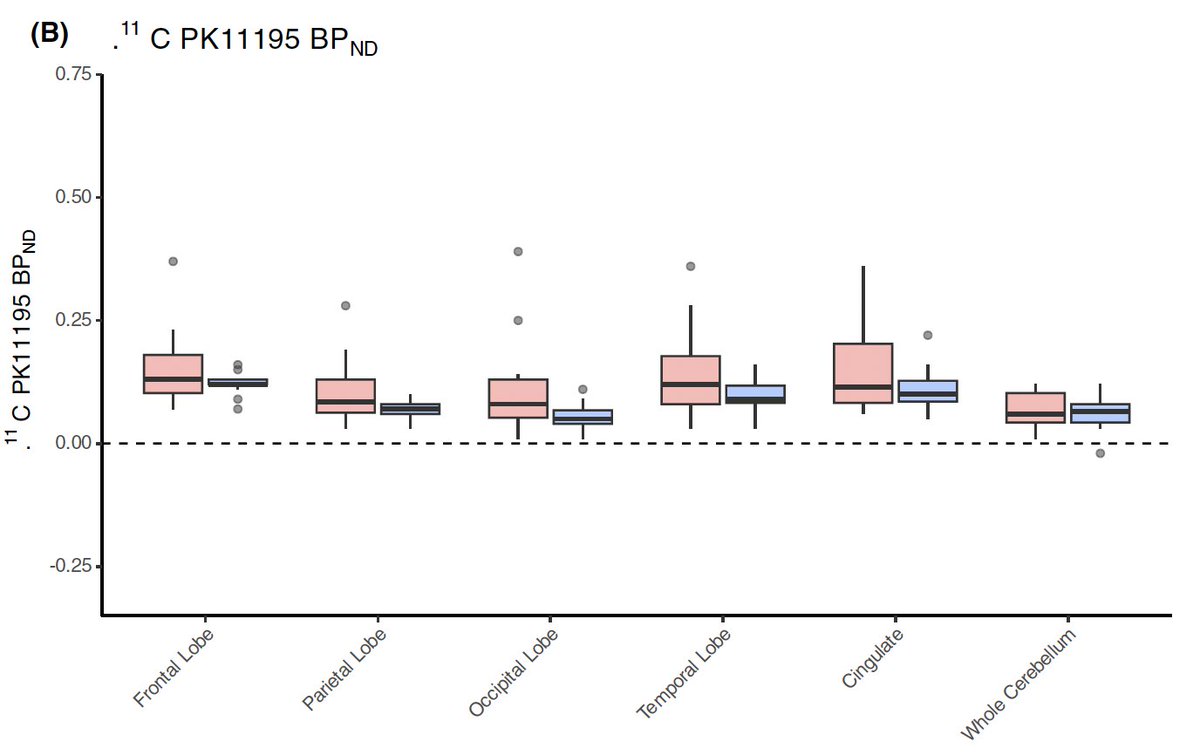
Is constipation in Parkinson’s disease associated with a higher burden of neuroinflammation? In this study, Camacho and colleagues found that early-stage PD patients with constipation showed markedly greater uptake of microglial activation markers across multiple brain regions. loom.ly/NxlNkpo
Movement Disorders Journal tweet mediaMovement Disorders Journal tweet media
English
0
5
14
1.6K
Movement Disorders Journal
Movement Disorders Journal@MDJ_Journal·
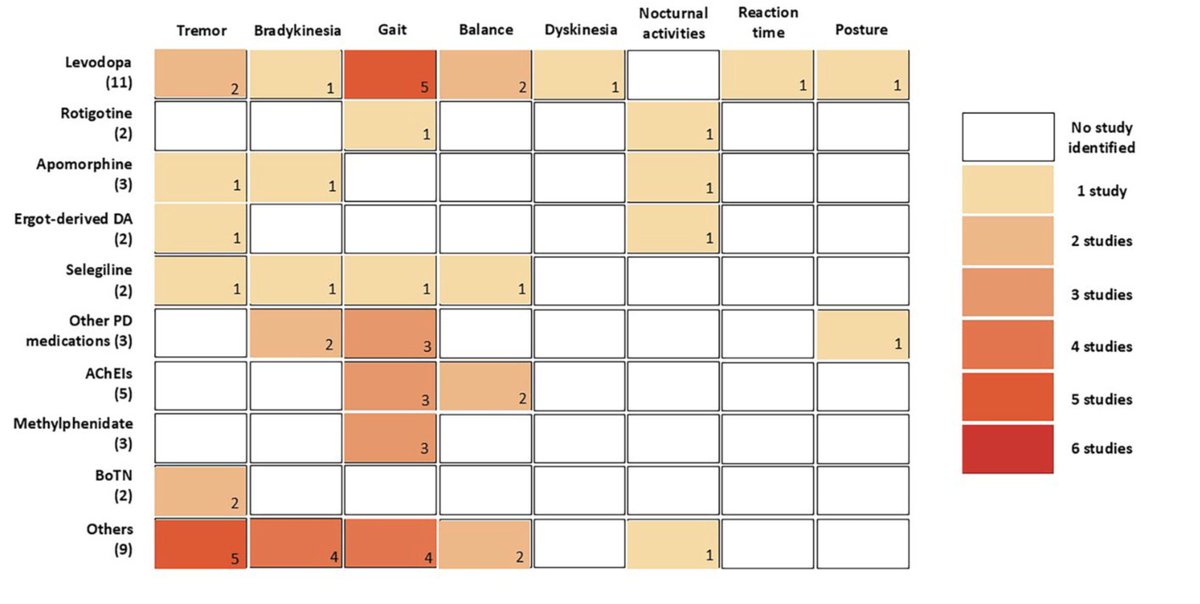
Digital health technology can measure symptom severity for gait, tremor, bradykinesia, etc. MDS's Technology Study Group systematically reviewed the application of these devices in clinical trials of levodopa, other PD drugs. loom.ly/Y3FT_9U
Movement Disorders Journal tweet media
English
0
1
2
397
Movement Disorders Journal
Movement Disorders Journal@MDJ_Journal·
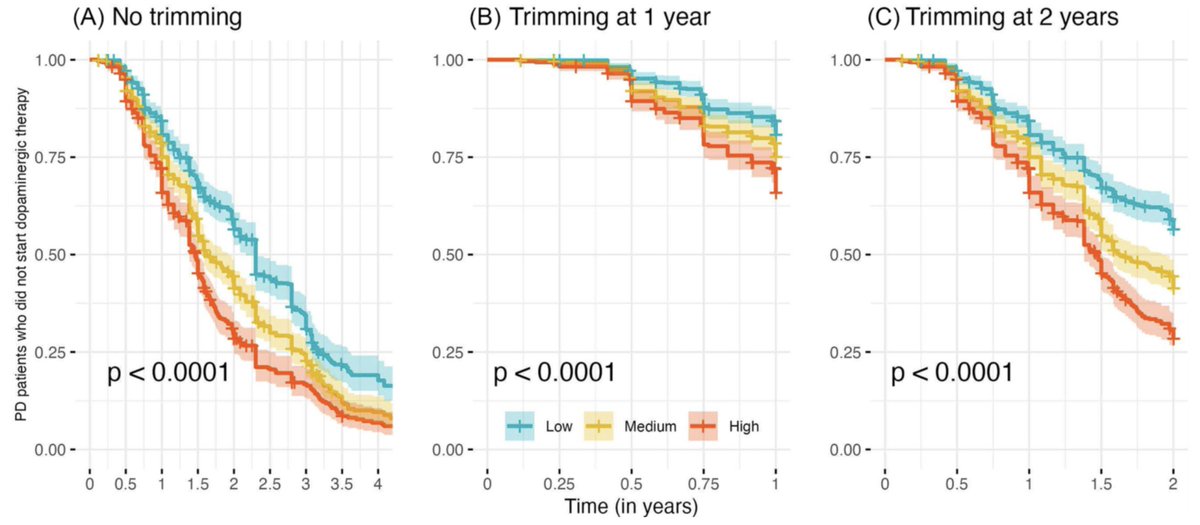
Kaplan–Meier analysis supported strong predictive value of a concise patient-reported MDS-UPDRS for dopaminergic initiation in early PD, underscoring patients’ central role in clinical decisions involving functional limitations. @movedisorder #COAProgram loom.ly/HFNAJUE
Movement Disorders Journal tweet media
English
0
1
6
637
Movement Disorders Journal
Movement Disorders Journal@MDJ_Journal·
According to SynNeurGe criteria, the latest MDSGene literature review found that the PARK-RAB32 form of PD can be classified as S+ (evidence of synucleinopathy), N+ (neurodegeneration supported by imaging data), and GP+ (presence of a genetic variant). loom.ly/RWajhfA
English
1
0
0
260