Matan Hamilis

183 posts

Matan Hamilis banner
Matan Hamilis

Matan Hamilis

@MHamilis

Co-Founder & CTO @sodot_hq | Web3 MPC Key Management Infrastructure | Cryptography Ph.D student @ Reichman University

Katılım Kasım 2020
370 Takip Edilen181 Takipçiler
Eli Ben-Sasson | Starknet.io
Congrats @CarolineDPham , @KeithGrossman @ivanhodl ! Fun fact, the CTO of Sodot, @MHamilis did his MSc with me, topic: first binary field FFTs on GPUs, as part of speeding up zk STARKs(!).
MoonPay 🟣@moonpay

BREAKING: MoonPay has acquired Sodot and launched MoonPay Institutional we've always believed DeFi is for everyone led by @CarolineDPham, we're bringing access and infrastructure for the next generation of financial markets to TradFi institutions ready to invest trillions


English
7
1
34
3.4K
Caroline D. Pham
Caroline D. Pham@CarolineDPham·
Own your keys. Access liquidity for any chain, any token, any wallet. Proud to be leading @moonpay Institutional to securely connect TradFi to DeFi with @sodot_hq. And we’re just getting started. Learn more: moonpay.com/institutional
Caroline D. Pham tweet media
MoonPay 🟣@moonpay

BREAKING: MoonPay has acquired Sodot and launched MoonPay Institutional we've always believed DeFi is for everyone led by @CarolineDPham, we're bringing access and infrastructure for the next generation of financial markets to TradFi institutions ready to invest trillions

English
23
53
400
21.9K
Matan Hamilis
Matan Hamilis@MHamilis·
@DanielBachmat גילוי מעניין לא פחות (ולדעתי אף יותר) שלו הוא ה-Oblivious Transfers, שווה קריאה
עברית
0
0
2
334
Daniel Bachmat
Daniel Bachmat@DanielBachmat·
לא שמעתם על זה בחדשות, אבל השבוע נפטר אחד מגדולי ישראל - חלוץ מדעי המחשב מיכאל רבין. היום נתקלתי בפוסט המצורף מטה ⬇️ של התלתל שנותן הזדמנות מעולה להסביר את אחד מההישגים הרבים של רבין. התלתל מצא מספר ראשוני עם 6,624 ספרות שנראה כמו דיוקן של דמות מוכרת. על פניו זה ממש קסם. איך מוצאים מספר כזה? מתחילים הפוך - לוקחים תמונה של האדם, מחלקים אותה ל-6,624 פיקסלים, מתאימים לכל גוון של פיקסל ספרה והמוח כבר משלים לבד את התמונה. אבל יש בעיה, למה שייצא דווקא מספר ראשוני? אין סיבה. רק אחת מכל עשרת אלפים תמונות כאלו בערך תהיה מספר ראשוני. כדי לפתור את זה התלתל השתמש בטריק - הוא שינה את 5 הספרות האחרונות של המספר שוב ושוב עד שמצא קומבינציה שנותנת מספר ראשוני. אבל עדיין יש בעיה גדולה - בכל פעם שמשנים את הספרות איך אפשר לבדוק שיצא מספר ראשוני? אם אנחנו תמימים ננסה פשוט לחלק את המספר שיצא במספרים שקטנים ממנו ורק אם הוא לא מתחלק באף אחד נדע שהוא ראשוני. הבעיה היא שזה מספר כל כך גדול, שגם אם נקח את כל החומר ביקום ונכין ממנו מחשב-על שינסה לבחון את כל החלוקות האפשריות עדיין ייקח הרבה הרבה יותר זמן מגיל היקום כדי לוודא שהמספר ראשוני. אז איך התלתל הצליח למצוא מספר כזה בכמה דקות במחשב ביתי? בזכות מיכאל רבין. רבין התבסס על רעיון של גרי מילר שבעצמו התבסס על רעיון בן 300 שנה של פרמה. הוא בנה מן מבחן חישובי, שאם הוא מבוצע למספר ראשוני התשובה היא תמיד ״כן״ ואם המספר לא ראשוני אז יש סיכוי של 75% לפחות ל״לא״. את המבחן הזה מריצים שוב ושוב 10-20 פעמים ואם כל הזמן התשובה היא ״כן״ אפשר לקבוע מעבר לכל ספק סביר שמדובר בראשוני. המבחן הזה, שנקרא מבחן מילר-רבין הוא לא סתם שעשוע מתמטי, הוא בשימוש יומיומי בכל העולם לצרכים פרקטיים. זאת מכיוון שחלק גדול מהתקשורת המוצפנת בין מחשבים מתבססת על מציאת מספרים ראשוניים גדולים. התגלית הזו, פשוטו כמשמעו, שווה מיליארדים. זו רק דוגמה אחת להישג של רבין. כיליד 1931 שהחל את הקריירה בשנות החמישים, הוא פרח בתקופה שבה מחשבים פיזיים היו נדירים ומסורבלים. תקופה שבה חלוצי מדעי המחשב ניסו להבין מה זה הכלי החדש הזה ואיזה פוטנציאל גלום בו. הוא היה ממניחי היסודות לתחום שהפך לקריטי בכל אספקט בחיינו. כל האוניברסיטאות הגדולות בארה״ב ובאירופה חיזרו אחרי רבין, אבל ב-1970 בחר להקים את החוג למדעי המחשב באוניברסיטה העברית (יחד עם אלי שמיר שגם נפטר השנה). ב-1976 היה הישראלי הראשון לזכות בפרס טיורינג, הנובל של מדעי המחשב. נזכור לברכה את החלוץ שסלל את הדרך בתחום שהפך לסמל להצלחה ישראלית.
Daniel Bachmat tweet media
התלתל@taltimes2

ג׳ינרטתי מספר ראשוני! מזהים מי בציור? גיליתי את השיטה הזאת בצבא (זמן סיפור): הייתי צריך לג׳נרט מספר ראשוני לבדיקות של משהו. הדרך הכי פשוטה למצוא מספר ראשוני גדול היא להתחיל ממספר רנדומלי ולבדוק! אם לא ראשוני מתקדמים למספר הבא (יש שיטה יעילה לעשות את זה). מספר רנדומלי זה יותר קשה ממה שזה נשמע, אז התעצלתי ונתתי את הקובץ הראשון שמצאתי על המחשב שלי. התוכנה ג׳ינרטה מספר ראשוני והצצתי פנימה והופתעתי לגלות שהקובץ שלי כמעט לא השתנה. למעשה רק מעט ״ספרות״ הפחות משמעותיות משתנות. אם תגדילו את התמונה ותראו את סוף המספר תראו את ה ״רעש״. למספר הראשוני הזה יש 6,624 ספרות. זה מספר די גדול. בשביל פרספקטיבה: מספר שניות מאז המפץ הגדול - 18 ספרות אטומים בגוף האדם - 28 ספרות כמות משחקי השח האפשריים - 120 ספרות לקח לי 8 דקות להוכיח שהוא ראשוני. רוצים גם? בתגובות הפרומט המלא.

עברית
29
89
1.7K
81.2K
Matan Hamilis retweetledi
Sodot
Sodot@sodot_hq·
𝗜𝗻𝘀𝘁𝗶𝘁𝘂𝘁𝗶𝗼𝗻𝘀 𝘁𝗵𝗶𝗻𝗸 𝘁𝗵𝗲𝘆 𝗼𝘄𝗻 𝘁𝗵𝗲𝗶𝗿 𝗸𝗲𝘆𝘀. 𝗧𝗵𝗲𝘆 𝗱𝗼𝗻’𝘁. For years, the focus was on custody risk. But as workflows move to automated execution across vendors and platforms, execution risk has become the bigger threat. Our co-founder &. CTO, @MHamilis, breaks down why this shift matters in his latest @TechTimes_News article: 🔗techtimes.com/articles/31524…
Sodot tweet media
English
2
3
6
1.1K
Matan Hamilis
Matan Hamilis@MHamilis·
@gakonst For Rust Claude is pretty good for generic code / boilerplates. When crypto dependecies are involved it's meh. With std::simd, it is barely generating code that compiles, at least for me. Note: Claude is still the best model out there for my use cases so far.
English
0
0
2
199
Georgios Konstantopoulos
Anyone seen any Claude Code / Codex skill for writing Rust or performance/systems engineering?
English
37
1
146
24.4K
Matan Hamilis
Matan Hamilis@MHamilis·
@veorq Wasn't the hack on Solana which uses Ed25519?
English
0
0
0
54
Matan Hamilis
Matan Hamilis@MHamilis·
@buchmanster @luhelminger Agreed! Let alone three nodes deployed on three distinct cloud platforms (say AWS, Azure & GCP) with three distinct TEE stacks (SGX, AMD-SEV SNP, Nitro). From experience I can share it gets tricky though to achieve sufficiently low latency due to positioning of the data centers.
English
0
0
2
63
Ethan Buchman (🐝,🦇)
Ethan Buchman (🐝,🦇)@buchmanster·
My understanding of the TEE attacks is that what we thought cost ~$100k actually only cost ~$1k. Either way, we all knew that current TEEs require Proof-of-Cloud, and any one serious in TEEs has said this long before these attacks came. It's janky, but it's what we got for now. With Proof-of-Cloud the attack cost prob moves well into the millions (10s of millions? what would it cost to get undetected access to do surgery to an Azure node?), plus reputational stake. I'd still be reticent to trust it for correct execution of a blockchain protocol, but as a practical privacy solution for shared state with execution proven in ZK, it seems totally reasonable. Looking forward to alternative solutions maturing. That means (1) FHE+MPC and (2) secure-by-physics TEEs
English
19
13
130
16.6K
Matan Hamilis
Matan Hamilis@MHamilis·
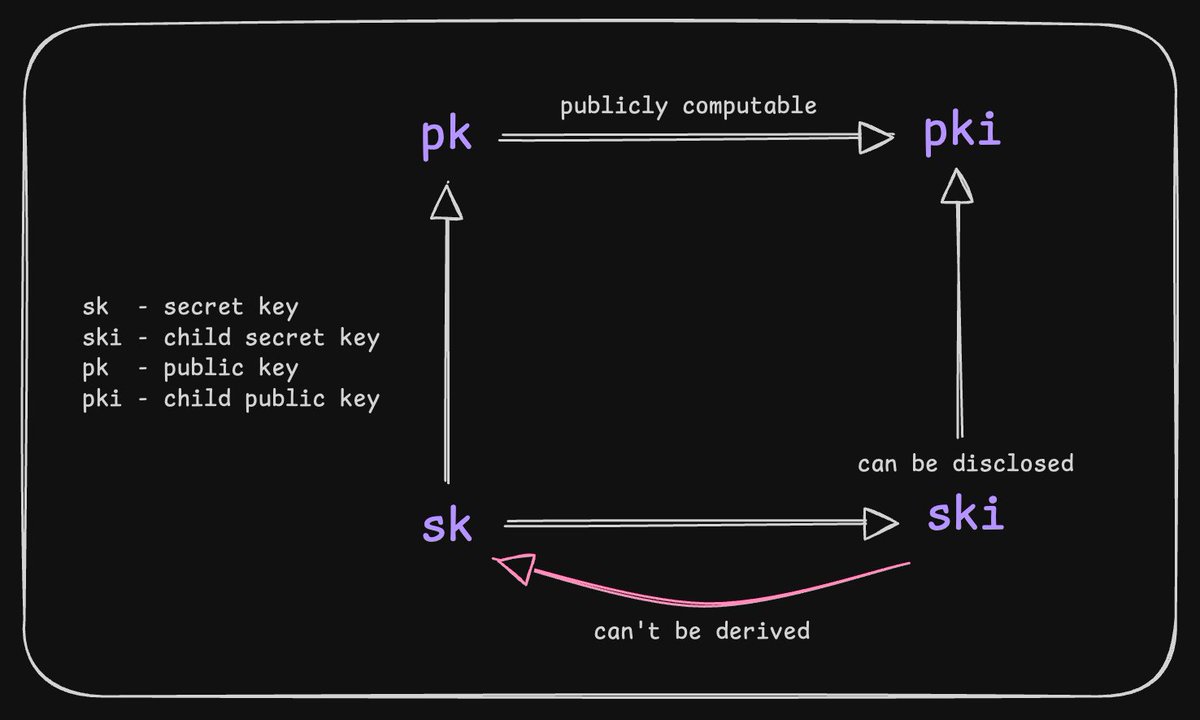
@Arvolear What cryptographic assumptions are you willing to assume? You assume working in a group with a generator G where pk=sk*G and sk is a scalar between 1 and the group size? I guess we're talking about signatures?
English
1
0
0
135
Artem Chystiakov
Artem Chystiakov@Arvolear·
Cryptography gigachads, I need your opinion here. Is this scheme even possible or am I just wasting my time?
Artem Chystiakov tweet media
English
18
2
115
8.7K
Matan Hamilis
Matan Hamilis@MHamilis·
@0xtoml But this tooling / constant time comes with inherent overhead. Isn't this overhead limiting to performance to some extent?
English
0
0
0
11
(Tom Langer*)
(Tom Langer*)@0xtoml·
@MHamilis It's not a limit - it's a property of computing over encrypted data. But there is tooling for oblivious/constant-time programs that makes it "transparent", with time we will get those too
English
1
0
0
40
(Tom Langer*)
(Tom Langer*)@0xtoml·
"FHE is slow" is a stale statement. It's on the verge of being an outdated stigma.
English
4
2
15
1.3K
Matan Hamilis
Matan Hamilis@MHamilis·
Disclaimer: I'm 100% NOT an FHE expert, so any corrections are more than welcome!
English
0
0
0
49
Matan Hamilis
Matan Hamilis@MHamilis·
Bottom line: We want fast {something}. Putting all costs on compute is conceptually simple to reason about but projecting a multi-dimensional problem onto a 1D axis may lead to suboptimal results.
English
1
0
0
66
Matan Hamilis
Matan Hamilis@MHamilis·
1/n I spend a lot of time on X and rarely post but this is an interesting discussion! Kyle is right in some parts but I think his almost immediate dismissal of MPC is what I'd like to at least propose an alternative line of thought to.
Kyle Samani@KyleSamani

7/ And lastly we have c), thinking about scale. The beauty of scaling FHE is that it is strictly silicon-bound. There is 0 network overhead. And this means that you naturally gain performance with algos, CPUs, GPUs, FPGAs, and eventually ASICs There are a number of approaches to privacy that heavily leverage MPC or garbled circuits. But all of these are network bound operations, which means that *as the validator count grows, computational performance decreases* (this is a far more damaging performance penalty than the penalty that comes from consensus. The performance penalty that results from permissionless consensus is roughly fixed, both in CPU and latency terms). Empirically, the fact that Ethereum has 1M validators is a testament to this This is actually intuitive. In any MPC configuration, you are literally splitting up the computation across multiple computers. Well, the more times you have to send data from computer to computer, the slower the computation goes. Moving around electrons inside of 6" space will always be 1Mx faster than moving electrons along a 6M" cable FHE is the only approach that allows you to scale with silicon. And with the incredible investment we see today from the major AI labs, it's clear that there are still spectacular gains to be had in silicon in the years ahead For some context, ASICs are generally known to improve performance 100-1000x over GPUs

English
1
0
1
154