MINDlab

113 posts

MINDlab banner
MINDlab

MINDlab

@MINDlabpt

Molecular Design & Innovation Laboratory | #SciComm in #Chemistry & #Materials | Alex Kirillov & Research Team at University of Lisbon (IST-CQE) |@ScienceArtHub
Katılım Temmuz 2025
387 Takip Edilen200 Takipçiler
MINDlab retweetledi
ScienceArtHub
ScienceArtHub@ScienceArtHub·
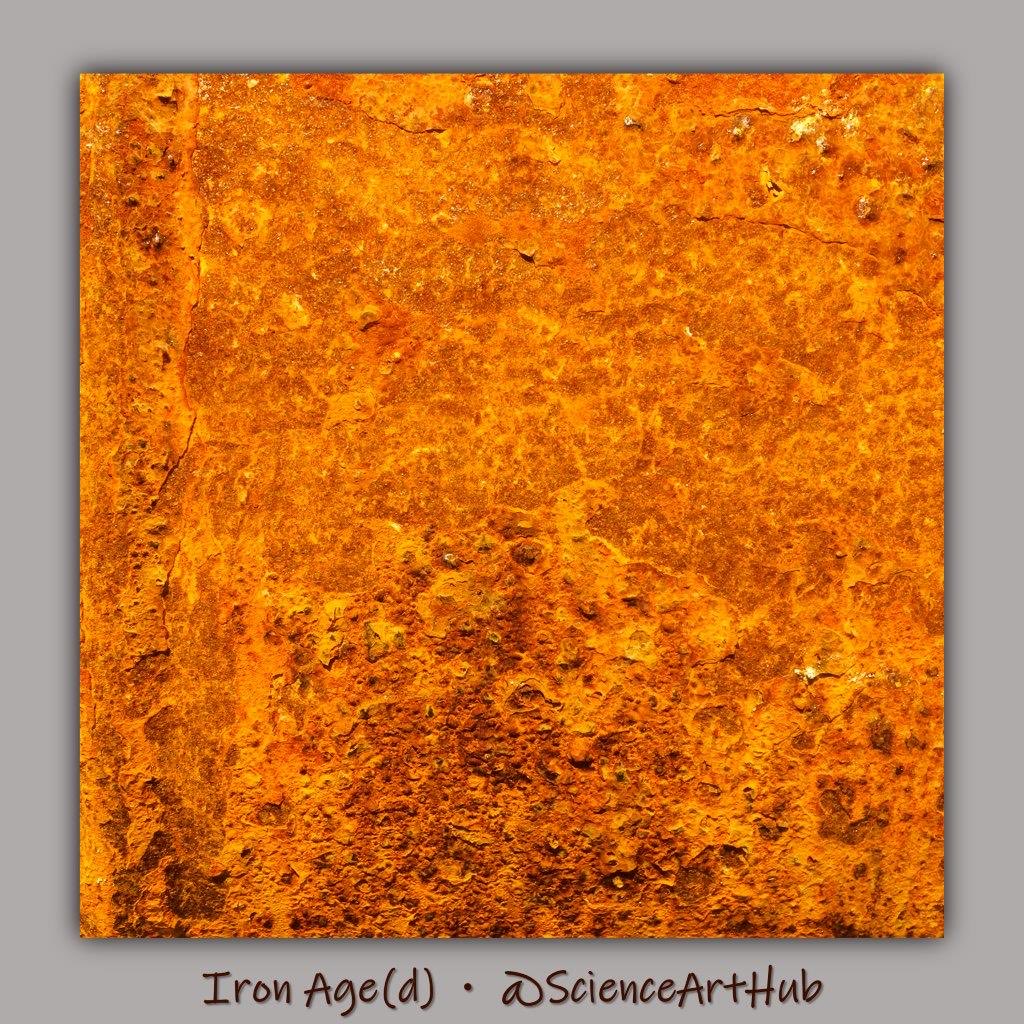
Iron Age(d): Where Imperfections Become Art. “Just as iron rusts from disuse, even so does inaction spoil the intellect.” - Leonardo da Vinci #sciart #scicomm #rust #chemistry Rust is a corrosion product of iron and its alloys. Rusting occurs when iron or steel react with oxygen (air) and water (moisture) to form hydrated forms of iron(III) oxide and oxide-hydroxide. As a result of this process, there is gradual deterioration (oxidation) of iron, producing typical reddish-brown or yellowish-brown rust colors. Several factors influence the rate of rust formation, such as the presence of moisture, oxygen concentration, temperature, pH level, and the type of iron or alloy (steel). Higher moisture levels, salty water, increased exposure to oxygen, and acidic environments accelerate the rusting process. Various methods are employed to prevent the corrositon or minimize the formation of rust, including the application of a protective coating, such as paint or a layer of zinc (galvanization). Rust can have detrimental effects on iron and steel structures, causing the loss of strength, structural damage, and potential safety hazards. In art, rust and corrosion are explored intentionally to achieve unique aesthetic effects and highlight concepts related to time, decay, and transformation. Rust can be used as a medium, where iron oxidation is promoted to create textures, patterns, and aging effects. Rust and corroded objects can also be incorporated into mixed media artworks and collages. Rust is often associated with industrial landscapes and urban decay. Some artists integrate rusted elements to depict urbanization, deindustrialization, and the transformation of urban spaces. A fragment of rusted metal surface is shown herein. Image by @ScienceArtHub
ScienceArtHub tweet media
English
0
5
35
458
MINDlab retweetledi
ScienceArtHub
ScienceArtHub@ScienceArtHub·
From Brittle Stars to Lime Skeletons. Ophiuroidea, Historical Science Art from 1904. Ernst Haeckel, Art Forms in Nature. #sciart #scicomm #bioart #nature
ScienceArtHub tweet media
English
2
12
94
1.2K
MINDlab retweetledi
MINDlab
MINDlab@MINDlabpt·
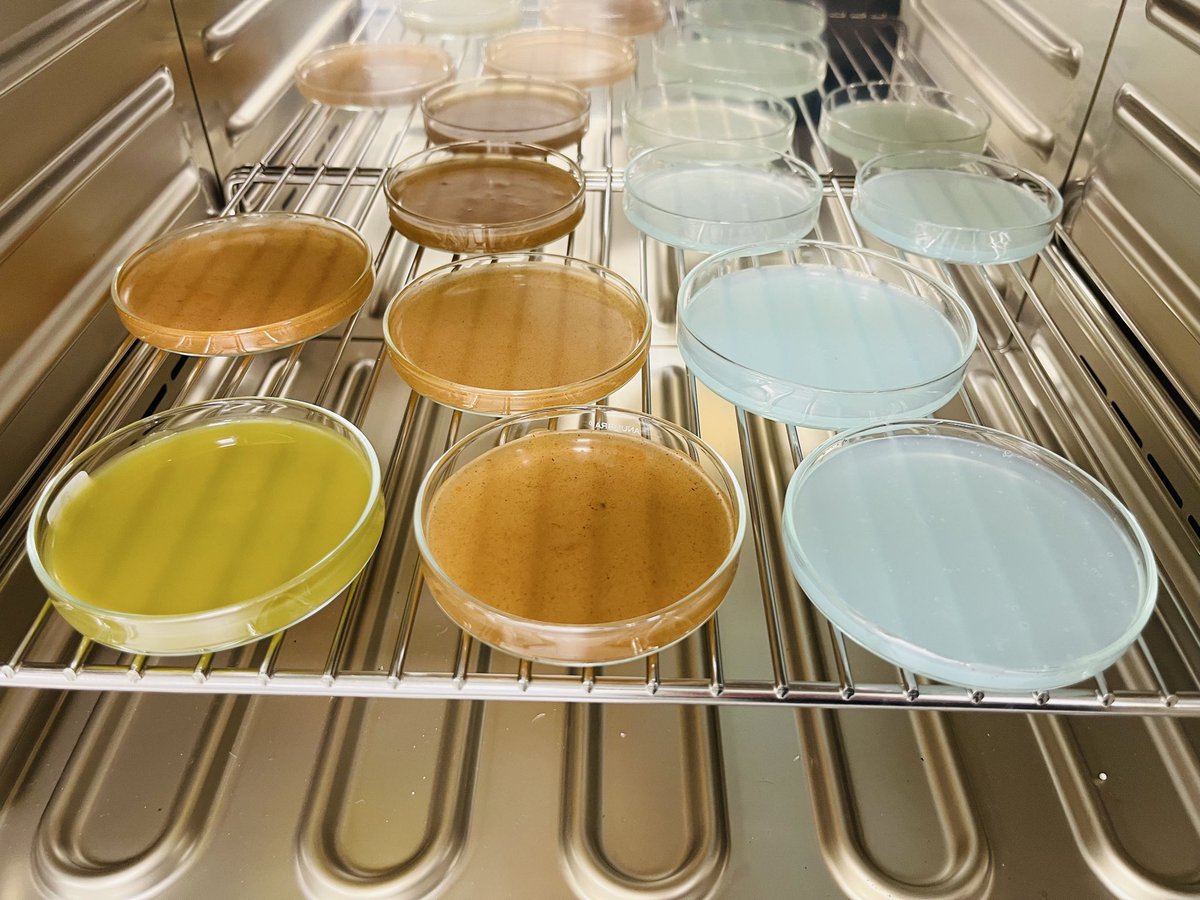
Salty Ice: A Magic Cooling Mixture. Can the Ice be Cooled down to -20 °C? #scicomm #chemistry #sciart
ScienceArtHub@ScienceArtHub

Salty Ice: A Magic Cooling Mixture. Do you know a Simple Way to Decrease the Ice Temperature up to -20 °C? Just add salt. #sciart #scicomm #chemistry #science #education This phenomenon is known as freezing point depression. When salt (sodium chloride) is added to ice, it dissolves in a thin layer of liquid water on the surface of ice. The presence of salt in liquid water decreases the freezing point of the solution. As more salt dissolves, the freezing point decreases further. This means that the ice becomes even colder to maintain a solid state in the presence of saltwater. Freezing point depression depends on the concentration of solute (salt) in a solvent (water). Ice absorbs heat from the environment when melting. In contrast, water releases energy when solidifying into ice. At the freezing point, these two processes are at equilibrium. When salt is added to water, it also disrupts the formation of the crystal structure of water. This interference makes it more difficult for the water molecules to turn into the solid phase, so they need to be cooled to a lower temperature to solidify. Apart from laboratory and culinary uses (ice cream preparation), this phenomenon of freezing point depression is crucial for winter road maintenance when roads are salted to melt ice and/or prevent its formation. Image shows a color change of salty ice from orange to cyan corresponding to a temperature decrease upon cooling. Image by ©Alex Kirillov. @ScienceArtHub

English
1
4
35
907
MINDlab retweetledi
ScienceArtHub
ScienceArtHub@ScienceArtHub·
The Beauty of Mineral Skeletons. Historical Science Art from 1904. Radiolaria (Zooplankton). Ernst Haeckel, Art Forms in Nature. #sciart #scicomm #bioart #ocean
ScienceArtHub tweet media
English
4
9
79
1.4K
MINDlab retweetledi
MINDlab
MINDlab@MINDlabpt·
MINDlab: Chemistry for Inspiring Minds. Our 2025 Highlights: 24 Research Papers & 5 Journal Covers. Thank you to all collaborators and supporters. Happy New Year 2026! MINDlab.pt #scicomm #chemistry
MINDlab tweet media
English
1
4
35
574