
Sabitlenmiş Tweet
۟
101.5K posts



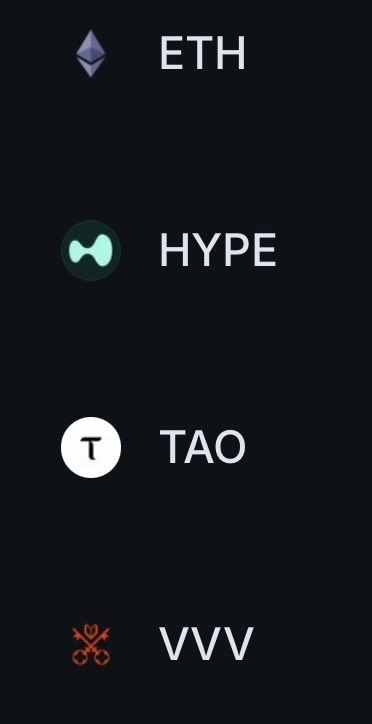
@Gee__Gazza wtao for buying, if you go native ( you should ) then store + stake with crucible, only one that has HW integration afaik. Insane, I know. They have massive massive friction and some wild leaks, wich means still early, i think.
English

@MINHxDYNASTY Aerodrome and lock it up or buy locks at a discount to get more coins. Then vote weekly for ROI.
Its coming to ethereum mainnet soon so the revenue should go way up
English
@OGDfarmer disregard d,
for those wondering, will read more tn
tradinghoe@tradinghoex
Bittensor and subnets - AI broad infra (not just specifically for agents ) >Bittensor is an open source platform where participants produce best in class digital commodities including compute power, storage space, AI inference and training, protein folding, financial markets prediction and more. >TAO is the currency of the ecosystem. There will be only 21 million TAO ( same idea as bitcoin scarcity). New Tao gets created every block and handed out to people doing useful work. The amount of new TAO being created recently got cut in half ( the “halving” in Dec 2025), which means it gets scarcer over time >Think of subnets as different departments in a company, except each one is its own mini marketplace focused on one specific AI task. Each subnet consists of: - A miner: the workers. They run ai models or provide computing power. They’re competing against each other to do the best job - Validators: the judges. They test the miner’s work and score it. Good miners get more TAO, bad miners get less.The matrix of these scores, by each validator for each miner, serves as input to Yuma Consensus. - Subnet Creators: the managers. they designs the subnet and wrote the rules for what counts as “good work” - The Yuma Consensus algorithm operates on-chain, and determines emissions to miners, validators, and subnet creators across the platform, based on performance. there currently 126 of these subnets:taostats.io Each subnet functions as its own automated market maker (AMM), with two liquidity reserves, one containing TAO( τ)—the currency of the Bittensor network, and one containing a subnet specific "dynamic" currency, referred to as that subnet's alpha ( α)token. The alpha token is purchased by staking TAO into the subnet's reserve, which is initialized with a negligible amount of liquidity A subnet's economy therefore consists of three pools of currency: Tao reserves: the amount of tao (t) that has been staked into the subnet Alpha reserves: the amount of alpha (a)available for purchase Alpha outstanding: the amount of alpha (a) held in the hotkeys of a subnet's participants, also referred to as the total stake in the subnet The price of a subnet's alpha token is determined by the ratio of TAO in that subnet's reserve to its alpha in reserve. Alpha currency that is not held in reserve but is which is held in the hotkeys of subnet participants is referred to as alpha outstanding. As TAO-holders stake TAO into subnets in exchange for the subnet-specific alpha, they are essentially 'voting with their TAO' for the value of the subnet. Subnets with more staking than unstaking receive higher emissions, while subnets with net outflows receive reduced or zero emissions. This flow-based model rewards subnets that attract genuine user engagement. In return, stakers extract a share of the subnet's emissions. The bull case is pretty simple: AI demand is exploding, TAO supply is getting scarcer (halving), and if the subnets keep building real products that people actually pay for, demand for TAO goes up because you need it to use the network. There are also institutional products emerging , Grayscale and Bitwise have filed for TAO ETFs, and there's a staked TAO product listing on a Swiss exchange.(SIX SWISS EXCHANGE) The bear case is that most subnet alpha tokens still don't have clear revenue models, liquidity is thin (meaning prices can swing wildly on small trades), and it's still early enough that gaming the system is possible ( this is from my journal Lmeow)
English
@OGDfarmer you’ve literally been screaming this for months, tldr what is tao?
is it the same tao from years ago?
English


@MINHxDYNASTY no coins no more... time to buy something physical lol
English


@MINHxDYNASTY Nothing because the market is going to crash further, IYKYK
English

English

English

English

English
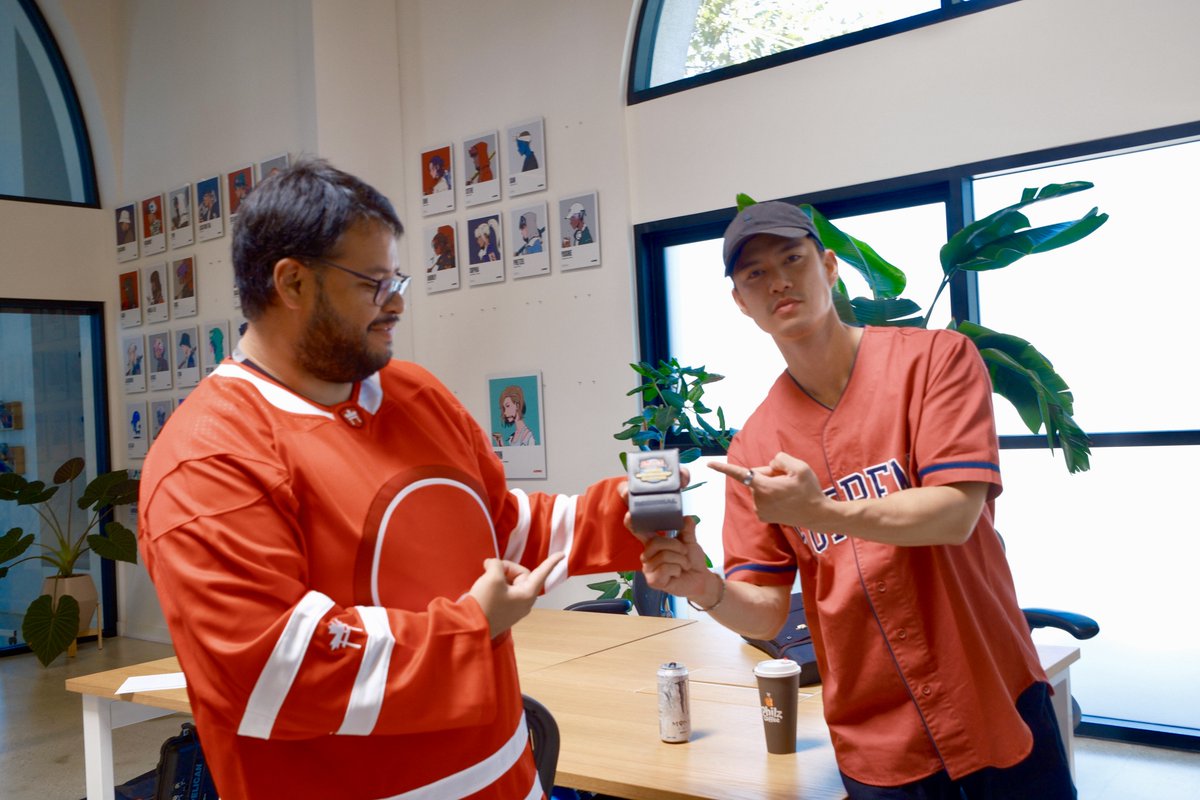
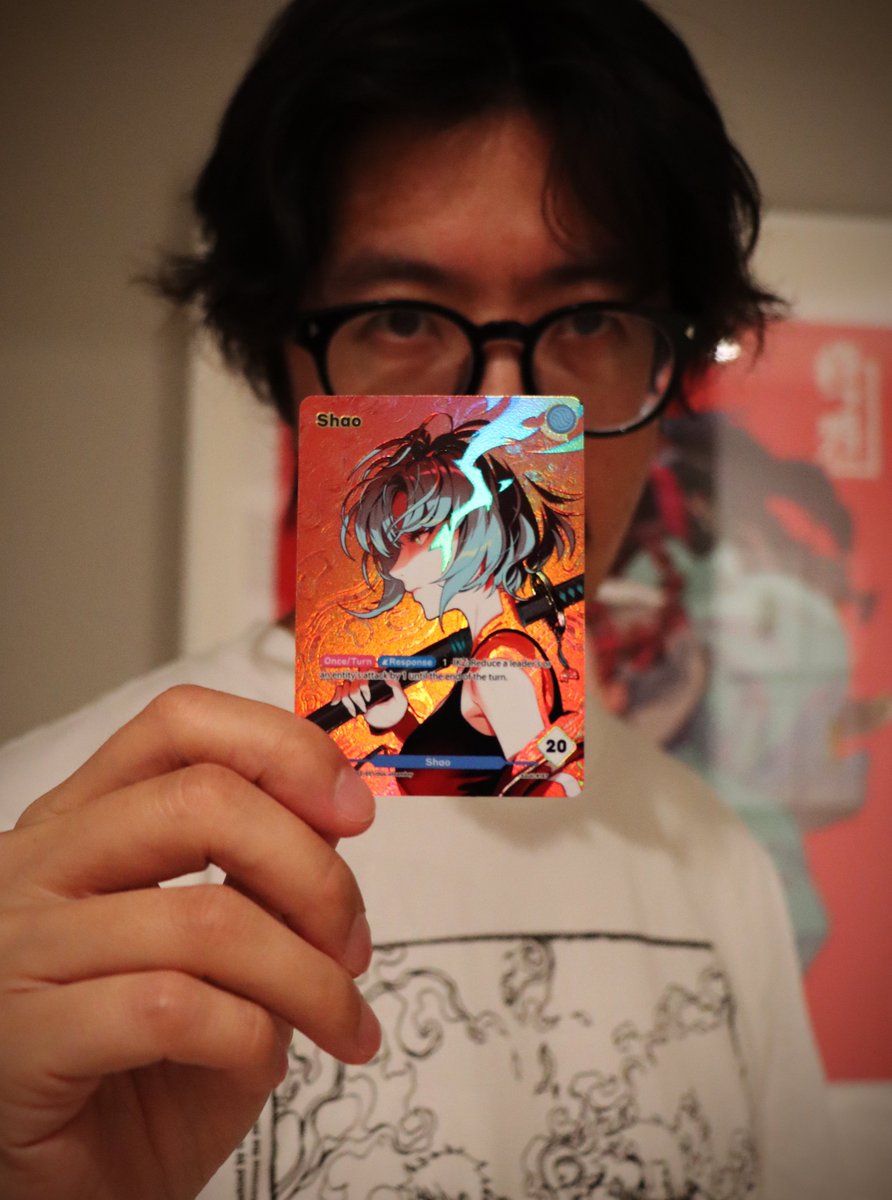
"Why would you spend $8,000 on cards?"
Let alone from a TCG brand that is just at its inception?
If you guys have followed my journey on 𝕏 for the past 3 years, you would know that the Azuki community and brand have been a core part of my identity.
Through all the ebbs and flows, the highs and lows, it's been some of the most fun I've ever had in my life.
Since buying the first thing released by Azuki (OG NFT) to now, I've loved the things I love. And the things I don't care for? I'm neutral, not for me, and that's okay! maybe someone else will enjoy it a lot more than me. everything is not for everyone.
Besides the gameplay being S-tier, and the art and card quality being the best I've ever seen, I simply enjoy it.
As a collector and fan of the brand, I feel grateful to even have the opportunity to buy some.
And I know I am not alone. There are a lot of people that have a genuine love for what is being created by the team, the artists, the game designers.
It doesn't have to make sense to everyone.
Most of the things that have given me the most joy in life do not make sense to most.
But by chasing what makes me happy, I get to keep doing things that "just don't make sense."
So whichever opinion you have, even if it's no opinion at all, at the end of the day we have one life to have the most fun and enjoyment we can.
That looks different for everyone.
I'll personally have so much fun with these. collecting them, saving a few boxes for years later, playing and getting good.
Wherever the path leads, I'll let the universe take the wheel.
Some people collect logic. I collect joy.
۟@MINHxDYNASTY
f*ck it we ball
English

English

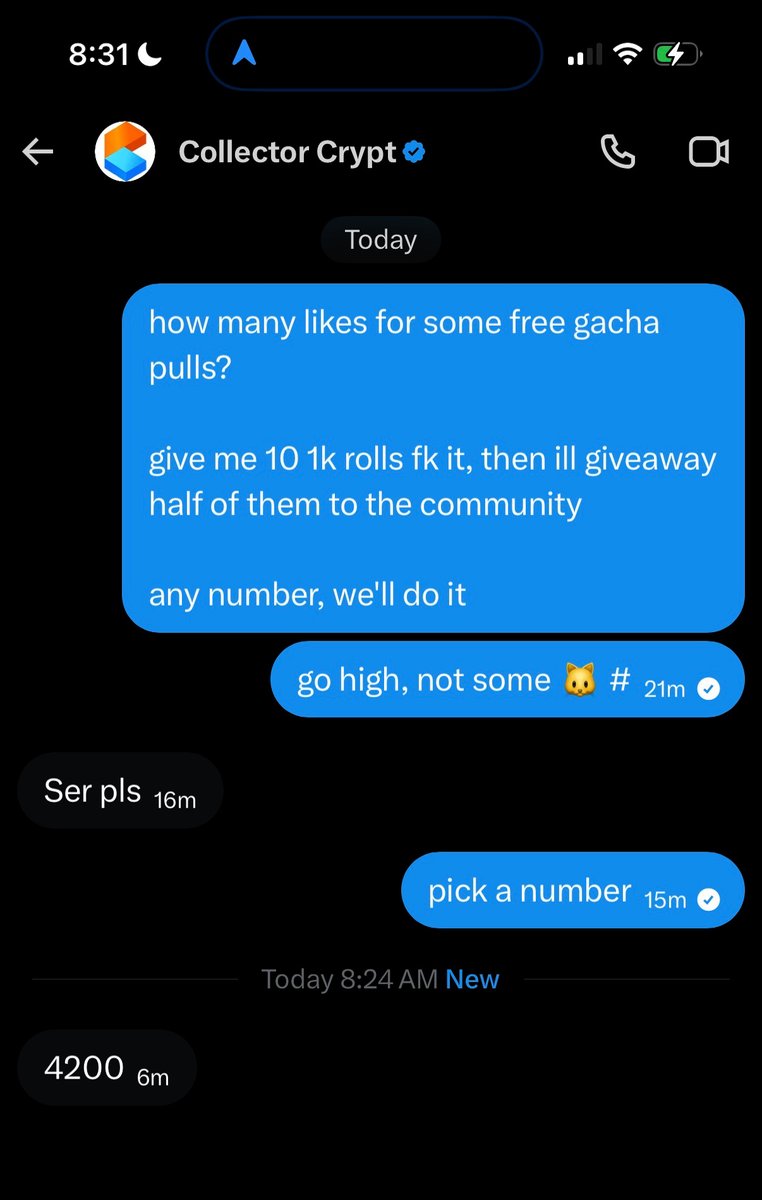
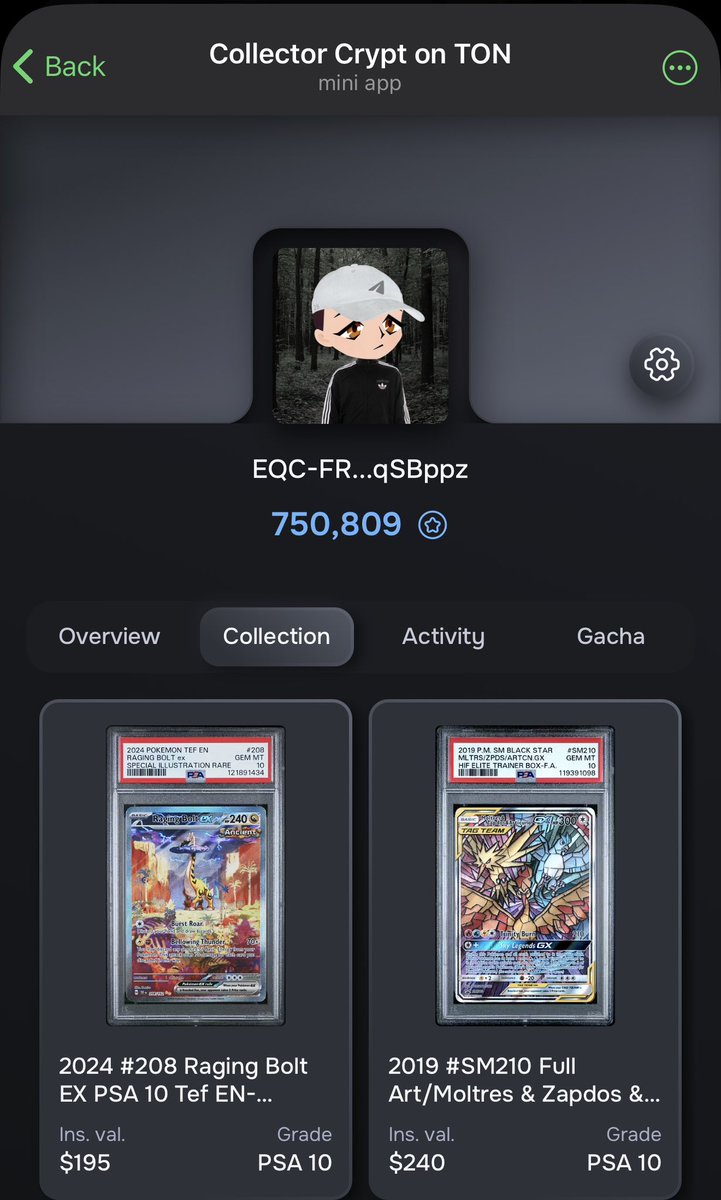
Hey @MINHxDYNASTY should we have a Pokémon Gacha battle?
1000 UDST VS 1000 USDT
Whoever finishes with the highest ROI on @Collector_TON wins it all?
English