
Climate Policy Center

245 posts

Climate Policy Center banner
Climate Policy Center

Climate Policy Center

@MIT_CPC

MIT’s “front door” to evidence-based climate research for local, state, national and international policymakers

Cambridge, MA Katılım Ağustos 2024
49 Takip Edilen63 Takipçiler
Climate Policy Center
"We should welcome the demand destruction we’re seeing” says Catherine Wolfram. What’s demand destruction? Prices ⬆️, people use less. That helps balance oil markets. Her concern: people who can’t cut back, like commuters paying more for gas. buff.ly/71AMthk
Climate Policy Center tweet media
English
0
0
0
6
Climate Policy Center retweetledi
MIT Center for Sustainability Science and Strategy
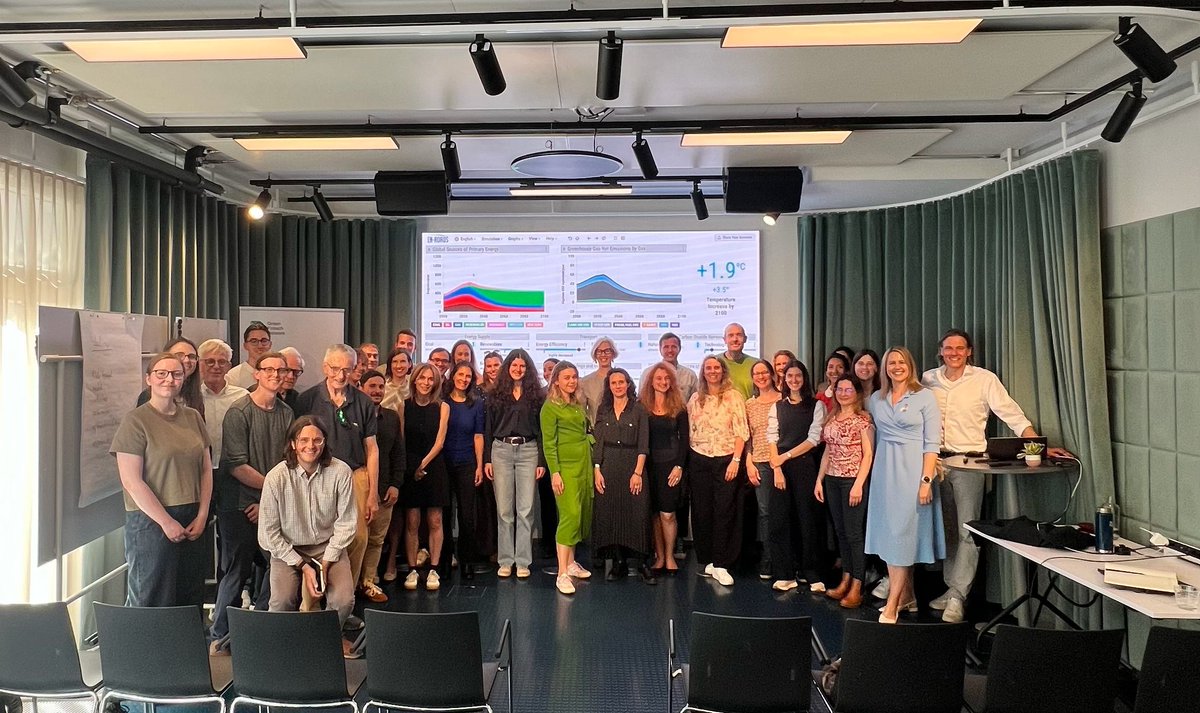
Congratulations to Catherine Wolfram, one of 120 new members elected by the National Academy of Sciences for 2026! The CS3-affiliated professor of energy and applied economics is one of five MIT faculty members to receive this honor. tinyurl.com/4496ku9y
MIT Center for Sustainability Science and Strategy tweet media
English
0
1
1
125
Climate Policy Center
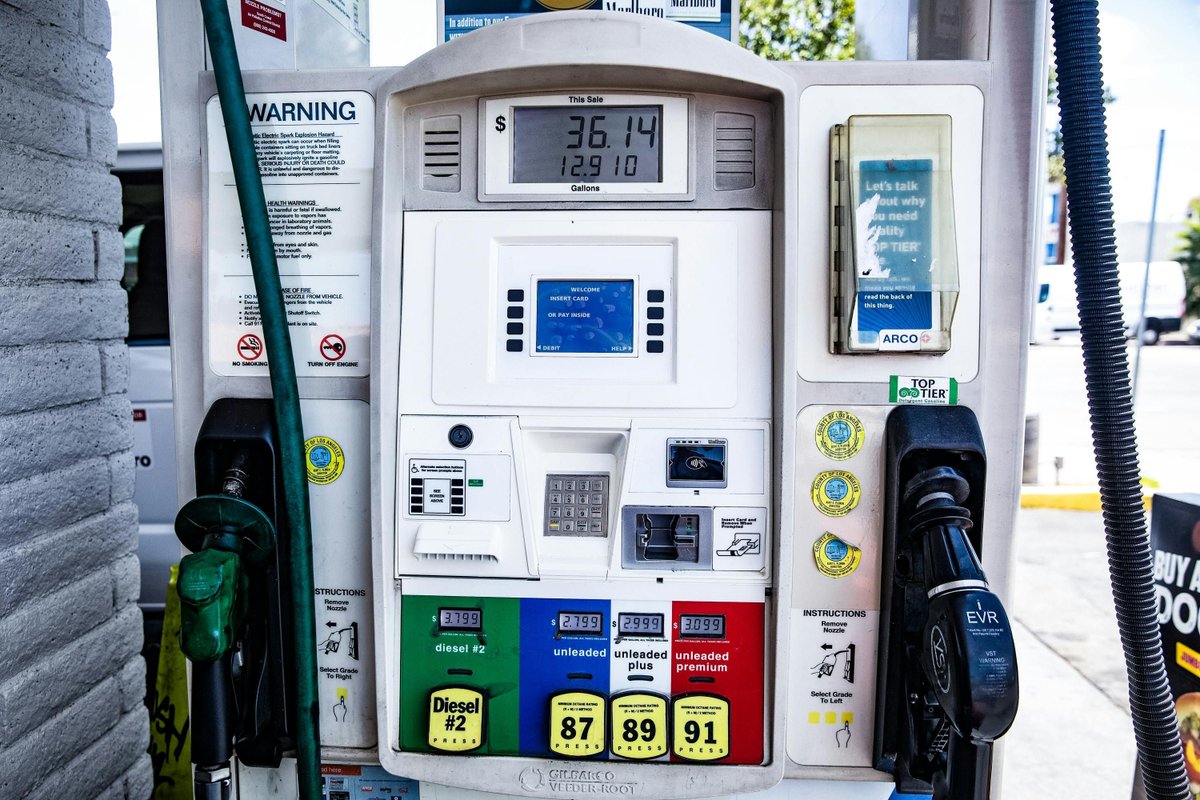
Pump prices are ⬆️, suspending federal gas tax likely won’t help much. Prof. Gilbert Metcalf says: • Gas/diesel taxes = small vs. 40%+ fuel price hikes • Farmers are already exempt • It could boost demand, raising prices • Tax brings in ~$3.5B/month buff.ly/d8q60RF
Climate Policy Center tweet media
English
0
0
0
43
Climate Policy Center
Climate Policy Center@MIT_CPC·
Professor Catherine Wolfram explains that U.S. price caps on gas don’t fix supply & could backfire. By lowering prices, they may boost demand & push global oil prices even higher. Energy markets are global. Ignore that & policy can worsen the problem. buff.ly/qHLhfS9
Climate Policy Center tweet media
English
0
0
0
22
Climate Policy Center
Climate Policy Center@MIT_CPC·
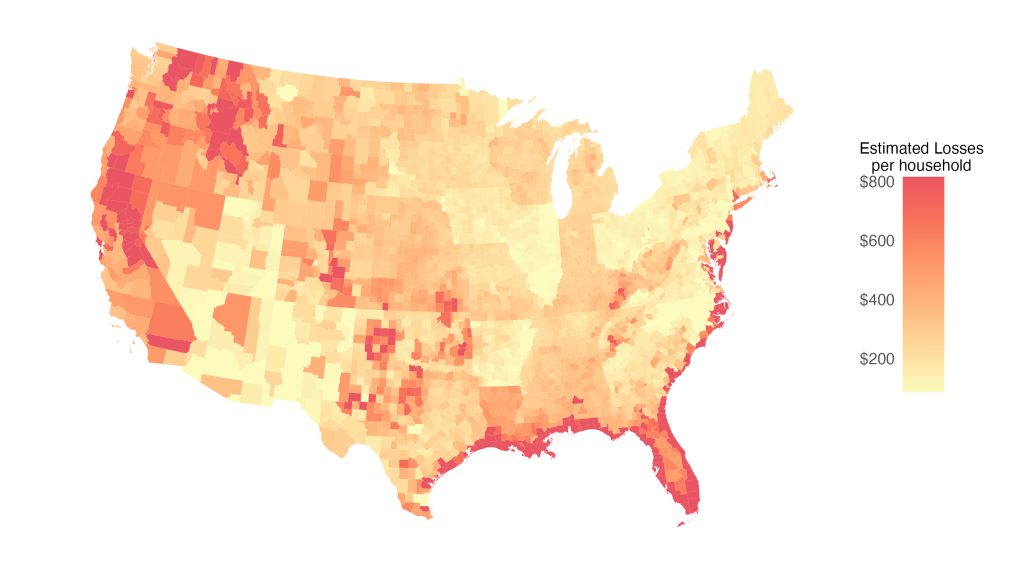
Climate policy is an affordability issue, with climate change already costing avg. U.S. households $900/yr. Costs exceed $110B/year across the country, hit lower-income households hardest, and drive up housing. New op-ed from MIT CPC + UCLA. buff.ly/E09k3xu
Climate Policy Center tweet media
English
1
0
0
26
Climate Policy Center retweetledi
fj
fj@gecko39·
Why climate change is costing U.S. households hundreds of dollars a year 07APR2026 MIT Sloan Office of Communications mitsloan.mit.edu/press/why-clim… From insurance premiums to energy bills, a new study from MIT Sloan School of Management shows how Americans are already paying the price of climate change, and climate inaction, driven by extreme weather. Key MIT Sloan Findings MIT Sloan School of Management faculty members Catherine Wolfram and Christopher Knittel have found the price of climate change is already showing up in annual household budgets across the country, over $1,000 annually in some regions. Read their opinion piece in WBUR’s Cognoscenti. The costs households already face from climate change may rival, or even exceed, costs of policies like carbon pricing, suggesting the price of climate inaction may ultimately be higher. Costs are especially concentrated in parts of the West, Midwest, and Southeast, including wildfire-prone areas like California, Gulf Coast states vulnerable to flooding, and tornado-prone regions in the middle of the country. Lower-income households tend to feel added costs most acutely since the expenses make up a larger share of their budgets. Featured Experts Christopher Knittel & Catherine Wolfram CAMBRIDGE, Mass., April 7, 2026 – As extreme weather becomes more frequent, climate-related costs are creeping into everyday expenses, adding hundreds of dollars a year to U.S. household expenses. From higher insurance premiums to rising utility bills and disaster-related income losses, climate change contributes to expenses at a time when Americans are already worried about rising food and energy costs. In “Who Bears the Burden of Climate Inaction?,” a paper published in the Brookings Papers on Economic Activity, MIT Sloan School of Management professors Christopher Knittel and Catherine Wolfram, along with UCLA School of Law professor Kimberly Clausing, estimate and break down the major sources of these costs and examine how they differ across geographic regions and income groups. The impacts are not evenly distributed. Where you live and your income level both play a major role in how much the costs are affecting you. Catherine Wolfram & William Barton Rogers Professor in Energy “A lot of the ways in which we discuss climate now are kind of abstract and in the future — maybe these impacts happen in 2050 or 2100 — but we really wanted to emphasize that this is already occurring and it’s having negative financial implications for households,” said Wolfram. Their findings carry implications for climate policy, too. The researchers note that the costs households already face from climate change may rival, or even exceed, costs of policies like carbon pricing, suggesting the price of inaction may ultimately be higher. “Policymakers are often focused on the price of taking action,” Wolfram said. “But these findings highlight that there are also real and growing costs to doing nothing.” Bottom line: Climate change can cost households over $1300 annually.
English
0
2
1
20
Climate Policy Center
Climate Policy Center@MIT_CPC·
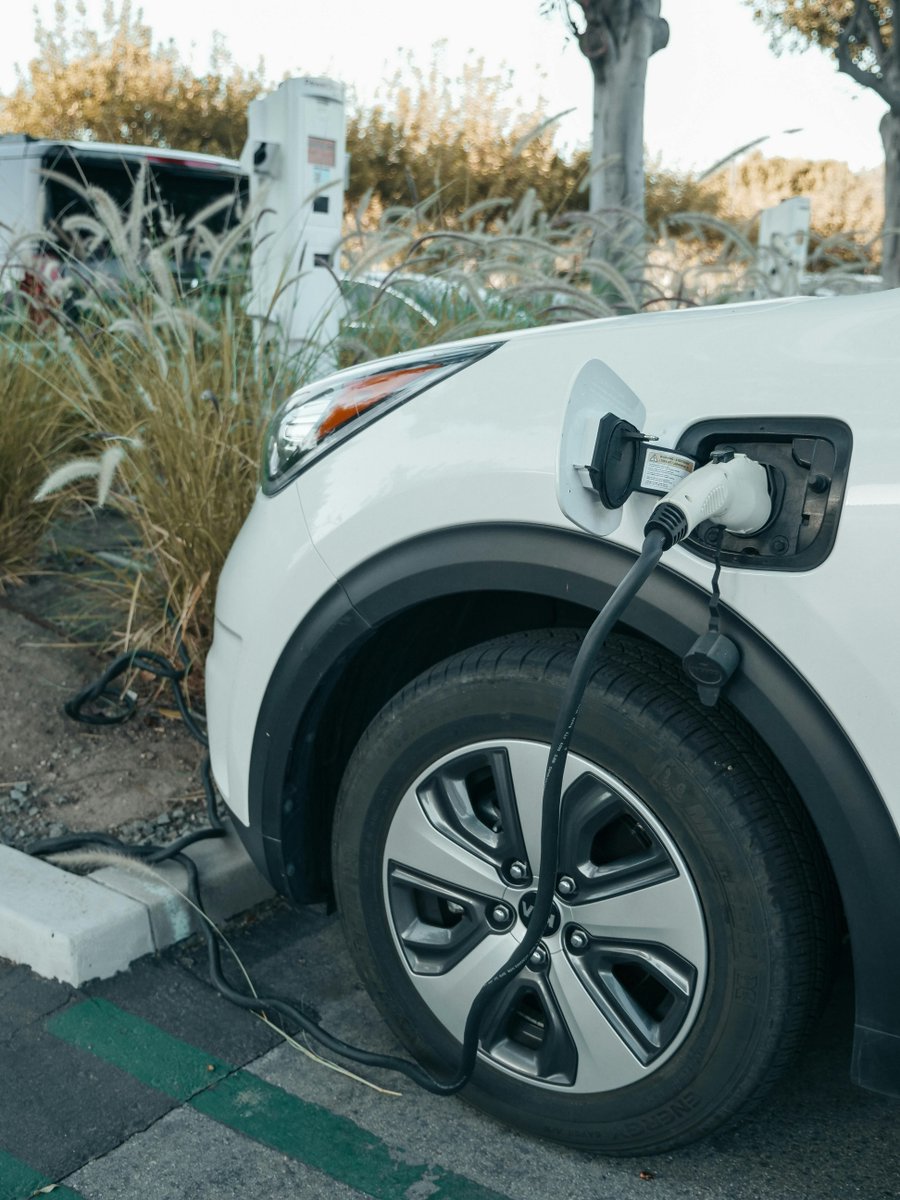
Rising fuel prices are pushing EVs, heat pumps, and more. As Christopher Knittel notes: supply shocks raise global oil prices, "those increases trickle down to gasoline." For policymakers: shocks can drive change, but only with lasting policy. buff.ly/x7Y2iAU
Climate Policy Center tweet media
English
0
0
0
19
Climate Policy Center
Climate Policy Center@MIT_CPC·
Research co-authored by Christopher Knittel shows aircraft noise affects property values. For policymakers: -routes & runway design shape neighborhood impacts -housing markets reveal real preferences -efficiency gains ≠ free; noise costs matter, too buff.ly/Nld1n3W
Climate Policy Center tweet media
English
0
0
0
13
Climate Policy Center
Climate Policy Center@MIT_CPC·
Conflict in the MidEast, the U.S. exports oil, why are gas prices rising? Christopher Knittel explains: "Supply disruption raises global oil prices." Oil markets = interconnected, exporters aren't immune. Shocks ripple worldwide, hitting gasoline fast. buff.ly/JZMxlgE
Climate Policy Center tweet media
English
0
0
0
25