Hopefully the presentation has been seen and found helpful. Download a complete formatted PDF whitepaper on our website or on LinkedIN.
MSB Compliance@MSBCompliance
Why? How does that make sense? Really?
English
MSB Compliance
7.6K posts
@MSBCompliance
Knowledge, Guidance and Best Practices in service of Money Services Businesses, Third Party Payment Processors, and Community Banks
Why? How does that make sense? Really?

Internal examiners, independent reviewers and regulators must be disciplined in the effective application of professional scrutiny.
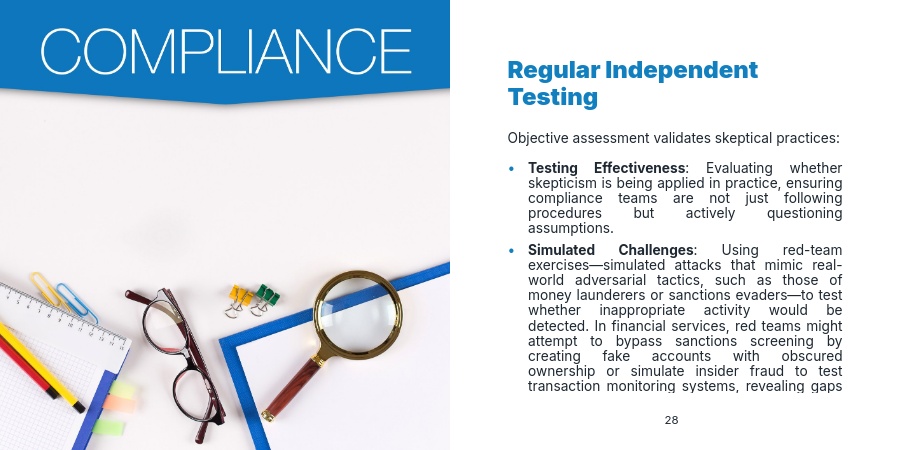
Skeptics will someday rule our AI humanoid overlords; you could be one of them! Until then, build those skepticism muscles and coach others! Use skepticism for good!

Training doesn't have to be dull and boring. Teach and practice skepticism and critical thinking. Liven it up! Be more effective!
Does your risk assessment demonstrate a skeptical mindset and rigorous, thoughtful examination?
Gamify it. Enjoy the thrill of developing skeptical practices that improve risk mitigation!
Play out some "war games" with your compliance team! Work on developing those skeptical thinking muscles!

What techniques have you used to help develop professional skepticism within your transaction monitoring team?
Example of the Five Whys technique....

Y oh Y oh Y oh Y oh Y? There's five of 'em. 5 Whys

Providing good news and celebrating after having performed an effective examination with risk-based scrutiny and skepticism is also important. Giving and receiving praise after confidence is earned through thorough examination feels good.
Skepticism is important to internal audit, independent review, and self examination. Pulling the right threads, asking better questions, and having the courage to deliver difficult and disappointing news is critical.

Professional skepticism - it's important for Board members too!

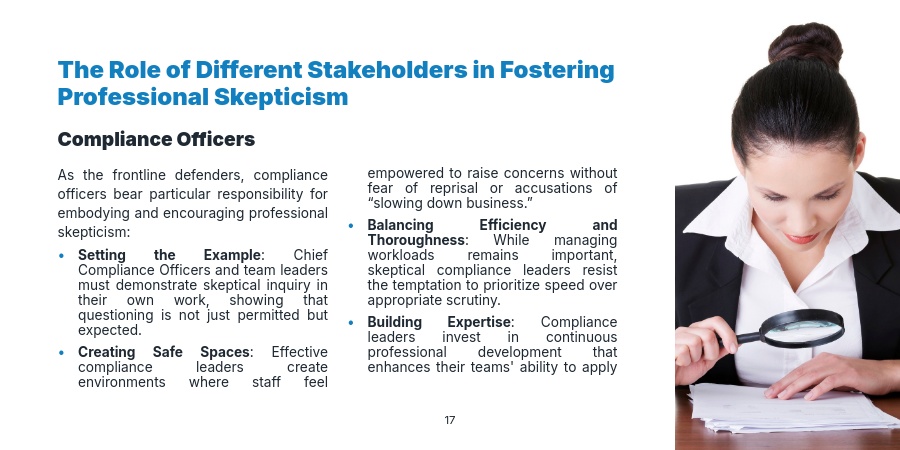
Encourage professional skepticism. Does your training help build this skill? On a risk assessed basis, which processes require greater discipline in being skeptical?
Easy acceptance of assertions rather than professional skepticism and effective testing can be expensive.

Skepticism helps protect us against evil. Bring skepticism to work today and every day!

Has professional skepticism been a meaningful component to your risk-based approach to ongoing development and maintenance of Transaction Monitoring rules?

Training to improve the skill of skepticis can lead to improvements in critical thinking and CDD performance!
For each transaction monitoring rule, do you know the National AML Priority(ies) and criminal typologies applicable to your rule? What areas for skepticism identified by the rule raise concerns and for what?