MR AYUB

235 posts

MR AYUB banner
MR AYUB

MR AYUB

@MShalmad

Hey, You!

Uganda Katılım Kasım 2020
648 Takip Edilen13 Takipçiler
MR AYUB retweetledi
David de Gea
David de Gea@D_DeGea·
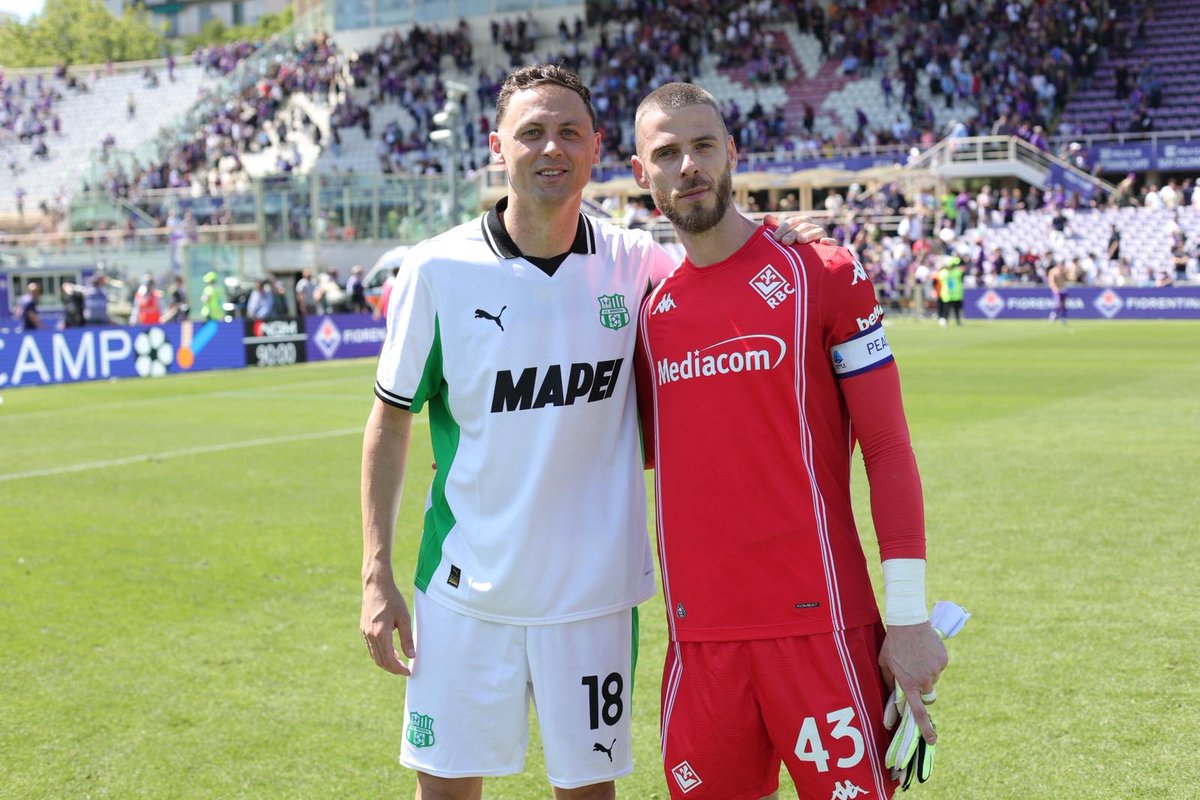
Old friends re-UNITED 🟣🔴
David de Gea tweet mediaDavid de Gea tweet media
English
321
4.8K
74.1K
1.4M
MR AYUB retweetledi
Hater Central
Hater Central@TheHateCentral·
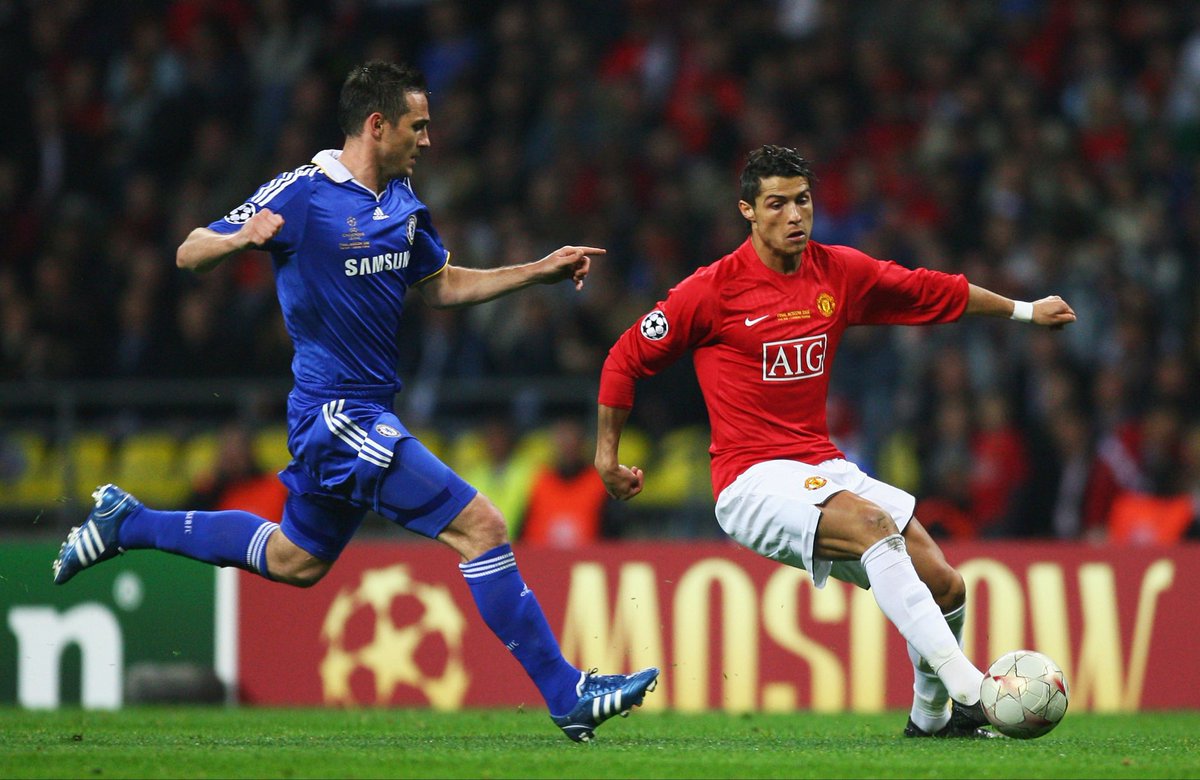
It’s not even fun to troll Chelsea anymore …
English
158
2.6K
47K
437.6K
MR AYUB retweetledi
Fut Sheriff
Fut Sheriff@FutSheriff·
Max Dowman on his way to becoming the youngest player ever to bottle a PL title 🏆👏🏻
English
110
3.3K
43.1K
759.3K
MR AYUB retweetledi
The Footy Feed
The Footy Feed@TheFootyFeed·
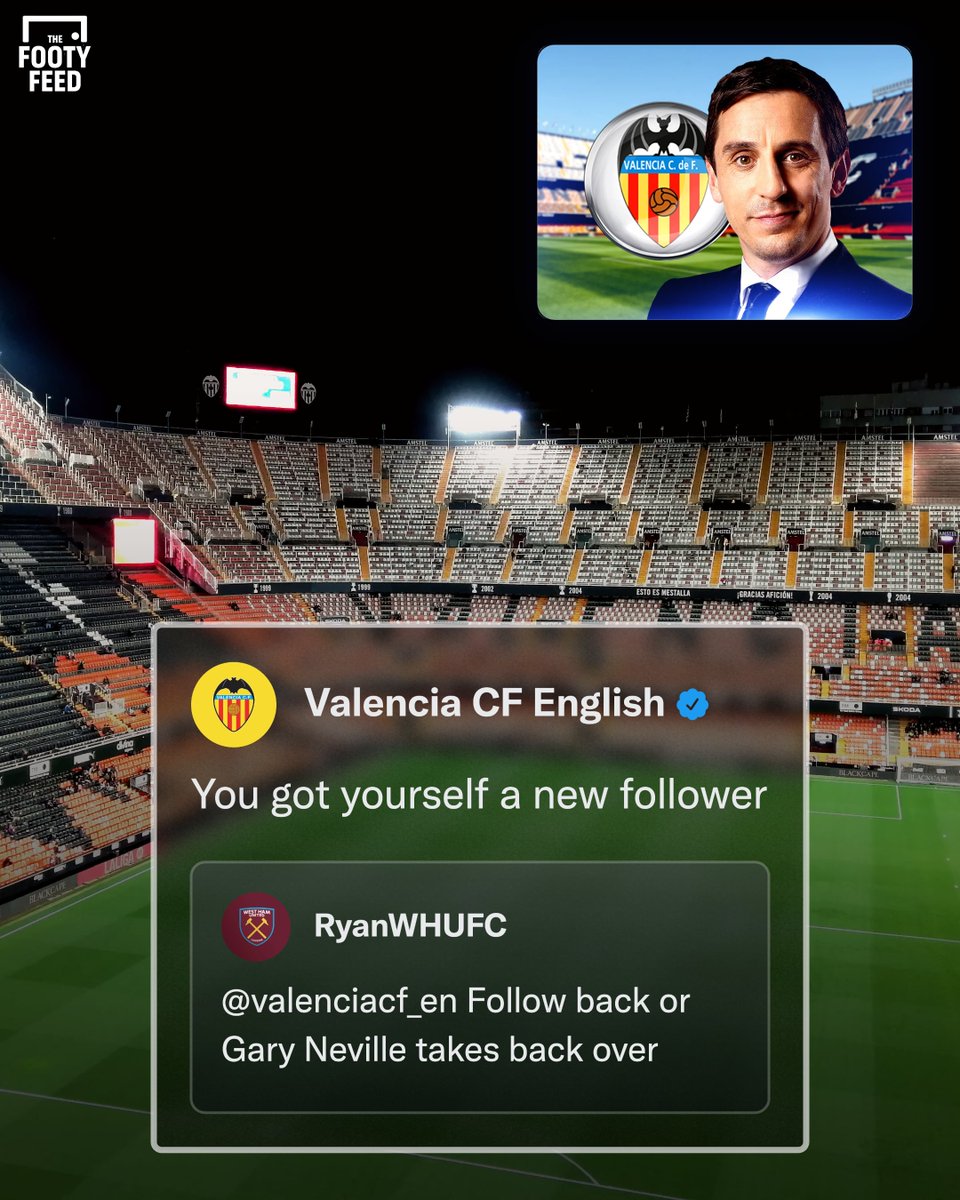
🤣🤣🤣
The Footy Feed tweet media
QME
6
468
13.4K
140.9K
MR AYUB retweetledi
Ajoje⚽⚖️
Ajoje⚽⚖️@israel_ajoje·
Let me shock you in a minute. The two most valuable clubs in La Liga have no shareholders, no owner and no private equity firm behind them. They are owned by their members. And they have been, since before any of us were born. FOr example, in practice, Florentino Perez did not buy Real Madrid. Neither did Joan Laporta did not buy Barcelona. They ran for the job, campaigned, and won votes. And the same people who voted them in can vote them out. That is the socios model in Spain. And it is the ownership structure that has quietly defined the most powerful clubs in Spanish football for over a century. A "socio," which translates roughly as "partner," is a dues-paying member of the club who collectively owns it alongside tens of thousands of others. There are no shareholders, no dividends and no controlling stake held by any individual or corporation. The club belongs to its members and is run by a president they elect on a mandate they can remove. Like I said yesterday, the four clubs still operating under this model in Spain are FC Barcelona, Real Madrid, Athletic Club de Bilbao, and CA Osasuna. Each applies the model differently but the legal and governance structure is the same across all four. Barcelona has over 140,000 socios as of 2025, having added 10,619 new members in the 2024-25 season alone, the highest number under the current board. Real Madrid has a publicly stated 95,000 socios as of 2024. Athletic Club adds a dimension that makes it arguably the purest expression of the model anywhere in world football. Since 1911, the club has maintained a policy of signing only players born in the Basque Country or who learned their football in a Basque club. That is not just member ownership. They have written member identity written into the transfer policy. Athletic Club is one of only three clubs, alongside Real Madrid and Barcelona, never to have been relegated from La Liga, which makes the achievement all the more remarkable given the self-imposed constraints on recruitment. Osasuna, based in Pamplona, is the smallest of the four. Its significance in this story is largely symbolic. It is proof that the model is not exclusive to the richest clubs. Despite all of this, the practical limits of the socios model are real. Under this structure there are no dividends and all revenue must be reinvested in the club. Think of it like a hybrid of a company limited by guarantee and a non Governmental Organization. No private equity firm can inject capital overnight and no individual can write a cheque to close a gap. The club grows at the pace its revenues allow, which is why Barcelona's debt crisis of the early 2020s was so damaging. A member-owned club with no external safety net has nowhere to turn when it overspends except its own future earnings. And yet the clubs that were never forced to convert remain the most powerful in Spain. The model does not guarantee financial discipline, as Barcelona's recent history shows clearly. But it does guarantee something the SAD model cannot. The club remains the club's. Hope you have learned something today. My name is Ajoje. I am a FIFA Licensed Agent and International Sports Lawyer. I write on the Law and Business of Football, a lot. Repost and Follow if you want to read more posts like this.
Ajoje⚽⚖️@israel_ajoje

Top Football Leagues and their ownership structures: Spain and the socioa Germany built the 50+1 rule to keep fans in control and clubs out of debt. Spain went the opposite direction. In 1990 it passed a law forcing most professional clubs to become private companies. According to LaLiga's own Economic-Financial Report for the 2024-25 season, the net senior debt of La Liga clubs now stands at €4.794 billion. The medicine has now made the patient sicker. The law was Ley 10/1990, the Spanish Sports Act, passed on 15 October 1990 and in force by 1992. Spanish clubs at the time were member-owned associations carrying significant debt and operating with limited financial accountability. The stated purpose at the was to help them achieve spending discipline- or that was what they thought. That meant that if you wanted to play in La Liga or the Segunda División, you became a "Sociedad Anónima Deportiva", a SAD, basically a sports public limited company subject to corporate governance rules and shareholder structures. However, back then, there was an exception built into the law. Clubs that had maintained a positive balance sheet since the 1985-86 season were permitted to retain their association status. Only four qualified. They were FC Barcelona, Real Madrid, Athletic Club de Bilbao, and CA Osasuna were the four clubs that did not convert. Every other professional club in Spain became a corporation. That's why you still hear terms like "socios" voting during Madrid and Barcelona Presidency elections and all. Cos they remained member owned. However, the results for those who did convert were not what the government promised. Transfer fees kept rising and wages kept rising. The shareholder model created incentives to spend for short-term results rather than long-term stability. Spanish clubs entered the 1990s with a combined debt estimated at around 172 million euros. By 2024-25 that figure had grown to nearly 4.8 billion. By the time Ley 39/2022 replaced the original law and removed the mandatory conversion requirement entirely, three decades of corporate football had left its mark. The four clubs that were never forced to convert remain some of the four most institutionally powerful in Spanish football. My name is Ajoje. I am a FIFA Licensed Agent and International Sports Lawyer. I write on the Law and Business of Football, a lot. Repost and Follow if you want to read more posts like this.

English
10
130
605
57.9K
Rising Stars XI
Rising Stars XI@RisingStarXI·
🇦🇷🤯 𝗡𝗜𝗖𝗢 𝗣𝗔𝗭 (𝟮𝟭) came so close to producing a masterpiece yesterday…
English
22
189
7.8K
331.8K
MR AYUB retweetledi
َ
َ@Asensii20·
Pedri - The worst footballer in history
َ tweet mediaَ tweet mediaَ tweet media
English
169
1.4K
11.2K
16M
MR AYUB retweetledi
The Stat Guy
The Stat Guy@The_Stat_Guy_10·
Willian Pacho grew up wanting to be a striker.Someone convinced him to defend and accidentally created the most spatially intelligent CB in the world. He doesn’t mark you, he marks the space you haven’t used yet. Every passing lane closed before it opens.
English
9
207
3.3K
182.9K
MR AYUB retweetledi
george
george@StokeyyG2·
The scenes as Atletico Madrid’s team bus arrives to their stadium ahead of their 2nd leg against Barcelona… 👏🍿
English
77
907
20.2K
766.2K
Klaus
Klaus@UTDKlaus·
Bradley Barcola - 2025/26 so far
English
29
414
3.2K
271.1K
Newcastle United
Newcastle United@NUFC·
Thank you, Tripps 🖤🤍 After four and a half years of incredible service to Newcastle United, we can confirm that Kieran Trippier will leave the club this summer when his contract expires. Kieran arrived in January 2022 with the club in the relegation zone and played a crucial role as he went on to lift the club’s first domestic trophy in 70 years.
English
953
2.2K
20.6K
2.6M
MR AYUB retweetledi
🇪🇹
🇪🇹@abz7ii·
Feel weight lifted of my shoulders tbh we can admit Vini was best itw that year now
English
99
485
7.6K
390.9K
MR AYUB retweetledi
Fabrizio Ronaldo
Fabrizio Ronaldo@FabrizioRonald0·
🚨🗣️"Your idol?" Nico O'Reilly: "Cristiano Ronaldo" 🐐
Fabrizio Ronaldo tweet media
Español
173
2K
31.8K
271.3K