
Sabitlenmiş Tweet
MaIeshi
237 posts

@Rubarbian124454 @vintagemapstore You're thinking of Pluto. The Moon is roughly 38 million km while Russia is 17 million km.
English


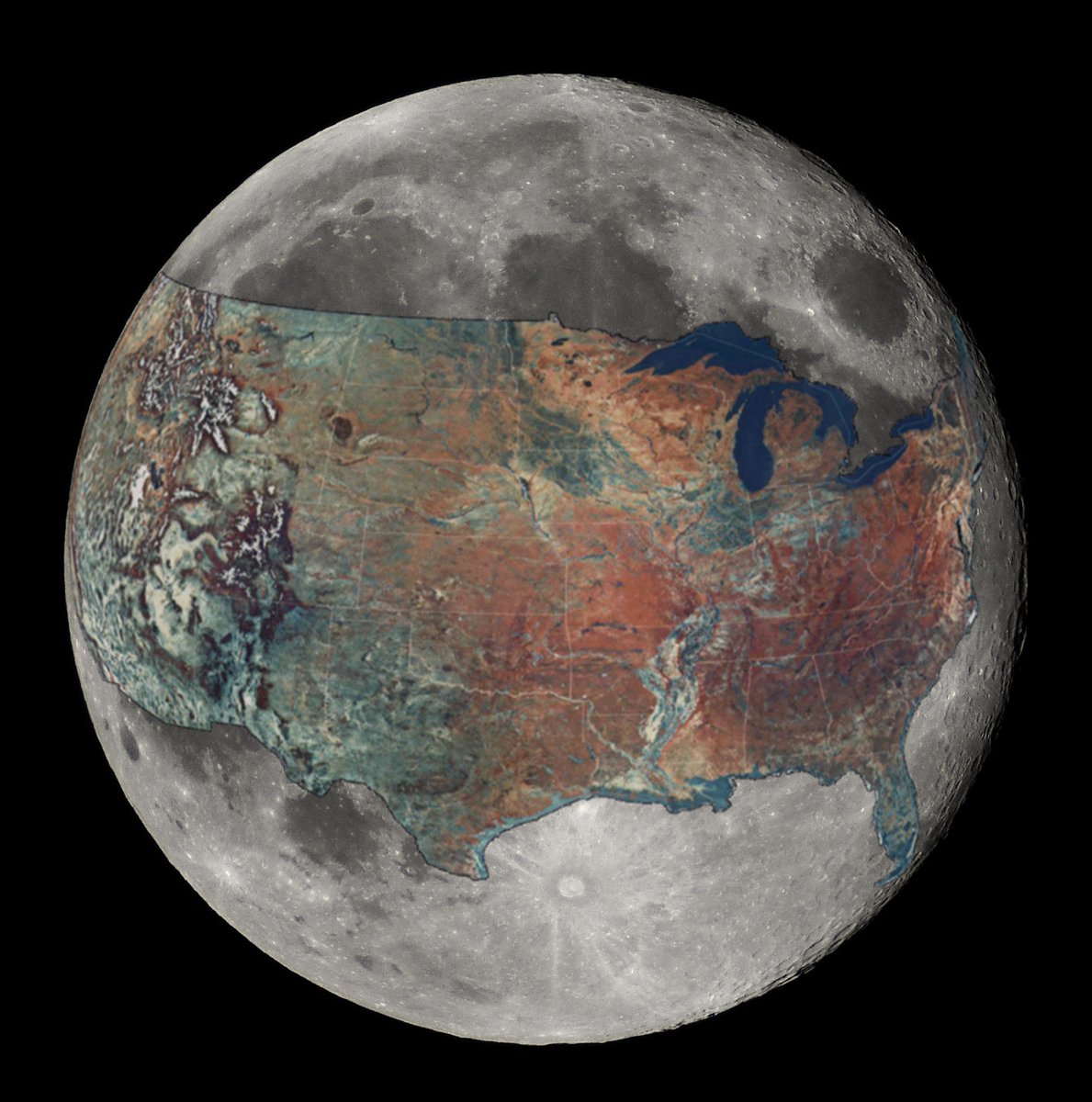
To give some sense of scale: The United States overlaid on the moon
English




@CupnRainThought @NASA Entire cities on this image are only shown as faint glowing pixels at this scale. Planes and ships are even smaller than that. From orbit, none would be visible as they would be way too small doe the angular resolution to make out.
English

@NASA Fake. No satellite? No space junks? Really?
English

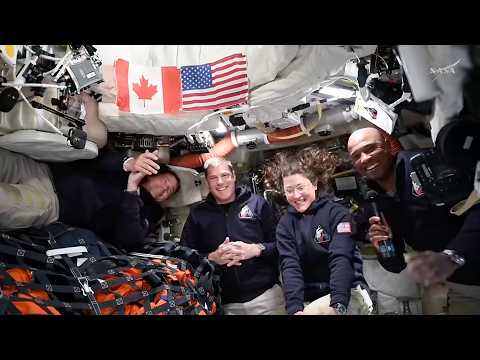
@XBlackVault @NASA That video was edited and altered, then filmed while played back on a display, to degrade the quality and make the edit less noticeable.
Source (4min 12sec)
youtu.be/1thtRq63A0E
YouTube
English
@delacanal_ @NASA Too many idiots on the replies of NASA's post, hard to tell who is joking or not.
English

@MaIeshiSA @NASA Did you really think I thought the Earth had shrunk?
English
@delacanal_ @NASA Wide angle lenses basically make objects like Earth look small, and most real pictures of the Earth are usually zoomed in or cropped.
English


@volfixfutures07 @NASA Entire cities on this image are only shown as faint glowing pixels at this scale. Planes and ships are even smaller than that. From orbit, none would be visible as they would be way too small doe the angular resolution to make out.
English

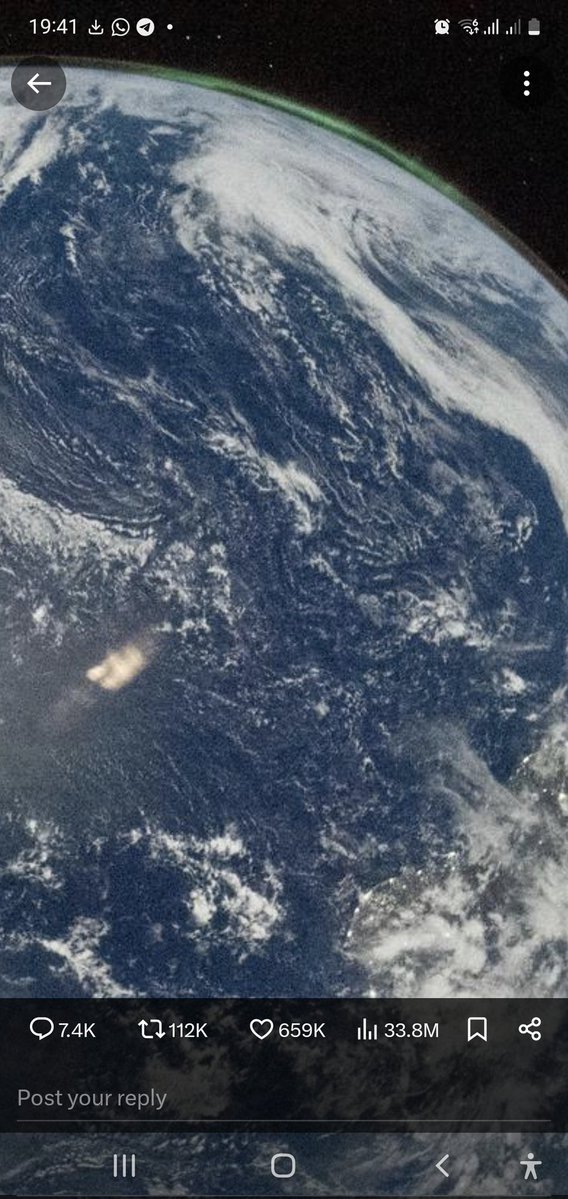


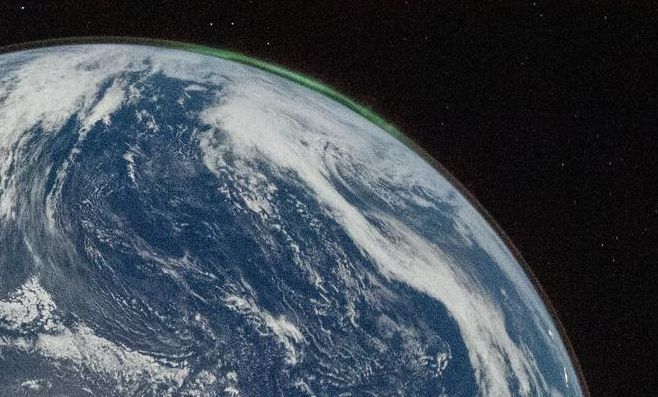
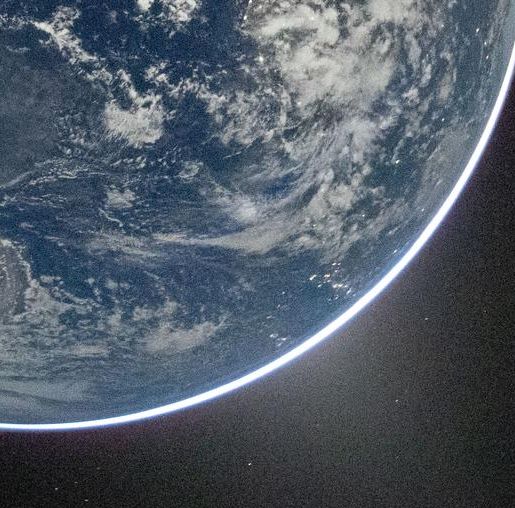
@DonnieKosky @NASA 1972 photo was taken on December 7, and released on July 20, 2015.
April Fool's Day being used as the launch day is because it is a valid launch window. You don't know how NASA missions work.
GIF
English

@Squatch_17_Q @NASA @grok The ISS isn't even that far away from the Earth enough to have a photography like that.
English


@MaIeshiSA @LangmanVince What's the importance of this? We want to see what it's really like. The worst part is that there are people who make excuses for it.
GIF
English

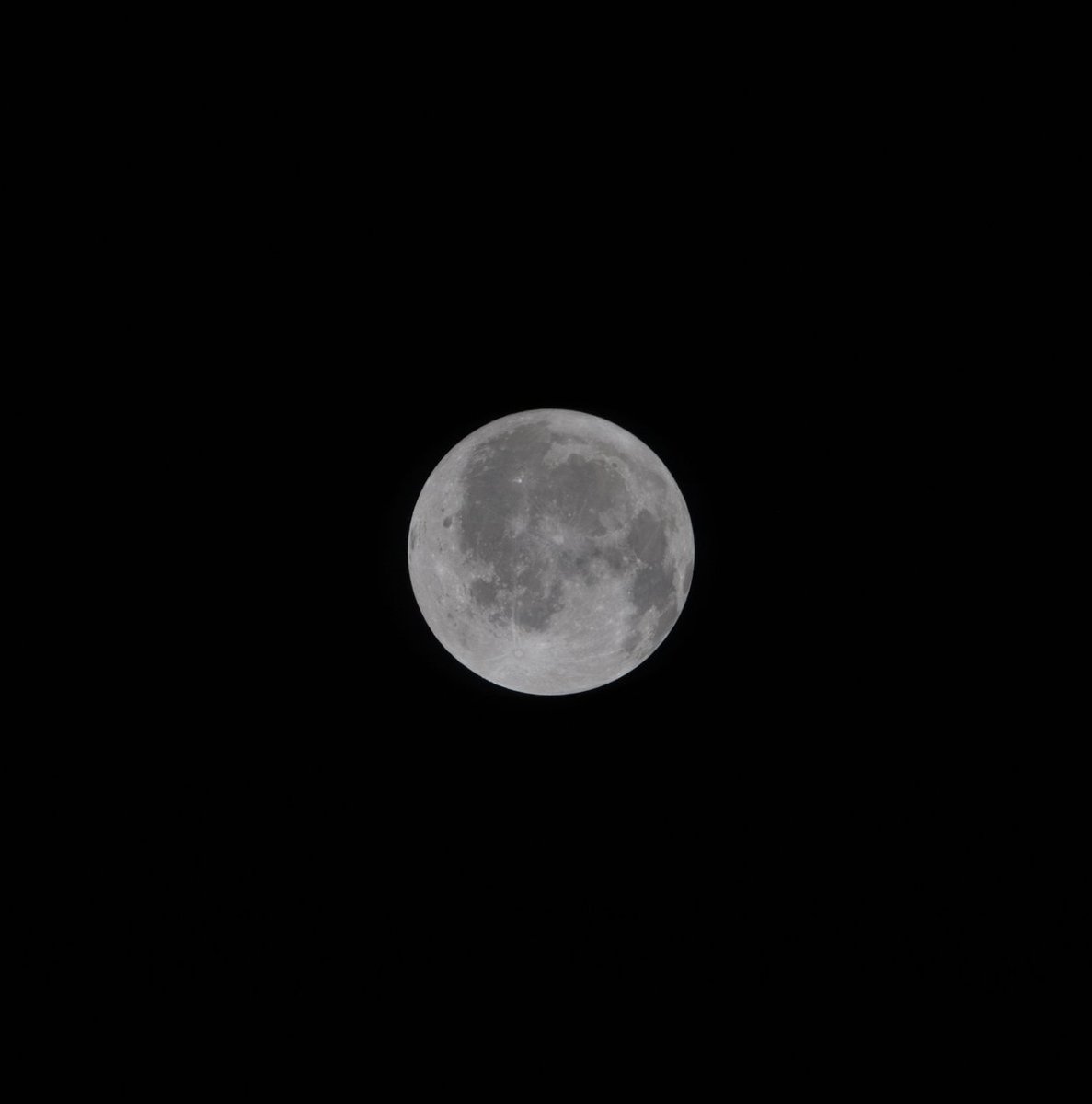
New picture of the Moon from Artimus II.
I can literally get the same looking photo from my cell phone on earth
English

@SteeweStreams @NASA Also, the 2026 version sits at 5500x3700.
1972 version is at 3600x3600, so no it doesn't have better image resolution.
English

@NASA Why can you see stars in one and not in the other? Why can you see the Northern Lights in one and not in the other? Why can you see the ozone layer in one and not in the other? Why does a photo from 1972 have better image resolution than one from 2026? 🤔🤔🤔😅😅😅🤣🤣🤣
English
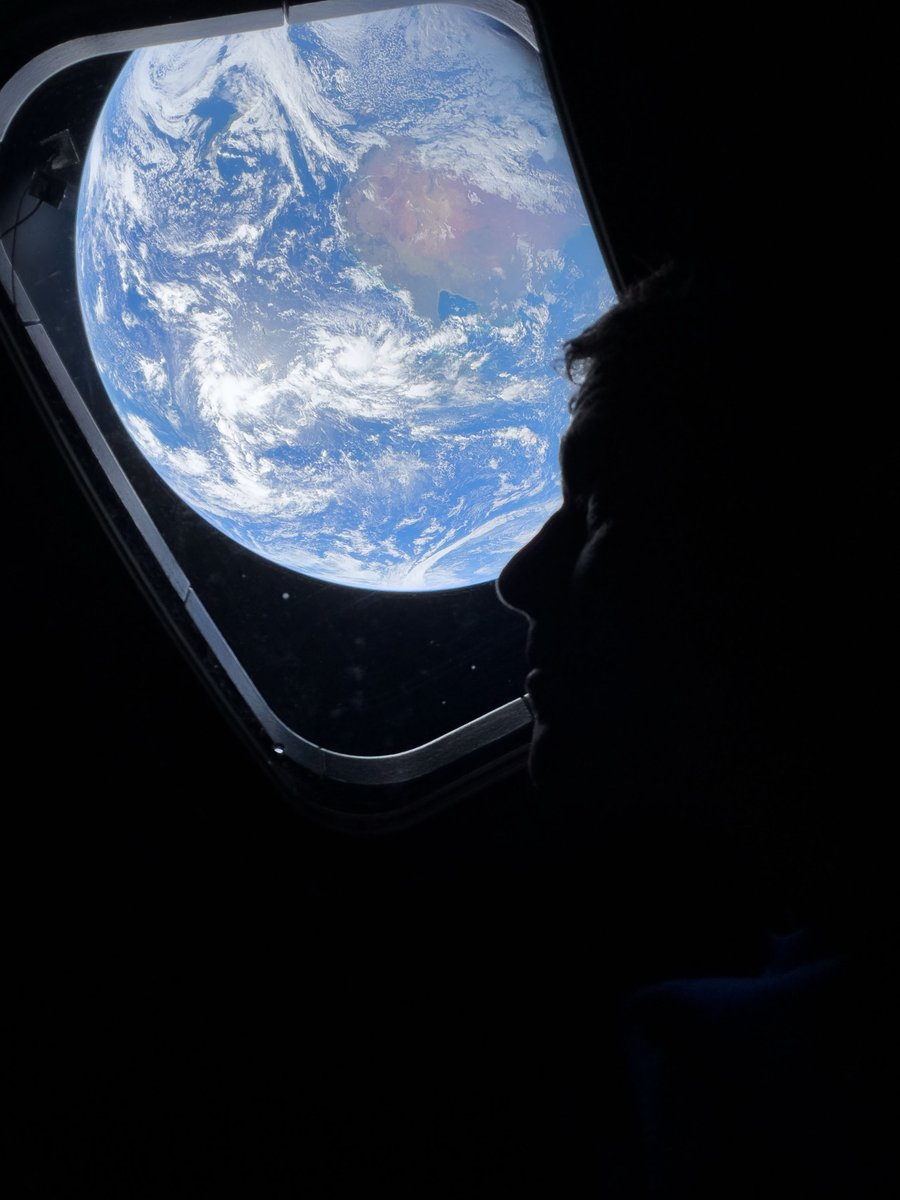
@SteeweStreams @NASA The sunlight was obstructed in the 2026 version, and it was taken at long exposure with high ISO allowing stars to be picked up.
in 1972 version, the Sun is behind Apollo 17, allowing for more light and blocking stars and northern lights, also that's Atmosphere, not Ozone Layer.
English