Maedeh Zokaei Nikoo retweetledi

*Doctors in Limbo: The human Cost of USCIS Policy Pause PM-602-0192/94*
“It turned the best day of my life to the worst day of my life,”
“In the middle of this war, [our family in Iran] is praying for us in the US — not for themselves!!.”
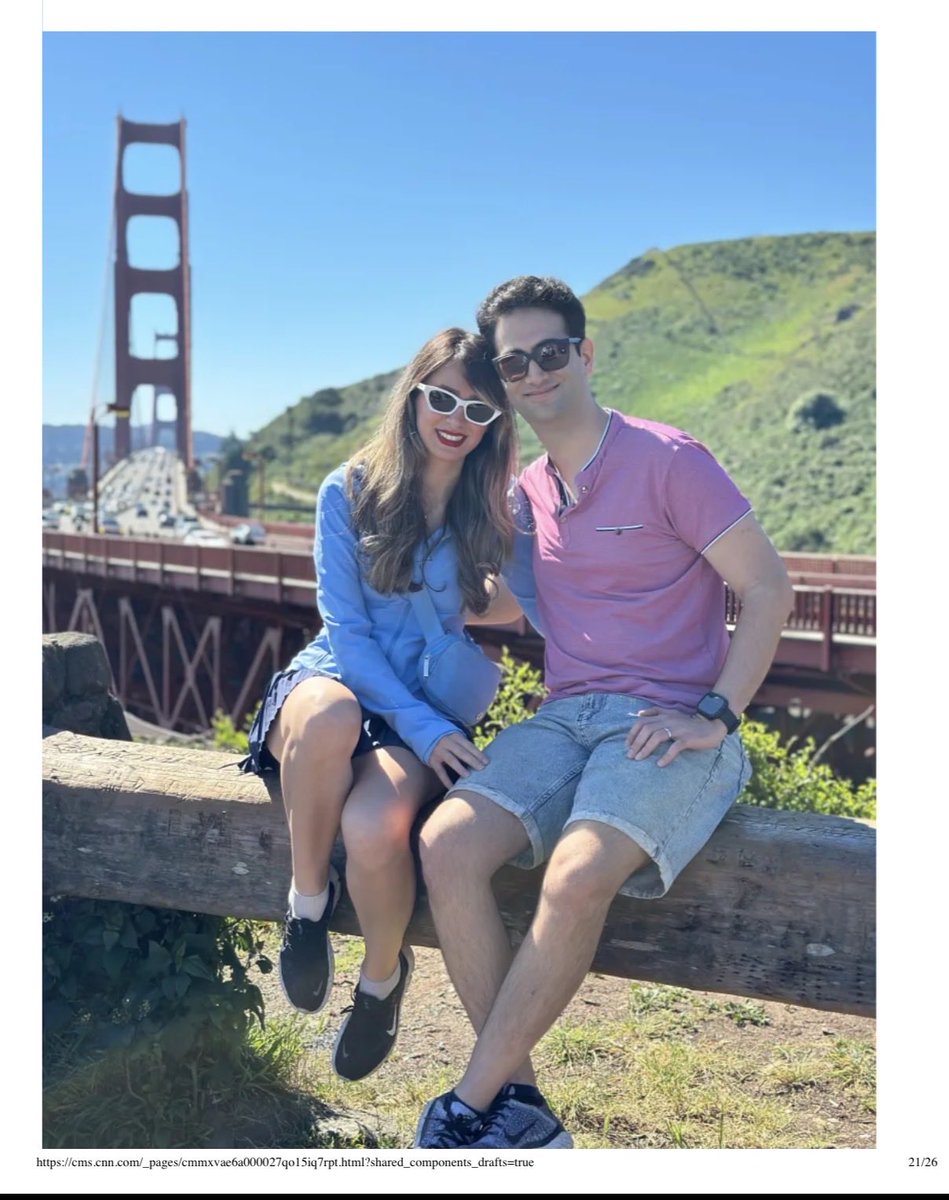
Dr. Zahra Shokri Varniab is an Iranian physician-scientist who spent years in the United States as a postgraduate fellow and radiology researcher at Stanford Medicine. Her research work in multimodal imaging and advanced MRI techniques has been cited nearly 400 times. As an accomplished physician-scientist, she secured a highly competitive radiology residency position this year, poised to translate that talent and expertise into direct benefit for medicine and patients in the US. The USCIS itself had already recognized the exceptional value of her work, approving her green card petition on the basis of extraordinary ability and national interest (Einstein Green Card).
Then came the final step: paperwork to receive the green card.
In December, USCIS policy pause PM-602-0192/94 took effect without warning and was applied retroactively to people who had filed many months earlier, with no remedies for reliance issues. Suddenly, not only was her green card frozen, but so too were the work authorization benefits normally available during the process. She was swept into the policy because she was born in Iran, one of 39 affected countries, despite years of lawful presence and meaningful contribution in the United States.
Because residency positions run on fixed timelines, the impact would be devastating to their careers, she and her husband filed suit to challenge the policy. They won a preliminary injunction, with the judge finding they were likely to succeed on the merits and signaling that the indefinite pause policy was likely arbitrary and unlawful. That should have been the end of it.
It was not.
Once the judge ordered pause to be lifted, on March 20, USCIS denied her green card, saying she was not “sufficiently candid and truthful.” Her attorney disputes this and argues the denial is unjustified.
Per CNN reporting : Morrison called the agency’s denial a “manufactured allegation” that is retaliatory in nature, alleging the application was denied because Shokri Varniab is an Iranian
national. The case is ongoing in courts.
On the very same day USCIS denied her application, Dr. Shokri Varniab matched into a six-year diagnostic radiology research track residency, a remarkable achievement in one of the most competitive specialties in medicine. This year, only 16% of immigrant applicants to diagnostic radiology secured a position.
“It turned the best day of my life to the worst day of my life,” she said.
Now she faces the same uncertainty as so many others: after years of training, research, and legal compliance, she still does not know whether she will be allowed to begin her residency in July. Her attorney has moved to challenge the denial. Case is ongoing in federal courts.
Security reviews can and should be conducted on an individualized, evidence-based basis, rather than through broad measures that may affect entire groups without regard to individual circumstances. The practical effect is that highly trained, law-abiding physicians may be sidelined from patient care at the very moment they are ready to serve, for reasons unrelated to their personal conduct. The result is disruption not only to their lives and careers, but also to patient care and the american communities that depend on them.
Compiled from CNN reporting by @MichalRuprecht and publicly reported interviews with affected physicians, highlighting the human impact of USCIS policy OM-602-0192/94.
michalruprecht.com/pages/clips/10…
x.com/tsmerdist/stat…
English