Magí Garcías

524 posts

Magí Garcías banner
Magí Garcías

Magí Garcías

@MagiGarcias

Köln Piano Sometimes 📝 music

Katılım Eylül 2017
835 Takip Edilen302 Takipçiler
Magí Garcías retweetledi
Fundación Juan March
Fundación Juan March@la_march_madrid·
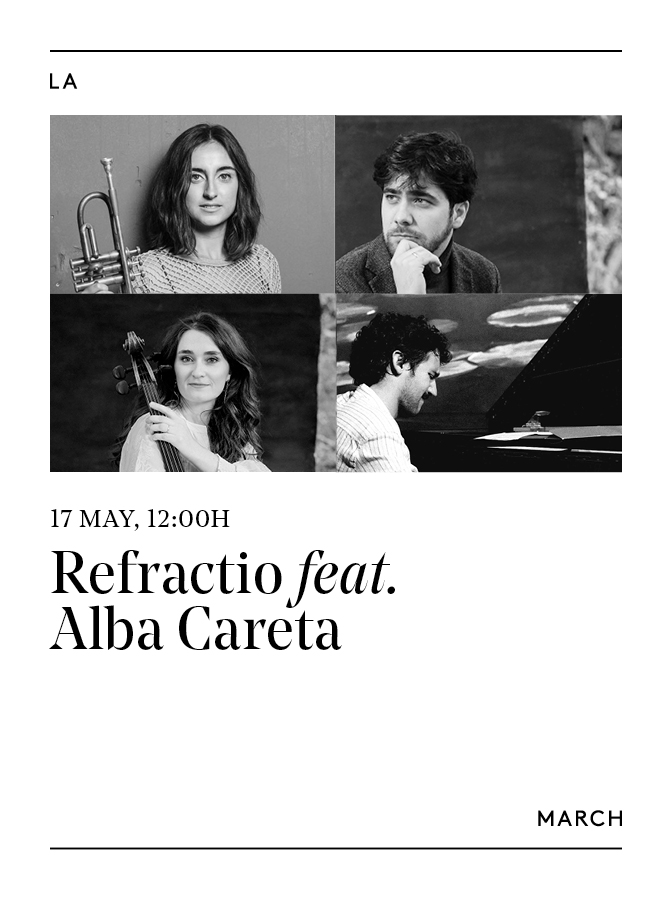
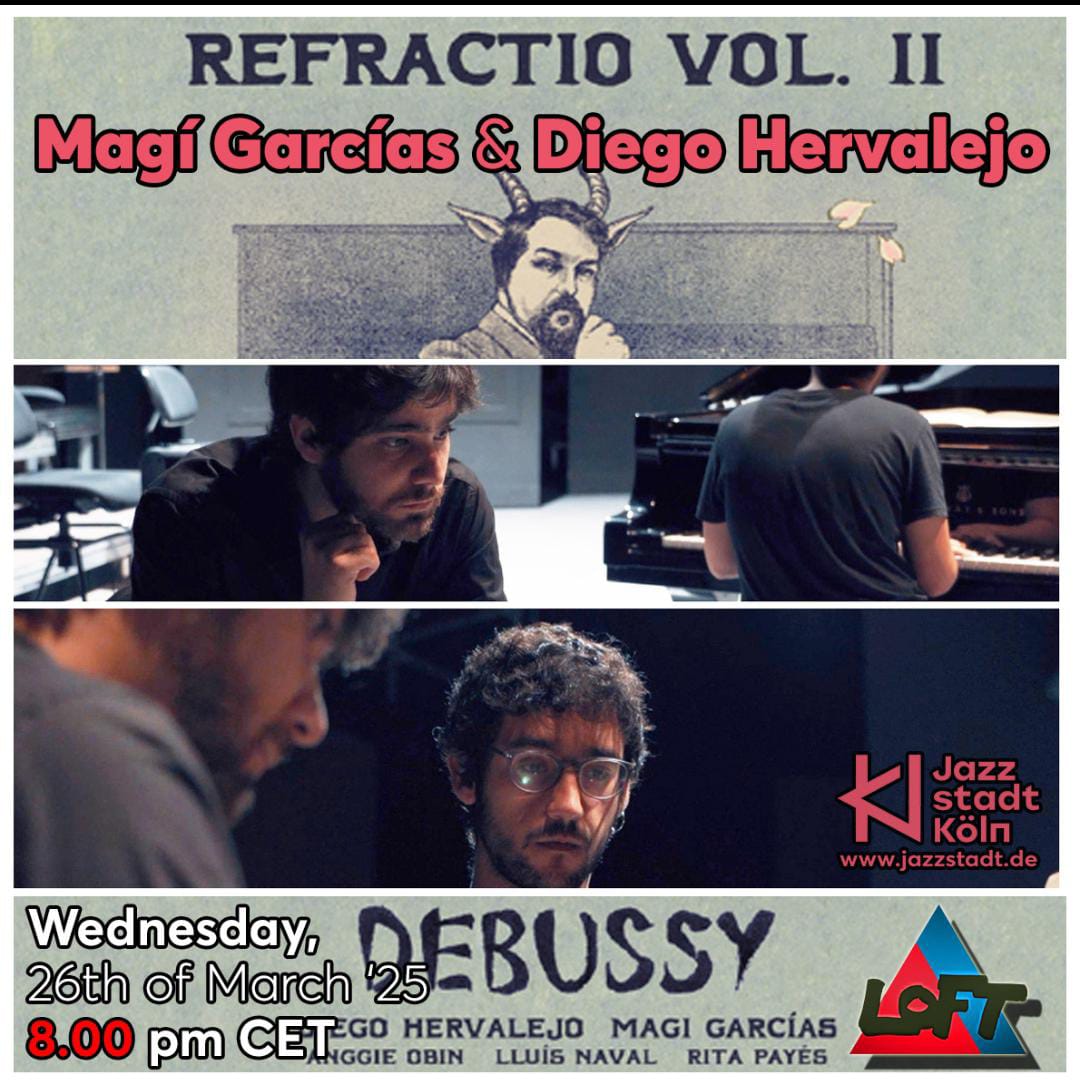
Hoy a las 12:00h Concierto: Diego Hervalejo y Magí Garcías someten partituras clásicas al prisma del jazz y la improvisación, junto a Alba Careta. 🎹🎺 📺 Síguelo en directo march.es/madrid/concier…
Fundación Juan March tweet media
Español
0
1
5
531
Magí Garcías retweetledi
Fundació Mompou
Fundació Mompou@FundacioMompou·
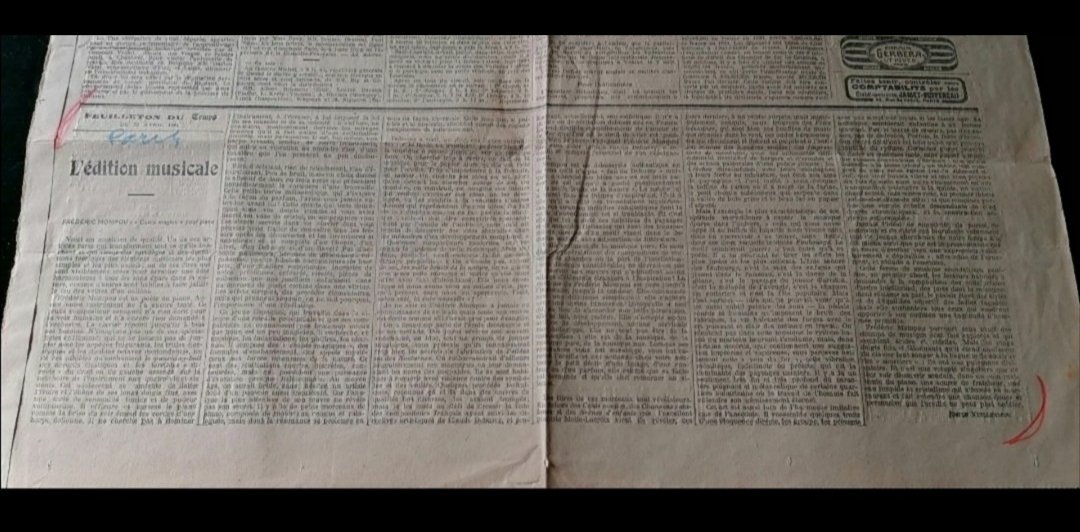
Avui fa 105 anys de la publicació de l'històric i efusiu article que el musicòleg i crític É. Vuillermoz va dedicar a Mompou sobre el concert on es van estrenar obres seves (a París a càrrec dl mestre Motte-Lacroix). Fou l’inici del reconeixement internacional del compositor ✨🎶
Fundació Mompou tweet mediaFundació Mompou tweet mediaFundació Mompou tweet media
Català
1
7
18
289
Magí Garcías
Magí Garcías@MagiGarcias·
Concert benèfic el pròxim 19 de maig a Palma, tothom convidat! Música de cambra per a violoncel i piano entorn a la música d'arrel i la seva influència en la música de "concert". 20h al Conservatori de Palma. ticketib.com/events/concier…
Català
0
0
0
124
Magí Garcías retweetledi
Fundació Mompou
Fundació Mompou@FundacioMompou·
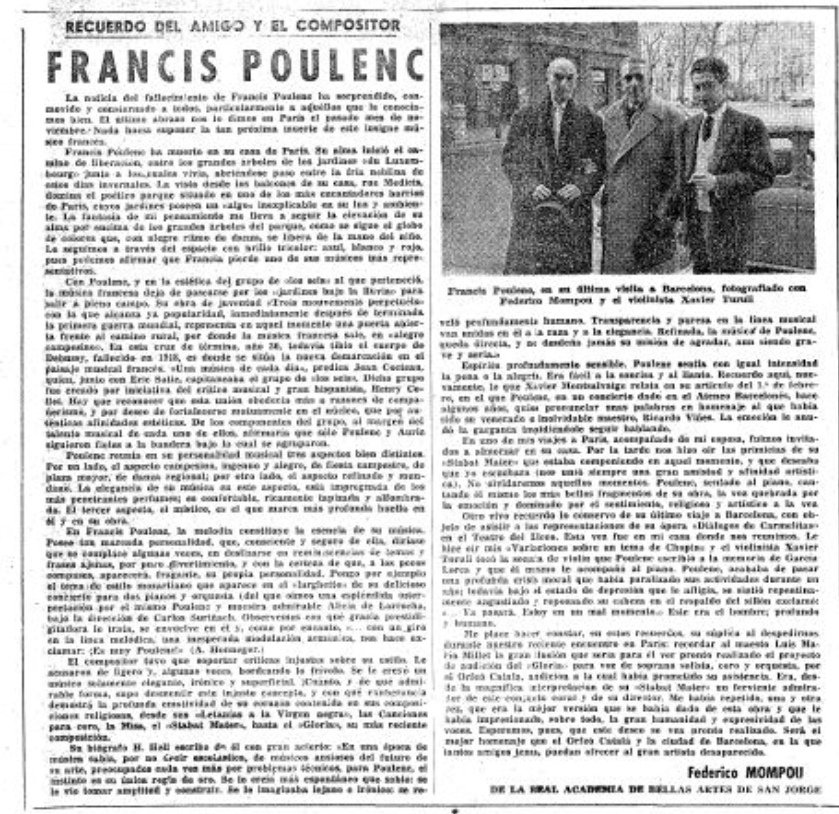
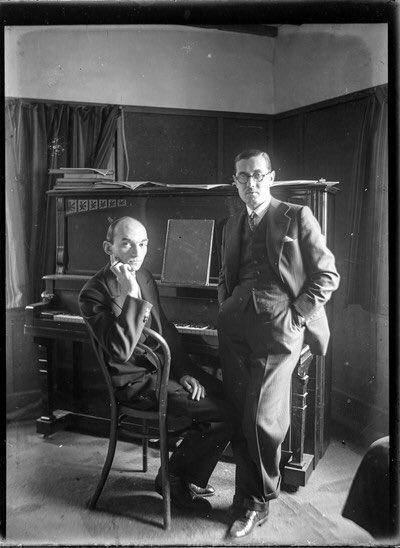
#taldiacomavui de 1963 moria el gran compositor Francis Poulenc, que va tenir una profunda amistat amb Frederic Mompou des del 1923 que es van conèixer a París. 📷 Els músics a Barcelona cap al 1958 i obituari signat per Mompou sobre l'admirat amic publicat a La Vanguardia - 1/2
Fundació Mompou tweet mediaFundació Mompou tweet media
Català
2
11
40
813
Magí Garcías retweetledi
Passes Perdudes
Passes Perdudes@passesperdudes·
Deim adeu. Gràcies a totes les persones que heu fet possible el projecte de @passesperdudes. Només esperam haver fet una feina valuosa i responsable, i haver contribuit a un debat rigorós i autocentrat. Fins aviat! 👋❤️ 📩Carta d'acomiadament: eldiario.es/illes-balears/…
Català
4
11
81
16.3K
Magí Garcías retweetledi
Eduardo Chávarri Alonso
Eduardo Chávarri Alonso@chavarri_edu·
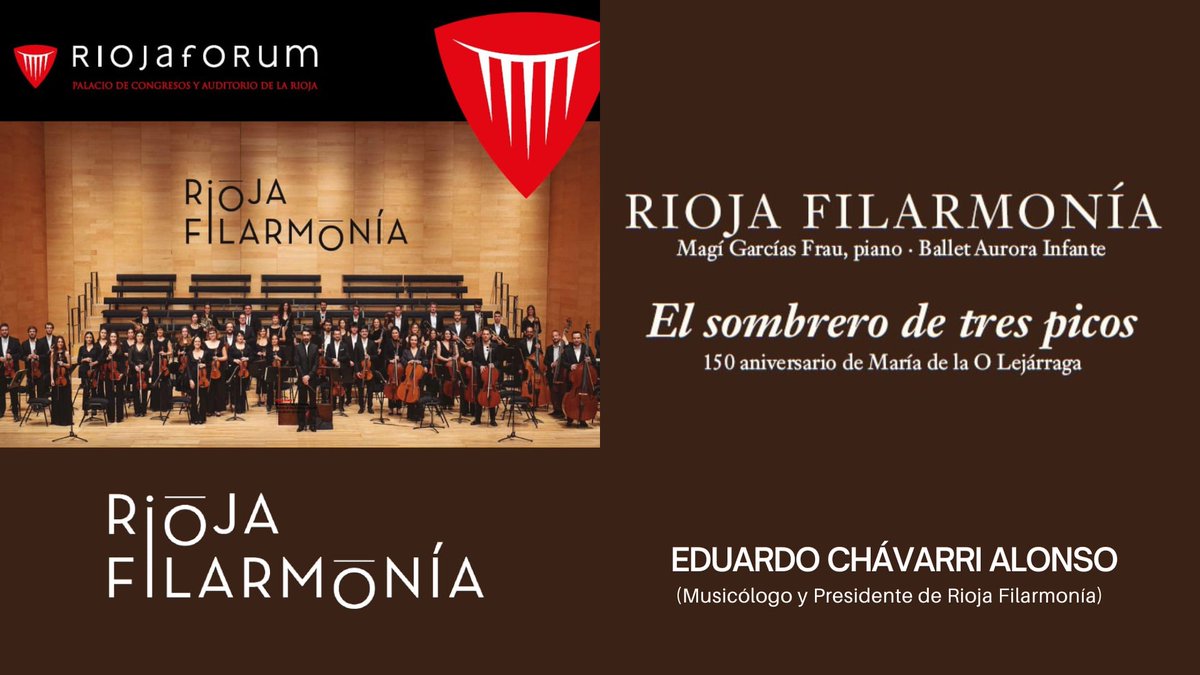
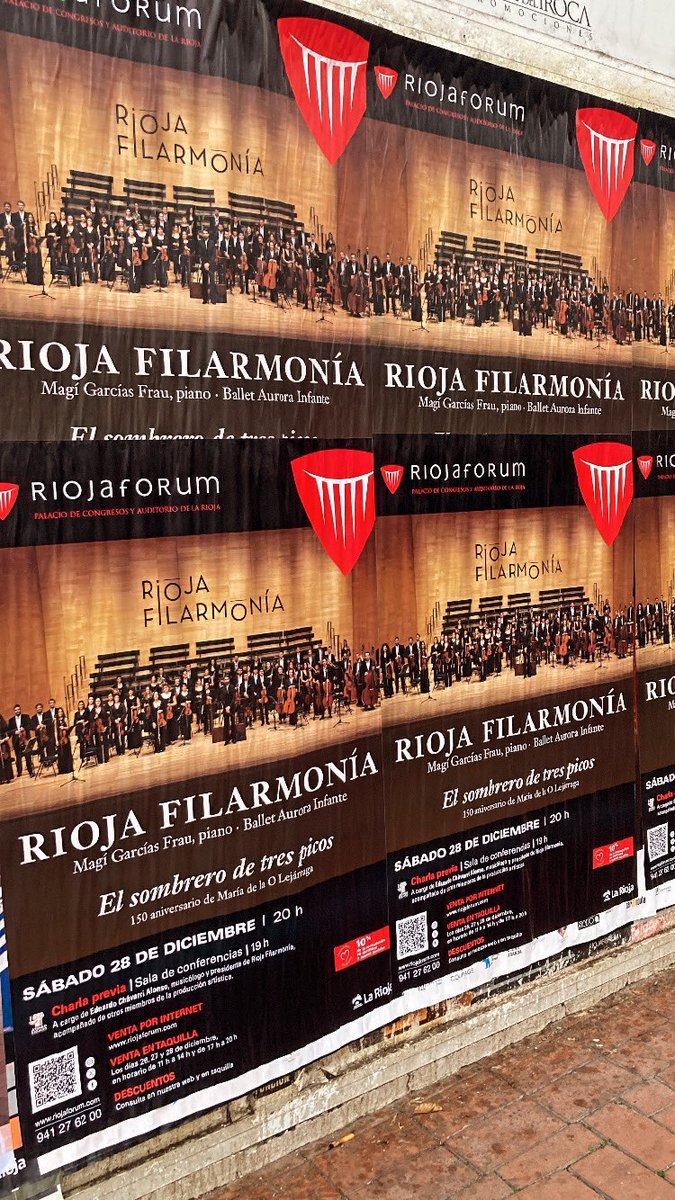
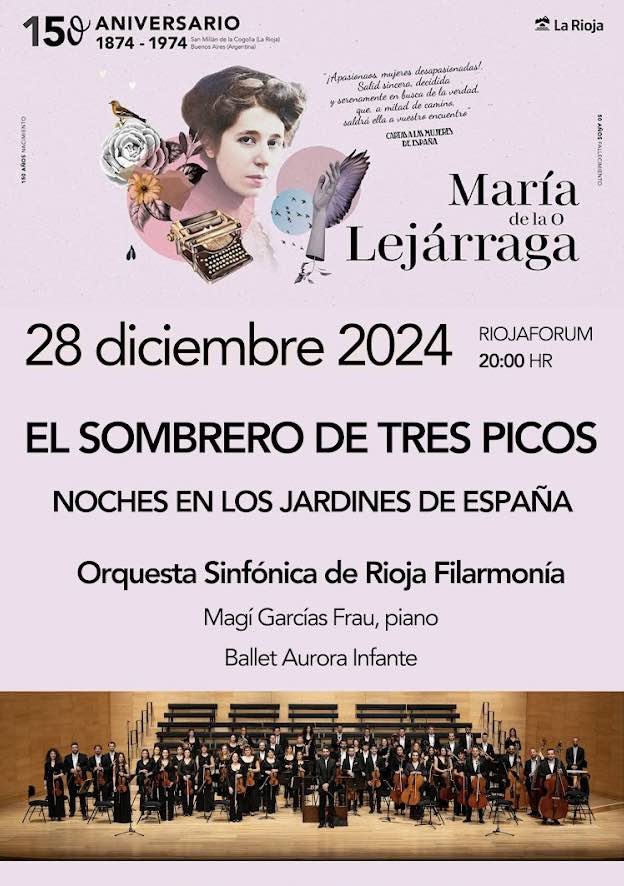
📣¿No tienes entradas? ¡Corre que se acaban! Despide el año con la Orquesta Sinfónica de @riojafilarmonia bajo la batuta de @JorgeNicolasDir, interpretando “El sombrero de tres picos” con el Ballet Aurora Infante y “Noches en los jardines de España” con @MagiGarcias
Eduardo Chávarri Alonso tweet mediaEduardo Chávarri Alonso tweet media
Español
1
3
7
176
Magí Garcías retweetledi
Rioja Filarmonía
Rioja Filarmonía@riojafilarmonia·
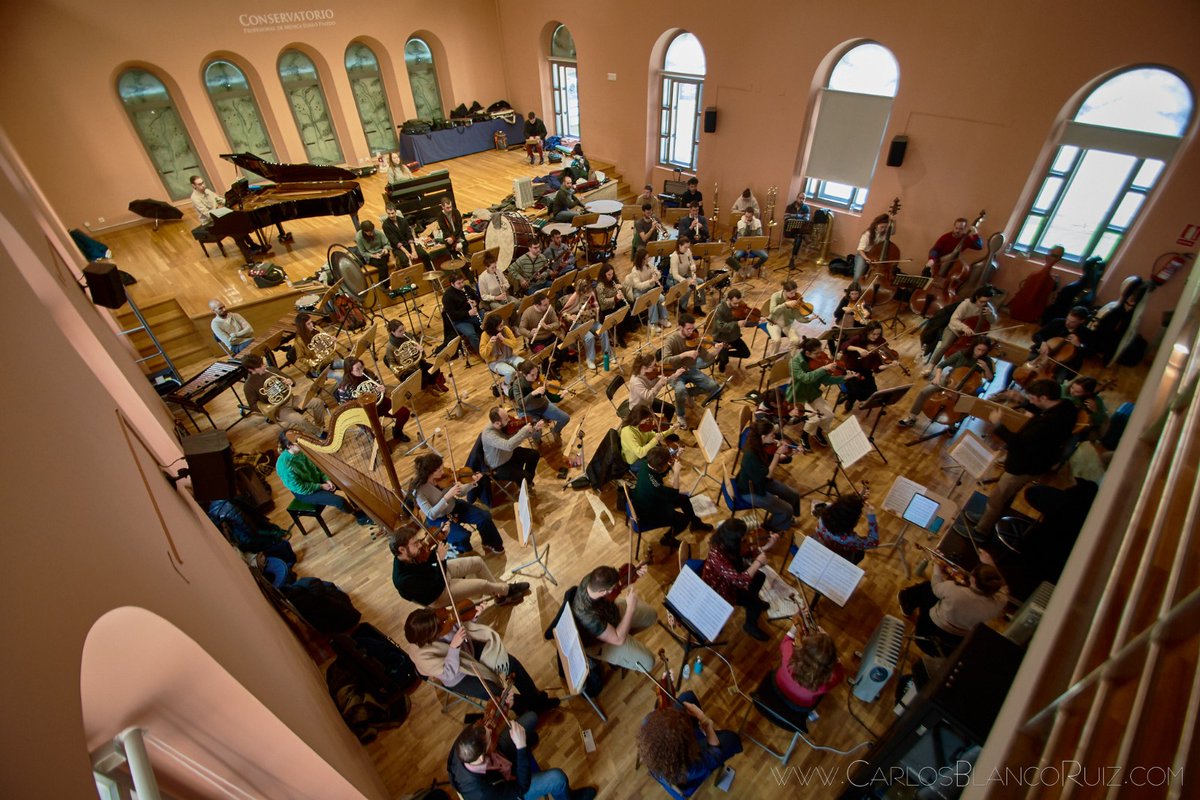
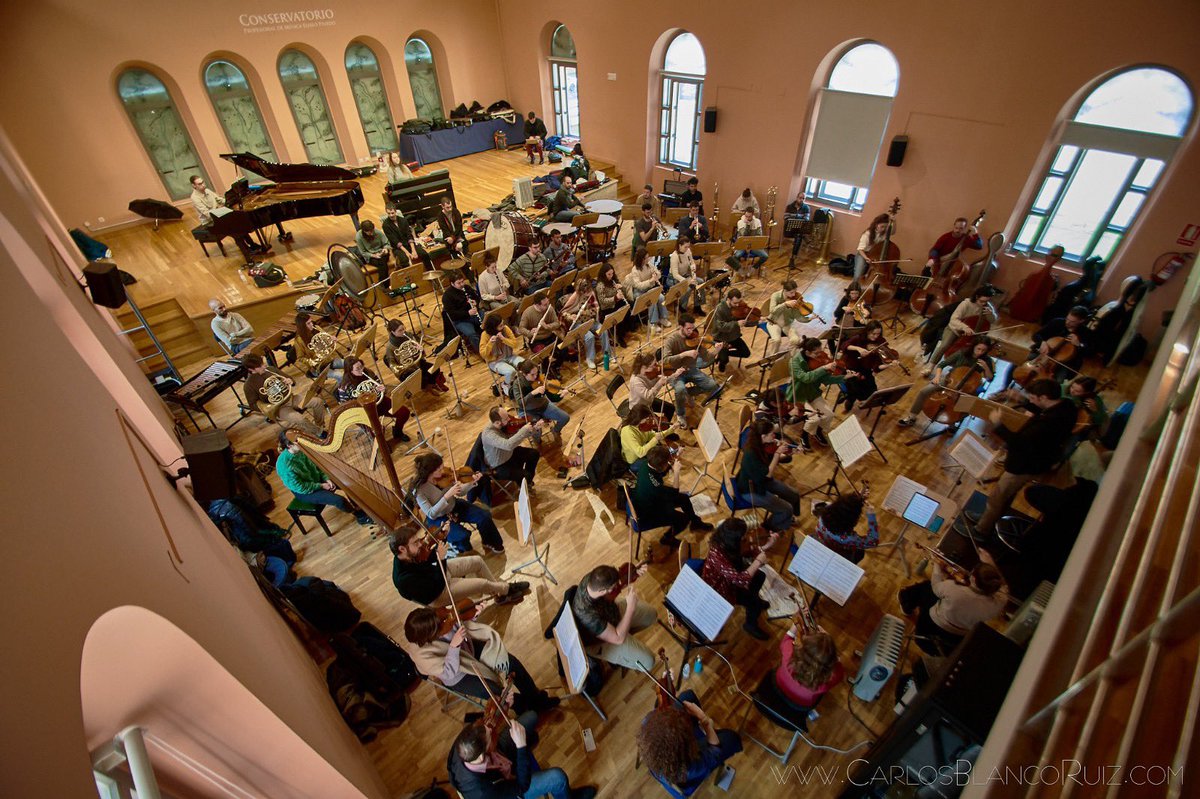
🎶💃🏻 Ya no queda nada para estrenar “El sombrero de tres picos” con el Ballet Aurora Infante y “Noches en los jardines de España” con @MagiGarcias en homenaje a María de la O #Lejárraga. 🎟️ Sábado, 28 de diciembre, 20h. en @Riojaforum. Entradas a la venta. 📷 @cblancoruiz
Rioja Filarmonía tweet media
Español
0
7
11
286
Magí Garcías retweetledi
Bernat Vivancos
Bernat Vivancos@BernatVivancos·
Ha tocat "el gordo" als treballadors/es del Balneari @HotelBlancafort. Felicitats! Entre tots s'hauria de fer una recol·lecta i editar les obres completes del seu fill il·lustre i un dels compositors més grans del país: Manuel Blancafort. Bé, és només una idea… @FMBlancafort
Bernat Vivancos tweet media
Català
3
12
43
1K
Magí Garcías retweetledi
Fundació Mompou
Fundació Mompou@FundacioMompou·
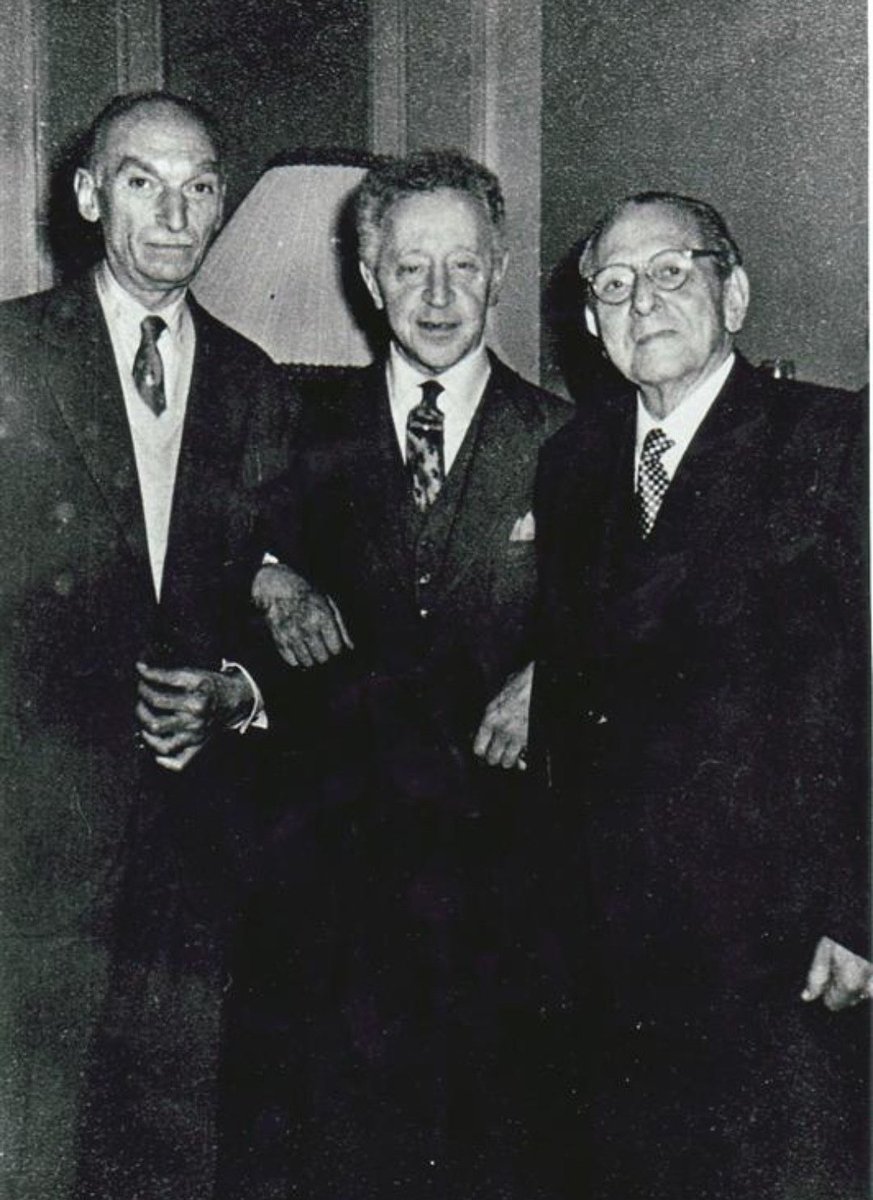
#Undiacomavui naixia el pianista, actiu pedagog i compositor Frank Marshall. Una estreta amistat va unir Mompou i Marshall, qui va donar a conèixer la música de Mompou als deixebles. Mompou li va dedicar la seva “Cançó i Dansa 3” (1926) 📷Els dos amb el pianista Arthur Rubinstein
Fundació Mompou tweet media
Català
1
3
24
275
Magí Garcías retweetledi
Rioja Filarmonía
Rioja Filarmonía@riojafilarmonia·
💜🎻 En el día exacto del 150 cumpleaños de María de la O Lejárraga (28 de diciembre de 1874, San Millán de la Cogolla, La Rioja – 28 de junio de 1974, Buenos Aires, Argentina), @riojafilarmonia pone sobre los escenarios dos de las obras más icónicas de Manuel de Falla... 1/3
Rioja Filarmonía tweet media
Español
1
4
7
400
Magí Garcías retweetledi
Fundació Mompou
Fundació Mompou@FundacioMompou·
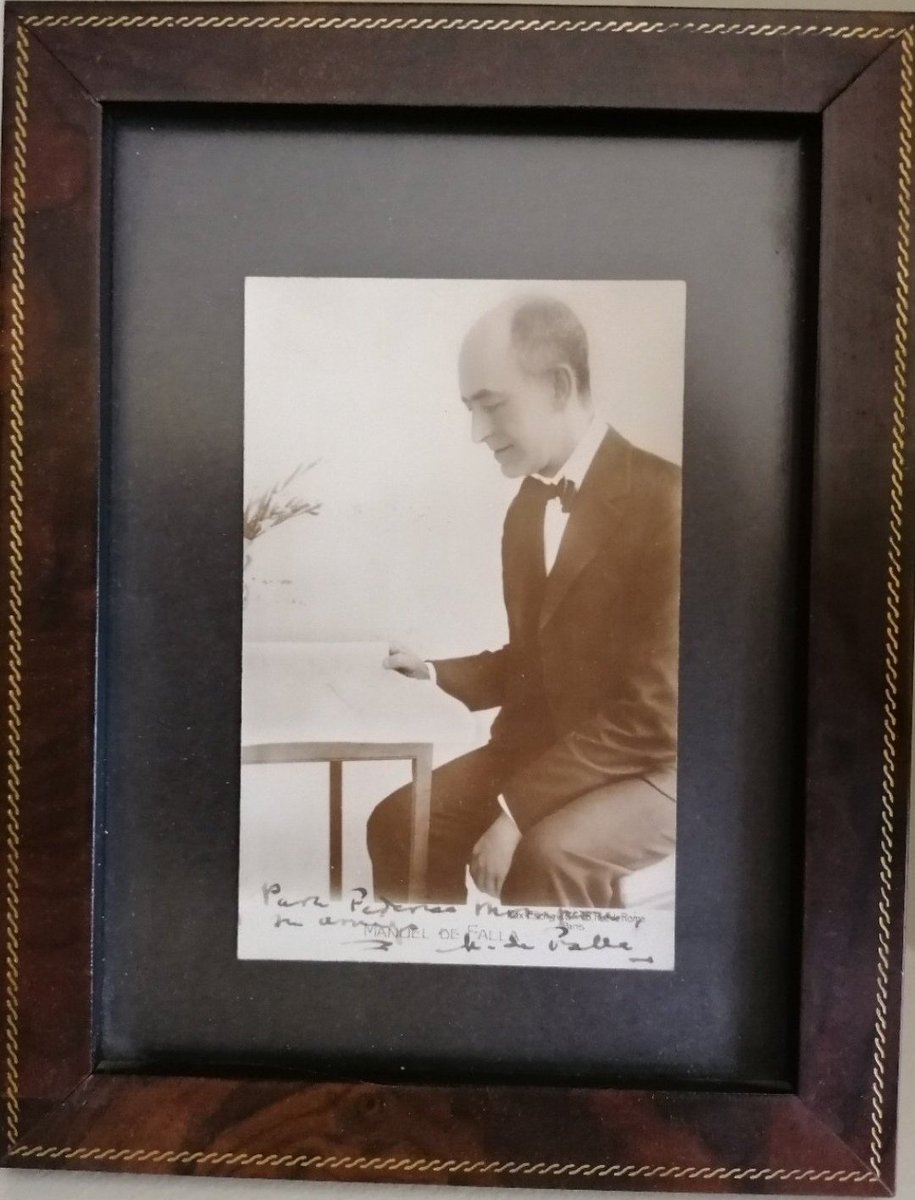
#Taldíacomohoy de 1876 nacía en Cádiz el gran compositor Manuel de #Falla, amigo y modelo de personalidad humana y musical del compositor Frederic Mompou. Se conocieron en París en 1923. Este retrato dedicado siempre acompañó a Mompou. @FallaAr #taldiacomavui #OTD #otdinmusic
Fundació Mompou tweet mediaFundació Mompou tweet media
Español
0
3
21
302
Magí Garcías retweetledi
Pintor Ramon Casas
Pintor Ramon Casas@RamonCasasCarbo·
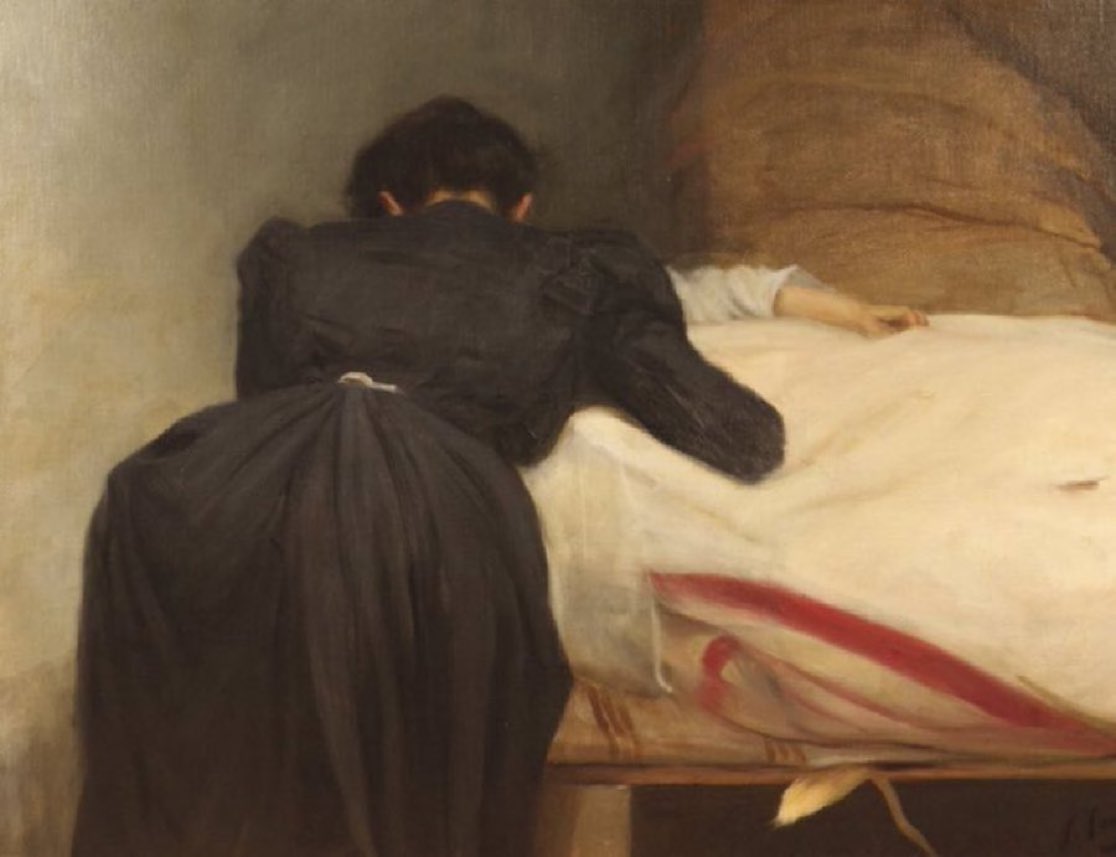
El petó de bona nit (ca 1890). The goodnight kiss
Pintor Ramon Casas tweet media
Català
1
20
91
2.6K
Magí Garcías retweetledi
Can Çakmur
Can Çakmur@can_piano·
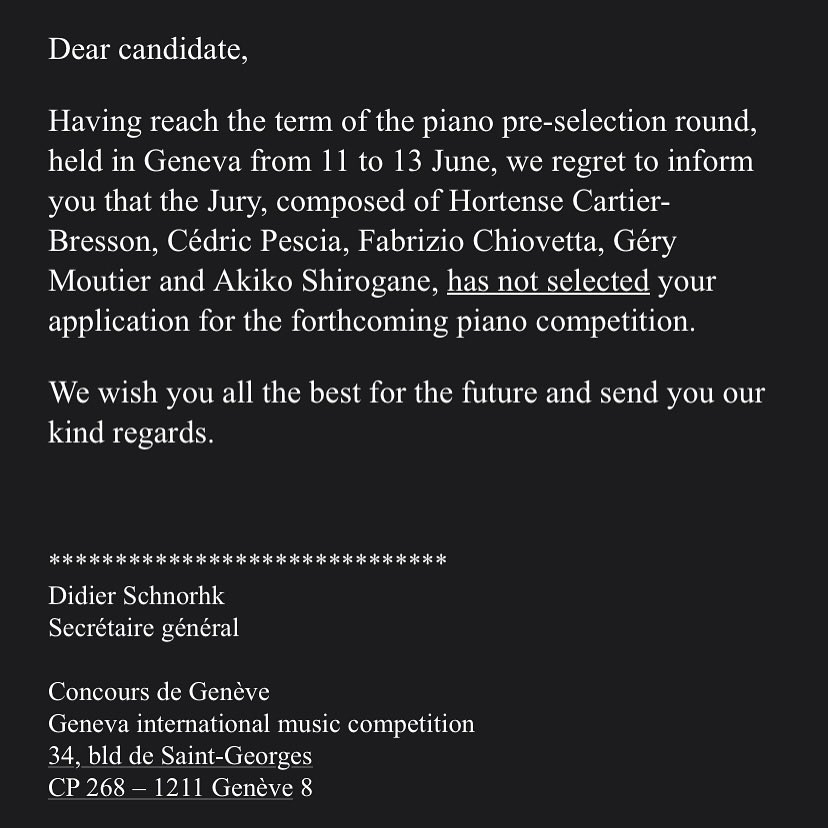
Türkçe 🇹🇷 için aşağı kaydırın ⬇️ Original post from November 3, 2024; Instagram Coming back to Hamamatsu for the opening concert of the Hamamatsu International Piano Competition had me revisit the memories as a participant. The competitions try their best to have the objective criteria for adjudication and I believe we are currently as close as possible to being objective (at least for WFIMC members) in a field which is, as Karl Lagerfeld put it so eloquently, “inherently subjective and unjust”. WFIMC stands for World Federation of International Music Competitions located in Switzerland and oversees the procedures of its member competitions. Knowing the high rejection rates of these events, I had applied to two competitions at the time: the Concours de Genéve and Hamamatsu International Piano Competition. I didn’t pass the preliminary round in Geneva. In Hamamatsu, I didn’t only pass the preselection but won the competition. The recording I sent to both was the exact same video. I found it hard to come to terms with the fact that I had a video preselection round rejection and a first prize, thus a golden ticket for a lifelong career, with essentially the same playing. If the jury in Geneva was right, I was essentially an imposter who somehow made his way into the concert scene. If the jury in Hamamatsu was right, the result in Geneva was massively unfair. At that level of playing, which is justly expected at these contests, the only solution I find to this conundrum is to stop trying to find recipes for success and to stop trying to fix “issues” in one’s playing for the sake of conforming to an imaginary set of objective rules. Both success and failure at competitions will be an objective and fair average of inherently unjust and subjective views. And that is alright: in my case both juries were probably right and wrong at the same time. --------------- Orijinal ileti 3 Kasım 2024 tarihinde, Instagram Hamamatsu Uluslararası Piyano Yarışması'nın açılış konseri için Hamamatsu'ya geri dönmek, katılımcı olduğum zamanki düşüncelerimi hatırlattı. Günümüzde yarışmalar, değerlendirmelerde nesnel kriterler oluşturmak için ellerinden geleni yapıyor ve bu alanda en azından WFIMC üyeleri düşünülünce mümkün olduğunca objektif olmaya çok yakın olduğumuzu düşünüyorum. WFIMC -açılımı Dünya Uluslararası Müzik Yarışmaları Birliği- İsviçre’de bulunan ve üyesi olan yarışmaları denetleyen ve bir araya getiren bir kurum. Müzik yarışmalarının UEFA’sı diyebiliriz. Ancak, Karl Lagerfeld’in çok güzel bir şekilde ifade ettiği gibi, müzik “doğası gereği öznel ve adaletsiz” bir alandır. Bu yarışmalardaki yüksek ret oranlarını bildiğimden, 2018 yılında dünyada benzer konuma sahip iki yarışmaya başvurmuştum: Concours de Genève ve Hamamatsu Uluslararası Piyano Yarışması. Cenevre'de video başvurusu ile yapılan ön eleme turunu geçemedim. Hamamatsu'da ise yalnızca ön elemeden geçmekle kalmadım, yarışmayı kazandım. Her iki yarışmaya gönderdiğim kayıt aynı videoydu. Özümde aynı performansla hem bir ön eleme reddi hem de bir birincilik elde etmiş olmamı kabul etmekte zorlandım. Eğer Cenevre’deki jüri haklıysa, bir şekilde ezkaza bir kariyerim olmuştu. Eğer Hamamatsu’daki jüri haklıysa, Cenevre’de müthiş bir haksızlığa uğramıştım. Bu yarışmalarda haklı olarak beklenen çalış seviyesinin ötesinde, bu ikileme bulduğum tek çözüm başarıya ulaşmak için tarifler aramayı bırakmak ve müzikte var olmayan, ama sıklıkla var olduğunu varsaydığımız bir nesnel kurallar dizisine uyum sağlamak adına insanın kendi çalışını “düzeltme” çabasından vazgeçmek. Hem başarı hem de başarısızlık, doğası gereği adaletsiz ve öznel görüşlerin nesnel ve adil bir ortalaması olacaktır. Bu da kabul edilebilir bir durum: benim durumumda, her iki jüri de muhtemelen hem haklı hem de haksızdı.
Can Çakmur tweet mediaCan Çakmur tweet mediaCan Çakmur tweet media
Română
0
8
52
2.2K
Magí Garcías retweetledi
Can Çakmur
Can Çakmur@can_piano·
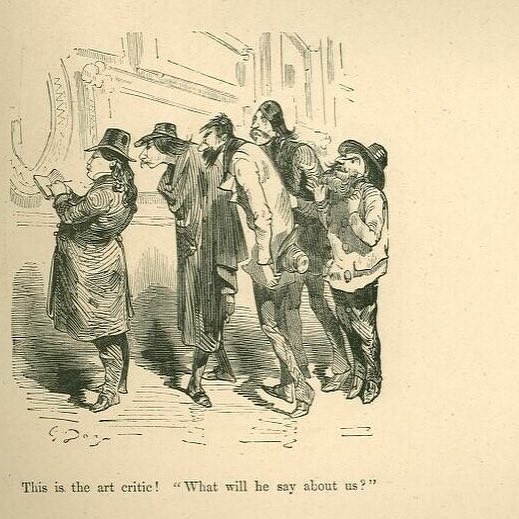
Türkçe 🇹🇷 için aşağı kaydırın ⬇️ The text I have posted last week gathered more attention than I expected and I think a follow up is necessary for clarity. The comparison with the olympic events is a fundamental misunderstanding about the nature of music competitions. Olympics are about transcending human limitations; whereas art is about acknowledging human limitations. I can’t explain why my eyes well up when I hear Fischer-Dieskau sing, although I can appreciate, explain and even imitate the means and the techniques he uses to obtain that expression. This is essentially something mystical which defies explanation but yet is reached by using very real processes such as cadence, timing, tone colour and such. That is what makes judging art possible. The critique (not the criticism) of art is an art in itself. This is what a competition attempts to do as a whole, to provide a platform of a collective critique, which the discussion last week was also a part of. That is why competitions are always public whereas auditions are nearly always held in private. Instead of utilising techniques to serve the purpose of the music, which is to explain the human condition; we fall to the fallacy of trying to conform to the imaginary parameters I have mentioned in last week’s post, which is accuracy of the playing and correct execution of every marking in the score, as if higher fidelity would result in greater success. Competition or concert or recording, humanising the music remains the goal in service of the mystic ideal of moving oneself and the listener. Illustration by Gustave Dore “At the Art Exhibition” --------------- Geçen hafta paylaştığım yazı beklediğimden daha fazla ilgi gördü ve bu derin konuya açıklık getirmek adına bir devam yazısı yazmanın gerekli olduğunu düşünüyorum. Sıklıkla yapılan Olimpiyat oyunlarıyla kıyaslama, müzik yarışmalarının doğası hakkında temel bir yanlış anlamadır. Olimpiyatlar, insanın fiziksel sınırlarını aşmayı hedeflerken; sanat, insanın sınırlarını kabul etmekle ilgilidir. Fischer-Dieskau'nun şarkı söylemesini dinlerken neden gözlerimin dolduğunu açıklayamam, ancak onun bu ifadeyi yakalamak için kullandığı yöntemleri ve teknikleri takdir edebilir, açıklayabilir ve hatta taklit edebilirim. Bu, temelde açıklaması mümkün olmayan mistik bir şeydir; ancak kadans, zamanlama, tını gibi son derece somut süreçler kullanılarak ulaşılır. Sanatı değerlendirilebilir kılan da budur. Sanat eleştirisi (ortaya konan ürüne dair yargı bildirisi değil) başlı başına bir sanattır. Bir yarışmanın yapmaya çalıştığı şey de tam olarak budur: kolektif bir eleştiri platformu sunmak. Geçen haftaki tartışma da aslında bunun bir parçasıydı. Bu nedenle yarışmalar her zaman halka açık yapılırken, seçmeler genellikle kapalı kapılar ardında olarak gerçekleştirilir. Müziğin amacına, yani insan durumunu ifade etmeye hizmet etmek yerine, geçen haftaki yazımda bahsettiğim hayali parametrelere, yani icranın doğruluğu ve partisyon üzerindeki her işaretin kusursuzca uygulanmasına uyma yanılgısına düşüyoruz; sanki daha yüksek bir doğruluk, daha büyük bir başarı getirecekmiş gibi. İster yarışma, ister konser, ister kayıt olsun; yukarıda bahsettiğim insanı duygulandıran mistik ideal çerçevesinde müziği insancıllaştırmak her zaman nihai hedef olmalıdır. Karikatür: Gustave Dore “At the Art Exhibition”
Can Çakmur tweet mediaCan Çakmur tweet media
English
0
5
32
1.3K