
Sabitlenmiş Tweet
Iran
311 posts


@geochatmobile @Cappy_Nate My country is Iran
Canada is not a real country brother
You live here for a few months.. you will learn
Canada has the same amount of oil as Iran… 1/3 the population
0 war , 0 sanctions
Why is my gas $8 a gallon and why I have to pay $100,000 a year for taxes…
lol
English

Your system may be f*cked but I meet many Canadians. Good people, I like them.
System is not work in here too. Our economy collapsed years ago and we are still living it with that ruin.
Every country has problems, and I learnt to live with it. Because what can you do? It is your country and nobody is gonna fix that but you.
English
This is how civilized countries build railway.
Efficient.
Organized.
Highly Automated.
Canada can too. 🇨🇦💪
English
@geochatmobile @Cappy_Nate Canada is not turkey brother
Canada is a worthless , weak nation
Has more resources then all of Western Europe combined.. 50% tax rate.
Extreme cronie system… a phone plan is $100 a month. Car insurance is $200 a month all on 4-5 thousand income average a month.
English
I can't say that Turkey is the best in the world at railway construction, but I am aware of the lack of interest in railways in North America.
I think people prefer air travel because the distances are too far.
One day, we were chatting with the general manager of Turkish State Railways on that time. There was a large crowd around. Someone said, "Sir, we could use convicted serious criminals to expand our railway lines."
The general manager turned and said, "I suppose the last time you were involved in railway construction was in 1990. Most railways are now built by machines." 😀
Canada's problem about railroad is not about technological I suppose. Technology can be imported from Europe.
It seems that real problem is because of lack of interest. Back in the days, some Americans saw railroads as communist plot. 😀
English
@geochatmobile My Turkish friend you have no idea how far behind Canada is on railway.
English
Iran retweetledi

⭕️ ویژهترین یگانتکاوری ایالات متحده (دلتا فورس و لشگر ۸۲ هوابرد آمریکا) دردرگیری با
یگان صابرین نه!
کلاهسبزهای نوهد نه!
تیپهای تکاور نیرومخصوص ارتش نه!
تفنگداران عملیات ویژه دریایی سپاه نه!
حتی یگان ویژه نوپوفراجاهم نه!
بلکه با یگانهای فراجا اینگونه متحمل خسارات شدند!
فارسی

@AnumaOgbonnaya @jacksonhinklle You Nigerians and Africans have zero brain
You are even dumber than Americans … you have no morals.. nothing
Just unconditional support for Israel
You are black man… Dumbfuck they hate you… you fucking idiot .
You are not even a human to these people
English

@jacksonhinklle Insane narratives. Jackson Hinkle contributes to 90% of fake news on X.
English

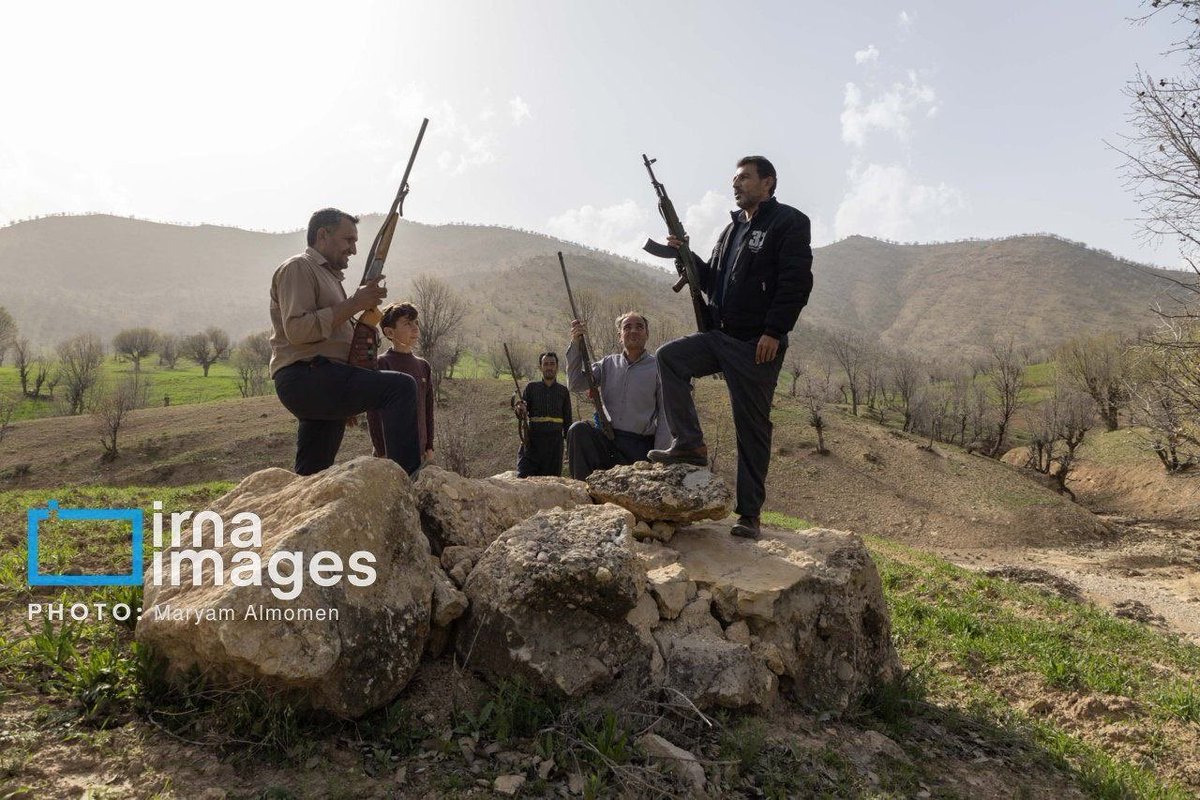
🚨🇮🇷🇺🇸 WATCH: Iran's IRGC praised these nomads from the southern provinces for independently shooting two Black Hawk helicopters that had entered Iran to rescue pilots of a downed F-15
His daughter says that the U.S. & Israel are 'child killers' who 'must be defeated'
English
@dstan_rstm41160 @mehdi_tayebii @grok یه ذره مدرک نشونم بده که ۴۵۰۰۰ نفر مردن، تو تبلیغ کنندهای نه ما. قبل از اینکه حرف بزنی مراقب حرف زدنت باش دختر کوچولو
فارسی

@mehdi_tayebii @grok میتی ننه جنده یه تیکه از خلبانها رو نشون بده تا حرفتو باور کنیم کسکش
فارسی

@BtweeterJ48589 @kmbiamnozie LOL
Dumbest comment I ever read
Only an American…
You people are like invertebrates
English

Yeah CNN trying to verify Irans story. What garbage journalism on their behalf. For fuck sake they are not putting on an air show. They are flying into hostile territory. You don’t leave technology in tact if it goes down you blow it up. Of course things go wrong but if anyone believes Iran is telling the truth then you are really rooting for Iran.
English

War propagandists at its finest. There’s no mud here. Someone is telling a bold face lie

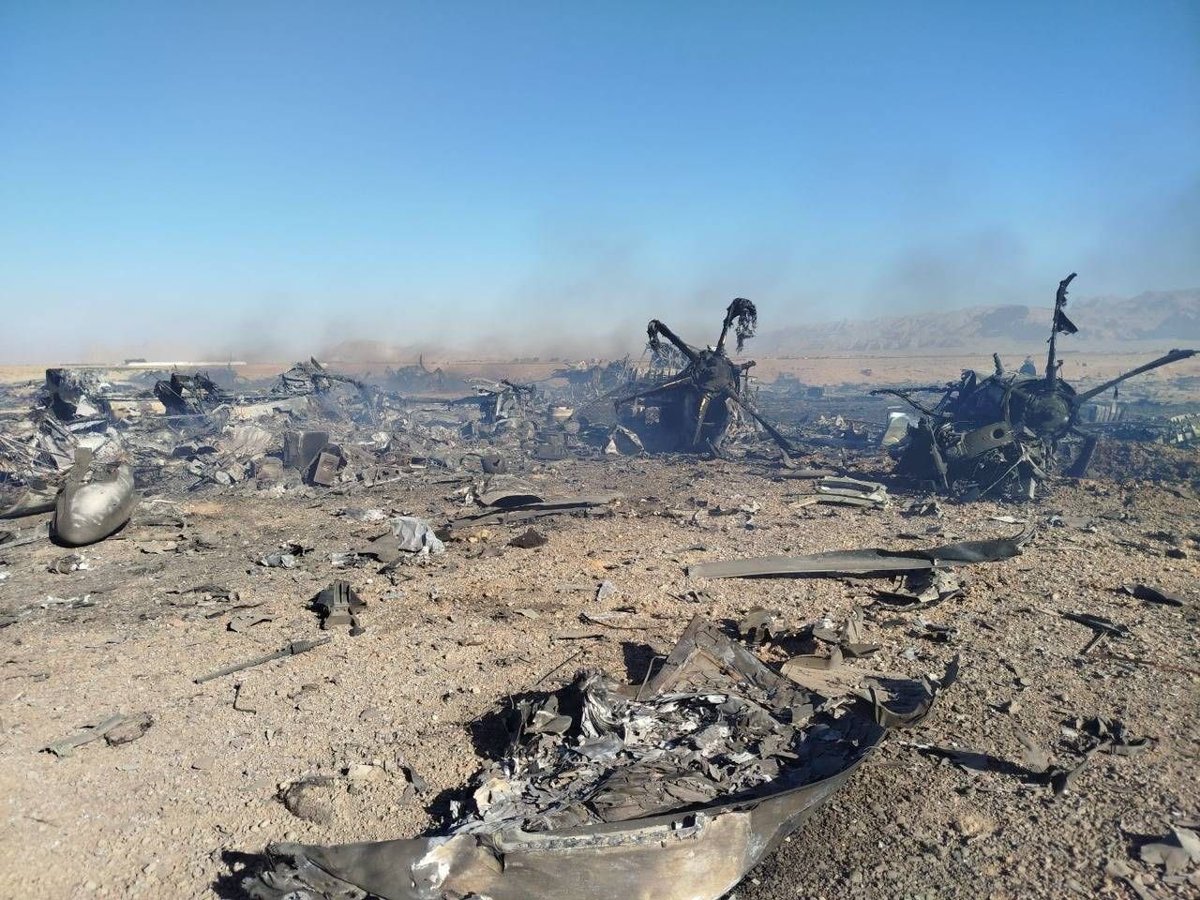

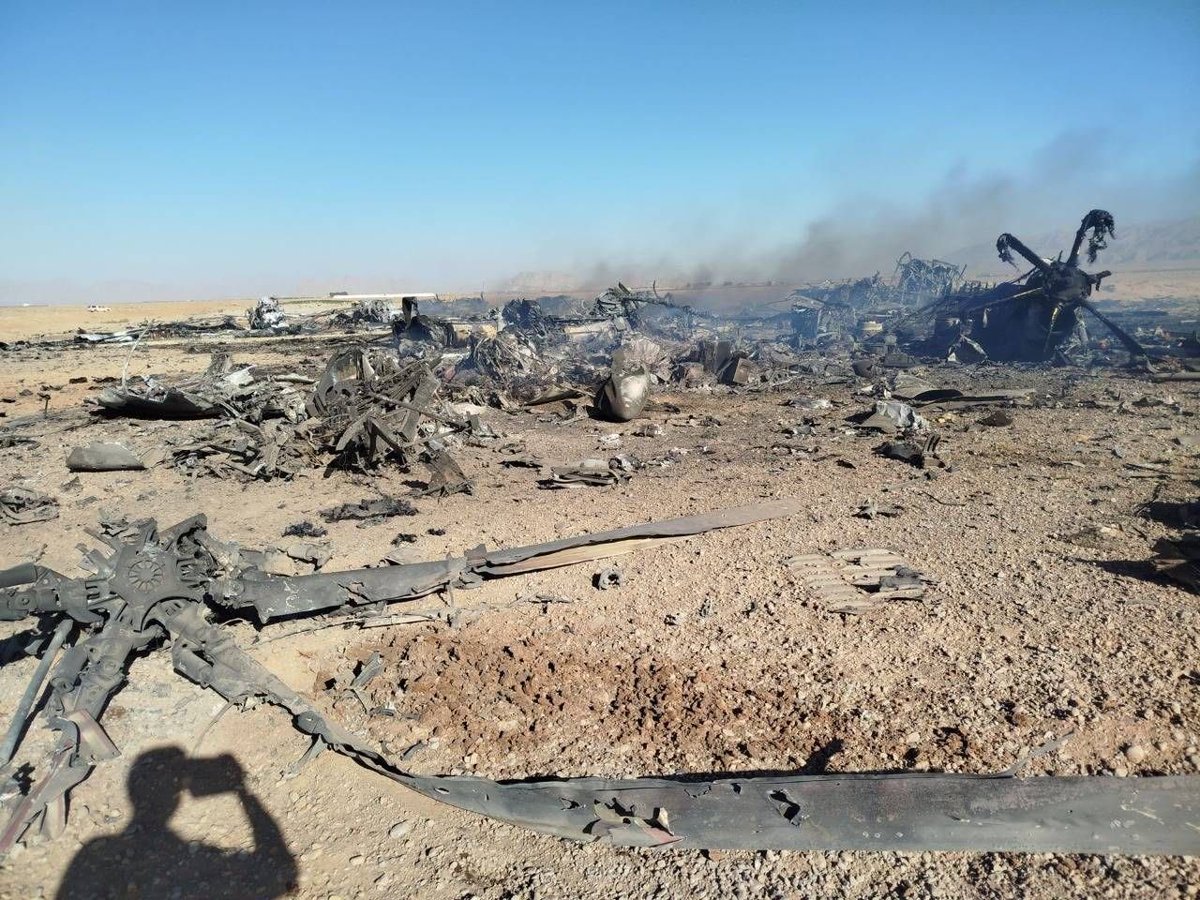
English
@19k0011 @kmbiamnozie You are fucking retarded ….
I bet you can’t even find USA on a world map
Get off the internet little kid
America is getting obliterated and you Americans are way too stupid to know anything
Subhuman x.com/truthtellerftm…
Truth_teller 🇷🇺@Truthtellerftm
The IRGC has released images of the destroyed American C-130 planes Iranian air defence systems took out. Do you see any mud in this area?
English

@kmbiamnozie This is the same country that struggled to find their own dead president after his helicopter crashed into a mountain.
IRGC is largely incompetent
English
@kmbiamnozie How are you Africans this dumb…
Name one your entire continent has contributed in history…
What’re you doing?… huh?
English
FUCK AMERICA
LONG LIVE IRAN
FUCK ALL YOU AMERICANS , fuck your mother !
Arya Yadeghaar@AryJeay
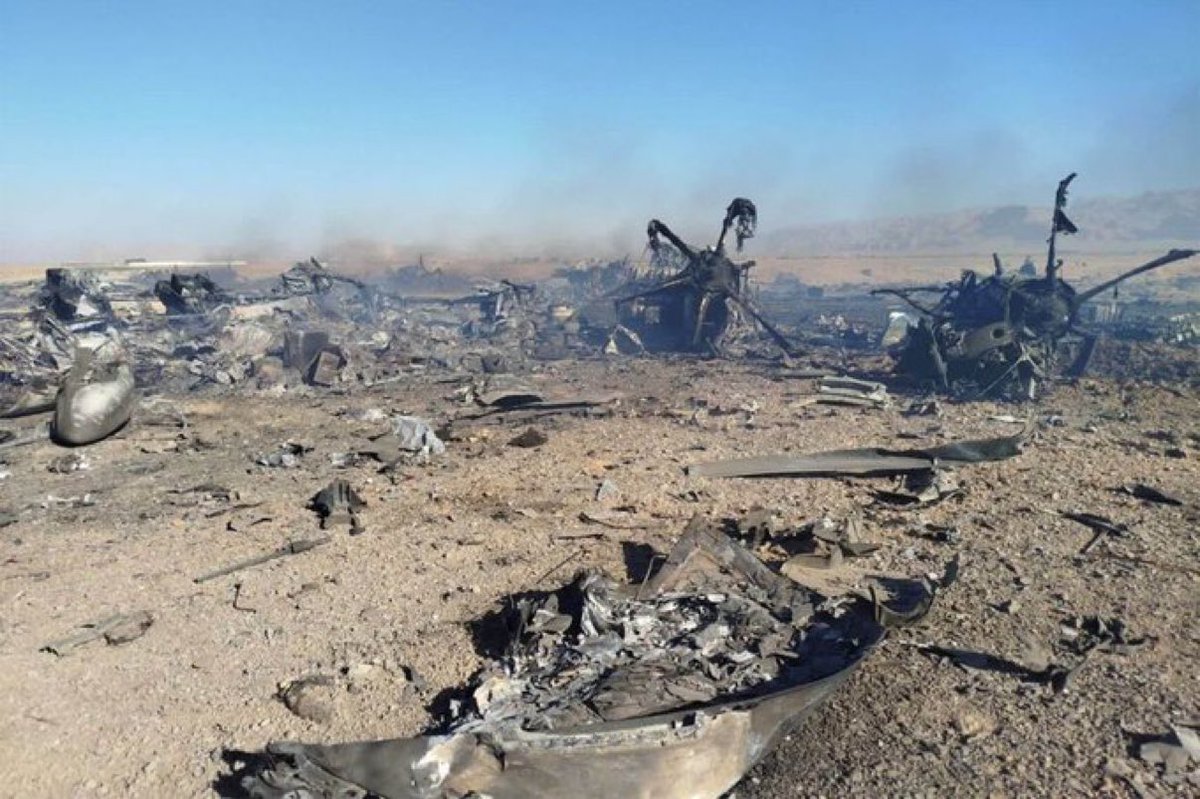
Wreckage of a destroyed US helicopter. Looks bigger than the wreckage of the MH-6 helicopters.
English
Iran retweetledi

Wreckage of a destroyed US helicopter.
Looks bigger than the wreckage of the MH-6 helicopters.
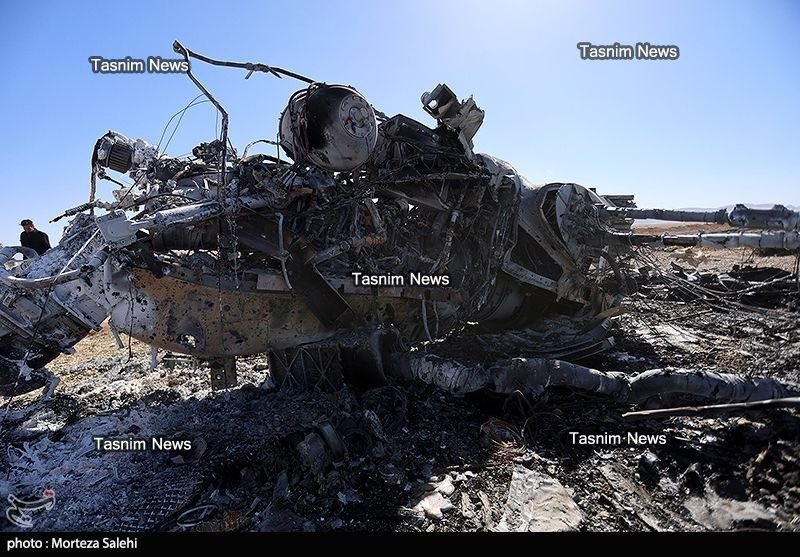
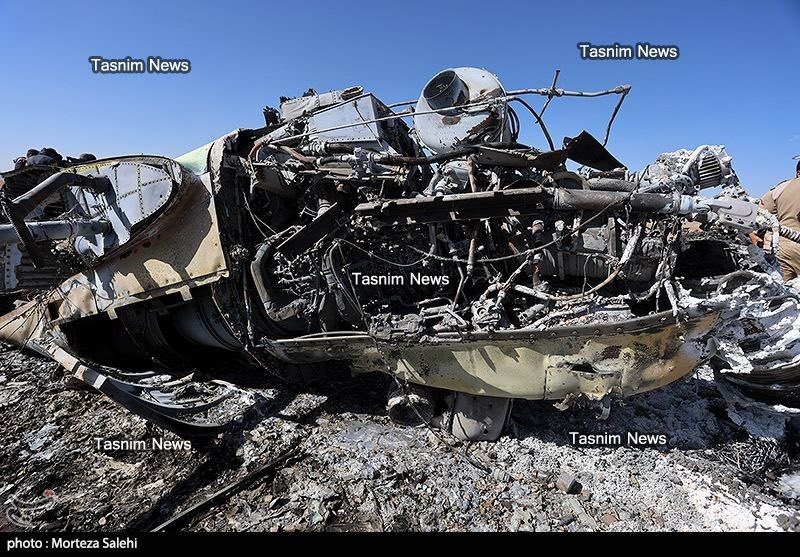
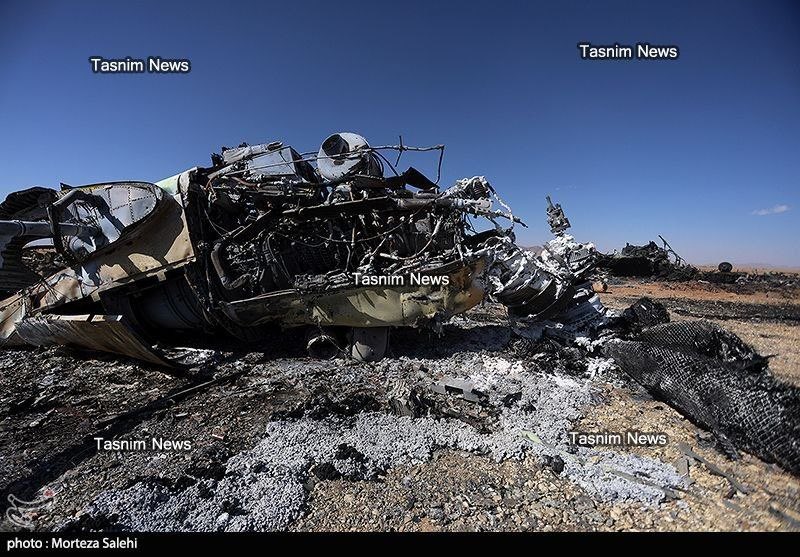
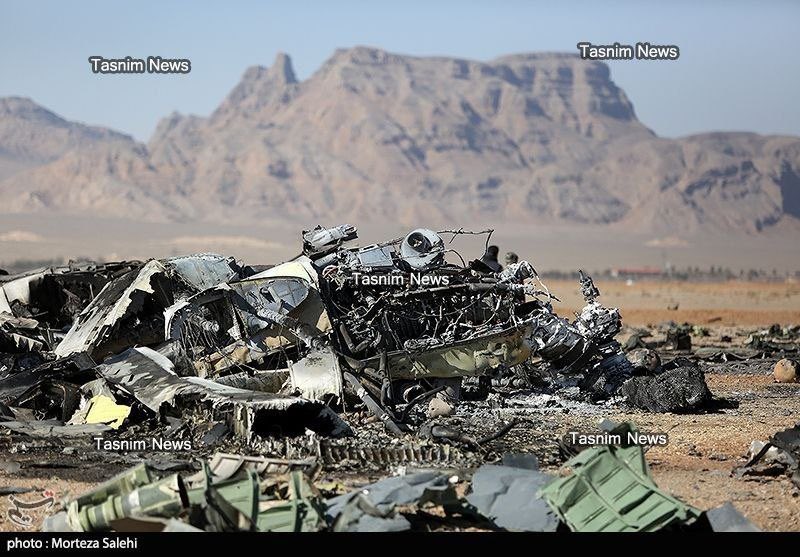
Arya Yadeghaar@AryJeay
Additional aftermath images of the destruction of the American C-130 Hercules aircrafts & helicopters, south of Isfahan. 1/2
English
@NewGenGaviria @IranInThailand x.com/truthtellerftm…
Hahahhahaha
Look at heli drop with all your worthless men
Fuck all your marines … bunch of cowards.. low iq subhumans fighting for a Jews
Pocket
Definition of a cuck
Truth_teller 🇷🇺@Truthtellerftm
The IRGC has released images of the destroyed American C-130 planes Iranian air defence systems took out. Do you see any mud in this area?
English

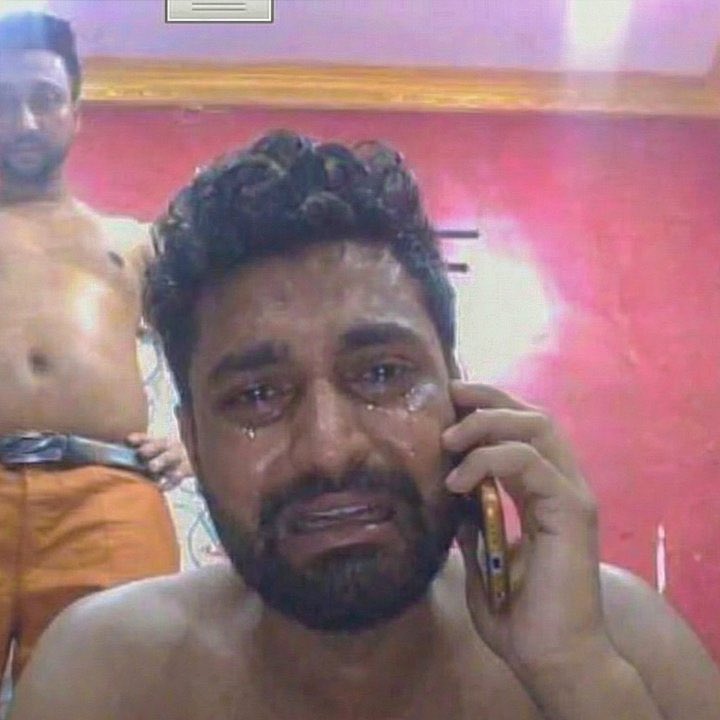

We know that some Americans swear, but is this the best and finest of you as POTUS?
Is this how you want to be represented in the world?
Language!
English
@NewGenGaviria @IranInThailand Is this what winning looks like?
How does it feel the be the joke of the world while 41 trillion in debt , and a pedo government around you ?
is America great yet?
How’s that $1000 insulin shot going? Very progressive with your black population and rainbow people
Subhuman
English
@porkforest @NewGenGaviria I dare you to laugh now
Your media knows how to create worthless men like you
1 billion in aircraft the most in history was last in 36 hours…
And you here making jokes?
Okay. Subhuman American
x.com/drhossamsamy65…
Dr.Sam Youssef Ph.D.,M.Sc.,DPT.@drhossamsamy65
⛔️The Pentagon is hiding the truth about the failed operation last night‼️ ⛔️ The American camouflage for the landing operation at a remote airport in Isfahan was actually aimed as a major military landing operation ‼️ ⛔️The American Isfahan operation was an initial landing operation for stabilising entry routes and securing it for a large ground landing operation, and when it failed, the pentagon diverted the compass with the excuse of rescuing the pilot to justify their failure‼️ ⛔️You don’t rescue one pilot with a huge C-130 ‼️It was another major disaster and failure that they lied about‼️
English

The idiots of the IRGC! #Iran
0HOUR1@0hour1
Imagine holding a pair of underwear and thinking they won. 😂😂😂😂😂😂😂😂
English
@NewGenGaviria @IraninSKorea Get humiliated American subhuman
Cope as much as you want
Watch America turn into nothing in the next 20 years.. not that you and pathetic body of seed oils and diabetes and HIV will survive anyways
x.com/ethanlevins2/s…
Ethan Levins 🇺🇸@EthanLevins2
Burned helicopters, destroyed jets, and an American flag paraded by Iran. Something went horribly wrong, even though the pilot was rescued.
English


Mr. President Trump, you clearly have no understanding of Iran.
English
@NewGenGaviria @IraninSKorea Crazy how you lost to these people …
Didn’t even meet the army yet lol
How are you Americans this fucking dumb… huh?
How is it possible to be like you?
English
@NewGenGaviria @IranInThailand Post the real
Pictures you subhuman American donkey
Come on now
Show me your dead marine… where he belongs
x.com/dd_geopolitics…
DD Geopolitics@DD_Geopolitics
🇺🇸⚔️🇮🇷 According to geolocation data, the WSO of the downed F-15E was evacuated via a remote agricultural airstrip roughly 50 km south of Isfahan. He was initially located on Mount Siyah in Kohgiluyeh and Boyer-Ahmad province, reportedly hiding in a crevice. U.S. recovery personnel later described landing in open terrain south of Isfahan. The straight-line distance between those points is at least 231 km—closer to 428 km by road. That implies the WSO was moved a considerable distance—potentially by helicopter—to an extraction point still roughly 400 km from the Kuwaiti border. One plausible platform for this would be an MH-6M “Little Bird” operated by the 160th SOAR. If accurate, this suggests a sustained U.S. air operation deep inside Iranian territory—potentially up to 400 km from the border—over a period of roughly 36 hours. That would include search and recovery, establishing a landing zone, relocating the pilot, and executing the final extraction, reportedly without losses. Taken at face value, this reflects poorly on Iranian response capabilities. Resistance appears to have been limited to small-arms fire from local militias and Basij units, pointing to gaps not only in air defense coverage but also in coordination and access to systems like MANPADS. ☝️That said—tinfoil hat moment— Given that the Isfahan area hosts sensitive nuclear infrastructure long associated with uranium conversion and research, it’s worth asking whether the operation had secondary objectives beyond personnel recovery—or whether the CSAR mission itself was simply an unplanned component of a broader operation. And if the official account is accurate, it sets a troubling precedent for Iran: the U.S. appears capable of conducting extended operations deep inside Iran while openly signaling interest in securing its enriched uranium.
English