

Maha Hussaini
13.9K posts
Maha Hussaini
@MahaGaza
Both a human rights advocate and journalist, what's the difference anyway?| Head of Media @euromedhr| Objective but not neutral| I have a story to tell..
Gaza, Palestine Katılım Şubat 2011
1K Takip Edilen70.9K Takipçiler
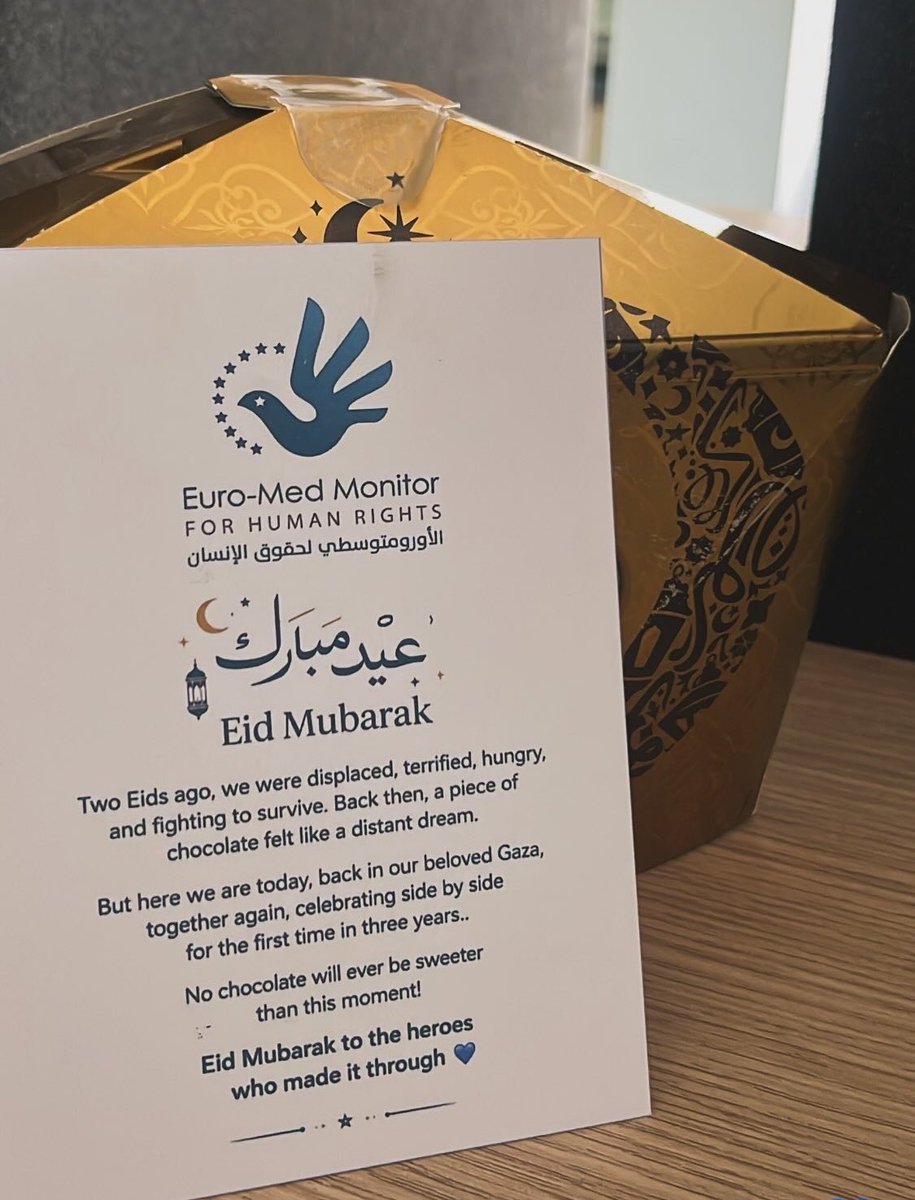
'No Eid' in Gaza for third year as livestock crisis erases holiday rituals
middleeasteye.net/news/no-eid-ga…
English
Maha Hussaini retweetledi

“People got raped” and “at least 15 cases of sexual assaults”: activists aboard the Global Sumud Flotilla recount testimonies of abuse by Israeli forces after attempting to deliver humanitarian aid to #Gaza.
If international activists faced such abuse within hours of detention, and still had the ability to speak out, imagine what thousands of Palestinian prisoners are enduring behind prison walls, isolated, silenced, and hidden from the world.
English
What’s with the rape and sexual violence the Israeli military has been adopting as an A B C policy of detention?!
Thiago Ávila@thiagoavilabr
🚨 Warning: distressful content! Those genocidal maniacs RAPED humanitarian activist trying to take food and medicine to children in Gaza! And the worst is that even this they escalate to much worse forms with the 9000 Palestinians in israeli dungeons (almost 400 children)!
English
Maha Hussaini retweetledi

🚨 Warning: distressful content!
Those genocidal maniacs RAPED humanitarian activist trying to take food and medicine to children in Gaza! And the worst is that even this they escalate to much worse forms with the 9000 Palestinians in israeli dungeons (almost 400 children)!
English
Maha Hussaini retweetledi

Election campaign ad in Israel: "we turned Gaza back to the stone age," followed by a counter of how many people the candidate murdered.
This ad is from 2019, bragging about the destruction of Gaza 9 years before October 7.
The candidate is opposition leader Benny Gantz.
English
Maha Hussaini retweetledi
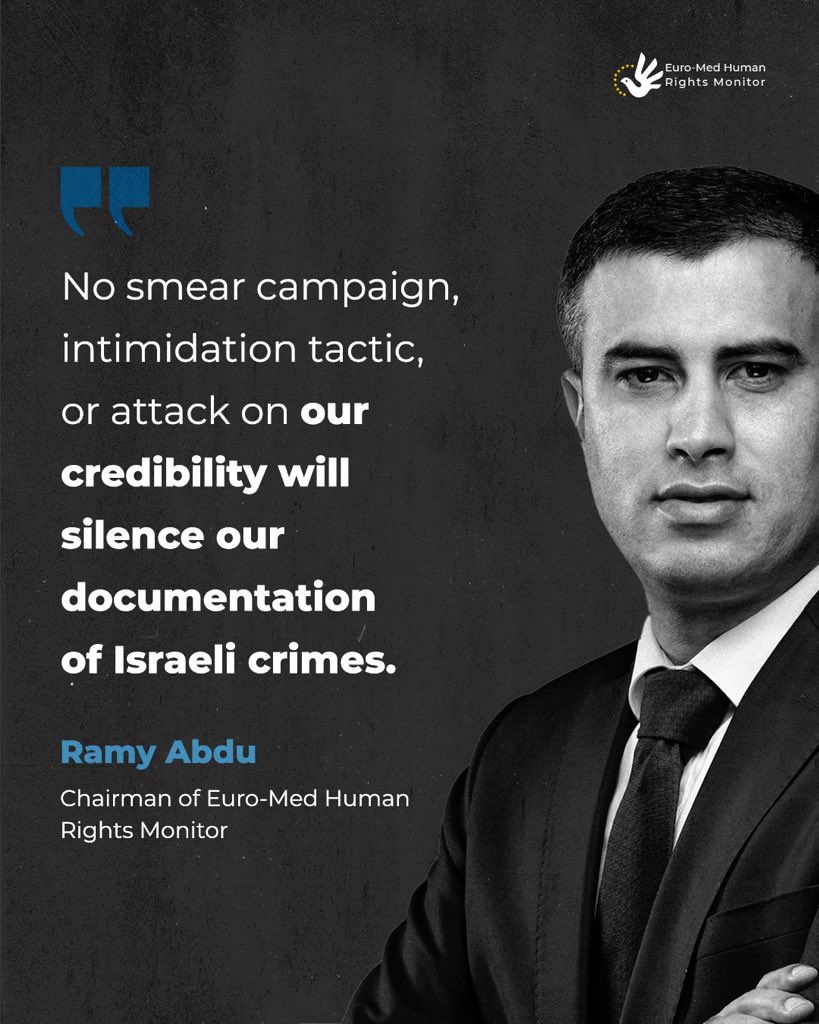
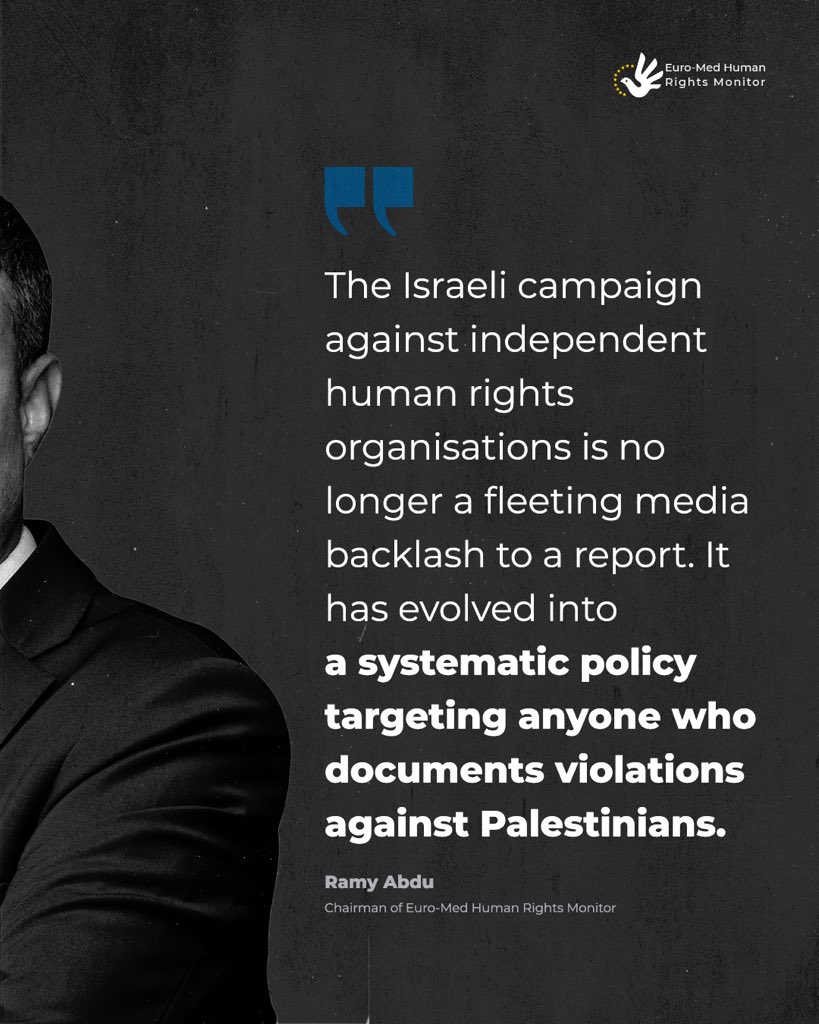
Following the publication of our latest report on sexual violence against Palestinians in Israeli detention facilities, Israeli authorities and affiliated groups have intensified coordinated smear campaigns against Euro-Med Monitor, as well as journalists, advocates, and organisations that have raised these allegations.
These actions form part of a broader pattern aimed at undermining independent human rights work, discrediting documented evidence, and pressuring those who continue to expose violations against Palestinians.
English
À Gaza, des milliers de familles sont sans nouvelles de leurs proches: «C’est comme s’ils avaient disparu sans laisser de trace»
Mon dernier reportage pour L'@humanite_fr
humanite.fr/monde/genocide…
Français
Maha Hussaini retweetledi
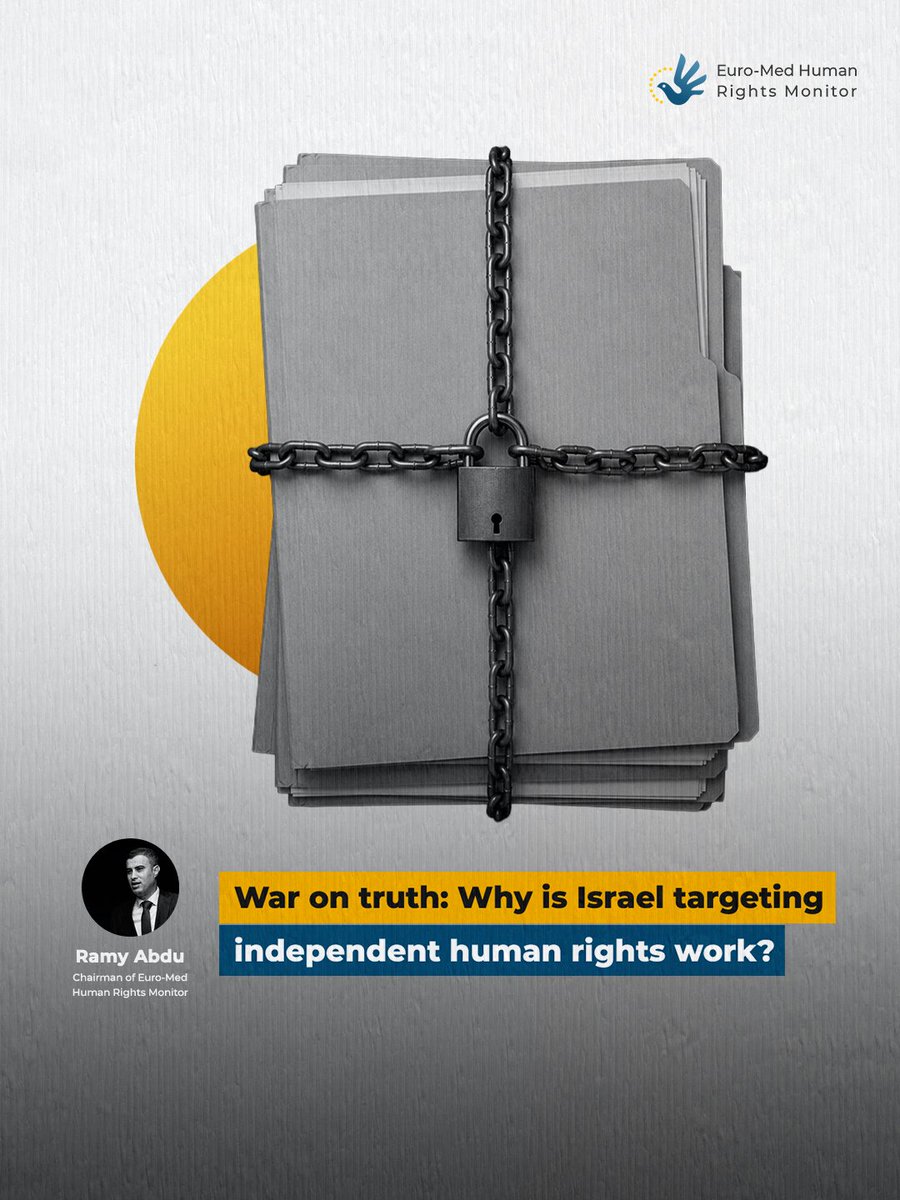
#COMMENTARY | War on truth: Why is Israel targeting independent human rights work?
✍Ramy Abdu (@RamAbdu), Chairman of Euro-Med Human Rights Monitor
Full article ➡️ euromedmonitor.org/a/7046
English
Maha Hussaini retweetledi
Continuing to treat Israel as an exception to the rules of verification and accountability not only entrenches impunity but also turns the exposure and documentation of crimes into grounds for pursuit, criminalisation, and attack
euromedmonitor.org/a/7044
English
Graphic footage:
An Israeli soldier beating a dog owned by a Palestinian family in Atara Village in the occupied West Bank.
From training dogs to rape Palestinians to torturing them for merely being owned by Palestinians, Israelis have practiced all forms of animal abuse
English
Since I saw this, I couldn’t fathom how a human could do this to a helpless creature
Thankfully, Lucy survived..

English
"Lucy was in a very miserable condition. There was severe bleeding from her eyes and her head was literally crushed," a veterinarian told Haaretz. "She was almost unconscious. She couldn't stand or move at all."
middleeasteye.net/live-blog/live…
English
Maha Hussaini retweetledi
🚨This short film exposes the true story of Israel's creation, entirely through the words of its own founders
For decades, Israel’s lies have been carefully designed to demonize its victims. To ensure that no matter the crimes it commits, the children it slaughters, the world remains incapable of empathy for Palestinians, or at best, treats it with the same apathy that has allowed this to go on for as long as it has
On the 78th anniversary of its creation, it's time the world knew that Israel's past is not different from the brutal present the world is finally seeing
English
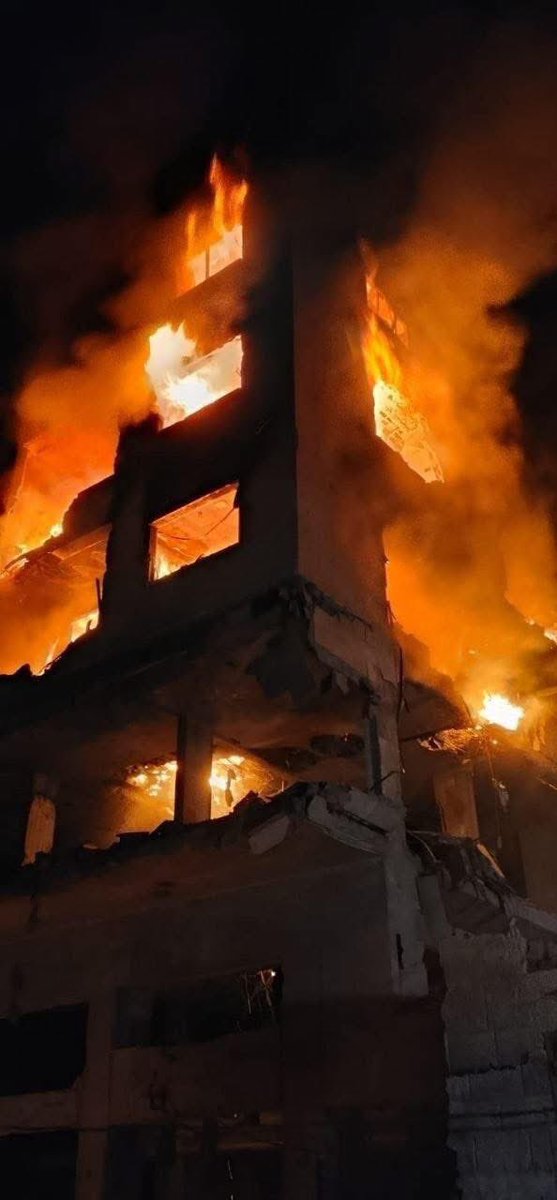
Gaza shortly ago following a series of Israeli airstrikes targeting a residential building in central Gaza City, in what Israel said was an assassination of Hamas leader Izzeddine al-Haddad
At least one woman was killed in the attack. At least 3 other Palestiniens were killed in another attack on Wehda St. in Gaza
English
Israel’s campaign against The New York Times and human rights organisations, an attempt to obscure torture and sexual violence in its prisons @EuroMedHR euromedmonitor.org/en/article/7044
English
From Nakba to genocide: A Gaza grandmother’s lifetime of loss and resilience
At 95, Fatema Obaid has survived two massive Israeli assaults, lost 70 family members and endured starvation and repeated forced flight - but still refuses to leave her homeland.
middleeasteye.net/news/nakba-gen…
English
Maha Hussaini retweetledi

95-year-old Hajja Fatima Obeid stands as a witness to the 1948 Nakba, having lived through the initial displacement of the Palestinian people, only to find herself facing renewed displacement during the latest genocide in Gaza.
Today, the elderly Palestinian woman is living through severe humanitarian conditions amid her continued displacement.
English
Maha Hussaini retweetledi
A report by the Euro-Med Monitor documents dozens of testimonies from Palestinian victims from the #Gaza Strip who were subjected to sexual violence, including rape, inside Israeli prisons and detention centres ⬇️
English