
Sabitlenmiş Tweet
Adediwura
301 posts


Adediwura
@MajorDee001
Agric Engineer||Forex & Crypto Trader 📈 Charts, Memes, Market News, Faith ☪️ 🇳🇬 Trading smarter. Building for tomorrow.
Katılım Temmuz 2024
303 Takip Edilen152 Takipçiler

Goodnight CT and and all my mutuals✨💫❤️
As the day comes to an end, I pray that God grants you peace, restores your strength, and fills your heart with hope for a brighter tomorrow.
May every worry be replaced with His comfort and may His favor go before you in all you do.
Goodnight everyone. Sleep well and stay blessed. 🙏❤️✨
English
Adediwura retweetledi

Adediwura retweetledi

HEART OF THE BEAST 🎥
Release date 25:09:2026
Action, Adventure, thriller, fantasy and War
English
Adediwura retweetledi

Good morning mutuals 💓.
Cristiano ronaldo just updated his profile photo 📸 ❤️.

English

Good morning my active mutuals ❤️🩹
Hope y'all slept well 😊
Let's deliberate on this 👇👇
If someone leaves you and your world completely falls apart, is it love you’re feeling or attachment?

English
Adediwura retweetledi

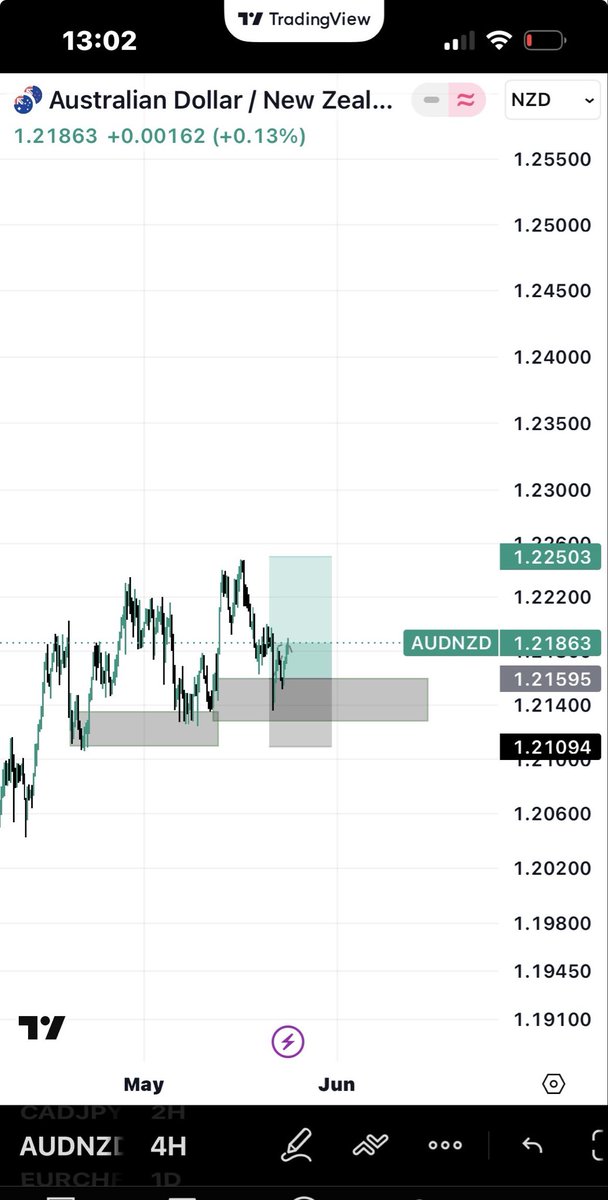
The market will be open today 📊
What are you doing to prepare?
Have you backtested?
Checked your journal from last week?
Figured out where your indiscipline came in?
A disciplined trader prepares before the market opens
#forex
#tradingtips
#financialmarket
English
Adediwura retweetledi

@Maryrose474885 @AYO_8138 @Hyscent_c @UnDrogado_poeta @official0kay @The_IQTrader @babajayvibez @Dal_joe4 @leodey4uu @nick_onchain @MaestroVerse4 @MrMirxx Good morning beautiful
English
Adediwura retweetledi

Adediwura retweetledi

Good morning my active people,
May this day lead us to the place where we call dreams.
Hope you're all doing well this morning?
English
Adediwura retweetledi

Adediwura retweetledi

@AthleteVanity Can you at least wait until the World Cup is over😂
England fans are dreaming about lifting the trophy, while you’re busy creating relationship highlights. Focus on football first, love can wait a few weeks.
English
Adediwura retweetledi

2k followers but i no dy even see 500 views for my tweets

English
Adediwura retweetledi

The presence of a catalytic converter in your vehicle does not mean it will consume less fuel. However, a faulty or blocked catalytic converter can negatively affect your vehicle's fuel economy by restricting exhaust flow and reducing engine efficiency.
The primary function of a catalytic converter is to reduce harmful exhaust emissions by converting toxic gases and pollutants into less harmful substances before they are released into the atmosphere.

English
Adediwura retweetledi

🚨💣 BREAKING: Enzo Fernández reportedly wants to leave Chelsea this summer and has identified Real Madrid as his dream destination. 🤯⚪
Talks between the clubs are expected to begin soon, with Madrid now monitoring the situation closely.
If this deal happens, what do you expect

English
Adediwura retweetledi

Are you gonna watch football today.. I was an England and Argentina fan yesterday..what a world to be their fan.. Regardless na still Messi is want to win am not Ronaldo.hahahahah
English