

Maniragaba Yves
3.2K posts
Maniragaba Yves
@ManiragabaY
MD HSS/Renforcement des Systèmes de Santé SR/Santé Sexuelle et de la Reproduction Sports Medicine/Médecine du Sport
Bujumbura, Burundi Katılım Haziran 2013
3.5K Takip Edilen712 Takipçiler

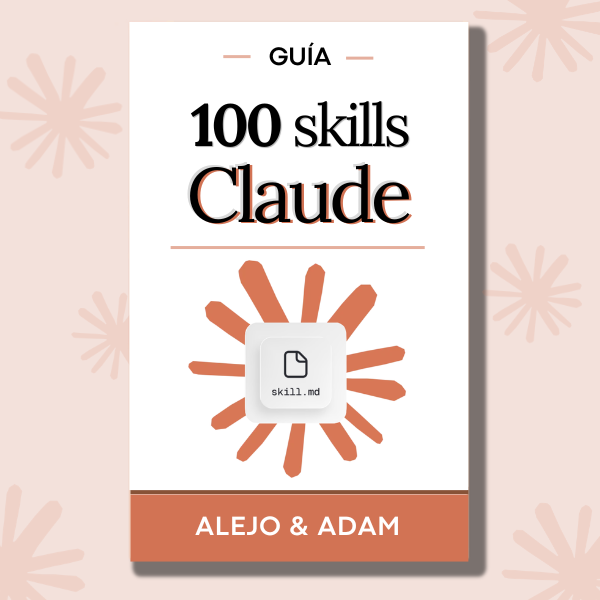
Claude es utilizado por 11 millones de personas al día.
He creado la guía con los 100 skills reales que separan a los pros de los turistas:
→ Redacción, Automatización, Negocios, Productividad, Programación, IA y Prompting, E-commerce, Finanzas y Investigación
¡GRATIS solo durante 24h!
Solo:
1. → Dale like
2. → Comenta "SKILLS"
3. → Sígueme para recibir el DM
Español

EASY REMOTE JOB (No calls) 🚨
Role: Data Entry Assistant
Salary: $25 – $30 per hour
✅ Enter & verify data
✅ Handle documents & records
Let us know if you are Interested 👇
English

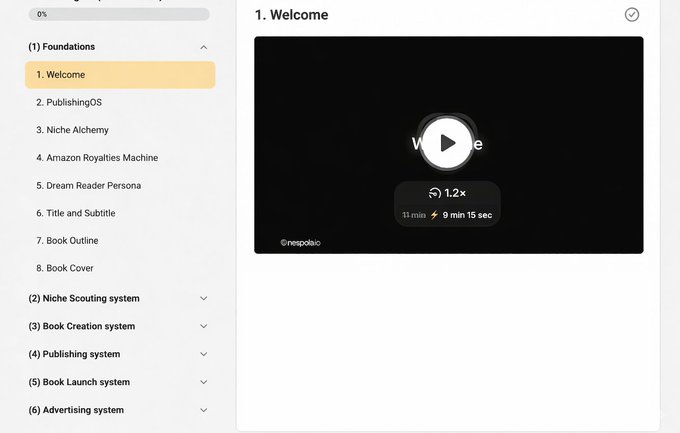
Repeat after me.
AI eBooks are THE most reliable path to $10k a month in 2026.
No webistes, sales funnel or a big team needed.
Only Claude, ChatGPT and 1 hour every day.
I’m finally releasing my new 6+ hours of my paid eBook publishing training for free.
Follow + reply 'Book' and I’ll send the full system for FREE
⏳ Limited to the first 500 comments.
English
HIGH PAYING REMOTE JOB ALERT 🚨
A company is hiring for a Data Entry role 💻
Salary: $50,000 per year
- Work with Excel, CRM
- Accurately enter and maintain commission-related data
Let us know if you are Interested 👇
English
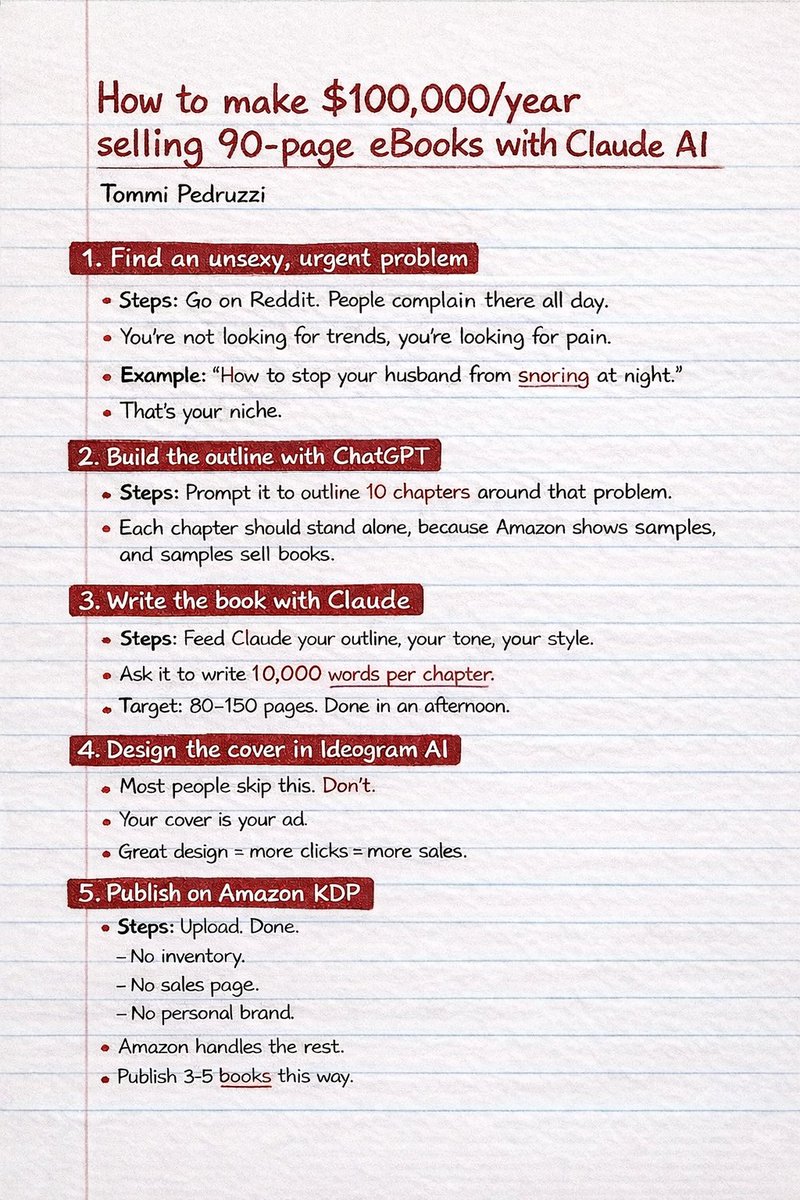
If you have a Claude account, you're sitting on a $100K/year opportunity.
I shared this with a retiree... he’s now making $15K every month.
Like + comment '100' and I’ll send you a detailed guide for FREE.
(All my Claude prompts included.)
You must follow me to receive the guide in DM.
FREE for the next 48 hours only! 👇
English

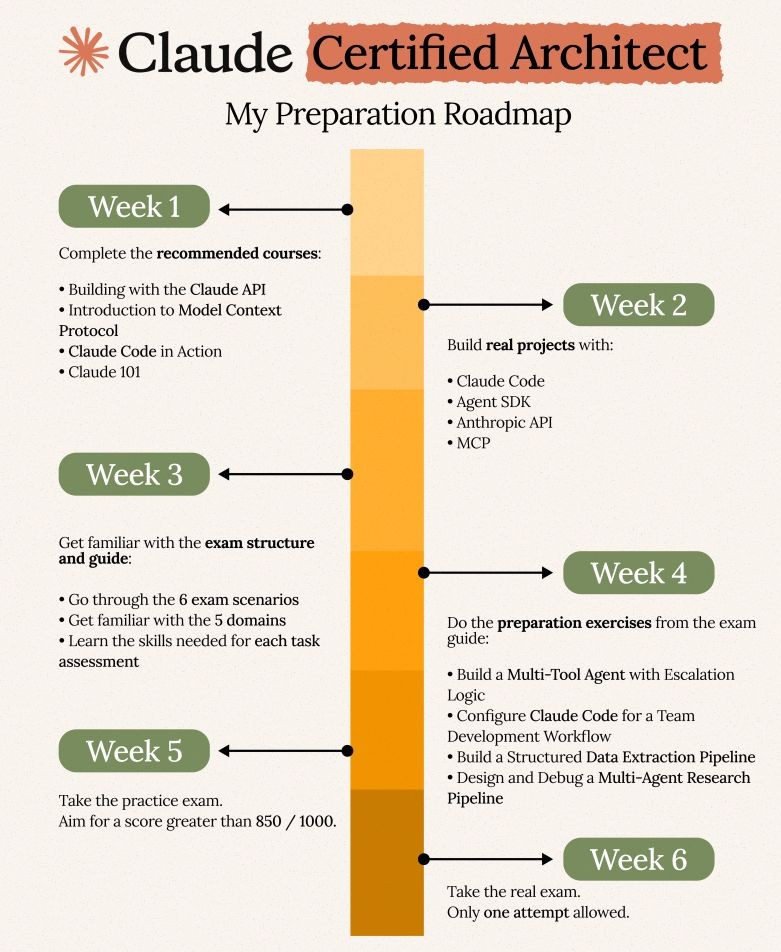
Want to become a Claude Certified Architect? 🚀
Here’s a 6-week roadmap to go from beginner → expert 👇
Week 1 → Learn fundamentals
Week 2 → Build real projects
Week 3 → Understand exam structure
Week 4 → Practice advanced scenarios
Week 5 → Mock tests (aim 850+)
Week 6 → Take the exam
You’ll cover:
• Claude APIs & workflows
• MCP (Model Context Protocol)
• Agent systems & automation
• Real-world AI architecture
This isn’t just theory.
It’s a hands-on path to mastering AI engineering ⚙️
Follow this → you’re ahead of 90% AI learners.
🔖 Bookmark this roadmap
🔁 RT to help others
💬 Comment "CLAUDE" for resources
✅ Follow for more AI guides
English
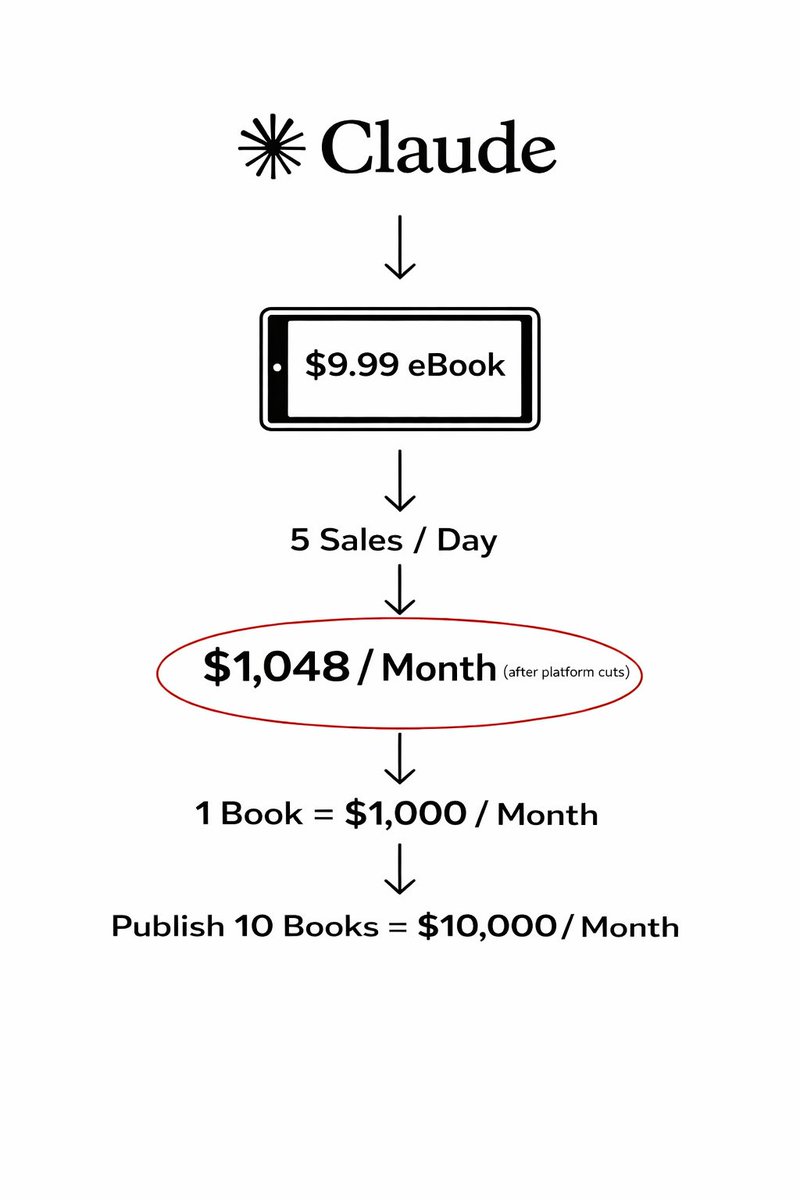
Claude is a money-making machine. You can use it to earn $10,000 per month.
I recorded a 6+ hour training breaking down my updated strategy.
Like + reply 'Claude' and I'll send it to you for FREE.
(All my personal claude prompts included).
Must follow me to receive the training in DM.
FREE for the next 48 hours only.
English
Maniragaba Yves retweetledi

China's 2026 Government Work Report presents a clear strategy for national development and modernization. It outlines key policy priorities across economic, technological, and social domains.
Explore the highlights through this series of AI-generated enamel-style cards. (1/5)

English
Role: Data Entry
Salary: $3,200 - $4,100 per month
Location: Remote
- Support day-to-day operations
- Maintain accuracy and attention to detail
Let us know if you are Interested 👇
English
STOP SCROLLING 🚨
A company is hiring REMOTE Data Entry (Entry Level) 💻
Pay: $26/hour
- No experience required
- Flexible work hours
Let us know if you are Interested 👇
English

Maniragaba Yves retweetledi

CLAUDE + YouTube = $$$$
No degree. No camera. No editing skills.
Even a 15-year-old can start.
FULL blueprint FREE for the next 24 hours.
Want the blueprint?
1. Like & RT
2. Comment “AI Money”
3. Follow @zakiraicoder for DM.
It's a money printer Don’t miss.
English

i made a 3-day Claude Cowork for Beginners course, and it's yours for free
by the end, you'll have a personalized AI teammate on your computer that:
• knows your style
• connects to your tools
• and produces finished work you can send immediately
here's what you get:
day 1: install cowork, set global instructions, and run your first real task (15 min)
day 2: workflows that replaced hours of my week, including building landing pages from a description and running full competitive analyses in one prompt
day 3: skills, plugins, and connectors so cowork actually knows how you work and can access your tools
+ copy-paste prompts so you can follow along as you read
like + comment "COWORK" and i'll DM it to you
English

Most “Claude tutorials” are useless.
They teach prompts.
Not systems.
So I packaged everything into one guide and I’m giving it away FREE for 24 hours:
Ultimate Claude Mastery Guide by Guri Singh
80+ Chapters
1000+ Tools
2000+ Prompts
Reply “Claude” and I’ll DM it.
Must follow to receive.

English
Maniragaba Yves retweetledi

🔴 𝑷𝑶𝑬𝑴𝑬 𝑫𝑼 𝑱𝑶𝑼𝑹
𝗖𝗶𝗰𝗮𝘁𝗿𝗶𝗰𝗲𝘀 𝗦𝗮𝗰𝗿é𝗲𝘀
Je ne dis jamais du mal du Burundi.
Il porte ses failles comme des cicatrices sacrées,
mais il reste la terre de mes racines profondes.
Je ne dis jamais du mal du Burundi.
Ce sol pourpre a recueilli mes premiers pas,
la colline fut témoin de mon audace,
et le ciel immense m’a vu devenir homme.
La vie n’y fut pas une caresse.
Plutôt une rivière brisée sur les granits,
où j’ai appris à contourner l’obstacle,
à déchiffrer les silences derrière les regards,
à survivre, debout, au milieu des miens.
Je ne dis jamais du mal du Burundi.
Les épreuves furent mes maîtres de fer.
Elles ont ciselé mon être comme le vent sculpte le roc,
elles ont trempé mon âme au brasier des privations,
jusqu’à forger en moi un métal qui ne plie plus.
Je ne dis jamais du mal du Burundi.
J’ai grandi dans l’absence,
sans bras familiaux pour m’abriter.
J’ai puisé ma sève dans la solitude,
luttant contre mes nuits intérieures,
comme l’arbre farouche qui s’élance seul
vers l’unique clarté du soleil.
Je ne dis jamais du mal du Burundi.
Cette vie m’a cuirassé.
L’ombre des puissants ne m’intimide plus.
Ceux qui hier me nommaient « étranger »
sont aujourd’hui semés aux quatre vents,
errants en quête d’asile.
Et ceux qui furent jadis exclus,
au sommet des affaires,
répètent les fautes anciennes,
nivelant l’espoir par le bas.
Je ne dis jamais du mal du Burundi.
Ainsi tourne la roue du monde :
tout germe et tout s’efface,
rythmé par l’inexorable cycle des saisons,
même pour ceux qui se rêvent demi-dieux
sur cette terre de poussière et d’hommes.
Je ne dis jamais du mal du Burundi.
Car c’est lui qui a dessillé mes yeux,
lui qui a élargi les parois de mon cœur,
m’apprenant à embrasser l’immensité du large,
comme l’horizon accueille, sans faillir, le soleil levant.
C'est un hommage vibrant qui dépasse les frontières du pays pour devenir le chant de quiconque a dû s'inventer lui-même dans la tempête.
Dr Guy Karema

Français
Maniragaba Yves retweetledi

ACTUALITÉS 🚨 : Des scientifiques de Stanford viennent peut-être de tuer l'industrie des prothèses de genou et de hanche, qui pèse 65 milliards de dollars.
Ils ont réalisé une percée qui pourrait régénérer le cartilage vieillissant et inverser l'arthrite.
Des chercheurs de Stanford ont découvert que l'inhibition de l'enzyme 15-PGDH (une « gérozyme » dont le taux augmente avec l'âge) régénère le cartilage.
Chez la souris, les injections ont épaissi le cartilage du genou, restauré sa fonction et prévenu l'arthrose après une blessure.
Des tissus humains ex vivo ont montré une régénération similaire. Ces résultats sont prometteurs pour le traitement de l'arthrite, mais des essais cliniques chez l'humain sont nécessaires.
science.org/doi/10.1126/sc…
All day Astronomy@forallcurious
NEWS🚨: Stanford scientists may have just killed the $65B knee and hip replacement industry. They made a breakthrough that could regrow aging cartilage and reverse arthritis.
Français
Maniragaba Yves retweetledi
🔥 SOULAGEMENT INSTANTANÉ DE L'ANXIÉTÉ CONFIRMÉ PAR LA SCIENCE ! 🔥
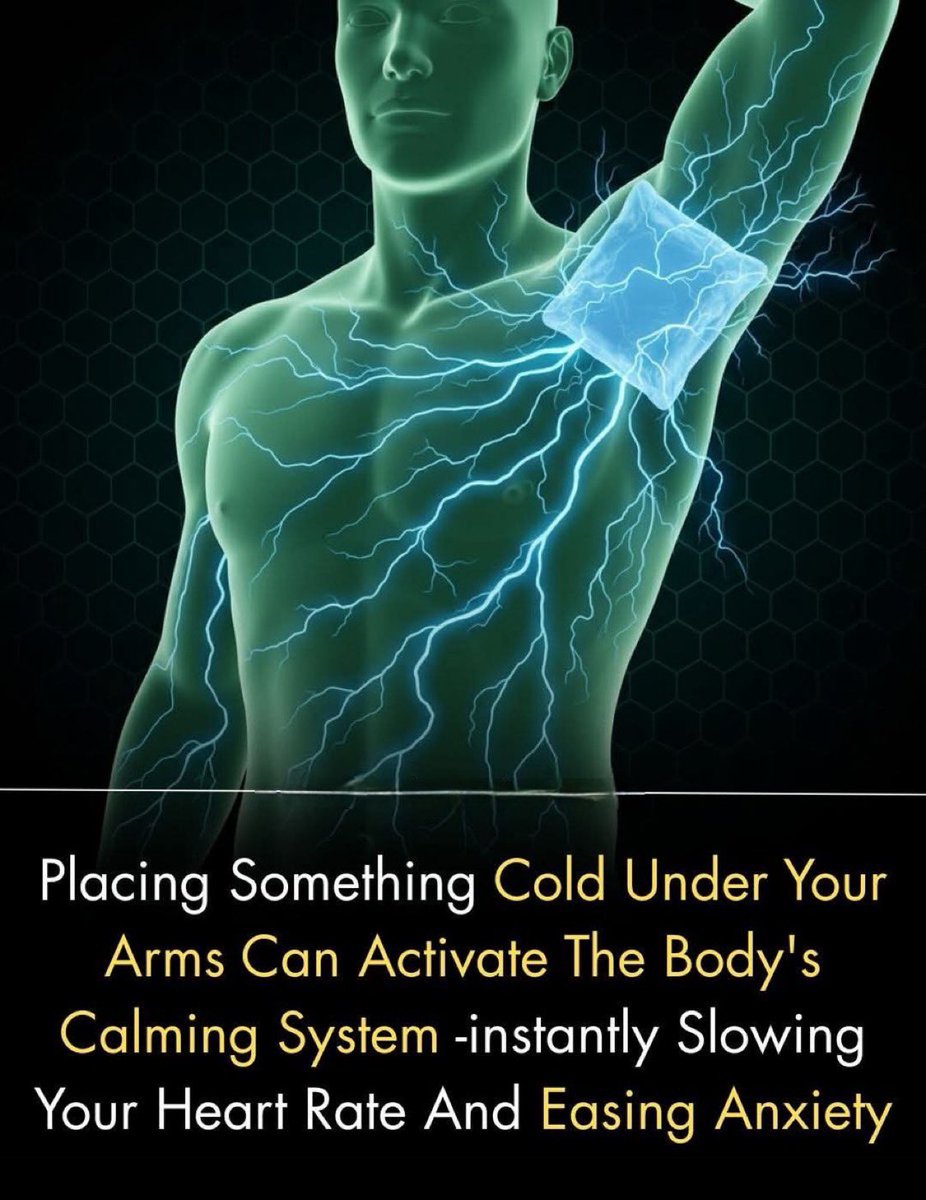
Vous vous sentez anxieux ou dépassé ? Essayez cette astuce simple et rapide : placez quelque chose de froid sous vos aisselles. Le froid active votre nerf vague, ce qui ralentit votre rythme cardiaque, stabilise votre respiration et réduit les hormones du stress, vous procurant ainsi un sentiment de calme en quelques secondes.
Les psychologues recommandent souvent des thérapies par le froid, comme des poches de glace, des giclées d'eau froide sur le visage ou des douches froides rapides, pour aider votre corps à se réinitialiser et à mettre fin rapidement à la panique ou à l'anxiété.
Parfois, le remède le plus puissant contre le stress n'est pas un médicament, mais la compréhension du fonctionnement de votre corps. Essayez cette technique la prochaine fois que vous vous sentirez trop stressé. 💙
nature.com/articles/s4159…
Next Science@NextScience
🔥 INSTANT ANXIETY RELIEF — BACKED BY SCIENCE! 🔥 Feeling anxious or overwhelmed? Try this simple, fast trick: place something cold under your arms. The cold activates your vagus nerve, which slows your heart rate, steadies your breathing, and lowers stress hormones — creating calm within seconds. Psychologists often recommend cold therapy like ice packs, splashing cold water on your face, or quick cold showers to help your body reset and stop panic or anxiety quickly. Sometimes the most powerful stress relief isn’t medicine — it’s understanding how your body works. Try it next time your mind feels too heavy. 💙
Français
Maniragaba Yves retweetledi
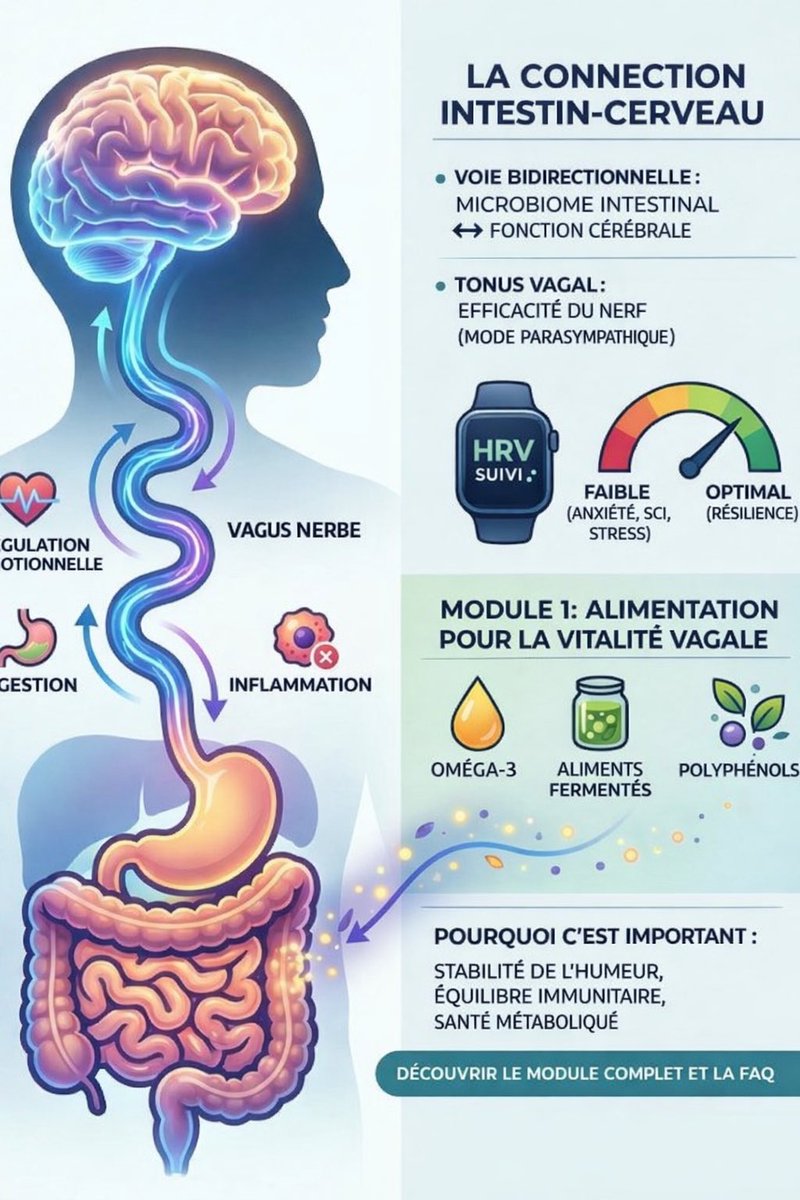
Le nerf vague est le principal conduit de l'axe intestin-cerveau. Il régit la digestion, l'inflammation et les émotions.
Cette voie bidirectionnelle relie le microbiome intestinal et les fonctions cérébrales. Considérez-la comme un système de talkie-walkie. L'intestin envoie des signaux, le cerveau répond (et vice versa !).
Le tonus vagal reflète l'efficacité parasympathique. La variabilité de la fréquence cardiaque (VFC) permet de le suivre.
Un faible tonus vagal est corrélé à l'anxiété et au syndrome du côlon irritable. Un tonus vagal renforcé renforce la résilience.
Les oméga-3, les aliments fermentés et les polyphénols stimulent l'activité vagale. Ils modulent le microbiote et réduisent la perméabilité intestinale.
Un tonus vagal amélioré stabilise l'humeur, équilibre l'immunité et favorise la santé métabolique.
Un nerf vague heureux signifie que VOUS êtes plus heureux, plus calme et en meilleure santé.
La connexion cerveau-intestin simplifiée !
Lisez le module préparé pour découvrir par vous-même cette connexion !
skool.com/vagus/classroo…
Sterling Cooley@SterlingCooley
The vagus nerve is the gut-brain axis's main conduit. It governs digestion, inflammation, and emotions. This bidirectional pathway links gut microbiome and brain function. Think of it as a walkie-talkie system. Gut sends signals, brain responds (and vice versa!). Vagal tone reflects parasympathetic efficiency. Heart rate variability (HRV) tracks it. Low vagal tone correlates with anxiety and IBS. Enhanced vagal tone builds resilience. Omega-3s, fermented foods, and polyphenols boost vagal activity. They modulate microbiota and reduce gut permeability. Improved vagal tone stabilizes mood, balances immunity, and supports metabolic health. A happy vagus means a happier, calmer, healthier YOU. Brain-gut connection simplified! Read the prepared module to see the connection for yourself ! skool.com/vagus/classroo…
Français
Maniragaba Yves retweetledi
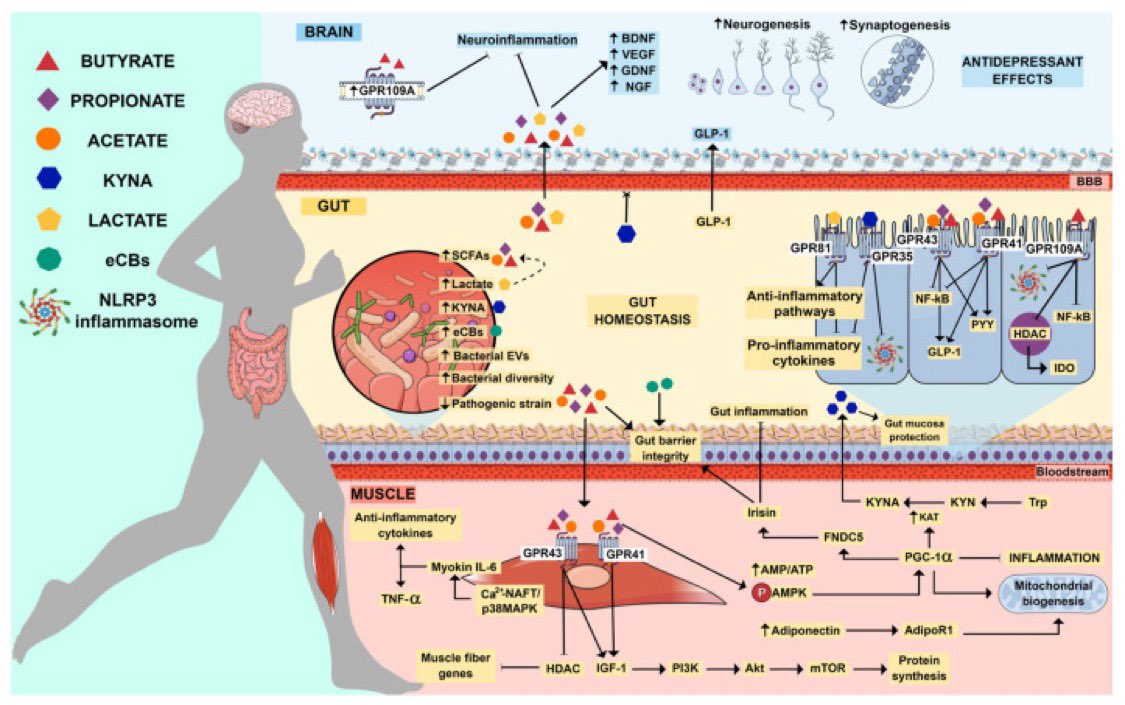
L'exercice physique améliore l'équilibre des bactéries intestinales, ce qui réduit l'inflammation et les symptômes dépressifs.
pmc.ncbi.nlm.nih.gov/articles/PMC10…
Nicholas Fabiano, MD@NTFabiano
Exercise improves the balance of gut bacteria which reduces inflammation & depressive symptoms.
Français
Maniragaba Yves retweetledi
Les muscles squelettiques ont deux modes de fonctionnement : la signalisation et le silence. La vie moderne maintient les gens dans un état de silence.
Lorsque les muscles se contractent, ils ne génèrent pas seulement de la force. Ils libèrent des myokines, des molécules de signalisation qui communiquent avec le cerveau, le système immunitaire, le foie, les tissus adipeux et le système vasculaire. Lorsque les muscles restent inactifs, cette signalisation s'arrête en grande partie.
La différence est biochimique, et non motivationnelle :
• La contraction musculaire libère des myokines dans la circulation sanguine
• Ces signaux aident à réguler l'inflammation, le métabolisme et les réponses au stress
• Les muscles inactifs deviennent métaboliquement silencieux et chimiquement désengagés
C'est pourquoi une activité physique régulière réduit systématiquement l'inflammation chronique, même sans perte de poids ni changement majeur dans la condition physique.
Mêmes muscles. Même génome. Environnement de signalisation complètement différent. L'exercice ne sert pas seulement à développer la force ou à brûler des calories. Il détermine si les muscles squelettiques participent à la communication de l'ensemble du corps (ou restent silencieux).

William A. Wallace, Ph.D.@WilliamWallace
Skeletal muscle has two modes: signaling and silence. Modern life keeps people geared toward a silence state. When muscles contract, they don’t just generate force. They release myokines, signaling molecules that communicate with the brain, immune system, liver, adipose tissue, and vasculature. When muscles remain inactive, that signaling largely shuts down. The difference is biochemical, not motivational: • Contracting muscle releases myokines into circulation • These signals help regulate inflammation, metabolism, and stress responses • Inactive muscle becomes metabolically quiet and chemically disengaged This is why regular movement consistently lowers chronic inflammation, even without weight loss or major changes in fitness. Same muscles. Same genome. Completely different signaling environment. Exercise doesn’t just build strength or burn calories. It determines whether skeletal muscle participates in whole-body communication (or remains silent).
Français