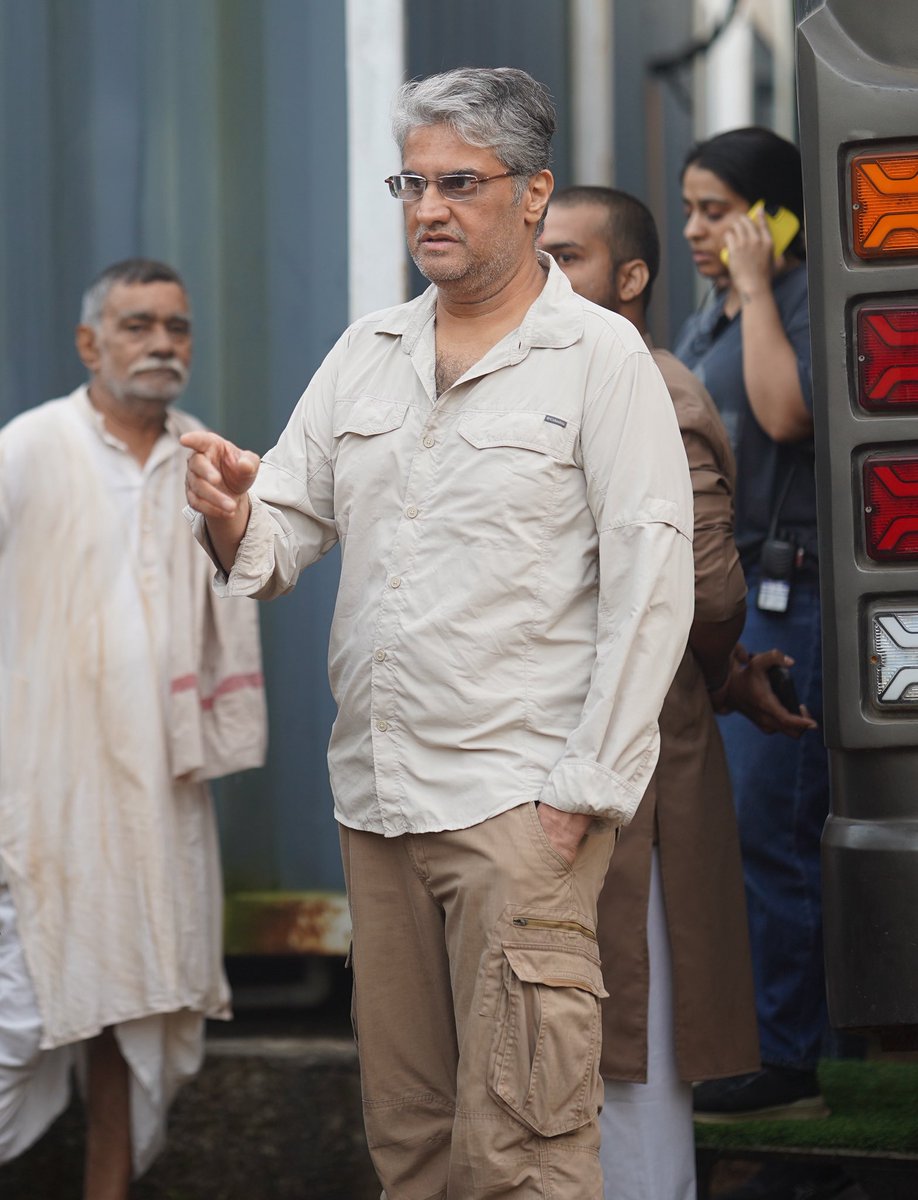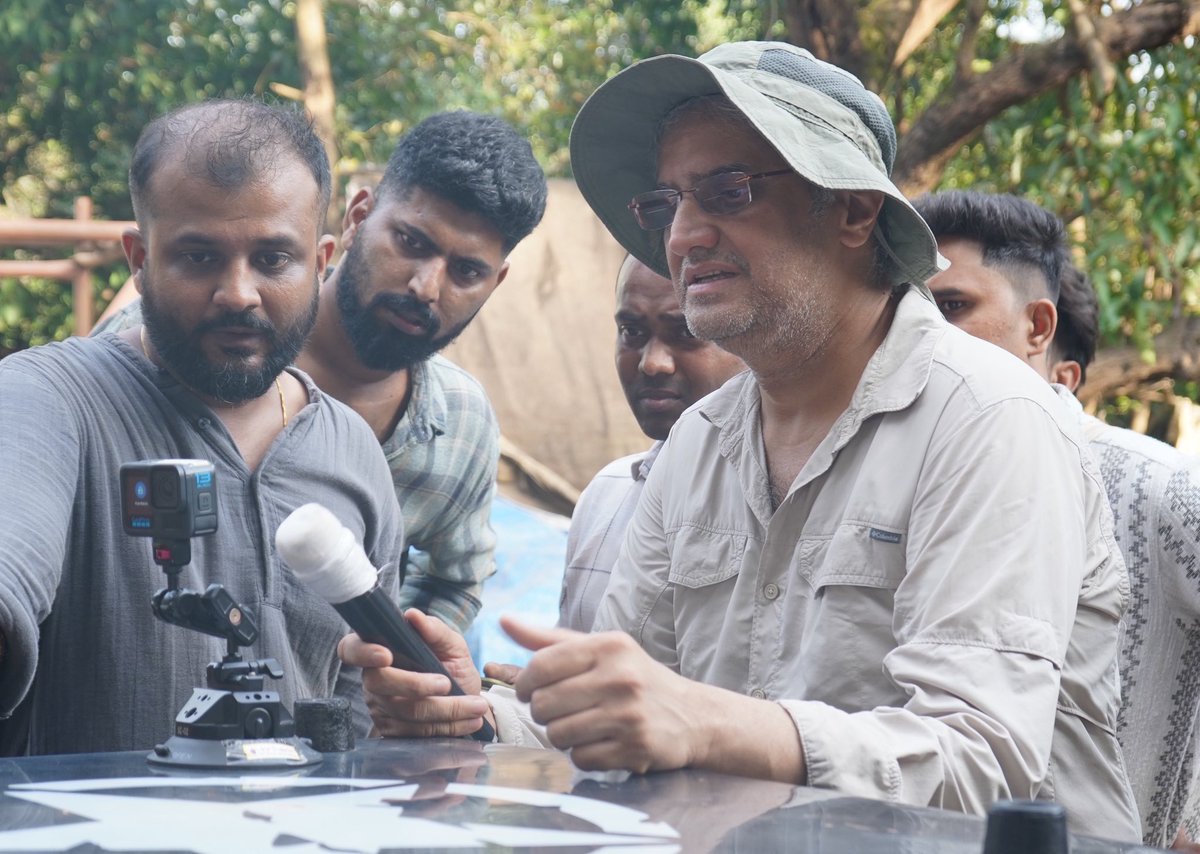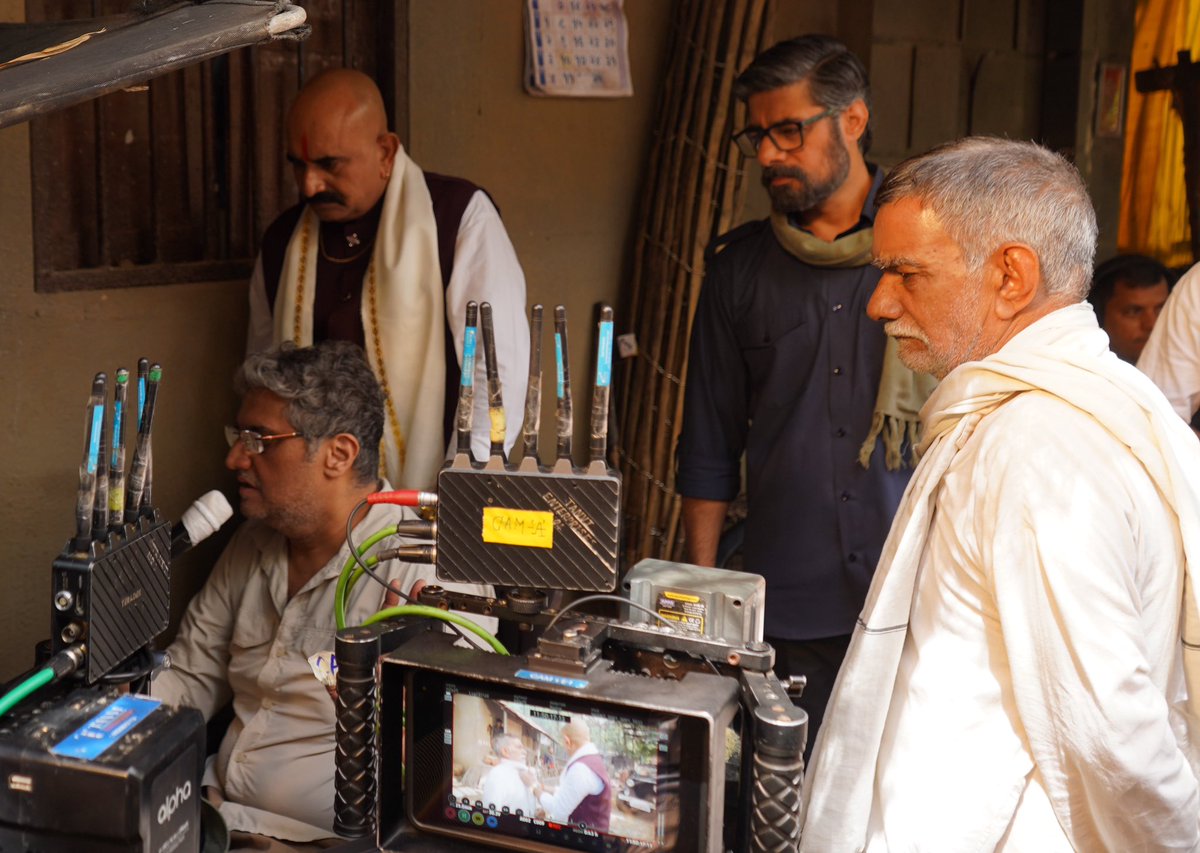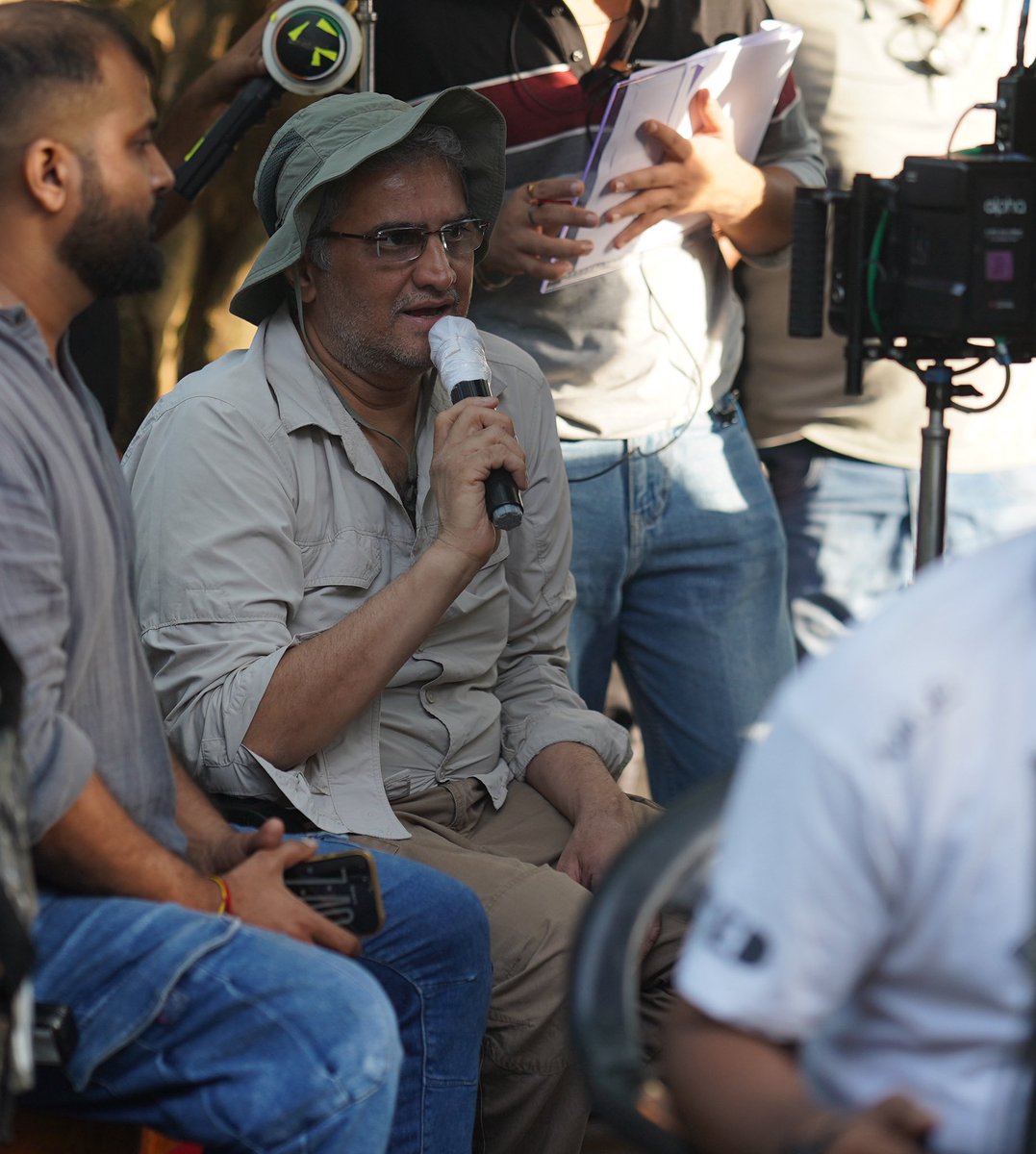
Manish Gupta

11.3K posts

Manish Gupta banner
Manish Gupta

Manish Gupta

@ManishMGupta

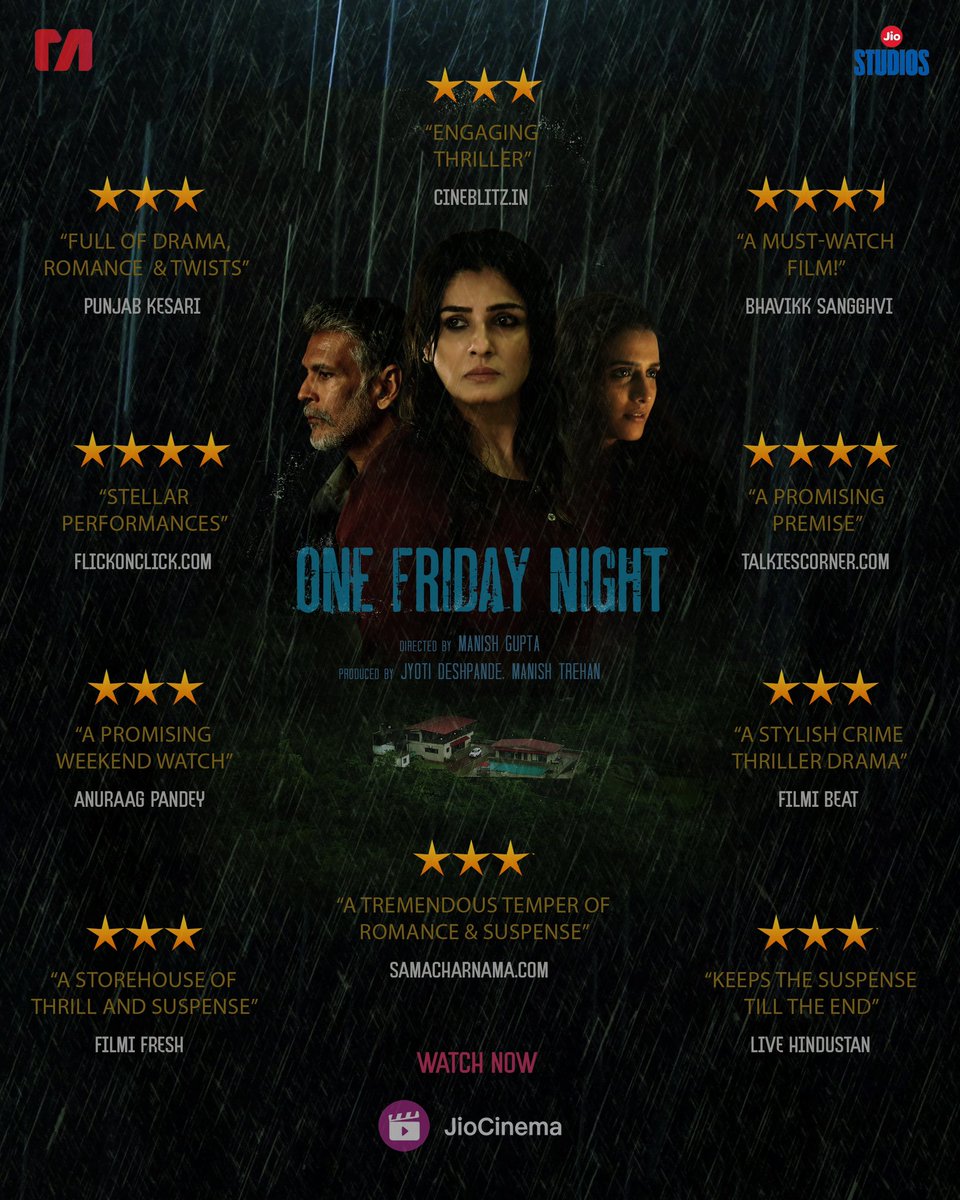
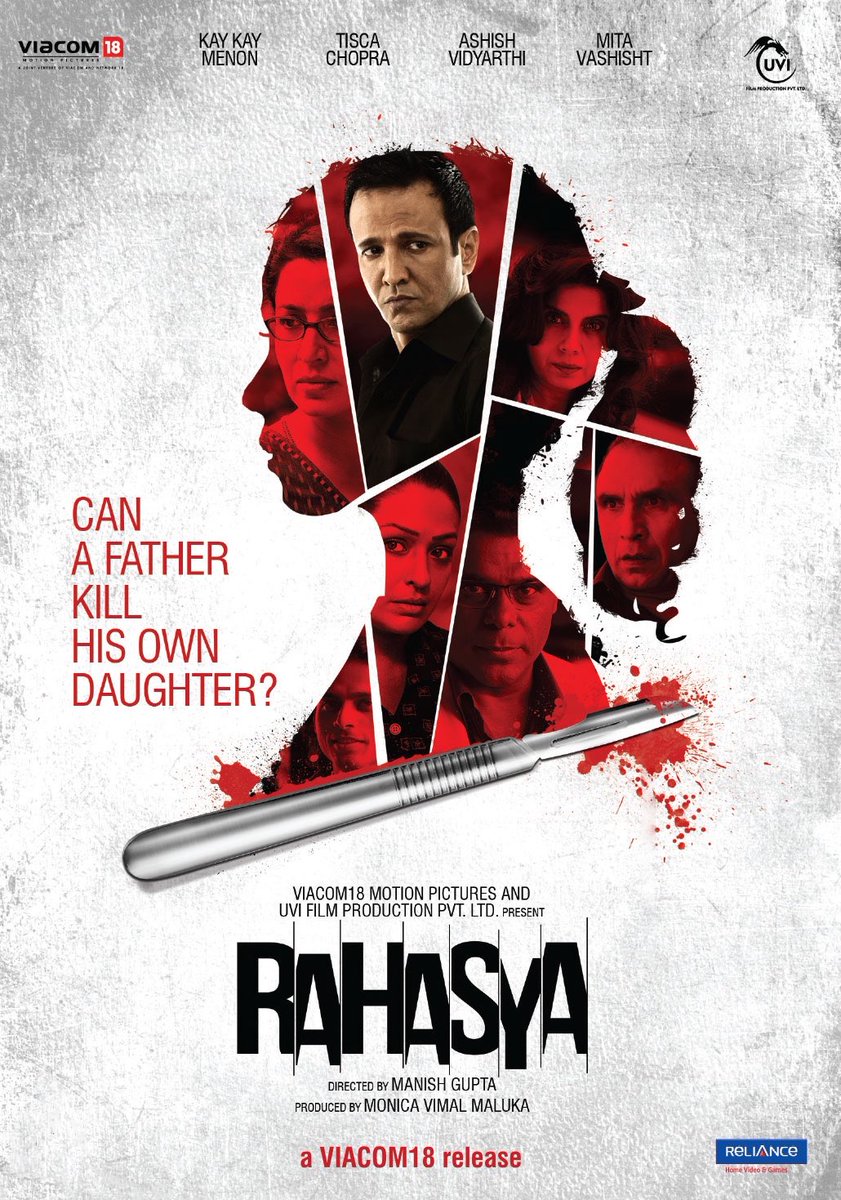
Writer: SARKAR, SECTION 375 Director: RAHASYA, THE STONEMAN MURDERS, 420 IPC, ONE FRIDAY NIGHT.

Mumbai, India Katılım Mayıs 2010
515 Takip Edilen2.2K Takipçiler
rahi anil barve
rahi anil barve@BarveRahi·
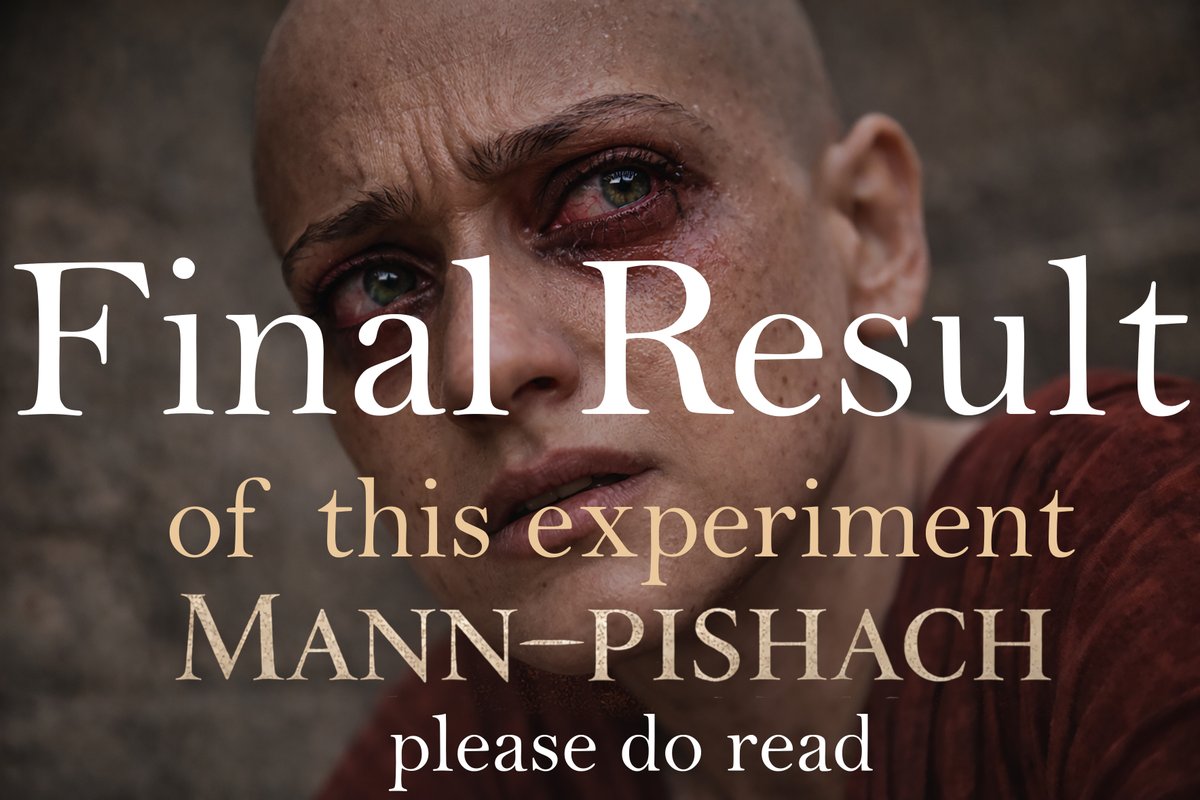
MANN-PISHACH — Final Result of this strange experiment: This experiment holds a clear message for those who wish to make such films in the future. You cannot make a film just by throwing “prompts” at AI. The method used is older, much like stop-motion: It just accurately describes the pre-decided elements second-by-second, that is for sure. Most importantly—perhaps this old-school stop-motion technique could be the key that truly unlocks this technology. Now important:This experiment did not work for most people. This isn't an opinion; the raw data says so. The film received roughly 2.2 million impressions. Out of those, 2.8 lakh (280,000) people clicked on it. Meaning, there was curiosity. The CTR is almost 12%, but what happened after clicking is what matters. The average viewer drops off at around 8 to 8.5 minutes, and the film is 80 minutes long. That’s around a 10% completion rate. And initially, almost half the people leave immediately. It’s a straight pattern: people come → watch a bit → many leave → a few proceed. Why do they leave? The same reasons repeat: visuals constantly morph. Faces don't stay consistent. Movements feel a bit off. There isn't a single moment where you can completely "forget yourself" and just watch. People try to adjust, but after a while, it gets exhausting. On top of that, the film doesn't grip the audience from the beginning. It's narration-heavy, quiet, and lacks a conventional cinematic entry point. Surprisingly, there is a small group that stays (12-15%). For them, this isn't a "film" but an "experience." They talk about the atmosphere, the meaning, the symbolism, the restlessness. It's not that they find the visuals perfect, but they tolerate them. These are roughly 2 to 5 thousand people. (Out of 2 lakhs, only around 20 to 25 thousand people could actually watch the entire film, which itself is almost impossible. Watching 80 minutes of AI-generated output is torture—yet they somehow stuck with it.) Reactions are divided into two extremes. There is no middle ground. One group outright rejects it: "feels fake," "is lifeless," "has no soul," "not proper cinema." Some comments are highly aggressive. The second group watches it in a completely different way: they decode it, find meaning, catch the mood. For them, it is a thought-provoking experience. These two groups do not talk to each other. One reacts to the visuals, the other to the idea. A strange thing is visible here. Despite such mixed reactions, YouTube did not bury the film. On the contrary: over 90% of views came from recommendations. (Browse ~40–45% / Suggested ~25–30% / Search ~15–18% / External very low). Meaning: the system itself kept pushing the video to people. Why? Most likely, it found a "fit" audience for it. Not for everyone, but for some small niche. Looking at the growth pattern makes it even clearer. It didn't go viral, but it didn't die either. An initial push, then a gradual slowdown, then stabilizing at around 1 lakh views per 48 hours, and then slowly declining. Meaning: neither an explosion nor a collapse—a graph stuck in the middle. Another important point which speaks volumes about the AI taboo: for 2.8 lakh views, the discussion is extremely minimal. No major debate, no social spread, no wave. Meaning: people watch it quietly but do not share it publicly. This says a lot about the growing external hatred toward AI—yet accompanied by a silent, internal attraction. Now the straightforward question — what does this experiment prove? Just one thing: a single person sitting down, spending a lot of time, with very little money, can make an entire film. But at the same time: it won't necessarily grip the audience emotionally. AI can provide continuity, but not consistency. It can provide movement, but it doesn't carry emotions well. This gap is visible everywhere. For those who wish to make films this way in the future: Watching this experiment made one thing clear: this method can work. But not for everyone, and absolutely not in its current form. · First — The possibility of success exists, but it's highly limited. Data clearly says: you can reach millions of people. But a huge chunk of them won't stay. Only a small fraction reaches the end. Meaning: making it is possible, but holding onto people is still hard. · Second and most important — Relying entirely on prompts achieves nothing. Many people misunderstand this. A film isn't made by "talking" to AI. The working method is reversed: o First, solve the shot on paper. o Then, break it into 5–10–15 second chunks. o Then, create the first frame / last frame. o Then, extract the motion between those two frames from the AI. Meaning: AI isn't creating anything. It is just completing what you've already decided. A prompt is just information. Control lies in the screenplay-storyboard. This method works. And currently, very few people are using it. · Third — A slow start is unaffordable. Absolutely not. In traditional cinema: o Slow burn o Atmosphere build o Philosophical layering These work. Not here. The data straight up says: half the people leave in the first few minutes. Meaning: o The screenplay needs a grip right from the start. o You need something clear, direct, and instantly connecting, otherwise, the audience will get exhausted far faster than they do in traditional cinema. · Fourth — Simplicity is power here. Complex, abstract, layered things: some people like them, but they disconnect the majority. The system isn't at that level yet. "Simplicity is the last form of art" is very literal here. · Fifth — The AI pipeline is a tool, not a replacement. This experiment made one thing clear: AI doesn't make the entire film, it just makes some parts easier. The real work is still here: o Writing o Shot design o Timing o Rhythm AI just accelerates execution. · Sixth — Understanding where to use this is more important. Making a full film with AI is just a curiosity. The real value is probably here: o Pre-visualisation o Complex shots planning o Mood testing o Small sequences Meaning: It's more important to understand where to use AI in real cinema. In the end, simply put: This experiment is complete. Some things in it worked, many did not. But one thing is clear: this technology has been unlocked. But its language hasn't been found yet. Someone will find it sooner or later, and the cinematic world will change. But based on what I learned—the most important aspect, I must share. Unlike us traditional filmmakers who work with teams and physical contents, future AI filmmakers will be very lonely, and the stronger the technology becomes, the faster they will exhaust and age. They will constantly be at grave danger of losing social-human connections, losing the understanding of history (half our understanding of what we create comes from our knowledge of historic artwork). Within the next 2-3 years, when suddenly good AI work starts exploding, and it finally finds its massive audience—they will quickly rise, and fade even faster, if they don’t take care of their health and social life. Till now, the only known form of brain-addiction (without consuming external things) was gambling. Today, I genuinely doubt—that a new pattern of serious addiction is about to explode soon—anything you are creating with AI, which gives a massive brain pull constantly every 2-3 mins. AI filmmaking won't be good for a maker's personal physical-social health, and even emotional growth. Beware. Thanks for reading. - Rahi Anil Barve
rahi anil barve tweet media
English
19
43
388
180.5K
Manish Gupta
Manish Gupta@ManishMGupta·
I’m looking to hire Photoshop Artists/Graphic Designers for my next film. I need people of beginner-level experience as well as people of professional-level experience. Interested parties, pls whatsapp your resume to my assistant Saksham on 79004 88884.
English
0
2
1
145
Manish Gupta
Manish Gupta@ManishMGupta·
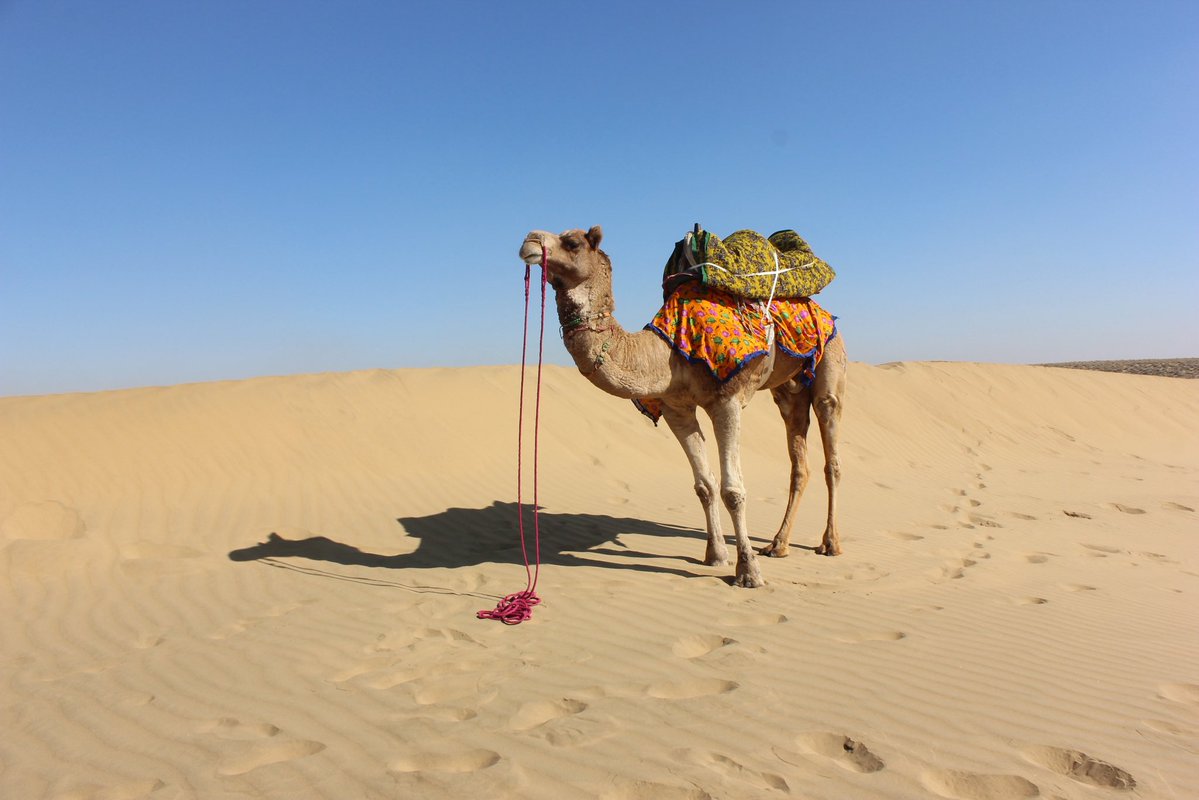
Ship of the desert. Shot on: Canon Photography: Manish Gupta
Manish Gupta tweet media
English
0
0
1
134
Manish Gupta
Manish Gupta@ManishMGupta·
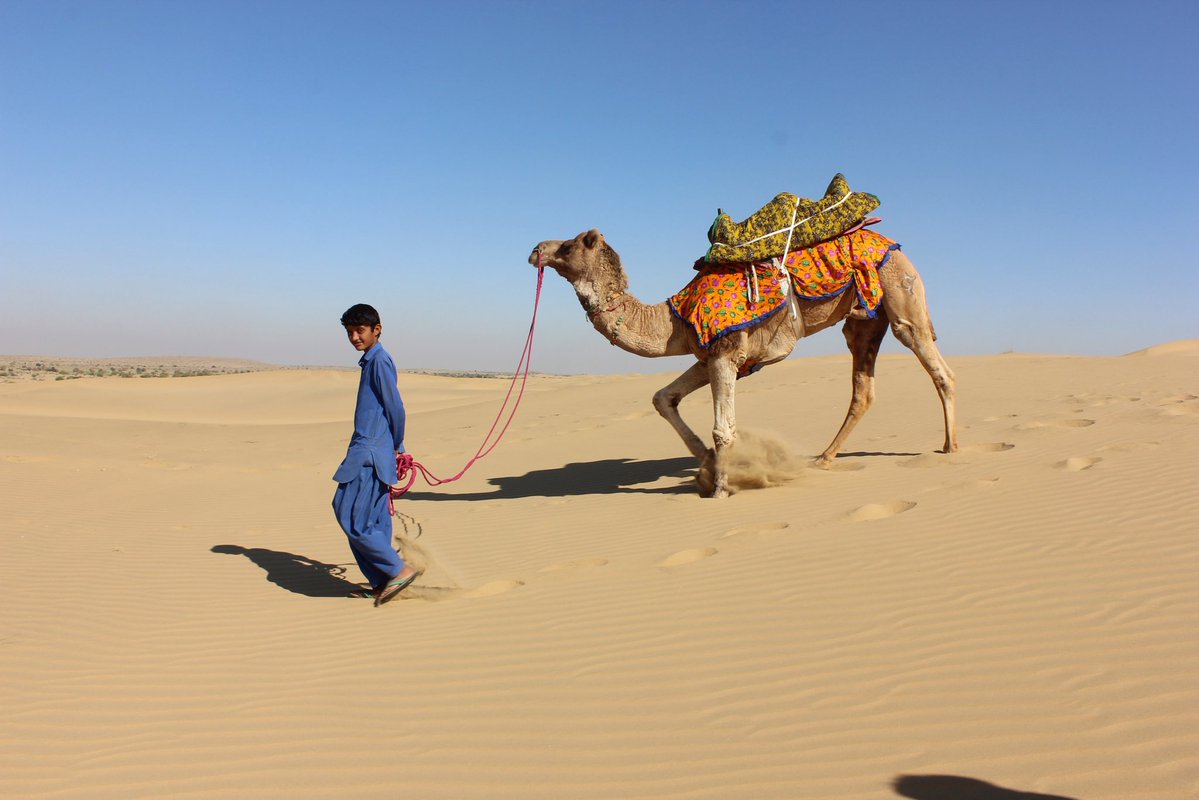
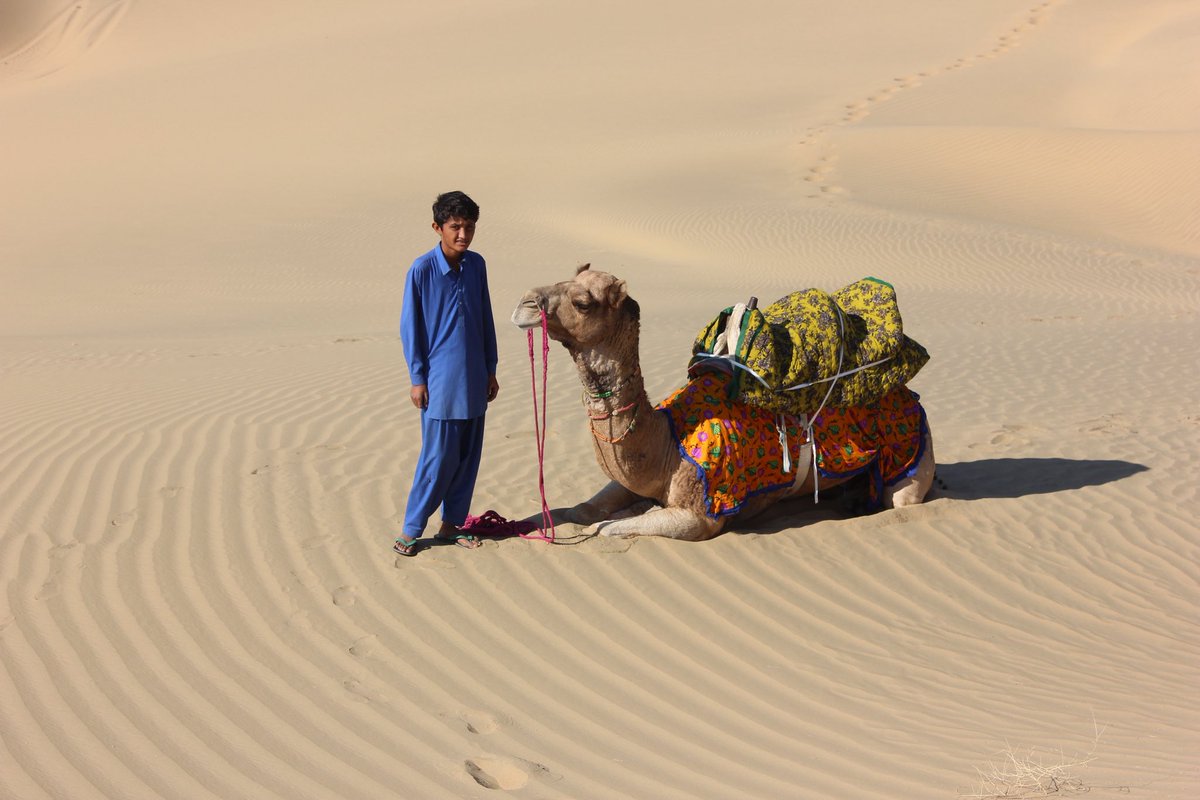
Tribal boy, lives in a hut, no school in this uninhabited desert, he tends to his camel, helps his parents survive.  Shot on: Canon Photography: Manish Gupta
Manish Gupta tweet media
English
0
0
0
111
Manish Gupta
Manish Gupta@ManishMGupta·
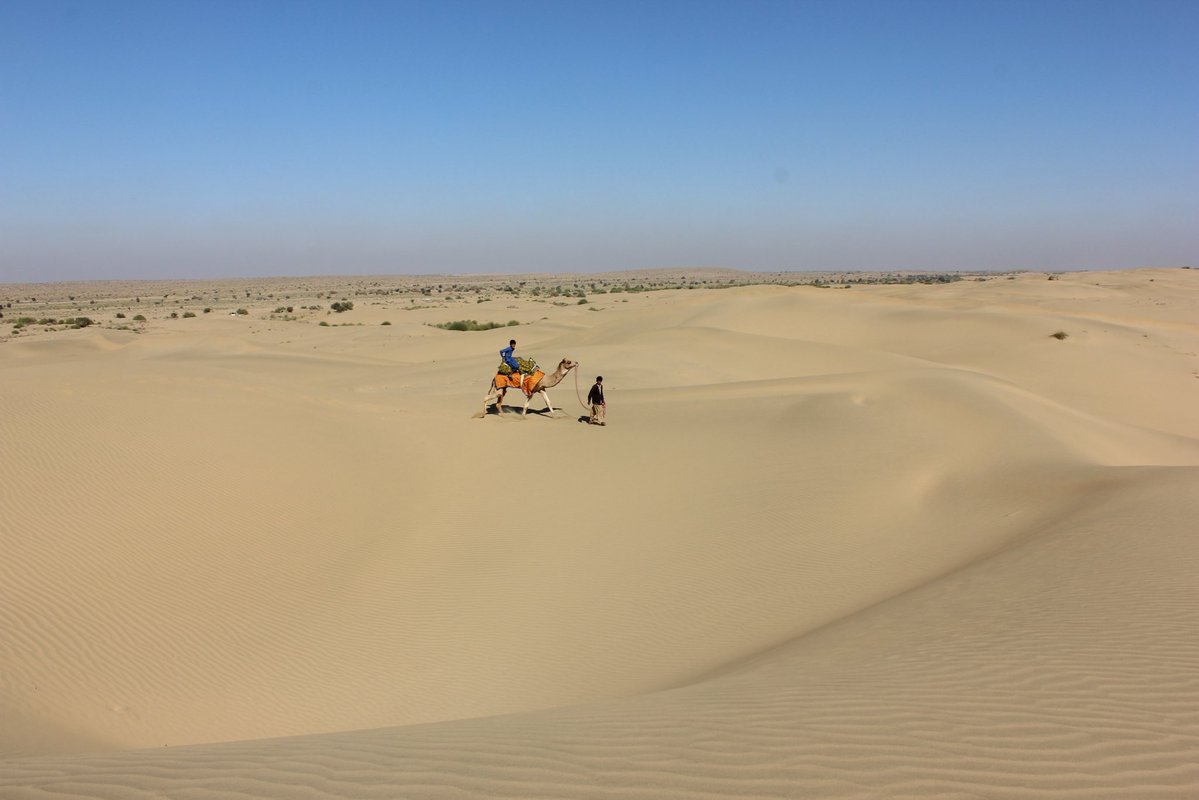
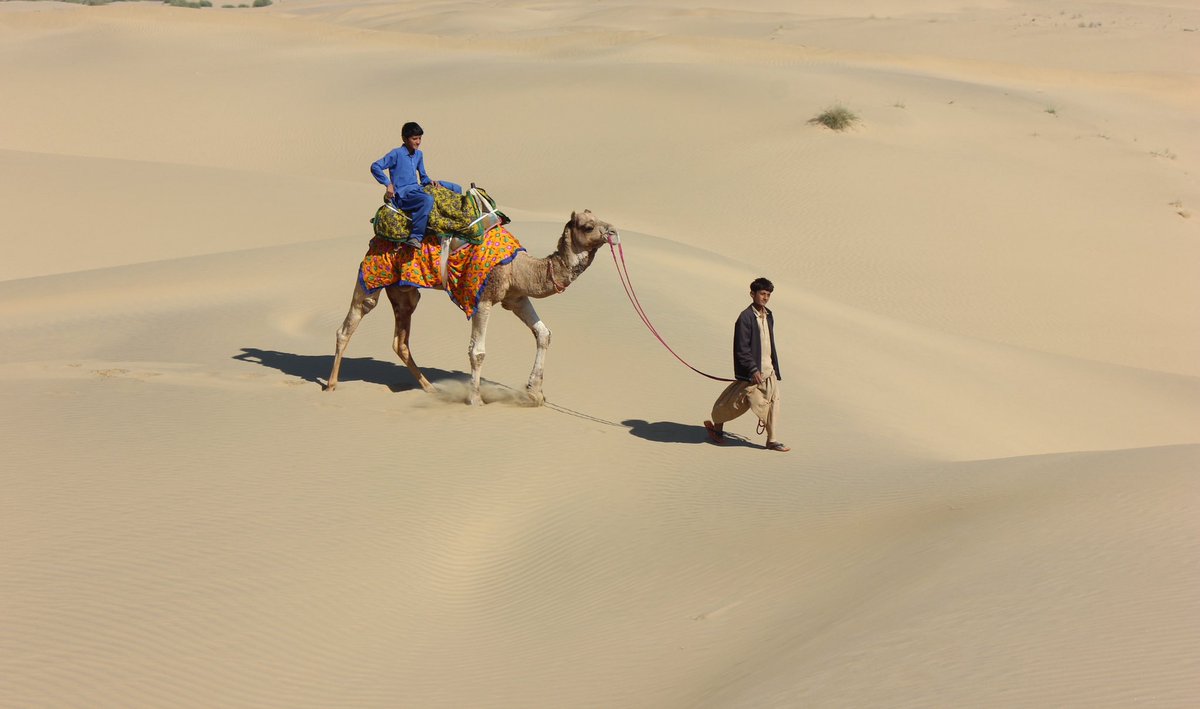
Tribal boys, no school in this uninhabited desert, they tend to their camels, and help their parents survive.  Shot on: Canon Photography: Manish Gupta
Manish Gupta tweet media
English
0
0
0
87
Manish Gupta
Manish Gupta@ManishMGupta·
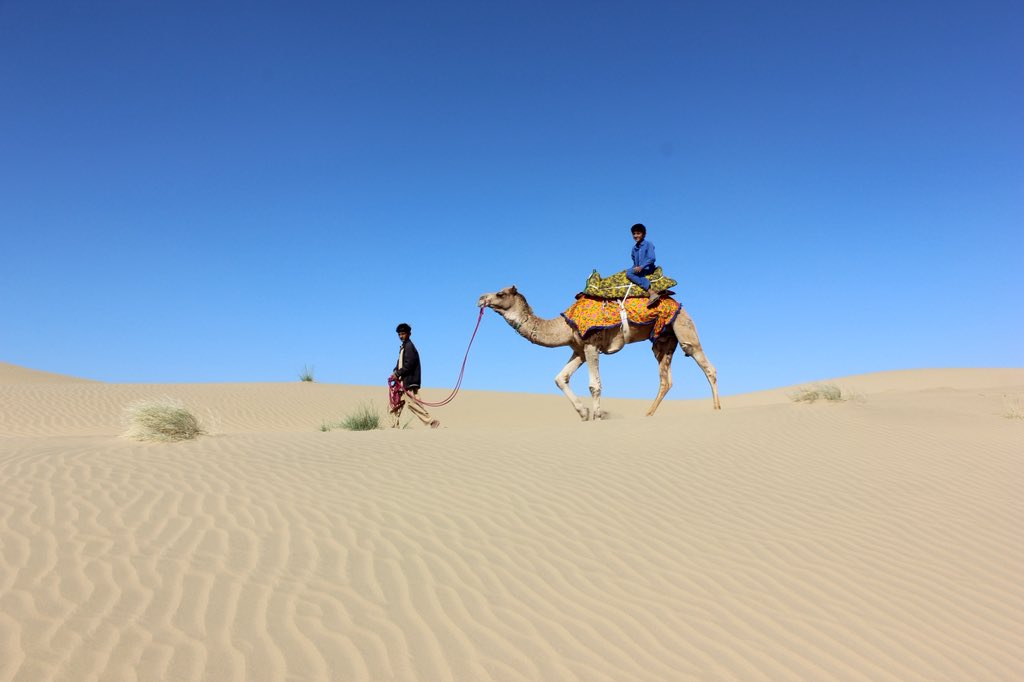
Tribal boys, no school in this uninhabited desert, they tend to their camels, and help their parents survive.  Shot on: Canon Photography: Manish Gupta
Manish Gupta tweet media
English
0
1
1
80
Manish Gupta
Manish Gupta@ManishMGupta·
Tribal boys, no school in this uninhabited desert, they tend to their camels, and help their parents survive.  Shot on: Canon Photography: Manish Gupta
Manish Gupta tweet media
English
0
0
0
69
Manish Gupta
Manish Gupta@ManishMGupta·
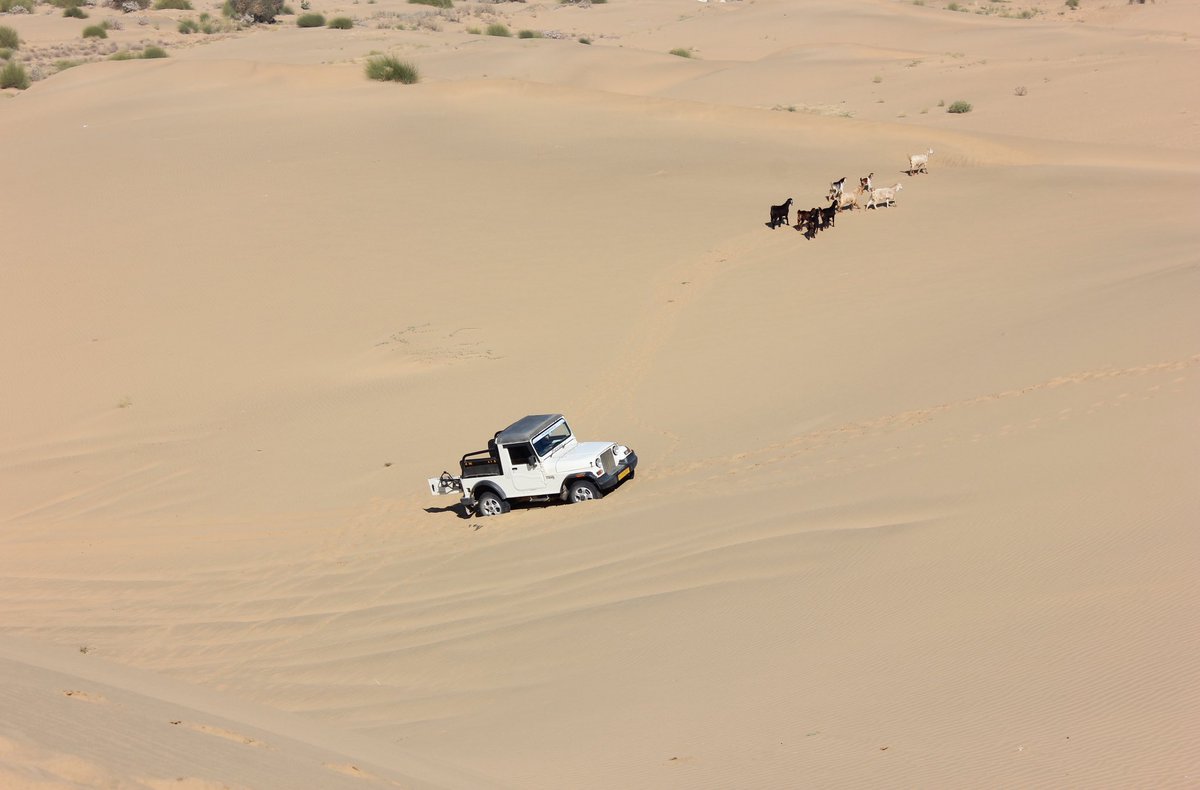
Got this aerial top shot by standing atop a high, hill-like sand dune. Shot on: Canon Photography: Manish Gupta
Manish Gupta tweet media
English
0
0
1
49
Manish Gupta
Manish Gupta@ManishMGupta·
Tribal boy, lives in a hut, no school in this uninhabited desert, he tends to his camel, helps his parents survive.  Shot on: Canon Photography: Manish Gupta
Manish Gupta tweet media
English
0
0
0
52
Manish Gupta
Manish Gupta@ManishMGupta·
Tribal boy, lives in a hut, no school in this uninhabited desert, he tends to his camel, helps his parents survive.  Shot on: Canon Photography: Manish Gupta
Manish Gupta tweet media
English
0
0
0
46
Manish Gupta
Manish Gupta@ManishMGupta·
Ship of the desert. Shot on: Canon   Photography: Manish Gupta
Manish Gupta tweet media
English
0
0
1
39
Manish Gupta
Manish Gupta@ManishMGupta·
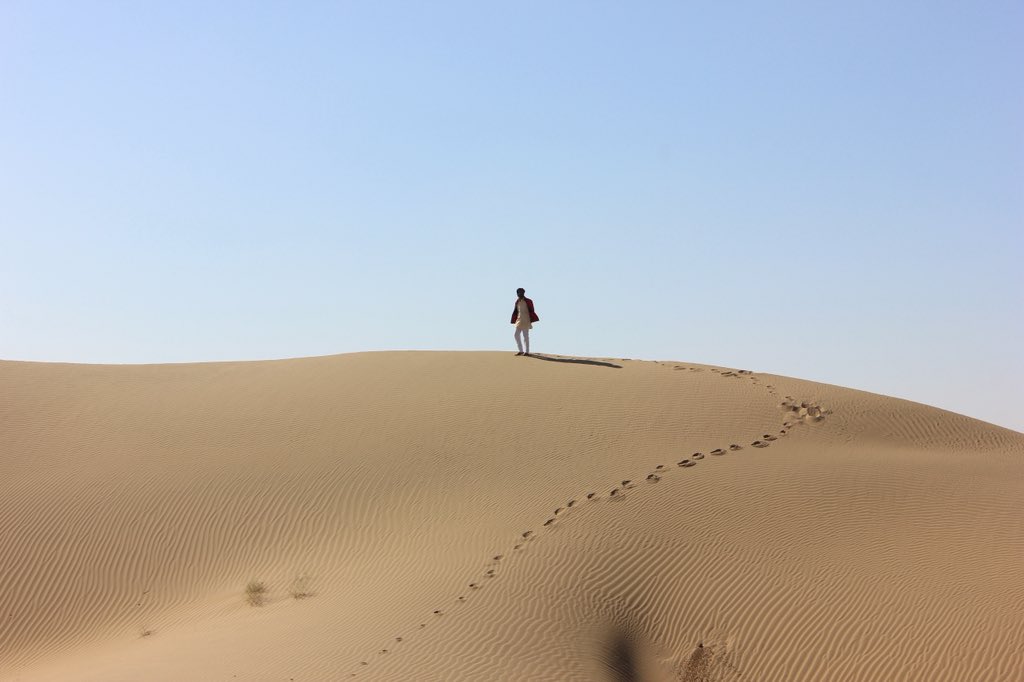
My local driver poses atop a sand dune. Shot on: Canon   Photography: Manish Gupta
Manish Gupta tweet media
English
0
1
2
37
Manish Gupta
Manish Gupta@ManishMGupta·
Ad Film shoot. Brand: VIP (Political party – RJD’s coalition partner in Bihar) Director: Manish Gupta Agency: R3 Media Creations P.L. Line Prodn. co.: Blackstone Films Dur: 120 secs. @Blackstone_films
Manish Gupta tweet media
English
0
0
0
35
Pooja Batra Shah
Pooja Batra Shah@iampoojabatra·
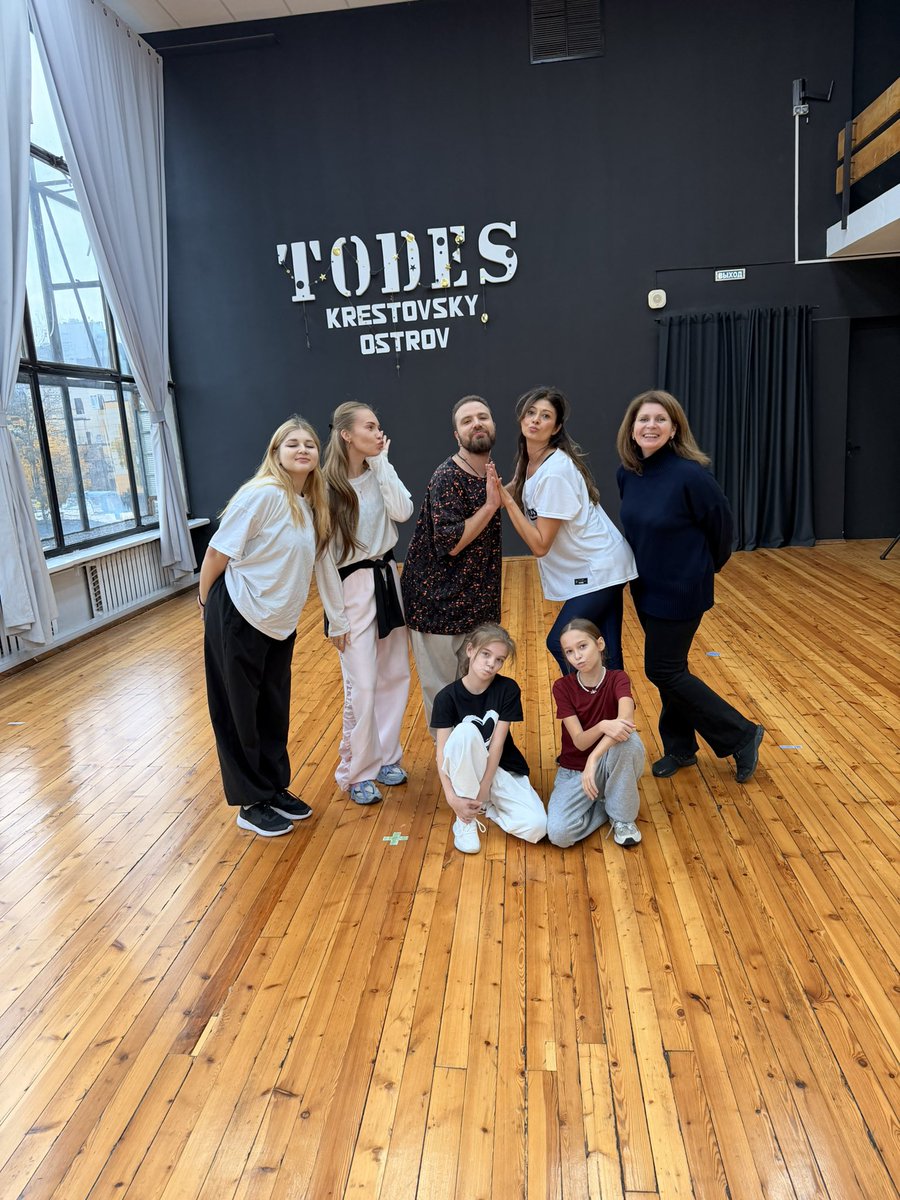
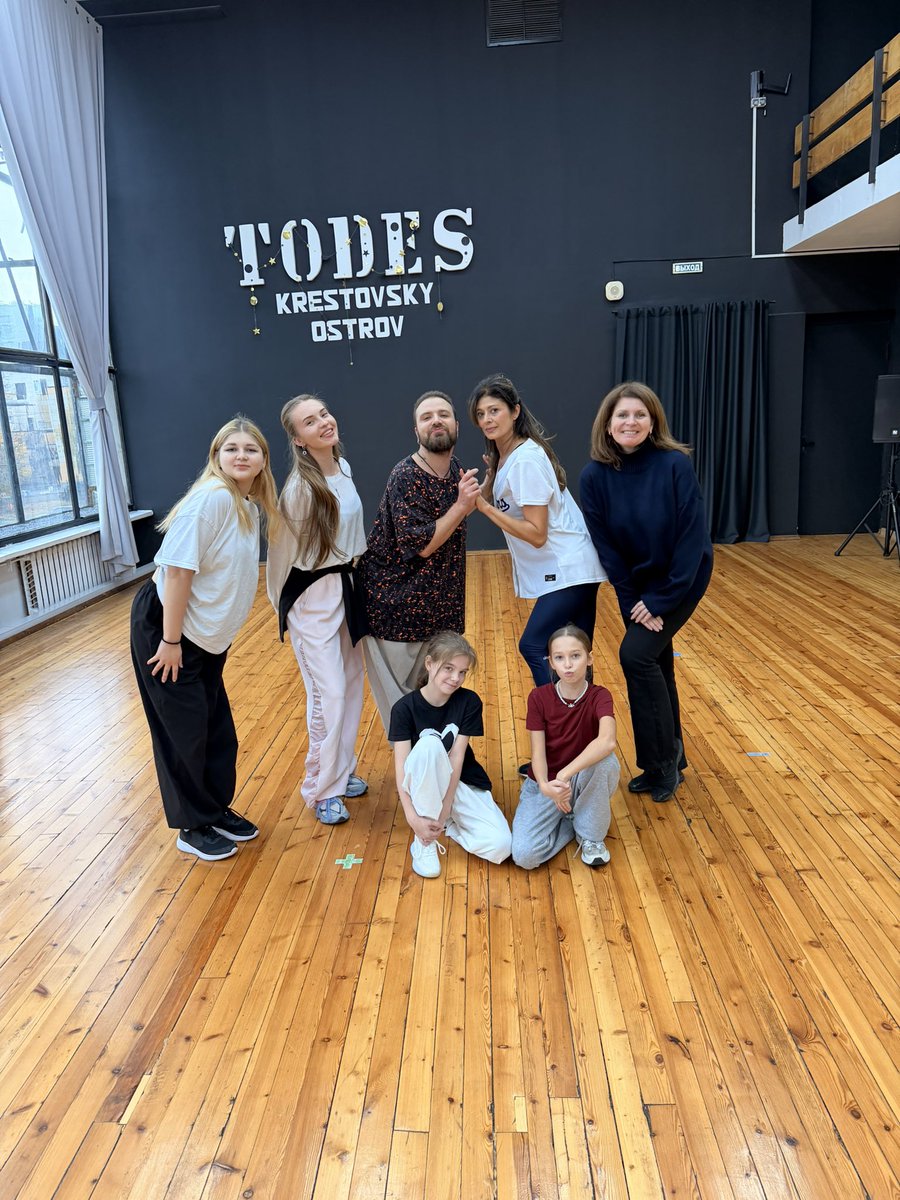
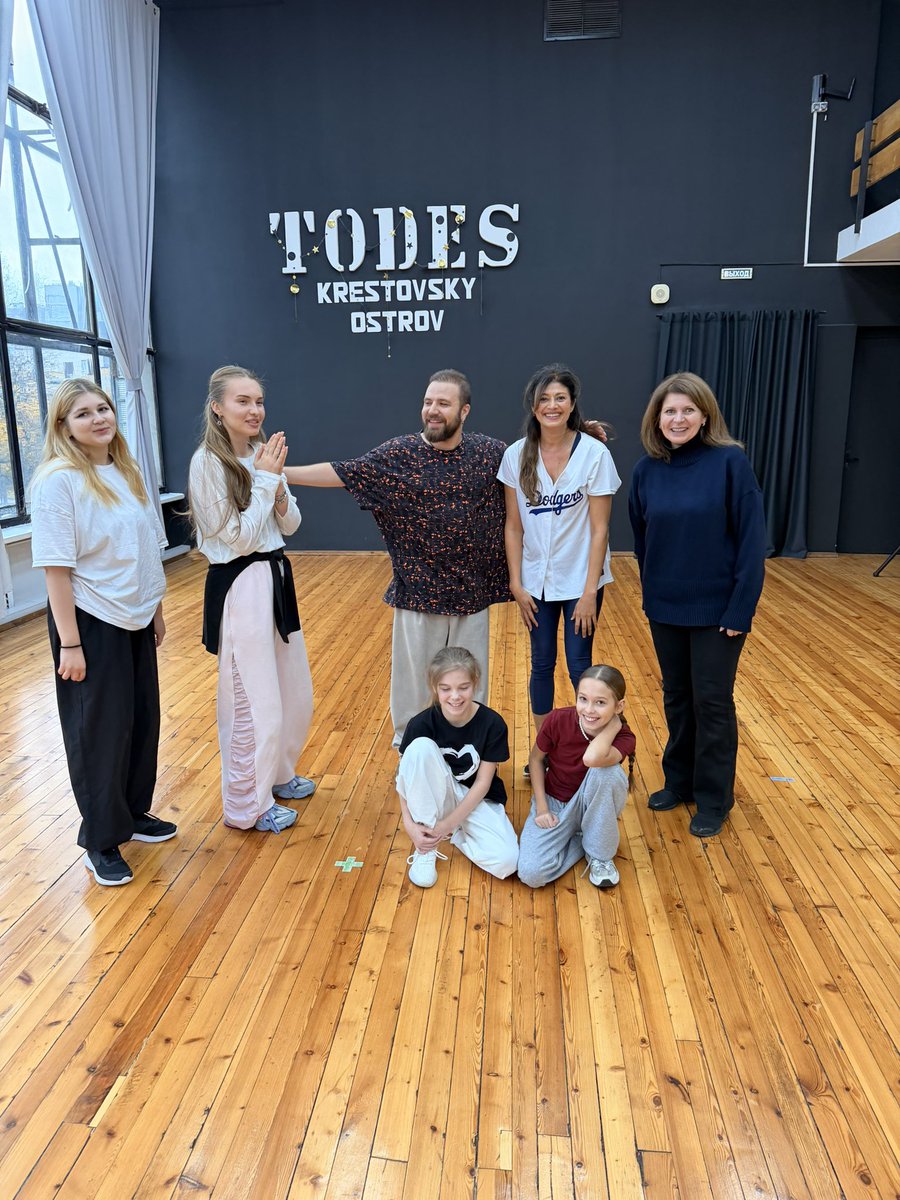
Rehearsals for my dance in my Russian movie “The Magic Lamp” in St. Petersburg at #Todes krestovsky Ostrov school was so fun.
Pooja Batra Shah tweet mediaPooja Batra Shah tweet mediaPooja Batra Shah tweet mediaPooja Batra Shah tweet media
English
7
5
72
3.2K
Manish Gupta
Manish Gupta@ManishMGupta·
Ad Film shoot. Brand: VIP (Political party – RJD’s coalition partner in Bihar) Director: Manish Gupta Agency: R3 Media Creations P.L. Line Prodn. co.: Blackstone Films Dur: 120 secs. @Blackstone_films
Manish Gupta tweet media
English
0
0
0
31
Manish Gupta
Manish Gupta@ManishMGupta·
Ad Film shoot. Brand: VIP (Political party – RJD’s coalition partner in Bihar) Director: Manish Gupta Agency: R3 Media Creations P.L. Dur: 120 secs.
Manish Gupta tweet media
English
0
0
0
22