
Manzi retweetledi
Manzi
2.8K posts


English

@CharityKeza SA youth is behind Congolese people. No to criminal dictator @PaulKagame
English


@ManziBen2 @RFIAfrique 1997 ? So the genocide wasn’t in 1994 use your brain
English
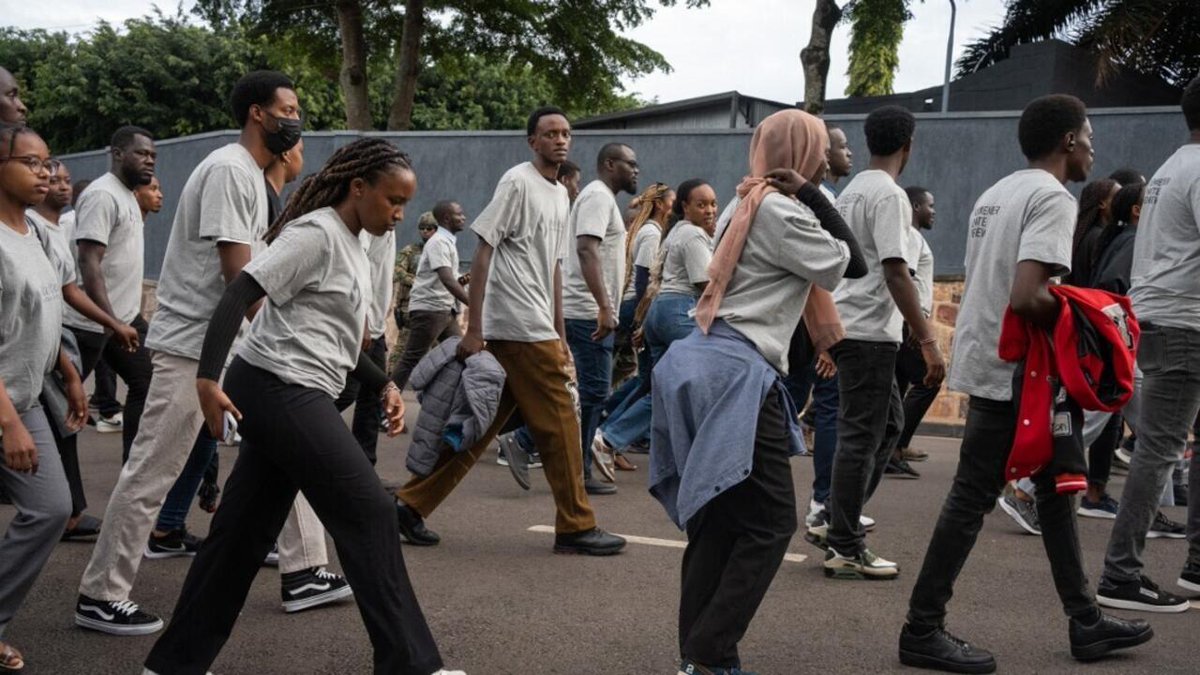
Génocide des Tutsis au Rwanda: «Kwibuka», à Kigali, une 32e marche annuelle «pour ne jamais oublier» rfi.my/Cb2B.x
Français
@ROFI_DXXLU7pm @RFIAfrique I don't know what part of your body you use to think but it's definitely not your brain
English
@ROFI_DXXLU7pm @RFIAfrique Habyarimana had described the peace negotiations as "mere pieces of paper" "impapuro se ni amahoro?" . What do you mean quel the discontent??????
English
@ManziBen2 @RFIAfrique The Arusha peace accords were intended to quell this discontent in Rwanda, and as always, Kagame did not want peace and shot down the plane, thus shattering all hope of peace; he triggered the genocide to present himself as a hero.
English
@ROFI_DXXLU7pm @RFIAfrique But you just read that the genocide was already going on, so what did PK trigger, if he did
English
@ManziBen2 @RFIAfrique Rwandan President Juvénal Habyarimana's plane was returning from Dar es Salaam, on April 6, 1994. He had attended a regional summit there focused on implementing the Arusha Peace Accords, aimed at ending the Rwandan conflict. By killing him, Kagame triggered the genocide
English
Manzi retweetledi

Yes, some Hutus were killed because they were mistaken for Tutsi.
Yes, some Hutus were killed because they refused to kill, or because they chose to hide and protect Tutsis.
Yes, many Hutus died on the way to exile, mostly from cholera.
✍🏾 But they were never hunted to death for being Hutu.
✍🏾 Let us not distort history.
✍🏾 Let us not equalise what was never equal.
#Kwibuka
Emma Claudine@EmmaClaudine
I remember April 1994 as if it were yesterday. This short testimony goes to the youth, but especially to those who dare to speak of a “double genocide.” I was not hunted. But I remember how Tutsis were hunted. I remember conversations with my Tutsi peers. Fear in their eyes. Total despair. Wondering where to hide. I remember Tutsi neighbours trying to return to their places of origin, hoping to find safety, and never making it. Some were killed on the way. Others were killed when they arrived, in places they believed would protect them. I remember churches becoming places of animosity. Places of slaughter. And I remember not understanding how people could suddenly become so cruel. There was a roadblock near our home. People were stopped and asked to present their IDs. If your ID said Tutsi, you were to die. If you had children, they were to die, no matter their age. If you were pregnant, the unborn child was to die first. The unspeakable had become normal. There was a nearby forest. Killers had given it a name, CND. And we would hear them say they had taken people to CND. That is how death was spoken about. Casually. As if it meant nothing. No one questioned it. Those who could ask were the same ones killing or giving the orders. At no point during the Genocide against the Tutsi did I hear of Hutus being hunted for being Hutu. Tutsis were hunted. Systematically. Ruthlessly. Yes, some Hutus were killed because they were mistaken for Tutsi. Yes, some Hutus were killed because they refused to kill, or because they chose to hide and protect Tutsis. Yes, many Hutus died on the way to exile, mostly from cholera. But they were never hunted to death for being Hutu. Let us not distort history. Let us not equalise what was never equal. To the youth, Rwanda was once dead. What you see today did not exist. And yet, we rose. We rebuilt. We chose unity over division. Today, Rwanda stands strong, among the fast-developing nations, guided by visionary leadership under H.E. Paul Kagame. Under Inkotanyi, who stopped the genocide when the international community failed to act. Our dignity was restored. Today, amahanga aratwubaha. This is not something we can ever take for granted. We must stand together to protect our country and our leadership. We must stand together to fight any harm against Rwanda. We must stand together against any form of genocide ideology. We must stand together against denial, so that “Never Again” becomes a reality. Today and forever. As our President said, Rwanda cannot die twice. #Kwibuka32
English
@ROFI_DXXLU7pm @RFIAfrique Yes monkey eater, because you said the genocide was caused by the president's death yet it was already underway before he even died. Use your brains
English
@ManziBen2 @RFIAfrique All your evidence is before 1994 so before the genocide don’t be that stupid stop lying
English
@Zed_gretti @JaboMugabe @xtr_africa @PatrickMuyaya @JLHaby So he advocates for peace in DRC not Rwanda??
English

@JaboMugabe @xtr_africa @PatrickMuyaya @JLHaby You can be a personal of peace and still need justice, peace does not mean injustice
English

#EXPOSED Jean-Luc Habyarimana Advocates Reconciliation, Not War @PatrickMuyaya Fires Back at Paul Kagame’s Interview with Jeune Afrique
After President Paul Kagame accused the DRC of using Jean-Luc Habyarimana (@JLHaby) to “mobilize support” for the FDLR, Congolese government spokesperson Patrick Muyaya responded, rejecting the claims as false and politically motivated.
“Jean-Luc Habyarimana is not a war leader,” Muyaya stated. “He has never called for violence or the overthrow of any regime. He is a political figure who advocates for peace and reconciliation.”
Kagame, in his interview with Jeune Afrique, alleged that Habyarimana is part of a network linked to the FDLR and backed by Kinshasa. But for the DRC, this narrative is a deliberate distortion.
“These are lies used to justify Rwanda’s illegal actions in eastern Congo,” Muyaya pushed back, pointing instead to Kagame’s own admissions of supporting destabilizing forces in the region.
Kinshasa till maintains its position: No alliance with FDLR, and a clear commitment to peace and national sovereignty
“Those who lived through tragedy cannot become the ones who reproduce it,” Muyaya emphasized, calling out what he described as contradictions in Kagame’s discourse.
@Com_mediasRDC
English
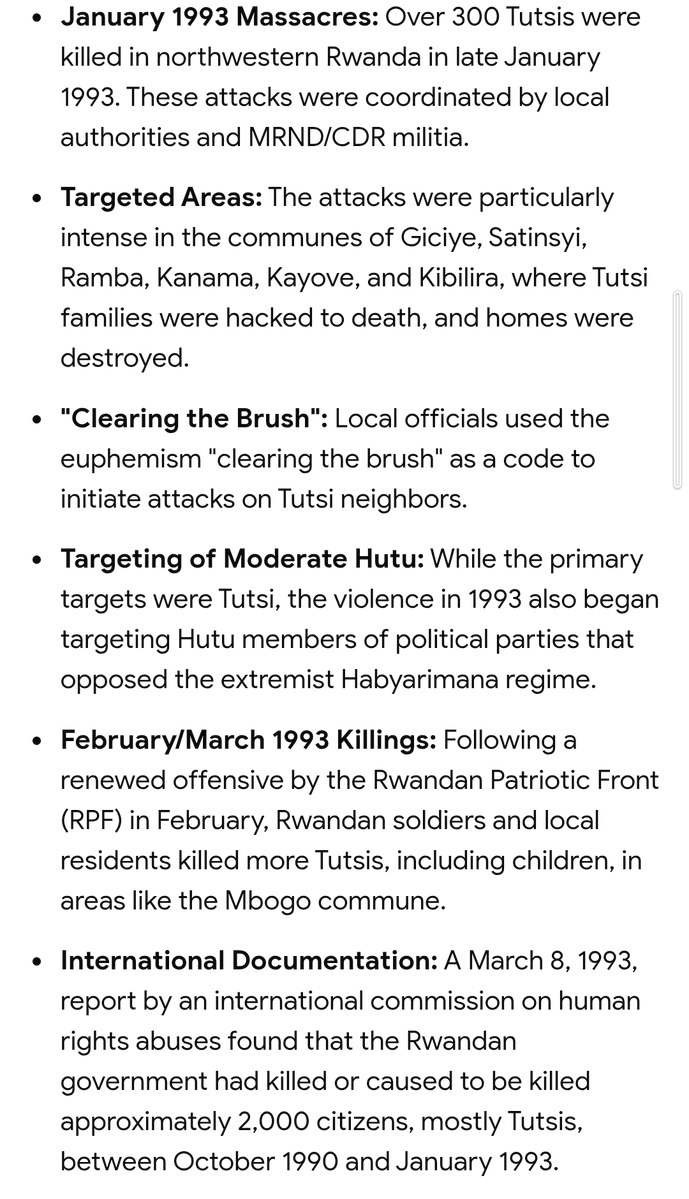
@ROFI_DXXLU7pm @RFIAfrique Okayy son of a genocider, let me give you some. Firstly follow our minister Dr. Jean-Damascène Bizimana for more vivid info. There is a lot of evidence that overlaps your mental state rn so I'll leave you a few of them
English
@ManziBen2 @RFIAfrique Give me the date and the number of victims of your alleged attacks, because they only exist in your lying propaganda.
English
@rukacarara @justerushayigi @allenkab33 I mean we all know that some Hutus died in the genocide against the Tutsi, but they were not the main victims targeted.
English

That's your opinion, but that's not denying it. Go back and read his post, the fact that he mentioned that Hutu were also killed is nothing but the TRUTH. whether should be commemorated in what so called genocide against the tutsi is another topic for another day. But the truth is Hutus were massacred on large scale too. It's another genocide.
English
You know opposing Paul Kagame or the government of Rwanda is a legitimate expression of democracy. However,denying the Genocide against the Tutsi,especially while claiming to be a survivor yourself, not only you dehumanized your loved ones , you also spat on their grave.
Samuel Baker BYANSI@SamuelBaker_B
One-sided commemoration and memory reinforces one-sided victimhood which tend to sustain cycles of violence . The remedy to this is encouraging inclusive commemoration and make a sense of victimhood to be inclusive. The targeting of Tutsis in the 1994 genocide is a fact that cannot be denied. In the same way, the killings of Hutus in the same period cannot be denied. Further killings of Hutus in the aftermath of the genocide is another topic valid for our extended conversations. The issue of the numbers of Tutsis who were in the country during the genocide does not qualify to deny the fact that members of one group were targeted for elimination. #Kwibuka32 #NeverAgain
English
@ROFI_DXXLU7pm @RFIAfrique The genocide was already underway by the time the plane crushed though. Secondly, DRC harboured the former genociders who were attacking Rwanda in small groups and planning a widespread attack. The minerals part is a pretext by DRC gov't to cover up for their genocidal allies.
English
@ManziBen2 @RFIAfrique He himself said in an interview that he had "defended himself" by shooting down the Rwandan president's plane, following which he supported rebellions in eastern DRC to plunder our resources under the pretext of pursuing "genocidaires".
English

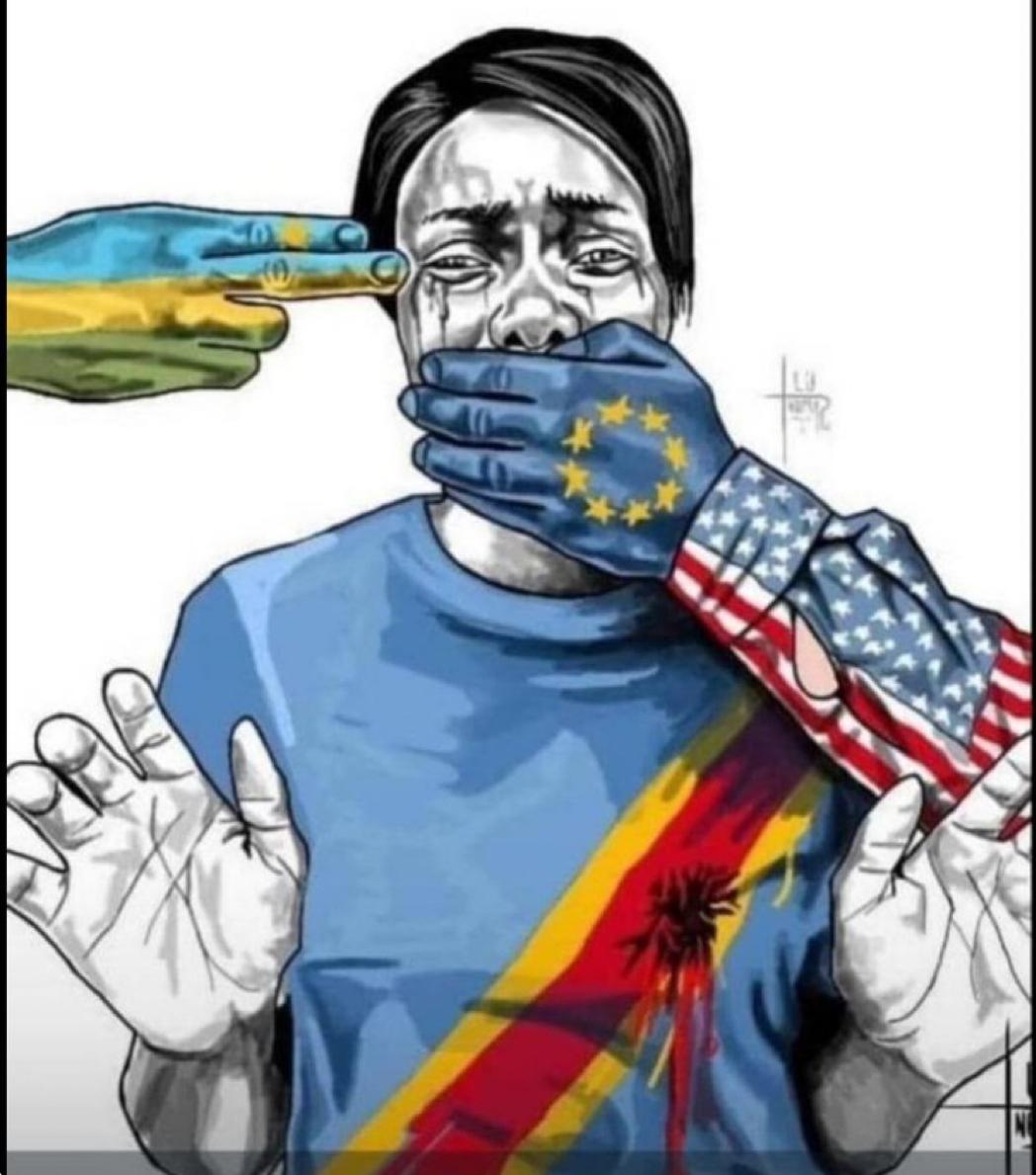
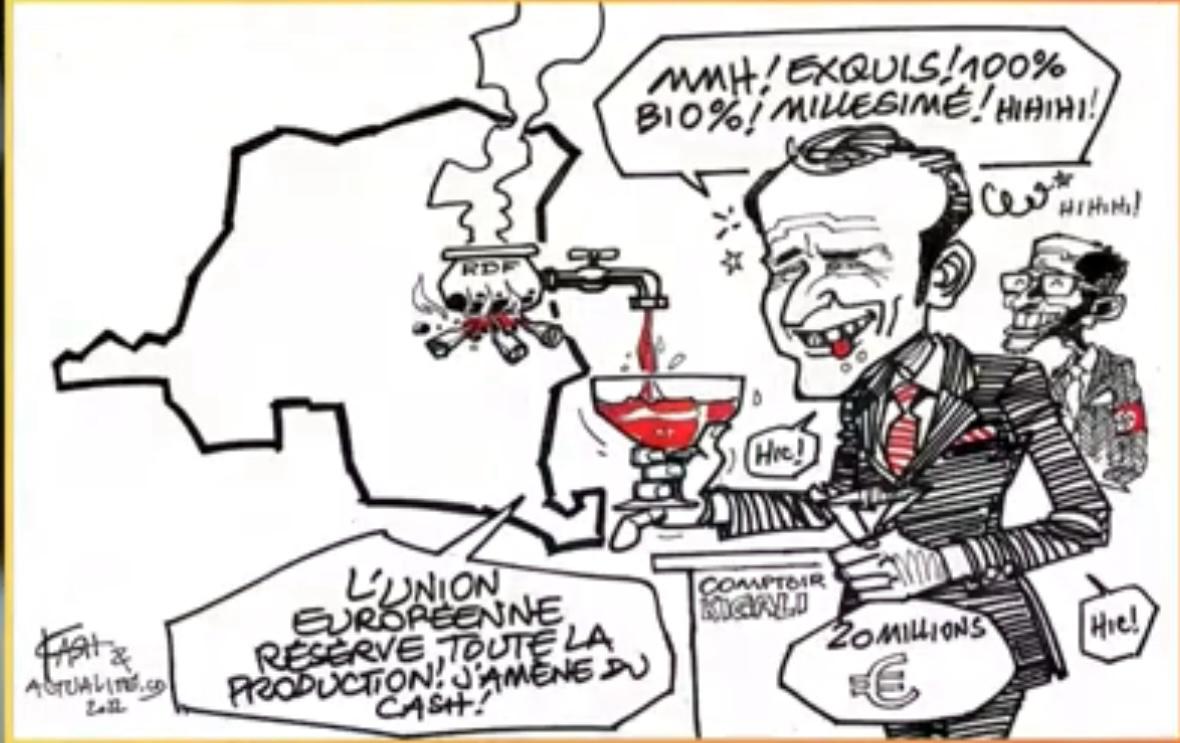
@RFIAfrique Kagame a amorcé ce génocide et le poursuit pour des raisons d’enrichissant personnel et celui de son cercle afin de voler et massacrer les congolais pour les richesses de leurs sous-sol
Français

English

@AJEnglish @uaykani You may be surprised that the so called ADF just merged with M23 to continue Musevenis and kagame ambitions in congo. Am surprised that people are unaware that both rebel groups belong to museveni
English

Raids in eastern DRC have killed hundreds over the past three weeks. The army says the Allied Democratic Forces is behind the attacks and is increasing its military presence and working with Uganda, though few captives are released.
Al Jazeera’s @uaykani reports.
English
@MalikaMuanza @AJEnglish @uaykani When will you low IQ shitheads learn to take responsibility for your failures
English

@AJEnglish @uaykani This kagame Militia who's trying to control more territory in east of Congo. Those ADF are Museveni and kagame Militia.
English
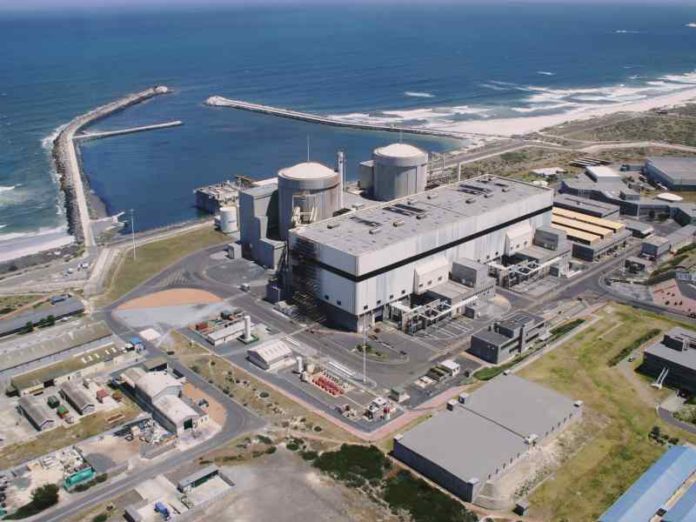
@AfricaFirsts It was ok to have nukes when the whites were in charge but not for a black led nation.
English

South Africa 🇿🇦 is the only African country that had the capacity to build nuclear weapons and then voluntarily dismantled them.

English