YouTube
Polski
Marcin Tujdowski
2.7K posts
@MarcinTujdowski
Profil prywatny. Private profile. RT may not always equal an endorsement. Główny Analityk, Instytut Zachodni/Chief Analyst, Institute for Western Affairs.












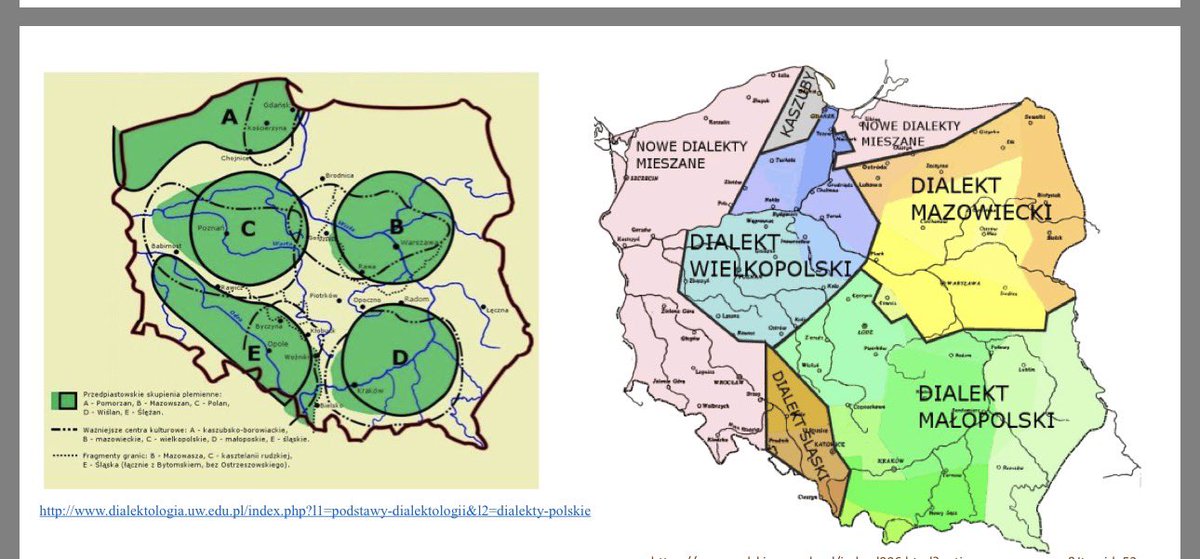
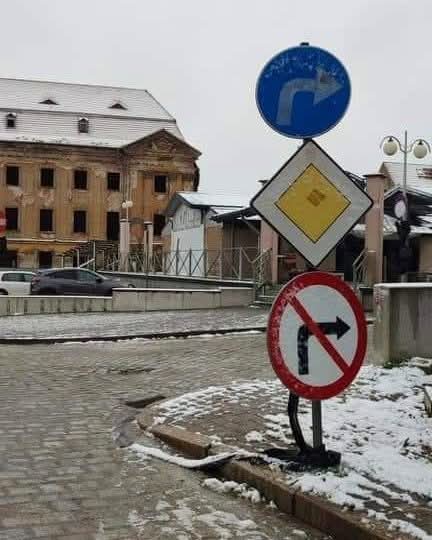
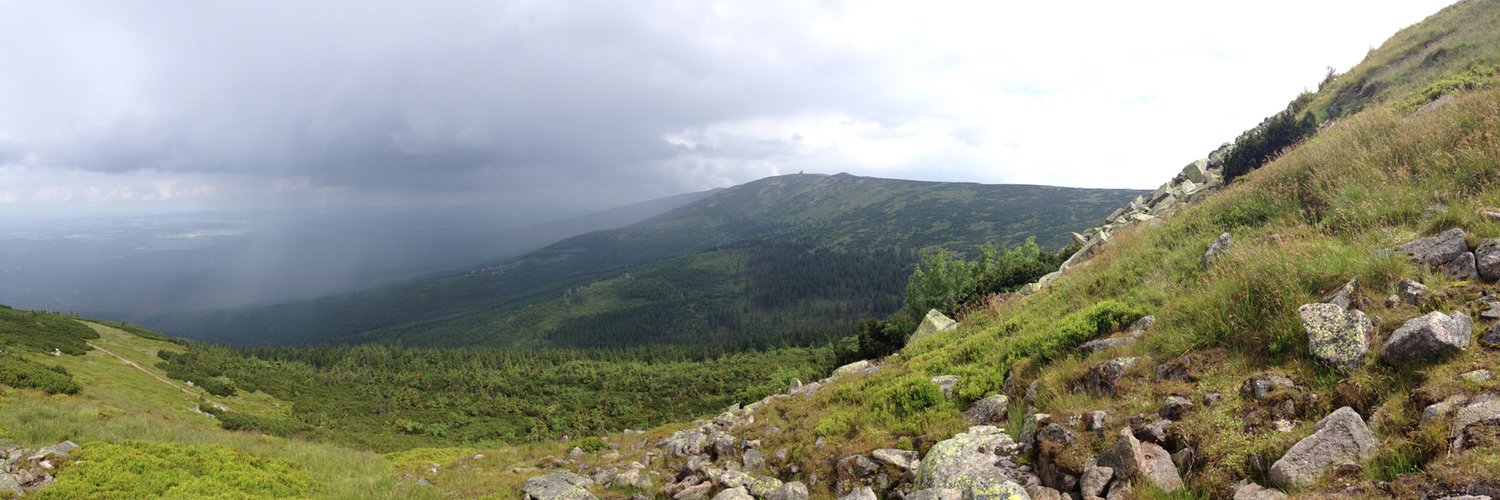
Kazimierz Nitsch ogłosił: „Wykład, co miał być w sobotę, nie odbędzie się”. Studenci dopisali pod ogłoszeniem: „Mówi się, który miał być, a nie, co miał być”. Profesor i dodał: „Panno święta, co jasnej bronisz Częstochowy... Studenci:”Co wolno Mickiewiczu, to nie tobie Nitschu”




The photograph of prisoners climbing the “Stairs of Death” at Mauthausen shows one of the most brutal killing mechanisms of the German camp system. Men were forced to haul granite blocks up 186 steep steps, each climb a battle against exhaustion, starvation, violence, and deliberate cruelty. Many collapsed; many were shot; others were pushed to their deaths. Mauthausen was built for “extermination by labor,” the harshest Category III classification, intended for prisoners the Reich meant to annihilate. In public memory, Mauthausen is often associated mainly with Jewish suffering, and Jewish prisoners indeed endured horrific treatment there. But the fuller truth is that Poles formed the largest victim group in the camp complex, especially between 1940 and 1943. Around 47,000 Poles passed through Mauthausen, more than any other national group, and significantly more than the approximately 38,000 Jewish prisoners (Mauthausen-Gusen Memorial; USHMM). This does not lessen Jewish tragedy; it restores historical accuracy long obscured. Poles were targeted early, systematically, and in enormous numbers. Intellectuals, clergy, teachers, youth leaders, resistance members, and ordinary civilians swept up in mass round-ups were deported to Mauthausen as “incorrigible enemies” of the Reich. Many were worked to death in the quarries, beaten, shot at the so-called “parachutist wall,” or collapsed on the stone steps carrying loads no human being could endure. Survivors describe a level of cruelty toward Poles that combined racial hatred with political vengeance. Yet this scale of Polish suffering is rarely acknowledged in the West. Cold War politics and simplified narratives pushed Polish victimhood to the margins, even though Poles were central to the population, labor system, and mortality of the camp. Knowing this changes how we see that famous photograph. Many of the men climbing those steps were Polish teachers torn from classrooms, teenagers arrested for underground activity, priests seized in the AB-Aktion, Home Army members betrayed and deported, or civilians taken randomly from Polish city streets. They carried not only granite but the weight of a nation the Germans sought to destroy. Restoring Poles to the memory of Mauthausen and the German genocide does not diminish anyone else’s suffering. It honors the truth: the Polish tragedy was immense, and Poles were among the primary victims of German terror. Jewish, Polish, Roma, Czech, Soviet POW’s and other prisoners endured the same boots, the same dust, the same merciless system of annihilation. To elevate one group’s tragedy by diminishing another distorts history and risks returning to the mindset that divided human beings into categories of worth. Every victim of the German occupation deserves equal remembrance, because every life mattered.

Die Polen bloß nicht verärgern Tino. Mit unserer militärischen Bereitschaft wären sie schon am Dienstag in Düsseldorf.


80 lat temu - w czerwcu i lipcu, miały miejsce tzw. „dzikie wysiedlenia” Niemców z powiatów nadgranicznych dokonane przez (Ludowe) Wojsko Polskie. Objęły one m.in moją wieś choć to u nas, aż do maja 46 r., trzymano młynarza wraz z rodziną. Najdłużej w powiecie