Mark Hansen | Second Comma

6.3K posts

Mark Hansen | Second Comma banner
Mark Hansen | Second Comma

Mark Hansen | Second Comma

@MarkDoesMoney

I help $1M–$10M owner-operators uncover growth-driven blind spots Clear scoreboards. Smarter owner pay. Fewer tax surprises. Free guide ↓

DFW Metroplex Katılım Kasım 2022
460 Takip Edilen485 Takipçiler
Sabitlenmiş Tweet
Mark Hansen | Second Comma
Mark Hansen | Second Comma@MarkDoesMoney·
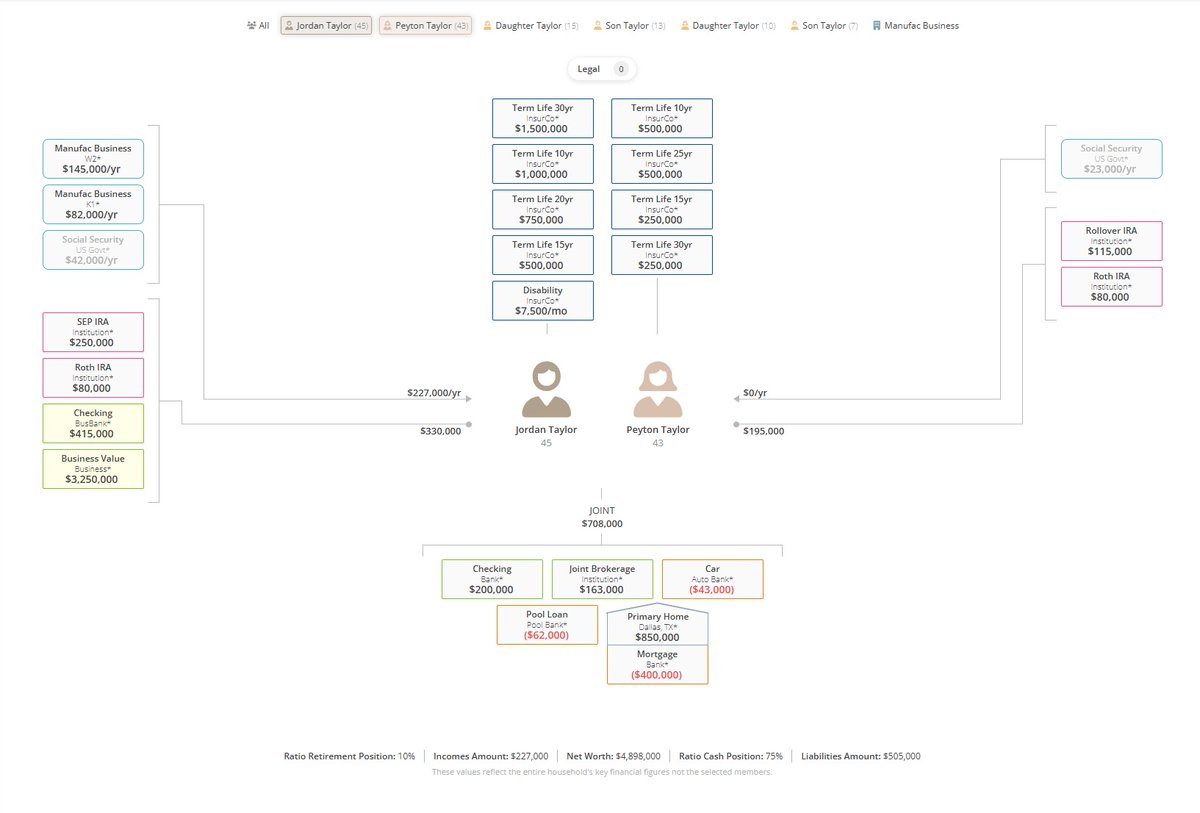
From the outside, your business may look solid. Inside, the whole financial picture lives in your head. What’s safe to pay yourself. What you owe in taxes. What’s sitting in savings. What debt is creeping up. What insurance is missing. What happens if one bad month hits. That works for a while. Until April punches you in the face. ..or payroll gets tight. ..or you realize you’re making decisions from memory instead of numbers. That’s the trap for a lot of owner-operators. Not failure. Fog. You’re busy. Revenue is moving. But the picture is blurry. And when the picture is blurry, every decision can feel heavier than it should. An Asset-Map helps get it out of your head and onto one page. So you can see: - what you own - what you owe - how everything connects And if you can see where everything is, you can start to see where the gaps are. Not in five tabs. Not in your notes app. Not in the running spreadsheet in your brain. On one page. Because clarity changes how you decide. What to keep. What to fix. What to protect. What you can actually afford to do next. There’s an example attached so you can see what an Asset-Map looks like. If you’re an owner-operator and you want a clearer view of your financial life, start your free Asset-Map here: app.asset-map.com/i/OaVVwLaQ You can get a working picture in as little as five minutes. ----- 👇 Regulatory stuff 👇 2751 Teakwood Ln Plano TX 75075 Securities offered through Cetera Wealth Services, LLC, member FINRA/SIPC. Advisory Services offered through Cetera Investment Advisers LLC, a registered investment adviser. Cetera is under separate ownership from any other named entity.
Mark Hansen | Second Comma tweet media
English
0
0
0
30
Mark Hansen | Second Comma
Mark Hansen | Second Comma@MarkDoesMoney·
What if your next tax bill could actually improve your investment portfolio? I spoke with a client who needed cash for a looming five-figure tax payment but didn’t want to drain the everyday cushion in their checking account. Instead of scrambling, we treated the withdrawal as a chance to prune the portfolio: - we sold positions that had run their course - we sold a few that lagged Sometimes you catch a fish, sometimes you catch your bait, and sometimes you lose your 3rd jig in that same dang cedar tree that just hangs over the water a little too much.. What were we talking about? Oh yeah.. In a brokerage account, harvested gains and losses offset each other, so the client was able to receive the cash with little to no additional tax impact (while the remaining investments stayed aligned with current goals). Tax season doesn’t have to feel like writing a check into a void. With planning, it can be the built-in reminder to: - rebalance - harvest losses, and - keep your money focused on what’s next
Mark Hansen | Second Comma tweet media
English
0
0
0
6
Mark Hansen | Second Comma
Mark Hansen | Second Comma@MarkDoesMoney·
“Should I just wipe out my car loan?” A client asked me this in a review meeting, eyeing a rate just over 6%. We used Asset-Map to browse through sources of cash together: plenty of cash sitting idle, but several big expenses on the horizon. What did we decide? Instead of draining liquidity, we decided to move everything above [a comfortable cushion] into a high-yield savings account hoping to earn a little over inflation. Why? Because he wanted money that stays fully accessible. Putting that money to work will spin off interest each month. He’s routing those dollars straight to the loan principal, trimming the payoff schedule without touching his emergency fund. Same cash. Added breathing room. An extra layer of return directed at the debt. Sometimes the smartest way to pay something down is to let your own money help foot the bill. You can tell me why you hate this strategy, but you have to do it via interpretive dance.
Mark Hansen | Second Comma tweet media
English
0
0
0
7
Mark Hansen | Second Comma
Mark Hansen | Second Comma@MarkDoesMoney·
We should focus on inputs because responsibility lies in what we choose to do, while outcomes serve as feedback to inform us—not as proof that we control reality.
Mark Hansen | Second Comma tweet media
English
0
0
0
1
Mark Hansen | Second Comma
Mark Hansen | Second Comma@MarkDoesMoney·
I keep running into owners getting tricked by the P&L. It says “profit,” so they assume there’s money to take home. But profit can exist while cash is gone.. sitting in receivables, stuck in timing games, or already promised to fixed obligations. Here’s the rule that clears the fog: the business isn’t “making money” unless recurring operating cash inflows cover recurring operating outflows (+ a margin for error) Not financing. Not one-offs. Not shifting a sale into next month to make the chart look better. Then we can finally get to the owner comp piece. Owner profit ("distributions") can’t be a leftover.. an afterthought.. That's NOT why you started your company. It has to start as a defined claim (of revenue for the owner), but it becomes an illegitimate claim if the cash on hand can’t cover the fixed obligations first. Rent. Payroll. The real “must pays.” Not lifestyle stuff you’ve parked on the company card (even if accidentally). If this hits home, take five minutes today and ask: can you tell the cash story of the last 30 days without guessing? If not, what would you change so that next month you can?
Mark Hansen | Second Comma tweet media
English
0
0
0
6
Mark Hansen | Second Comma
Mark Hansen | Second Comma@MarkDoesMoney·
Dinner. 5:15 PM. I was home. Five plates on the table, two kids talking over each other, one deep laugh filled the room because someone told a joke. That’s when I knew: this is why we built Second Comma. The real test of a business? If you're asking me, it's whether you're there for dinner. Five years before this particular evening, I thought growth meant 9 PM emails and weekend work sessions. I missed too many bedtimes. Then we rewrote the rules. At Second Comma, we designed around downtime. We cut evening calls. Blocked off weekends. Banned "work chat" after 6. My calendar ends at 3 PM most days, and there's no plan to change.' Now we track two things: revenue lines and dinner-time logs. In episode two of my podcast, The Quiet Part, I break down our redesign: the weekly schedule template, the hiring filters, the metrics we swapped. The WHY of working this way. Listen here: Apple: buff.ly/UEfGAcZ Spotify: buff.ly/6gyOnML Your business can scale (and still let you shut your laptop by 3 PM). That’s not indulgence. It’s infrastructure.
Mark Hansen | Second Comma tweet media
English
0
0
0
6
Mark Hansen | Second Comma
Mark Hansen | Second Comma@MarkDoesMoney·
Tax Planning for business owners (the potential difference between keeping wealth & losing it) For business-owning families, taxes aren’t just an expense.. it could be one of your biggest wealth levers. You’re either strategic about taxes… or you’re losing money you didn’t have to. Here’s how to: -stop overpaying, -keep more of what you earn, and -build lasting wealth. 1️⃣ Tax Awareness: see the whole picture Many business owners think "saving on taxes now" is the goal. Wrong. Taxes don’t just impact this year’s numbers. They shape your long-term financial future. The smartest business owners ask: -What’s the impact of my tax strategy over 10+ years? -Am I trading small wins today for huge tax burdens later? Biggest mistake? Only thinking about this tax year instead of your entire financial timeline. 2️⃣ The Holistic Approach: every decision has a potential tax consequence Every financial move (i.e., investments, retirement savings, business structure, estate planning) affects your tax bill. The best tax planning happens when you connect the dots. Good questions to ask: -How does my investment strategy affect my tax bracket? -Should I take more deductions now or push income into a lower-tax future? -Am I structuring my business to minimize taxes long-term? If you don’t approach taxes holistically, you’re playing checkers when you should be playing NFL football. 3️⃣ Tax Efficiency: maximize after-tax returns Making money is great. KEEPING IT is the real challenge. Tax-advantaged strategies = more wealth staying in your hands. Tax-advantaged accounts to shield earnings. Tax-loss harvesting to offset gains and reduce liabilities. Long-term tax efficiency > short-term tax "wins". The question isn’t how much you make. It’s how much you KEEP. 4️⃣ Long-Term Perspective: don't let short-term savings cost you millions long-term A common trap: Focusing on minimizing today’s tax bill instead of long-term optimization (think your Lifetime Tax Bill). Example: -Business owners aggressively expense everything to reduce taxable income.. but this lowers reported earnings, potentially making financing & business valuation harder. See how there's more to consider? Your tax strategy should serve your bigger financial picture. Smart tax moves now → fewer headaches later. THAT is the goal. 5️⃣ Retirement Planning: avoid the tax bomb later Your retirement withdrawals will be taxed. The question is: at what rate? You can plan for: -Strategic Roth conversions to pay taxes when rates are lower. -Diversified tax buckets (pre-tax, Roth, after-tax) to control your future tax bill. -Avoiding unnecessary penalties by knowing withdrawal rules. The difference? Tens (or hundreds) of thousands saved in unnecessary taxes. Pay every penny you owe. Just don't leave a tip. 6️⃣ Estate Planning: preserve wealth, minimize tax losses If you don’t plan for estate taxes, the government can get an even bigger inheritance than your family. -Gifting strategies to pass wealth tax-efficiently. -Trusts & business structures to minimize estate taxes. -Life insurance planning to cover unexpected liabilities. The goal? Your wealth goes where YOU want it—not where the IRS does. 7️⃣ Regular Reviews: tax laws change and so should your strategy A tax plan from five years ago might be costing you today. -Review your tax situation annually. -Adjust to new tax laws & business growth. -Optimize deductions, credits, and entity structures. Staying proactive = compounding financial wins over time. Don't forget you might be able to go back and re-file, too! 8️⃣ Professional Guidance: stop guessing to start winning Your CPA isn’t just for filing taxes. They’re a potential wealth-building partner ALONGSIDE your financial planner - get them in the same room! -They see what you don’t. -They save you from costly mistakes. -They help structure your business & investments for max efficiency. The ROI of great tax planning? -Tens to hundreds of thousands saved. -More financial freedom, less tax stress. The Bottom Line? Business owners who ignore tax strategy leave money on the table. Those who optimize can keep more, grow faster, and build generational wealth. Your financial success isn’t just about making money. It’s about keeping it.
Mark Hansen | Second Comma tweet media
English
0
0
0
4
Mark Hansen | Second Comma
Mark Hansen | Second Comma@MarkDoesMoney·
The good news? It’s YOUR cash flow. The bad news? If you don’t control it, it WILL control you. You have two choices: 1️⃣ Tackle "20 little problems"—cutting subscriptions, skipping lattes, micromanaging every dollar. 2️⃣ Fix "2 big problems"—optimizing income and eliminating the biggest financial leaks. Most people focus on the small stuff. They stress over $5 expenses while ignoring the $5,000 decisions. But the real key to financial control? Focusing on the moves that actually move the needle. Why Most People Stay Stuck: -They think small—obsessing over expenses instead of increasing income. -They avoid big decisions—because they feel overwhelming. -They believe financial control = tracking every dollar (it doesn’t). The fix? The Cash Flow Banquet method. -Identify your biggest financial leaks. (Not the small ones—the BIG ones.) -Focus on high-impact moves. (Raising income > stressing over coffee.) -Create a system where money works FOR you—not the other way around. 🎧 In Episode 4 of The Quiet Part, we break down The Cash Flow Banquet—a strategy for taking full control of your cash flow without obsessing over every penny. Take a listen to this clip and hear why financial control is about priority, not perfection. Then, join in for the full episode here: 👇👇 --Pick your flavor-- 👂on Apple: buff.ly/mNKdgZs 👂on Spotify: buff.ly/QM8zEvy
Mark Hansen | Second Comma tweet media
English
0
0
0
5
Mark Hansen | Second Comma
Mark Hansen | Second Comma@MarkDoesMoney·
Stop budgeting blind. Three numbers tell you what’s real. Inventory comes first: • Pay: After-tax income from your last two paychecks • Spending: A month of bank and card transactions • Net worth: Assets minus debts, all in one place This could be a Google Sheet. A folder of PDFs. A scratched-up notebook labeled 'Money Stuff.' I have been there. I've made decisions without full awareness. I've also opted to not REPEAT. Not knowing cost me, and I know it can cost me again if I slip back into that same place. You? You don’t need to fix anything yet. First, look. Then decide.
Mark Hansen | Second Comma tweet media
English
0
1
0
73
Mark Hansen | Second Comma
Mark Hansen | Second Comma@MarkDoesMoney·
The most dangerous financial plan? A flawless spreadsheet no one believes in. I met a couple who had their budget dialed in. Every row labeled. Every column tracking. Every debt, each expense. Down to the penny. They still felt stuck. Every month ended with confusion and stress (even though the math added up). It didn’t translate to real life. They didn’t need a new formula. They needed names that made sense to them. Their “Food” line became: - $X/week for lunches to keep ENERGY UP - $Y/month for date nights to RECONNECT - $Z/week on organic food to FEEL HEALTHIER Once they named what mattered, they stopped fighting about spending. They started making decisions on purpose. Sometimes cell D5 doesn’t tell the whole story. Second Comma helps clients design plans they’ll actually follow, because they recognize themselves in the numbers. Finally. A spending plan that you plan to spend because it aligns with your internal motivations.
Mark Hansen | Second Comma tweet media
English
0
0
0
11
Mark Hansen | Second Comma
Mark Hansen | Second Comma@MarkDoesMoney·
Knowing of your cash flow ≠ controlling your cash flow. You can track every dollar… and still feel broke. You can know exactly what’s coming in… and still be drowning in expenses. Why? Because knowledge alone doesn’t fix cash flow chaos. The Truth About Cash Flow: -Awareness is NOT control. Knowing your numbers doesn’t mean you’re making the right decisions. -Tracking ≠ Strategy. Say it with me: "Tracking is not a strategy." You can track every transaction, and still overspend every month. -Planning > Reacting. Most people manage cash flow after the fact instead of setting clear rules up front. The biggest mistake (the one I see over and over again)? Thinking "I know where my money is going" is enough. If your cash flow is still chaotic, knowledge isn’t the problem. Lack of DIRECTION is. How to Fix It: -Assign every dollar a job BEFORE it hits your account. Cash flow planning isn’t just about numbers—it’s about habits. Set rules that force discipline: fixed expenses > saving > variable expenses. 🎧 In Episode 4 of The Quiet Part, we break down The Cash Flow Banquet—a framework for turning cash flow from chaos into control. Join in for the full episode here: 👇👇 Pick your flavor 👂on Apple: buff.ly/hu4WfFQ 👂on Spotify: buff.ly/VJz7uTe
Mark Hansen | Second Comma tweet media
English
0
0
0
8
Thomas Kopelman 💵
Thomas Kopelman 💵@TKopelman·
"Don’t contribute to your 401(k), you can't touch the money until you're at least 59.5" A common thing I hear, but it couldn't be less true Here's how to access money in your 401(k) before retirement (without penalty):
English
5
4
43
30.4K
Mark Hansen | Second Comma
Mark Hansen | Second Comma@MarkDoesMoney·
Most people don’t think about an emergency fund until they desperately need one. Then it’s too late. Financial storms don’t come with warnings. A busted water pipe, a sudden job loss, or a medical bill can throw everything off course if you aren’t prepared. But, let’s break it down. 1/ Why an emergency fund? Life has surprises. Some great (birthday cake) and some expensive (car breakdowns, unexpected medical bills, home repairs). An emergency fund isn’t about “if” you’ll need it. It’s about WHEN. The goal? -Avoid panic mode when an unexpected bill hits. -Protect your financial plan instead of wrecking it with last-minute debt. -Maintain control instead of reacting to every financial curveball. 2/ Understanding the basics An emergency fund is not a luxury.. it’s a necessity. But let’s be clear: -It’s NOT for vacations. -It’s NOT for impulse buys. -It’s NOT for that thing you “really, really want.” -It’s NOT for impatience when waiting on a paycheck. It’s your financial airbag; there when you need it, untouched when you don’t. 3/ How much should you save? One-size-fits-all advice doesn’t work. Your emergency fund should be tailored to your life. Here’s a general rule of thumb: Dual W2 income? 3-6 months of expenses. Single W2 or 1099 income? 6-9 months. Business owner? 9-12+ months. -and the business should have one, too! If your income is unstable, commission-based, or seasonal, lean toward the higher end. Now, let’s talk about how to actually build it. 4/ Start small. But start. If saving 6+ months of expenses feels overwhelming, don’t freeze. Start here: -Get something in the account.. $500.. $1,000.. whatever you can. -Then aim for 5% funded → 10% → 20%. -Small wins build momentum—just get started. Even $1,000 in an emergency fund makes a huge difference when life throws a curveball. 5/ Automate & build consistently The best way to build an emergency fund? Make it automatic. -Treat it like a bill; a non-negotiable expense every month. -Set up automatic transfers, so you save before spending. -Reallocate once it’s built (after hitting your goal, shift focus to investing). Consistency wins. Set it, forget it, and watch your safety net grow. 6/ Where should you keep it? Your emergency fund should be: -Easily accessible (not locked up in investments). -Separate from your checking account (so you don’t “accidentally” spend it). -Earning something (high-yield savings accounts are a great choice). Probably don’t bury it in the backyard. 7/ Reality check: Are you covered? Ask yourself: -If a major expense hit tomorrow, could I cover it without debt? -How much of my monthly budget can I redirect to my emergency fund? -Am I one emergency away from financial stress? If your answer makes you uncomfortable, it’s time to take action. 8/ Review & adjust as life changes Building an emergency fund isn’t a one-time task. -Review it annually—as your expenses grow, your fund should, too. -Adjust after major life changes—new job, new home, kids, etc. -Reassess your risks—today’s safety net might not be enough tomorrow. Stay proactive, not reactive. Your future self will thank you. Final thought: The best time to build an emergency fund was yesterday. The second-best time is now. Take action. Start small. Be consistent. Your financial future depends on it. What’s one thing you can do today to strengthen your emergency fund? Drop your thoughts below.
Mark Hansen | Second Comma tweet media
English
0
0
0
8
Mark Hansen | Second Comma
Mark Hansen | Second Comma@MarkDoesMoney·
From scattered statements to a working plan. One client avoided their money apps. Four logins. A brokerage here, a legacy 401(k) there, a rental valued by gut. Business cash flow spiked and dipped. College savings nagged. Every move felt like a coin flip. We booked a whiteboard session. One hour. Virtual. We pulled everything out at once: Drew boxes for every account, business and personal Sketched arrows for cash flow: invoices in, payroll out, taxes quarterly Lined up goals on a simple timeline: 12 months, <3 years, 3+ years Marked risks: too much in one stock, too little in reserves, rent dependence Seeing it all together changed the conversation. Patterns popped. Redundancies showed. But this time.. we weren’t guessing. We were sorting. What came out of the room: -One-page map of every dollar and its job -Target allocation by account, not just overall -Simple guidlines: -- when we rebalance -- what triggers action -- what we ignore -Consolidation steps for the orphan 401(k) -Cash buckets for the next 12 months of personal and payroll needs -A tax sequence: which account to fund or tap first this year -Quarterly 30-minute reviews booked for the calendar you already live by The result was more than a tidy portfolio. Fewer tabs. Fewer “should I?” moments. They knew which account to use first, why it saved taxes now, and what would make us shift course. Owner-operators feel this TWICE. Business rhythms hit family goals. Quarterly estimates collide with payroll and 529s. Without a shared picture, the default is random. The rules we set together: - Fund the buffer first: 6 months of operating expenses + 6 months of household needs - Automate what compounds; calendar what requires judgment - Rebalance by thresholds, not vibes - Taxes dictate sequence; goals dictate risk One page beats ten dashboards You don’t need more accounts. You need one clear picture and the few rules that run it. If you want your money to match the life you’re actually living, let’s whiteboard it. One session. One map. One plan you can hand to your future self.
Mark Hansen | Second Comma tweet media
English
0
0
0
34
Mark Hansen | Second Comma
Mark Hansen | Second Comma@MarkDoesMoney·
A booming business can still burn you out. One client ran a wellness studio. On paper, she was thriving. Classes full, clients waiting, revenue strong. But behind the scenes? Invoices stacked, cash flow tangled, and payroll barely scraped together every two weeks. She’d tried to do it all herself. The systems weren’t the real problem; doing everything alone was. We worked together to restructure how she spent her time, simplify her booking and billing workflows, and install a high-level business dashboard. Within six months, stress down. Profit up. She stopped dreading Mondays. If you’re steering the ship solo, it doesn’t mean you have to build the map alone. Sometimes, the best thing to help you see through the fog is an outside perspective from someone who is just far enough away that they aren't affected by it. At Second Comma, we call that a CLARITY Sprint. 12 weeks start to finish. A new playbook to run.
Mark Hansen | Second Comma tweet media
English
0
0
0
9
Mark Hansen | Second Comma
Mark Hansen | Second Comma@MarkDoesMoney·
Budgeting often feels like trying to stack cards in front of an oscillating fan. Unexpected medical bill? Collapse. Work slowdown? Chaos. Missed subscription charge? Back to square one. Most budgets fail because they fight reality: – Rigid rules ignore how life actually goes. – They focus on cutting, not allocating. – And they chase receipts instead of guiding choices. Instead, flip the script: manage cash flow. A good system assigns your dollars before they leave. It reacts to real life. It puts you in control (VS a system where you're at the mercy of your expenses). In Episode 4 of The Quiet Part, we introduce the Cash Flow Banquet: a framework built around flexible categories, automated flow, and a review rhythm you can stick with. Hear how it works—and why traditional budgeting doesn’t—right here: Listen on Apple: buff.ly/F7dy62o Listen on Spotify: buff.ly/zfnNmQx Question for you: Where does budgeting trip you up most?
Mark Hansen | Second Comma tweet media
English
0
0
0
6
Mark Hansen | Second Comma
Mark Hansen | Second Comma@MarkDoesMoney·
Debt isn’t doom. It’s horsepower (if you steer it right). Jennifer runs Flour Power, an organic bakery. Business was good, but orders outpaced her kitchen. She needed new equipment to grow.. but that meant debt. Risky? Sure. But she ran the numbers, made a plan, and borrowed with INTENT. That loan funded new ovens and a bigger mixer. Now she turns out gluten-free pastries twice as fast. Her monthly revenue? Up 30% in six months. This is the shift: Debt isn’t a red flag. It’s a tool. It is not a trophy. Used right, it can fuel projects, upgrade capacity, and unlock scale. Be done with fear-based decisions. Start with the numbers. Borrow for a purpose.
Mark Hansen | Second Comma tweet media
English
0
0
0
17
Mark Hansen | Second Comma
Mark Hansen | Second Comma@MarkDoesMoney·
An estate plan doesn’t just answer hard questions. It can prevent hard consequences. If you pass without a plan: - Bank accounts can freeze for months. - A judge (not your family!) might decide who gets what. - Heirs may owe tens of thousands in unnecessary taxes. All that? Preventable. Here’s what a real plan covers: - What you own + how it's titled - Who should inherit it, when, and how - Clear instructions to avoid disputes Top misconceptions: 1. “I don’t have enough to need a plan.” → If you own a car, a home, or even just an account, you have an estate. 2. “A will is plenty.” → Without a trust or title plan, probate delays can stretch 6–9 months. 3. “My family knows what I’d want.” → Verbal wishes can be hard to hold up in court. The goal isn’t just passing on money. It’s passing on clarity, speed, and peace of mind. And a COMPLETE estate plan can help.
Mark Hansen | Second Comma tweet media
English
0
1
0
31
Mark Hansen | Second Comma
Mark Hansen | Second Comma@MarkDoesMoney·
Business owners chase business growth. But does that get the desired result? Sales go up. Hiring ramps. But without structure, succession, and financial foresight, the whole thing rests on YOU. And if it only works with you, it’s not a business—it’s a job. You can’t exit what only runs with you. You'll probably struggle to sell it too.. What happens without a long-term plan? Real outcomes we’ve seen: ❌ An LLC costing thousands a year in avoidable self-employment taxes ❌ A founder’s death with no succession.. leaving a spouse scrambling to find passwords and make payroll ❌ High revenue, low cash: team growing, bank balance shrinking Most mistakes don’t come from bad ideas. They come from waiting too long to plan. Here’s where it breaks: ❌ Picking an entity out of convenience, not strategy ❌ Postponing succession planning ❌ Confusing revenue with actual take-home profit ❌ Skipping legal and financial help in an effort to 'DIY it' Instead, build with the future in mind: - Choose structure based on tax strategy, liability, and growth (LLC? S-Corp? Depends on your goals) - Set up systems so your team—and time—aren’t all on you - Create a succession plan: sell, transfer, or step back without chaos - Use proactive tax and financial planning to capture value, not just chase volume Bottom line: A business is an asset (but only if it operates independently of you). Build it to run. Build it to last. Build it to sell (even if you're not selling yet).
Mark Hansen | Second Comma tweet media
English
0
0
0
14
Mark Hansen | Second Comma
Mark Hansen | Second Comma@MarkDoesMoney·
Dropping your fee to make the "yes" feel easier can backfire. If you run a business and carry the load yourself, cash flow pressure can push you to discount. It feels like the fastest fix. Yet it often does the opposite. Clients start to question the value. Your margin shrinks. And the person who pays the price is you (via skipped owner pay and more stress). Business owners told me a story: cut a $10K proposal to $5K - then watched the deal fizzle. The prospect said yes to someone else at full price. THAT was when they realized some clients want confidence over a discount. Hold your number. Your price reflects your process, not your personality or how you feel on a Tuesday. Pricing confidence comes from numbers you trust. Know your true cost to deliver, your gross margin by service, and the profit you need to run a healthy business. As a business owner, these are your figures to know and steward. With clear financial visibility, you can justify fair pricing, keep cash steady, and pay yourself on time - even when payroll is close. If you're tempted to discount to "fix cash flow," check the math first. A lower price rarely lowers your cost. It just pulls money out of margin and owner pay. I help business owners work through problems like this. If that's you, reach out. Otherwise, share some wisdom.. How do you keep your price when cash feels tight?
Mark Hansen | Second Comma tweet media
English
0
0
0
11