Maskani Ya Taifa 🇰🇪

183.6K posts

Maskani Ya Taifa 🇰🇪 banner
Maskani Ya Taifa 🇰🇪

Maskani Ya Taifa 🇰🇪

@Maskani254

A program by Inuka Kenya Ni Sisi! Leveraging online & offline spaces to drive civic action. Informed + activated citizens = transformation.

Kenya Katılım Nisan 2013
5.1K Takip Edilen50.2K Takipçiler
Sabitlenmiş Tweet
Maskani Ya Taifa 🇰🇪
Maskani Ya Taifa 🇰🇪@Maskani254·
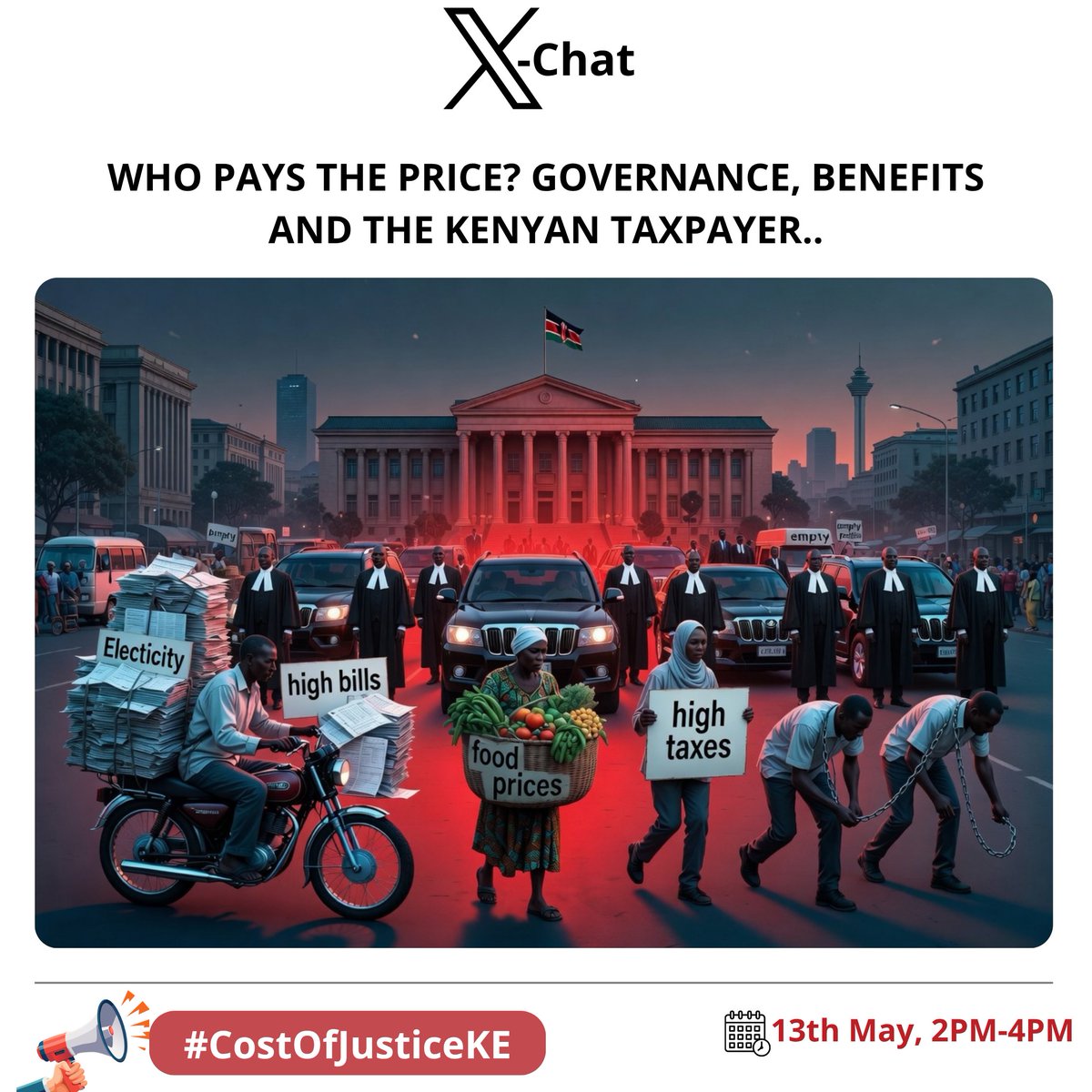
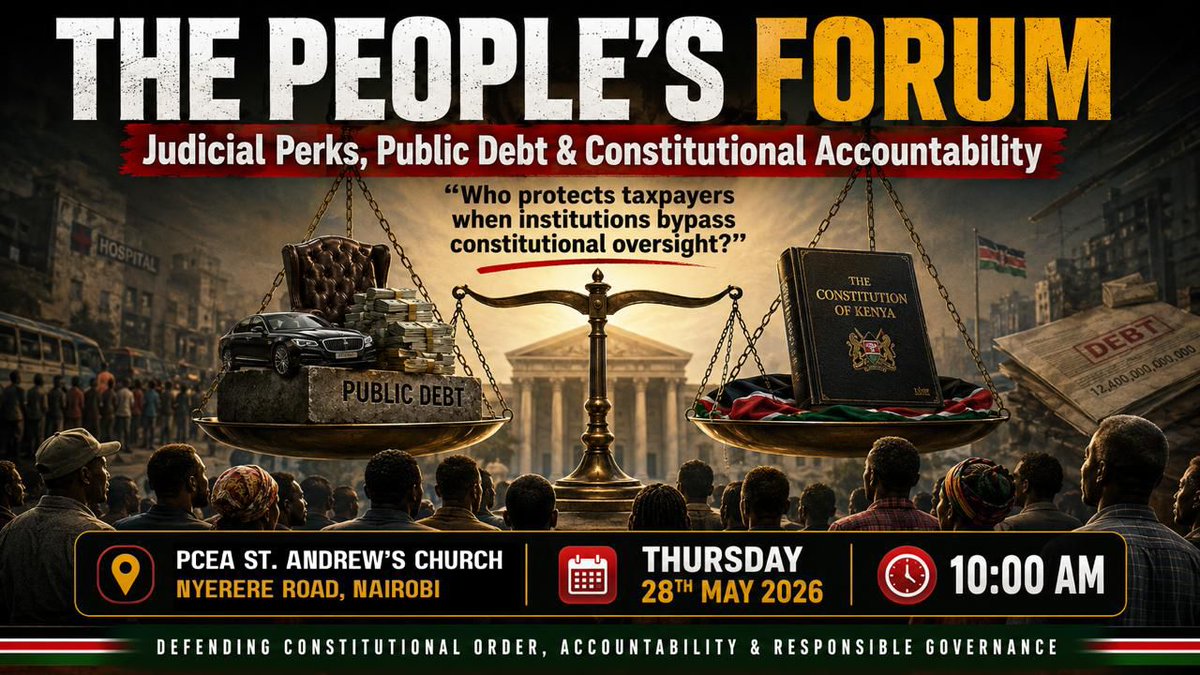
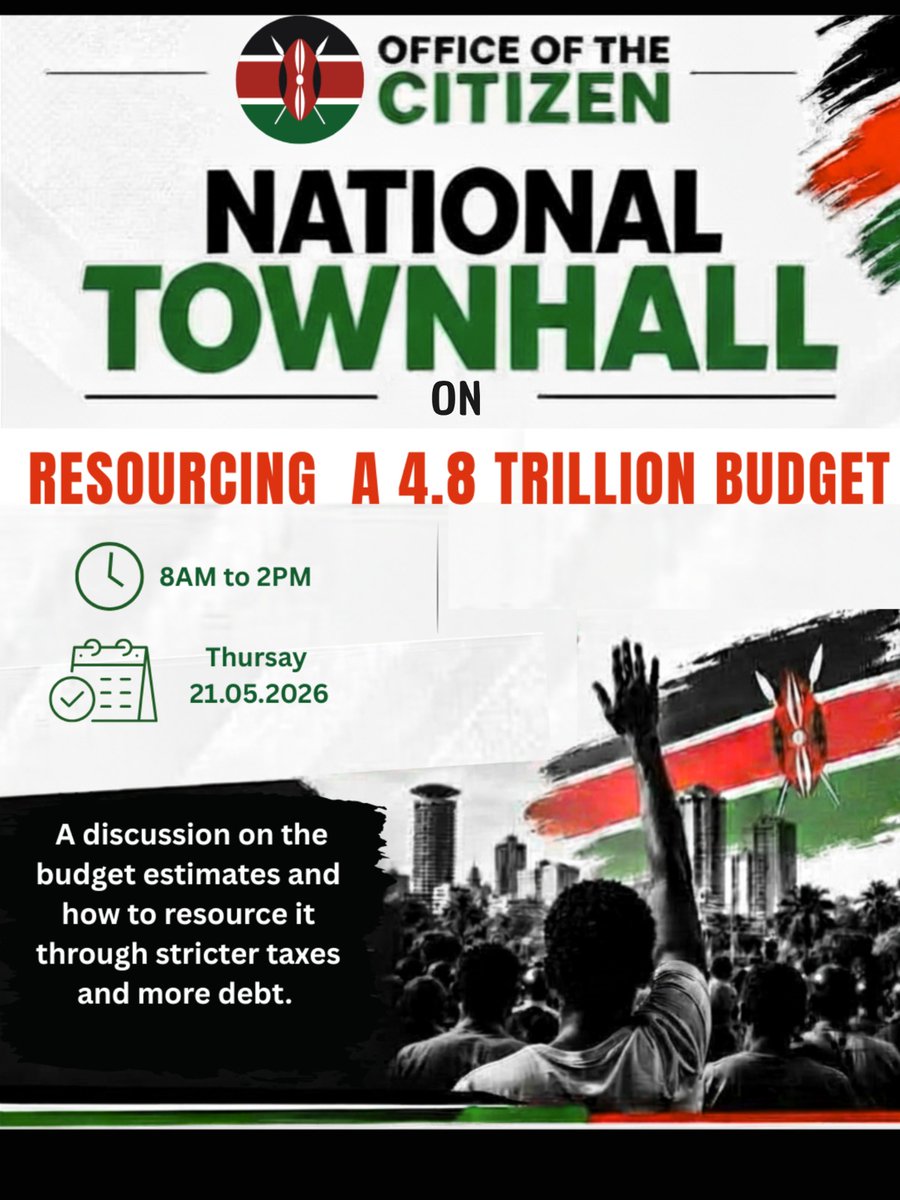
Over the past decade, Kenya’s public debt has risen sharply, driven by large infrastructure projects, fiscal deficits, and increasing reliance on external borrowing. Loans from multilateral institutions such as the International Monetary Fund and the World Bank, alongside commercial borrowing like Eurobonds, have significantly expanded the country’s debt obligations. While borrowing can support development, growing debt levels are raising concerns about fiscal sustainability, transparency, and the long-term burden on citizens. The national conversation on public debt has been growing, particularly around concerns that some loans may have been contracted without adequate transparency, parliamentary scrutiny, or meaningful public participation. This debate has been amplified by the “Odious Debt” Petition (Petition E216 of 2025), which challenges more than Sh6.9 trillion in loans acquired between 2014 and 2024. The petition raises critical questions about whether some borrowing may have bypassed constitutional safeguards and whether citizens should be responsible for debts that may not have clearly served the public interest. For many Kenyans, the debate around public debt is no longer abstract. Rising taxes, austerity measures, and economic pressure are increasingly linked to the country’s growing debt obligations. Yet citizens often have limited access to clear information about how loans are negotiated, approved, and used, leaving major financial decisions largely outside public scrutiny. At the same time, concerns persist about weak oversight mechanisms, gaps in transparency, and limited citizen participation in decisions about sovereign borrowing. Questions are emerging about whether debt-financed projects have delivered the promised economic and social benefits, and how Kenya can pursue development while avoiding unsustainable debt levels. The #CitizensDebtWatch campaign is a citizen-driven effort to spark informed public dialogue on odious debt, responsible borrowing, and public accountability. It encourages Kenyans to interrogate the systems that shape sovereign borrowing and to ask critical questions: 1. What makes public debt legitimate or illegitimate in Kenya? 2. Are oversight institutions effectively scrutinizing government borrowing? 3. What role should citizens play in monitoring debt-funded projects? 4. How can accountability be ensured if loans were contracted unlawfully? 5. How can Kenya finance development while maintaining a sustainable debt-to-GDP ratio? This campaign is not simply about debt; it is about democratic accountability and citizen oversight over decisions made in their name. Join us this Thursday from 2 to 4 PM as we engage citizens across the country in the national campaign #CitizensDebtWatch. Together, let’s deepen public understanding, demand transparency in borrowing, and strengthen citizen voices in shaping Kenya’s economic future. ✊🏾 #CitizensDebtWatch
Maskani Ya Taifa 🇰🇪 tweet media
English
49
66
75
3K
Maskani Ya Taifa 🇰🇪
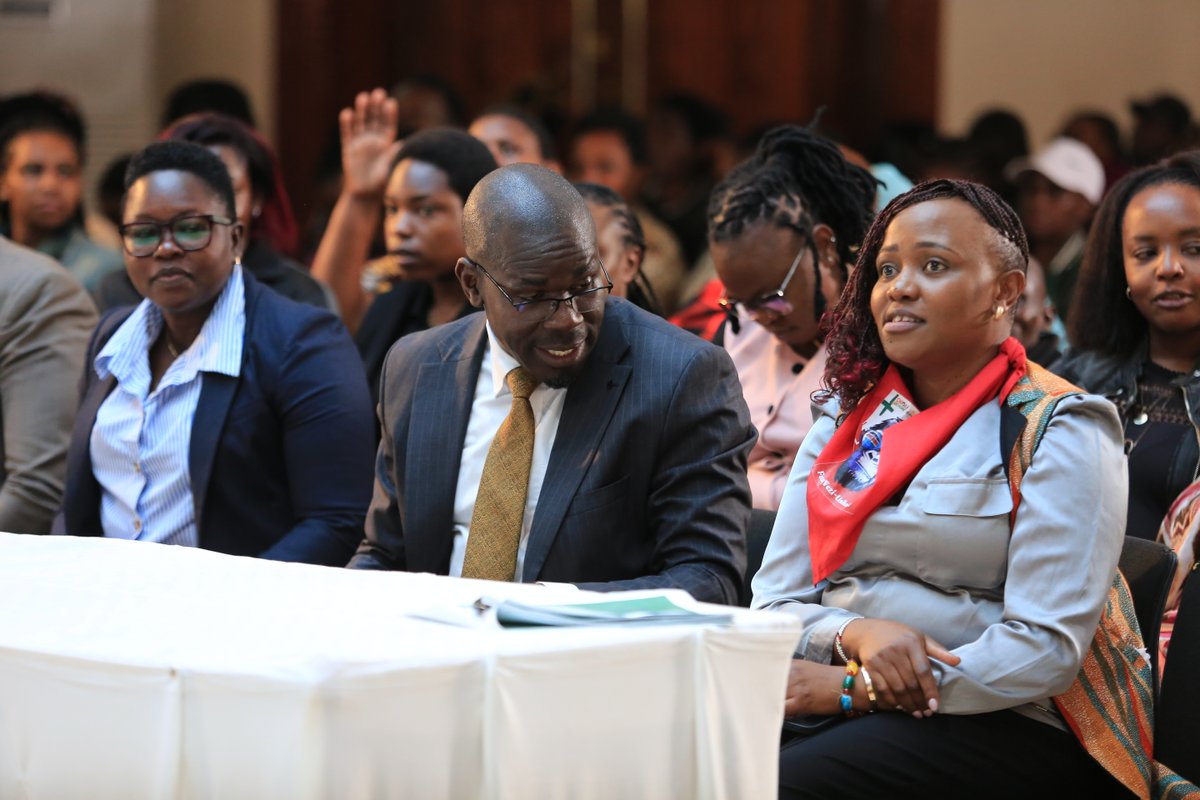
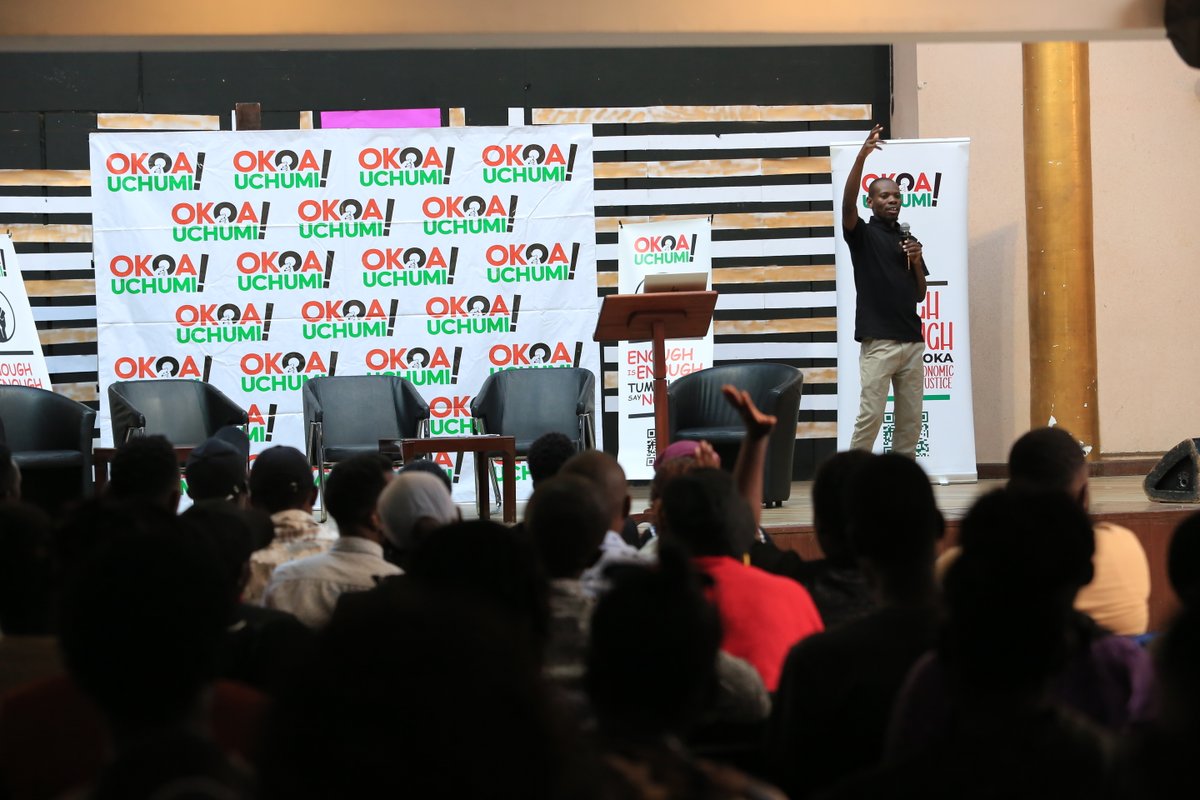
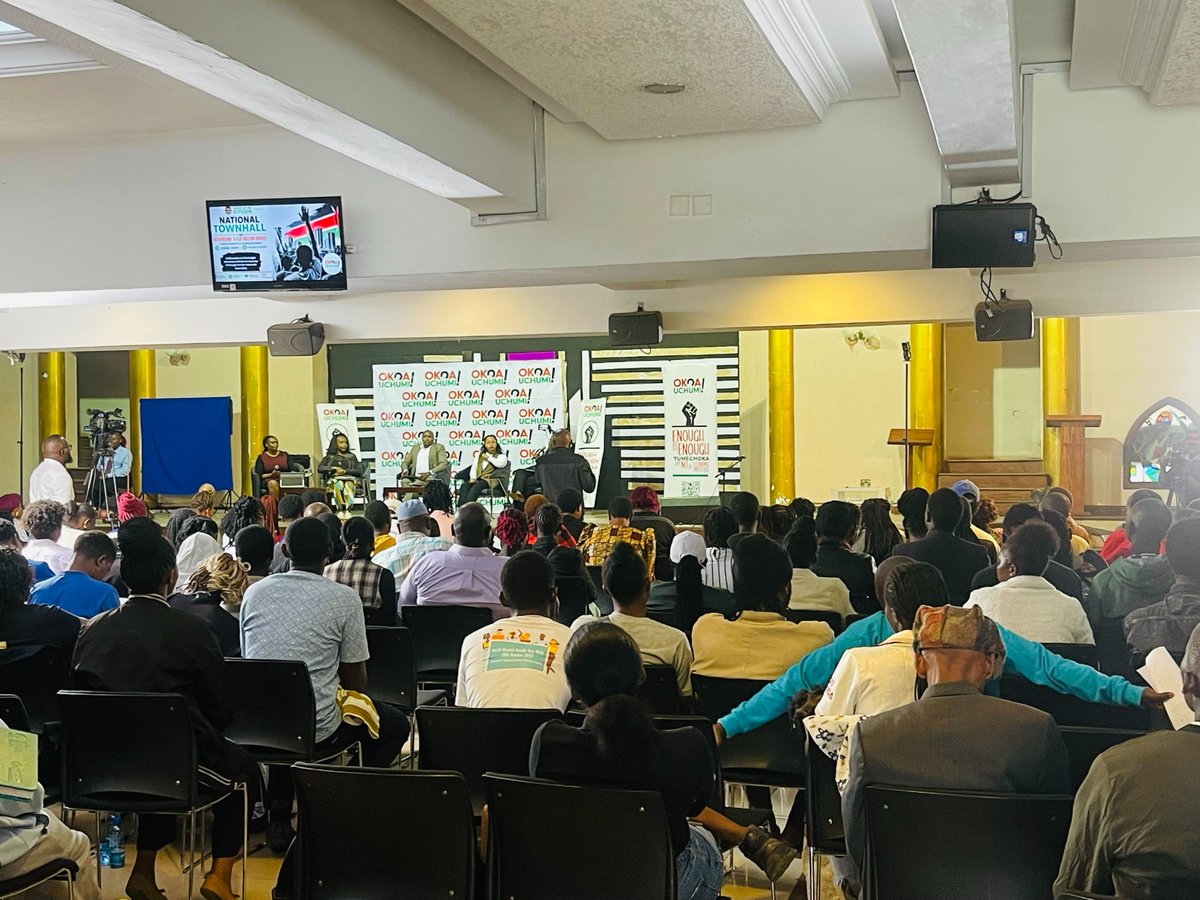
A key reflection from the discussions was that accountability doesn’t end at budget formulation,it must extend to implementation. There were practical examples shared from county experience: beyond participatory budgeting, citizens were actively involved in tracking projects on the ground. Community committees monitored implementation, and payments could not be processed unless citizens confirmed that work was satisfactorily completed. That model raises an important challenge for national governance: How do we make budgeting truly participatory not just in design, but in execution? Because the gap is clear. While frameworks for public participation exist, they remain weak or inconsistently applied at the national level. And without citizen oversight, public funds risk being absorbed into systems that lack transparency and accountability. The takeaway is simple but critical: Public participation must move from a checkbox exercise to a continuous process,where citizens not only shape budgets but actively track how every shilling is used. Only then can we begin to rebuild trust, strengthen accountability, and ensure that public resources deliver real value to the people.
Maskani Ya Taifa 🇰🇪 tweet mediaMaskani Ya Taifa 🇰🇪 tweet mediaMaskani Ya Taifa 🇰🇪 tweet mediaMaskani Ya Taifa 🇰🇪 tweet media
English
0
0
0
23
Maskani Ya Taifa 🇰🇪
Inuka Kenya Ni Sisi! is proud to be part of today’s convening on Constitutionalism, Term Limits & Public Debt Accountability in Africa, alongside key partners including Katiba Institute, NDI Kenya, Daystar University, and the African Network of Constitutional Lawyers in Nairobi. These conversations matter now more than ever, centering constitutional integrity, defending term limits, and advancing public debt accountability across the continent. Join the conversation live via Katiba Institute YouTube: youtube.com/live/C3KpfXfOL#AccountableGovernance
English
3
3
6
381
Maskani Ya Taifa 🇰🇪
Public Participation Alert! The deadline to submit memoranda on Kenya’s Supplementary Estimates No. I for FY 2025/26. The Parliament is inviting public participation on proposed additional spending and reallocations. #PublicParticipationKE
Maskani Ya Taifa 🇰🇪 tweet media
English
0
1
1
131
Maskani Ya Taifa 🇰🇪
The @KeTreasury has flagged widespread idle and underutilized public assets across Ministries, Departments and Agencies (MDAs), citing duplication, weak maintenance, and poor planning as sources of fiscal pressure. It has directed that: 1. Leasing of office space be restricted where government-owned facilities exist 2. MDAs identify, document, value, and commercialize idle land via PPPs, leasing, joint ventures, and development rights 3. Commercialization extend to rail and transport assets through concessions, station leasing, way-leaves, and tourism use 4. Shared infrastructure, co-location, and fleet pooling be adopted to reduce duplication 5. MDAs must submit compliance reports within 90 days
Maskani Ya Taifa 🇰🇪 tweet mediaMaskani Ya Taifa 🇰🇪 tweet mediaMaskani Ya Taifa 🇰🇪 tweet media
English
0
1
1
119
Maskani Ya Taifa 🇰🇪
Kicking off Day Two is the keynote address by Okiya Omtatah. He raises a critical concern: Kenya is steadily drifting from its constitutional path. Even as new projects emerge, local engineers remain sidelined while expertise is imported,driving up costs and weakening national capacity. At the heart of his argument is a deeper issue, the erosion of the state as a service provider. Development is no longer strictly guided by the budget approved by Parliament, but increasingly shaped by political pronouncements and ad hoc decisions. Referencing Sections 11 and 12 of the Public Finance Management Act, he underscores the role of the National Treasury in ensuring fiscal discipline and accountability,structures that are now being bypassed. The warning is clear: when planning is replaced by pronouncements, and institutions are undermined, public trust erodes, and so does the integrity of governance. Follow the conversation live on YouTube - youtube.com/live/E_JCXwtaP…
YouTube video
YouTube
Maskani Ya Taifa 🇰🇪 tweet media
English
0
0
0
37
Maskani Ya Taifa 🇰🇪 retweetledi
Inuka Kenya Ni Sisi!
Inuka Kenya Ni Sisi!@nisisikenya·
RESPECT AND GIVE HONOUR TO THE OFFICE OF THE PRESIDENCY @WilliamsRuto The conduct that continues to degrade the Presidency is appalling, an institution and symbol of national unity that belongs to all Kenyans, as espoused in Article 131 of the 2010 constitution. Article 73 of the Constitution is unambiguous; authority assigned to a State officer is a public trust. It must bring honour to the nation and dignity to the office. It vests in the office the responsibility to serve the people, not the power to rule them. We demand that the President and all political leaders exercise language, conduct, and leadership worthy of the offices they hold. Chapter 6 is not merely an ornamental chapter of the constitution but a guiding light for our leaders on their conduct in their political offices. The Presidency is not a personal platform. It is a constitutional trust. Kenyans require political hygiene from the top, and across all political actors Msisahau go register as voters form ni #TukoKadi @kawive @SheiMasinde @UraiaTrust @CRECOKenya @Pawa254 @njerikan @BoazWaruku @CMDKenya @Maskani254 @InformAction_KE @youthagenda254 @MartinOmwange
English
0
4
4
208
Maskani Ya Taifa 🇰🇪
Constitutionalism must be lived, not just written. Across contributions from Katiba Institute, NDI Kenya, and the African Network of Constitutional Lawyers, one message stood out, weak enforcement of term limits and opaque public debt practices continue to erode public trust and undermine democratic gains across Africa. From shrinking civic space to rising debt burdens passed on to citizens without transparency or consent, the cost of inaction is clear. Strengthening institutions, enforcing constitutional safeguards, and ensuring transparent, citizen-driven oversight of public borrowing is no longer optional,it’s urgent. #AccountableGovernance
Maskani Ya Taifa 🇰🇪 tweet mediaMaskani Ya Taifa 🇰🇪 tweet mediaMaskani Ya Taifa 🇰🇪 tweet media
English
0
4
4
221
Maskani Ya Taifa 🇰🇪 retweetledi
Katiba Institute
Katiba Institute@katibainstitute·
Symposium on Constitutionalism, Term Limits & Public Debt Accountability in Africa: Katiba Institute, in partnership with @TISAKenya, the National Democratic Institute (NDI) Kenya, Daystar University, and the African Network of Constitutional Lawyers (ANCL), will convene a Symposium on Constitutionalism, Term Limits, and Public Debt Accountability in Africa in Nairobi from 18–19 March 2026. The two-day convening will bring together scholars, legal practitioners, policymakers, civil society actors, Journalists and regional experts to examine emerging governance challenges across the continent and explore pathways to strengthen constitutional democracy and accountability. Across Africa, constitutionalism is under increasing pressure. Expanding executive power, the erosion of constitutional term limits, weakening rule of law, and rising public debt burdens are raising serious concerns about democratic governance. In several countries, constitutional amendments, strategic litigation, and shifting political dynamics are reshaping governance frameworks. The symposium will provide a platform for critical dialogue, knowledge exchange, and collaborative thinking on how Africa’s institutions, courts, civil society, and academia can safeguard constitutional governance while addressing growing fiscal and political pressures. The event will be streamed live by Katiba Institute, allowing broader participation from across the region and beyond. Learn more via: katibainstitute.org/event/symposiu… #AccountableGovenance
Katiba Institute tweet media
English
5
32
48
3.4K
Maskani Ya Taifa 🇰🇪
Today, Inuka Kenya Ni Sisi! convenes a two-day Intersectoral Leadership Retreat at a critical time for Kenya. As civic and political spaces continue to shrink and public trust in governance declines, this gathering brings together civil society leaders, youth and women-led movements, faith-based actors, independent media, digital rights defenders, and development partners to reflect and plan the way forward. Under the theme ‘Reconfiguring the National Agenda in the Context of Shrinking Civic and Political Spaces in Kenya,’ the retreat focuses on alignment, strategy, and collective action. From governance and human rights to economic justice and movement building, the goal is clear: to move from protest to organization, and from resistance to building a stronger and more democratic Kenya.” 🇰🇪
Inuka Kenya Ni Sisi!@nisisikenya

Today, Inuka Kenya Ni Sisi! convenes a two-day Intersectoral Leadership Retreat. At a time when Kenya faces shrinking civic space, growing public disillusionment, and deep governance challenges, this convening brings together civil society leaders, youth and women-led movements, faith-based actors, independent media, digital rights defenders, and key development partners to chart a new path forward. Guided by the theme: "Reconfiguring the National Agenda in the Context of Shrinking Civic and Political Spaces in Kenya," This moment is about more than dialogue; it is about alignment, strategy, and action. From politics and governance to human rights, economic justice, and movement building, the retreat seeks to transition from protest to organization, and from resistance to long-term democratic reconstruction. Because Kenya’s democratic future will not be negotiated in silence -it will be organized, protected, and sustained by its people. #Nisiske #KeshoYetu

English
0
2
6
140
Maskani Ya Taifa 🇰🇪 retweetledi
Inuka Kenya Ni Sisi!
Inuka Kenya Ni Sisi!@nisisikenya·
During his opening remarks, Dr. Kawive Wambua noted: CSOs framed Kenya’s national narrative in the 90s-forcing Moi to repeal laws & release political prisoners. From 2002’s ‘Moi Must Go’ to 2024 Gen Z protests, civic action has shaped history. As elections near, what is our narrative today?” #KenyaTetu
Inuka Kenya Ni Sisi! tweet media
English
0
3
6
212
Maskani Ya Taifa 🇰🇪
Who are the constituency officials and MPs linked to bursary irregularities uncovered by the audit led by Nancy Gathungu? Here is the breakdown of the officials named and the offences highlighted: 1. Aramat Lemanken – Narok East Offence: Bursaries issued to learners without filling application forms or undergoing vetting. 2. Benjamin Gathiru – Embakasi Central Offence:7,500 application forms issued, but 11,132 learners were awarded bursaries, suggesting allocations beyond the verified applicants. 3. Julius Mawathe – Embakasi South Offence:Sh62 million awarded to 3,131 youths for driving and cosmetology courses. And Funds disbursed without applications being submitted. 4. Innocent Obiri – Bobasi Offence:20 students from high-cost private institutions received bursaries ranging between about Sh3,000 and Sh160,000 each, raising concerns over targeting of needy learners. 5. John Kiarie – Dagoretti South Offence:21 students were overpaid, with excess bursary amounts ranging from Sh5,000 to Sh47,000. 6. Mary Maingi – Mwea Offence:“Special bursary” issued without application forms or vetting procedures. 7. Joshua Kimilu – Kaiti Offence:Political interference alleged in bursary allocation.Awards given to applicants from the same learning institutions. 8. Kenneth Kazungu – Ganze Offence:516 cases of multiple bursary awards recorded during the audit period. 9. Julius Sunkuli – Kilgoris Offence:No funds allocated for learners with special needs.Meanwhile 123 cases of multiple bursary awards were recorded. 10. Alfa Miruka – Bomachoge Chache Offence:671 cases of multiple bursary awards discovered during the review period. Key findings from the audit: 1. Some constituencies could not account for part of the Sh2.1 billion disbursed in one year. 2. The audit exposed irregular allocations, favoritism, duplicate awards, lack of vetting, and political patronage. These irregularities locked out many genuinely needy students from accessing bursary support.
Maskani Ya Taifa 🇰🇪 tweet mediaMaskani Ya Taifa 🇰🇪 tweet mediaMaskani Ya Taifa 🇰🇪 tweet mediaMaskani Ya Taifa 🇰🇪 tweet media
English
0
7
7
893
Maskani Ya Taifa 🇰🇪
The question is not whether prosecutions are happening,it’s whether they are working. As Samuel Kimeu underscored, the focus must shift from volume to value. Prosecutions are not mounted in a vacuum, each case signals the presence of some level of evidence. The real gap lies in outcomes, consistency, and ultimately, deterrence. So how do we move forward? 1. Build public confidence through transparency. Institutions must actively communicate the why behind their decisions, why cases are withdrawn, why acquittals happen, and what thresholds are applied. When the public understands the process, it reduces suspicion and restores legitimacy. 2. Strengthen investigations to support prosecutions. Weak cases collapse in court. Investing in evidence collection, forensic capacity, and case-building ensures that prosecutions are not just initiated, but sustained to conclusion. 3. Prioritize quality over quantity. It’s not about how many cases are filed, but how many result in credible, fair, and consistent outcomes. A few strong convictions can have more impact than dozens of weak prosecutions. 4. Enhance coordination across the justice chain. Breakdowns between investigators, prosecutors, and the judiciary weaken cases. A more synchronized system ensures continuity, coherence, and accountability. 5. Protect prosecutorial independence. Public confidence rises when prosecutions are seen as impartial, free from political or external interference. 6. Focus on deterrence as the ultimate goal As echoed in the spirit of John Githongo’s assertion, prosecution must bite The real success of the system is when potential offenders think twice, not because cases exist, but because consequences are certain. Right now, the public sentiment is clear: accountability feels distant. Rebuilding trust requires visible results, institutional courage, and a justice system that not only acts, but convinces citizens that it works.
Maskani Ya Taifa 🇰🇪 tweet mediaMaskani Ya Taifa 🇰🇪 tweet media
English
0
0
0
46
Maskani Ya Taifa 🇰🇪
Today, we joined Transparency International Kenya for a critical discussion on the analysis and impact of case withdrawals, acquittals, and the overall effectiveness of investigations and prosecutions in corruption cases in Kenya. The session unpacked systemic gaps within the justice chain ,from weak investigations and evidentiary challenges to prosecutorial inefficiencies, that continue to undermine accountability. It also explored how frequent case withdrawals and acquittals not only erode public trust but embolden impunity within governance structures. Led by Samuel Kimeu, the presentation provided a comprehensive breakdown of the study’s methodology and scope, offering a data-driven assessment of corruption case outcomes across institutions. Key findings highlighted persistent institutional weaknesses, lack of coordination among oversight bodies, and the urgent need for reforms to strengthen case-building, protect evidence integrity, and enhance prosecutorial independence. The recommendations called for bold, actionable reforms,ranging from improving investigative capacity and inter-agency collaboration to ensuring greater transparency and accountability in the handling of corruption cases. This conversation is a timely reminder that the fight against corruption is not just about policy, but about enforcement, integrity of institutions, and sustained civic vigilance.
Maskani Ya Taifa 🇰🇪 tweet mediaMaskani Ya Taifa 🇰🇪 tweet mediaMaskani Ya Taifa 🇰🇪 tweet mediaMaskani Ya Taifa 🇰🇪 tweet media
English
2
2
5
217
Maskani Ya Taifa 🇰🇪
The Sh2.1B schools bursary scandal exposes deep rot in the NG-CDF bursary system meant for needy students. An audit by Auditor-General Nancy Gathungu found: • Sh2.1 billion in bursary allocations could not be properly accounted for • 86 constituencies failed to explain how funds were issued • Some students received bursaries from multiple public funds due to poor coordination • Records of beneficiaries were missing or incomplete, making verification impossible • Constituency committees did not collaborate with other bursary providers, opening room for duplication and abuse The scheme meant to help poor learners is now riddled with irregularities as MPs continue to control bursary allocations under NG-CDF. The biggest victims? Students struggling to stay in school. #EducationCrisisKE.
Maskani Ya Taifa 🇰🇪 tweet media
English
0
7
11
429
Maskani Ya Taifa 🇰🇪
“Prosecution is the most blunt weapon against corruption.”- John Githongo Building on this, in his presentation, Samuel Kimeu addressed the deep-rooted systemic challenges affecting prosecutions in Kenya,painting a sobering picture of a justice system struggling to inspire public confidence. At the heart of the issue is trust. Public trust is not automatic; it is earned through institutions that are visibly working, responsive, and accountable. Yet, as highlighted, many legal processes remain opaque and detached from the public. While some level of confidentiality is necessary, the lack of clear, proactive communication creates a dangerous gap, one that is quickly filled by doubt, speculation, and ultimately, loss of confidence. Kimeu emphasized that institutions must go beyond internal processes and make deliberate public commitments. This means explaining decisions, demystifying legal procedures, and actively engaging citizens so they understand not just outcomes,but the reasoning behind them. Without this, case withdrawals and acquittals are easily interpreted as failure or compromise, further eroding trust. The consequences are already visible. Citizens are increasingly hesitant to report corruption and wrongdoing because they do not believe the system will deliver accountability. Insights drawn from engagements with judicial officers, investigators, prosecutors, and the public reveal a shared concern: that securing justice, across corruption and other cases,is becoming increasingly difficult. This is not just a perception problem; it is a legitimacy crisis. And unless institutions intentionally rebuild trust through transparency, consistency, and stronger prosecutorial outcomes, the fight against corruption risks losing both credibility and public participation.
Maskani Ya Taifa 🇰🇪 tweet mediaMaskani Ya Taifa 🇰🇪 tweet media
English
0
0
0
49
Maskani Ya Taifa 🇰🇪
Public Participation Alert! The @KeTreasury invites comments from members of the public on the Draft Virtual Asset Service Provides Regulations, 2026. Views should be submitted to pstnt@treasury.go.ke and copied to vasps@treasury.go.ke. Deadline: Friday, 10th April 2026. Link to the regulations: treasury.go.ke The @KeTreasury will also be conducting public participation forums across the country as per the schedule set out below. #PublicParticipationKE.
Maskani Ya Taifa 🇰🇪 tweet media
English
0
0
0
97
Maskani Ya Taifa 🇰🇪
Counties are busy prioritising wasteful spending over development. A new report shows billions spent on travel, legal fees and garbage collection while only about 14% of county budgets went to development. Some counties splashed Sh17.6B on travel alone and Sh4.8B on legal fees and garbage collection. Kenyans deserve better services, not bloated recurrent spending. #AccountabilityKE #DevolutionKE
Maskani Ya Taifa 🇰🇪 tweet media
English
0
3
4
110