Dr Mathieu Saubade

1.2K posts

Dr Mathieu Saubade banner
Dr Mathieu Saubade

Dr Mathieu Saubade

@MatSaubade

Sports&exercise MD, #physiatrist, PhD stud on #sweatscience @unil, @CHUVLausanne, @UnisanteVD.Swiss rugby team doctor.❤️#physicalactivity #education #innovation

Lausanne, Suisse Katılım Eylül 2017
1.7K Takip Edilen574 Takipçiler
Dr Mathieu Saubade retweetledi
Dr. Filippo Cademartiri
Dr. Filippo Cademartiri@FCademartiri·
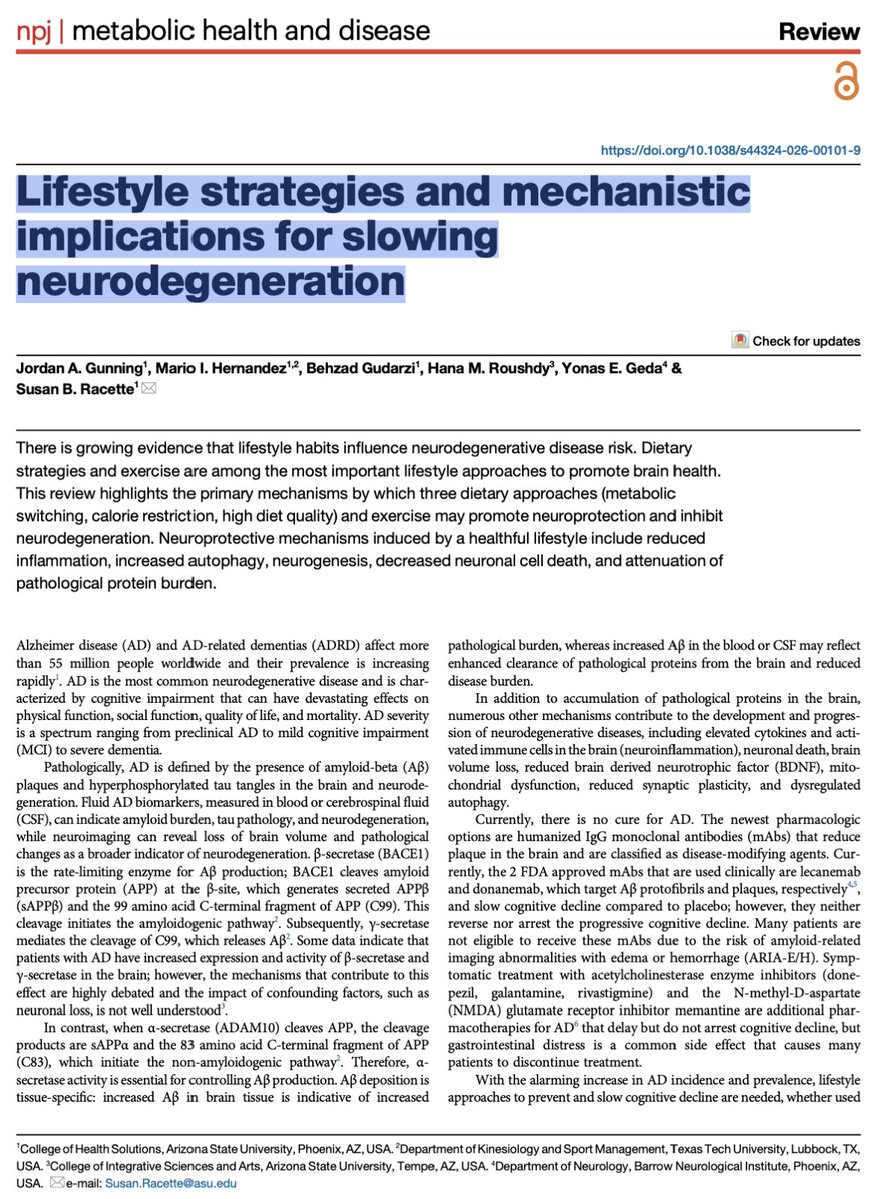
🧠 What if the most powerful “anti-Alzheimer’s therapy” isn’t a drug? For decades, neurodegeneration research has focused on pharmacology: amyloid antibodies, tau inhibitors, molecular targets. Yet one uncomfortable reality keeps emerging. Many of the strongest biological signals for brain protection come from lifestyle. A recent review highlights how diet and exercise directly influence the molecular pathways involved in neurodegeneration. Not metaphorically. Mechanistically. Lifestyle interventions appear to affect key processes driving diseases like Alzheimer’s: 🔥 Reduced neuroinflammation ♻️ Increased autophagy (cellular cleanup of damaged proteins) 🧠 Enhanced neurogenesis and synaptic plasticity 🧬 Reduced amyloid production and aggregation Exercise alone triggers the release of “exerkines” such as BDNF, irisin, and β-hydroxybutyrate, signaling molecules capable of reshaping neuronal metabolism and resilience. Meanwhile, metabolic switching (fasting states, ketogenic metabolism) activates pathways that mimic some of the most promising longevity interventions. Large trials like FINGER and POINTER already suggest that multidomain lifestyle interventions can slow cognitive decline in at-risk populations. Yet lifestyle is still treated as a secondary recommendation in clinical practice. Not as therapy. 💡 The uncomfortable question: If a pharmaceutical compound produced the same biological effects as exercise, metabolic switching, and high-quality diets, would we still call it “just lifestyle”? Or would we call it a breakthrough drug?
Dr. Filippo Cademartiri tweet media
English
3
6
17
1.3K
Dr Mathieu Saubade retweetledi
Jackson Fyfe, PhD
Jackson Fyfe, PhD@jacksonfyfe·
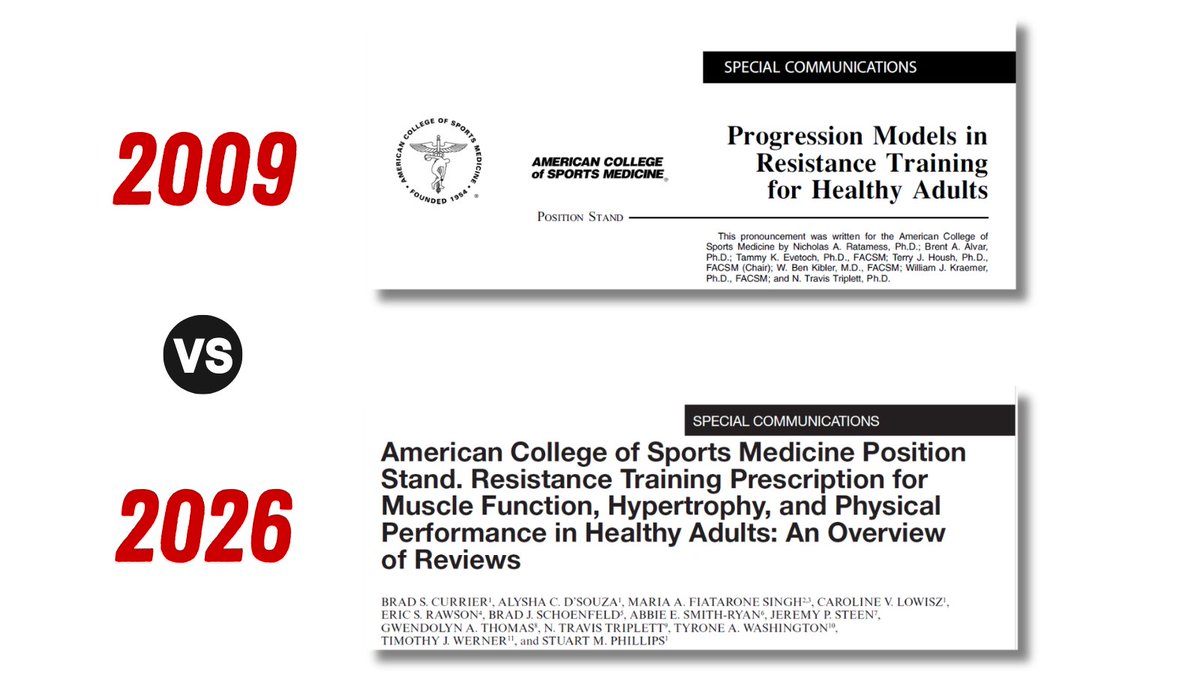
After 17 years, the ACSM just updated their resistance training guidelines. So, what's changed?
Jackson Fyfe, PhD tweet media
English
4
84
461
78.6K
Dr Mathieu Saubade retweetledi
Andy Galpin, PhD
Andy Galpin, PhD@DrAndyGalpin·
Recovery science + free tool! The paper provides a link to a FREE app where you can enter your info, and it will calculate your protocol. Also helps you grade your supplement choices. I love it! Making science more applicable. Specific values included! pmc.ncbi.nlm.nih.gov/articles/PMC12…
Andy Galpin, PhD tweet media
English
2
27
189
18.1K
Dr Mathieu Saubade retweetledi
Louisa Nicola
Louisa Nicola@louisanicola_·
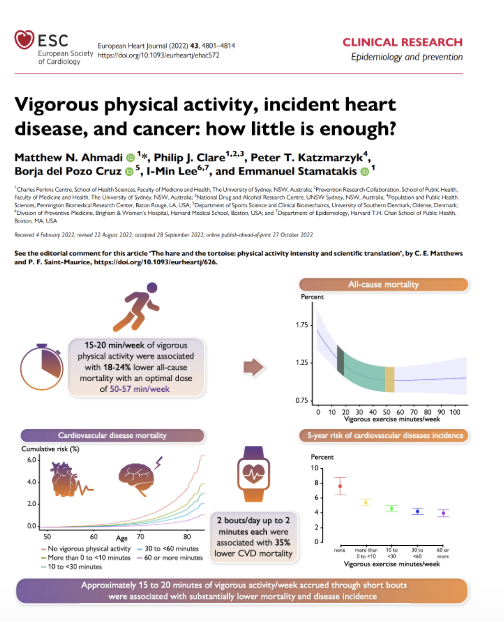
Just 15 to 20 minutes of intense exercise a week may lower your risk of early death New research from the European Heart Journal suggests you do not need hours of hard training to see major health benefits. 1. Just 15 to 20 min/week of vigorous activity was linked to a 16% to 40% lower mortality risk 2. These benefits were seen even when the activity was done in short bouts of 2 minutes or less 3. The study followed 71,893 adults from the UK Biobank 4. Around 50 to 57 min/week was linked to the lowest risk overall 5. Even 10 to under 30 min/week was associated with much lower rates of: - all-cause mortality - cardiovascular disease - cancer incidence 6. For cardiovascular mortality, the relationship was especially strong, and more vigorous activity was linked with progressively lower risk The takeaway: small doses done consistently still matter You do not need perfect. You need a few hard minutes, done regularly, to move the needle.
Louisa Nicola tweet media
English

10
85
263
9.2K
Dr Mathieu Saubade retweetledi
SammyArmstrong
SammyArmstrong@SammyRArmstrong·
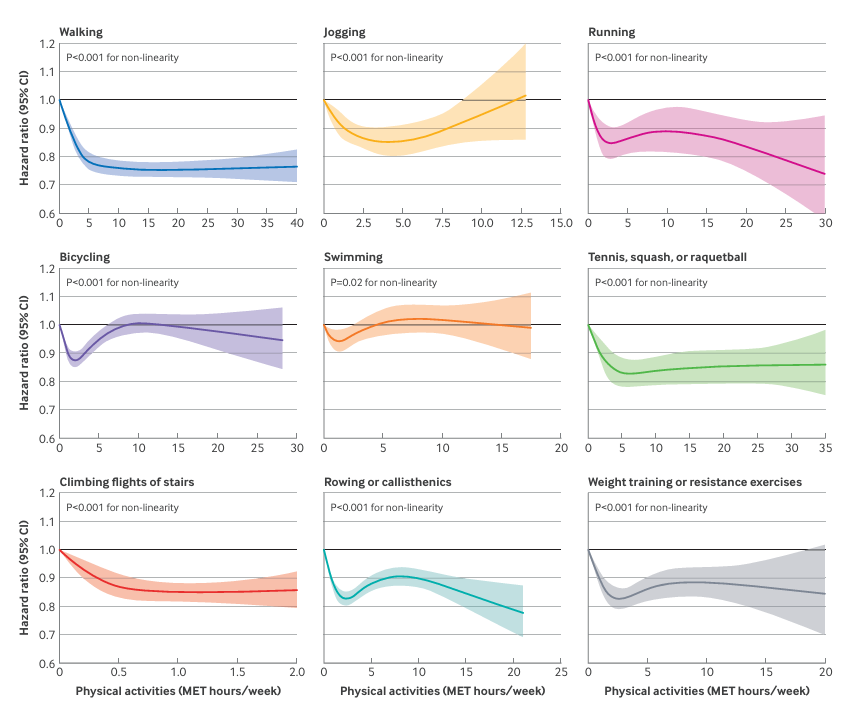
A 30-year study of 111,000+ people just challenged one of the biggest assumptions about exercise. It’s not about doing more. Here's what the researchers actually found lowers mortality risk:
SammyArmstrong tweet media
English

1
14
65
19.4K
Dr Mathieu Saubade retweetledi
Asker Jeukendrup
Asker Jeukendrup@Jeukendrup·
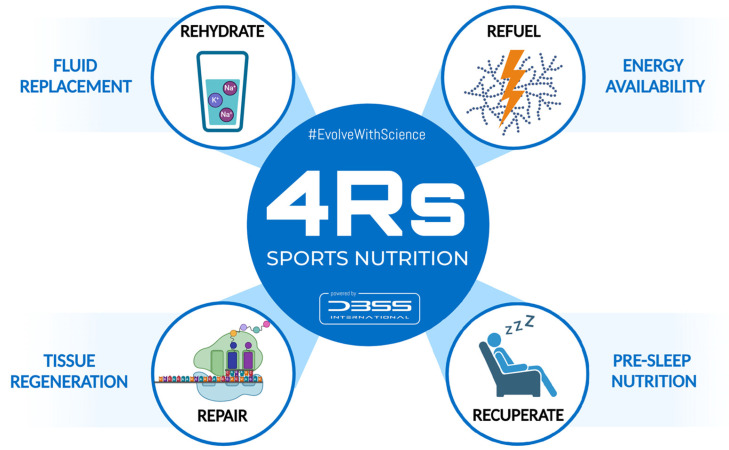
There is ongoing debate whether dehydration impairs athletic performance. This blogs outlines important considerations for measuring the effect of dehydration, with consideration for possible sex differences in hydration recommendations. Click here: mssa.app/p2x
Asker Jeukendrup tweet media
English

0
1
8
2.2K
Dr Mathieu Saubade retweetledi
Dr Sudhir Kumar MD DM
Dr Sudhir Kumar MD DM@hyderabaddoctor·
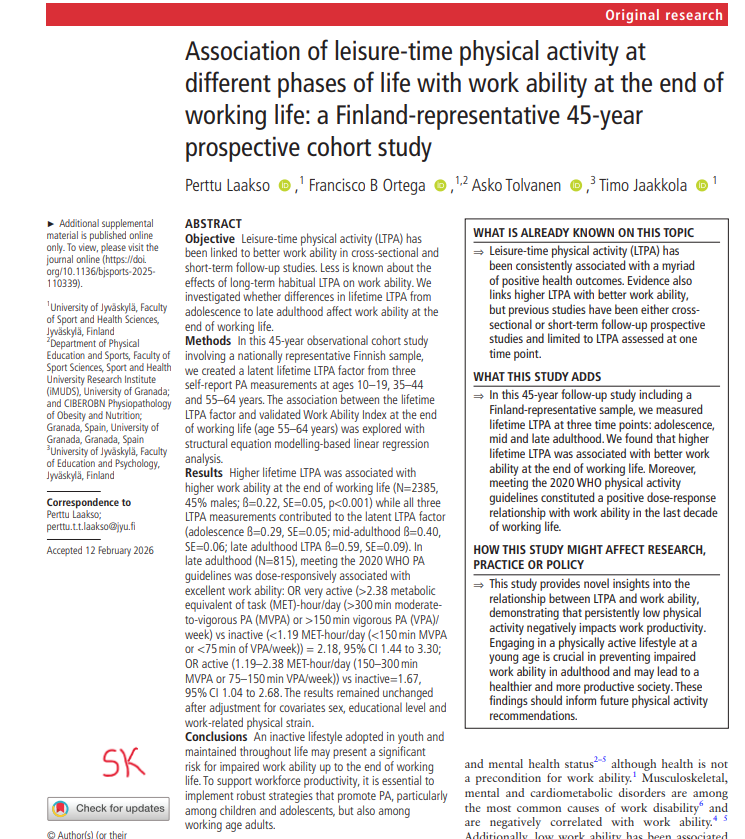
Want to stay productive even in your 60s? A 45-year follow-up study found that people who maintained higher leisure-time physical activity from youth to adulthood had better work ability near retirement age. ▶️Evidence from many studies shows that regular exercise: 1. Preserves physical & cognitive function 2. Reduces chronic disease risk 3. Helps people remain productive longer ✅Exercise does not just add years to life; it helps add work ability to those years. #Exercise #HealthyAging #ExerciseIsMedicine
Dr Sudhir Kumar MD DM tweet media
English
4
27
121
6.7K
Dr Mathieu Saubade retweetledi
Brandon Luu, MD
Brandon Luu, MD@BrandonLuuMD·
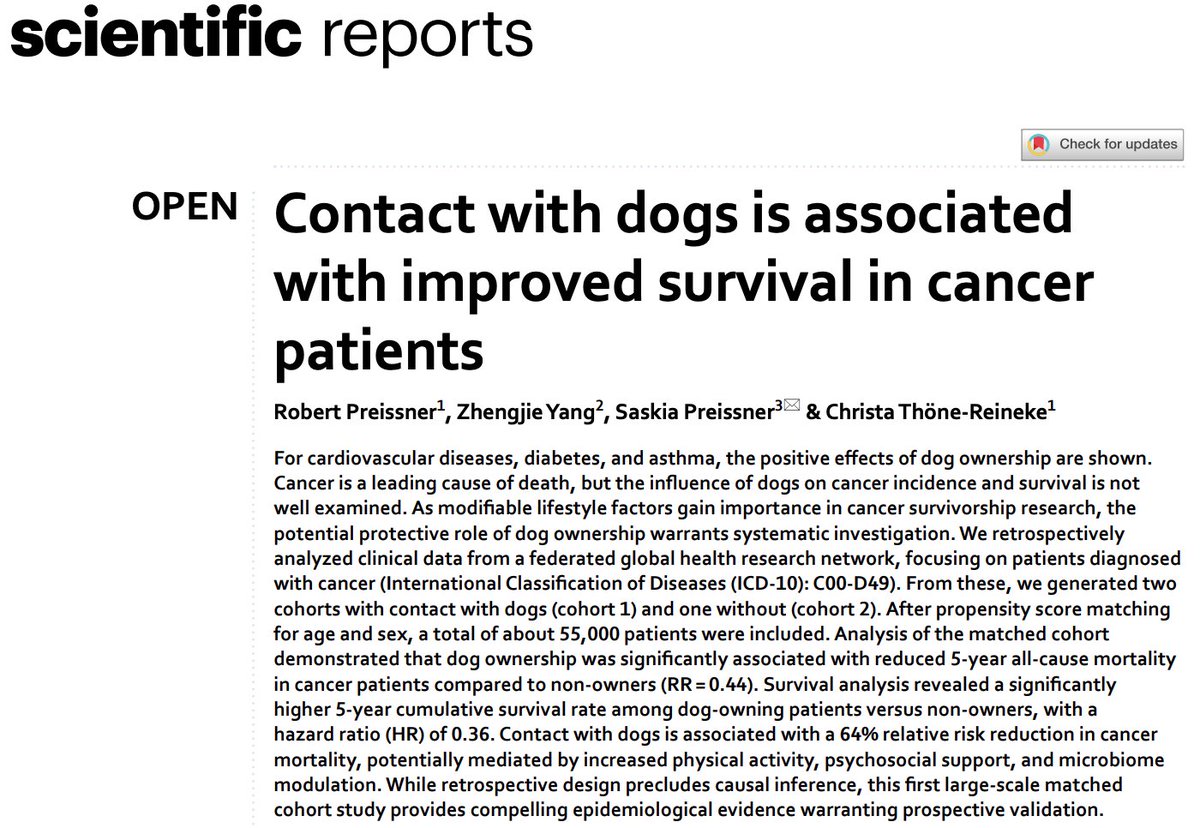
Dog contact was linked to 64% lower 5-year mortality in cancer patients. Possible mechanisms include physical activity, psychosocial support, and microbiome changes.
Brandon Luu, MD tweet media
English
20
258
1.2K
78.7K
Dr Mathieu Saubade retweetledi
Corey Twine
Corey Twine@CoreyTwine·
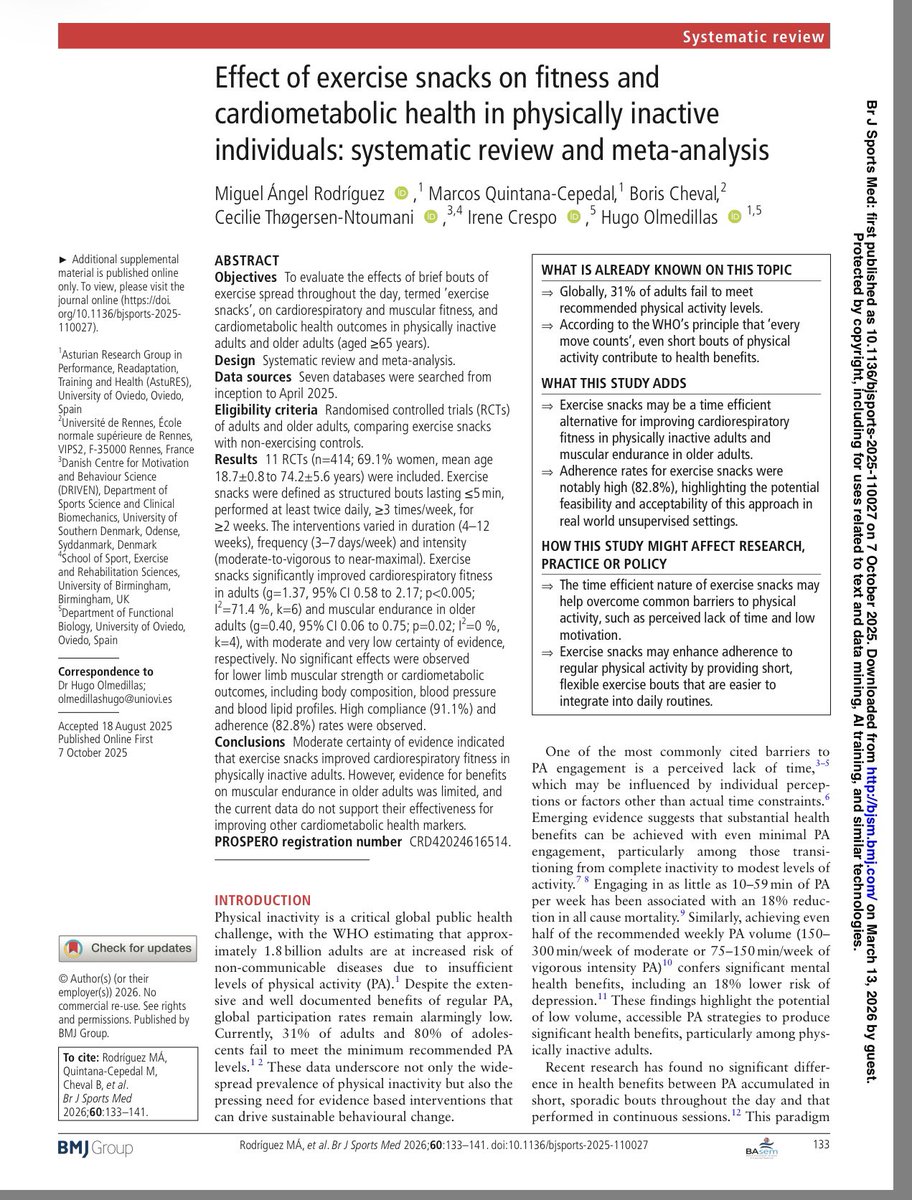
A recent paper in the British Journal of Sports Medicine caught my attention because it tackles a question that gets discussed a lot but rarely examined carefully: can very short bouts of exercise spread throughout the day meaningfully improve fitness in inactive people? Rodríguez et al. (2026) looked specifically at what they call “exercise snacks,” defined as structured bouts of exercise lasting five minutes or less performed multiple times per day. Across randomized controlled trials in physically inactive adults, these short bouts produced clear improvements in cardiorespiratory fitness, and in some cases improvements in muscular endurance in older adults, with adherence rates that were surprisingly high. Most of the interventions that drove improvements in fitness were not casual movement breaks either. They were often brief but vigorous bouts, frequently involving stair climbing performed at moderate to vigorous or even near maximal effort. One thing I appreciated about the paper is that the authors were careful with the terminology. They call this “exercise snacks”, not micro dosing. When I first saw the title I assumed it was going to be the same concept, but the distinction matters. Exercise snacks in this paper are very short, distributed bouts intended primarily to help physically inactive populations accumulate meaningful activity during the day. That is a different discussion from minimum effective dose training or micro dosing strategies used to maintain or develop physical qualities in trained populations. In other words, this approach may be a useful entry point for sedentary individuals, but it should not be confused with programming strategies designed to maintain strength, power, or other performance qualities in athletes. Another interesting parallel in the paper is something that repeatedly shows up in the broader training literature: intensity still matters. Even within these extremely short bouts, many of the interventions that improved cardiorespiratory fitness relied on relatively high effort work, such as repeated stair climbing performed vigorously. That lines up with what we see when discussing minimum effective dose training more broadly. Whether the goal is improving fitness in inactive individuals or maintaining qualities in trained ones, intensity tends to be a non negotiable component when the training volume is small.
Corey Twine tweet media
English
2
11
56
2.2K
Dr Mathieu Saubade retweetledi
Dr. Rhonda Patrick
Dr. Rhonda Patrick@foundmyfitness·
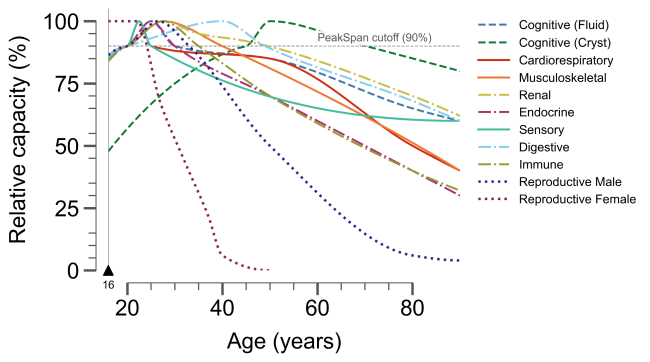
Instead of "healthspan," we should be thinking about "Peakspan." How long can you maintain ~90% of your peak physical or cognitive function? According to a new paper, different systems reach their “Peakspan” at very different times. Fluid cognitive abilities like processing speed and working memory peak early, around ages 20–30, while crystallized intelligence doesn’t peak until the late 40s or early 50s and can remain stable into the 70s. Cardiorespiratory fitness peaks from adolescence to the mid-20s and then declines steadily, while muscle strength peaks in early adulthood and falls sharply after 60. Bone density, kidney function, hormone levels, sensory function, immunity, digestion, and reproductive capacity all follow their own trajectories too—some peaking in the 20s, others in the 40s or 50s. In other words, human aging is asynchronous. We don’t simply age “overall,” but instead age system by system.
Dr. Rhonda Patrick tweet media
English
80
307
2.4K
262.5K
Dr Mathieu Saubade retweetledi
Steve Magness
Steve Magness@stevemagness·
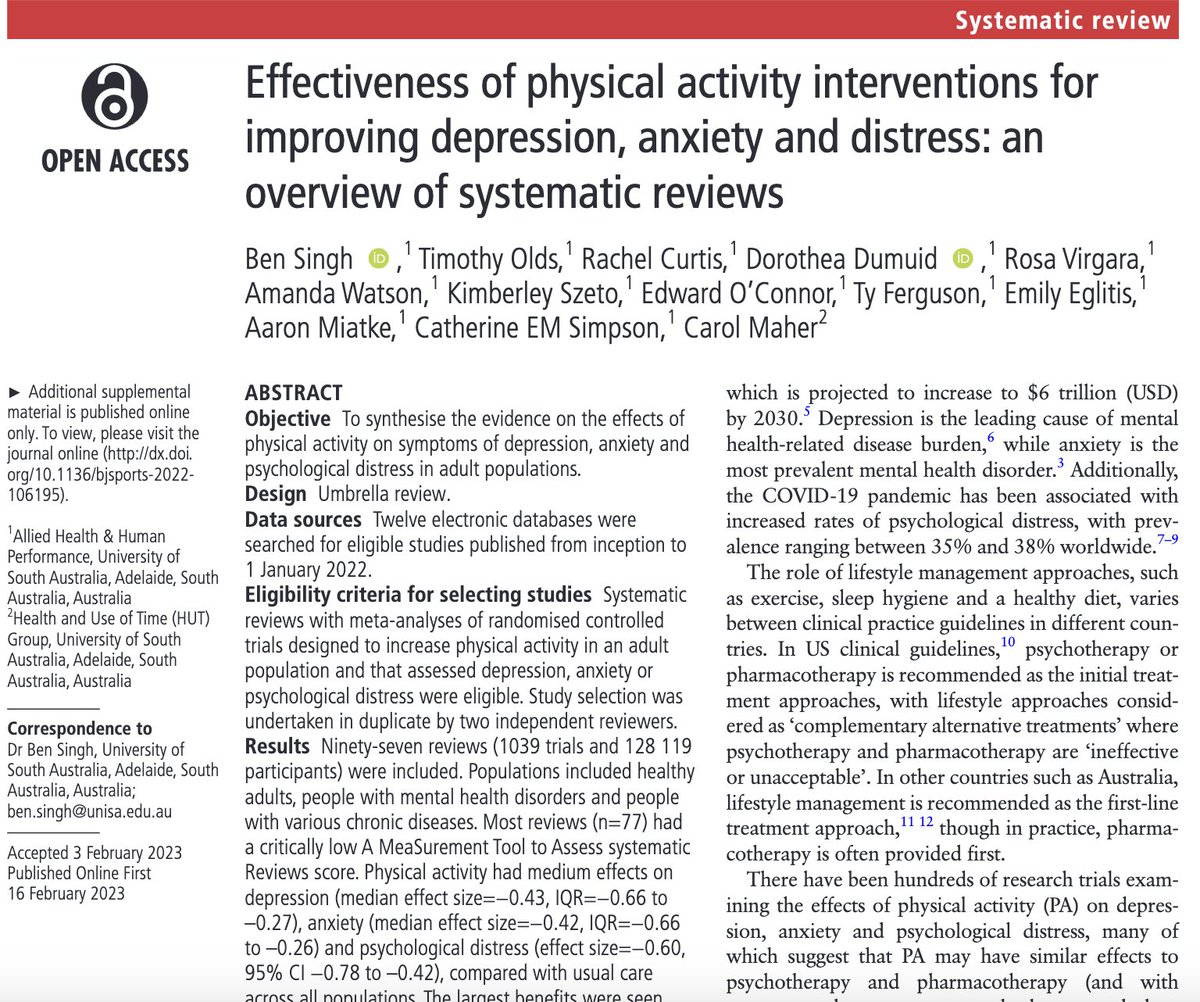
Movement is medicine. Large systematic review of over 1,000 trials and 120,000 participants finds that exercise has a significant effect on symptoms of depression, anxiety, and psychological distress. We need to do a better job of integrating mental and physical health.
Steve Magness tweet media
English
21
175
621
28K
Dr Mathieu Saubade retweetledi
Steve Magness
Steve Magness@stevemagness·
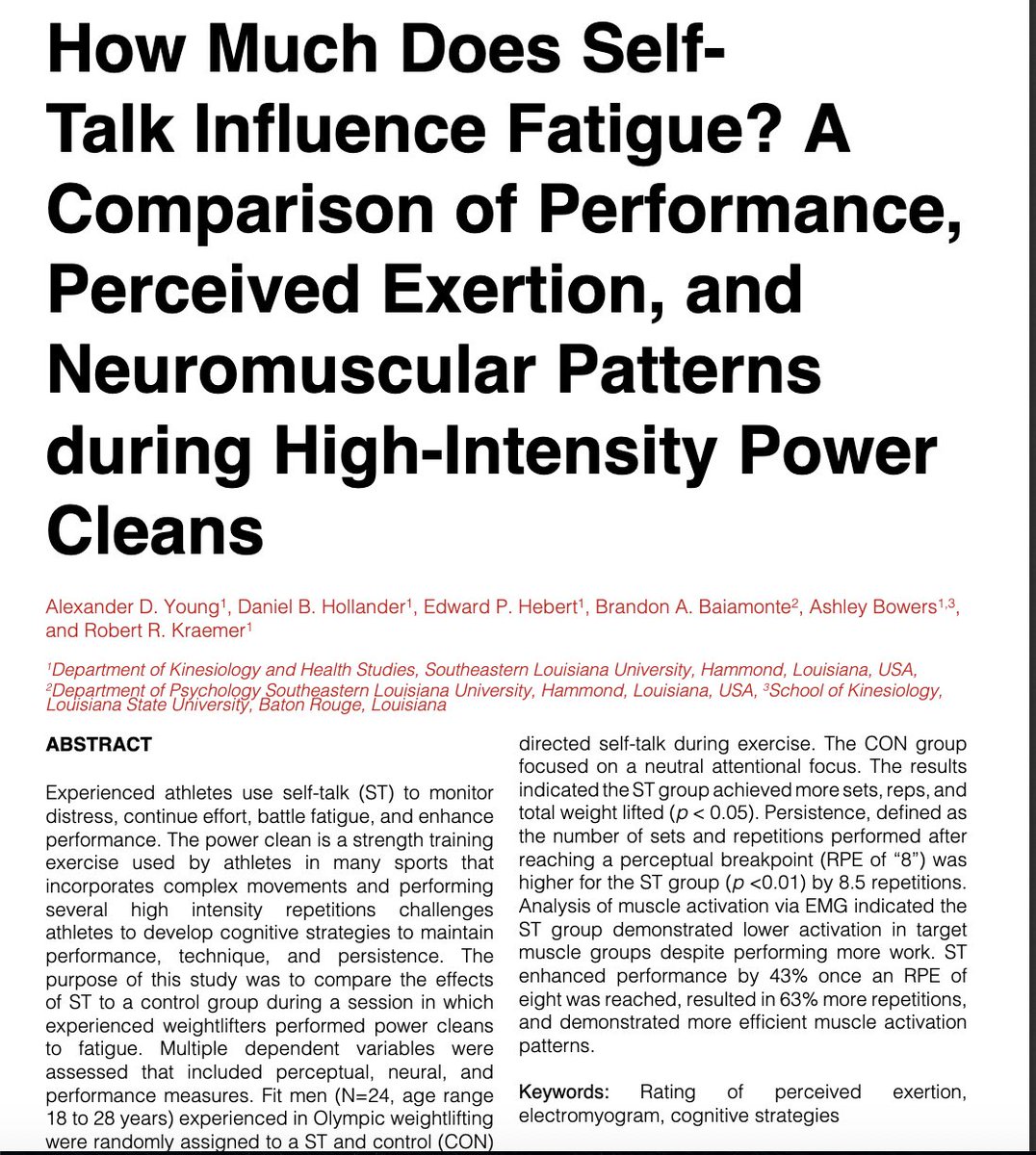
How you talk to yourself matters. In one study on lifting weights, goal directed self-talk "enhanced performance by 43% once an RPE of eight was reached, resulted in 63% more repetitions, and demonstrated more efficient muscle activation patterns."
Steve Magness tweet media
English
15
121
852
38.4K
Dr Mathieu Saubade retweetledi
Nicholas Fabiano, MD
Nicholas Fabiano, MD@NTFabiano·
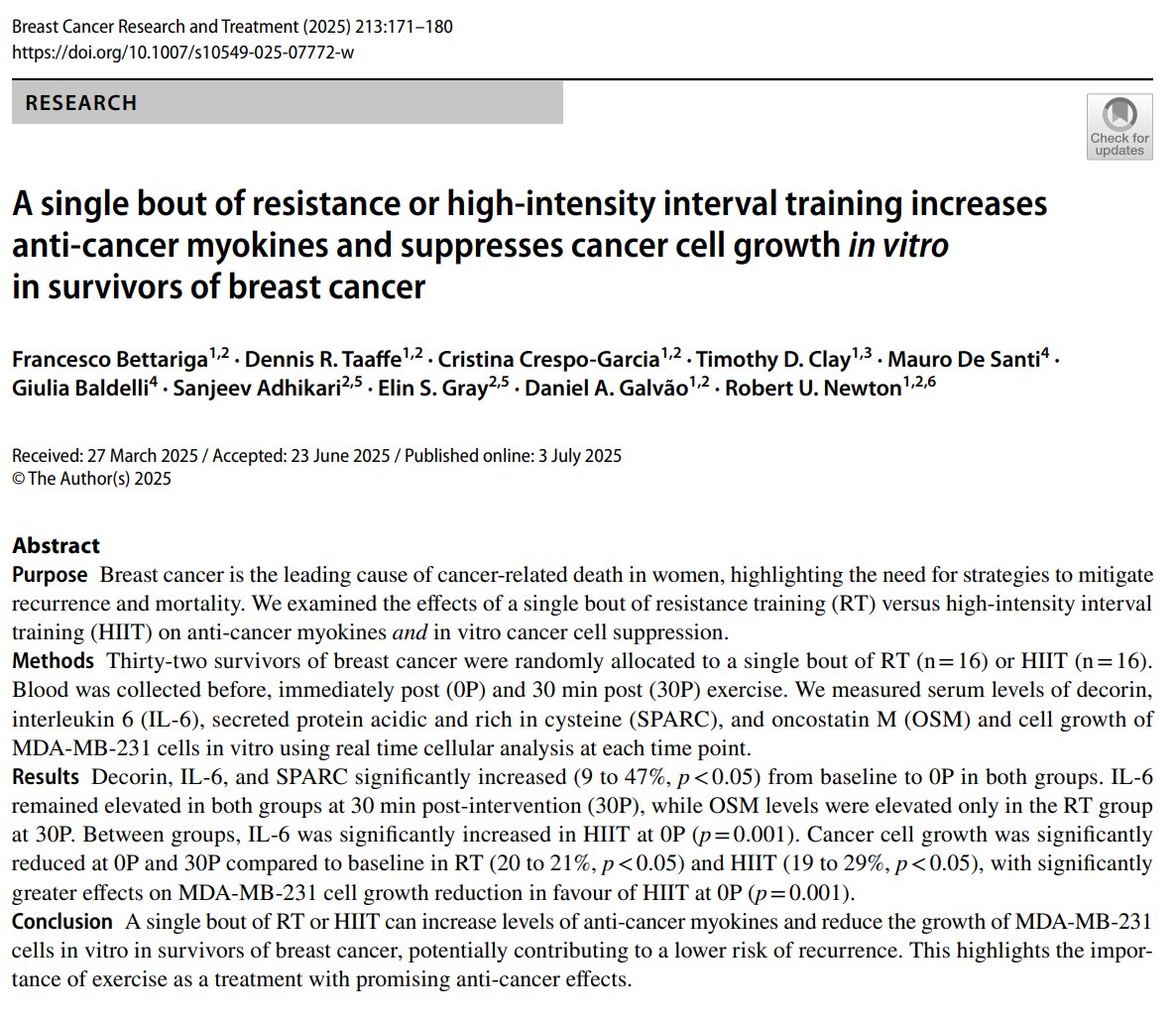
A single session of exercise increases anti-cancer myokines & suppresses cancer growth.
Nicholas Fabiano, MD tweet media
English
19
183
1.3K
48K
Dr Mathieu Saubade retweetledi
Jozo Grgic
Jozo Grgic@Jozo_Grgic·
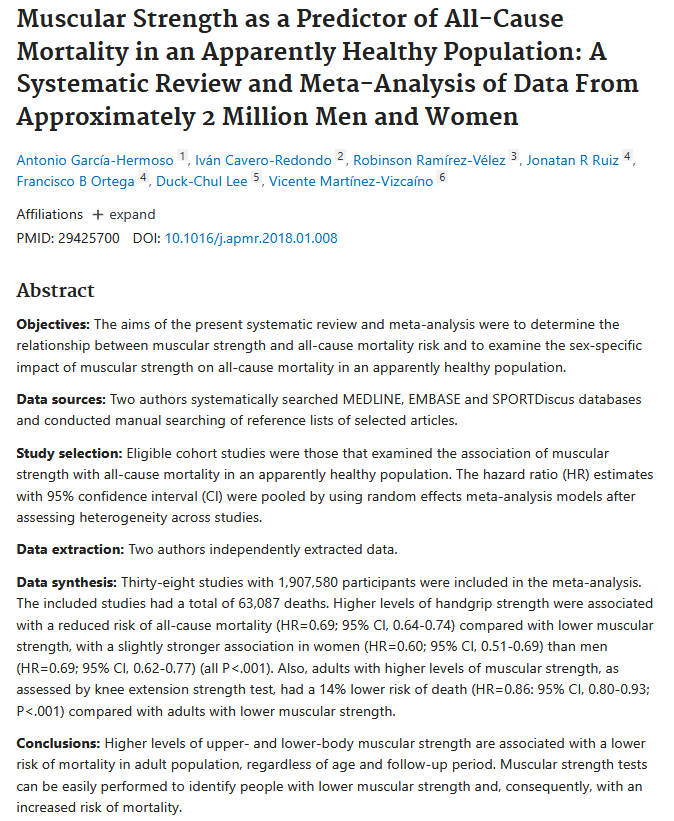
Muscular Strength as a Predictor of All-Cause Mortality in an Apparently Healthy Population: A Systematic Review and Meta-Analysis of Data From Approximately 2 Million Men and Women pubmed.ncbi.nlm.nih.gov/29425700/
Jozo Grgic tweet media
English
6
68
215
27.1K
Dr Mathieu Saubade retweetledi
William A. Wallace, Ph.D.
William A. Wallace, Ph.D.@drwilliamwallac·
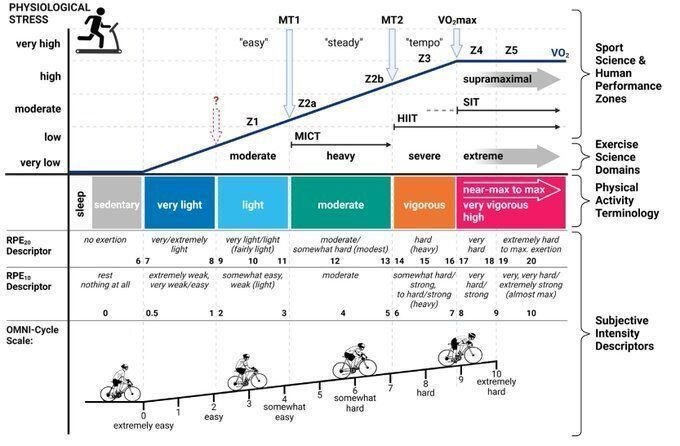
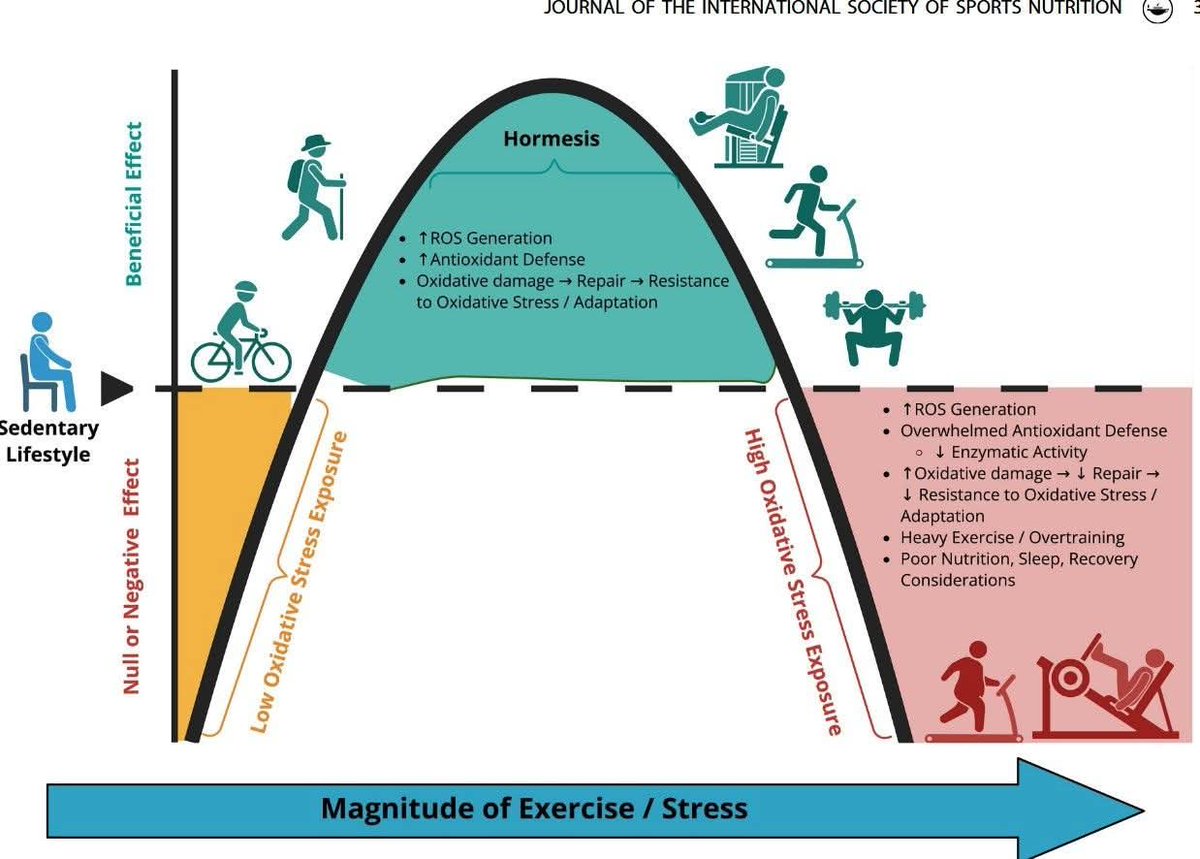
This is the concept of hormesis, where moderate biological stress drives beneficial adaptation, while too little or too much leads to dysfunction. At low stress (sedentary state): Reactive oxygen species (ROS) production is minimal, signaling pathways remain under-stimulated, and the body has no reason to upregulate endogenous defense systems. The result is metabolic stagnation and reduced resilience. At moderate stress (training zone): Transient increases in ROS act as signaling molecules (not damage) triggering: - Upregulation of antioxidant enzymes (e.g., superoxide dismutase, glutathione systems) - Mitochondrial biogenesis and improved oxidative capacity - Enhanced repair pathways and stress resistance - Greater metabolic flexibility and performance adaptation - This is where exercise, thermal stress, and metabolic challenges produce their intended benefit. At excessive stress (overreaching/overtraining) ROS generation exceeds buffering capacity: - Antioxidant defenses become overwhelmed Repair processes cannot keep pace with damage Inflammation, fatigue, and performance decline emerge - Adaptation is blunted or reversed Importantly, poor sleep, inadequate nutrition, and insufficient recovery shift individuals into this maladaptive zone even if training volume appears “appropriate.” Health and performance are not built by eliminating stress, but by dosing it correctly and allowing recovery to convert stress signals into adaptation. The goal is not maximal strain. The goal is repeatable, recoverable stress that the body can respond to and grow from. Source: ISSN Position Stand on Antioxidants. 2026
William A. Wallace, Ph.D. tweet media
English
13
111
452
12.6K
Dr Mathieu Saubade retweetledi
César A. Hidalgo
César A. Hidalgo@cesifoti·
🧵 Thread: Introducing the Journal of AI Generated Papers (JAIGP) AI can now write papers. But journals were never designed for that. Today Claude and I are launching something new: jaigp.org Here's why it matters...
César A. Hidalgo tweet media
English
22
82
306
54.1K
Dr Mathieu Saubade retweetledi
Siim Land
Siim Land@siimland·
Fitter people are more resilient to stress Those with below-average fitness had ~8.7× higher odds of escalating to high anxiety after stress exposure. #f0005" target="_blank" rel="nofollow noopener">sciencedirect.com/science/articl…
Siim Land tweet media
English
8
47
343
11.8K