
Sabitlenmiş Tweet
Max
2.3K posts



hi!
this is what i do!




The Local Designer 👹@TariusNG
Okayyy, let’s cleanse our TL from the ongoing trend😂 Quote this with your work
English
English

Just received my reward for winning the Riskfi insights week 3 competition 😁
Big thanks to @swarooppoudel and @j4jeswin
Hoping to take Risk Protocol to the next level fam.

𝐄𝐦𝐩𝐞𝐫𝐨𝐫 𝐎𝐉 🟡☣@The_emperor036
𝗧𝗵𝗲 𝗜𝗻𝘀𝗶𝗴𝗵𝘁 𝗧𝗵𝗮𝘁 𝗖𝗵𝗮𝗻𝗴𝗲𝗱 𝗛𝗼𝘄 𝗜 𝗩𝗶𝗲𝘄 𝗦𝗲𝗰𝘁𝗼𝗿 𝗥𝗶𝘀𝗸 There was a Tuesday afternoon where I and my brother were discussing how traders try to manage risk by moving between sectors. The usual thinking is simple. When one narrative slows down, capital rotates into another, and this rotation helps reduce exposure. I did not expect him to go deep into it, but he said something that stayed with me. He said that "rotating between sectors does not reduce risk if the entire market is moving under the same pressure" That statement immediately connected with something I had been noticing while analyzing @TheRiskProtocol insights dashboards. I went back to the data with a different lens, not to look at which sector is performing, but to understand how risk behaves across all sectors at the same time. What I found shifted my perspective completely. 🧵👇
English


Most people aren’t stuck because they lack information…
They’re stuck because they lack direction.
Focus is the real flex.
GM GM 𝕏

English

"just be consistent" is the worst advice in CT
"but Lett, consistency isn't bad—" shh muchacho, let me finish.
most people hear "be consistent" and think it means "post every day no matter what."
then after some time, they join spaces on "how to overcome burnouts"
in brand building, consistency means:
consistent NARRATIVE. not frequent posting schedule.
you can post 3x/week and be more consistent than someone posting 4x daily.
if your 3 posts all reinforce the same belief? that's consistency.
if their 7 posts are scattered and random? that's just volume mixed with regularity.
consistency isn't really about frequency, it's about how coherent your message is.
Buzz is panicking. "wait so we DON'T need to post every day?"
nothing wrong with that Buzz, but we need to post with purpose.
Ice is looking smug. "I've been saying this..." yeah Ice we know you love being right.
you're trapped because you think "consistent posting = growth."
so you force yourself to post even when you have nothing meaningful to say.
result? mediocre content that doesn't build anything.
🍀 better approach:
post when you have something that reinforces your narrative.
skip when you don't.
because 5 great posts beat 20 forgettable ones.
drop a "LW" and I'll tell you if you're really consistent or not.
🦉🍀
English

Bruhhhhh….I almost got scammed by a “dream client” today… and it started exactly how most scams do.
Ok so….
This client reached out to me saying she loved my art style and that my work stood out.
Asked if I was open to commissions.
Of course, I said yes.
We discussed the project; 2 full body portraits, simple and Straightforward. We agreed on price, timeline (Wed/Thur delivery), everything felt normal.
Then came the first shift.
She said she needed it the same day (which is today)… and didn’t mind paying double.
But I won’t lie as a freelancer, that kind of offer is tempting. So I agreed.
Next step: payment.
I told her my rule “50% upfront before I start anything” and she agreed.
Asked how she’d be making payments and she said she uses @skrill (an authentic and safe platform by the way)
Though I haven’t used Skrill before, so I went the extra mile:
→ Downloaded it
→ Set it up
→ Verified my account
All just to make things smooth for the client.
I sent my email (since that’s how Skrill payments work).
A few minutes later, she says: “Payment sent. Check your mail.”
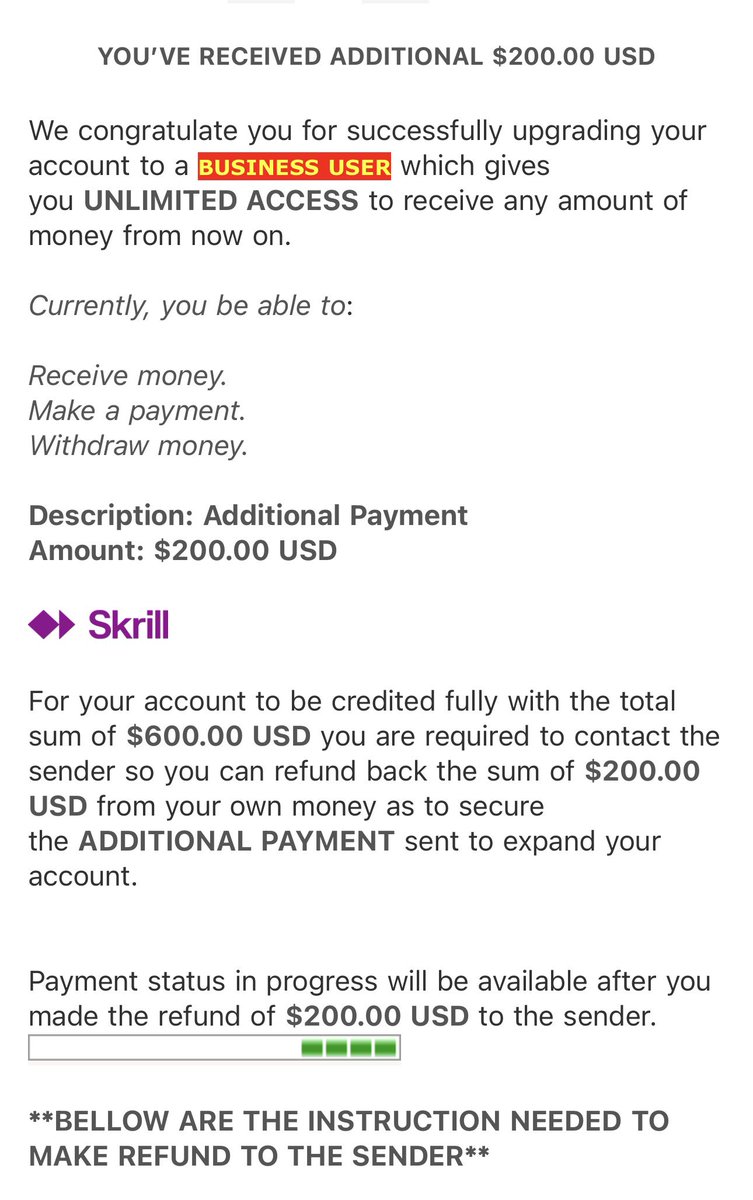
I check… and I see an email saying I’ve received $400.
Looked legit at first glance.
But then I kept reading.
It said:
“Your account is not a business account. To upgrade and receive this payment, the sender must send an additional $200, which you’ll refund before accessing the full $600.”
That’s when something felt… off.
I sent her a screenshot.
She immediately says she’d send the extra $200.
Now I’m like… wait.
I check my Skrill dashboard and there was nothing.
But the email keeps insisting I need to send $200 back to “unlock” the full payment.
That’s when I paused everything and started digging:
→ Googled Skrill payment process
→ Checked official email formats
→ Asked questions
And boom.
The email wasn’t from Skrill.
It was a fake address designed to look real.
Classic scam setup:
Make you believe money is “pending”, pressure you and get you to send your own money.
I confronted her… she kept acting normal.
That was my confirmation.
I didn’t argue.
I didn’t explain further.
I just stopped responding.
End of story.
If you’re a freelancer, please read this carefully:
• No legit platform will ask YOU to send money to receive money
• Always verify payment notifications inside the actual app
• Learn about a platform BEFORE trusting it with money
• Stay calm; Scammers rely on you rushing
Almost learned this the hard way.
Stay sharp out here.



Nuel_@Nuel_theartist
I literally almost got scammed in the name of looking for gigs rn Shii was crazy Mhenn Yall stay safe😪
English


@Heis_Encrypted @Chainverse_HQ @donsmartzyy @Team1NG @avax @TippiklLabs @DUKETHAGREAT @SuperteamNG @solana @heisfeezy @web3_spec Amazing content brother🤍.
Well done 👏👏🫡
English
Web3 has a learning problem.
And almost nobody is talking about it.
Every day, thousands enter the space chasing airdrops, quick flips, and “100x gems”
Very few actually understand what they’re doing.
And when things don’t go their way?
They say “Web3 doesn’t work.”
and leave.

English


To the ambassador,
If your entire identity is tied to one project…
what happens when it dies?
And I don’t mean that in a harsh way.
I mean it as something to really sit with.
Because projects pivot.
Narratives do change.
Attention moves fast.
But you?
You’re supposed to grow through it.
Build personal equity alongside project loyalty.
My 2 cents advice to you,
• Document what you’re learning
• Share your own insights
• Develop your own voice
Don’t just be known for a project.
Be known beyond it.
Smart ambassadors outgrow titles.
Now, let it sink.
Happy new week crypto twitter

E$ohee ♑🦋@esohe_crypt
To the community manager, Try not to measure success only by how active the chat is. An active chat doesn’t always mean a healthy community. Look at things like retention, returning members, the quality of conversations, and whether people actually feel connected to the space. Surface activity is easy to create but building culture takes time, that's where the real work is. Happy new week 🙂↔️
English
@BorderlessDev Gm gm.
The practical application of whatever is being learnt matters .
English
Most people think they’re learning but if we’re being honest, they’re just consuming.
Scrolling. Watching. Bookmarking. Nodding.
It feels productive yet nothing is actually changing.
And this is exactly where a lot of people get stuck in Web3.
Let’s break it down ⤵️

English

If you’re new to Web3 and building on X
Stop trying to do everything at once.
You’ll burn out and probably give up.
Instead, break your journey into phases.
—————————————————
Phase 1: Focus on growing your personal brand.
This is where you need views, followers, and engagement.
Post helpful stuff, show up consistently, connect with people and just be real
—————————————————
Phase 2: Niche down and position yourself
Pick what you're good at and start creating around it.
Could be specific projects, topics, or skills.
This is where you become known for something
And the rest of the phases will take care of themselves
—————————————————
When I started, I used to post content to help newbies find direction.
That got me followers, engagement, and eventually… project gigs.
Then I shifted, talking about real projects while still keeping a personal touch.
—————————————————
Focus is the real cheat code.
Know your phase. Act accordingly.
GM to the ones who get it 🍷
English
@vicsclarissa "Your ideal audience might not be who you first thought",
so finding them changes everything 👌.
English

Day 11 of my crypto marketing journey
Today, I learned about identifying the ideal target audience.
Attracting the right audience isn’t enough. You need to identify who should stay, who to nurture, and who genuinely aligns with what you’re building.
This space has become more saturated and competitive, and you wouldn’t want to miss out on your audience.
The worst thing that can happen to you as a marketer is to attract the right people and then lose them because you failed to identify them.
So, how do you identify your ideal audience?
There are two paths:
1. With data
As a marketer, data analysis is non-negotiable. You must understand both the on-chain and off-chain footprints of your audience.
This gives you clarity on who to target and who not to because your ideal audience might not be who you originally imagined.
It also helps you understand if your growth strategy is working or if it needs adjustment.
Ask yourself:
◈ Who is most likely to care about what we’re building?
◈ Who keeps engaging with our posts?
◈ Who are our active followers?
◈ Who reacts when we talk about certain parts of our product?
◈ Who are our active, passive, and silent watchers?
This prevents you from going viral in vain or receiving massive support that never converts into actual users.
Data helps you discover your ideal audience before you waste time chasing shadows.
2. Without data (but guided by observation)
Here, you read people via their behavior, not just the numbers.
◈ How do they move around your website/page?
◈ Do they return?
◈ Do they explore deeply?
◈ Do they ask thoughtful questions?
◈ Do they show curiosity or just pass through?
These tiny behaviors reveal more than dashboards ever will and tell you who is genuinely interested, who is confused, and who is just browsing.
Once you’ve identified them, reach out.
Talk to them, ask questions, listen, understand their struggles, their excitement, their confusion, and their hopes.
This is how you capture hearts and don’t lose them because identifying your ideal audience is not a one-time task but a continuous practice.
However, the uncomfortable truth is this:
Your ideal audience might not be who you first thought, so finding them changes everything.
Stay tuned for Day 12.
With love,
VicsClarissa

VicsClarissa 🍊@vicsclarissa
Day 10 of my crypto marketing journey Today, I learned about attracting the right audience. The Web3 space is cyclical, and honestly, it’s exhausted. Narratives rise, collapse, get recycled, and projects keep repeating the same playbook. So when something goes wrong, we’re quick to ask: “Didn’t they learn anything from the last project?” After understanding how difficult or easy your product is, the next step is knowing who deserves to see it because visibility without alignment is noise. So, who is the “right audience”? They are the people who will use your product, preach your product, believe in your mission, invest, collaborate, and grow with you long-term. They’re the segment you identified earlier (Day 7), not random impressions floating around on X. Attracting these people is not a one-day job. It requires intention, a blueprint, your own blueprint, not a borrowed one. Here’s the truth no one tells early-stage founders: When you copy another project’s playbook, you’re only copying the results of years of invisible backend work. You’re not seeing the late nights, the pivots, the failures, the tiny consistent actions that made their strategy work. So you must create your own advantage, that is, your “secret spice.” ◈ Build a team with clarity. ◈ Be community-driven. ◈ Ship a working product before shouting. ◈ Be sincere. ◈ Open your doors to feedback. ◈ Implement what makes sense. ◈ Show your users that you see them. Let me give you an example. I recently started contributing to @EIP7503 because their narrative caught my attention. They’re building privacy for Ethereum, and privacy will be a massive narrative in 2026 (alpha if you don’t know). I joined their Discord, claimed the OG role, and naturally started creating content about them because I genuinely believe in what they’re building. From time to time, I share suggestions with the growth lead, and he listens. That simple act of openness makes people feel at home. It makes them want to stay, build, support, and spread the word. That’s how users feel about your project, too, or how they should feel. Projects that welcome constructive criticism win, but the ones that push people away lose quietly. So, you need to support those who believe in you, spotlight them, and make them feel seen because when people feel valued, they promote you without being asked. And that is how you attract the right audience all to yourself. Stay tuned for Day 11. With love, VicsClarissa
English
Day 10 of my crypto marketing journey
Today, I learned about attracting the right audience.
The Web3 space is cyclical, and honestly, it’s exhausted.
Narratives rise, collapse, get recycled, and projects keep repeating the same playbook.
So when something goes wrong, we’re quick to ask:
“Didn’t they learn anything from the last project?”
After understanding how difficult or easy your product is, the next step is knowing who deserves to see it because visibility without alignment is noise.
So, who is the “right audience”?
They are the people who will use your product, preach your product, believe in your mission, invest, collaborate, and grow with you long-term.
They’re the segment you identified earlier (Day 7), not random impressions floating around on X.
Attracting these people is not a one-day job.
It requires intention, a blueprint, your own blueprint, not a borrowed one.
Here’s the truth no one tells early-stage founders:
When you copy another project’s playbook, you’re only copying the results of years of invisible backend work.
You’re not seeing the late nights, the pivots, the failures, the tiny consistent actions that made their strategy work.
So you must create your own advantage, that is, your “secret spice.”
◈ Build a team with clarity.
◈ Be community-driven.
◈ Ship a working product before shouting.
◈ Be sincere.
◈ Open your doors to feedback.
◈ Implement what makes sense.
◈ Show your users that you see them.
Let me give you an example.
I recently started contributing to @EIP7503 because their narrative caught my attention.
They’re building privacy for Ethereum, and privacy will be a massive narrative in 2026 (alpha if you don’t know).
I joined their Discord, claimed the OG role, and naturally started creating content about them because I genuinely believe in what they’re building.
From time to time, I share suggestions with the growth lead, and he listens.
That simple act of openness makes people feel at home.
It makes them want to stay, build, support, and spread the word.
That’s how users feel about your project, too, or how they should feel.
Projects that welcome constructive criticism win, but the ones that push people away lose quietly.
So, you need to support those who believe in you, spotlight them, and make them feel seen because when people feel valued, they promote you without being asked.
And that is how you attract the right audience all to yourself.
Stay tuned for Day 11.
With love,
VicsClarissa

VicsClarissa 🍊@vicsclarissa
Day 9 of my crypto marketing journey Today, I learned about the importance of understanding how difficult your product is. It’s no news that Web3 is a technical space. Without proper understanding, no newbie can survive here. But there are levels to this technicality, and as a project, you must know exactly how difficult or easy your product is. Because if the average user can’t understand what you’ve built, you’re simply chasing the wind. How do you do that? By placing your product on a difficulty scale of 1–10. If your product sits between 6–10, it’s highly technical. That means you have two major paths: ◈ Target advanced or knowledgeable crypto users who will instantly get what you’ve built. ◈ Or reduce the difficulty by simplifying the product, making it more accessible, improving your explanations, and creating approachable channels where people can ask questions freely. No user wants to use a product that confuses them. You can have the perfect UI/UX, the most beautiful website, and still not convert anyone. Because if understanding is low, adoption will be lower. For instance, I saw the @useazza founder’s short interview at Edge City in Patagonia with @sodofi_, where he mentioned that even his mum can use his product. Why? Because it’s so simple to use and understand. A stablecoin neobank on WhatsApp for cross-border payments. Their achievements and stats say it all. So from today, remember that as difficulty increases, users decrease, and vice versa. Stay tuned for Day 10. With love, VicsClarissa
English
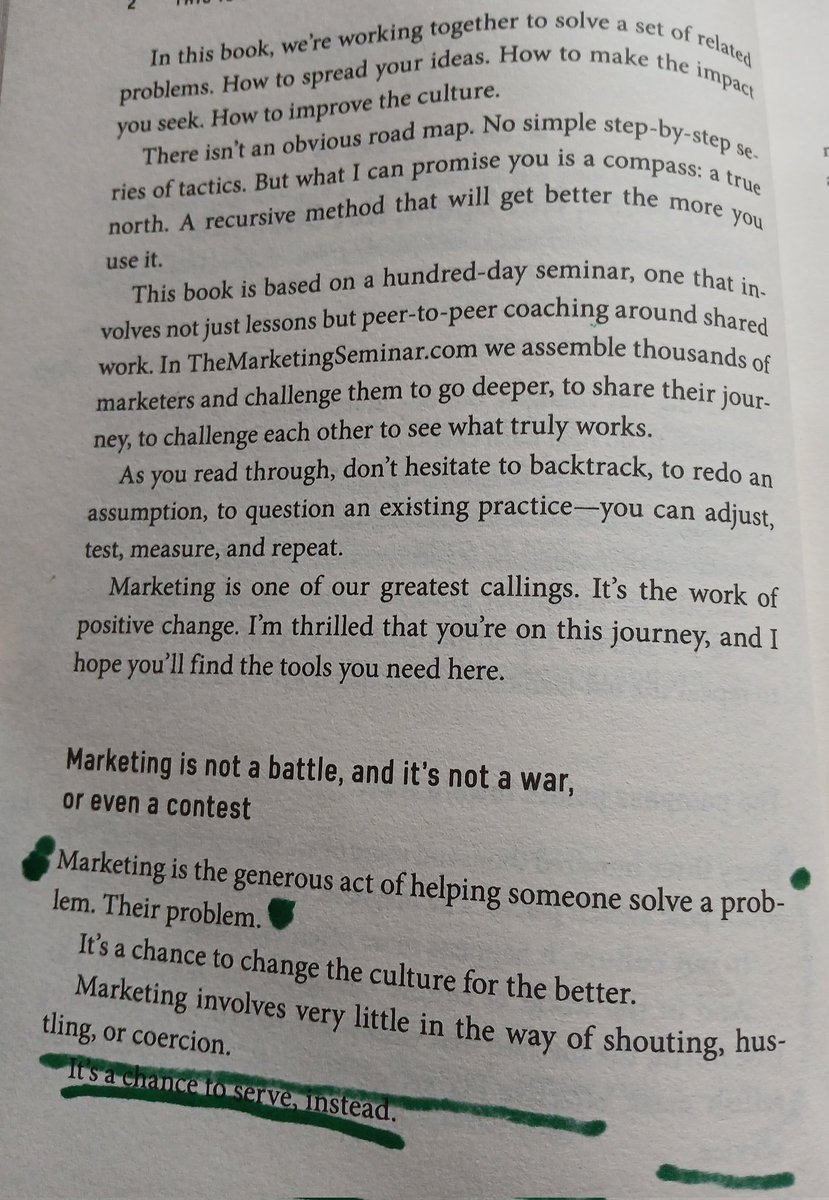
Day 9 of my crypto marketing journey
Today, I learned about the importance of understanding how difficult your product is.
It’s no news that Web3 is a technical space.
Without proper understanding, no newbie can survive here.
But there are levels to this technicality, and as a project, you must know exactly how difficult or easy your product is.
Because if the average user can’t understand what you’ve built, you’re simply chasing the wind.
How do you do that?
By placing your product on a difficulty scale of 1–10.
If your product sits between 6–10, it’s highly technical. That means you have two major paths:
◈ Target advanced or knowledgeable crypto users who will instantly get what you’ve built.
◈ Or reduce the difficulty by simplifying the product, making it more accessible, improving your explanations, and creating approachable channels where people can ask questions freely.
No user wants to use a product that confuses them.
You can have the perfect UI/UX, the most beautiful website, and still not convert anyone.
Because if understanding is low, adoption will be lower.
For instance, I saw the @useazza founder’s short interview at Edge City in Patagonia with @sodofi_, where he mentioned that even his mum can use his product.
Why?
Because it’s so simple to use and understand. A stablecoin neobank on WhatsApp for cross-border payments.
Their achievements and stats say it all.
So from today, remember that as difficulty increases, users decrease, and vice versa.
Stay tuned for Day 10.
With love,
VicsClarissa
VicsClarissa 🍊@vicsclarissa
Day 8 of my crypto marketing journey Today, I learned about doing initial user research. After segmenting your users, it doesn’t end there. You need to research them closely and bring them closer to your brand. Think of it like someone starting a real estate business in a new area. After identifying their audience, they’d want to tailor their services by: ◈ Finding the exact types of properties people need ◈ Understanding what drives their curiosity and decisions ◈ Giving them a sense of belonging It’s the same in Web3. Let’s take a blockchain startup building in the DeFi space, whose users are both knowledgeable and enthusiasts, for instance. You’d want to have one-on-one conversations with them, hear their thoughts, gather feedback, and truly understand their hearts. That’s how you pivot from broadcasting to belonging. Because your audience wants to feel part of your journey, and that kind of loyalty is something money can’t buy. That’s how you build and win, especially when you act on their feedback and spotlight their voices. The founder of Base, @jessepollak, does this so well. Take your flowers, sir. Stay tuned for Day 9. With love, VicsClarissa
English
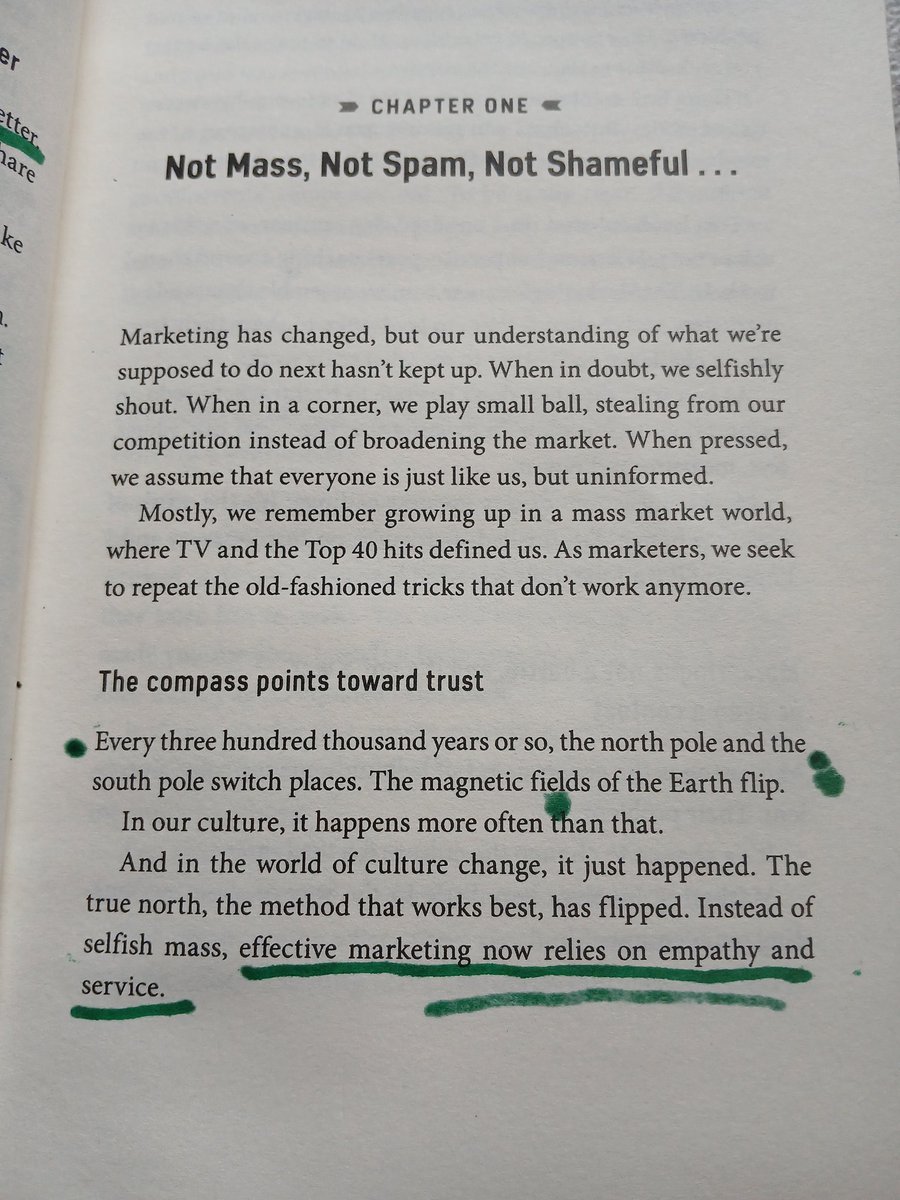
Day 8 of my crypto marketing journey
Today, I learned about doing initial user research.
After segmenting your users, it doesn’t end there.
You need to research them closely and bring them closer to your brand.
Think of it like someone starting a real estate business in a new area.
After identifying their audience, they’d want to tailor their services by:
◈ Finding the exact types of properties people need
◈ Understanding what drives their curiosity and decisions
◈ Giving them a sense of belonging
It’s the same in Web3.
Let’s take a blockchain startup building in the DeFi space, whose users are both knowledgeable and enthusiasts, for instance.
You’d want to have one-on-one conversations with them, hear their thoughts, gather feedback, and truly understand their hearts.
That’s how you pivot from broadcasting to belonging.
Because your audience wants to feel part of your journey, and that kind of loyalty is something money can’t buy.
That’s how you build and win, especially when you act on their feedback and spotlight their voices.
The founder of Base, @jessepollak, does this so well.
Take your flowers, sir.
Stay tuned for Day 9.
With love,
VicsClarissa
VicsClarissa 🍊@vicsclarissa
Day 7 of my crypto marketing journey Today, I learned about defining your users. After understanding who your users are, you need to define them, meaning you need to clearly map them out and understand them deeply. This helps you apply the right approach and ensure your growth strategy truly aligns with your audience. Think of it like sorting and grading, not to separate the good from the bad, but to understand who fits where and how best to serve them. In this case, there’s no “bad.” We’re simply segmenting users to streamline their values and meet their needs effectively. It would be negligence on a team’s part not to notice even a tiny niche of users. So, how do you define your users? By segmenting them. How can you do that? By grouping them. For instance, let’s say you’re building a privacy-based ecosystem like @EIP7503 (currently on testnet). You wouldn’t want to only target users who fully understand the technical side. So, you could segment them into two groups: ◈ The knowledgeable (core users) ◈ The enthusiasts (those interested in the tech but not necessarily builders) Keeping it broad this way helps you understand the niche each user belongs to and how to reach them more effectively. That’s how you win. By knowing your users deeply enough to build with them, not just for them. Stay tuned for Day 8. With love, VicsClarissa
English
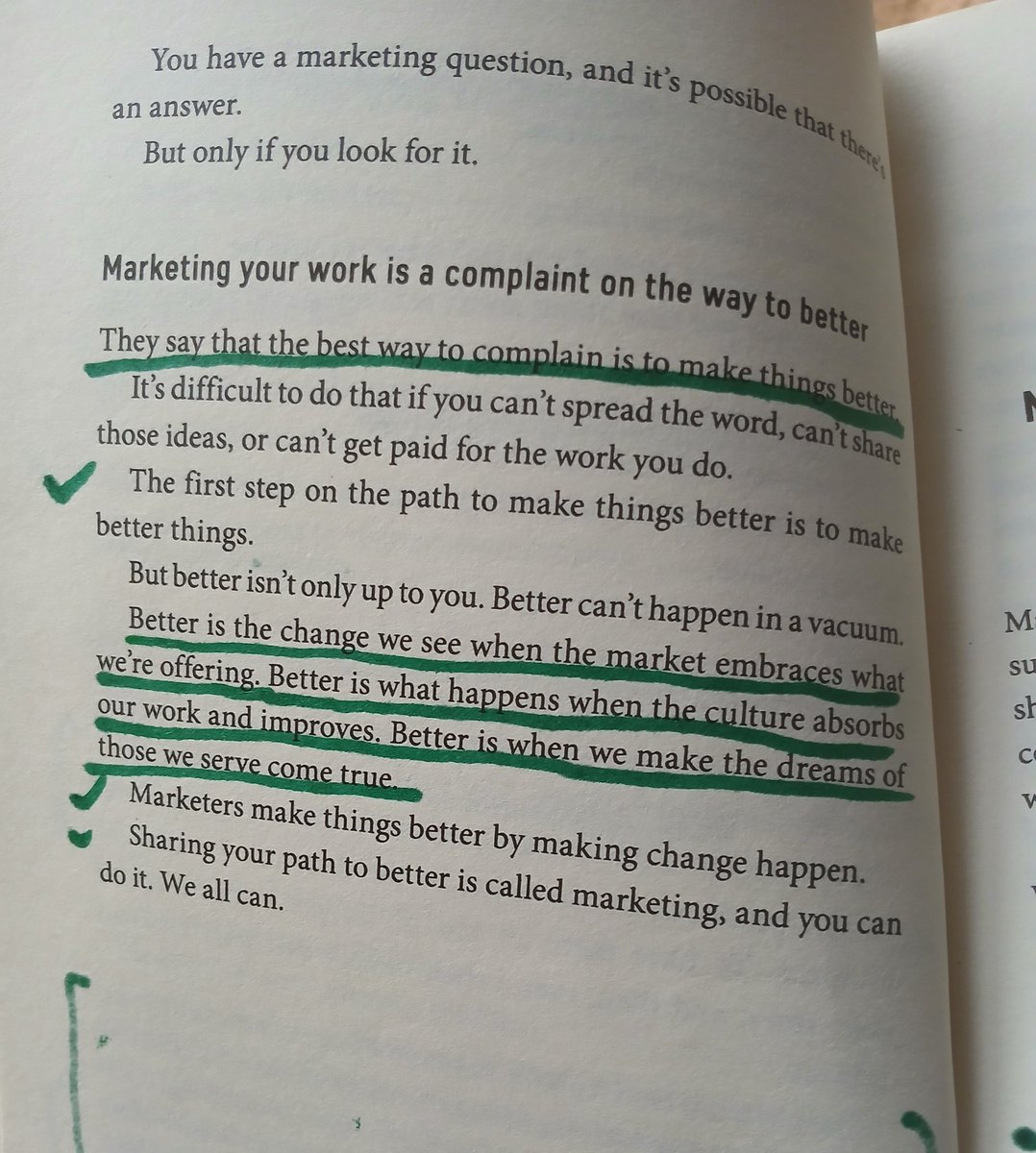
Day 7 of my crypto marketing journey
Today, I learned about defining your users.
After understanding who your users are, you need to define them, meaning you need to clearly map them out and understand them deeply.
This helps you apply the right approach and ensure your growth strategy truly aligns with your audience.
Think of it like sorting and grading, not to separate the good from the bad, but to understand who fits where and how best to serve them.
In this case, there’s no “bad.” We’re simply segmenting users to streamline their values and meet their needs effectively.
It would be negligence on a team’s part not to notice even a tiny niche of users.
So, how do you define your users?
By segmenting them.
How can you do that?
By grouping them.
For instance, let’s say you’re building a privacy-based ecosystem like @EIP7503 (currently on testnet).
You wouldn’t want to only target users who fully understand the technical side.
So, you could segment them into two groups:
◈ The knowledgeable (core users)
◈ The enthusiasts (those interested in the tech but not necessarily builders)
Keeping it broad this way helps you understand the niche each user belongs to and how to reach them more effectively.
That’s how you win. By knowing your users deeply enough to build with them, not just for them.
Stay tuned for Day 8.
With love,
VicsClarissa
VicsClarissa 🍊@vicsclarissa
Day 6 of my crypto marketing journey Today, I learned about “Who is your user?” Web3 is full of hype and speculation, and that often blurs important truths. Founders sometimes mistake their X audience, those who like, comment, or engage with their posts for their actual users, and vice versa. But can I drop a b0mbshell? Your real users are found on-chain. They’re the unique visitors to your website who connect one or multiple wallets and eventually explore your product. So, don’t mistake token holders for users (holding ≠ using), especially if you’re building a utility project. Take for instance, I can write a lot about Jupiter, engage on their posts, and stay active in their Discord. Does that make me a user? No. Airdrop farmers and testers are users. Gamers are users. DeFi protocol maxis are users. Traders are users. And so on, depending on what you’re building. The moment you clearly understand who your users are and where to find them, conversion becomes much easier, especially if you already have a working product. So first things first, differentiate between your users and your general community. Yes, everyone is important. You need visibility and social growth. But you also don’t want to flop in a year or two, right? Then, start by prioritizing your users while finding ways to entice your wider community to become users, too. Tell your story painstakingly until it sticks to their bones. Don’t get carried away by trends or a million impressions. Make sure the same energy is happening on your product and on your website. Stay tuned for Day 7. With love, VicsClarissa
English
