@GEO101SUNY
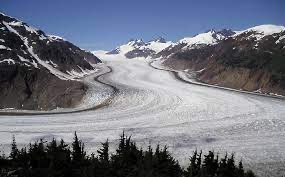
This is a image of a glacial landscape.Glaciated landscapes are formed by a combination of erosional, fluvioglacial, and depositional glacial processes.
@GEO101SUNY
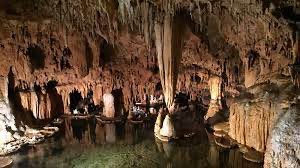
Karst refers to natural landscape that is largely the result of chemical weathering by water, resulting in caves, sinkholes, cliffs, and steep-sided hills called towers.
@GEO101SUNY
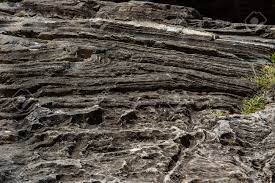
This is a image of a igneous layer rock.The succession of layers characterized by contrasted mineral modes and/or mineral textures, including grain size and orientation and, locally, changing mineral compositions
@GEO101SUNY
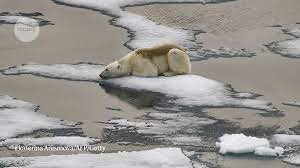
This photo shows climate change due to the lack of ice that the polar bear can lay on.This is due to green house gasses that are rising the temperature in the poles. Climate change is real and it is destroying are Earth.We only have one chance to make this right.
@GEO101SUNY
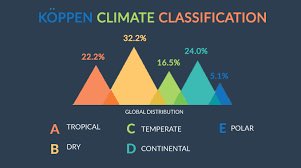
A Koppen climate is divided into 5 main groups.Each group is divided into groups based on seasonal precipitation and temperature.This picture shows the 5 main groups and the global distribution of them.
@GEO101SUNY
This here is a picture of Mammatus clouds. These clouds are formed in part by sinking air. These clouds are so interesting because it looks like there are so many layers to it. They are a pouch like structure.They are usually seen after thunderstorms.
@GEO101SUNY
Even though the photo is a little blurry. It’s still depicts a great image of what El Niño does.We know that it is a warming of the ocean surface but this imagery helps us better understand the circulation of water flow.
@GEO101SUNY
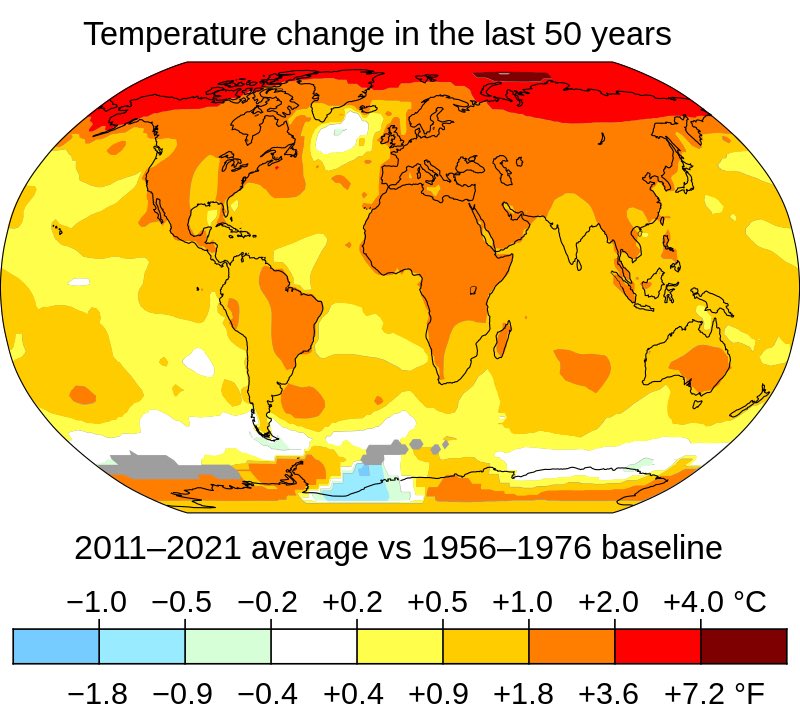
This here is a picture of the dramatic temperature change from the past 50 years. We know that greenhouse gases cause a warming affect on the Earth.