Sabitlenmiş Tweet
Media Compass
50 posts

Media Compass
@MediaCompass1
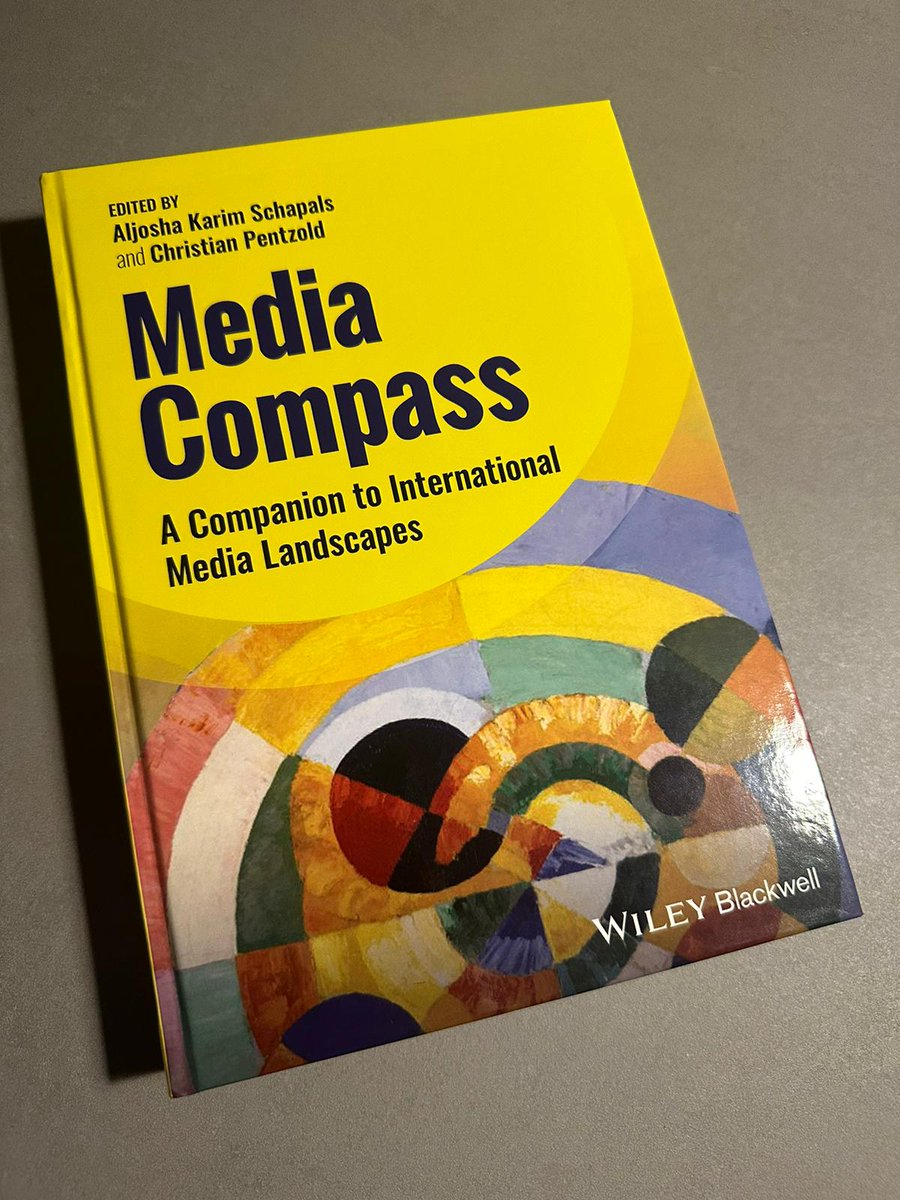
An extensive and inclusive overview of media landscapes, combining country-specific summaries and cross-cutting examinations of the world's geopolitical regions
World 🌎 Katılım Ağustos 2024
49 Takip Edilen48 Takipçiler

... and just like that, it's a wrap! 🎬
Having just returned from #ECREA2024 in Ljubljana, we have officially completed our daily teasers of the various chapters featured in the Media Compass over the past six weeks. 📕

English

CHAPTER 45: New Zealand 🇳🇿
@MyllyMe says that despite the seeming diversity in media ownership, the segments of the media market have remained relatively concentrated, and as a whole, the market is both unregulated and financially unstable.
English

CHAPTER 44: Australia 🇦🇺
@AljoshaKarim writes about Australia's especially concentrated media market. Two major conglomerates control the lion’s share of the market, which has inevitable consequences for the diversity of Australia’s media landscape.
English

CHAPTER 42 South Africa🇿🇦
@hwasser says the landscape benefits from const. guarantees, a prof. journalism community, robust investigative journalism + a society which protects the media from threats to interference + independence. But it also faces internal + external challenges
English

CHAPTER 41: Nigeria 🇳🇬
Adeyanju Apejoye + @bruce_mutsvairo explain that as the Nigerian media system continues to evolve, individuals + institutions are challenged to navigate this changing landscape responsibly while critically assessing the information they consume and share.
English

CHAPTER 40: Namibia 🇳🇦
@admire2mare stresses that private media prioritize watchdog journalism, while public media are constrained by lapdog journalism. While media pluralism exists, the concentration of media ownership has impacted the achievement of true media diversity.
English

CHAPTER 39: Kenya🇰🇪
@JoyKibarabara + @DavidCheruiyot say that the landscape is characterized as vibrant, pluralistic, diverse + influential. This is supported by constitutional protections for press freedom, a wide variety of media outlets + high levels of internet connectivity.
English

CHAPTER 38: Ethiopia 🇪🇹
@Tework highlights key turning points and present challenges within the Ethiopian media landscape and evaluates emerging and persistent trends that are likely to shape the Ethiopian media industry in the medium to long term.
English

CHAPTER 37: Egypt 🇪🇬
@HananBadr says the landscape is paradox: its current state does not convey its long history + pioneering position in the Arab regime. Authoritarian containment, economic fragility, pronounced illiteracy + journalism declines block otherwise high potentials
English

CHAPTER 36: Singapore 🇸🇬
Zhang Hao Goh, Matthew Chee Han Chew, and @iamedson say that Singapore has a track record of proactively regulating traditional and emerging forms of media and communication, which has also elicited concerns over freedom of expression.
English

CHAPTER 35: United Arab Emirates 🇦🇪
@MohammadAyish says that the media system of the United Arab Emirates (UAE) is shaped by a distinct combination of the country's conservative political stance, progressive sociocultural outlook, and liberal economic policies.
English

CHAPTER 33: Lebanon 🇱🇧
@HarbZ1 says that while the media scene in Lebanon is gloomy, it is not to be generalized. There still are journalists either individually or within their organization that are aware of their role in the public good.
English

CHAPTER 32: Japan🇯🇵
@YosukeBuchmeier emphasizes the intricate connections between mainstream media, politics, and business in Japan, illustrating how these relationships weaken media independence and limit information diversity, despite constitutional guarantees of press freedom
English

CH 31: Israel 🇮🇱
@AmitSchejter says the landscape is under gvt attack + grapples w/ global + tech changes. W/o a regulatory body, industrial challenges are overlooked, making it difficult to sustain an independent media sector, leading to a rise in conglomeration + concentration
English