Mengue Samuel
21 posts

@SJosephBurns This is why trend following is the best strategy.
English

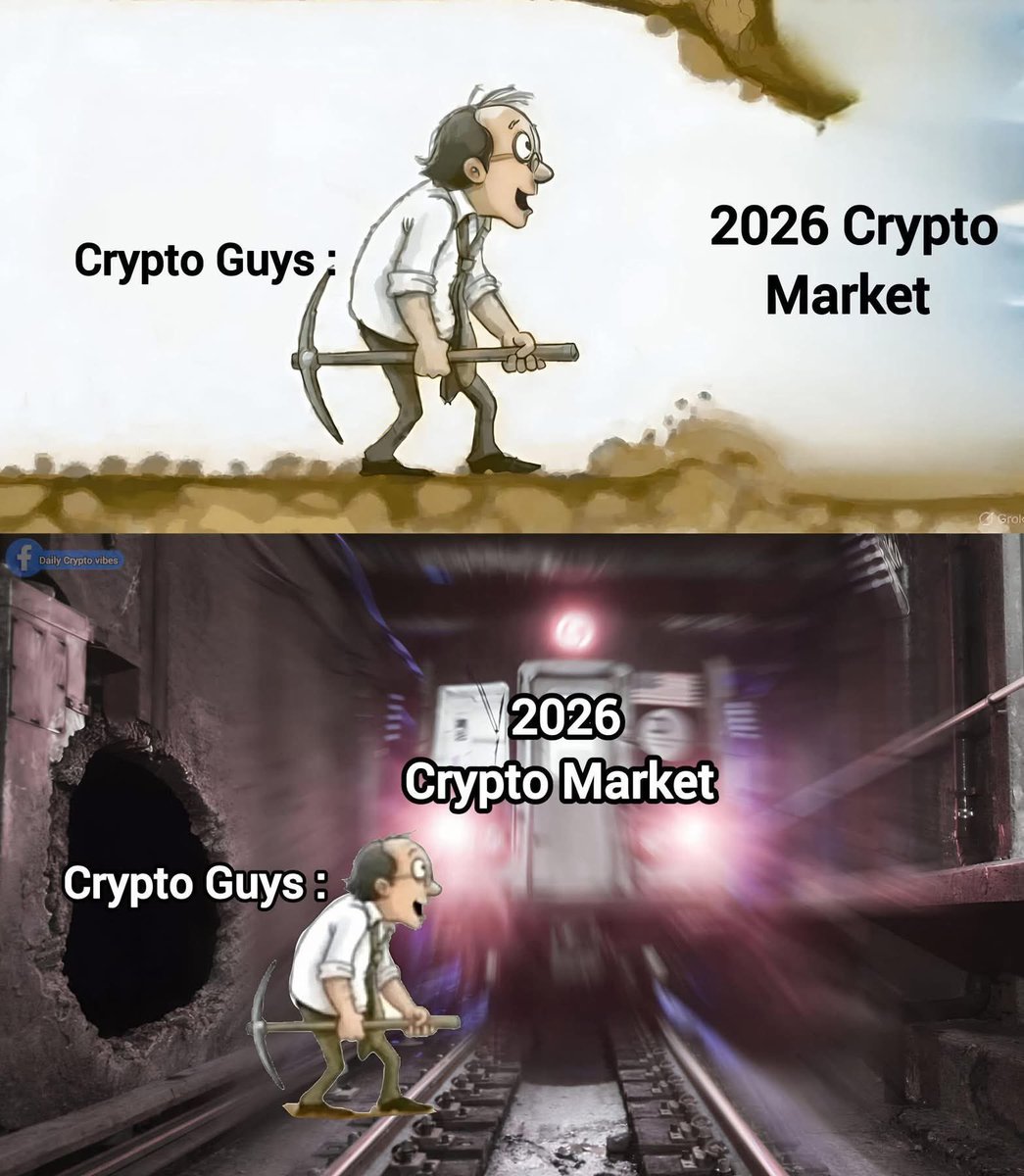
Take note in times of heightened volatility 👇
Darwinex Zero@DarwinexZero
“It’s ok to be wrong; it’s unforgivable to stay wrong.” - Martin Zweig
English
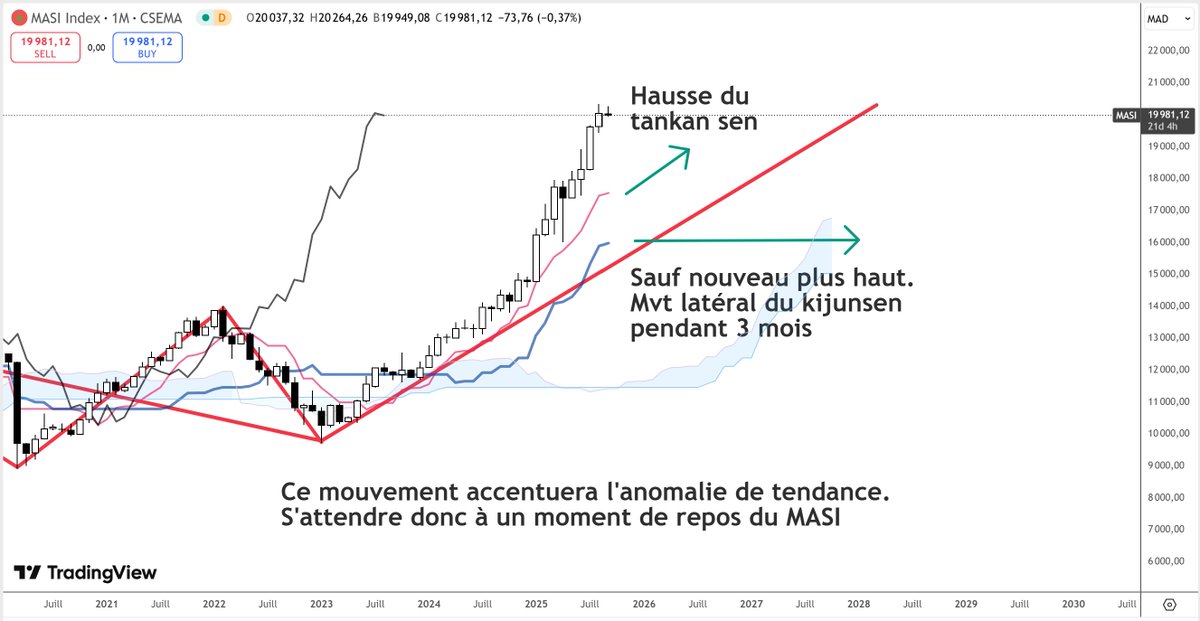
@v_christele Toute les conditions ichimoku et prix sont remplies pour un achat 🫡
Français

@samuraipips358 Thanks Yumi 🙏
Your daily wisdom in trading process build my mind and my capacity to do good trading.
English

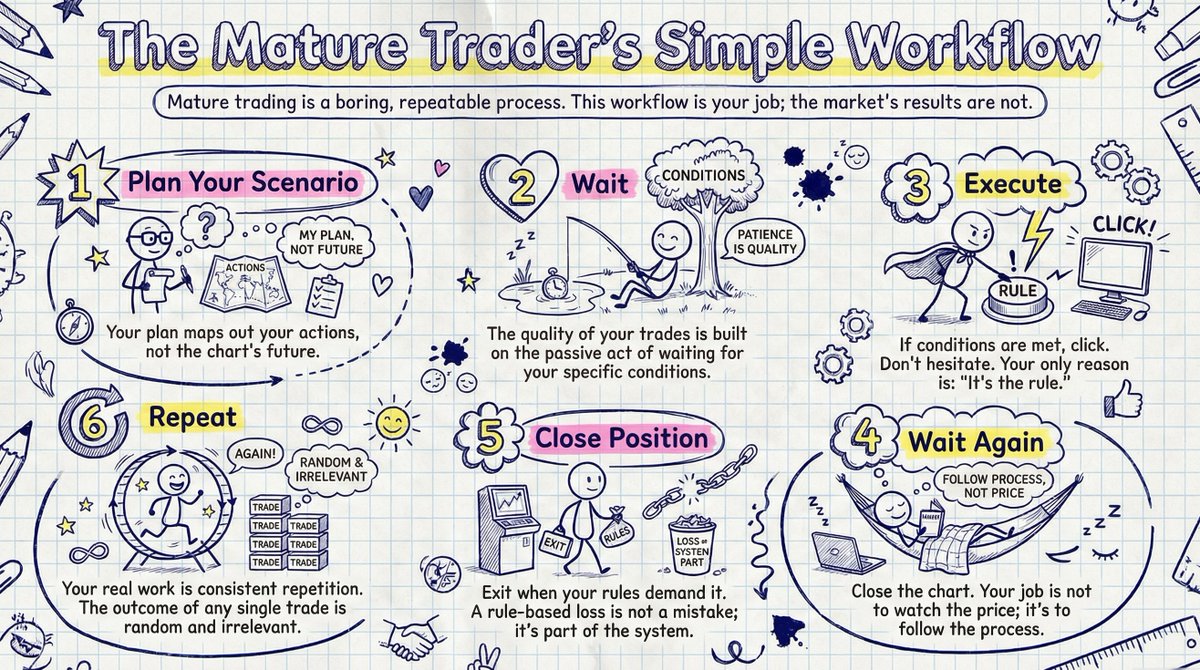
If you already have a strategy, the rest is a simple workflow 👇
1. Define the scenario in advance
2. Wait
3. Execute if the conditions are met
4. Wait
5. Exit when the conditions are met
6. Repeat
Words like “win” and “loss” are unnecessary.
Only precise execution.
English

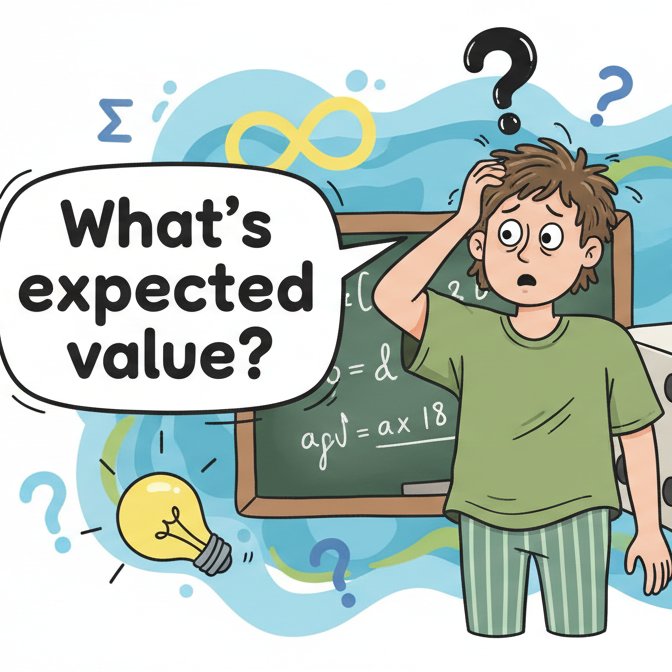
【What Is “Expectancy,” a Trader’s Must‑Know Concept? A Mindset for Building Profit Even When You Lose】
Many traders ride an emotional roller coaster over each win and loss and drain their mental capital.
Yet once you adopt probabilistic thinking, your view of trading changes dramatically.
Here, we take a close look at the foundational concept of “expectancy.”
This understanding will become the bedrock that supports your trading.
■ Why “Expectancy” Matters to Traders
Short‑term trading outcomes are heavily influenced by randomness, much like a coin toss.
Flip only ten times and you might see seven tails, but as you scale to 1,000 or 10,000 trials, the result converges toward 50%.
This is the Law of Large Numbers.
Trading is no different, and long‑term success requires executing a strategy with positive expectancy—an edge—with unwavering consistency and growing your sample size.
And once you truly grasp expectancy, a striking fact emerges.
So long as you are following your rules, even a losing trade yields an “invisible payout.”
■ How to Calculate Expectancy
Put simply, expectancy is the average P&L per trade if you keep repeating the setup over time.
Suppose a 1,000‑trade backtest of your strategy produced the following performance profile.
・ Win rate: 60%
・ Average profit per trade (reward): +2%
・ Average loss per trade (risk): −1%
Expectancy (%) is computed as follows.
Expectancy (%) = (Win rate × Average profit) − (Loss rate × Average loss)
= (0.6 × 2%) − (0.4 × 1%)
= 1.2% − 0.4%
= +0.8%
This “+0.8%” is your strategy’s per‑trade expectancy.
With $10,000 in capital, each rule‑based trade is, in conceptual terms, equivalent to earning $80 (10,000 × 0.8%)—regardless of whether that particular trade wins or loses.
That is what it means to “bank expectancy.”
■ The “Losses = Cost” Mindset
Many traders view losses as setbacks that push success further away and grow overly averse to them.
From an expectancy perspective, that is a fundamental mistake.
If your system has positive expectancy, every rule‑compliant trade moves you one step closer to success.
Each trade increments your sample size and nudges results toward statistical stability.
Even when a trade ends in a loss, you are still capturing the “+0.8%” invisible expectancy.
In this light, losses that inevitably arise from a positive‑expectancy system function as the necessary cost of earning profits.
They are not something you should seek to avoid at all costs.
■ The System Is Always “Working”
You often hear, “The system worked today because we won,” or “It didn’t work this time because we lost.”
That statement betrays a failure to understand expectancy.
The premise for compounding capital by following the rules is that the system has positive expectancy.
Which means that as long as you adhere to the rules, the system is always “working.”
A positive‑expectancy system collects positive expectancy regardless of any single outcome.
Conversely, a negative‑expectancy system merely accumulates negative expectancy over time, no matter how many lucky wins it strings together.
■ Summary: Expectancy Is the Compass That Sustains Consistency
Of course, expectancy is not a real‑time line item that appears directly in your account balance.
Yet understanding and applying this conceptual measure is a powerful compass for maintaining long‑term consistency without being whipsawed by short‑term randomness.
Don’t be rattled by the loss in front of you.
Trade with the confidence that you are steadily banking expectancy, and keep executing with discipline.
If this post was helpful, my book will take your probabilistic thinking to the next level.
📚 Get your copy here👇
payhip.com/YumiSakura/col…
English
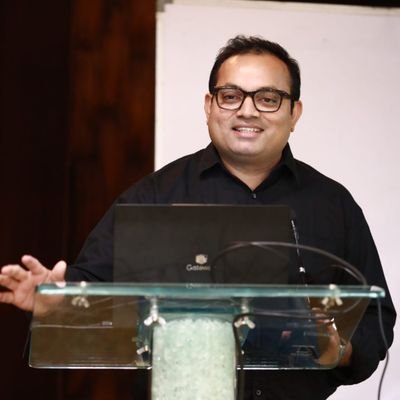
Six years ago, a guy called me. Final year of college. Smart kid, genuinely curious about life.
He wanted to get into trading.
He'd been watching videos, reading books, practicing strategies. He was excited. He saw trading as his way out - his path to financial freedom, to doing something different with his life.
He wanted to go all-in after graduation. Just trading.
I told him to wait.
"Get a job first. Build some savings. Then try trading on the side while you have income coming in."
He didn't listen.
His parents supported him. They helped him financially while he figured things out. Month after month. Year after year.
Last I heard, he's buried in debt. Six years of trying. Nothing to show for it.
Trading didn't work out for him.
Here's what he didn't understand that I did.
Trading is different from a normal job. So is YouTube. So is art, writing, building an audience, even dating.
With a normal job, you trade time for money. Work eight hours, get paid for eight hours. It's predictable.
Linear. Boring, maybe, but you know what you're getting.
But trading? You could study for three months and lose money. Or you could get one good trade and make what most people earn in six months.
The same goes for YouTube. You could post videos for a year and get nowhere. Or your tenth video could blow up and change everything.
That's what makes these things exciting. The upside is huge. Way bigger than what you'd get from just working a regular job.
But there’s a downside too: you can't predict when it'll pay off.
You can't force it. You can't guarantee it. You can work incredibly hard and still get nothing for a long time.
Most people know this, somewhere in the back of their minds.
But they don't really think through what it means.
They think: "Okay, it might take time. So I'll just keep working at it. I won't give up. I'll stay committed."
And they quit everything else. They go all-in. They pour all their time and energy into this one thing.
Because that's what you're supposed to do, right? That's what all the success stories say. "Go all-in." "No B plan."
But that's where they falter.
In my view, you need two things, not one.
You need the thing with the big upside - trading, or YouTube, or whatever it is that excites you.
But you also need something stable. Something that pays the bills. Something you can rely on while you're building the other thing.
A job. A skill that brings in steady money. A Plan B.
Most people hate this idea. They think it means you're not fully committed. That you're hedging. That you don't really believe in yourself.
But they're wrong.
When you don't have anything stable, something happens.
You get stressed. You start worrying about rent, about bills, about how you're going to eat next month.
And when you're stressed like that, you can't think clearly.
In trading, you take dumb risks because you need the money now. You can't afford to be patient. You can't afford to wait for the right setup.
In content creation, you start copying whatever's trending instead of building something unique. You chase quick wins instead of playing the long game.
You make desperate decisions. And desperate decisions rarely work out.
But when you have something stable? When you know your basics are covered?
Everything changes.
You can think clearly. You can take your time learning. You can afford to fail and try again. You can be patient and wait for the right opportunities.
You're mentally free.
That guy who called me six years ago didn't have that.
His parents were helping him, which sounds good on paper. But it created this weird situation where he wasn't desperate enough to quit, but also not stable enough to think straight.
He just kept grinding. Hoping something would click. Waiting for trading to finally work out.
And it didn't. And he went into debt trying anyway.
If he'd just gotten a job first? Even something simple. Built up a few months of savings. Then learned trading while having income?
Completely different story.
He would've learned at his own pace. He could've taken losses without panicking. He would've had the mental space to actually improve instead of just surviving.
He would've been free to succeed.
So, yeah, go after the big opportunities. Learn to trade if that's your thing. Start that YouTube channel. Write. Make art. Try things that could actually change your life.
But do it smart.
Build something stable first, or build it alongside. Give yourself room to breathe. Don't put yourself in a position where you're making decisions out of desperation.
The weird thing is, having a backup actually makes you more likely to succeed at the main thing.
Because you can afford to be patient. You can afford to learn properly. You can wait for the right moment instead of forcing it.
You can stay in the game long enough to actually get good.
#Traading
English

Your job isn’t to predict.
It’s to react.
Price action will always tell the truth.
Listen to it.
Not Twitter.
Not CNBC.
Price action.
Price > opinions.
English
@cypressat J'attends juste une reprise sur KS où une cassure de la ligne de résistance KS pour une possible position à la hausse
Français
1/2
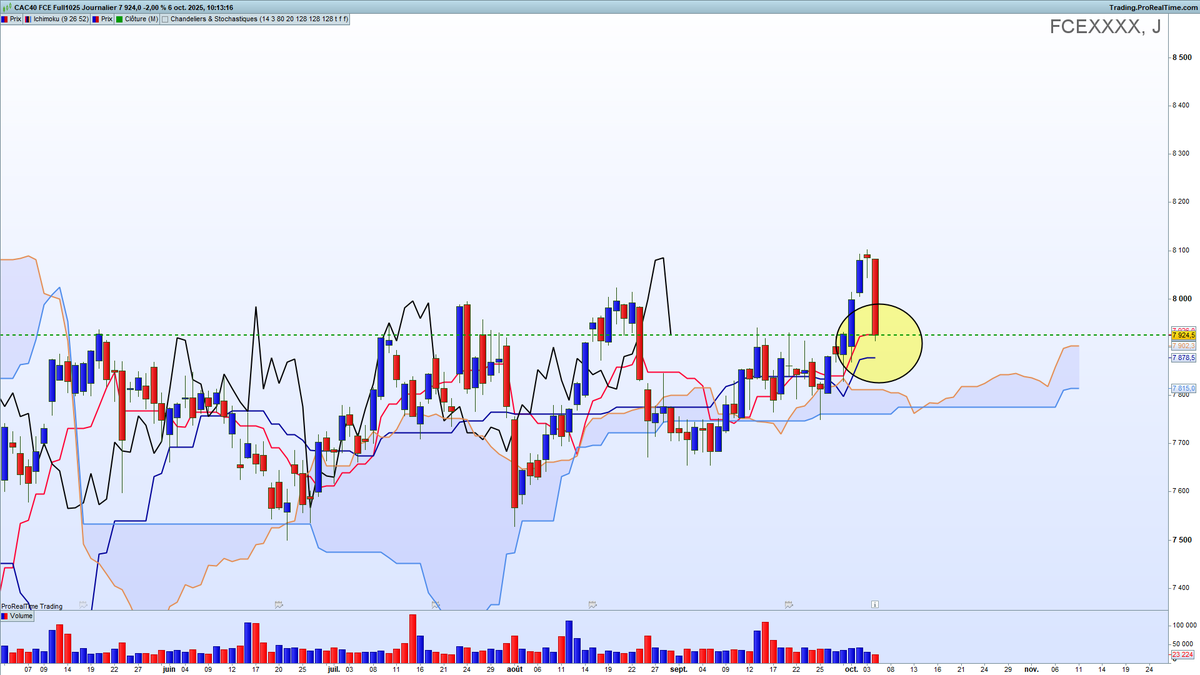
#CAC40 graphique D
Suite à la démission du dernier ministre les prix ne retracent pas n'importe ou Ils le font pile sur la tenkan sen pour le moment
Je ne serais pas étonné qu'ils aillent chercher la kijun avant un rebond pouvant être mis a profit pour du trading intraday
Français
@v_christele Ichimoku est vraiment un outil très puissant 🙌👍
Français
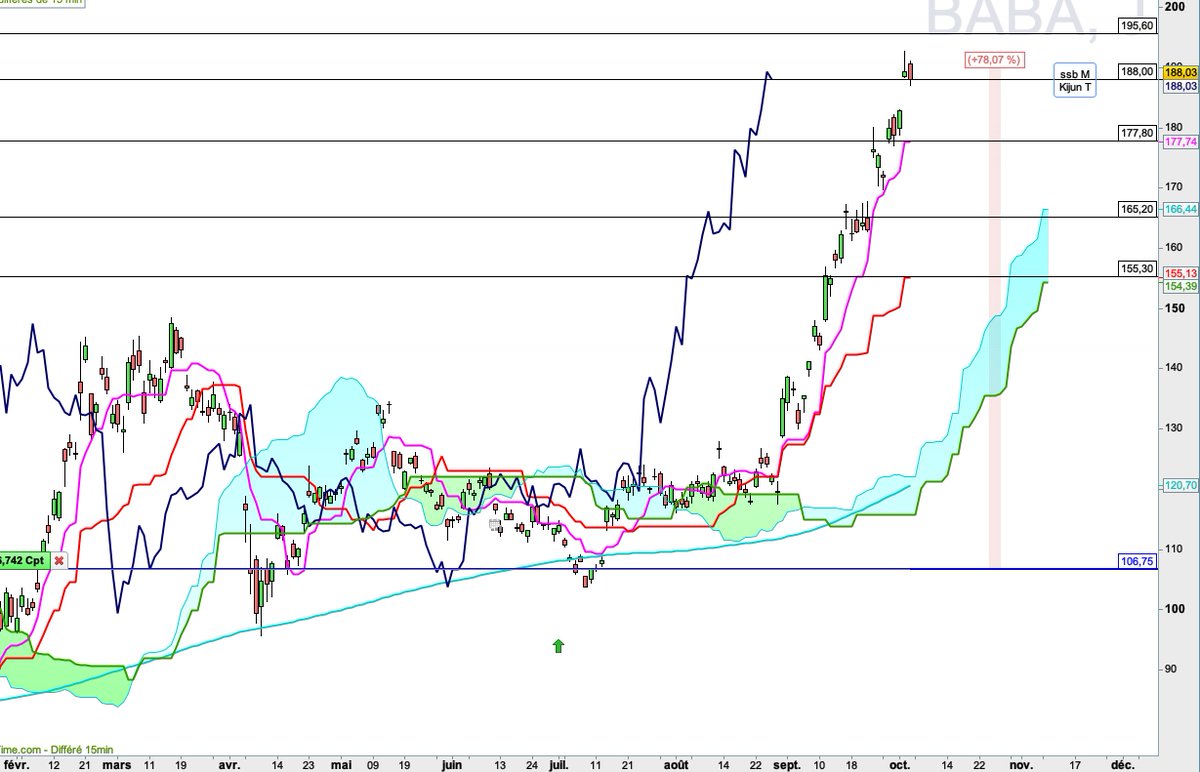
#ALIBABA #BABA TP2 pris vendredi à 190. Plat de Kijun trimestrielle
Je veux bien un retour sur la kijun vers 155 😀
ChristèleV@v_christele
#ALIBABA #BABA Les news sont bonnes. Ça devrait aider à franchir cette zone . Toujours in
HT

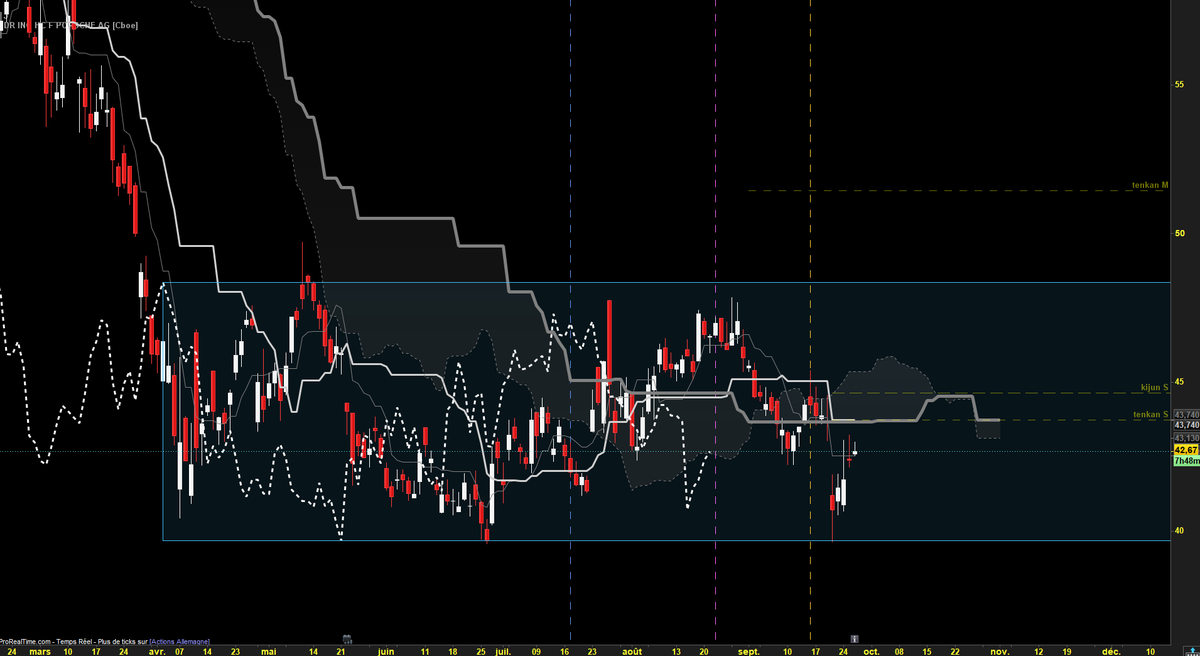
@a_b_fx Nuage plat qui caractérise une stabilité des cours.
Ichimoku est un outils exceptionnel
Français

Tomorrow we’re live again at 4PM UK time with @edgewonk for another Strategy Development session!
We’ll break down how to use journaling and performance metrics to refine your edge, and we’re giving away:
🔸 3x yearly Edgewonk licenses
🔸 1x three-month subscription to Darwinex Zero
Don’t miss it: sharpen your strategy and maybe win a tool that transforms your trading.
Live tomorrow | Join us on X!

English
@DarwinexZero I'm the trendfollower Darwinex Can help to start ?!
English
“Opportunities” suddenly appear once you’ve got at least a year of track record behind you.
Before that: silence. After that: capital, conversations, and doors you didn’t even know existed.
The record is the difference.
English
@DarwinexZero DarwinexZero is possible to do the trendfollowing ?!
English
What could make our permanent allocation even better? 😏
> No performance targets to hit
> Instant €100k allocation for your DARWIN!
🚀 Unlock capital backing faster than ever before! More info on our blog post: hubs.li/Q0338gqM0

English
@KhaliBOUZIDI Bonjour @KhaliBOUZIDI
Je suis Camerounais et je voudrai savoir comment je pourrai également intervenir dans le marché de casa depuis mon pays
Français