Dave Goldhawk 🇿🇦🇿🇼🏴🇬🇧🇸🇪🇮🇱 retweetledi
Dave Goldhawk 🇿🇦🇿🇼🏴🇬🇧🇸🇪🇮🇱
2K posts

Dave Goldhawk 🇿🇦🇿🇼🏴🇬🇧🇸🇪🇮🇱
@Metalbird1950
Bulawayo born historian & teacher. Lifelong learner: ukufunda akupheli kuphela amalanga. Your attitude is your choice. Drakensberg & Botha's Hill
KwaZulu-Natal, South Africa Katılım Nisan 2012
308 Takip Edilen206 Takipçiler

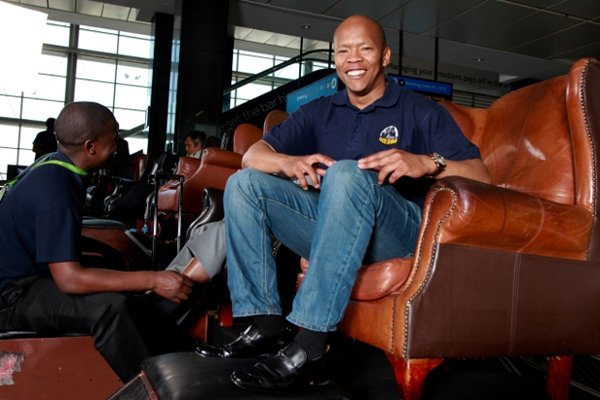
@chi_quiero Shoeshiners alive and well at OR Tambo International Airport, Johannesburg

Lesotho 🇱🇸 English
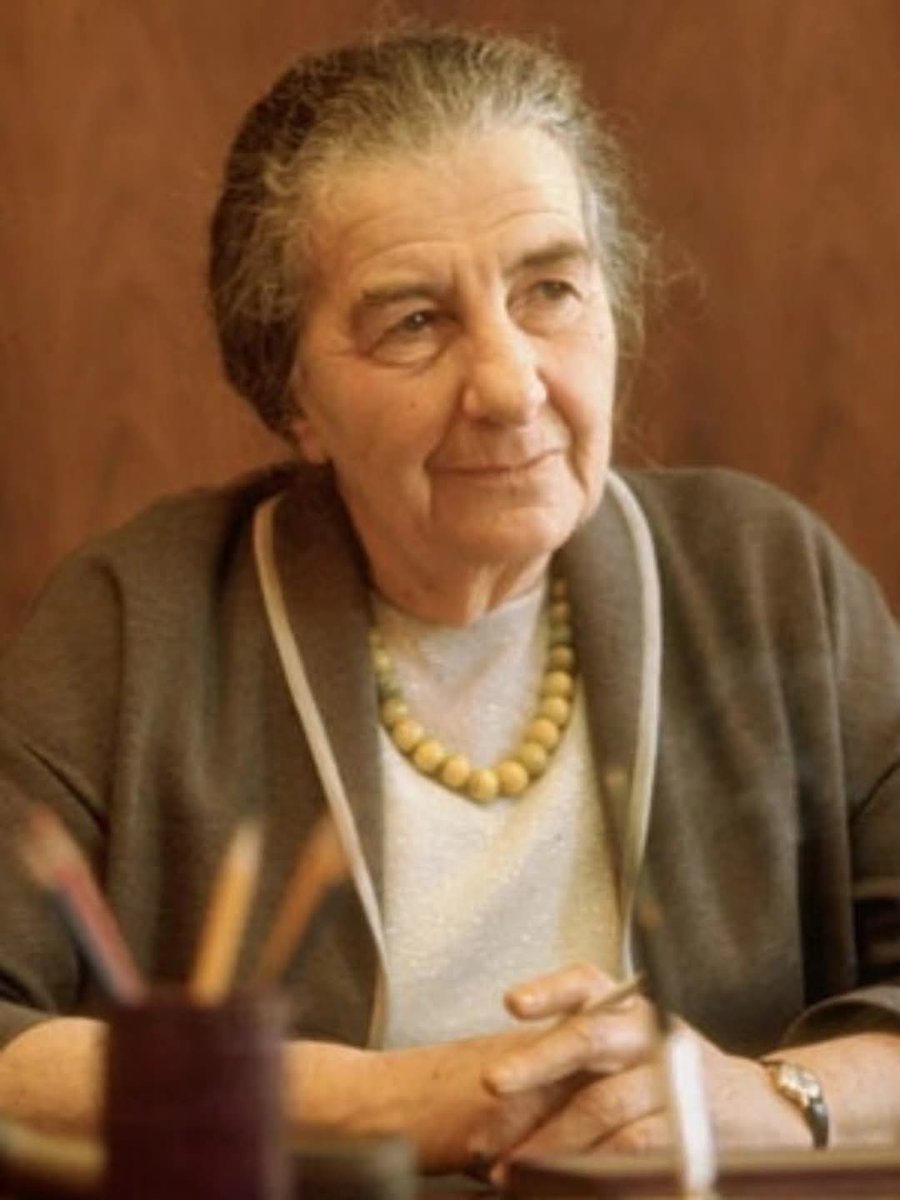
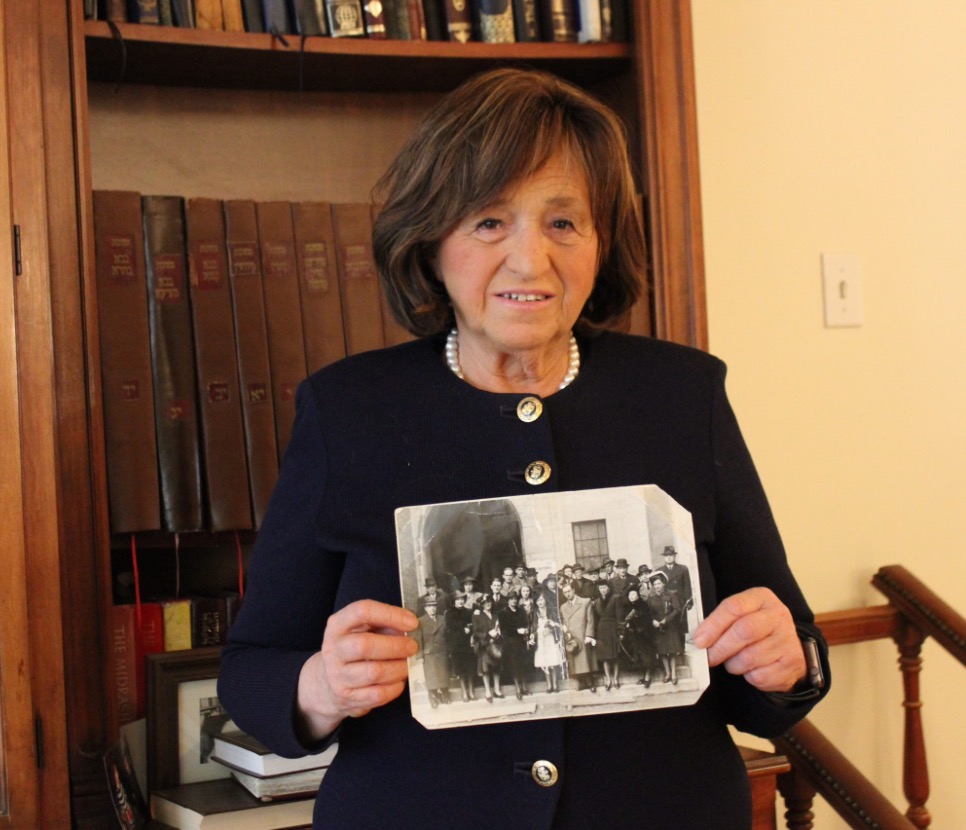
@afshineemrani A remarkable woman who led by example. May her memory be a blessing.
English
In November 1947, a woman stepped into a car in Jerusalem and vanished into the night.
Dressed in an Arab disguise, she crossed into enemy territory on a secret mission to meet King Abdullah I. Her goal? To find a way to avoid a war that hadn't even begun.
At that moment, Golda Meir wasn’t a Prime Minister. Israel didn’t even exist. But she was already its heartbeat—and she was willing to risk her life to give it a chance.
From Kyiv to the World Stage:
Born in 1898 in the Russian Empire, Golda survived the harsh reality of poverty and antisemitism before her family fled to Milwaukee. While others saw a Jewish homeland as an "unrealistic" dream, Golda saw it as a necessity. She moved to British Palestine to build a nation from the ground up—raising funds, forming alliances, and speaking truth in rooms where it wasn't always welcome.
The Woman Who Secured the State:
* 1948: She raised $50 million in just weeks—the money David Ben-Gurion said "made the state possible."
* The Signatory: She was one of only two women among the 37 people who signed Israel’s Declaration of Independence.
* The Silent Battle: Behind the scenes of her rise to Prime Minister, Golda was quietly living with lymphoma. Diagnosed in 1965, she kept it entirely private for 13 years, putting the country’s needs above her own health.
The Final Burden:
Even when the surprise attack of the Yom Kippur War came in 1973, Golda remained steady. When she finally stepped down in 1974, it wasn't due to personal blame—it was because she believed a true leader carries the weight of institutional failure.
She was called the "Iron Lady" long before the world knew the name. When asked about being a "great woman," she simply said she worked to be a great leader and the label didn't matter.
She was right. And she was both. 🇮🇱✨
#GoldaMeir #WomenInHistory #Legacy #Israel #Leadership

English

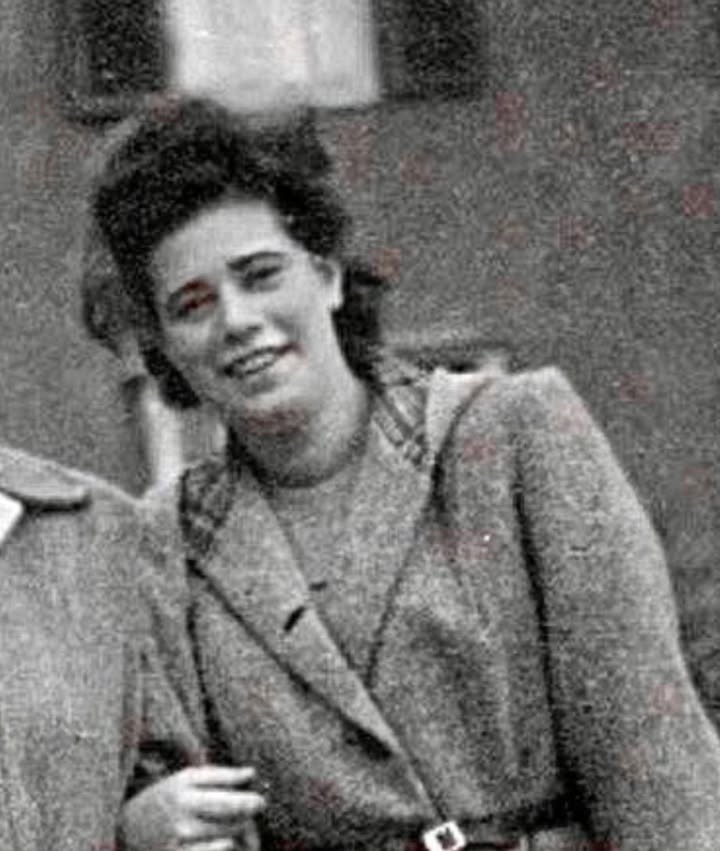
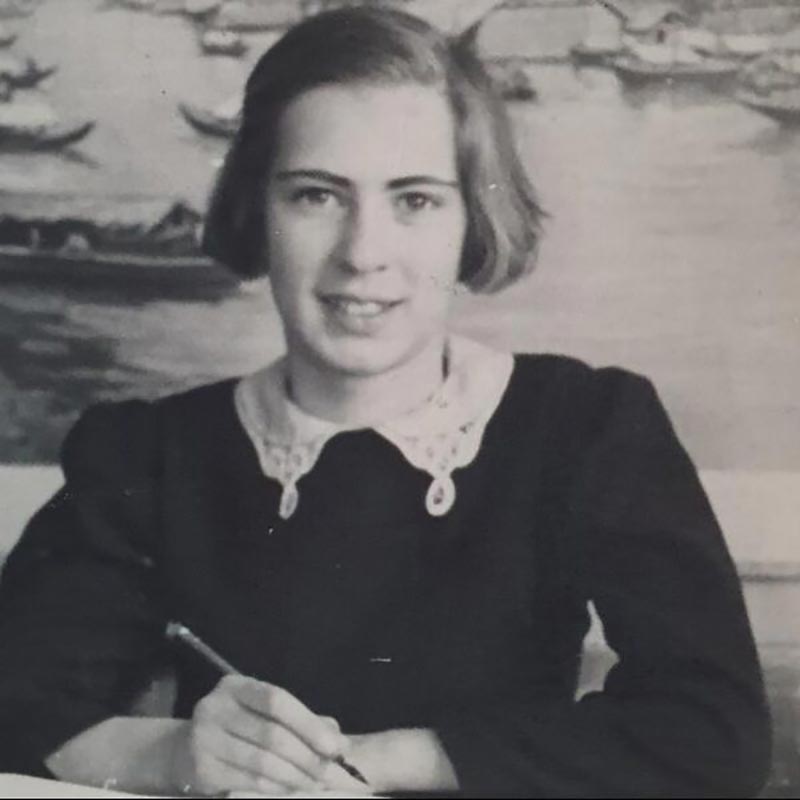
2 April 1943 | Polish Jewish girl, Kity Hart, was registered in #Auschwitz as no. 39934.
In November 1944 she was transferred to a subcamp of KL Gross-Rosen, then to Porta Westfalica. She was liberated during evacuation to Bergen-Belsen.


English
@Metalbird1950 So close! You’re on the right track. Maybe try a lower number!
^Kuli
English
This jar full of speckled eggs is up for grabs! 🍬🍭 Take a guess and make it yours.
#sweetgame

English
@ZimbabweHistor2 There are also Mfengu/Mafengo people in Zambia - possibly also accompanied BSA Company during colonial times.
English
THE HISTORICAL BACKGROUND OF THE FINGO
The baFengu (also known as Fengu or Fingo) in Zimbabwe are a diasporic Nguni/Xhosa-speaking community whose presence stems from late-19th-century colonial recruitment rather than ancient settlement. They are not indigenous to Zimbabwe but descendants of groups displaced during the Mfecane/Difaqane wars (early 1800s) in what is now South Africa.
Historical Background
During the Mfecane upheavals triggered by Zulu expansions under Shaka and related conflicts (including Boer involvement), various clans (including Hlubi, Zizi, Bhele, and others) fled north and sought refuge among the Xhosa under King Hintsa in the Eastern Cape around 1818–1830s. The Xhosa called them Mfengu (“wanderers” or “beggars,” from ukumfenguza – to seek refuge or beg), a term some view as derogatory. They were granted land, assimilated Xhosa language and customs, and formed a loose confederation of clans.
Strongly allied with British colonists (unlike many Xhosa), they fought on the British side in the Cape Frontier Wars, swore the 1835 “Fingo Oath” under a milkwood tree (pledging loyalty to the Crown, Christianity, and education), and gained privileges as British subjects. They became early adopters of Western farming (first Bantu group in South Africa to use ploughs and grow wheat), built schools, published newspapers, and adapted rapidly to capitalism and urban life precisely because they lacked a rigid pre-existing tribal structure after the migrations.
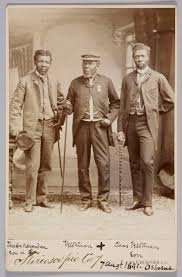
In the 1890s, Cecil John Rhodes and the British South Africa Company (BSAC) recruited Fengu fighters—known as “Cape Boys”—to help occupy Matabeleland (1893) and suppress the Ndebele rising (1896). After the wars, Rhodes invited more Fengu families to Southern Rhodesia (Zimbabwe) to provide loyal black labor, act as a buffer/neutralizing force against the “war-like” Ndebele, and create stable settler communities. A 1898 “Fingo Agreement” (signed in Butterworth, Transkei) promised land (e.g., 10 acres per eligible male) in exchange for three months’ annual labor for three years, after which individuals received title deeds. The main settlement was at Mbembesi (Bembesi) in Matabeleland North, about 42 km northeast of Bulawayo; smaller groups went to areas like Gwanda. They arrived in waves from the late 1890s, led by Christian converts (Wesleyan Methodists, Anglicans, Presbyterians, etc.). By 2000, the Mbembesi community celebrated its centenary. They formed an educated African elite in early colonial Rhodesia and participated in socio-political movements.
Today, Zimbabwean Fengu (who often prefer the self-identification “Xhosa” or “Zimbabwean Xhosa” over “Mfengu/Fingo”) maintain isiXhosa as a minority language and are concentrated around Mbembesi but have spread due to later resettlements.
Social Hierarchy
In Zimbabwe, their communities are patriarchal and kinship-based, organized into clans or izizwe (e.g., Ngxingwa, Bhuluda, Sojini, Nqakala, and others). Seniority, age, and gender structure daily and ritual life:
Men/elders/fathers (uSomagwaza) hold primary authority; decisions (e.g., on marriage or rites) involve collective consent of fathers and brothers.
Initiation marks status: boys (inkwenkwe) become men (ikrwala after circumcision) around ages 18–25 and gain respect, marriage rights, and community duties.
Women play supportive but subordinate roles (e.g., brewing beer, cooking, ululating, and certain dances); they are excluded from sacred male spaces like the cattle byre during rituals.
Leadership historically included appointed chiefs (e.g., Morosi Nyilika at early Bembesi) and educated elites tied to missions and colonial administration.
In short, the baFengu’s early settlement in Zimbabwe was a deliberate colonial project that transplanted a resilient, Christianized, adaptable Xhosa-affiliated group. Their lack of rigid hierarchy aided survival and prominence, while core practices like umguyo and isiXhosa preserve cultural continuity.


English

@ZimbabweHistor2 I remember well the legendary warden of Manfred Hodson Hall, Alfred "Jongwe" Knottenbelt.
English

University College of Rhodesia & Nyasaland to University of Zimbabwe
In 1945, Manfred Hodson formed the Rhodesia University Association, inspired by the promise of £20,000 by J.F. Kapnek for establishing a university. The following year, the Legislative Assembly of Southern Rhodesia adopted a motion proposed by Hodson for the establishment of a university college to serve the needs of Rhodesia and neighbouring territories.
In 1947, the Governor of Southern Rhodesia established the Rhodesia University Foundation Fund. The Legislative Assembly accepted an offer of land in Mount Pleasant from the City of Salisbury for the construction of the campus in 1948 and four years later a bill was enacted for the incorporation and constitution of the university.
In 1952, the first classes began for some 68 students on a temporary site at 147 Baker Avenue. Independent of the initiatives of Hodson and the Legislative Assembly, the Central African Council’s commission on higher education, led by Sir Alexander Carr-Saunders recommended the establishment of a university college to serve Rhodesia and Nyasaland, with its first preference being to integrate with the Southern Rhodesian initiative.
The university college was funded by grants from the British and Federation of Rhodesia & Nyasaland Governments, Anglo American Corporation, the British South Africa Company, the Rhodesia Selection Trust, the Beit Trust, the Ford Foundation and the Dulverton Trust. During the 1953 Royal Tour, Queen Elizabeth, the Queen Mother, laid the foundation stone.
In 1955 the British government formally adopted the institution, establishing the University College of Rhodesia and Nyasaland by Royal Charter. By 1956, the college was admitted to the privilege of Special Relation with the University of London and in 1957 all activities were transferred to the Mount Pleasant campus. In 1958 the college was granted pieces of land upon which the college farm and the Lake Kariba Research Station were constructed.
A Medical School was opened in 1963 and was affiliated to the University of Birmingham. After the dissolution of the Federation of Rhodesia and Nyasaland, the university became the University College of Rhodesia. In 1980 it then became the University of Zimbabwe after the attainment of independence from the British crown.


English

@ZimbabweHistor2 Thank you for ventilating this largely neglected aspect of Africa's past.
English

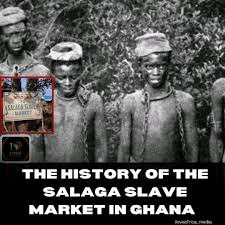
HISTORICAL REFLECTIONS(read through)The Arab slave trade (also known as the Trans-Saharan or Eastern slave trade) is one of the longest-running instances of human trafficking in history, spanning over 1,300 years from the 7th to the 20th century. While often overshadowed by the Trans-Atlantic trade, its impact on indigenous African communities was profound, systemic, and continues to influence geopolitical relations today.
Arabic nations and merchants served as the primary drivers, financiers, and consumers of this trade. Their involvement was characterized by several distinct mechanisms:
Arab and Swahili-Arab traders established and controlled the major arteries of the trade.
Caravans moved millions of enslaved people from West and Central Africa across the desert to North African markets like Tripoli, Cairo, and Marrakech.
Coastal cities like Zanzibar (under the Omani Sultanate) became massive slave hubs. Enslaved people were brought from the interior (modern-day Congo, Malawi, Tanzania) and shipped to the Persian Gulf, India, and the Arabian Peninsula.
The "invasion" was often a mix of direct military raids and the fostering of proxy wars.
Armed caravans would push deep into the African interior to capture villagers.
To ensure a steady supply, traders often provided firearms to certain African kingdoms, incentivizing them to raid their neighbors. This created a cycle of "trade or be traded," destroying the social fabric of indigenous communities.
The Arab slave trade had specific brutal features that aimed to erase the identity and future of the enslaved:
Historians like Tidiane N'Diaye use this term because of the high mortality rate. It is estimated that up to 50%-75% of those captured died during the forced marches across the Sahara or the journey to the coast.
Castration: A high percentage of male slaves were castrated to serve as eunuchs in palaces or harems. This was done to prevent them from integrating into the host society through reproduction, which is one reason why there are fewer large African-descendant populations in the Middle East compared to the Americas.
Unlike the Trans-Atlantic trade, which sought field labor, the Arab trade had a higher demand for women and girls for concubinage and domestic service, leading to widespread sexual violence.
The call for reparations to affected African communities is based on several ethical, economic, and historical grounds:
The trade robbed Africa of millions of its most productive young people over 13 centuries. This "human capital flight" prevented the development of local industries and agriculture, creating a wealth gap that persists today. Reparations are viewed as a way to return the "stolen labor" that built the wealth of various Middle Eastern and North African dynasties.
The trade institutionalized a racial hierarchy and "anti-Blackness" in parts of the Arab world that persists today. Descendants of those affected argue that reparations—including formal apologies and educational reforms—are necessary to dismantle these deep-seated prejudices and heal the psychological scars of centuries of dehumanization.
While the Trans-Atlantic trade was abolished and largely condemned by the 19th century, the Arab slave trade continued well into the 20th century (with Saudi Arabia and Mauritania only officially abolishing slavery in 1962 and 1981, respectively). Proponents of reparations argue that because the practice ended so recently, the direct economic and social lineages of the victims are still easily identifiable and their disadvantage is more immediate.
There is a growing international consensus that slavery constitutes a "crime against humanity." If Western nations are being held to account for the Trans-Atlantic trade, advocates argue that Arabic nations must also be held to the same standard of restorative justice to avoid a "historical double standard."


English

@AuschwitzMuseum Baruch dayan ha'emet
May her memory be a blessing.
English

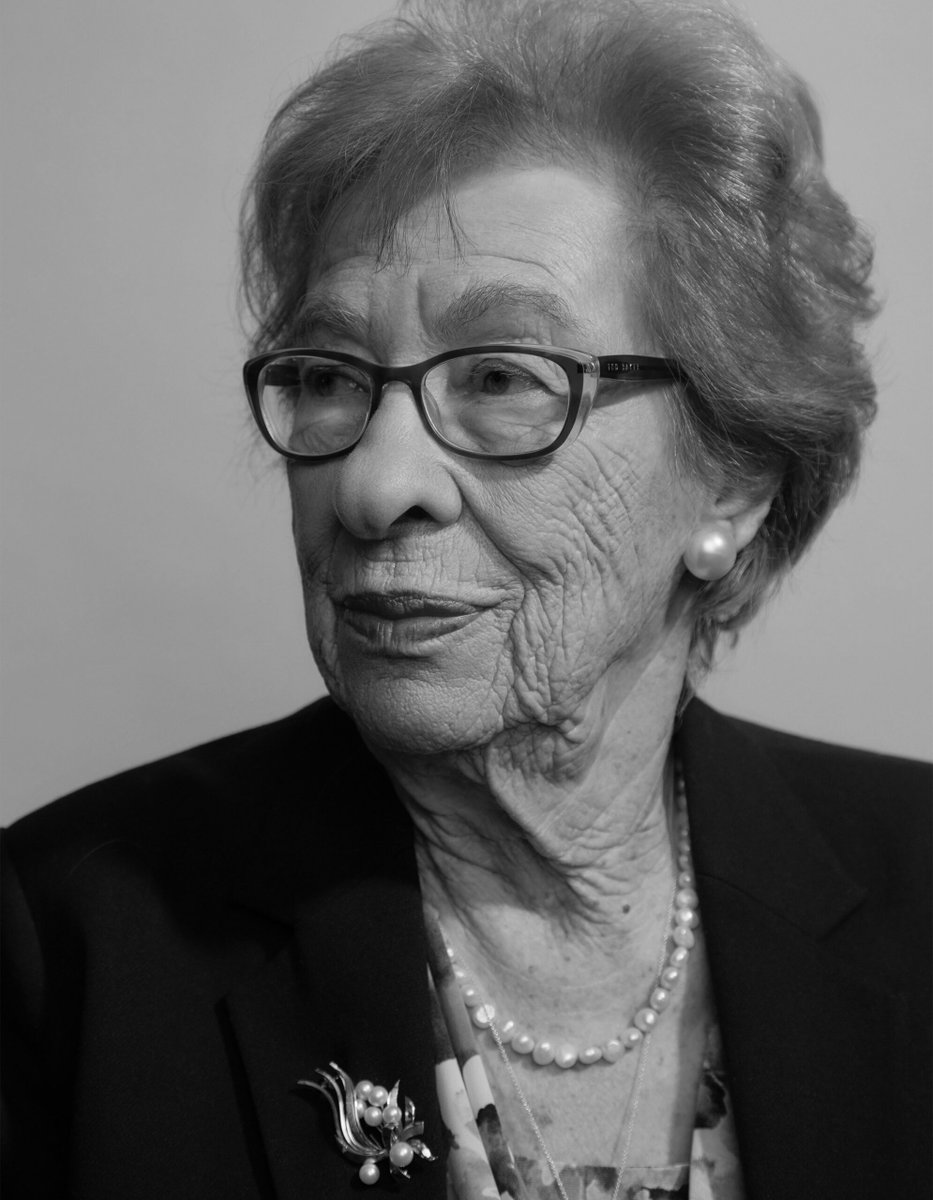
With great sadness, we received the news of the passing of Eva Schloss (née Geiringer), an Auschwitz survivor.
Eva was born on 11 May 1929 into a Jewish family in Vienna. In 1938, her family fled to Belgium and later to the Netherlands. She lived in the same apartment building in Amsterdam as Anne Frank. The two girls, only a month apart in age, were sometimes playmates between the ages of 11 and 13.
In 1942, both girls went into hiding in an attempt to evade the persecution and arrest of Jews in Amsterdam.
In May 1944, Eva’s family was captured by the Germans after being betrayed by a double agent within the Dutch underground and deported to Auschwitz. Her father and brother did not survive. Eva and her mother were barely alive when they were liberated by Soviet troops.
After the war, they returned to Amsterdam, where they reconnected with Otto Frank, whom Eva’s mother later married.
Eva eventually settled in London, where she married Zvi Schloss. She authored several books and was a co-founder of the Anne Frank Trust in the United Kingdom.
Eva Schloss passed away on 3 January 2026.


English

@AuschwitzMuseum Mazeltov! Biz hundert un tsvantsig!
CY

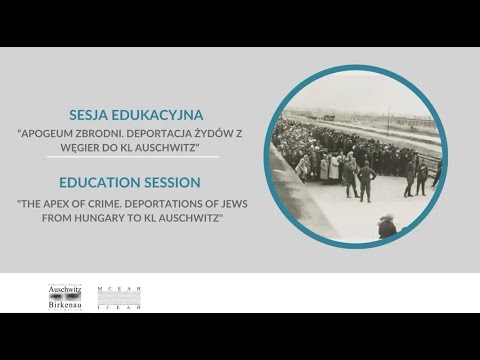
21 December 1944 | A Hungarian Jewish girl, Angela Orosz Richt, was born in Auschwitz II-Birkenau.
Her mother was deported from Hungary when she was 3-months pregnant. She risked her life in the camp to keep the pregnancy secret.
Angela was liberated on 27 January 1945.
Today she lives in Canada & turns 81.
Join us in wishing her a happy birthday!
---
▶ Watch our webinar about deportations of Jews from Hungary to Auschwitz: youtu.be/M42znxofU5Q

YouTube

English

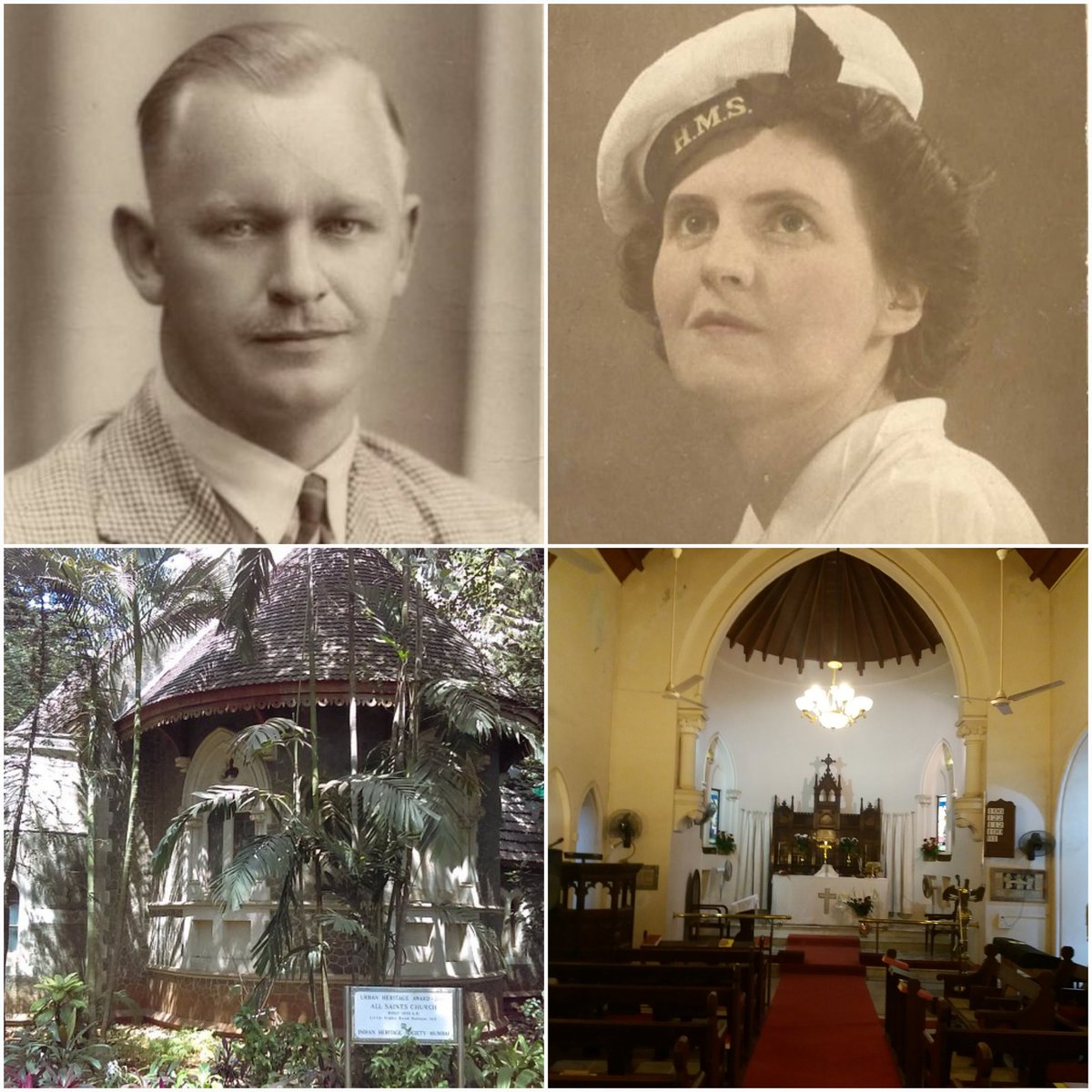
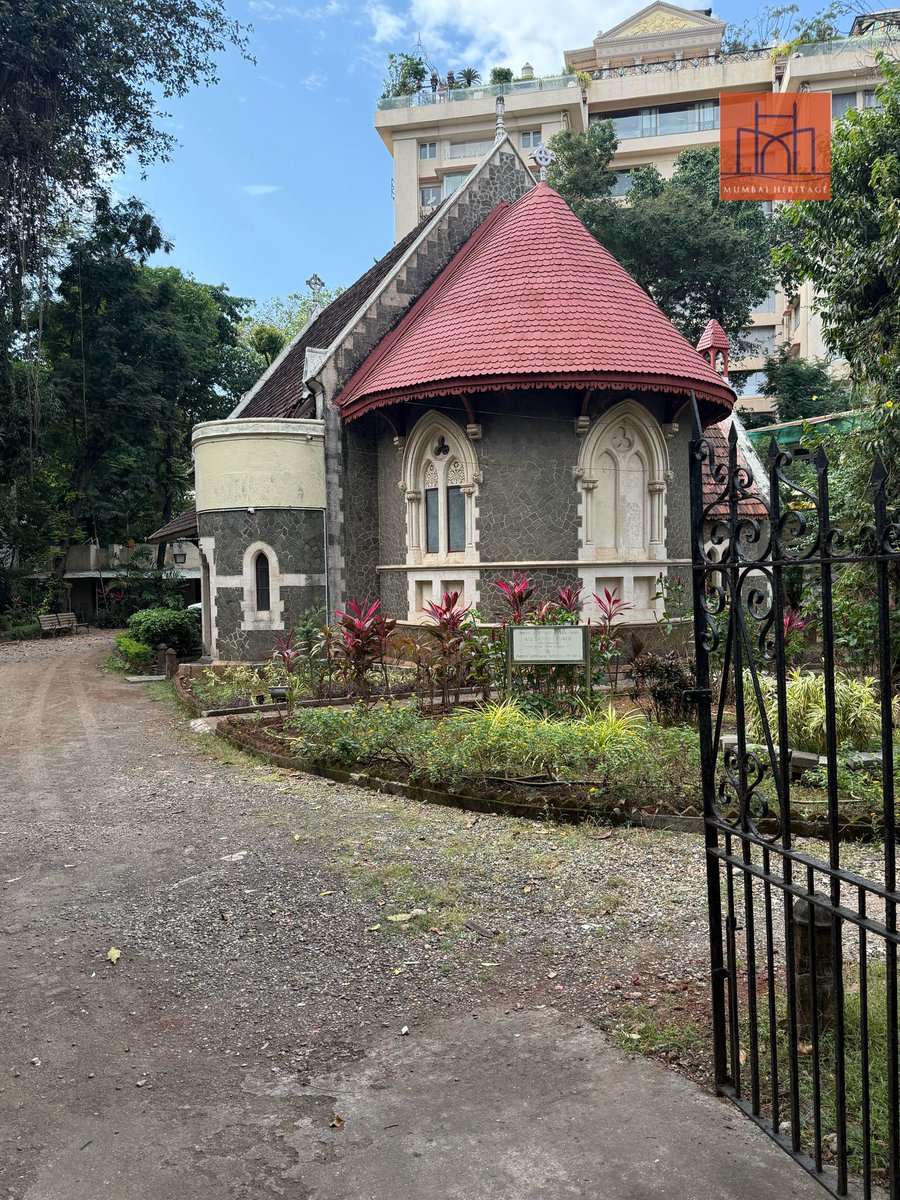
@mumbaiheritage My parents were married in this beautiful church on 5 August, 1944.
My father was serving with General Wingate's Chindits in Burma and my mother in the British navy on the staff of Lord Mountbatten in New Delhi. I was privileged to attend a service there on Christmas Day in 2018.

Estcourt, South Africa 🇿🇦 English

In 1938, Muhammad Ali Jinnah’s only daughter, Dina, married Neville Wadia here, inside the quiet All Saints’ Church, Malabar Hill.
A wedding that made headlines across Mumbai.
#MumbaiHeritage #OldMumbai

English

@simongerman600 And Flushing named after the Dutch port of Vlissingen
English

By now most folks probably learned the difference between Holland and the Netherlands. Most people also know that New York was known as New Amsterdam from 1626 to 1664. But the fact that Harlem in New York is named after the Dutch city of Haarlem (in the province of North Holland) isn’t common knowledge.

English

🟡 IDF representatives informed the families of Guy Iluz, Bipin Joshi, and two additional deceased hostages, whose names have not yet been cleared for publication by their families, that their loved ones have been brought back for burial.
According to the information and intelligence available to the IDF:
- Guy was abducted alive and injured by Hamas after escaping the Nova music festival. Guy died from his wounds after not receiving proper medical treatment while held captive. He was 26 years old at his death.
- Bipin was abducted at the age of 23 from a shelter in Kibbutz Alumim by Hamas. It is assessed that he was murdered in captivity during the first months of the war.
Final conclusions will be determined after the completion of the examination of the circumstances of death by the National Center of Forensic Medicine.
The IDF expresses deep condolences to the families, and continues to make every effort to return all the hostages, as Hamas is required to fulfill its part of the agreement and make the necessary efforts to return all the hostages to their families and to proper burial.

English

@HumansOfJudaism Baruch Hashem
Lesotho 🇱🇸 Deutsch

🔸What were his exact words?
We need new leaders.🇿🇼
ZBC News@ZBCNewsonline
INTERNATIONAL Evangelist Pastor Benny Hinn and his team have praised President Emmerson Mnangagwa for spearheading massive life-changing development in the country, which should be emulated by other nations. zbcnews.co.zw/pastor-benny-h…
English