MhariKyuri

2.9K posts

MhariKyuri

MhariKyuri

@MhariKyuri

Katılım Aralık 2010
5.1K Takip Edilen63 Takipçiler
MhariKyuri retweetledi
Anish Moonka
Anish Moonka@anishmoonka·
In 1944, a Swiss engineer named Hans Hilfiker designed a clock for train stations. Sixty-eight years later, Apple put it on the iPad without asking. Switzerland sent them a $22 million bill. Apple paid. The clock has a red second hand that sweeps the dial in 58.5 seconds, then pauses for a beat at the top of the minute. It waits for an electric signal from one master clock somewhere in the country before jumping forward. Every clock at every station shows the same second. This kind of obsession runs through every Swiss train ride. Two crews drilled through 35 miles of solid Alps from opposite ends to build the Gotthard Base Tunnel. After 17 years and $12 billion, they met in the middle, 3 inches off. Vertically, the misalignment was under half an inch. It is the longest train tunnel on Earth, and the deepest, with up to 1.4 miles of rock overhead. Nine workers died building it. Switzerland has more train track per square mile than any country in Europe. Nearly three times more than the European average. The Swiss ride more trains per person than anyone in the world except Japan. The average is 1,500 miles a year. Punctuality runs on its own scale. Last year, 94 out of every 100 Swiss trains arrived on time. And in Switzerland, "on time" means "within 3 minutes of the schedule." Germany gives trains 6 minutes. France and Italy give 5. Use Germany's gentler rule, and 99 out of 100 Swiss long-distance trains arrived on time. Germany itself manages 62. The trains have been fully electric for decades. Since January 2025, all of that electricity comes from clean energy, mostly from eight hydroelectric plants the railway owns. A long-distance Swiss train carries one passenger 60 miles on about half the electricity an electric car would use. Scenery like that takes work. It takes a country that spends $18 billion on its trains in four years, powers them with Alpine water, drills 35 miles through solid mountain, and treats a 3-minute delay as a national failure. The view out the window is what's left over.
hello dongwon@Hello_Dongwon

스위스 기차에서는 잘 생각 하면 안된다.

English
70
661
6.1K
1.7M
MhariKyuri retweetledi
Incredible!ndia
Incredible!ndia@incredibleindia·
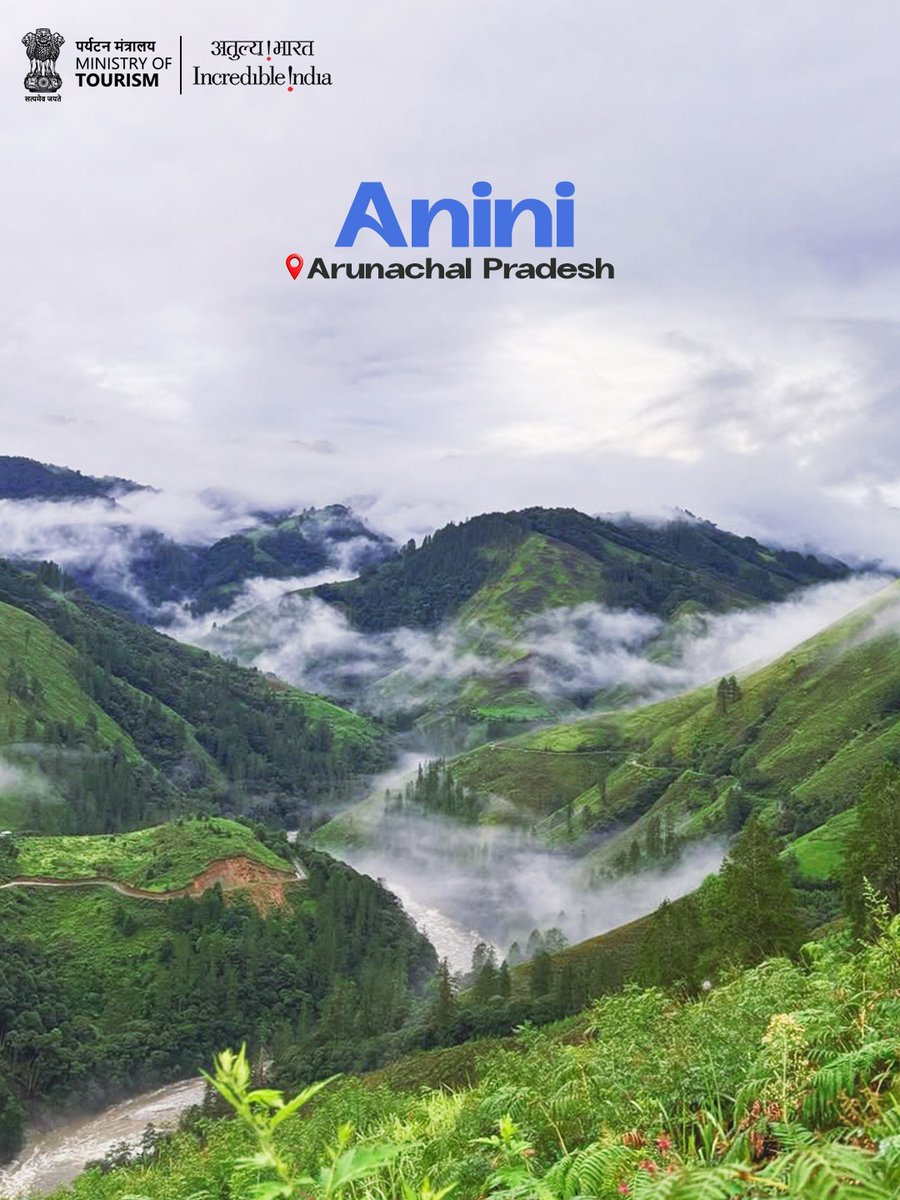
Far from the usual routes, #Anini in #ArunachalPradesh, offers a rare sense of quiet and vastness, making it a true escape for solitude seekers. The Dibang River flows through this remote landscape, shaping a world of untouched beauty all around. Set on a high plateau overlooking the Dri and Mathun valleys, Anini is less about sightseeing and more about the journey where every turn reveals raw, untouched landscapes. Discover Anini - where silence, scale, and untouched beauty come together like nowhere else. Credits- indo_mihu, explore_with_sabyasachi (IG) #IncredibleIndia #TravelIndia #India
Incredible!ndia tweet mediaIncredible!ndia tweet mediaIncredible!ndia tweet mediaIncredible!ndia tweet media
English
3
78
351
10.7K
MhariKyuri retweetledi
Sann
Sann@san_x_m·
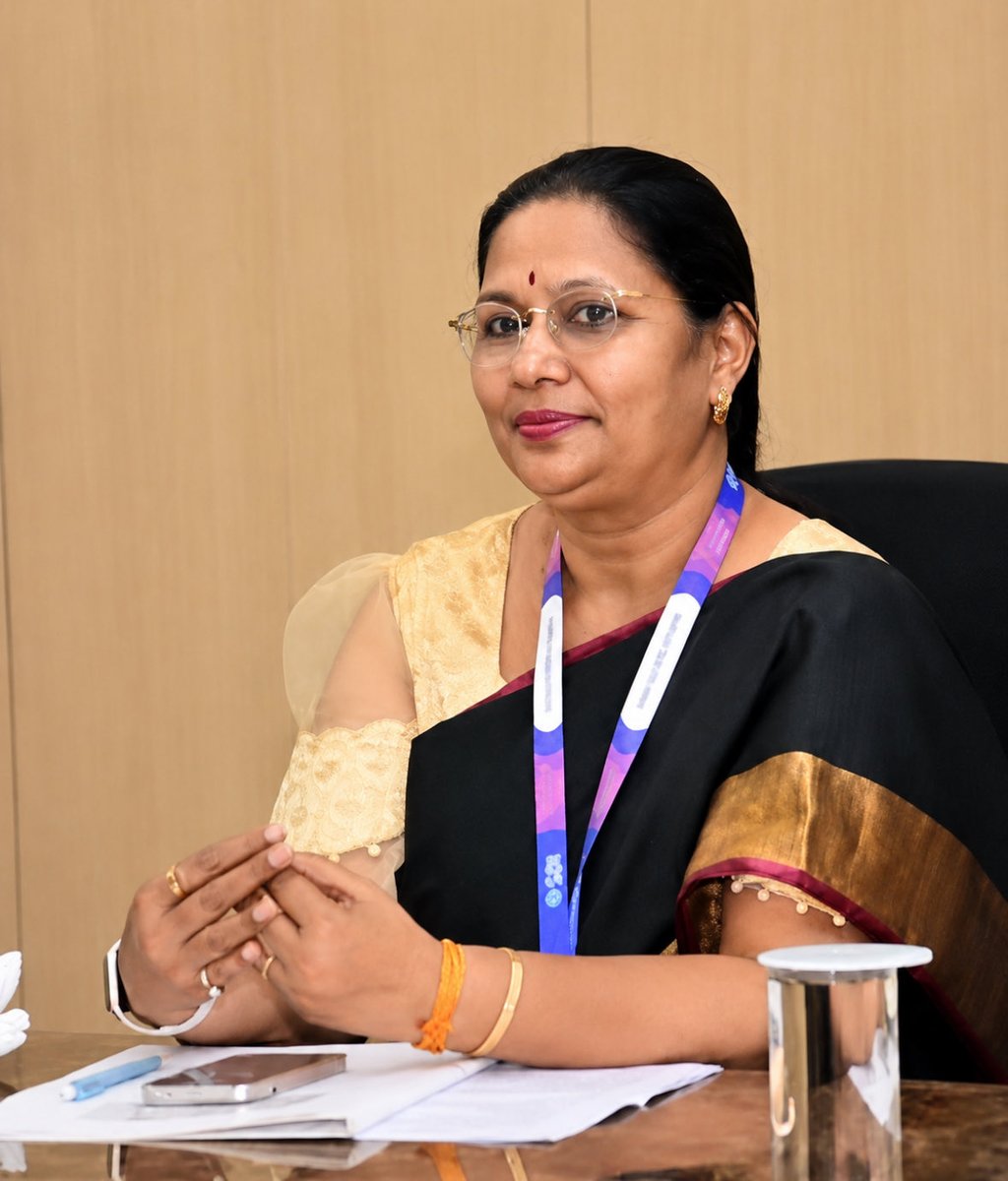
Her name is Pratiksha Tondwalkar. She was born in 1964 in Pune into a Scheduled Caste family. When she was in Class 7, her father decided to pull her out of school and get her married. Her teacher begged him to let her continue. She even offered to pay for Pratiksha’s education herself. Her father refused. She was married at 17. Her husband Sadashiv Kadu worked as a bookbinder at a Mumbai branch of the State Bank of India. When she was 20, he died in a road accident. She was left with a two year old son and no education. She walked into the same SBI branch to collect her late husband’s dues. She told the bank she needed any job they could give her. They gave her a broom. She swept floors. She dusted furniture. She cleaned restrooms. She earned Rs 65 a month. She said in an interview whenever my son asked for a packet of biscuits I would get off the bus one stop early just to save the fare money to buy them for him. After work, she enrolled in night college in Vikhroli. She completed Class 10 with first class marks. Then Class 12. Then a psychology degree. Bank colleagues helped her study whenever they could. Her parents pressured her to remarry immediately. She refused until she had graduated. She was promoted from sweeper to messenger to clerk. She remarried in 1993. Her husband Pramod Tondwalkar encouraged her to take the banking officer exams. She cleared them. She rose from trainee officer to Scale 4 to Chief General Manager. In 2022, she became Assistant General Manager of the State Bank of India. The same bank where she once cleaned restrooms for Rs 65 a month gave her its highest management honour 40 years later. Follow for stories India deserves to remember.
Sann tweet media
English
202
1.6K
6.5K
148.7K
MhariKyuri retweetledi
Parimal
Parimal@Fintech03·
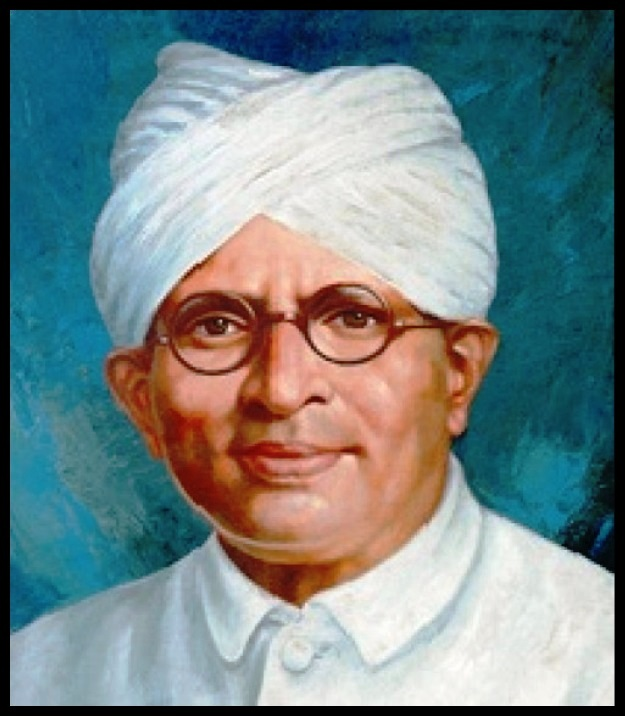
In 1919, 1 man bought a Ghost Ship & challenged the entire British Navy. They tried to bankrupt him with a Zero-Price war, but he won by turning a ferry ticket into a vote for Freedom. From building India’s 1st aircraft factory in secret to carving railway tunnels through impassable mountains, he was the Industrial Guerilla who taught a colony how to fly, sail, & drive. Discover the man who made Made in India a threat to the Empire. He is the man who looked at the British "No Entry" signs across Indian industry & decided to build a sledgehammer. After WWI, the British shipping giant BI (British India Steam Navigation) had a total monopoly on Indian waters. No Indian was allowed to own a large-scale shipping line. On 5th Apr 1919, just days before the Jallianwala Bagh massacre, an Indian man, with no background in shipping, Walchand Hirachand Doshi spotted a ship called the SS Loyalty in Bombay harbor. It was a hospital ship being sold after WWI. W/o waiting for a license, he bought it & launched the SS Loyalty, the 1st ship of the Scindia Steam Navigation Company. The British tried to sink him financially. They started a Price War, dropping ticket prices to almost zero to bankrupt Walchand. Walchand did not blink. He appealed to Indian pride. He told the public: "Even if their tickets are free, if you travel with them, you travel in chains." Indians chose to pay for Walchand's tickets. He broke the 100 yr British naval monopoly. This is why 5th April is still celebrated as National Maritime Day. The British govt in India had a strict policy: "India will produce raw materials; Britain will produce machines." They flatly refused to give a license for an Indian car factory. Walchand realized he could not wait for permission. He went to the USA & met Walter Chrysler. He told Chrysler, I want to build an Indian car for Indian roads. Chrysler was impressed by his grit. Together, they bypassed British red tape to set up Premier Automobiles (the birthplace of the legendary Padmini/Fiat). He proved that an Indian could build an engine, not just a bullock cart. During WWII, the British were desperate for aircraft maintenance in the East but did not want Indians to know the secrets of aviation. Walchand did not ask the British. In Oct 1939, Walchand was returning from the United States (where he had gone to explore setting up a car factory, including talks with Chrysler). On a Pan Am Clipper flight from San Francisco to Hong Kong, he had a chance meeting with American industrialist William D. Pawley (president of Intercontinent Corporation and involved in aircraft manufacturing for China). Pawley was on his way to China to support aircraft production there (for the Chinese government amid the war with Japan). During the flight, Walchand discussed his ambitions with Pawley, who shared insights from his China operations. This conversation sparked the idea for an aircraft factory in India. With the help of Maharaja of Mysore, he set up Hindustan Aircraft Ltd. (now HAL) in Bangalore in 1940. When the British realized what he had done, they were furious but had to nationalize it because they needed the planes for the war effort. Every time we see a Tejas/a Sukhoi take off today, remember that the runway was laid by Walchand’s defiance in 1940. Walchand’s company, Hindustan Construction Company (HCC), was responsible for the Bhor Ghat & Thull Ghat railway tunnels. British engineers said the Sahyadri mountains were too tough for Indian contractors. They wanted to give the contracts to London firms. Walchand took the contract, used indigenous techniques, & completed the tunnels ahead of schedule & at a lower cost. He proved that Indian Civil Engineering could move mountains.. literally. Despite being 1 of the richest men in India, Walchand was a symbol of the Swadeshi spirit. He would walk into boardrooms with British Lords & present his papers in Marathi/Gujarati if he felt they were being condescending. His agenda was clear: "I do not want to be a rich man in a poor country; I want to be a productive man in a rich country. Walchand Hirachand was the Architect of Infrastructure. If Tata built the Steel, Walchand built the Speed.... the ships, the cars, & the planes. He was the 1st Indian to understand that true independence is the ability to move our own people on our own machines. He was the man who turned "Made in India" from a dream into a Turbine. He did not just compete with the British; he made them irrelevant in their own specialized fields.
Parimal tweet media
English
47
432
975
31.4K
MhariKyuri retweetledi
Parimal
Parimal@Fintech03·
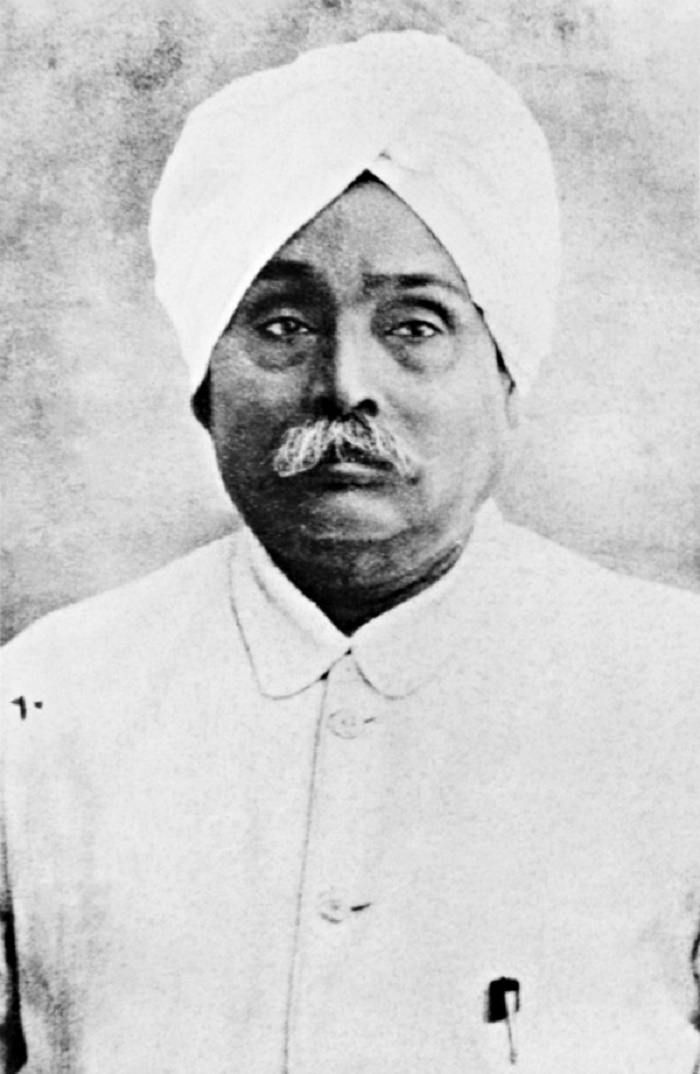
In 1894, Lala Lajpat Rai realized a terrifying truth: Indians were funding their own slavery by keeping money in British banks. His response? He built a Financial Fortress called Punjab National Bank, a bank run by rebels that cut off the British Empire’s capital oxygen. This is the story of how banking became an act of revolution. In the 1890s, Lala Lajpat Rai (The Lion of Punjab) looked at the balance sheets of the British-run banks (like the Presidency Banks) & realized something terrifying. Millions of Indians were depositing their life savings into British banks. The British then used that exact same money to: - Fund the British Indian Army to suppress Indian protestors. - Build railways to export Indian raw materials to Manchester. - Lend money back to Indian businessmen at exorbitant interest rates. It was almost like: "Indian capital is being used to tighten the chains on Indian necks." Lajpat Rai did not go to a banker. He went to Dyal Singh Majithia, a visionary philanthropist. They met in a small room in Lahore with a few others... lawyers, teachers, & traders. They decided to start a bank that was Solely Indian. No British directors, no British shareholders, & no British capital. When they opened the 1st office in Anarkali Bazar, Lahore, on May 19, 1894, the board of directors consisted of men who were on the Watchlist of the British Intelligence. PNB was not just a bank; it was an Intelligence Hub for the Swadeshi movement. The British expected the bank to fail within 6 months. They believed Indians lacked the discipline to manage a complex financial institution. To gain the public's trust, the founders did something radical. They insisted on extreme transparency. While British banks were secretive, PNB published its books clearly to show that not a single rupee was leaving Indian soil. Indian businessmen started moving their accounts to PNB as an act of protest. It was the 1st time in history that Banking became a form of Satyagraha. By moving their money, they were cutting off the capital oxygen of the British administration. Lala Lajpat Rai was the 1st to open an account at the bank. His younger brother joined the Bank as a Manager. Authorised total capital of the Bank was Rs. 2 lakhs, the working capital was Rs. 20000. It had total staff strength of 9 & the total monthly salary amounted to Rs. 320. Everyone had the vision that the bank should cater to the small Indian trader whom the British banks ignored. PNB became the backbone of the Indian industry in the North. It funded the 1st gen of Swadeshi textile mills, sugar factories, & iron foundries that the British refused to support. PNB was headquartered in Lahore. When Partition happened, it lost its Heart. Its buildings, gold vaults, & records were stuck in a new, hostile country. Unlike other institutions that collapsed, PNB’s management worked tirelessly to ensure that every Indian refugee who had an account in Lahore could withdraw their money in Delhi. They moved their registered office to Delhi just weeks before the borders closed. PNB became the Financial Lifeboat for millions of displaced Punjabis, helping them restart their businesses from scratch in a new India. PNB was not built for profit; it was built for Protection. Lala Lajpat Rai knew that political freedom is a myth if we are financially dependent on our oppressor. Every time we see a PNB branch today, remember: we are not looking at a corporate building. We are looking at a Financial Bunker that was built to stop the British from using Indian money to buy the bullets used against Indians.
Parimal tweet mediaParimal tweet mediaParimal tweet media
English
26
416
1.2K
21.6K
MhariKyuri retweetledi
Anish Moonka
Anish Moonka@anishmoonka·
Winston Churchill fought his depression with bricks. He'd lay them for hours at his country home in Kent. He joined the bricklayers' union. And in 1921 he wrote about why it worked. It took psychology another 75 years to catch up. He called his depression the "Black Dog." It followed him for decades. His method for fighting it back was as basic as it sounds: laying brick after brick, hour after hour. Churchill spelled out his theory in a long essay for The Strand Magazine. People who think for a living, he wrote, can't fix a tired brain just by resting it. They have to use a different part of themselves. The part that moves the eyes and the hands. Woodworking, chemistry, bookbinding, bricklaying, painting. Anything that drags the body into a problem the mind can't solve by itself. Modern psychology now calls this behavioral activation. It's one of the most-studied depression treatments out there. Depression sets a behavior trap. You feel bad, so you stop doing things, and doing less means less to feel good about. Feeling worse makes you do even less. The loop tightens until you can't breathe inside it. Behavioral activation breaks the loop from the action side. You schedule the activity first, even when every part of you doesn't want to. Doing it produces small rewards: a wall gets straighter, a painting fills in, a messy room gets clean. Those small rewards slowly rewire the brain. Action comes first, and the feeling follows. Researchers at the University of Washington put this to the test in 2006. They studied 241 adults with major depression and compared three treatments: behavioral activation, regular talk therapy, and antidepressants. For the people who were most severely depressed, behavioral activation matched the drugs. It beat the talk therapy. A 2014 review of more than 1,500 patients across 26 trials backed up the result. Physical work like bricklaying does something extra on top of this. It crowds out rumination, the looping bad thoughts that grind people down during the worst stretches of depression. Bricklaying needs both hands and gives feedback brick by brick: each one is straight or crooked. After an hour you can see exactly how much wall you built. No room left for the mental chewing. The line George Mack used in his post, "depression hates a moving target," is good poetry. The science behind it is sharper. Depression hates a brain that has somewhere else to be.
George Mack@george__mack

Winston Churchill used to lay 200 bricks per day to keep his mind busy when feeling down. Depression hates a moving target.

English
816
11.4K
55.5K
6.7M
MhariKyuri retweetledi
KV Iyyer - BHARAT 🇮🇳🇮🇱
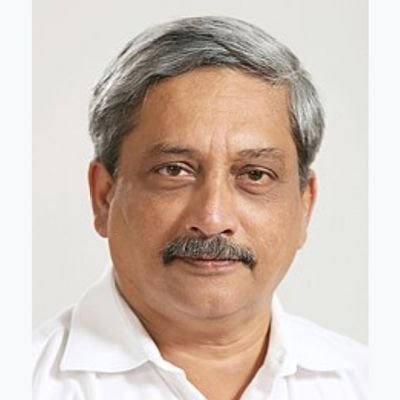
Late Shri Manohar Parrikar Ji once narrated his ordeal. "I'm from Parra, a village in Goa, so we're called 'Parrikars.' My village is famous for its watermelons. When I was a child, the farmers there held a 'Watermelon Eating Contest' in May, after the harvest. All the children were invited and asked to eat as many watermelons as they wanted. Many years later, I went to IIT Mumbai to study engineering. Then I returned to my village after 6.5 years. I went to the market to look for watermelons. But they were gone. The ones I found were very small. I went to meet the farmer who used to hold the 'Watermelon Eating Contest.' Now his son had taken his place. He still held the contest, but there was a difference. When the old farmer offered us watermelons to eat, he would ask us to spit the seeds into a bowl. We were forbidden to chew the seeds. He was collecting seeds for the next crop. We were, in effect, unpaid child laborers. He would keep his best watermelons for the competition, using them as the best. He obtained good seeds, which produced even bigger watermelons the next year. When his son arrived, he thought the larger ones would fetch a higher price in the market, so he started selling the larger ones and keeping the smaller ones for competition. The next year, the watermelons grew smaller, and the next even smaller. A watermelon generation lasts one year. In seven years, Parra's best watermelons were wiped out. In humans, a generation changes every 25 years. In 200 years, we will realize the mistakes we were making in educating our children. Selecting good seeds, that is, talent, is a huge task in itself. Due to irrelevant ideas and useless things, our good watermelons will go to market, leaving us with useless, inferior seeds. We must think about this in today's context.
KV Iyyer - BHARAT 🇮🇳🇮🇱 tweet media
English
88
1.6K
5.5K
170.5K
MhariKyuri retweetledi
Evan Luthra
Evan Luthra@EvanLuthra·
THIS IS INSANE!!!🤯 China just made it ILLEGAL to fire a human worker and replace them with AI.. and the way they found out is insane.. a quality assurance supervisor named Zhou worked at an AI company in Hangzhou.. his job was verifying AI-generated content.. matching user queries with model outputs.. filtering hallucinations and illegal content.. he was literally training the AI to do his own job.. once the model got good enough.. the company told him they were moving him to a lower position.. with a 40% pay cut.. from 25,000 yuan to 15,000.. he refused.. they fired him.. he sued.. and won.. the Hangzhou court ruled that replacing a human with AI is not a valid reason to fire someone.. period.. their logic.. adopting AI is a voluntary business decision.. not an earthquake.. not a government shutdown.. not a force majeure event.. it's a choice the company made to save money.. and because it's a choice.. the company has to absorb the cost of that transition.. not dump it on the worker.. this wasn't a one-off ruling either.. in Beijing.. a map data collector named Liu spent over a decade manually collecting geographic data.. the company switched to AI-automated data collection.. eliminated his entire department.. fired him.. he sued.. won.. exact same reasoning.. AI adoption is a proactive business strategy.. not an unforeseeable external shock.. and here's what's happening in the background that makes these rulings so urgent.. unemployment for chinese workers aged 25 to 29 just hit a record 7.7%.. the highest since they started tracking that age group separately.. companies across china are literally forcing employees to document their daily workflows so AI models can learn to replace them.. workers are training their own replacements and they know it.. a 24-year-old engineer built an open-source tool called "Colleague.Skill" that scrapes your work chat history, emails, code commits, and documents.. and creates a digital clone of you that can do your exact job after you're gone.. he meant it as a dark joke.. it got 13,400 stars on GitHub in three weeks.. top 0.1% of all projects globally.. because it wasn't really a joke.. it was exactly what companies were already doing to their employees.. workers in Shanghai and Beijing told MIT Technology Review that management was actively coercing them to document everything specifically to train AI replacements.. china's response.. make it illegal.. the State Council launched the "AI Plus" initiative.. a ten-year plan that explicitly mandates AI must augment workers.. not replace them.. companies must use AI to upgrade existing roles.. not eliminate them.. by 2027.. smart devices and AI agents must reach 70% penetration.. by 2030.. over 90%.. but the growth has to create jobs.. not destroy them.. now compare this to the US.. in america.. at-will employment means your company can fire you and replace you with AI tomorrow.. no warning.. no severance negotiation.. no retraining obligation.. as long as they're not discriminating based on race, age, or disability.. it's perfectly legal.. there is no federal law protecting american workers from AI displacement.. none.. california proposed a bill requiring just 30 days notice before deploying AI that affects employment.. that's the most aggressive protection any US state has attempted.. china made it illegal to fire you.. america doesn't even require a heads up.. and here's the irony nobody is talking about.. china.. the country the west accuses of having no worker protections.. just gave its workers more protection from AI than any democracy on earth.. the question isn't whether AI will replace jobs.. it's whether your country will protect you when it does.
Evan Luthra tweet mediaEvan Luthra tweet media
BRICS News@BRICSinfo

JUST IN: 🇨🇳 Chinese court rules companies cannot legally fire employees simply to replace them with cost-saving artificial intelligence.

English
148
980
2.4K
209.4K
MhariKyuri retweetledi
AG
AG@alkagurha·
@DoctorLFC Gurgaon had nearly 600 water bodies between 1950-1970. Even in 1976 we had 529 deep natural rain water reservoirs that recharged the water table. Today we have 3.
English
11
53
364
18.3K
MhariKyuri retweetledi
Lawlust
Lawlust@LuLaw_Lulaw·
@DoctorLFC All five 'gaon' that Pandavs had demanded from the Kauravs are located in and around Delhi-NCR: 1. Indraprastha (Delhi) 2. Swarnaprastha (Sonepat) 3. Tilprastha (Tilpat/ Faridabad) 4. Panprastha (Panipat) 5. Vyaghrprastha (Baghpat) Now, match this.
English
9
18
199
24K
MhariKyuri retweetledi
Sann
Sann@san_x_m·
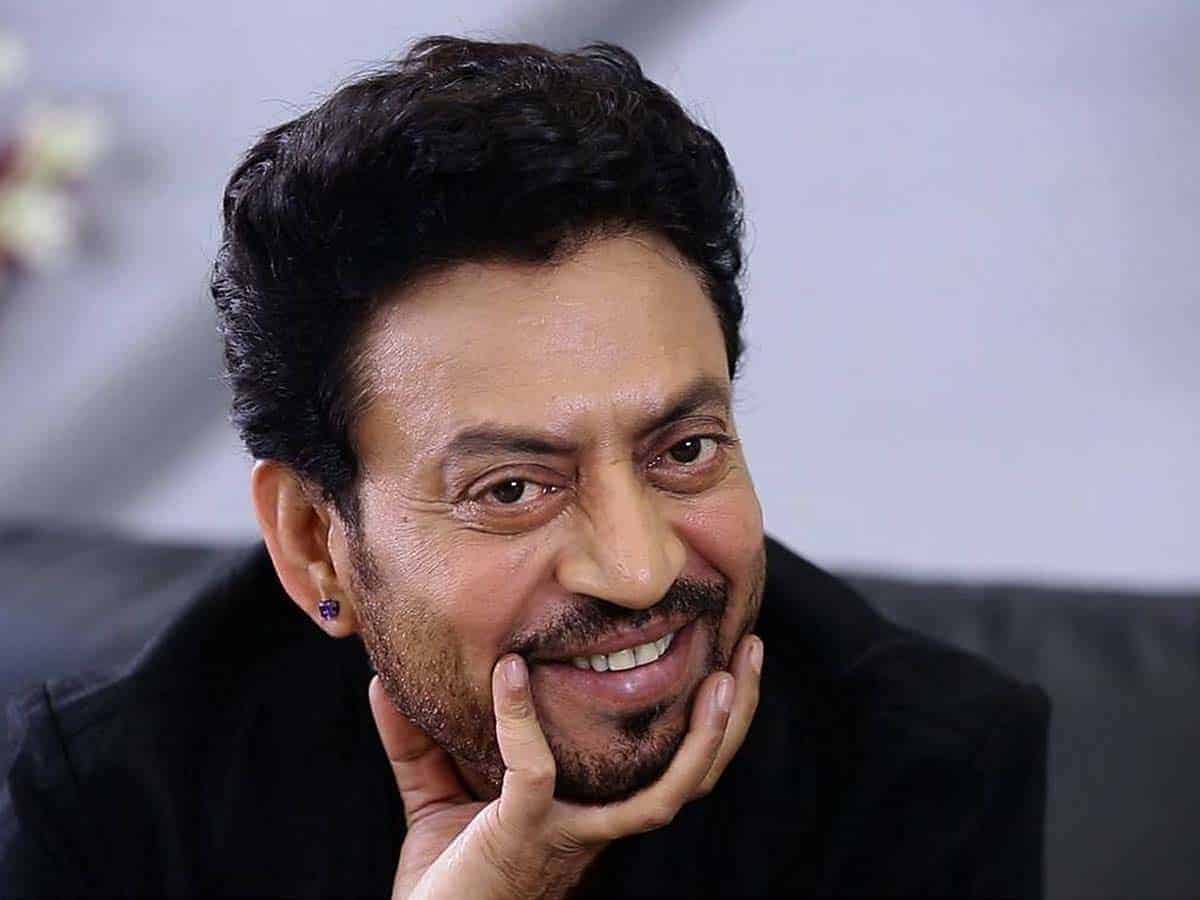
His name was Irrfan Khan. He was born in 1967 in Tonk, Rajasthan. His father ran a tyre business. He was selected for a national cricket tournament for under 23 players. He could not attend because he could not afford the travel expenses. He won a scholarship to the National School of Drama in Delhi in 1984. Acting was not the plan. The scholarship was. In his final year at NSD, Mira Nair cast him in Salaam Bombay. His scenes were cut because he was too tall for the frame. He moved to Mumbai with nothing. He repaired air conditioners to pay rent while waiting for his next role. The 1990s were television serials and forgettable films. The industry had no space for a man with unconventional looks who refused to perform emotions instead of feeling them. He almost quit in 2001. A British film called The Warrior changed his mind. Then everything shifted. Slumdog Millionaire. Life of Pi. Paan Singh Tomar. The Lunchbox. Piku. Talvar. Two films he acted in collectively won 12 Oscars. At the Academy Awards, Julia Roberts stopped him outside the venue to tell him she loved his work in The Namesake. Christopher Nolan offered him a role in Interstellar. He turned it down because he had committed to The Lunchbox. In 2016, he dropped Khan from his name. He said he wanted his work to define him, not his lineage. In 2018, he was diagnosed with a rare neuroendocrine cancer. He flew to London for treatment. Came back in 2019 and went straight back to work. He completed Angrezi Medium while undergoing chemotherapy. It was his last film. Today marks five years since he left. He was 53. The man who repaired air conditioners in Mumbai turned down Christopher Nolan. India just never told that story loud enough. Follow for real stories India never makes headlines about.
Sann tweet media
English
149
832
3.8K
141K
MhariKyuri retweetledi
SANATAN
SANATAN@Eternaldharma_·
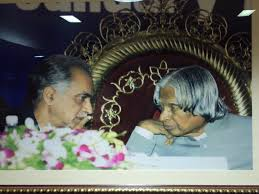
Many knew A. P. J. Abdul Kalam as the “People’s President.” But those who encountered him closely understood that the title was not symbolic it was earned. In April 2001, while still serving with Defence Research and Development Organisation, Dr. Kalam was scheduled to visit an engineering college known for its collaboration with India’s defense research programs. Students had spent days preparing projects, presentations, and decorations for his arrival. The official visit was planned for the next morning. Yet late that night, around 10 PM, something unexpected happened. A simple jeep rolled quietly into the campus. There were no flashing lights. No heavy security. No formal announcement. Dr. Kalam had arrived alone. Instead of waiting for the stage event, he walked straight toward the students still working behind the scenes the ones arranging displays, fixing wires, and decorating halls. Smiling gently, he began asking them what they were building. The students stood frozen. Before them was one of India’s greatest scientists, casually speaking to them as if he were just another teacher on campus. When someone asked why he had come at such an odd hour, he simply said: “Tomorrow everyone will meet the speakers on stage. Tonight I wanted to meet the people who do the real work.” Within minutes, word spread across the hostel. Students rushed out carrying notebooks, scraps of paper, even old lab sheets — anything that could hold his autograph. The next morning, during the formal presentations, he listened to every idea with complete sincerity. Even the wildest concepts received the same attention. He never dismissed youthful imagination. He encouraged it. And that was what made him different. By February 2003, Dr. Kalam had become the President of India. For most people, Rashtrapati Bhavan was a place impossible to enter without power, position, or influence. Yet one handwritten note from a young student changed that assumption. The note was simple. No recommendations. No political connections. No polished language. Just a request to discuss ideas for India’s future. At the reception desk, officials reportedly found it unusual. After all, people did not simply ask to meet the President. But the note was forwarded. And the next day, a call came from the President’s office. Dr. Kalam wanted the student to come. The following afternoon, an autorickshaw stopped outside the grand gates of Rashtrapati Bhavan. The guards could barely believe it when the young visitor stepped out and calmly said: “I am here to meet the President.” After multiple security checks, the visitor was finally escorted inside. Assistants explained the formal protocol how to sit, how to speak, how to behave before the Head of State. The expectation was clear: inside would be power, ceremony, and distance. Instead, when the office door opened, there was only one man inside. Dr. Kalam sat alone at his desk, reading papers. No crowd. No intimidation. No performance. He looked up, smiled warmly, and offered a chair. For the next thirty minutes, the President of India listened carefully as a young student explained scientific ideas and research papers. But he did not merely listen politely. He asked questions. He took notes. He challenged assumptions. He encouraged deeper thinking. At times he laughed lightly, making the conversation feel less like a meeting with a President and more like a discussion between a mentor and a student. That was his rare gift. He could make even the most ordinary person feel that their ideas mattered. When the meeting ended, the visitor quietly stepped out. Only then came the realization: No photograph had been taken. When the request was made, aides initially refused. Photographs with visitors were not customary. The President’s schedule was already full. But Dr. Kalam overheard the conversation.
SANATAN tweet media
English
10
106
404
26.5K
MhariKyuri retweetledi
Dr.Sivaranjini
Dr.Sivaranjini@dr_sivaranjani·
27th APRIL to 2nd MAY WE ARE SHORT OF TIME! THIS MOVEMENT HAS TO SPREAD LIKE WILD FIRE! Tag @fssaiindia #IndiansWantFOPLwarnings #IndiansWantFOPLwarnings INDIANS HAVE A RIGHT TO GOOD HEALTH! WE DONT WANT OBESITY, DIABETES, HIGH BLOOD PRESSURE OR HEART DISEASE. WE WANT TO PROTECT OUR CHILDREN TOO! WE WILL DECIDE  ABOUT HOW WE WANT TO BE WARNED ABOUT HIGH FAT, SUGAR OR SALT IN THE FOOD. IT CANNOT BE DECIDED BY COMPANIES SELLING PACKED FOOD AND COMPANIES MARKETING PACKED FOOD AGGRESSIVELY INCLUDING CELEBRITY ENDORSEMENTS. PLEASE SAVE INDIANS! ASK FOR FOPL WARNINGS! LET THIS MOVEMENT BECOME A TSUNAMI!  #IndiansWantFOPLwarnings #IndiansWantFOPLwarnings @fssaiindia @MoHFW_INDIA @JPNadda @Moveribfan #FOPLwarning  #INR #SupremeCourt #SaltSugarSaturatedfat #3SandOurhealthsociety Thank you @NixonGoyal7399 for helping me with the post
Dr.Sivaranjini tweet mediaDr.Sivaranjini tweet mediaDr.Sivaranjini tweet mediaDr.Sivaranjini tweet media
English
51
886
1.3K
25.7K
MhariKyuri retweetledi
GP Q
GP Q@argosaki·
🚨 To Her Surprise She Thought She Was Just Studying Breastmilk … But What She Discovered Made Her Weep in the Lab In 2008, evolutionary anthropologist Katie Hinde stood in a quiet California lab, surrounded by hundreds of tiny vials of breast milk. She expected cold data.
Instead, she uncovered one of the most tender, intelligent, and deeply loving conversations in the entire living world. What She Discovered: Mothers raising sons instinctively created richer, creamier, fat-packed milk — like the quiet voice of God … a promise: “Here, my strong one. Take everything you need to grow up,bold and powerful.”
To Mothers raising daughters … the voice of God …offered gentler, more abundant flows — as if whispering, “Come close, my love. There is enough for you, always.” This wasn’t random biology.
This was the hand of God …a mother’s heart, shaping liquid love specifically for her child. Katie kept listening. She found that young, first-time mothers — hearts racing with new-mama anxiety — passed on higher levels of cortisol in their milk. Their babies grew faster… but at the same time they also became more watchful, more sensitive, more attuned to every shift in their mother’s voice and the world around them. As if the milk itself carried the gentle warning: “The world is beautiful, little one… but stay close to me.” Then came the moment that brought tears streaming down Katie’s face. When a baby latches and nurses, a few precious drops of its saliva travel back into the mother’s breast — carrying secret messages only a mother’s body can understand. If the baby is fighting illness, the mother’s body hears the cry. Within hours, her milk transforms into a living shield of love. White blood cells rush forward like devoted guardians.
Custom-made antibodies surge to the rescue.
Healing compounds flood every drop. And when her baby finally smiles again, healthy and strong? The milk softly, lovingly returns to its gentle baseline. This is not mere food.
This is a mother’s soul, flowing directly into her child. A sacred, invisible dialogue of pure devotion — refined across 200 million years of evolution. Even more breathtaking: •Milk shifts with the rhythm of the day — energizing and bright in the morning, soothing and dreamy at night, as if singing lullabies in liquid form. •Every mother’s milk is exquisitely unique — perfectly tailored to her own baby’s exact needs. •It contains over 200 special sugars her baby cannot digest… because they exist only to feed the microscopic garden of life growing inside her child. Yet for decades, this miracle was barely noticed by science. Katie refused to let that silence continue. She launched the blog “Mammals Suck Milk” that touched over a million hearts. She stood on the TED stage with tears in her eyes. She shared this wonder with the world through Netflix’s Babies. And today, at Arizona State University’s Comparative Lactation Lab, she continues revealing the breathtaking intelligence of a mother’s love. Breast milk is not simple nourishment. It is fierce protection.
It is ancient wisdom.
It is unconditional love in its most pure, biological form. The very first conversation every human ever has — skin to skin, heart to heart — before words, before sight, before the world can touch them. One scientist dared to truly listen… and what she heard was the most beautiful, sophisticated act of love in existence. If this touched your soul, drop a ❤️
If you’re a mother, or were nourished by this miracle, or feel tears in your eyes right now, let us know with a 💧 or 🙏 Tag every mama, every parent, and everyone who needs to remember how deeply they were loved from the very first moment. Nature didn’t just feed us.
It wrapped us in love first. ❤️ #BreastMilk #MotherhoodMiracle #LoveInLiquidForm #TheSacredConversation #KatieHinde
GP Q tweet mediaGP Q tweet media
English
180
1.8K
5.3K
150K
MhariKyuri retweetledi
Parimal
Parimal@Fintech03·
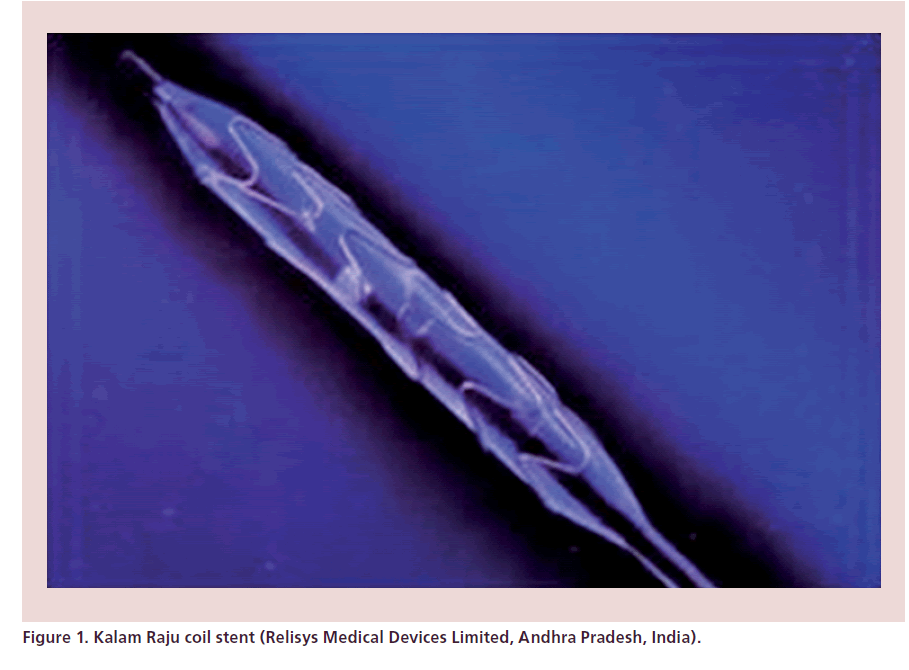
In the 1990s, the world saw APJ Abdul Kalam as the man building India’s nuclear Sword. But behind the curtain of the DRDO, he was preparing a different kind of strike... not against a nation, but against a monopoly. He realized that the same high-grade, biocompatible steel used to shield missiles from atmospheric friction was the perfect Kernel to shield a human heart from failure. By turning military-grade secrets into a ₹10000 (~$110) medical device, Kalam did not just launch a missile; he launched a system-wide crash of the global healthcare economy. The biggest barrier to affordable healthcare in the 90s was the Black Box of Materials. Global giants claimed that the steel used in stents was a proprietary secret that justified a 1000% markup. Dr. B. Somaraju (a cardiologist) told Kalam that 1000s were dying because they could not afford a piece of wire mesh. Kalam looked at the specs & realized: We already have this. The 316L Stainless Steel used in the Agni & Prithvi missiles had to be non-reactive, ultra-durable, & capable of extreme precision. It was essentially Medical Grade steel with a different name. Kalam did not ask for permission; he authorized the transfer of missile metallurgy to the hospital bed. When the Kalam-Raju Stent hit the market, it was a Price Bomb. At the time, imported stents cost b/w ₹60000 & ₹150,000 (~$630-1600). The Kalam-Raju stent was introduced at a fraction of the cost. Global giants, who had previously claimed their prices were fixed by R&D costs, suddenly found a way to cut prices by 70% overnight. They did not do it out of kindness; they did it because the Missile Man had broken their encryption on the market. This stent became the Standard Build for affordable cardiac care in India, leading to several 1000+ successful implants in the 1st few yrs alone. Kalam did not stop at the heart. Healthcare in rural India had a connectivity bug. Doctors could not reach patients, & data was lost. In the late 90s, long before the iPad/modern tabs existed, Kalam & Raju designed a Ruggedized Tablet PC for primary healthcare. It was designed to be Battlefield Tough but used by village health workers. It proved that Sovereignty is not just about protecting the border; it is about protecting the data & the health of the last citizen. While the public saw him as a Simple Scientist, the boardrooms of multi-billion dollar pharmaceutical companies saw him as the man who destroyed their Revenue Stream in the developing world.
Parimal tweet mediaParimal tweet media
English
27
379
1.2K
30.7K
MhariKyuri retweetledi
Dr. Lemma
Dr. Lemma@DoctorLemma·
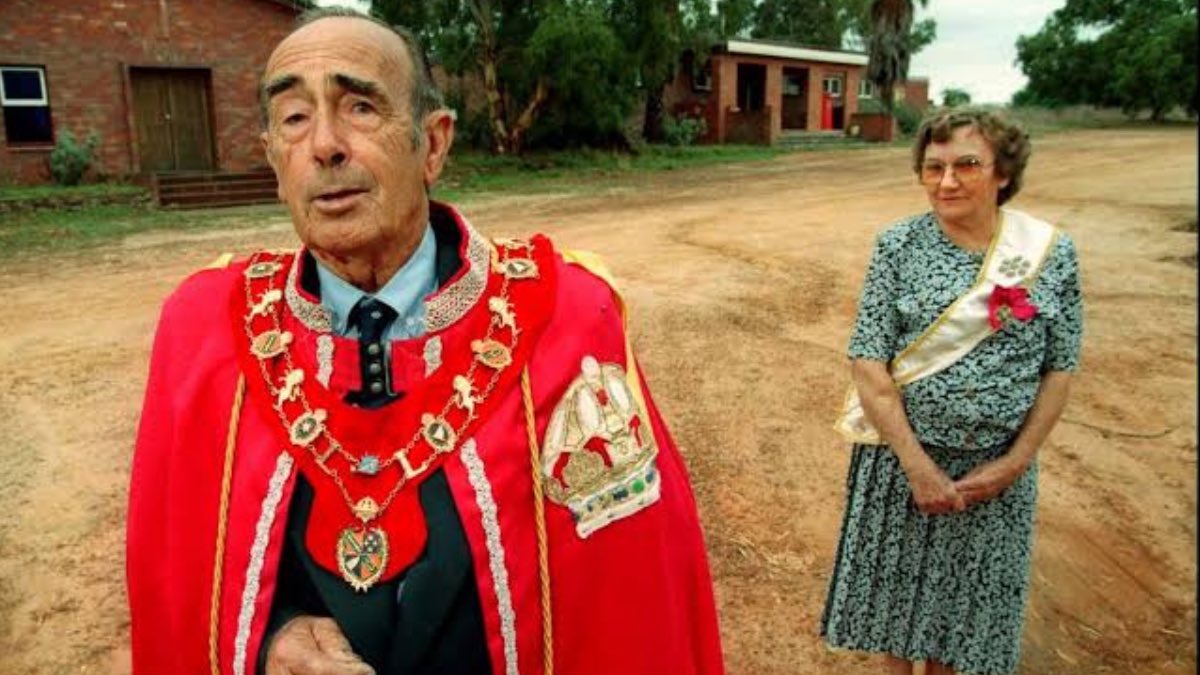
In 1970, an Australian wheat farmer got into a dispute with his government over how much wheat he could sell. So he declared his farm an independent country. The government ignored him. He ruled it as a prince for the next 50 years. His name was Leonard Casley. He owned a 75 square kilometre property in Western Australia, several hours north of the city of Perth. The Australian government had set new wheat quotas that would let him sell only about one percent of his crop. When he protested, he claimed officials threatened to forcibly take his land. So he found an obscure British law from 1495 called the Treason Act, which said a “de facto king” of any territory could not be charged with treason. He declared his farm a sovereign nation, named himself Prince Leonard, and notified Australia. Under Australian law at the time, the government had two years to formally object. They didn’t. Leonard took the silence as legal recognition. He went all in. He printed his own currency. He printed his own stamps. He issued his own passports. He gave his wife and seven children royal titles. He built a tiny stone palace. He set up embassies in nine countries. In 1977, when the Australian Tax Office kept demanding taxes, he formally declared war on Australia. A few days later, having received no military response, he declared a ceasefire and announced victory. The tax demands stopped. Tourists started showing up. At its peak, his “country” had 40,000 visitors a year. He stamped their passports for them. He sold them his stamps and coins. In 2016, on the principality’s 46th anniversary, Queen Elizabeth II of the United Kingdom personally sent him a letter wishing his country a happy birthday. Leonard ruled for 47 years. He passed away in 2019 at 93. His son Graeme took over, but the tax bill had grown to over three million Australian dollars and Covid had stopped the tourists. In August 2020, the Principality of Hutt River formally rejoined Australia.
Dr. Lemma tweet media
English
429
2.9K
17.2K
1.1M
MhariKyuri retweetledi
Parimal
Parimal@Fintech03·
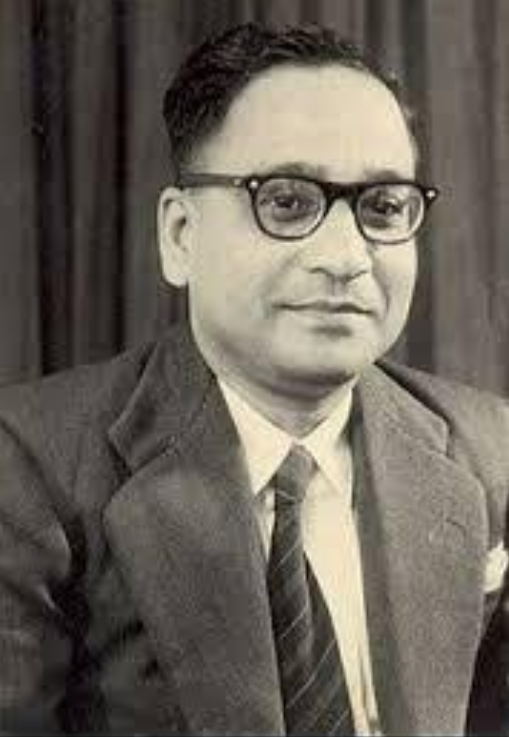
He worked in a lab so small & hot that his sweat would often ruin his notes. He did not build a bomb/a satellite, but he solved a puzzle that was killing millions. In 1959, from a Silo in Calcutta, Sambhunath De discovered the secret pump that drains human life. He is the father of ORS: the ghost behind the most successful medical intervention in history. He was nominated for the Nobel by the world’s greatest giants, yet he died in 1985 traveling by local bus, unrecognized by the very people whose children he had saved. Born in 1915 in a small village in West Bengal, S.N. De did not come from a family of elite scientists. He worked at the Nil Ratan Sircar (NRS) Medical College, Calcutta. While elite scientists were building rockets, De was working in a tiny, cramped lab with barely any ventilation. He did not have high-end sensors. He used his own intuition & rudimentary tools to study how certain invisible forces acted on human cells. S.N. De solved the mystery of Cholera, but in a way that was pure Fluid Physics & Biophysics. For a century, the world thought Cholera was a blood infection. In 1959, in his tiny lab, De proved it was a toxin that attacked the fluid-transport mechanisms of the gut. He discovered the Cholera Toxin (CT). He demonstrated how the toxin created a pump that sucked water out of cells, a masterclass in osmotic pressure & molecular transport. This discovery is the direct reason why ORS (Oral Rehydration Salt) exists. If we/anyone we know has ever been saved by a packet of ORS, we owe our life to S.N. De. In 1954, Nobel Laureate Joshua Lederberg wrote to the Nobel Committee saying that S.N. De’s work was worthy of the prize. He was nominated multiple times, but like many Indian scientists, he was a Ghost in a colony. The prize never came. In 1978, the Nobel Foundation organized a symposium on Cholera. They realized the man who started it all, S.N. De, was still alive in Calcutta. They invited him, & he arrived at the high-end gala in a simple suit, looking like a retired clerk. He was a man of aggressive humility. He lived in a small house, traveled by local buses, & never sought patents for his discovery. He wanted the Signal (the cure) to be free for the world. His own family knew him as a dedicated doc who went to the lab every day. They had no idea that Nobel Prize winners in Europe & America were referencing his 1959 paper as 1 of the most important scientific documents of the 20th century.
Parimal tweet media
English
72
1.5K
3.8K
80.6K
MhariKyuri retweetledi
Ravisutanjani
Ravisutanjani@Ravisutanjani·
🚨 Important Thread on Kedarnath Yatra Have Visited Kedarnath Over 5 Times Now • Yatra Planning • Travel • Public Transport • Accommodation • Trekking/Heli • Health and Weather • Budget and Best Practices This Thread Will Help You Plan Travel Easily 🧵
English
16
191
1.1K
106K