Sabitlenmiş Tweet
Microbial Biotechnology (MBT)
1.4K posts

Microbial Biotechnology (MBT)
@MicrobialBiote1
Official account of Microbial Biotechnology journal Original research reporting significant advances in microbial applications @microbiotech.bsky.social
©JohnWiley & Sons Ltd Katılım Mart 2019
630 Takip Edilen2.6K Takipçiler

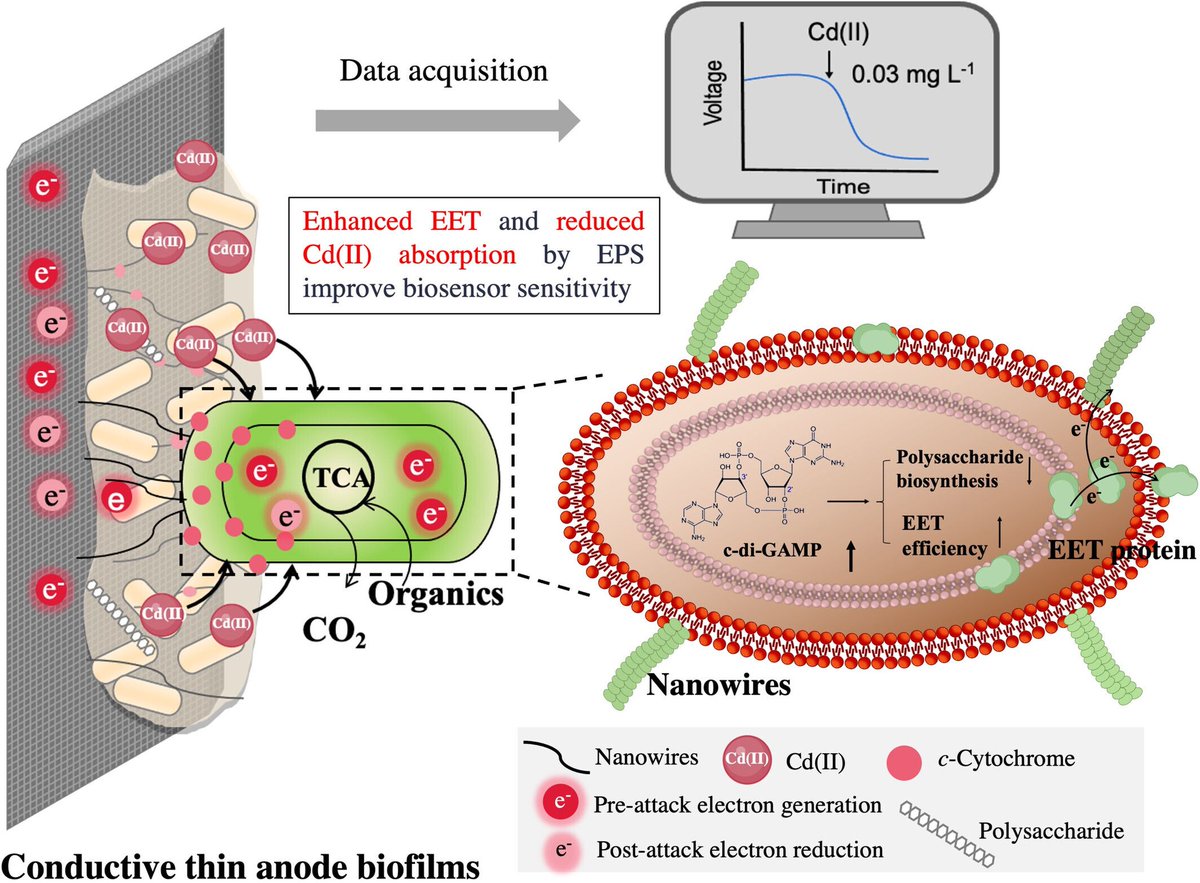
Better Biosensors: Engineering Geobacter biofilms via cGAMP signaling enhances electron transfer, creating thinner, more conductive films. Result: a 20× improvement in Cd(II) detection sensitivity, hence advancing bioenergy and biosensing tech. doi.org/10.1111/1751-7…

English

Prototheca, rare pathogenic microalgae, are widespread in wastewater (78% samples). Treatment cuts levels by up to 99.9%, yet detectable cells remain, highlighting WWTPs as potential release routes and the need for routine monitoring + safety guidelines. doi.org/10.1111/1751-7…

English

Healthcare systems are failing on access, equity, and resilience. Timmis et al propose a bold reset: patient-driven digital care, microbial tech innovation, and a shift to prevention, reframing healthcare as a public good, not a commodity. Learn more doi.org/10.1111/1751-7…

English

How does a methylotrophic yeast fine-tune methanol metabolism? Cai et al reveal high-res structures of two alcohol oxidase isozymes in Ogataea methanolica, showing distinct cofactor preferences & assembly into functional octamers:biotech protein production doi.org/10.1111/1751-7…

English

PET waste is tough to recycle, but Barriuso’s group upcycled it into biodegradable PHAs using a hybrid approach: fast glycolysis + engineered microbial consortium. By splitting tasks between microbes, they boost efficiency and valorize plastic waste. Read doi.org/10.1111/1751-7…

English

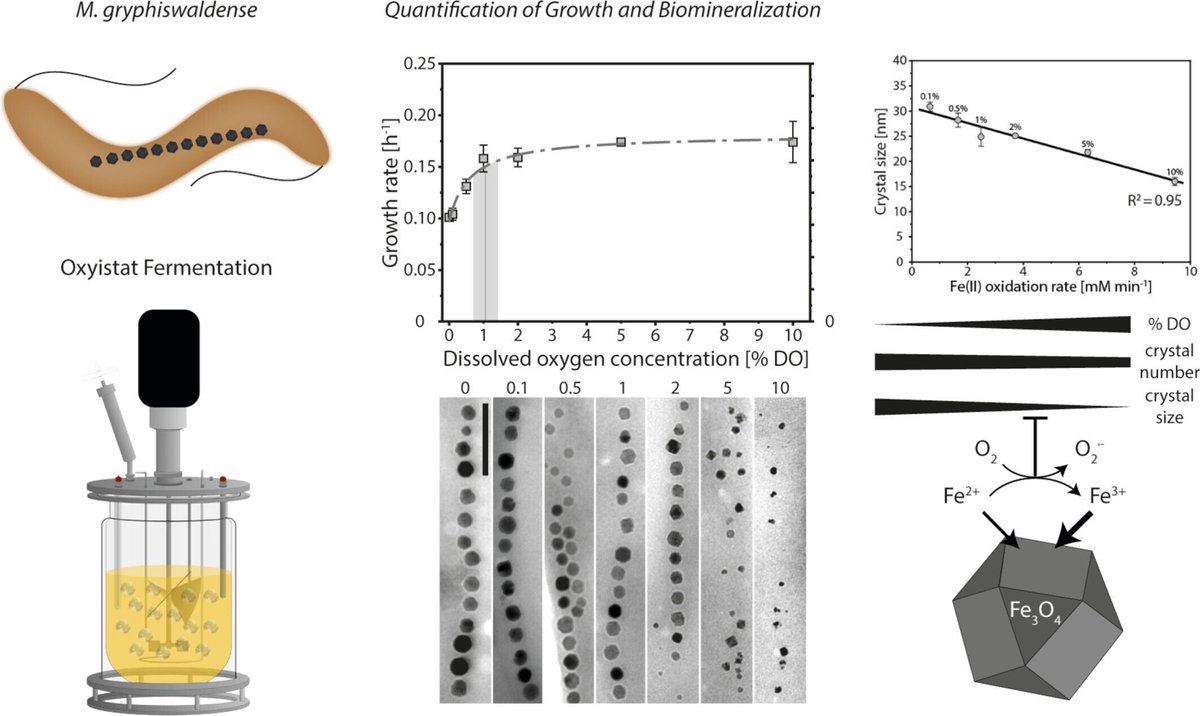
Magnetospirillum MSR-1 produces magnetosomes, ie uniform, magnetic nanocrystals with huge biotech potential. Oxygen levels control their size: more O₂ → smaller crystals. Fine-tuning O₂ could boost scalable production of tailored magnetic nanoparticles. doi.org/10.1111/1751-7…

English

Smarter bioreactors can better control how cells behave under real-world stress. Using real-time monitoring, Delvenne et al show how dynamic environments shape cell response and make biotech processes more reliable, scalable, and efficient. doi.org/10.1111/1751-7…

English

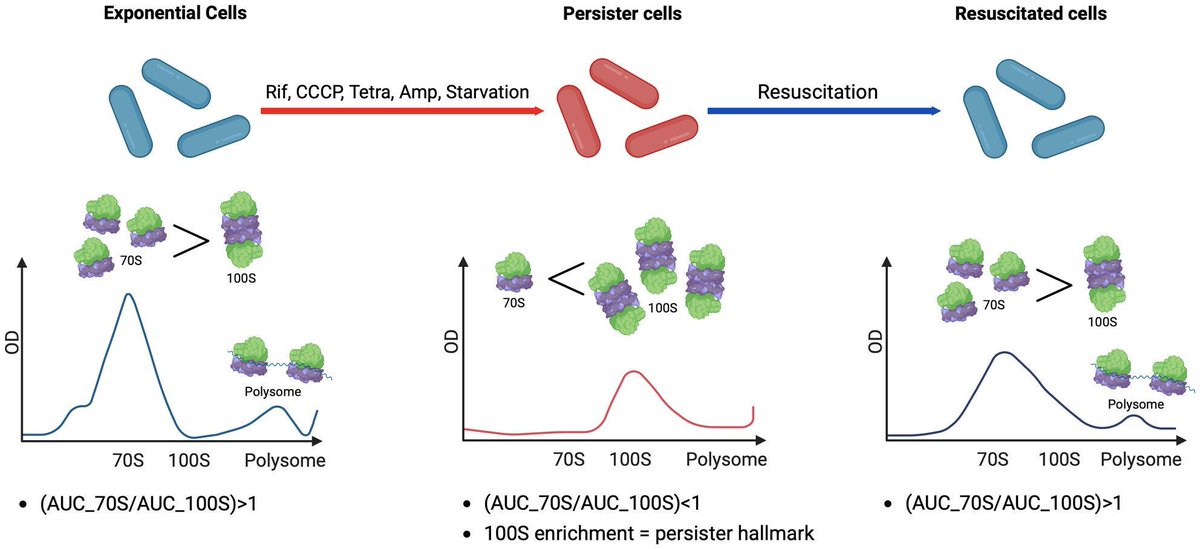
Persister bacteria evade antibiotics by “hibernating” their ribosomes. A shift from active (70S) to inactive (100S) states defines persistence, & reversing this shift drives recovery. Targeting ribosome hibernation could help prevent infection relapse. doi.org/10.1111/1751-7…

English

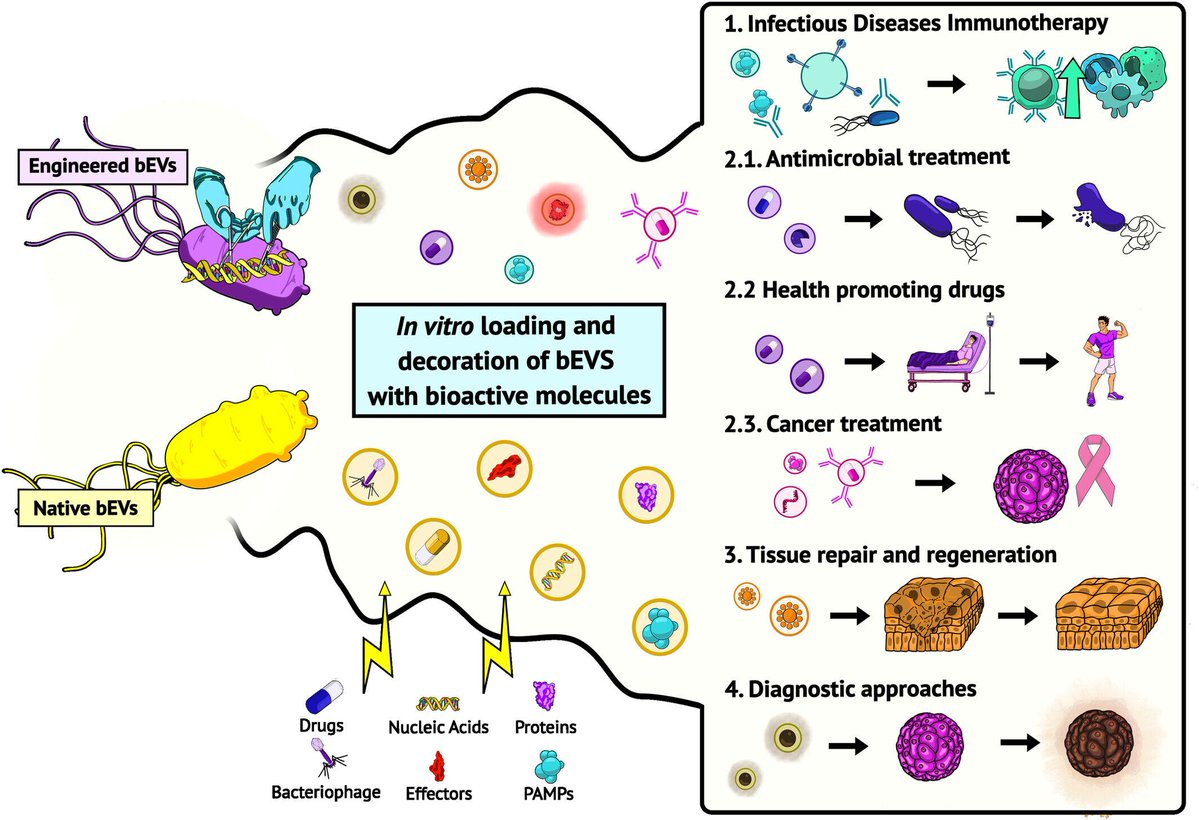
Bacterial vesicles could transform One Health—linking human, animal & environmental health with next-gen vaccines, diagnostics, and drug delivery. Tiny messengers, big impact. Read Arce-Rodriguez et al doi.org/10.1111/1751-7…

English

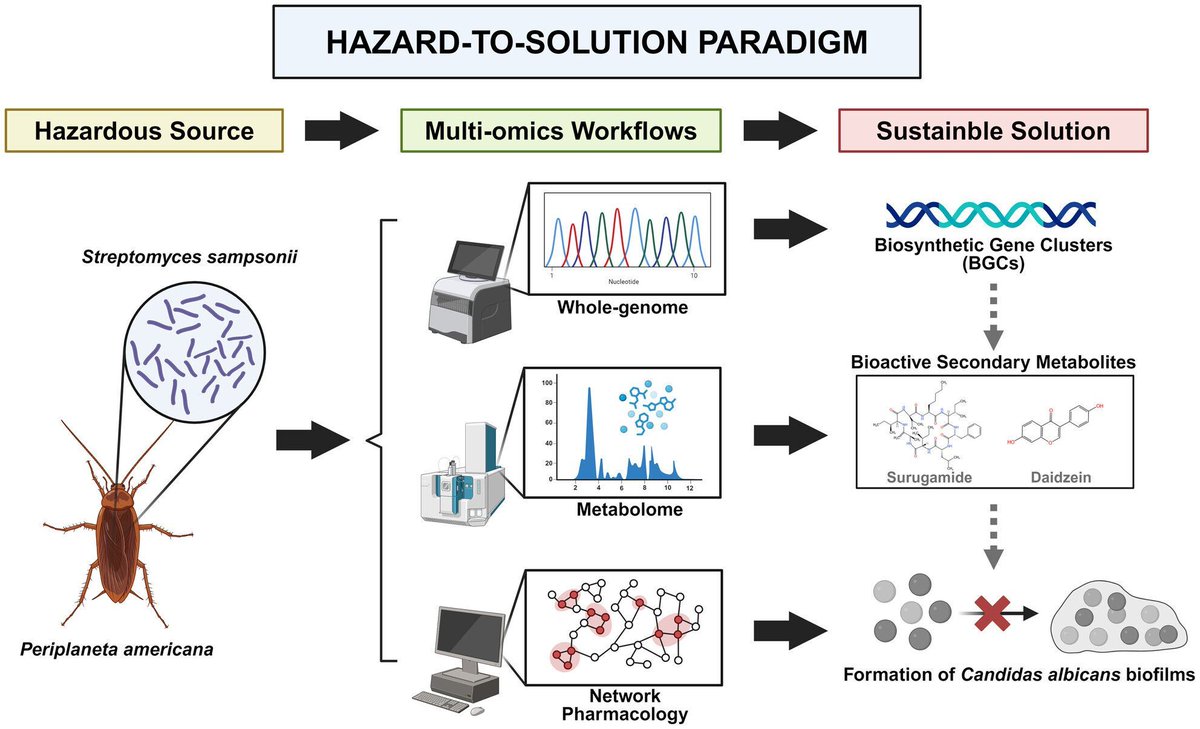
ONE HEALTH: Turning pests into cures. Chen et al show that A cockroach-associated Streptomyces exhibits strong anti-Candida potential, revealing new antifungal compounds via multi-omics—opening ways to fight drug-resistant infections. Find more at doi.org/10.1111/1751-7…

English

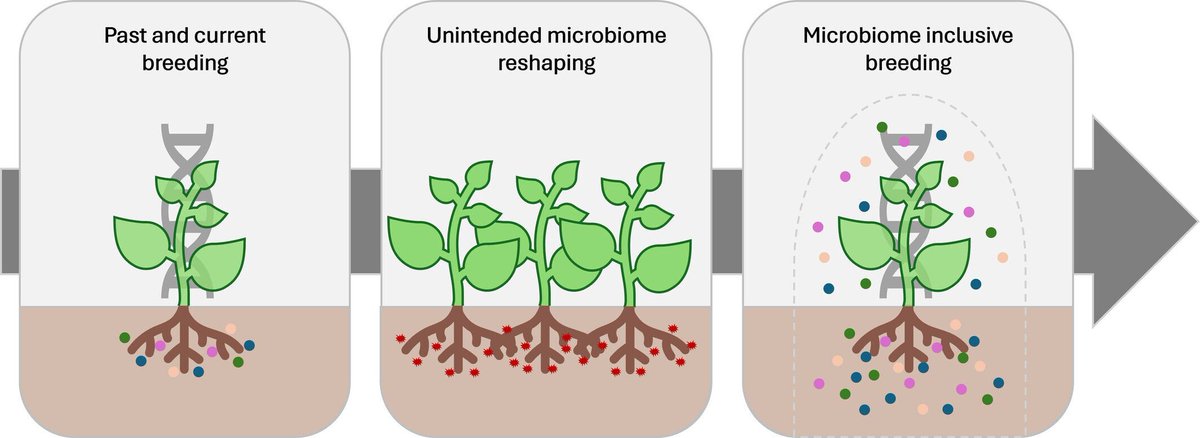
Decades of plant-focused breeding boosted yields, but reshaped (and often reduced) beneficial microbiomes. What if we bred plants and their microbiomes together? By combining rewilding & microbiome-aware genetics. An approach for climate-resilient crops. doi.org/10.1111/1751-7…

English

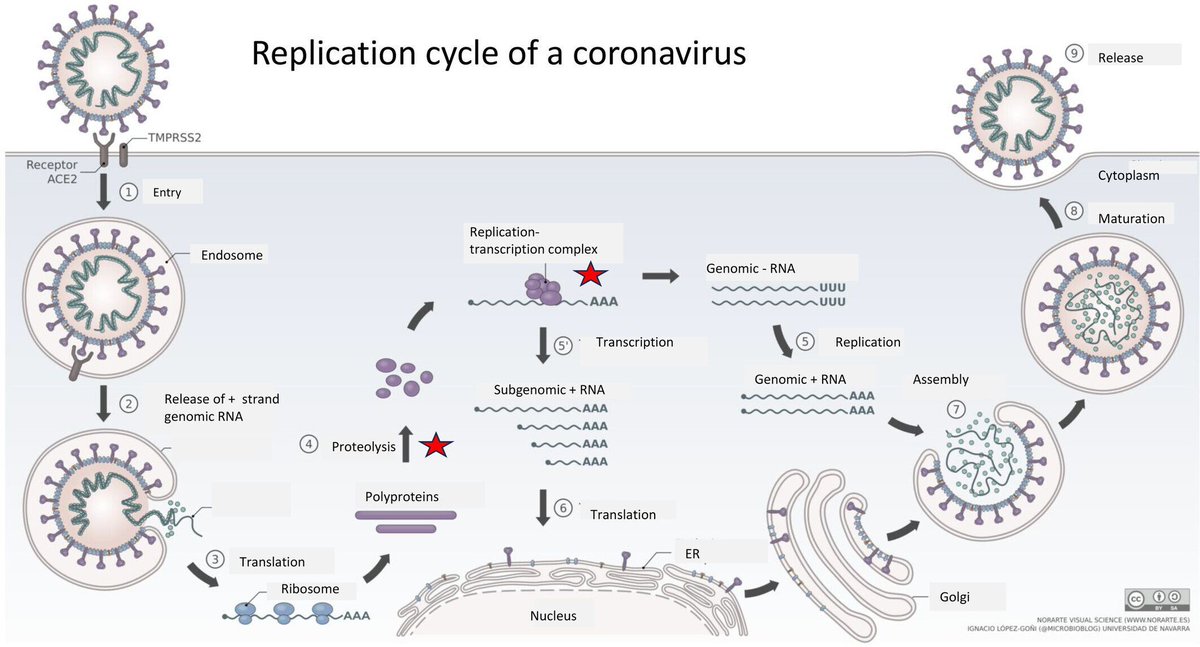
Brüssow reviews COVID-19 antivirals. Remdesivir, molnupiravir & nirmatrelvir show variable benefits-greatest with early use in high-risk patients. Outcomes depend on timing, variants, patient context. Right drug,right time=better impact. Highly recommended doi.org/10.1111/1751-7…

English

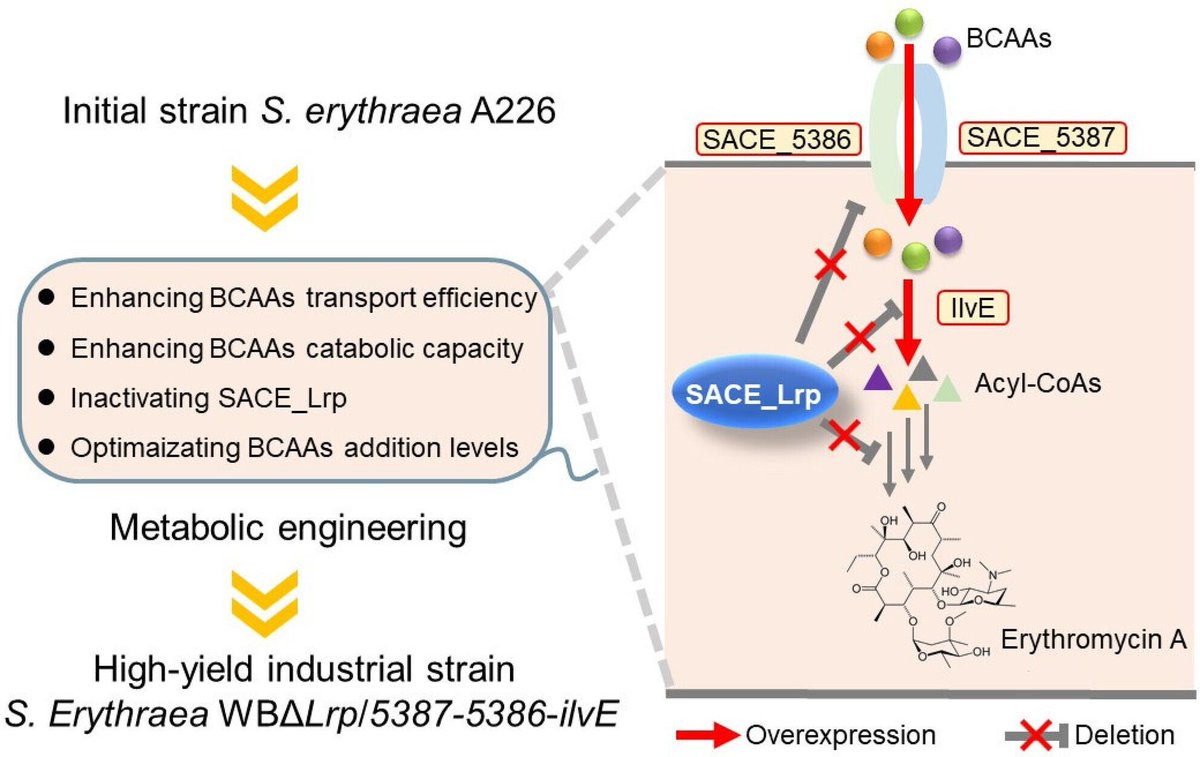
Boosting antibiotic production. BCAA metabolism regulates erythromycin biosynthesis via SACE_Lrp → ilvE. Tuning this axis + valine supplementation drives up to 71% higher yields. Regulatory + metabolic coupling ->better actinobacterial cell factories. doi.org/10.1111/1751-7…

English

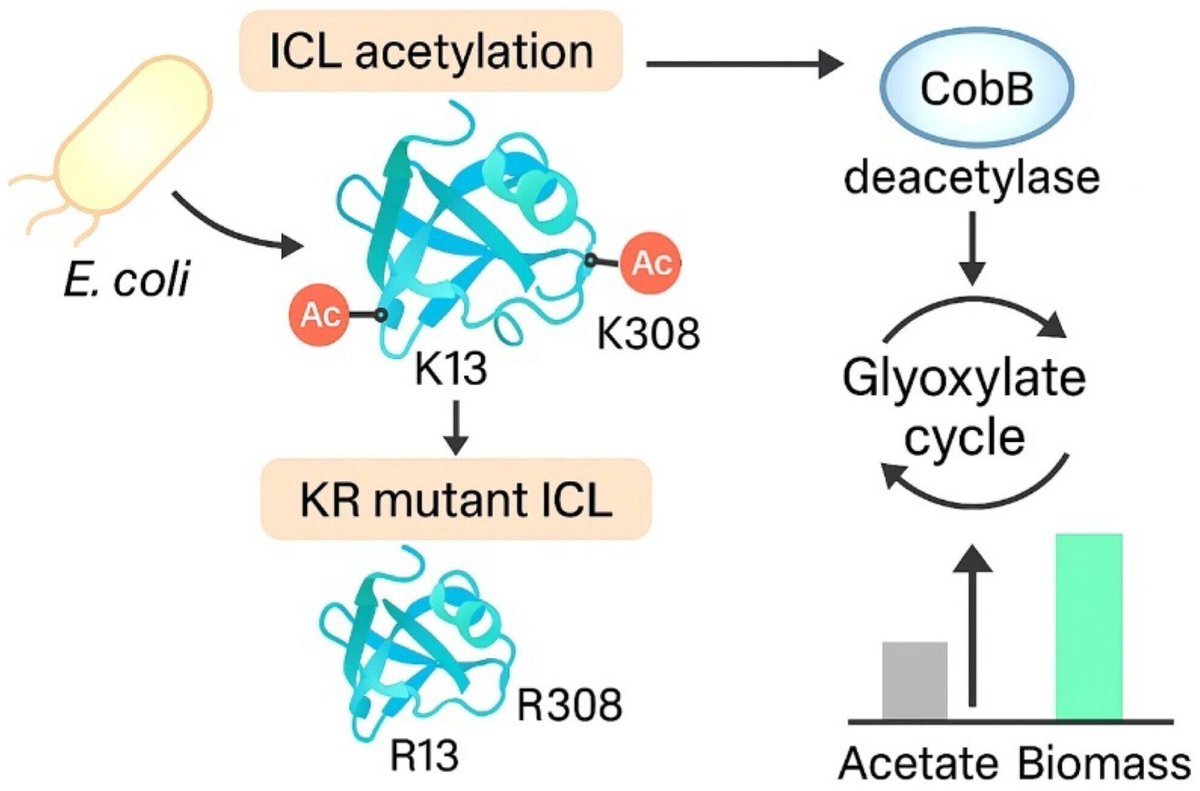
Metabolic engineering in action. Acetylation inhibits E. coli isocitrate lyase, but KR mutations restore activity, rebalance carbon flux, cut acetate overflow, and boost lycopene production +61%. Smarter enzyme control -> better cell factories. doi.org/10.1111/1751-7…

English

Cell Factories meet Extracellular Vesicles (EV): Li et al establish S. cerevisiae as a model for EV biogenesis & cargo loading. By expressing ChiIFN-λ + cell wall perturbation, they boost EV yield 10× and reveal conserved sorting machinery (SNARE, ESCRT). doi.org/10.1111/1751-7…

English

Enrique Cerdá-Olmedo was a brilliant mind, a fearless thinker & a mentor who opened windows for generations. His legacy lives on in every curious question we dare to ask. A remarkable scientist, a devoted teacher & a person of immense generosity. doi.org/10.1111/1751-7…

English

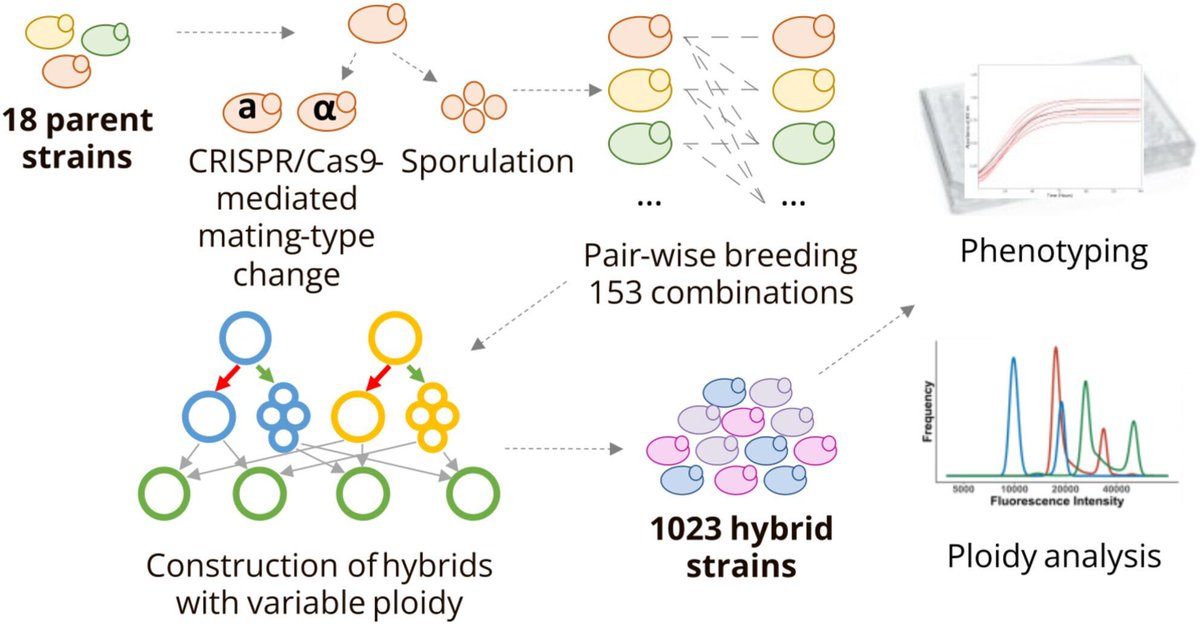
Hybrid vigour in yeast isn’t one-size-fits-all. They found that across 1,023 hybrids, heterosis depends on stress, ploidy & parent genetics: strongest under ethanol & salt stress, but reduced at higher ploidy. Smarter breeding = better industrial strains! doi.org/10.1111/1751-7…

English

One Health: Tumors hijack the constant crosstalk between ur gut, brain, and immune system. Decoding this neuroimmune: microbiome axis could supercharge immunotherapy and microbiota-based cancer treatments. Wang et al at doi.org/10.1111/1751-7…

English

Mystery gut infections with no detectable pathogen are deadly-hard to treat. In severe cases, washed microbiota transplantation showed>60% response and 43% cure rates, hinting that restoring gut ecosystems may succeed where antibiotics fail. Zhang et al at doi.org/10.1111/1751-7…

English

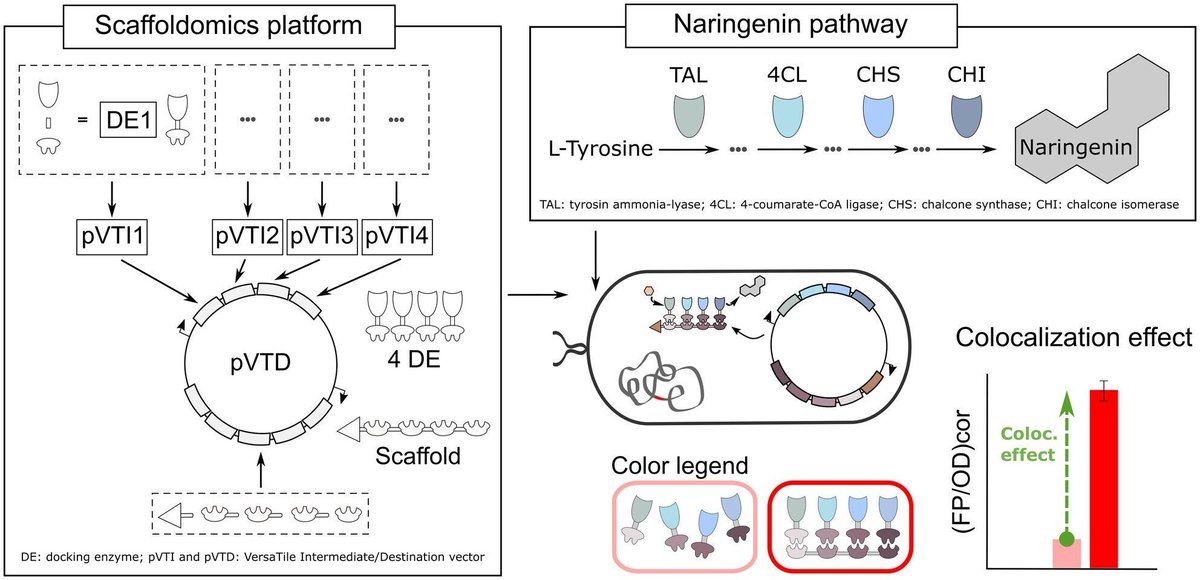
Synthetic biology boosts bio-production. A new “scaffoldomics” platform enables combinatorial enzyme colocalisation, increasing pathway efficiency up to 20 higher yield, demonstrated with naringenin synthesis in E. coli by Elias et al in Microb Biotech doi.org/10.1111/1751-7…

English