

Milad
353 posts
Milad retweetledi

🩺 Community Question:
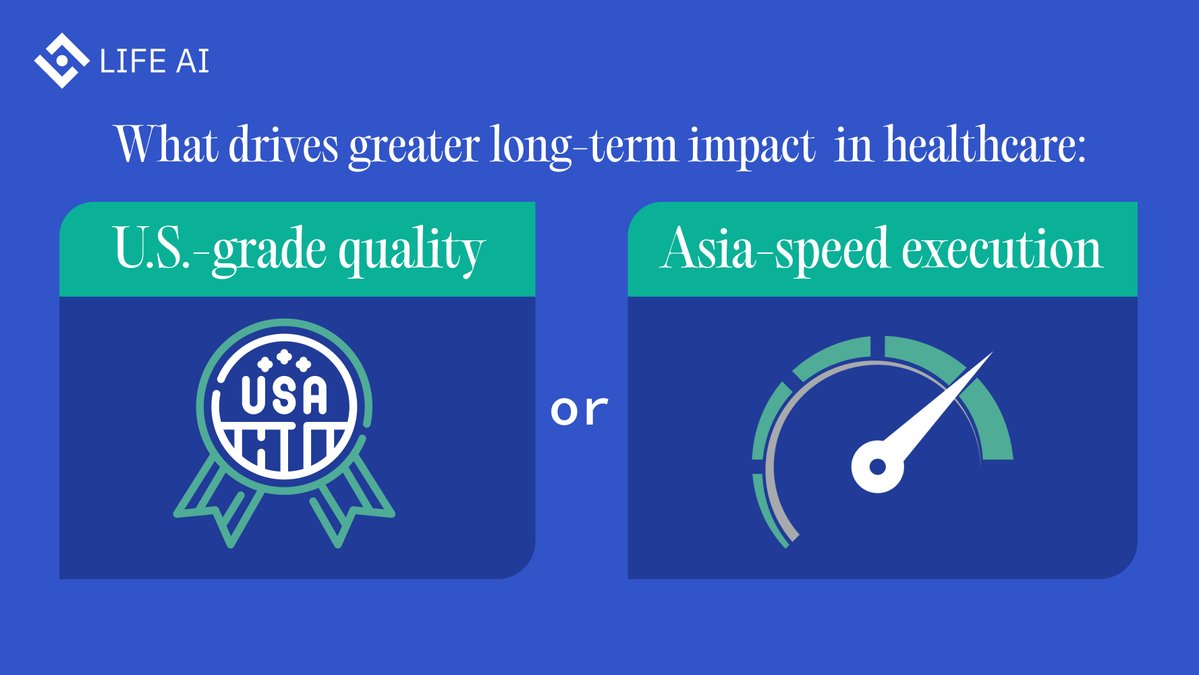
In medical innovation, what drives greater long-term impact:
U.S.-grade quality for rigorous validation and strict regulation
or Asia-speed execution for faster approvals and rapid scale?
Viewpoint A: U.S.-Grade Quality
Through institutions like the U.S. Food and Drug Administration, the U.S. emphasizes deep clinical validation before approval.
Rigor reduces risk, protects trust, and supports durable breakthrough innovation.
Viewpoint B: Asia-Speed Execution
Countries such as China and India accelerate approvals and deploy innovations at scale.
Faster access can save lives, especially in high-burden diseases.
👇 Drop A or B and share your perspective.
English
Smarter wellness support arrives with LifeAI.
@LifeNetwork_AI #LifeAI #healthcareAI x.com/LifeNetwork_AI…
LIFE AI@LifeNetwork_AI
🩺 Community Question: In medical innovation, what drives greater long-term impact: U.S.-grade quality for rigorous validation and strict regulation or Asia-speed execution for faster approvals and rapid scale? Viewpoint A: U.S.-Grade Quality Through institutions like the U.S. Food and Drug Administration, the U.S. emphasizes deep clinical validation before approval. Rigor reduces risk, protects trust, and supports durable breakthrough innovation. Viewpoint B: Asia-Speed Execution Countries such as China and India accelerate approvals and deploy innovations at scale. Faster access can save lives, especially in high-burden diseases. 👇 Drop A or B and share your perspective.
English
The smartest way to monitor your health? LifeAI.
#healthcareAI @LifeNetwork_AI #LifeAI x.com/LifeNetwork_AI…
LIFE AI@LifeNetwork_AI
🩺 Community Question: If healthcare really is broken, what’s the best way to fix it? Viewpoint A: Break the current system and take on the big players, including drug companies, hospitals, and insurers, to change the rules and rebuild healthcare from the ground up. Viewpoint B: Build a new healthcare system alongside the old one, simpler, more human, and tech-driven, and let it grow until it becomes the better default. Your perspective can help shape the future of healthcare. Which path would you support? 👇 Drop A, B, or share your perspective. Tag someone who should weigh in on this.
English
🩺 Community Question:
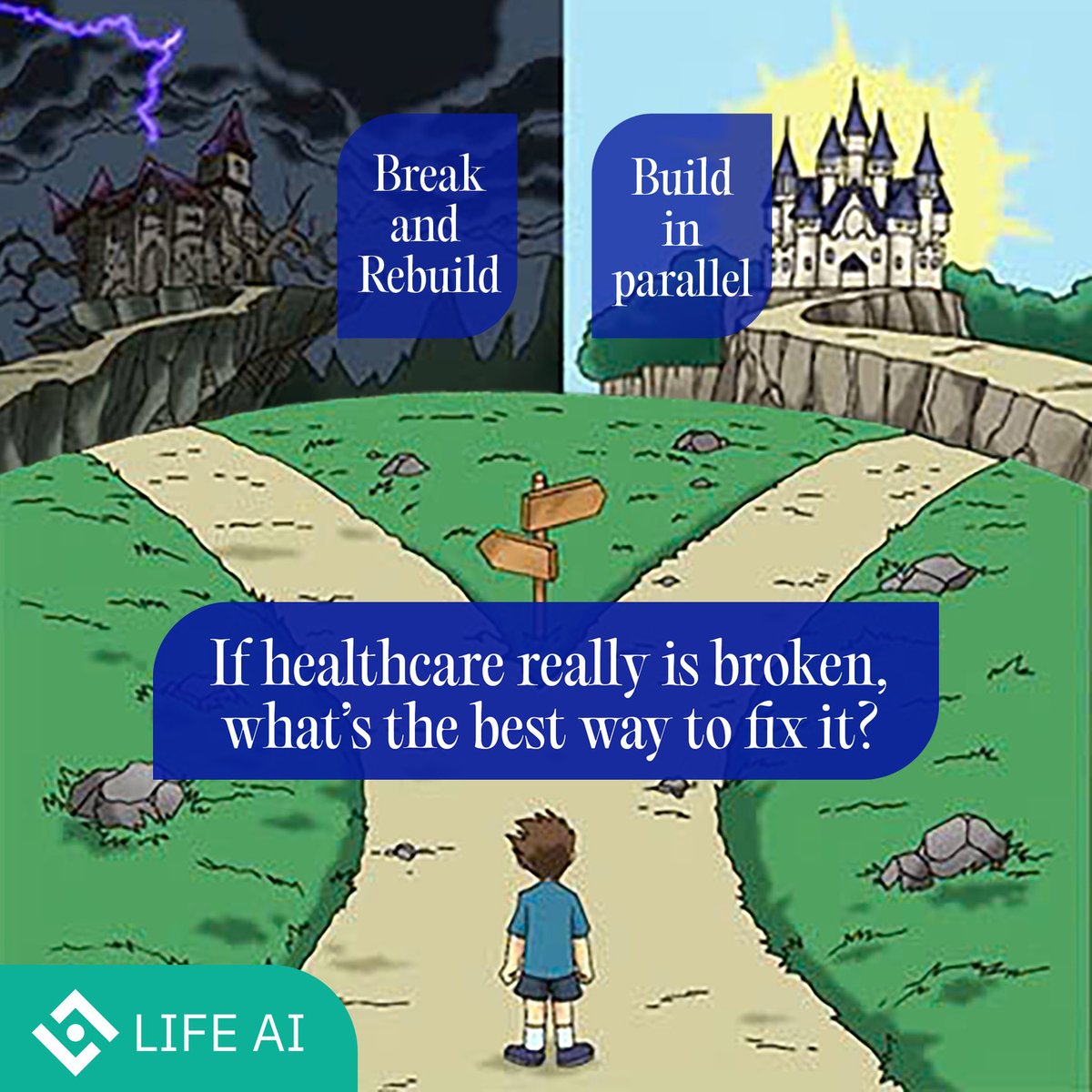
If healthcare really is broken, what’s the best way to fix it?
Viewpoint A:
Break the current system and take on the big players, including drug companies, hospitals, and insurers, to change the rules and rebuild healthcare from the ground up.
Viewpoint B:
Build a new healthcare system alongside the old one, simpler, more human, and tech-driven, and let it grow until it becomes the better default.
Your perspective can help shape the future of healthcare. Which path would you support?
👇 Drop A, B, or share your perspective.
Tag someone who should weigh in on this.
English
@LifeNetwork_AI Breaking the system is a necessary step. The current healthcare infrastructure is deeply flawed and dominated by corporate interests. Rebuilding from the ground up might be the only way to ensure accessibility, affordability, and fairness. Let's challenge the big players and rese
English
Think something's missing in healthcare?
Say it where it counts.
@LifeNetwork_AI: testnet.lifeai.io/ref?code=NPLF8…
Code: NPLF8GZ
#LifeAITestnet #HealthcareAI
English
Looking for something new?
This testnet is built different and so are the rewards.
Join @LifeNetwork_AI: testnet.lifeai.io/ref?code=NPLF8…
Code: NPLF8GZ
#LifeAITestnet #HealthcareAI
English
Milad retweetledi

Milad retweetledi
LifeAI brings sharper insights to help people stay healthier, longer.
@LifeNetwork_AI #LifeAI #healthcareAI x.com/LifeNetwork_AI…
LIFE AI@LifeNetwork_AI
🩺 Community Question: Will AI in healthcare improve care and safety or entrench bias and threaten privacy? Viewpoint A: AI can improve detection, efficiency, and access when validated and regulated Viewpoint B: AI carries risks such as bias, poor generalization, and privacy and security concerns. Now make it personal: How do you see the role of AI in healthcare today? 👇 Drop A, B, or share your perspective. Tag someone who should weigh in on this
English
🩺 Community Question:
Will AI in healthcare improve care and safety or entrench bias and threaten privacy?
Viewpoint A:
AI can improve detection, efficiency, and access when validated and regulated
Viewpoint B:
AI carries risks such as bias, poor generalization, and privacy and security concerns.
Now make it personal:
How do you see the role of AI in healthcare today?
👇 Drop A, B, or share your perspective.
Tag someone who should weigh in on this
English
@LifeNetwork_AI I’d say both A and B. AI has huge potential to improve care and efficiency, but only if it’s transparent, well regulated, and designed with bias and privacy in mind. The technology is powerful governance is key.
English
Help shape the health systems of tomorrow and earn today.
Join @LifeNetwork_AI: testnet.lifeai.io/ref?code=NPLF8…
Code: NPLF8GZ
#LifeAITestnet #HealthcareAI
English
Milad retweetledi

Smarter healthcare is now within reach with LifeAI.
@LifeNetwork_AI #LifeAI #healthcareAI x.com/LifeNetwork_AI…
LIFE AI@LifeNetwork_AI
🩺 Community Question: In areas facing extreme doctor shortages, can AI doctor truly be considered a real solution for improving healthcare access? Viewpoint A: Yes. AI doctors can deliver 24/7 diagnostics, symptom triage, and medical guidance at scale, often matching or exceeding human performance in specific diagnostic tasks. Viewpoint B: No. AI doctors can hallucinate, lack physical exams, contextual judgment, and real empathy, creating serious patient safety risks. Treating AI as healthcare risks harm and delays long-term solutions like training and deploying human doctors. Now make it personal: Would you choose an AI doctor, or wait to see a real human doctor? 👇 Drop A, B, or share your own perspective. Tag someone who shares your opinions.
English
🩺 Community Question:
In areas facing extreme doctor shortages, can AI doctor truly be considered a real solution for improving healthcare access?
Viewpoint A:
Yes. AI doctors can deliver 24/7 diagnostics, symptom triage, and medical guidance at scale, often matching or exceeding human performance in specific diagnostic tasks.
Viewpoint B:
No. AI doctors can hallucinate, lack physical exams, contextual judgment, and real empathy, creating serious patient safety risks. Treating AI as healthcare risks harm and delays long-term solutions like training and deploying human doctors.
Now make it personal:
Would you choose an AI doctor, or wait to see a real human doctor?
👇 Drop A, B, or share your own perspective. Tag someone who shares your opinions.

English
@LifeNetwork_AI AI for first steps, humans for final calls.
I’d use an AI doctor for triage but I still want a human when it really matters.
👉 Balance > extremes
English
We fight for better jobs, better tech, better opportunities… but what about better health systems?Let's start that conversation.
Debate to earn on @LifeNetwork_AI: testnet.lifeai.io/ref?code=NPLF8…
Code: NPLF8GZ
#LifeAITestnet #HealthcareAI
English
@LifeNetwork_AI Impressive work it’s clear there’s strong vision, thoughtful execution, and a committed team behind this project. Well done.
English
Life Line: The agentic internet and the future of healthcare x.com/i/broadcasts/1…
English