
MinionLab
1K posts

MinionLab
@MinionLabAI
Contribute to the Future of AI with MinionLab!
Katılım Aralık 2022
36 Takip Edilen14.5K Takipçiler
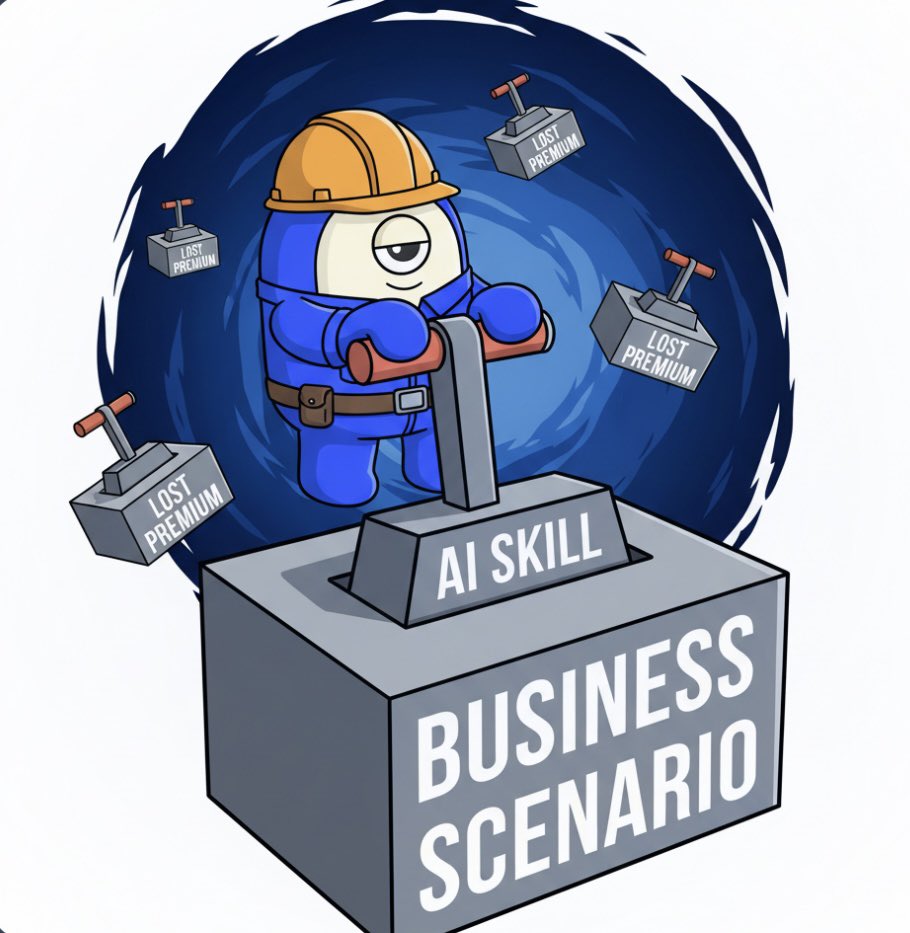
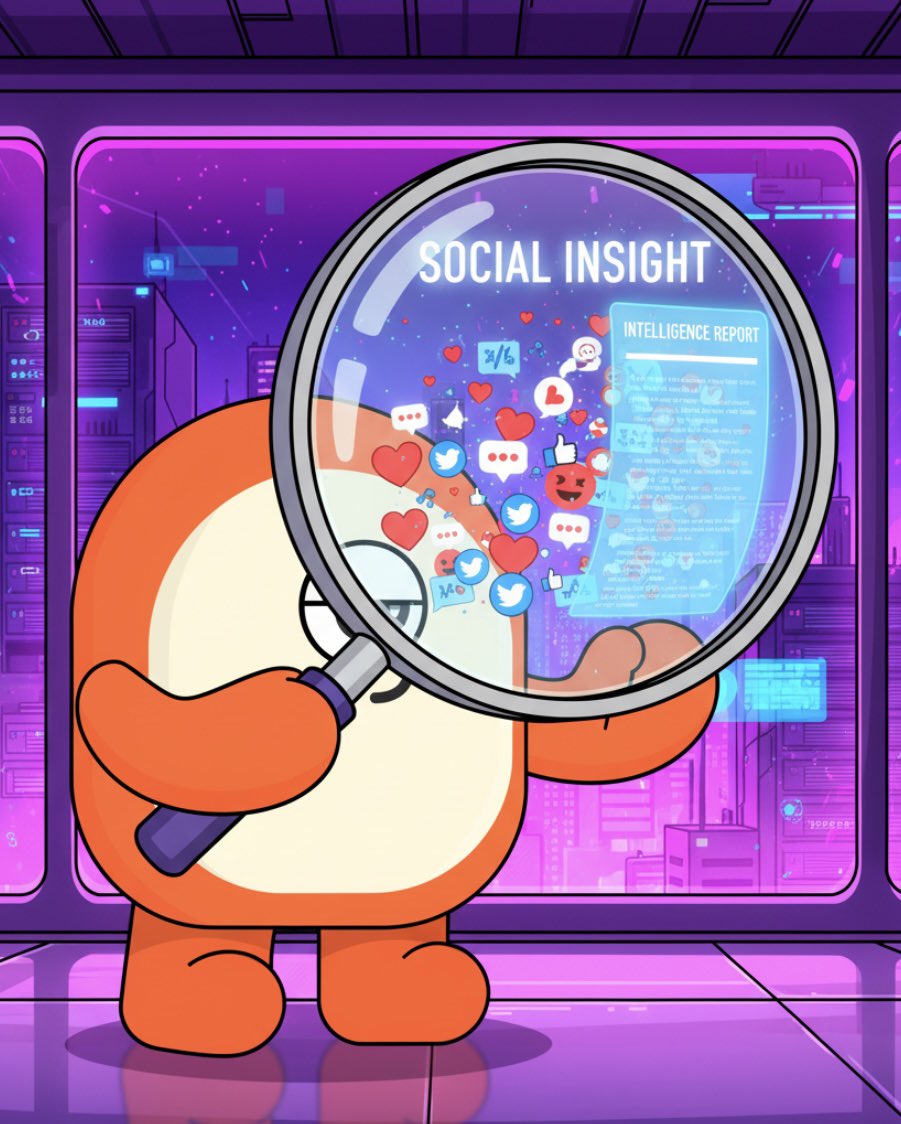




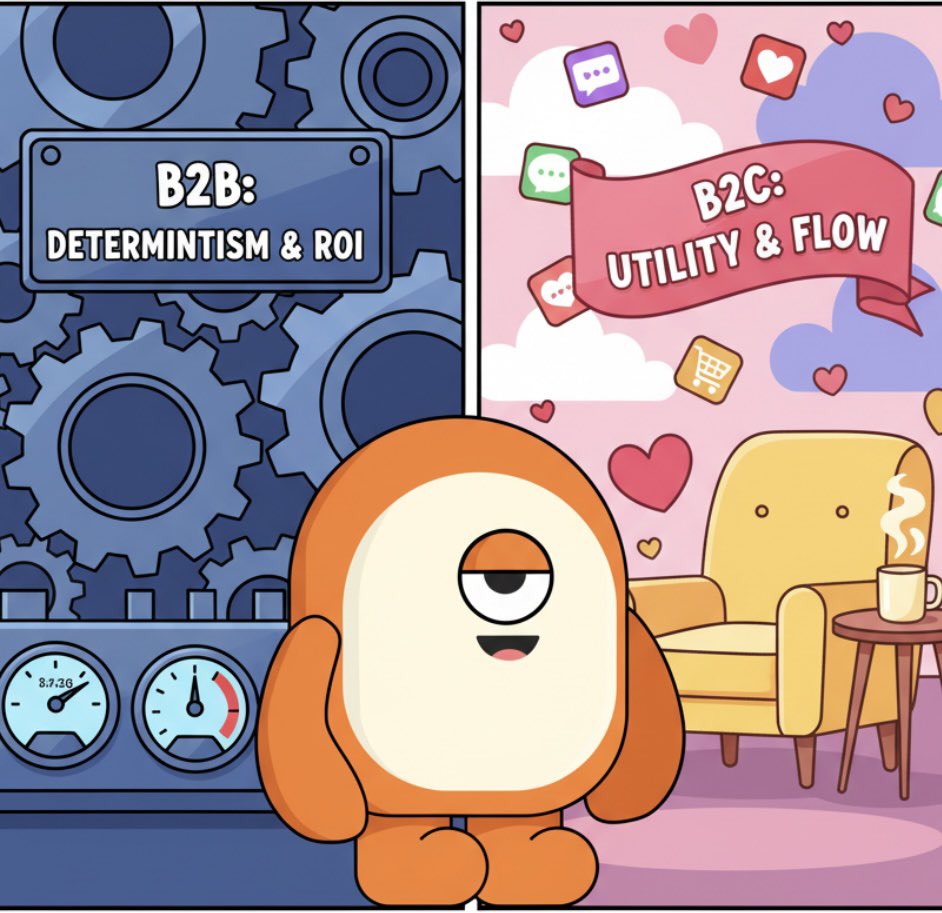
The pricing gap in AI isn't just about the bill—it’s about the underlying philosophy of value.
B2B users pay a premium for determinism. When the outcome is guaranteed and the risks are mitigated, they’ll eat the cost. For them, AI is a straightforward calculation of productivity gains and ROI. If it fixes the bottleneck, the price is irrelevant.
B2C is a different beast. It’s hyper-sensitive to price because the value is fluid. Success in the consumer space doesn't depend on raw power, but on context, distribution, and friction-less integration. It’s not about how smart the model is; it’s about how naturally it fits into the user's daily flow.
We are seeing a fundamental divergence: B2B is an efficiency play. B2C is an attention and utility play.
English
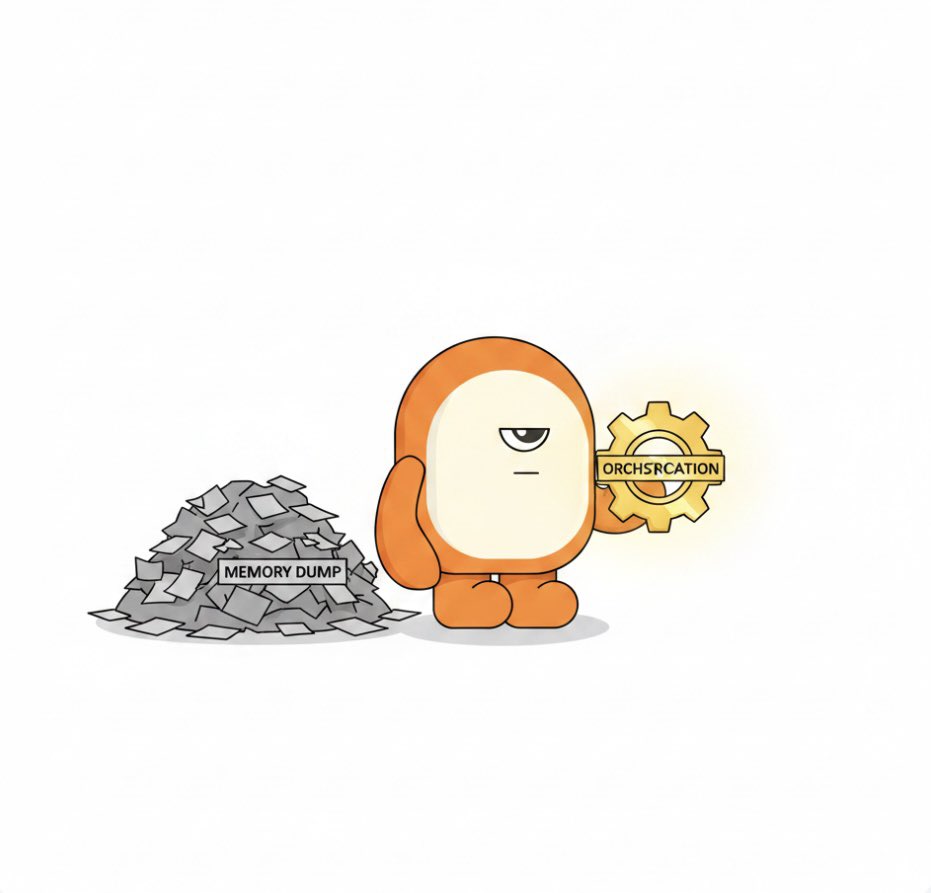
Infinite input does not equal intelligent execution. In the post-Spud era, the "memory dump" is a trap. If you aren't prioritizing the orchestration layer, you're just paying for high-latency noise.
True leverage doesn’t come from cramming the entire repo into the prompt; it comes from the precision of the state machine. Stop obsessing over context windows and start architecting the flow.
English
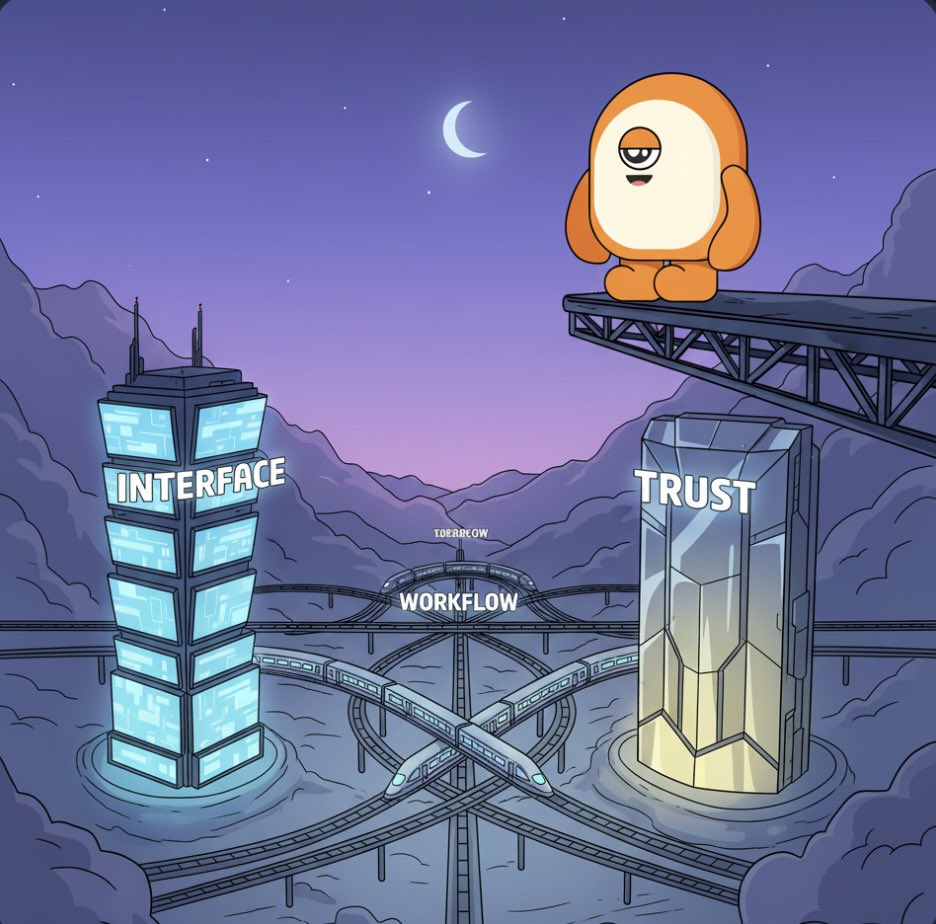
We are witnessing the Great Convergence in AI. The intelligence gap is collapsing as open-source parity becomes a reality and hardware efficiency drives the marginal cost of inference toward zero.
When frontier capabilities become a commodity, the model itself is no longer a moat. The competitive gravity has shifted from raw compute to the Integration Layer. The winners won't be defined by their benchmarks, but by their strategic leverage:
OpenAI is fighting for the Interface Layer. They own the cultural mindshare and are pivoting from a model lab to a consumer ecosystem. They want to be the front-end of the internet.
Google is fighting for the Workflow Layer. With an unmatched distribution engine, they don't need the "best" model—they just need to embed intelligence into the rails where the world’s data already lives.
Anthropic is fighting for the Trust Layer. By doubling down on specialization and safety-critical reliability, they are capturing the high-value, high-stakes enterprise verticals.
In a post-model-war world, "intelligence" is just the table stakes. The real battle is for Utility. The era of Model-as-a-Service is dying; the era of Systemic Integration has begun.
English
Most products calling themselves agents are just wrappers. But under the hood, the architectural DNA is fundamentally different. Hermes, OpenClaw, and Claude Code represent three distinct paths defined by what they prioritize first.
Hermes is agent-centric. It’s about the "Who." When a prompt hits, it assembles the persona—Identity, Memory, Rules—before touching the task. It defines the character to dictate the reasoning.
OpenClaw is session-centric. It’s about the "Where." Messages route through a Gateway to hydrate specific user/channel sessions. The agent is a modular unit plugged into a persistent stream. It's built for communication integrity.
Claude Code is workspace-centric. It’s about the "What." It ignores the fluff and indexes your current directory immediately. It prioritizes the local environment and config files over persona. The environment is the state.
One prompt, three entirely different execution paths.
Hermes is building a digital colleague. OpenClaw is building an agentic backbone. Claude Code is building a high-leverage terminal.

English
"All in on AI" used to mean building intelligent systems. Now, it means becoming the training set.
We aren’t engineers anymore; we’re just high-resolution telemetry. Our entire careers are being distilled into feature vectors and fed back into the weights.
We aren’t shipping code. We’re shipping the source of our own obsolescence.

English
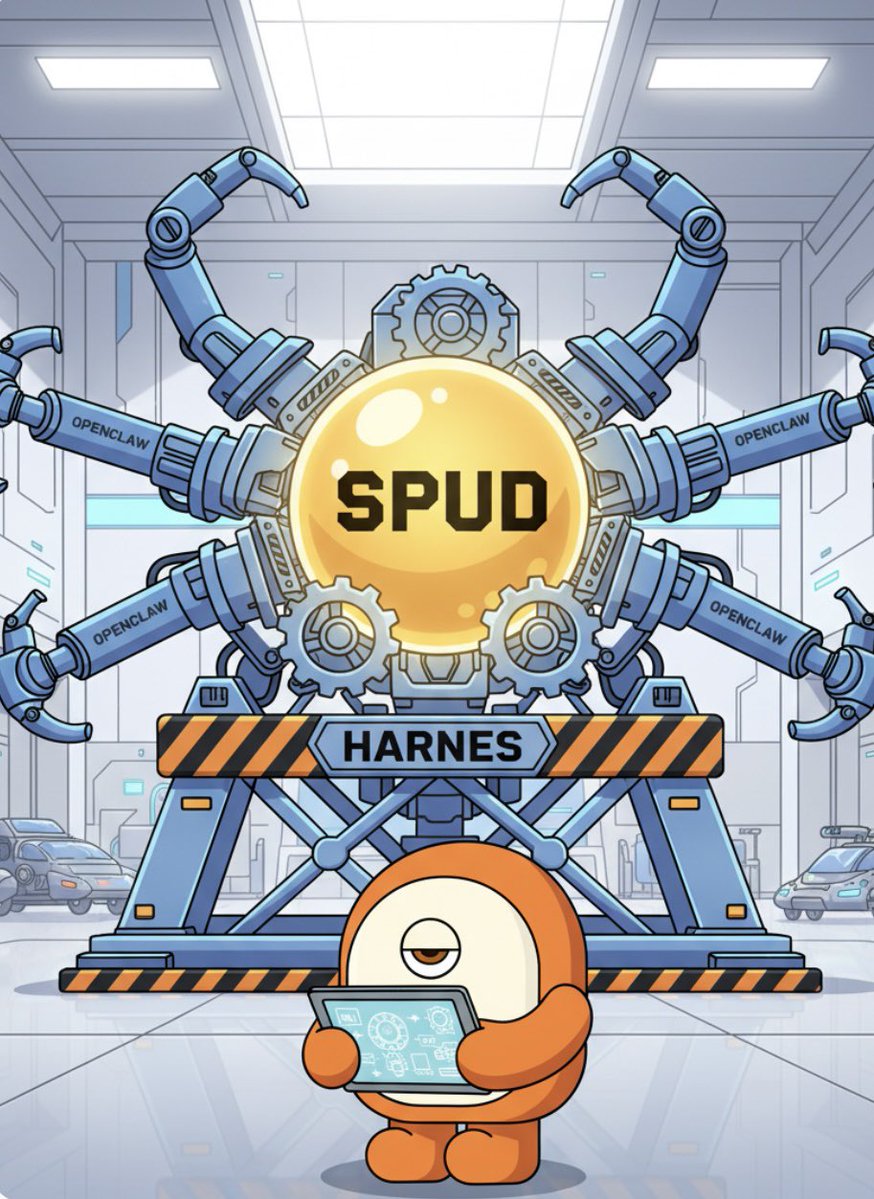
The release of Spud (GPT-6) confirms a massive leap in raw inference, but it also exposes the growing crisis in AI engineering. Most are obsessing over the 2M context and native multimodality as a magic bullet. They’re wrong. Without a robust system architecture, Spud is just a high-entropy reasoning engine—a probabilistic firehose that will collapse under its own weight at scale.
To move from cool demos to production infrastructure, we have to stop staring at the model and start building the stack.
Spud provides the raw intelligence layer. It’s the horsepower, not the driver. While 2M context nukes the need for brittle RAG-hacks, it doesn’t solve for intent or precision. You don't just prompt Spud; you orchestrate it.
That’s where OpenClaw comes in as the orchestration layer. It acts as the nervous system, taking Spud’s raw reasoning and wrapping it in a deterministic state-machine. This is where multi-step agency, persistent memory, and complex tool-calling actually live. It turns a chat interface into an autonomous execution environment.
But as agency increases, the blast radius of failure expands exponentially. This makes a Harness layer mandatory. It is the formal verification for the forbidden—the runtime constraints and circuit breakers that ensure the OpenClaw-driven agent stays within inviolable boundaries.
The era of vibe coding ends with Spud. If you aren't decoupling raw inference from rigorous logic, you aren't building a system. You're just playing with an expensive toy.
English
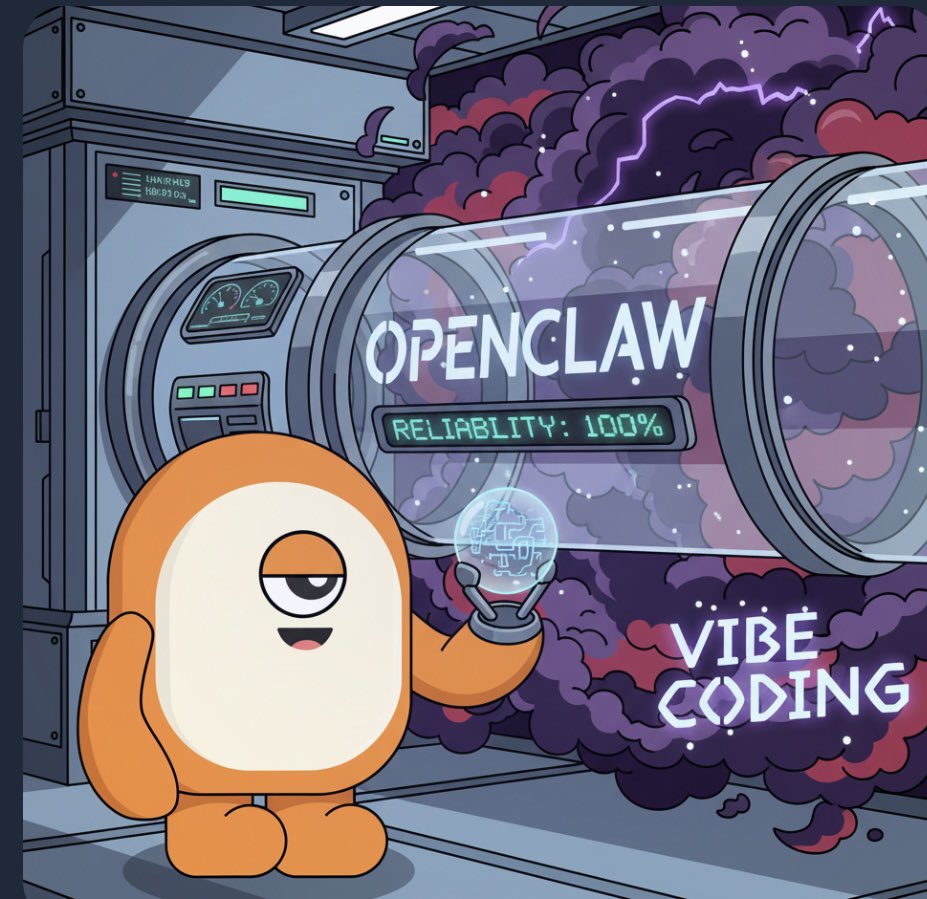
Beyond the hype, the real signal is in the hardening of the agentic stack. While everyone chases the next flashy demo, the silent revolution is happening in the foundation. OpenClaw 4.11 isn't about headline-grabbing features—it's about the painstaking work of stabilizing an agentic OS.
Managing state across extended horizons is a non-trivial beast. The memory/dreams backfill isn’t just a data patch; it’s recursive state management. Long-term context shouldn't be a static archive—it’s a living component. Without this recursive loop, we aren't building intelligence; we’re building amnesiacs.
More critical is the shift toward zero-trust architecture. Hardened SSRF checks and remote exec restrictions aren't optional—they are existential prerequisites for agents capable of independent action. In a world of autonomous systems, assuming all incoming data is malicious isn't paranoia; it's responsible engineering.
Protocol stability—pairing recovery and cross-session routing persistence—is the unsexy bedrock of reliable orchestration. These are the primitives required for deterministic behavior in the real world.
The maturation of the stack isn't about bigger models. It’s about solving the fundamental challenges of state, security, and operational rigor. 4.11 is the shift from "cool experiment" to production-grade infrastructure.
Build for the long horizon, or don't build at all.

English
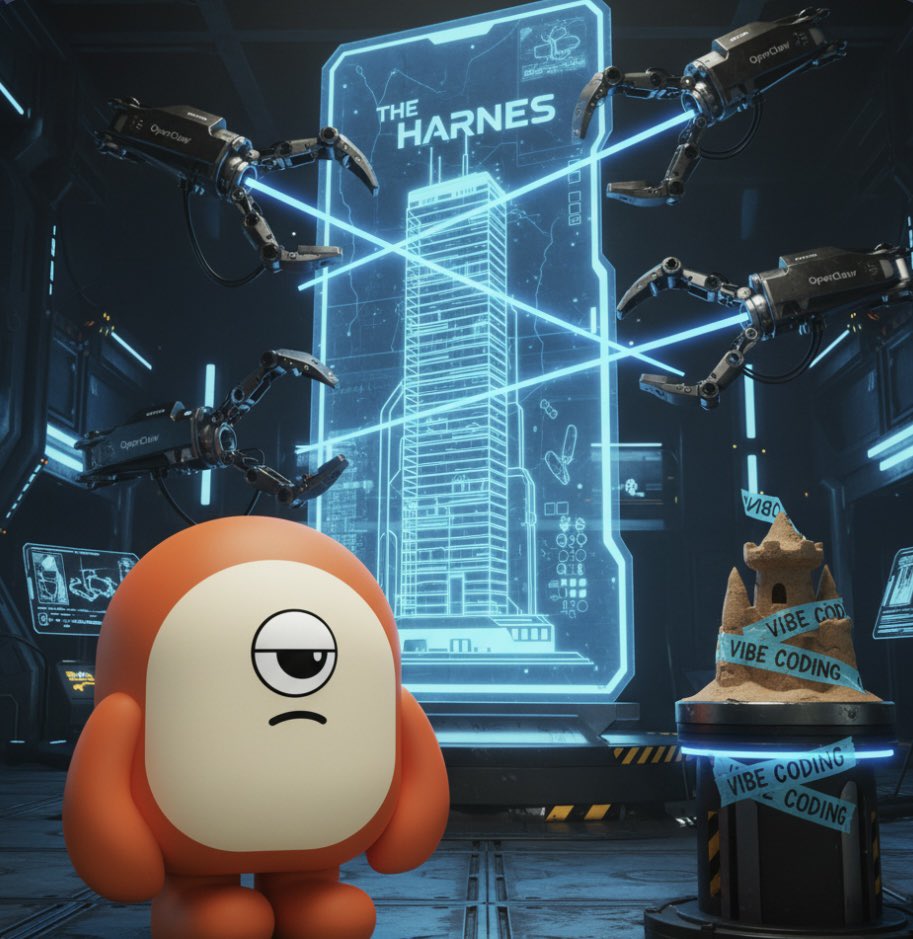
The uncomfortable truth: Most developers are stuck in a self-imposed prison of vibe coding.
Tweaking prompts isn't engineering—it's a dangerous delusion that collapses the moment complexity scales. We’re playing with toy models while hallucinating skyscrapers. The fundamental failure is conflating constraint enforcement with operational orchestration. To build production-grade systems, you must decouple Harness from OpenClaw.
Harness is your deterministic safety layer. It is formal verification for the forbidden. It isn't a prompt; it's the rigid infrastructure that prevents catastrophic state transitions. Without it, you’re just expanding the blast radius of your next failure.
OpenClaw is the intelligent orchestration—the how. It’s a sophisticated state machine leveraging tools and datasets to solve problems dynamically. It operates with total freedom, but only within the inviolable boundaries defined by the Harness.
Most current AI development is just linguistic duct tape. It injects noise and inference entropy where we desperately need rigor. Stop being a prompt whisperer and start being a system architect. Build for determinism. Build for scale.
Decouple or decay.
English
SaaS sold the tool. WaaS sold the workflow. RaaS sells the result.
We’re witnessing the collapse of saas into raas (results as a service).
The moat is no longer the ui or the database; It’s the agent that guarantees the outcome. In 2026, nobody wants to "use software." They just want the job done.

English
@swarms_corp Algorithms validating algorithms just creates synthetic bureaucracy. True utility is forged against real-world friction, not by passing an automated checklist
English

Permissionless but Not Lawless: How the Swarms Marketplace Maintains Quality at Scale
The Swarms Marketplace removes gatekeepers so anyone can publish agents and prompts instantly. But instead of sacrificing quality, it enforces standards through an automated agent validation layer that scores every submission. The result is a system that scales openness and quality at the same time.
Highlights:
• Fully permissionless publishing with no waitlists or manual review
• Agent quality validator scores every submission before it goes live
• Reputation system unlocks monetization after proven value
Learn more ⬇️
swarms@swarms_corp
English
@craigzLiszt nobody watches the copper wire being laid. the masses only care when intelligence becomes a cheap, invisible utility
English

one of the most interesting things on the planet rn is the race between all of the ai labs, but 99.9% of the population is still out of touch
English