MitohormesisClub

18.9K posts

MitohormesisClub banner
MitohormesisClub

MitohormesisClub

@MitohormesisAct

I help high-performers reclaim 2 hrs of deep sleep in 30 days using sunlight & quantum biology. DM “SUN” for free Light Audit. #CircadianCEO #QuantumSleep”

Apply to work with me → Katılım Eylül 2022
201 Takip Edilen2.7K Takipçiler
Sabitlenmiş Tweet
MitohormesisClub
MitohormesisClub@MitohormesisAct·
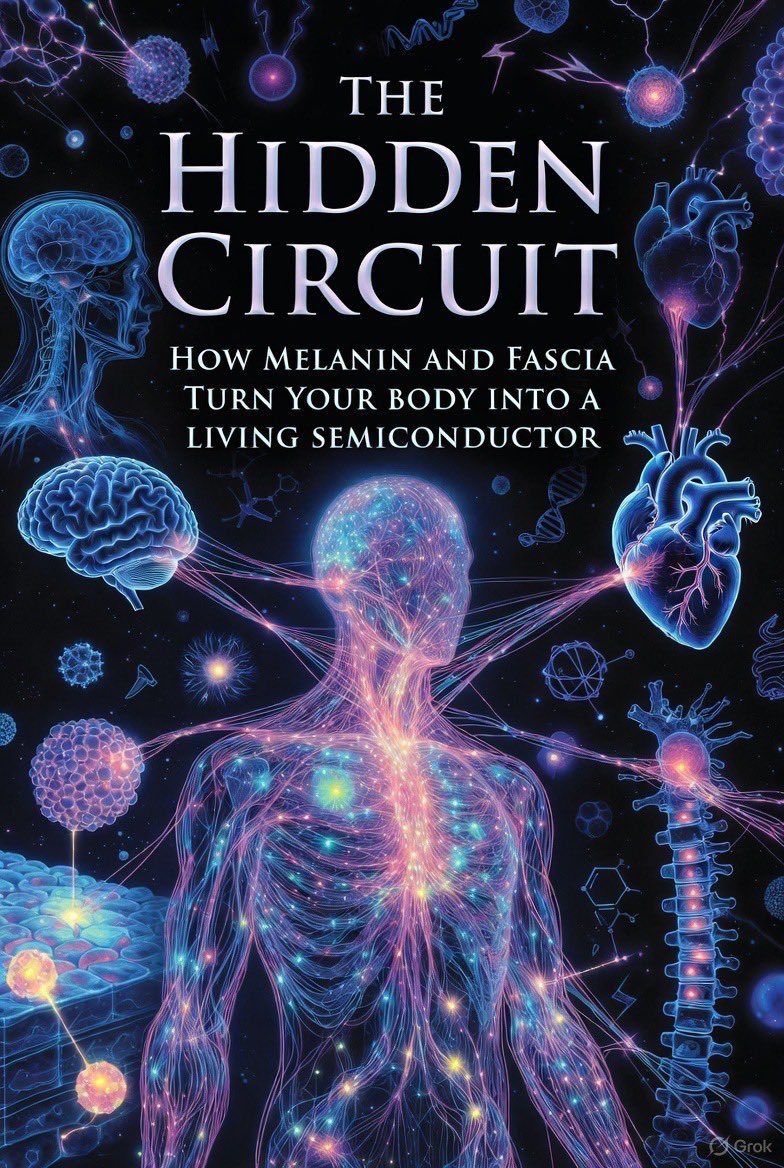
The Hidden Circuit: How Melanin and Fascia Turn Your Body into a Living Semiconductor Beneath the skin and around every muscle, a shimmering, collagen-rich tissue called fascia wraps the body in a continuous tensional network. For centuries, anatomists dismissed it as mere packing material. Meanwhile, melanin—the pigment that colors skin, hair, and eyes—was studied mostly for its role in sun protection and camouflage. Now biophysicists are discovering that these two systems, long considered biological footnotes, are in fact partners in one of the strangest electrical circuits in nature. “Fascia is not a passive scaffold,” says Marco Bordoni, a physicist-turned-fascia researcher at the University of Padua. “It’s a liquid-crystalline semiconductor that spans from your fingertips to your spine. And melanin appears to be its co-conductor.” The Collagen Antenna Collagen, the main protein in fascia, arranges itself into triple-helical cables that behave like optical fibers and piezoelectric crystals at the same time. When you stretch or compress fascial tissue—every time you run, jump, or simply stand up—the collagen lattice generates tiny electric fields. These fields are not random noise. They are coherent enough to drive proton currents along nanoscopic layers of highly ordered water that coat every collagen fiber. This “fourth phase” water, first described by Gerald Pollack at the University of Washington, absorbs ultraviolet light at 270 nanometers and re-emits it as infrared photons—a built-in energy transduction system running quietly under your skin. Enter Melanin, the Black Semiconductor Melanin has baffled physicists for decades. Unlike typical organic molecules, it absorbs light across almost the entire spectrum, from ultraviolet to near-infrared, then dissipates the energy with almost no fluorescence. Where does the energy go? In a series of papers beginning in 2012, a team led by A. Bernard Mostert at Swansea University showed that hydrated melanin conducts both electrons and protons, switching from insulator to near-metal depending on water content. In 2021, Carlos Solís and colleagues at the National Autonomous University of Mexico demonstrated that melanin can photocatalytically split water into protons, electrons, and oxygen—the same reaction that powers photosynthesis—using nothing more than ultraviolet light. “Melanin is basically an amorphous, biodegradable solar cell,” says Paul Meredith, a physicist at the University of Queensland and co-author of many of the seminal melanin-conduction studies. A Body-Wide Optoelectronic Network The surprise came when researchers started looking deeper than the epidermis. In 2020, Carla Fede and her group in Padua published micrographs showing melanosomes—tiny melanin granules—inside myofibroblasts of the deep fascia, especially in individuals with darker skin. In some mammals (whales, certain bats, and horses), entire sheets of deep fascia are visibly black with melanin. When these melanized fascial cells are mechanically deformed, their electrical conductivity changes far more dramatically than in non-melanized tissue. The reason, Bordoni’s lab found, is that mechanical strain alters the hydration shell around melanin particles, flipping their conductivity like a transistor. The result is a distributed circuit: sunlight hits skin melanin → energy is converted to heat, protons, and electrons → some of that charge migrates along structured water highways in the fascia → mechanical movement of the fascia generates additional piezoelectric currents → melanin modulates the signal. “It’s as if evolution wired us with a photovoltaic-piezoelectric skin that extends all the way to the tendons,” Bordoni says.
MitohormesisClub tweet media
English
19
192
807
25.4K
MitohormesisClub retweetledi
MitohormesisClub
MitohormesisClub@MitohormesisAct·
Mitochondria as Correlated Quantum Machines: How Circadian Timing Unlocks Efficiency Beyond the Classical Carnot Limit Kola Adetu | 6th April 2026 In the intricate machinery of life, mitochondria stand out as nanoscale powerhouses that challenge classical notions of energy conversion. Far from simple combustion engines, these organelles operate as sophisticated thermodynamic transducers, converting redox energy into useful work while navigating the constraints of the second law. A powerful new lens from quantum thermodynamics now sharpens this view: mitochondria function as Carnot-like engines embedded within dissipative structures whose performance is profoundly shaped by circadian timing — and recent theoretical advances show they may routinely surpass the classical efficiency bound. In October 2025, physicists Eric Lutz and Milton Aguilar at the University of Stuttgart published a landmark result in Science Advances. They derived an exact formula for the efficiency of cyclically driven quantum engines that fully accounts for correlations — including entanglement, system-bath interactions, and initial coherences — between all parties involved. In the standard thermal regime, heat flows from a hot reservoir at temperature \( T_h \) to a cold one at \( T_c \), yielding the familiar Carnot efficiency. But when quantum correlations dominate, especially in an athermal regime, work can be extracted not only from temperature differences but also from entropic resources such as mutual information and correlations themselves. The result: efficiency can exceed the classical Carnot limit without violating the generalized second law of thermodynamics. This is no violation of physics; it is an elegant extension. The researchers provide a unified formalism showing that correlated microscopic machines operate in two basic modes: the familiar heat-to-work conversion and a novel regime fueled by correlations, where the maximum efficiency includes an additional positive term from these quantum resources. Mitochondria: Nanoscale Quantum Engines in a Crowded Cell Mitochondrial oxidative phosphorylation mirrors this physics at the atomic scale. Electrons tunnel quantum-mechanically through the electron transport chain (ETC), pumping protons to establish an electrochemical gradient (proton-motive force). Protons then flow through ATP synthase, a rotary molecular motor that converts this gradient into chemical energy stored in ATP. Classically, one might model this as a heat engine limited by Carnot efficiency, with irreversibilities arising from proton leaks and reactive oxygen species (ROS) production. Yet mitochondria routinely achieve high performance in a thermally noisy, crowded cellular environment. The Lutz-Aguilar framework suggests why: the working medium — electrons, protons, vibrational modes, and structured water layers at the inner membrane — is richly quantum-correlated. Electron tunneling, potential excitonic coherence, and strong system-bath interactions (with the membrane and surrounding matrix) provide exactly the entropic resources that enable operation beyond the uncorrelated Carnot bound. Localized proton gradients at cristae tips, asymmetric membrane geometry, and light-sensitive components like cytochrome c oxidase further support correlated states. In this picture, mitochondria are not merely burning fuel; they are correlated quantum machines harvesting both thermal (redox) and non-thermal (correlational) resources for work. 1 of 3 💫🔆
MitohormesisClub tweet media
English
2
5
10
412
MitohormesisClub retweetledi
MitohormesisClub
MitohormesisClub@MitohormesisAct·
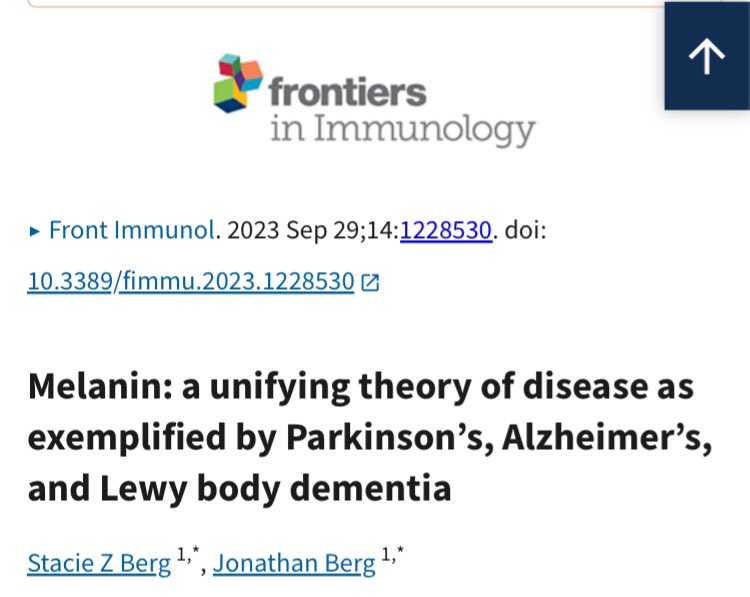
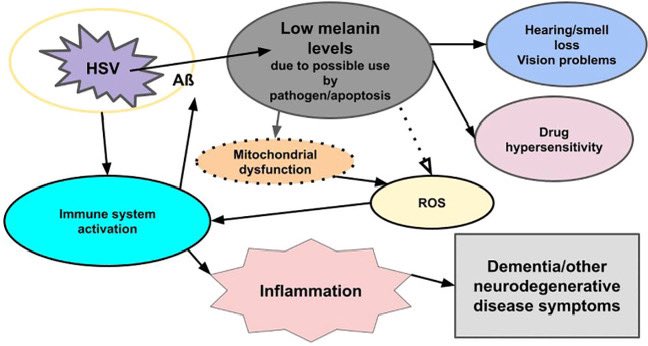
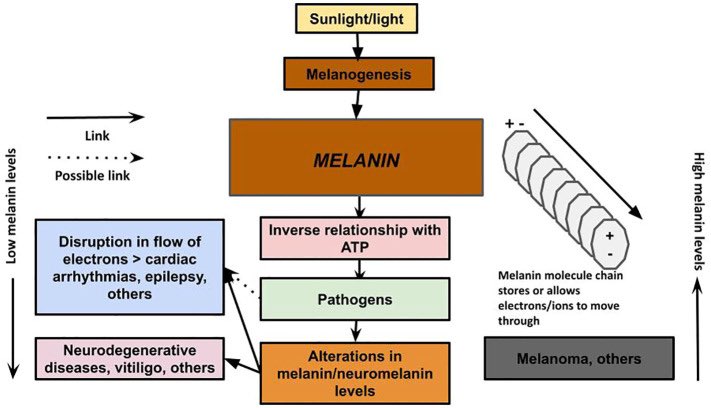
We think there is sufficient evidence in the scientific literature to support our theories that 1. under normal healthy states, melanin retains some of the energy it absorbs from light, and this energy, which is used by cells, is supplemented in an inverse relationship with the energy provided by ATP; 2. there is a causal link between melanin, infection, and neurodegenerative diseases; 3. reduction in melanin levels alters the energy supply of cells in disease, which results in a lack of energy to sustain immune system defenses and remove the plaques seen in neurodegenerative diseases; and 4. the loss of neuromelanin in neurodegenerative diseases may be due to the same amyloid fibril bleaching process that takes place in the extracellular ß-amyloid and/or may be due to uptake of melanin by pathogens that use host melanin to fortify their own immune systems and/or for other expenditures. We do not think the effect or significance of melanin is limited to the diseases discussed. In fact, we theorize that melanin is the unifying factor underlying disease states.
MitohormesisClub tweet mediaMitohormesisClub tweet mediaMitohormesisClub tweet mediaMitohormesisClub tweet media
Dr. Dale Bredesen@DrDaleBredesen

New research finds that depression is strongly linked to both Parkinson’s and Lewy body dementia and may presage a diagnosis years in advance. Depression is often a harbinger of toxin-related neurodegeneration, such as we see in type 3 Alzheimer’s disease. sciencealert.com/depression-may…

English
0
5
14
950
MitohormesisClub retweetledi
MitohormesisClub
MitohormesisClub@MitohormesisAct·
The Hidden Circuit: How Melanin-Concentrating Hormone MCH, Dopamine, and Cellular Clocks Wire ADHD In the restless brain of a child with ADHD, attention flickers like a faulty fluorescent bulb—bright one moment, dim the next. For decades, neuroscientists blamed dopamine, the brain’s reward courier, for the misfire. But a deeper circuitry is emerging, one that links hypothalamic neuropeptides, mitochondrial rhythms, and the simple act of greeting morning light. At its center: melanin-concentrating hormone (MCH), a molecule once dismissed as a fish-skin curiosity, now revealed as a master conductor of impulsivity, sleep, and metabolic timing in the human brain. The Dopamine Myth—and the MCH Counterpoint Dopamine has long been the poster child of ADHD. Imaging studies show blunted reward signals in the nucleus accumbens; genetic variants in the dopamine transporter predict symptom severity. Stimulants like methylphenidate work by flooding synapses with dopamine, restoring focus in 70% of patients. Yet dopamine tells only half the story. In 2019, a zebrafish study in *Nature Communications* uncovered a hypothalamic-telencephalic pathway that regulates impulsivity independently of dopamine—via MCH. Knock down MCH signaling, and premature actions vanish. Amplify it, and impulsivity surges. The finding stunned researchers: a peptide named for aggregating fish melanin was sculpting mammalian behavior. In humans, MCH neurons fire from the lateral hypothalamus, projecting to the ventral hippocampus and pontine REM centers. Their role? Stabilising the sleep-wake switch and tuning reward timing*m. In ADHD, this switch malfunctions. Children fall asleep late, wake often, and enter REM too soon—hallmarks of MCH dysregulation. Mitochondria as Cellular Clocks Zoom deeper, to the level of the cell. ADHD brains show mitochondrial fragmentation and reduced ATP output in prefrontal neurons. A 2024 study in Cell Metabolism linked this to circadian misalignment: mitochondrial fission-fusion cycles, driven by PER2 and BMAL1, fall out of sync with the solar day. MCH neurons are exquisitely light-sensitive. Morning blue light (470 nm) suppresses MCH via the retinohypothalamic tract; darkness unleashes it. In ADHD, delayed melatonin onset (average 2.5 hours late) keeps MCH suppressed at night, starving the brain of sleep drive. The result: a metabolic mismatch —mitochondria spin inefficiently, dopamine synthesis falters, and attention collapses by afternoon. Light Hygiene: The Low-Tech Intervention Enter circadian hygiene, Patients wear blue-blockers sunset/nightfall, rise at the same time daily, and step into 10,000 lux sunrise within 30 minutes of waking. A 2025 randomized trial in *The Lancet Psychiatry found: 45-minute advance in dim-light melatonin onset - 32% reduction in Conners’ ADHD scores -Normalisation of MCH neuron firing (measured via hypothalamic fMRI) How!? Light resets mitochondrial clocks, boosting complex I efficiency and dopamine turnover. MCH, no longer stuck in “evening mode,” promotes deep NREM sleep and curbs nighttime impulsivity. The Coherence Model A new framework, mitochondrial-cellular coherence, ties it together. Healthy brains exhibit: 1. Synchronised MCH-orexin oscillations (sleep-wake flip-flop) 2. Diurnal mitochondrial fusion (energy for focus) 3. Phasic dopamine bursts timed to reward prediction errors In ADHD, these rhythms desynchronise. Light hygiene restores coherence; stimulants amplify signal within the broken loop. The Future: Precision Circadian Medicine Clinics in London and Zurich now prescribe personalized light schedules based on salivary melatonin curves and wearable actigraphy. Genetic testing for PER2 and MCHR1 variants predicts response. One day, optogenetic implants may pulse MCH neurons in real time, syncing brain and body to the sun. 👇🏿🔆
MitohormesisClub tweet mediaMitohormesisClub tweet media
English
2
10
20
868
MitohormesisClub
MitohormesisClub@MitohormesisAct·
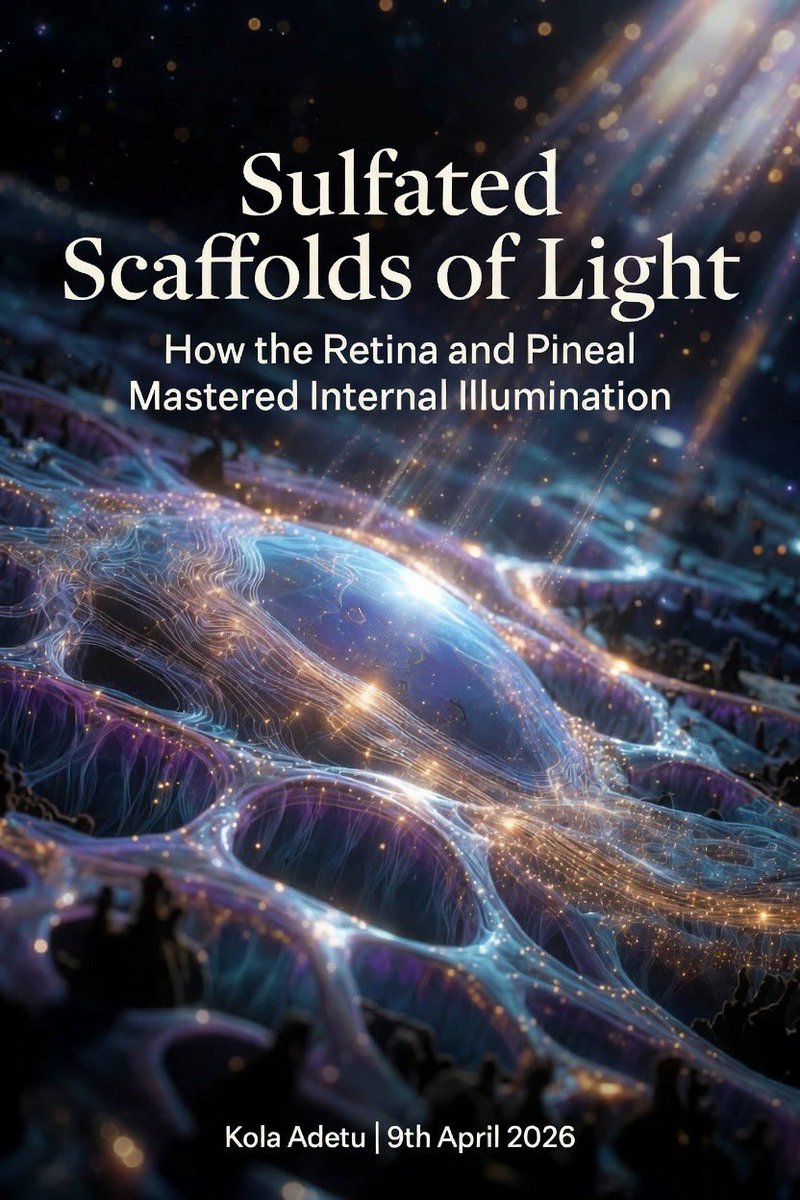
In the dim glow of evolutionary deep time, our mammalian ancestors navigated shadowy burrows and nocturnal realms, where sunlight was a rare visitor. Yet the machinery of vision and cognition persisted, refined not by constant external illumination but by an internalized mastery of light itself. At the heart of this adaptation lies a subtle yet profound architecture: sulfated glycosaminoglycans (GAGs) and their proteoglycan partners, woven into the fabric of the retina and pineal gland. These molecules do more than provide structural support; they orchestrate a living photonic system—one where incoming photons, endogenous biophotons, structured water, and semiconductor-like cellular matrices converge in a dance of non-linear optics. A Sulfated Scaffold for Light The retina is not a passive detector but a sophisticated optical device, its layers rich in highly sulfated polysaccharides. Mapping studies reveal precise distributions: heparan sulfate proteoglycans (HSPGs), including those from collagen XVIII, anchor in the inner limiting membrane (ILM) and basement structures, often featuring rare 3-O-sulfation In the interphotoreceptor matrix (IPM)—the specialized extracellular space enveloping photoreceptor outer segments—6-O-sulfated chondroitin sulfate (CS) predominates, contributed heavily by proteoglycans such as IMPG1 (SPACR) and IMPG2 (SPACRCAN). Dermatan sulfate and other variants appear in layered patterns, creating a gradient of charge and hydration that tunes the local microenvironment. These sulfated chains, attached to core proteins, extend into the aqueous phase like antennae. Their negative charges—amplified by sulfate groups—organize surrounding water into gel-like exclusion zones (EZ-like domains), where solutes are repelled and protons extruded. This structured water interfaces intimately with the abundant docosahexaenoic acid (DHA) in photoreceptor membranes. DHA, with its multiple cis double bonds, confers fluidity and light sensitivity; when paired with amphiphilic molecules like cholesterol sulfate, it forms pockets that stabilize ordered water lattices. Parallel processes unfold in the pineal gland. Daytime light signals, transmitted via the eyes and optic pathways, upregulate HS 3-O-sulfotransferase, altering heparan sulfate fine structure in the gland. This daytime sulfation replenishes stores that, at night, yield melatonin sulfate, disseminated through cerebrospinal fluid to nourish broader brain tissues. The pineal, too, is DHA-rich, housing endothelial and neuronal nitric oxide synthase (eNOS/nNOS) isoforms capable of “moonlighting” roles in sulfate synthesis when energized by light-activated electrons. Trapping Electrons, Processing Photons Sulfation transforms the retina into a platform for non-linear optical phenomena. In the ordered, negatively charged matrices of sulfated GAGs and structured water, photons—whether from external sources or ultra-weak endogenous emissions—excite electrons. These electrons can be trapped, guided, or frequency-mixed, enabling effects such as waveguiding, harmonic generation, and coherent propagation with minimal dissipative loss. 1 of 2 👁️👁️💫🔆
MitohormesisClub tweet media
English
1
3
14
455
MitohormesisClub retweetledi
MitohormesisClub
MitohormesisClub@MitohormesisAct·
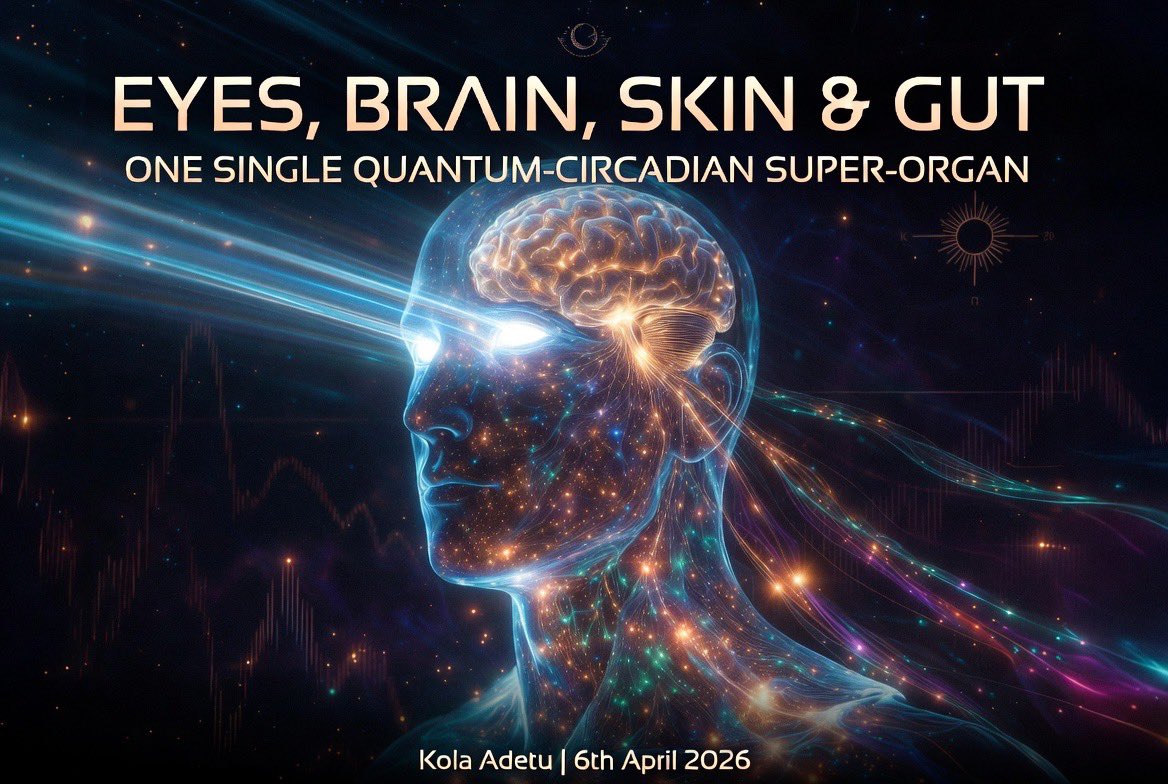
🚨 EYES, BRAIN, SKIN & GUT: ONE SINGLE QUANTUM-CIRCADIAN SUPER-ORGAN 🚨 What if I told you your eyes aren't just for seeing, your brain isn't isolated, your skin isn't a simple barrier, and your gut isn't "just digestion"... but ALL are expressions of ONE unified ectodermal quantum field? This isn't metaphor. It's embryology + quantum biology + circadian mechanics colliding in the most mind-blowing way. From the earliest moments of gastrulation, the ectoderm—that primordial outer germ layer—gives rise to the neural tube (brain + spinal cord), surface epidermis (skin), lens/retina of the eyes, and even contributes via neural crest cells to pigment cells, parts of the peripheral nervous system, and critical lineages shaping the enteric nervous system in the gut. Neural crest cells (born at the ectoderm-neural plate border) migrate like quantum explorers, seeding melanocytes in your skin, contributing to eye structures, and colonizing the gut to build the "second brain" (enteric nervous system). What looks like separate organs is actually a phase-locked, coherent continuum. The ectoderm isn't a "layer." It's a light-sensitive quantum informational sheath that unfolds under circadian control. Your eyes and pineal gland act as dual photoreceptive antennae. Both packed with opsins and cryptochromes tuned to blue light—the same wavelengths that entrain the suprachiasmatic nucleus (master clock). They don't just detect day/night; they maintain quantum phase coherence between central and peripheral rhythms. Your brain and skin? Bidirectionally coupled via melanin, microtubules, and ultra-weak biophoton emissions. Skin cells express circadian genes mirroring cortical astrocytes. Melanin—beyond pigment—functions as a broadband photon absorber and potential quantum exciplex mediator, enabling electron tunneling across the skin-brain axis. Stress, UV, or light pollution? They ripple through this shared ectodermal network. And the gut? Though much of the enteric nervous system is neural crest-derived (ectodermal origin), the luminal interface senses microbial redox and photonic signals. Tryptophan metabolites (serotonin, melatonin, kynurenines) create a feedback loop that phase-modulates the entire ectodermal field. Your gut literally talks back to your eyes, brain, and skin in circadian quantum language. Emerging quantum biology suggests the whole system operates as a distributed quantum metamaterial. Coherence maintained via: - Biophotons (ultra-weak light emissions from cells, potentially carrying entangled information) - Microtubule resonances (tryptophan networks enabling long-range energy migration and possible quantum computation) - Mitochondrial redox oscillations synced to light/dark cycles Decoherence hits hard: artificial blue light at night, circadian disruption from shift work or screens, electromagnetic noise. Result? Simultaneous "comorbidities" that aren't random—retinal stress, mood disorders, skin barrier breakdown, dysbiosis. They're symptoms of one lost ectodermal phase-lock. We are not a collection of isolated organs. We are a four-faced ectodermal prism refracting the same photon-information stream across scales: outward (retina), inward (pineal/brain), environmental (skin), and cosmic-inner (gut lumen). Maintaining circadian entrainment isn't "self-care." It's ectodermal field maintenance—protecting quantum coherence in the living light-body we call "human." The implications are revolutionary: true healing must address the unified field, not siloed symptoms. Sunrise/sunset alignment, minimizing decohering agents, supporting melanin/redox systems—these aren't fringe. They're biology's deepest protocol. Science is catching up: neural crest contributions link these tissues embryologically; biophoton research and microtubule quantum effects point to nonlocal signaling; circadian gene networks run in parallel across the ectoderm. 1 of 2
MitohormesisClub tweet media
English
2
9
27
2K
MitohormesisClub retweetledi
MitohormesisClub
MitohormesisClub@MitohormesisAct·
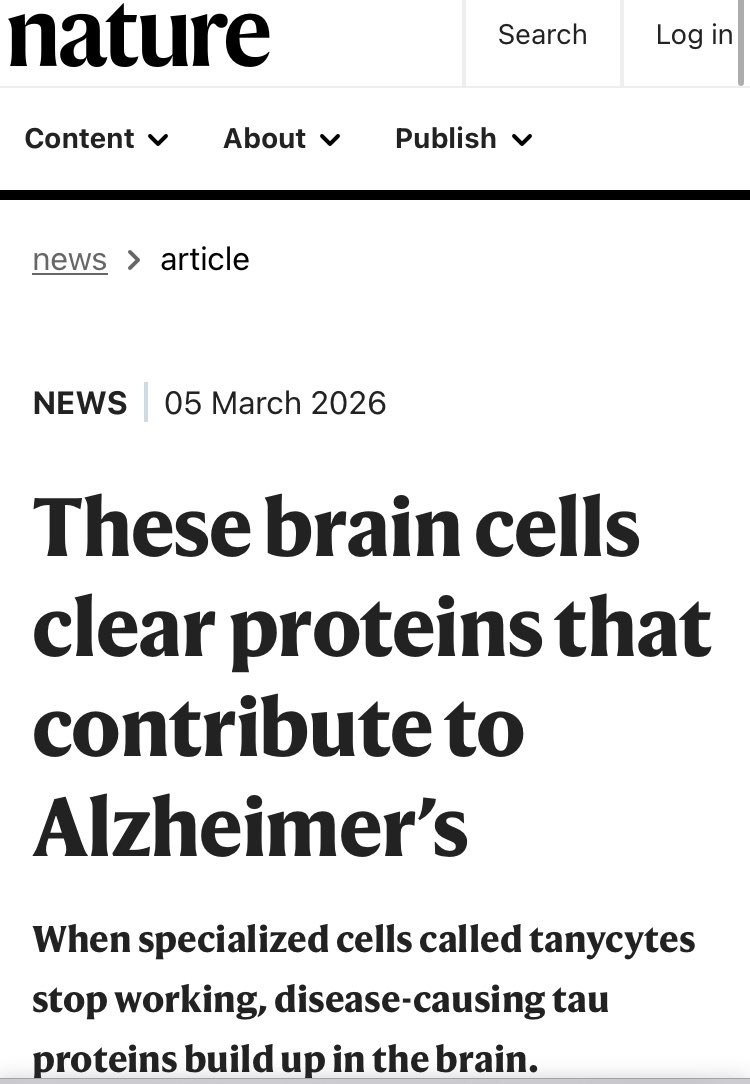
Tanycytes: Sunlight's Hidden Pathway to Brain Metabolism and Type 3 Diabetes Prevention Tanycytes are specialised glial cells lining the third ventricle in the hypothalamus [quantum interface 🔆]. They bridge cerebrospinal fluid, blood, and neural circuits, sensing nutrients and modulating hormone signals. These cells integrate sunlight-driven cues into circadian and seasonal rhythms. The suprachiasmatic nucleus (SCN), the brain's master clock, entrains to sunrise light via retinal input. The SCN releases rhythmic vasopressin, boosting glucose transporter GLUT1 in tanycytes to time hypothalamic glucose delivery and support daily metabolic cycles. 🔆👑 Seasonally, sunlight patterns shape melatonin duration from the pineal gland. Melatonin acts on the pars tuberalis, triggering TSHβ release that reaches tanycytes. There, it regulates deiodinases: DIO2 converts T4 to active T3 in long days (promoting energy use), while DIO3 favors inactive rT3 in short days (conserving energy). This thyroid hormone switch aligns metabolism with photoperiod. Disrupted light exposure—artificial night light, shift work—misaligns these pathways, skewing DIO balance toward low hypothalamic T3. Chronic misalignment fosters central insulin resistance, poor brain glucose use, mitochondrial dysfunction, and inflammation—hallmarks of type 3 diabetes (T3D), a brain-specific insulin-resistant state linked to Alzheimer's pathology. Restoring natural rhythms may prevent T3D: bright morning sunlight entrains the SCN, dark nights preserve melatonin, supporting tanycyte function and balanced brain thyroid signaling for metabolic health. Red tinted blue blocking glasses + dusk light exposure + incanscedent 💡 Sunrise light sustains coherence in cryptochromes (for light detection) and mitochondrial electron transport (via proton tunneling). Robust SCN entrainment cascades to tanycyte thyroid regulation and efficient mitochondrial quantum (CD) water production 🔋 and ATP production, preserving cerebral insulin sensitivity against modern decohering factors like mismatched light or EMFs. Aligning with natural sunlight cycles—via tanycytes as key integrators—offers a simple, potent defense against brain metabolic decline.
MitohormesisClub tweet media
English
1
8
26
1.1K
MitohormesisClub retweetledi
MitohormesisClub
MitohormesisClub@MitohormesisAct·
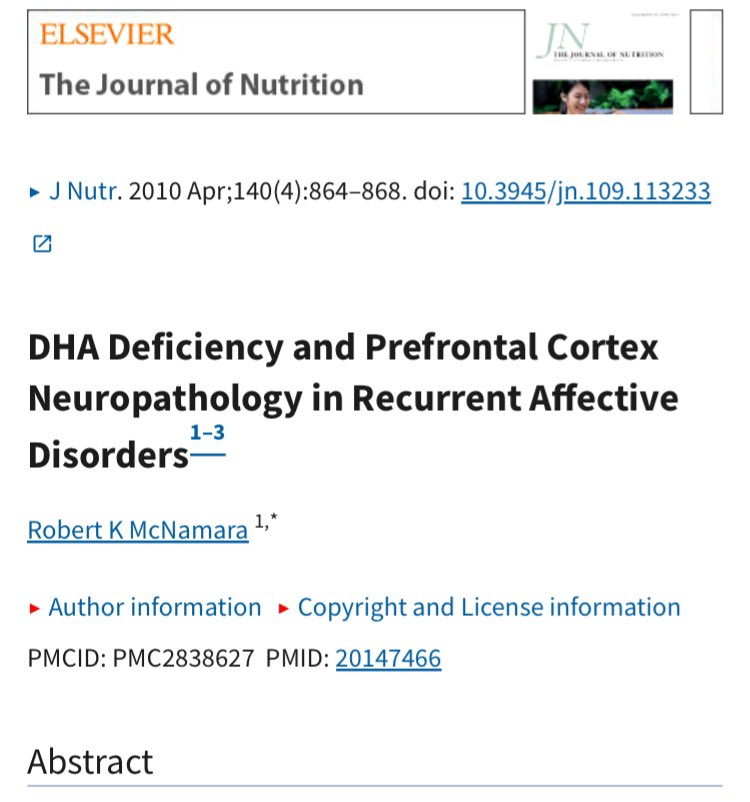
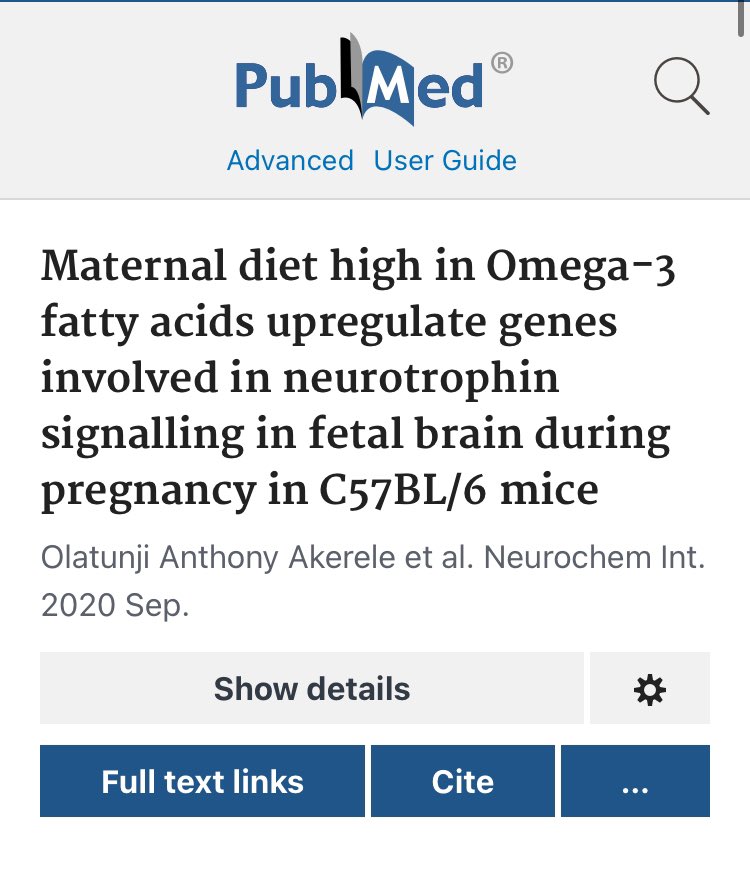
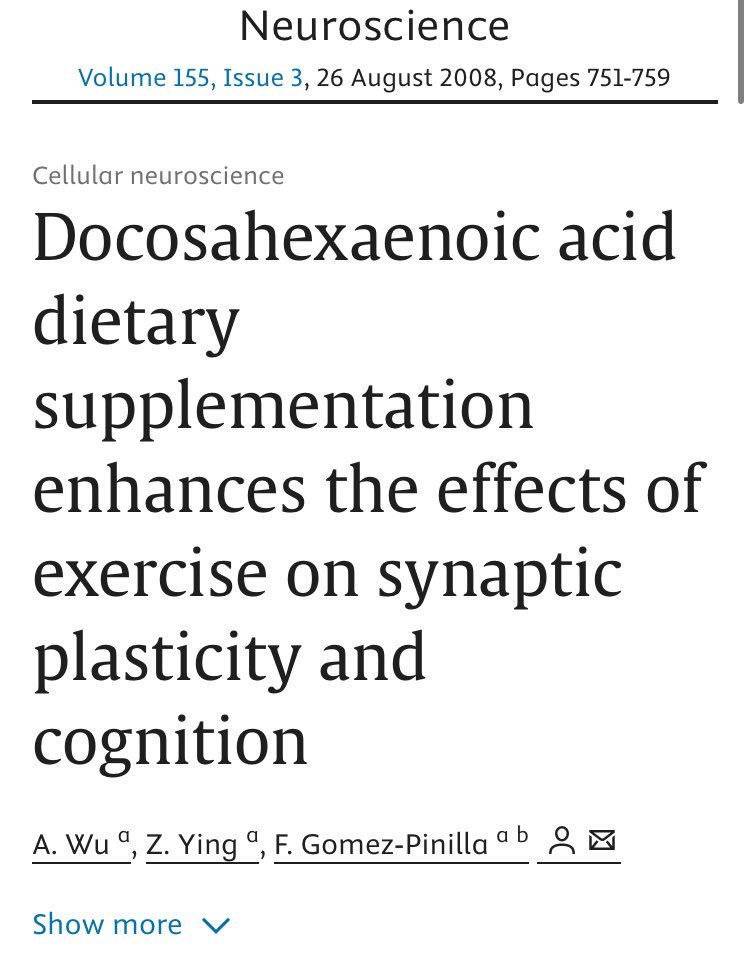
🚨 BRAIN UPGRADE ALERT: The Ultimate DHA + Sun + Movement Stack That Supercharges Your Mind & Crushes Depression 🚨 Low DHA = low BDNF = prefrontal cortex SHRINKING like a deflated balloon. That's the hidden driver behind mood crashes, brain fog, and affective disorders. But flip the script with DHA (the king omega-3) and watch the magic explode. DHA amplifies exercise-induced BDNF surges like rocket fuel — jacking up pCREB, synapsin I, Akt, and CaMKII in cortical neurons. It reverses stress-induced BDNF deficits, rebuilds neuronal morphology, and flips depression-like behaviors OFF by modulating the HPA axis. Moms: Load up on DHA during pregnancy — it skyrockets fetal PFC BDNF/TrkB/CREB signaling, wiring bulletproof neurodevelopment from day one. Your baby's brain literally thanks you in real time. Science is screaming: DHA deficiency leaves the PFC vulnerable to atrophy. Ramp up dietary intake (or supplement smart) and you restore BDNF levels, regrow dendrites, rescue behavior, and protect against recurrent mood disasters. Now layer in my Circadian + Photobiology Framework — this is where it gets GOD-TIER: Morning sunlight hits your eyes → triggers precise insulin secretion timing at sunrise → optimizes glucose metabolism all day → balances leptin (your satiety & energy hormone). Disrupt this light → glucose chaos → insulin resistance → inflammation → BDNF tanks even harder. But align with the sun? DHA's BDNF-boosting power gets multiplied because your metabolic clock is synced. Stable glucose + proper leptin signaling = sustained brain fuel, less stress hormones wrecking your neurons, and amplified neuroplasticity from every workout. The protocol that changes everything: - Chase the sunrise (real photons, not screens) - Fuel with high-DHA sources (wild fish, quality algae oil — aim for meaningful doses) - Move your body (exercise + DHA = synergistic BDNF explosion) - Protect your circadian rhythm like it's your superpower Result? Stronger PFC. Sharper cognition. Resilient mood. Better metabolism. Deeper resilience against stress. This isn't hype — it's biology meeting light, fat, and motion in perfect harmony. Your brain evolved for this stack. If you're battling low mood, brain fog, or just want peak mental performance... prioritize DHA + sunrise-aligned circadian biology + exercise. The prefrontal cortex will thank you. Future you will dominate. Head to my bio to apply for 1 on 1 consultation🤝 Who’s adding more DHA and chasing morning light starting today? Drop your protocol below 👇 #DHA #BDNF #CircadianHealth #Photobiology #BrainHealth #Omega3 #Sunlight #MentalHealth #Neuroscience
MitohormesisClub tweet mediaMitohormesisClub tweet mediaMitohormesisClub tweet mediaMitohormesisClub tweet media
English
0
5
38
1.3K
MitohormesisClub retweetledi
MitohormesisClub
MitohormesisClub@MitohormesisAct·
What distinguishes the human animal, viewed through the lens of cognitive neuroscience, is our extraordinary capacity for accelerated neurobehavioral plasticity—an ability that stands in sharp contrast to the slower adaptive rhythms of other species. Unlike most animals, whose behavioral adjustments to environmental shifts typically unfold over extended periods—often months to years, relying on incremental reinforcement learning, habitual drift, or generational selection pressures—we possess a uniquely rapid, volitional mechanism for self-modification. Through metacognitive awareness, error-detection circuits in the anterior cingulate cortex, and executive oversight from the dorsolateral and ventromedial prefrontal regions, humans can identify behavioral mismatches, consciously recalibrate decision policies and motivational gradients, and orchestrate distributed synaptic remodeling across cortical-subcortical networks. In essence, we can achieve meaningful phenotypic evolution—restructuring habits, heuristics, and even core drive systems—within days to weeks, or consolidate a transformed behavioral repertoire in a single month. This timescale would demand far longer trial-and-error cycles or genetic accommodation in non-human species. Yet what is particularly poignant, even tragic, is how rarely we harness this crown achievement of human evolution. The massively expanded prefrontal cortex, with its dense connectivity to limbic and subcortical structures, represents the ultimate adaptation engine: real-time self-monitoring coupled with the power to implement deliberate, large-scale neural and behavioral change on demand. It grants us an enviable evolutionary superpower that no other creature possesses at this speed or flexibility. And still, we squander it. Ancient limbic impulses, cultural defaults, and short-term dopaminergic reward loops too often remain at the helm, while the prefrontal executive—capable of steering rapid, directed self-evolution—idles in the background. In an era when external change accelerates relentlessly, demanding precisely this capacity, the hardware for accelerated self-transformation stays underutilized. It is a quiet, profound sadness: we evolved the finest instrument for conscious adaptation the biosphere has ever produced, yet collectively and individually, we so seldom choose to turn it on.
MitohormesisClub tweet media
English
0
2
2
182
MitohormesisClub retweetledi
Neuroscience News
Neuroscience News@NeuroscienceNew·
For most people, the “stress hormone” cortisol hits its lowest point at midnight, allowing the body to recover and rest. However, new research reveals that for nurses working double shifts, this rhythm is dangerously inverted. The study found a two-fold increase in salivary cortisol levels at midnight in double-shift workers compared to those on single shifts. The findings suggest that prolonged work schedules don’t just cause fatigue—they trigger a fundamental physiological shift that keeps the body in a state of high-alert strain when it should be at its calmest. neurosciencenews.com/double-shift-c… #Neuroscience #Health #Stress
English
5
29
104
6.7K
MitohormesisClub
MitohormesisClub@MitohormesisAct·
This approach aims to reduce medicalization and empower young people to reclaim ownership of their sleep health through a holistic, accessible, and patient-centered model, that acknowledges and responds to the needs of this particularly vulnerable population. In conclusion, sleep medicine is essential for understanding and managing psychotic disorders. A precision-based, patient-centered approach to sleep medicine holds the promise not only of refining the diagnosis and prognosis of psychiatric disorders, but also of providing an integrative perspective on these conditions, framing them in terms of multimorbidity rather than comorbidity, with the ultimate goal of offering comprehensive care for both mental health and sleep You need light hygiene, you need mitohormesis —leptin and melanin protocol
htw@heniek_htw

Sleep and schizophrenia spectrum sciencedirect.com/science/articl…

English
0
0
0
74
MitohormesisClub
MitohormesisClub@MitohormesisAct·
This is how far they are willing to go to create their transhumanist artificial reality: Sam Altman has admitted he’s on a waitlist for a procedure that would digitize his brain by pumping it full of embalming chemicals while he’s still alive — a process that would kill him. He considers this an acceptable trade-off for digital immortality. Meanwhile, the rest of us sit at home clinging to puppet daddy patriotism and home-nationalism that no longer exists.
Ryan Fournier@RyanAFournier

Sam Altman has admitted he is on a waitlist for a procedure that would digitize his brain. The procedure would kill him. He considers this an acceptable trade for digital immortality. This is the person making decisions about the future of artificial intelligence for hundreds of millions of users. A man who views ending his own biological life as a reasonable step toward uploading his consciousness to the cloud. These are not the priorities of a stable leader.

English
0
0
0
72
MitohormesisClub
MitohormesisClub@MitohormesisAct·
Don’t waste your precious time with the wrong people
English
0
0
1
30
MitohormesisClub
MitohormesisClub@MitohormesisAct·
@DeborahMeaden No!! WE have become so stupid so dumbed down To even believe all this is about Trump as a person is to give him unprecedented power that’s impossible to give to anyone not to mention this golden kid …..
English
0
2
3
85
MitohormesisClub retweetledi
Reese
Reese@Reeseforsure·
The elite wealthy will not have AI medical care. They will all have a team of actual doctors. Bookmark this.
English
9
4
41
688
MitohormesisClub
MitohormesisClub@MitohormesisAct·
When systemic sulfate is low (e.g., insufficient skin sunlight exposure or dietary sulfur), inflammatory processes (like low-grade encephalopathy) may attempt sulfate renewal in the brain, similar to atheroma compensation elsewhere. This can involve fever, seizures, or oxidative bursts to oxidize sulfur compounds.
English
0
1
3
126
MitohormesisClub
MitohormesisClub@MitohormesisAct·
2 of 2 👁️🔆💫 Biophotons, the ultra-weak photon emissions arising from oxidative metabolism, lipid peroxidation, and mitochondrial activity, add an internal light source. Measurements in retinal tissue show temperature-dependent biophotonic activity, with some studies linking it to the discrete “dark noise” in photoreceptors—the spontaneous photon-like events that set the lower limit of visual sensitivity. While debates persist on whether biophotons directly trigger rhodopsin or arise as byproducts, their presence suggests a feedback loop: metabolic light interacts with sulfated matrices, potentially amplifying signals, reducing noise, or recycling photons within the retinal architecture. This system echoes semiconductor physics. Cellular ions (sodium, potassium, calcium, magnesium) establish gradients akin to doping in p-n junctions. Nitrogen in amino acids and enzymes facilitates electron transfer. Sulfur, oxidized to sulfate via light-catalyzed pathways, serves as the key dopant, conferring tunable charge separation and conductivity. Phosphorus in ATP cycles interfaces with these gradients, while sulfated GAGs modulate the extracellular matrix to protect against oxidative stress and support phototransduction beyond classical rhodopsin cascades. The Underground Innovation Early mammals, many small and burrowing, confronted prolonged darkness. Rather than abandon their photonic heritage—rooted in ancient photoreceptive systems—they internalized it. Endogenous biophoton generation from redox reactions provided a steady, low-level light supply. Enhanced sulfation pathways, coupled with DHA-enriched membranes in retina and pineal, maintained structured water domains that sequester deuterium and trap electrons even absent direct sun. Compensatory mechanisms, including localized sulfate renewal during inflammation or vascular stress, preserved the optoelectronic hardware. This adaptation enabled survival in dim niches while priming the system for surface life: high-acuity vision, circadian regulation, and energy-demanding neural computation. Sulfated matrices ensured efficient energy/information transfer—coherent light propagation without thermal overload—sustaining the “solar-powered battery” of the skin and its extensions in the eye-brain axis. Modern Disruptions and Ancient Wisdom In contemporary environments, reduced sunlight exposure, dietary sulfur deficits, and toxins that impair nitric oxide synthase or sulfation pathways erode this delicate equilibrium. Poorer water structuring, elevated effective deuterium interference, and diminished biophoton coherence may contribute to vulnerabilities in visual processing, sleep, and neural resilience. Yet the framework invites reconnection: sensible exposure of skin and eyes to natural light, sulfur-rich nutrition, and support for DHA and structured water dynamics. The retina and pineal stand as testaments to evolutionary ingenuity—a story not merely of chemistry, but of light woven into the quantum fabric of life. In their sulfated lattices, we glimpse a biology where photons are both signal and sustenance, where darkness itself birthed a deeper mastery of illumination. This perspective synthesizes observed distributions of retinal GAGs, documented light-induced sulfation in the pineal, measured biophotonic emissions, and the biophysical properties of structured water and DHA membranes. It offers a unified narrative of light, optics, and adaptation—elegant in its coherence, provocative in its implications for how we inhabit our luminous world. Thanks to Uncle @DrJackKruse @chantaldillon10
English
0
3
3
80