

Mobin Ranjbar
8.5K posts
Mobin Ranjbar
@MobinRanjbar
Big Data Engineer | CEO at Dadeh Paya Sepehr | #bigdata #datascience #hadoop #spark
Katılım Ağustos 2010
1.2K Takip Edilen1.3K Takipçiler
@kenzyxvw Thank you so much. Can we do it automatically and explore them via OHLCV data?
English

@MobinRanjbar Hi there, they're from the DTCC but sourced through Eikon/Reuters. You can check out my reply here for more details: twitter.com/kenzyxvw/statu…
Justin Low@kenzyxvw
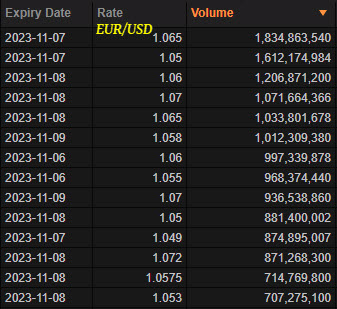
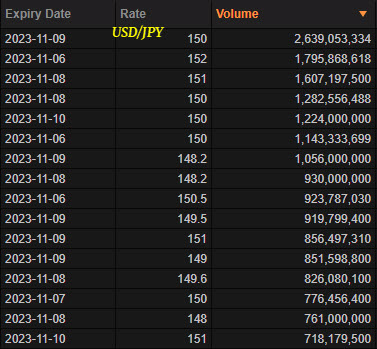
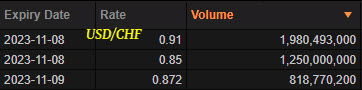
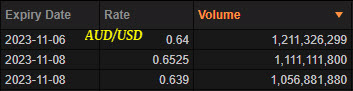
Hi, for some background you can check out this post here: rb.gy/ugyrr But I'm happy to elaborate more. Typically, we are looking for levels of interest when viewing the expiries and we identify that by the size mostly. For the most part, I would label those above $1 billion in size to be as 'significant' in this instance. From there, it is about looking at "if these significant expiries are close to current spot levels", that is so they might have an impact on price action. I would usually highlight them in bold, where relevant. And then from there, it is about analysing how these expiries might impact price action. That is when you need to first see how price action has been behaving, then also pair it with the technicals, and also consider market sentiment. The expiries could end up being a "pull" or keep price action more "sticky", and even act as added "layers" for bids/offers at key levels. Keep in mind that there is no perfect science in reading or interpreting all of this and is a case-by-case and day-by-day basis. But that's the best way I can sum it up and how it could play a role in impacting trading sentiment. Hope this helps.
English
Going to be off next week. So, here's a list of upcoming notable #FX option expiries for the week ahead. But keep in mind that all expiries (even the ones not listed here) at all levels could still change up until the cutoff time itself. So, this is just a tentative one.
English
هر موقع روی لوگو X (توییتر سابق) میخوام کلیک کنم حس میکنم الانه که پنجره رو ببنده!
فارسی
قبلا میگفن فوتوشاپه، الان میگن هوش مصنوعیه!
#فوتوشاپ #هوش_مصنوعی
فارسی
نمودار زنده ورود و خروج پول توی #بورس به تفکیک صنعت رو میتونید از اینجا ببینید: finyar.ir/maps
به شخصه جالب بود برام
فارسی
طرف تز دکتری خودش رو با موضوع کلان داده #bigdata گذاشته توی #پونیشا با ۱ میلیون و پانصد براش انجام بدن! اون دانشجو که تکلیفش روشنه ولی میشه حدس زد توی فکر اساتید راهنما موردنظر چی میگذره.
فارسی
RabbitMQ + Apache Bahir + Spark Streaming are Awesome!
#bigdata
English
جای خوب و مطمئن برای تعمیرات لپ تاپ توی تهران میشناسین معرفی کنین؟
#ریتوییت
فارسی
شرکت داده پایای سپهر سهامی خاص، برنامه نویس Back-End استخدام می کند.
از طریق سایت جابینجا اقدام کنید: jobinja.ir/585857
#bigdata
#استخدام
#backenddeveloper
فارسی
چهارتا چیز رو مخفی نگه دار:
۱. حرکت بعدی
۲. عشق زندگی
۳. درآمد
۴. مشکلات خانوادگی
فارسی
هرچی راننده بی نزاکت و لات چاله میدون رو اسنپ به عنوان رانندش جذب کرده که به برند خودشون ضربه بزنن. راننده خوب هم هستن البته. ای کاش میشد اسنپ حساسیت بیشتری توی جذب راننده میداشت و به راحتی یه سوء پیشینه گرفتن نبود. حداقل آموزش بدین آداب اجتماعی رو به راننده ها.
@Snapp_Team
فارسی
گاهی وقتا برای کسب موقعیت شغلی و قراردادهای کاری بزرگ و جذاب باید با افرادی نشست و برخواست کنی که میدونی به هر دلیل(سیاسی، فنی و...) در جایگاهی که لایق اون هستند قرار ندارند. آیا باید قید موفقیت شغلی رو زد یا تن به ارتباط با اینجور افراد داد؟
میخوام نظر شما رو بدونم.
فارسی
هنوز هم ایده پیاده سازی شبکه اجتماعی توی ایران ارائه میشه؟ شبکه اجتماعی برای دوستداران ردبول، کفش مشکی ها، دمپایی سوراخ ها و... ای بابا. باشه ارائه بدین ایرادی نداره ولی سوراخ دعا اینجا نیست.
فارسی
@HamedMasafi بلاخره این فیش هم یک سند به حساب میاد توی سیستم و هر سند هم یک کد. این کد تبدیل به بارکد بشه.
فارسی

@MobinRanjbar چیزی که به سرعت پاک میشه نمیتونه مستند به حساب بیاد. احتمالا برای بررسی آنی صحت تراکنش ساختنش نه نگه داشتنش
فارسی
مشاور باتجربه کسب و کار در ایران چه کسی رو پیشنهاد میدید؟
#سوال
#ریتوییت
#مشاورکسبوکار
فارسی
@fatemehaleyasin @khorramdellll سه تا دختر داره. روح الله رحمانی همسر دختر آخری بنت الهدی حدادعادل هست: farsnews.com/news/139504050…
فارسی

@khorramdellll روح اله رحمانی آمازون و مایکروسافت؟؟ چیی؟؟ داماد حداااادد؟؟؟؟؟ ایم حداد عادل چند صد تا دختر داره مگه ؟
فارسی