@strategywoman Joy in times of trouble and sadness - bless and keep you. Winter has come early to Melbourne but the skies are not threatening the destruction Ukraine faces. Victory will come.
The Carpathian Mountains
through the eyes and brushes of Ukrainian artists.
I invite you to the exhibition I visited yesterday.
Nature, people, and stillness.
I don’t know if what I do is right.
But seeing beauty,
focusing on something good,
helps me live through these long years of war.
I want you to see that life in Ukraine goes on, despite everything russia does to break it.
@Rainmaker1973 Sitting at the kitchen table making butter-pats. Sending me back home with a thruppenny bit - small silver coin) - knotted in a corner of a white handkerchief for being a good girl. sunny scullery. Her pretending to tell off grandfather for playing records in the dining room
My cat was killed on the road this morning. With the world burning and people dying it’s not important but he was a lovely boy and I’m heartbroken. Never rains but pours. Love you Percy
I’m so sorry this happened to you
Leap of faith. I had no idea the cheerleading would become a thing. I think it occurs amongst burras - definitely part of burra learning in that first couple of years - and may continue through adulthood.
#kookalife#EggBurra
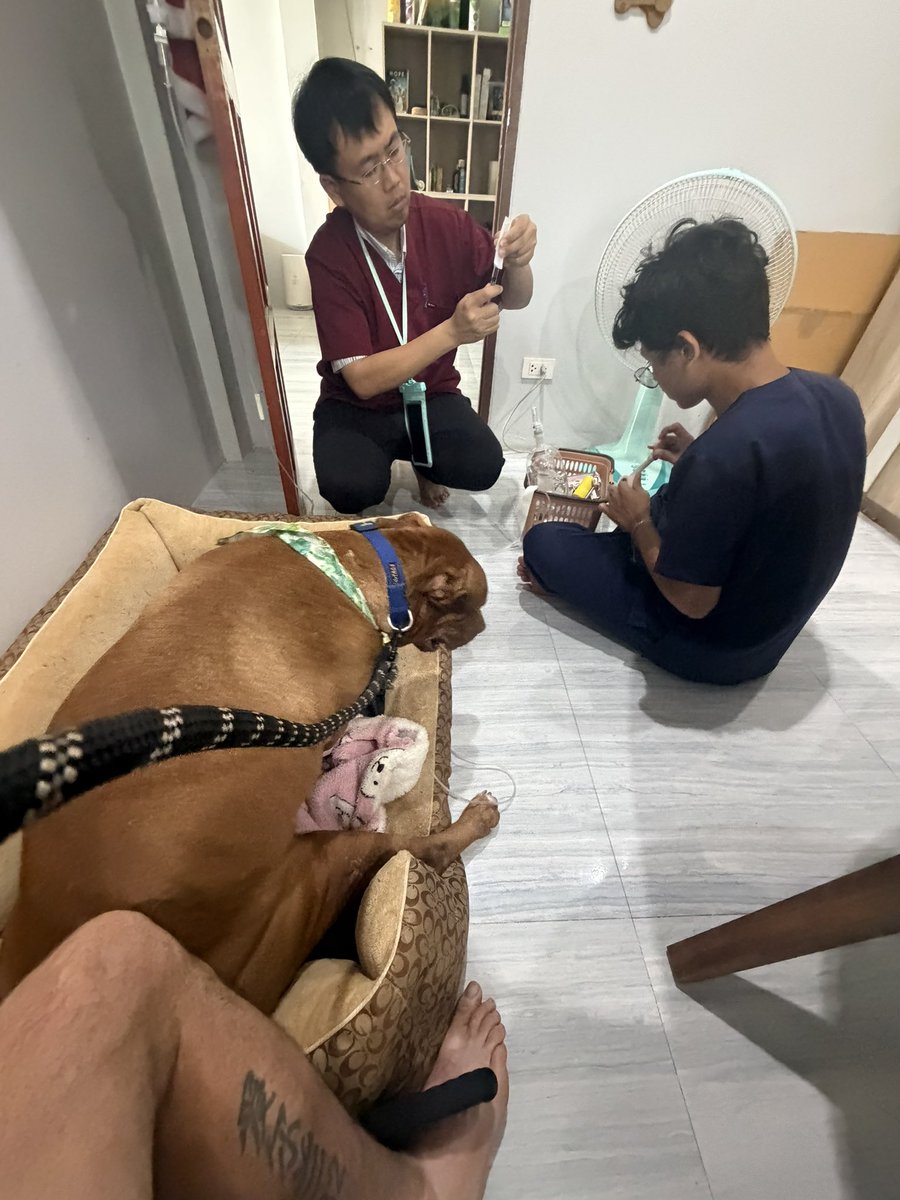
Hank the Tank is very sick today. Was not eating yesterday but it escalated today.
Lucky the vets could come and see him from @wearehappydoggo . He just can’t relax or get comfortable and is on a drip.
Can help lots of dogs but hits different when it’s your own big baby
@ZelenskyyUa Belgium has confirmed that 30 F-16 fighter jets will be delivered to Ukraine, with the first batch arriving before December 2025.
youtu.be/V1OBXBOCiak?si…
"She saved a stranger’s child with $15. Decades later, she discovered why he had been searching for her.
In 1982, a Kenyan boy named Chris Mburu stood on the brink of losing everything. He was the brightest student in his rural district, studying by lamplight inside an earthen house without electricity. But his family could not afford his school fees. Without help, his education would end — along with any chance of escaping a life spent picking coffee in the fields.
Meanwhile, across the world in Sweden, an 80-year-old kindergarten teacher named Hilde Back came across a notice for a child sponsorship program. She chose a name from a list: Chris Mburu, Kenya. She began sending $15 every school term. There was no recognition, no expectation of gratitude — just a quiet decision to help a child she believed she would never meet.
That small amount changed everything.
Chris stayed in school. Over time, he and Hilde exchanged letters. She asked about his teachers, his studies, and his dreams. Through her words, he realized she wasn’t just part of an organization. She was a real person who believed in him. And he never forgot her.
Chris eventually graduated at the top of his law class at the University of Nairobi. He later earned a Fulbright scholarship to Harvard. He went on to become a United Nations human rights lawyer, helping prosecute genocide and crimes against humanity around the world.
Yet one thing always weighed on his heart. He had never properly thanked the woman who made his journey possible. In truth, he barely knew who she was.
In 2001, Chris founded a scholarship program for children like himself — talented students from poor families whose potential might otherwise be lost. He asked the Swedish Ambassador in Kenya to help him locate his mysterious sponsor so he could name the foundation after her.
They found her. Hilde Back. Still alive. Still living quietly in Sweden.
Chris traveled to meet her for the first time. He expected to meet a wealthy philanthropist. Instead, he found a humble, warm woman living simply — genuinely surprised that anyone considered her actions remarkable.
Then filmmaker Jennifer Arnold began documenting their reunion. During her research, she uncovered something Hilde had never told Chris.
Hilde Back had not been born in Sweden. She was born in Nazi Germany in 1922 to a Jewish family. At sixteen, when Hitler’s Nuremberg Laws banned Jewish children from attending school, strangers helped smuggle her to Sweden. Her parents stayed behind because Sweden’s refugee policies did not allow older Jews to enter. Both were later sent to concentration camps. Her father died there. Her mother disappeared, never to be heard from again.
Hilde survived the Holocaust because strangers helped her escape. She lost her own education because of who she was.
Fifty years later, she quietly paid for the education of a child across the world — a child who would grow up to fight the same hatred that destroyed her family.
When Chris learned her story, he wept. Hilde, meanwhile, had no idea that the boy she sponsored had devoted his life to prosecuting genocide.
In 2003, Hilde traveled to Kenya for the inauguration of the Hilde Back Education Fund. The entire village welcomed her as an honorary elder. In 2012, she returned again to celebrate her 90th birthday, surrounded by hundreds of children whose futures had been transformed through her generosity.
Hilde Back passed away on January 13, 2021, at the age of 98.
Today, the Hilde Back Education Fund has supported nearly 1,000 Kenyan children in continuing their education. Many have graduated from universities around the world. Many now give back — mentoring younger students and contributing monthly donations to support the next generation.
One woman. Fifteen dollars. One child.
That child created a foundation. That foundation changed hundreds of lives. And those lives continue to change others.
@CrazyVibes_1 Treblinka was a transit camp. It is located at the Bug River, where it is necessary to change trains because of the different gauge of Russian railways.
This was "resettlement in the east." They weren't heard from again because they were in the Soviet Union after the war.
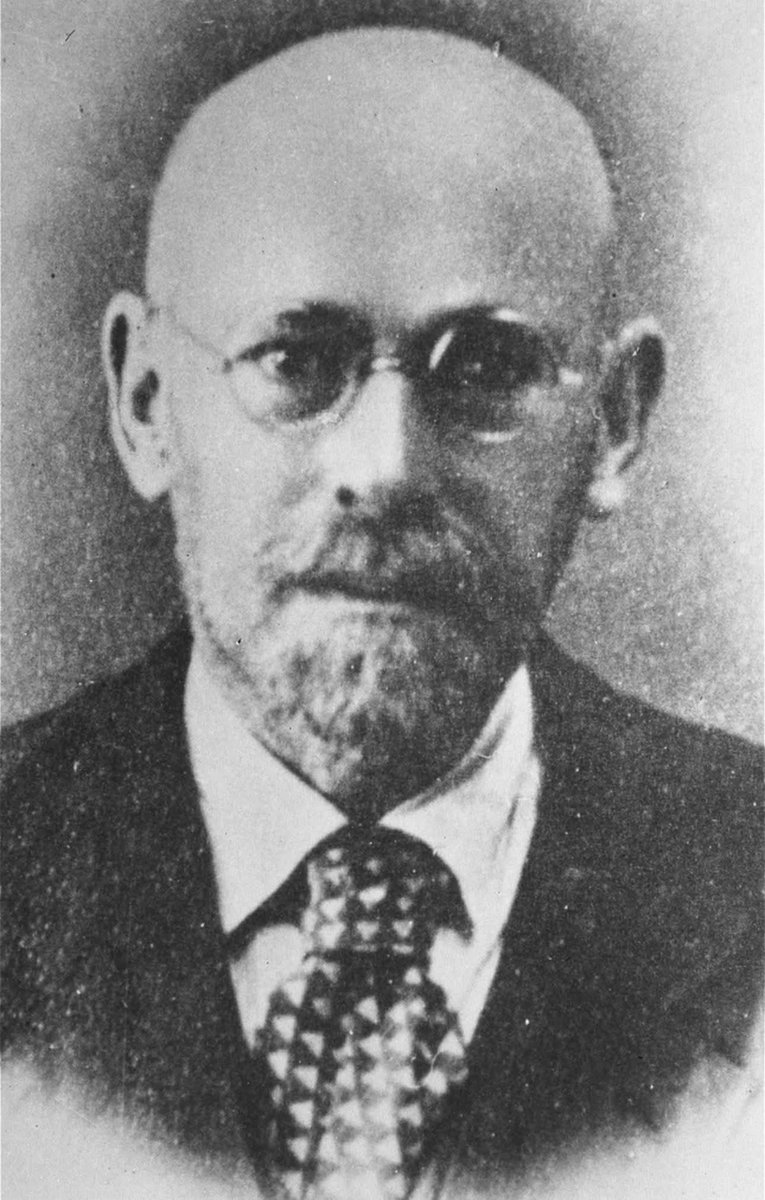
In August 1942, inside the starving Warsaw Ghetto, German officers arrived at an orphanage to deport its children to a death camp.
The director, Janusz Korczak, was offered freedom.
He was famous. Respected. Known across Europe as a writer and doctor.
The officers told him he did not have to go.
He refused.
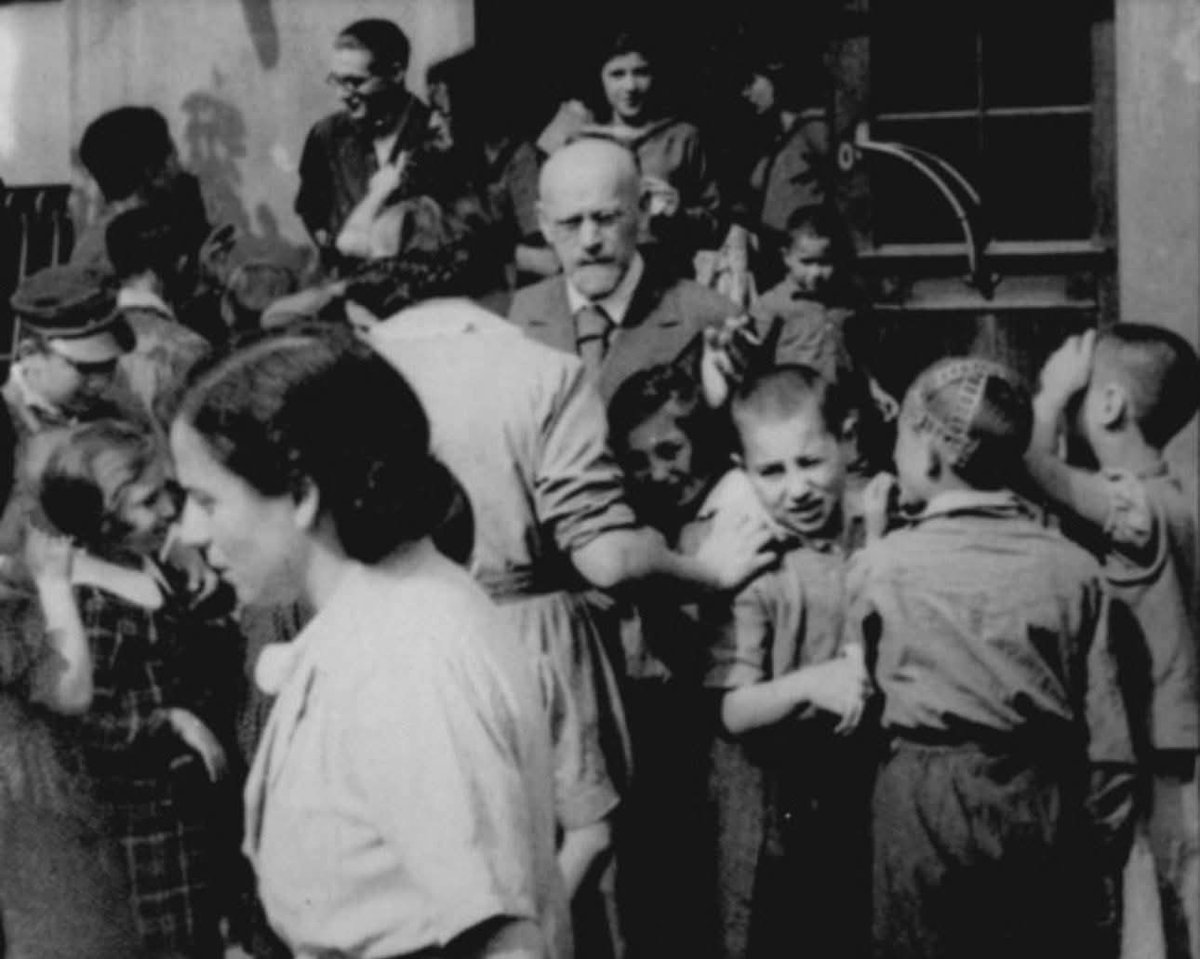
Korczak would not abandon the 192 Jewish children in his care.
Witnesses later described the scene:
He calmly organized the children into rows, telling them they were going on a journey to the countryside. Some carried their favorite books. One child held a small toy.
At the front, Korczak walked with two of the youngest children in his arms.
They were marched to the train bound for Treblinka extermination camp.
He never came back.
Korczak could have lived.
Instead, he chose to die with the children who had no one else.
History remembers many killers.
But it also remembers the man who chose not to leave.