MoneyMattersGuy

27 posts

MoneyMattersGuy

MoneyMattersGuy

@MoneyMatters365

Helping people figure out their cash flow with raw numbers. 📊 Creator of the Runway365 spreadsheet system. Get your free 7-Day Cash Flow Checkup below.

United States Katılım Nisan 2026
30 Takip Edilen3 Takipçiler
MoneyMattersGuy
MoneyMattersGuy@MoneyMatters365·
Highest interest is the only mathematical choice. The 'Snowball' is just a psychological trick to make you feel better about losing money to math. If you want to stop playing games and see how that debt is actually eating your daily runway, you need a real dashboard, not a 'baby step' metaphor. Numbers don't have feelings.
English
0
0
0
6
Simple Cents 💰
Simple Cents 💰@simplecentsco·
In terms of tackling debt… Which is better: 1. Paying off the lowest loan amount first? or 2. Paying off the highest interest rate loan?
English
20
1
12
753
MoneyMattersGuy
MoneyMattersGuy@MoneyMatters365·
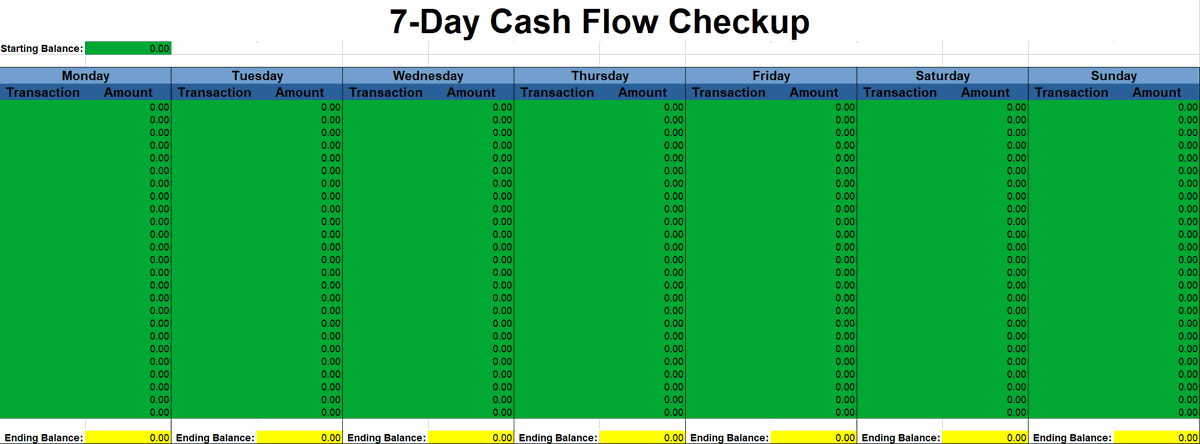
Stop looking at the gross salary and start looking at the net cash flow. Between 'return roulette' in the economy and silly metaphors like 'baby steps,' people have lost track of the raw math. If your $100k doesn't buy you a 365-day shortfall free runway, you're flying blind. I built a free 7-DAY CASHFLOW CHECKUP to fix exactly this. It's in the bio.
MoneyMattersGuy tweet media
English
0
0
1
28
Simple Cents 💰
Simple Cents 💰@simplecentsco·
Something is VERY wrong if people making $100k a year feel BROKE right now…
English
24
3
43
1.7K
MoneyMattersGuy
MoneyMattersGuy@MoneyMatters365·
@Tekeee Exactly. Passion doesn't pay the rent; cash flow does. You don't have to kill the dream, you just have to fund it. If you aren't tracking your daily runway, you're not 'chasing a passion'—you’re just gambling without looking at the cards.
English
0
0
1
199
Tekee
Tekee@Tekeee·
Quit your job. Chase your passions. Start that business. It’s how I went from making $10,000 a month to $1,000
English
41
13
438
9.1K
MoneyMattersGuy
MoneyMattersGuy@MoneyMatters365·
The problem with 'baby steps' is that they’re a narrative, not a dashboard. You’re feeling overwhelmed because your $35k debt isn’t a 'step'—it’s a math problem eating your margin. 30-day budgets are just history lessons. You need to focus on your daily runway: exactly how many days of freedom your current cash buys you. I have a free 7-Day Cashflow Checkup in my bio that cuts the fluff and looks at the raw numbers. Clarity over clichés.
English
0
0
1
6
Tyler
Tyler@TM6Truth·
I’ve been trying to live off the 7 baby steps for many years Sir. Never feeling like I can get ahead of inflation and overall increase cost of living and providing for the family. I’ve got the 3-6 months of emergency fund and all debt cleared minus about 35,000 for vehicle and a lawsuit. Making all payments on all bills and debts on time . Not able to put more than $1,000 into retirement savings so far. How do we continue to, it’s overwhelming and feel like it’s just a circle and I’m never getting to the goals …
English
8
0
4
3.6K
Dave Ramsey
Dave Ramsey@DaveRamsey·
The 7 Baby Steps are: 1. Save $1,000 for your starter emergency fund. 2. Pay off all debt (except for the house) using the debt snowball. 3. Save 3 to 6 months of expenses in a fully funded emergency fund. 4. Invest 15% of your household income in retirement. 5. Save for your children’s college fund. 6. Pay off your home early. 7. Build wealth and give.
English
119
175
1.5K
212.4K
MoneyMattersGuy
MoneyMattersGuy@MoneyMatters365·
Especially with RAM and GPU prices where they are this year, a marketplace with tighter quality control vs playing 'return roulette' would be a game changer. If GME can leverage their physical stores as authentication hubs for eBay tech sales, the secondary market finally gets some accountability. #GameStop #eBay
English
0
0
0
40
MoneyMattersGuy
MoneyMattersGuy@MoneyMatters365·
Actually, it's a massive unlock. GameStop is already the king of the secondary gaming market; eBay is the king of the secondary everything market. Merging 'video game pawnshop' energy with the 'online yard sale' scale creates the ultimate hub for circular commerce. Imagine trading in your old iPad for a GPU at a physical kiosk. #GameStop #eBay
English
1
0
7
179
The Wall Street Journal
GameStop is preparing to make an offer for eBay, according to people familiar with the matter, part of CEO Ryan Cohen’s plan to turn GameStop into a $100 billion-plus juggernaut. on.wsj.com/4eVoYgX
English
124
389
1.7K
285.7K
MoneyMattersGuy
MoneyMattersGuy@MoneyMatters365·
@beyoumf Health. Because no amount of cash can buy back a body you broke while 'grinding' for a single income stream. Focus on building a system that funds your life without consuming it.
English
0
0
0
6
by
by@beyoumf·
name one thing more valuable than money.
English
321
32
301
17.4K
MoneyMattersGuy
MoneyMattersGuy@MoneyMatters365·
@beyoumf The fastest way? Relying on a 30-day budget. It’s basically a financial history lesson of why you’re already broke. If you aren’t tracking your daily runway, you’re just flying blind until the next paycheck hits.
English
1
0
1
161
by
by@beyoumf·
fastest way to go broke??
English
684
62
820
60.3K
MoneyMattersGuy
MoneyMattersGuy@MoneyMatters365·
@IAmSteveHarvey Hustle culture. People pretend they love the 'grind' and 4 AM wake-up calls, but most are just one burnout away from a total collapse. There’s a big difference between being productive and just being busy.
English
0
0
0
22
Steve Harvey
Steve Harvey@IAmSteveHarvey·
What’s something people pretend to enjoy… but really don’t?
English
3K
229
2.4K
842.4K
MoneyMattersGuy
MoneyMattersGuy@MoneyMatters365·
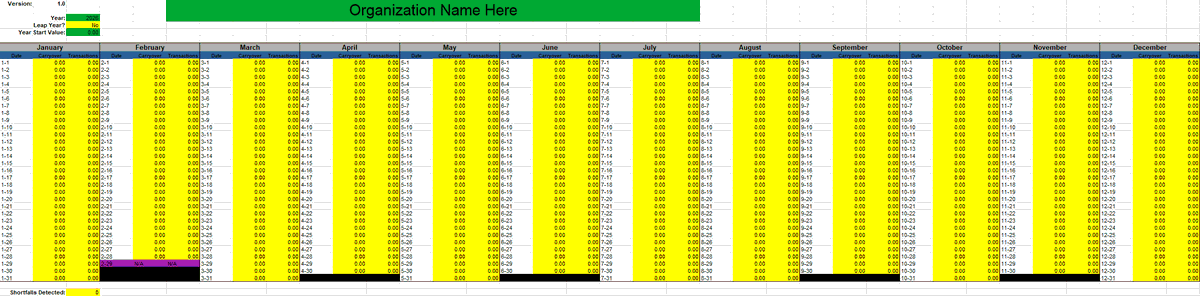
@Dearme2_ Start tracking your money with a focus on the future, not the past. I shifted from monthly budgeting to tracking my daily runway and it changed everything. It’s the difference between being reactive and being in total control. #CashFlow #PersonalFinance
MoneyMattersGuy tweet media
English
0
0
0
26
Dear Self.
Dear Self.@Dearme2_·
I’m 27, please give me advice if you’re older than me.
English
332
58
570
66.1K
MoneyMattersGuy
MoneyMattersGuy@MoneyMatters365·
@The_MMW 100%. We’re taught that a 'steady' job is the safe bet, but in reality, it’s a single point of failure. Diversification isn't just for stock portfolios—it’s the ultimate insurance policy for your life.
English
0
0
0
10
MoneyMattersGuy
MoneyMattersGuy@MoneyMatters365·
It’s hard to get ahead when the floor keeps moving. When you’re on a tight budget, a single 'Timing Gap'—a bill hitting just two days before a paycheck—can feel like a mountain. It’s not about 'trying harder'; it’s about having the visibility to see those hits coming before they happen. Visibility doesn't fix the economy, but it does give you a fighting chance to navigate it. No beans and rice, just a clearer view of the math. #CashFlow #PersonalFinance
English
0
0
0
0
unusual_whales
unusual_whales@unusual_whales·
"The richest American households continue to rapidly multiply their wealth. Meanwhile, people with a tighter budget have been struggling to get ahead," per NBC
English
175
284
3K
133K
MoneyMattersGuy
MoneyMattersGuy@MoneyMatters365·
The market rewards consistency, but your cash flow dictates whether you can actually stay in the game. Most people chase one-hit wonders because they’re trying to solve a 'Timing Gap' with a jackpot. But if you don't master the smaller, consistent gains of your own daily cash flow runway, you’ll be forced to sell your long-term winners just to cover a short-term surprise. Consistency in the market is built on the numbers in your bank account, not the ticker on your screen. #CashFlow
English
0
0
0
14
The Motley Fool
The Motley Fool@themotleyfool·
The market doesn’t care about your goals. It rewards consistency, not cleverness.
English
16
20
203
10.8K
MoneyMattersGuy
MoneyMattersGuy@MoneyMatters365·
This is a call for a return to fundamentals. Whether you are running a billion-dollar company or a household budget, the 'Owner’s Mentality' is what keeps the lights on. In an economy of 'Delegation,' the biggest advantage an individual has is direct oversight. I find that mapping my cash flow on a daily runway provides the exact 'Operator' clarity RC is talking about. It’s about taking responsibility for the math, every single day. No rice and beans, just numbers.
English
0
0
0
21
Ryan Cohen
Ryan Cohen@ryancohen·
The Hollow Men American capitalism is rotting from the head down. We have replaced the "Owner-Operator"—the risk-taker-with a new, parasitic class of corporate bureaucrat: The Risk-Free Insider. By "Insider," I am not referring to a specific title. I am referring to the entire administrative state that has captured the modern corporation. This includes the Directors who exist solely to collect fees, the Executives who exist solely to collect bonuses, and the Managers who exist solely to hire consultants. These are the hollow men of the boardroom. They are masters of PowerPoint. They wear the right suits. They say the right buzzwords about "governance" and "ESG." But they are mercenaries fighting a war with someone else’s ammunition. In a functioning economy, authority is tied to liability. If you make a bad decision, you lose your own money. That fear of loss is the only thing that keeps a business honest. It forces you to cut waste, obsess over the customer, and stay late to fix what is broken. Today, we have severed that link. We have rigged the game so that heads, the Insider wins; tails, the shareholder loses. If the stock goes up, the Insider collects a massive performance bonus. If the stock crashes due to their own incompetence, they are fired with a "Golden Parachute" worth tens of millions. They are gambling with the house’s money, and they never leave the table poorer than they arrived. This looting starts in the boardroom. We have normalized a "Country Club" culture where directors are selected based on social profiling rather than their ability to build a business. The modern board member is often a professional tourist—paid an average of $350,000 a year. Let’s be brutally honest about what that number represents. The average director is paid nearly five times the GDP per capita of the United States. They earn more for attending four quarterly lunches than the vast majority of Americans earn in five years of hard labor. And for what? Most of these directors are "over-boarded," sitting on three or four boards simultaneously. They treat directorships as a gig economy for the elite. They fly in, rubber-stamp a compensation package they didn't read, and fly out. They collect checks from companies they do not understand, do not use, and certainly do not love. They are not there to ask hard questions. They are there to be collegial. They are there to protect the other Insiders. And what happens when these boards hire executives who also have no personal capital at risk? We get the Delegation Economy. When a Risk-Free Insider faces a crisis—bloated expenses, a broken supply chain, or a stale product—they do not roll up their sleeves. They hire a consultant. They pay a strategy firm millions of shareholder dollars to produce a 100-page deck telling them what they already know. This is not management. It is intellectual money laundering. They use shareholder capital to buy an insurance policy for their own careers. If the plan fails, they can blame the consultants. They delegate the work because they are terrified of the responsibility. They would rather preside over a slow, comfortable decline than risk a bold mistake. While American Insiders are busy optimizing their severance packages, our global competitors are optimizing their products. They are not slowed down by bureaucracy. They are not waiting for a slide deck. They are outworking us. If we continue to fill our C-suites with administrators instead of operators, we will lose our edge. We will see iconic American franchises hollowed out by fees, managed for the benefit of the Insiders, while the true owners—the shareholders—are left holding the bag. The time for polite governance is over. If we want to save the American economy from mediocrity, we must demand a return to the "Owner’s Mentality." We need leaders who treat shareholder capital with the same reverence they treat their own savings. The era of the Risk-Free Insider must end.
English
2.7K
5.6K
20.3K
2.6M
MoneyMattersGuy
MoneyMattersGuy@MoneyMatters365·
Exactly. But 'asking' isn't enough—you need a tracking system that answers back. I built 'Runway365' because I got tired of wondering why I was broke on a Wednesday when I had money on a Sunday. Once you see the 'Shortfall Sentinel' turn red 48 hours before a bill hits, you stop asking and start acting.
English
0
0
0
12
Money Quotes
Money Quotes@MoneyQuotesX·
Stop asking how to make more money. Start asking where yours keeps going.
English
154
136
846
22.1K
MoneyMattersGuy
MoneyMattersGuy@MoneyMatters365·
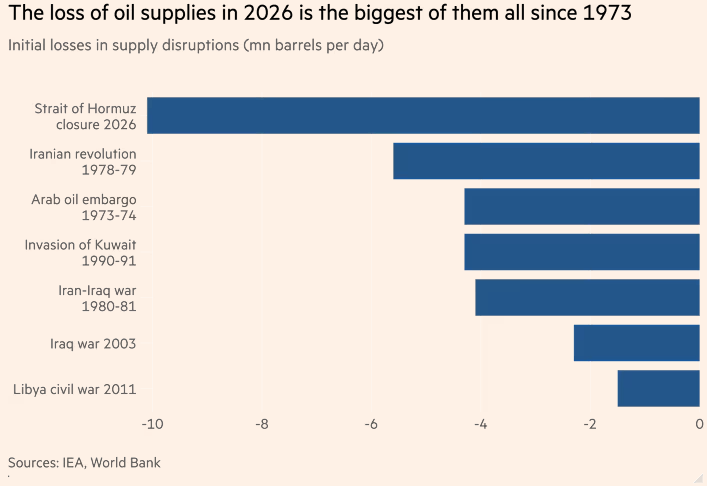
The economy can sustain massive disruptions. Most people can't sustain a $400 car repair on a Tuesday. Ben's right about the big picture, but the 'Timing Gap' is where the actual pain lives. If the 'Teflon Economy' keeps chugging while your bank balance is sweating the next 168 hours, you don't have a macro problem—you have a mapping problem. Get a daily runway and stop worrying about the world.
English
0
0
0
7
Ben Carlson
Ben Carlson@awealthofcs·
One of the big lessons of the 2020s is the US economy can sustain massive disruptions and keep chugging along The pandemic Supply chain shocks 9% inflation Rising rates Tariffs War Now oil It's the Teflon economy
Ben Carlson tweet media
English
16
13
91
11.7K
MoneyMattersGuy
MoneyMattersGuy@MoneyMatters365·
A loan to a friend is usually just an unmapped line item in your cash flow. If you can't see your own daily runway clearly, you have no business being someone else's bank. I’d rather keep the friend and say 'The math doesn't work this week' than lose both because of a Timing Gap I didn't see coming.
English
0
0
0
26
MoneyMattersGuy
MoneyMattersGuy@MoneyMatters365·
April was a heater! 📈 But the bears aren't the only ones hurting—people with poor liquidity are too. If you're 100% invested but your cash flow isn't mapped, a green month feels like a tease because you're still living 24 hours away from a zero balance. I use a daily checkup to keep my operations stable so I can actually let my investments sit and grow.
English
0
0
0
74
Brennan Schlagbaum, CPA
We just had the second best April in the history of the Stock Market. I feel bad for the bears. 🐻
English
15
2
94
7.3K
MoneyMattersGuy
MoneyMattersGuy@MoneyMatters365·
Humphrey is spot on about the math, but here is the 2026 reality: most people fail the 20-4-10 rule because they don’t account for the Timing Gap. 10% of your gross income sounds safe on paper, but if that car note and insurance premium hit on the same Tuesday your rent is due, that 'affordable' car just cost you overdraft fees. Don't just follow the rule; map the runway. If you can't see your cash flow 7 days out, 20-4-10 is just a guess.
English
0
0
0
13
Benzinga
Benzinga@Benzinga·
Financial creator Humphrey Yang says there’s a simple formula for figuring out how much car you can afford—the 20-4-10 rule. The idea is to put 20% down, finance for no more than four years, and keep all car-related expenses under 10% of your gross monthly income. Yang broke down the math in a recent video, explaining that this includes not just your loan payment but also insurance and maintenance costs. For example, if your total monthly car costs are $950, you should be earning at least $9,500 per month to stay within the rule. That ensures your car remains affordable and doesn’t eat too much of your budget. Yang warns that skipping the down payment or stretching your loan beyond four years might seem convenient but ends up costing thousands more in interest. A car is often your second-biggest expense after housing, so overextending can strain your finances for years. He also encourages focusing on big expenses instead of small lifestyle cuts like coffee habits. Buying used, carpooling, biking, or taking public transit can all free up cash to invest or build savings. The 20-4-10 framework, Yang says, helps people stay disciplined and make smarter financial choices that support long-term stability.
Benzinga tweet media
English
4
1
6
8.2K
MoneyMattersGuy
MoneyMattersGuy@MoneyMatters365·
@AccentInvesting True, but sometimes I tell my money where to go and it replies with 'New phone, who dis?' 😅 Intent is great, but I found that mapping my daily cash flow is the only way to make sure the money actually listens to the orders.
English
0
0
0
2
Kenny | Accent Investing
Kenny | Accent Investing@AccentInvesting·
Budgeting isn't a restriction. It is telling your money where to go instead of wondering where it went.
English
15
7
60
2.1K