

RogerCyberBrokrs
672 posts
RogerCyberBrokrs retweetledi

RogerCyberBrokrs retweetledi

RogerCyberBrokrs retweetledi

RogerCyberBrokrs retweetledi

RogerCyberBrokrs retweetledi

关于盘后和日经开盘时段推SPX的买盘力量
主要不是CTA,而是:
1. 全球风险平衡 (Global Risk Rebalancing)
2. Delta Hedge (期权做市商的对冲)
- 影响美盘收盘后第一小时(04:00–05:00pm 美东)最强的力量。
- 如果当天spx大跌、波动升高: 做市商卖出了大量put, gamma为负, 他们需要买ES对冲风险→收盘后会自动买入 ES 期货
- 所以经常可以看到美股收盘后10–40分钟出现自动稳步上涨
- 不是人为操盘,是衍生品结构决定的。
- 这不是 CTA,而是做市商(Citadel、Jump、Optiver)的自动对冲。
3. 日本量化基金 QIS/风险平价(Risk-Parity)
风险目标调整:
- 若晚间波动下降 → 它们自动买入 ES
- 若晚间波动上升 → 它们自动卖出 ES
这类资金每天都在运转,非常稳定。
4. 被动资金 / ETF 复制模型
5. 手动对冲盘(Asia Macro Desk)
亚洲的宏观基金(香港/新加坡)做风险中性组合:
- 买Nikkei / 卖ES
- 或买ES / 卖Hang Seng
- 或买ES / 卖ASX
- 或买ES对冲多头组合(比如多亚洲个股)
如果亚洲股市早盘情绪偏暖(Nikkei、HSI、A50 上涨)
→ 它们的对冲需求减少
→ 要回补ES空头
→ 导致ES在亚洲早盘“被动上涨”
不是主动做多,是对冲端回补。
6. 外汇驱动 (USDJPY → Nikkei → ES)
- USDJPY涨 → 日经先涨 → 风险偏好提升
- 日经上涨 → 亚洲宏观资金买ES对冲→ ES 跟涨
CTA几乎不做亚盘的 SPX,它们主要在欧盘 & 美盘 & 大事件前后才大规模交易。
在亚洲时段,CTA 要么已经休市/暂停信号/等待更大流动性/只进行极小规模的自动调仓。
所以SPX 在亚洲时段上涨基本不是 CTA。
亚洲时段推SPX 的力量不是“买入力量”,而是“对冲力量”。
中文
RogerCyberBrokrs retweetledi
RogerCyberBrokrs retweetledi
Black-Scholes非市场行为模型,模型定价并未计入dealer hedging和market impact.
0dte价格不是被模型概率驱动,而是被被动资金、对冲流和再平衡需求等驱动.
不考虑regime transitions卖convexity,IC被爆非小概率事件,一旦进入short-gamma区,继续冲是很合理常见的路径.
均值回归难在当日马上发生.
SPX_Omega@spxomega
A Structural Warning on Iron Condors and Black-Scholes Misuse This case should serve as a clear example for everyone who spends the day talking about Iron Condors without understanding their structural implications or how Black-Scholes is actually meant to be used. Summary of the Mistakes: 1.Using a pricing model as a risk model ,Black-Scholes and CBOE IV price options; they do not model dealer hedging or market impact. In 0DTE, price is driven by forced gamma hedging, not implied probability. 2.Relying on close-to-close statistics in a path-dependent market 0DTE risk is intraday and nonlinear. Gamma regime changes occur during the session and are invisible to end-of-day backtests. 3.Ignoring gamma regime transitions Markets flip discontinuously from long gamma (stabilizing) to short gamma (accelerating). These transitions cannot be averaged out statistically. 4.Confusing positive EV with robustness. Selling convexity without regime detection creates unbounded tail risk. EV calculations that ignore conditional gamma exposure are incomplete. 5.Labeling structural outcomes as “rare events” Once price enters short-gamma territory, acceleration is the base case. The outcome was mechanically expected, not anomalous. 6.Operating without real-time structural control Without detecting when dealers become forced buyers or sellers, sizing and scaling are not risk management — they are delayed leverage. Bottom line: Iron Condors are not probability trades — they are structure-dependent trades. Applying Black-Scholes without understanding dealer gamma guarantees this outcome. This is not a matter of opinion. It is how 0DTE markets function.
中文
币圈也真是没救了,一群卖Y女还在自称KOL,掰扯交易,连人血馒头都要吃
我怀疑CZ照片是不是也是你P的呀?
拜拜喽~~我有点洁癖,贵圈实在受不了
中文
RogerCyberBrokrs retweetledi

r^p=i-pi^e
g=r^p-r^*
i=pi^e+r^*
Nick Timiraos@NickTimiraos
Researchers at the Minneapolis Fed conclude that tariffs have effects similar to a "negative productivity shock" even though they don't change productivity. The upshot is that they lower the neutral rate of interest sharply in the short-run (but not in the long run): "To the extent that tariffs increase the relative price of investment, tariffs depress demand for capital. Because households are reluctant to lower asset supply commensurately, the decline in the demand for capital causes the natural rate of interest to fall sharply in the short run." Paper: nber.org/papers/w34206
HT
RogerCyberBrokrs retweetledi
RogerCyberBrokrs retweetledi
目前可能会回调,但没有去年的tail risk
去年底我建议撤退,因为市场有低容错、无限套利,当时
1. VIX极低,伴随大量vol selling
2. CDS spread极窄,CDS vol seller也多
3. 10yUSD偏高,市场不在乎risk premium
4. Vol control + CTA 在eq credit双加杠杆
这些毫无关联的仓位,都是杠杆多头,一跌仓位会连环爆
现在虽然年底基本面堪忧(政府关门财政出不来,tariff让通胀不能完全降下全),但是~市场风险累计显然没有当时集中
CDS spread得到释放,VIX并不算太低,都给拥挤的多头一定空间。10yUSD也在低位
仓位是否集中,是否岌岌可危不能只看买股票的人
3X Long Labubu@labubu_trader
@ShanghaoJin @maitian99 Mr Jin, can you elaborate on the last sentence please?
中文
RogerCyberBrokrs retweetledi
RogerCyberBrokrs retweetledi
RogerCyberBrokrs retweetledi

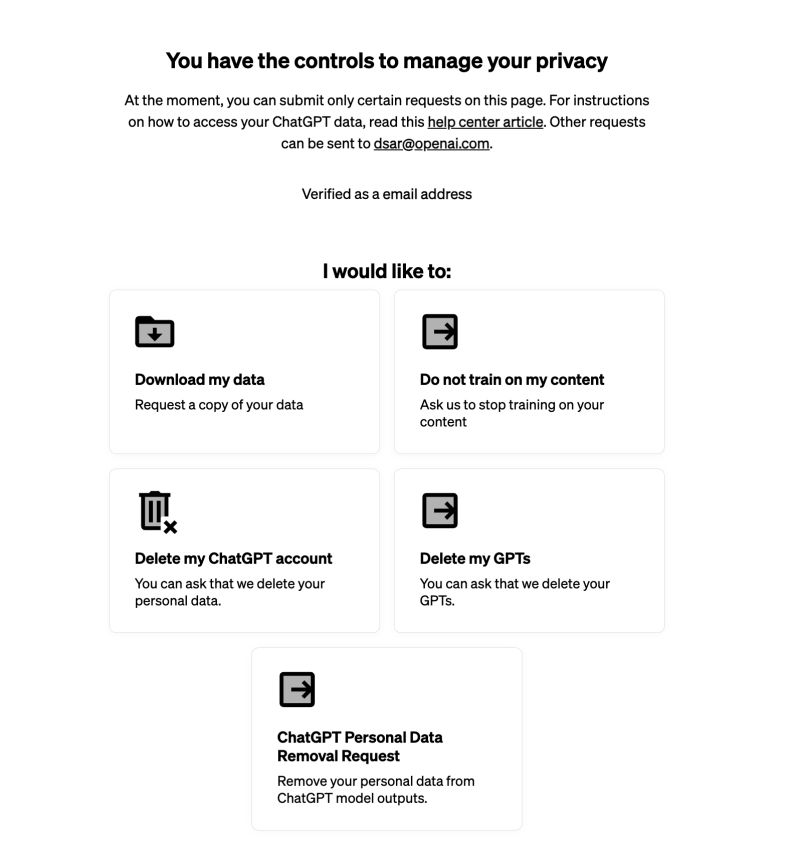
OpenAI 有一个 privacy 二级域名,专门用来处理数据隐私问题,你可以要求 OpenAI 导出以及删除你的所有数据,也可以声明不允许你的数据参与大模型的训练。
我尝试将过去两年跟 ChatGPT 的对话数据导了出来,结果令人震惊:总共 220Mb+ 的内容,其中纯文本就有 45Mb,约两千万字,还包含大量音视频和图片文件。
如果把这些内容重新结构化拼凑起来,几乎可以复原出一个完整的“数字分身”——它记录了我的思考、表达、偏好、甚至情绪节奏。
这是一件令人感到愉悦的事情,不过也是个恐怖故事,意味着跟大模型保持长期交互之后,基本就是“赤裸裸”地暴露在它们面前了。
在 AI 时代,我们既在创造自己的“Second Me”,也在不断把真实的自我交托给算法。
中文
RogerCyberBrokrs retweetledi

franktrading.substack.com/p/10192025setu…
真正的干货,心血之作,我最最最喜欢的两种交易setup,高胜率,高盈亏比,欢迎关注阅读
中文
RogerCyberBrokrs retweetledi
隔夜持仓被squeeze的low quality companies时,直接持有股票比期权的风险和可控性更好。
适用于short squeezes,也适用于long squeezes。
Charts R Us@ChartsRUs0
#Education Squeeze Against popular belief, when it comes to trading low quality companies during a squeeze, I prefer playing commons particularly when taking it overnight. The reason is simple: I have more control over the shares, especially outside of regular market hours when most of the big moves happen. That comes from years of experience and being through my fair share of short squeezes, and that goes for when squeezing bulls too. During market hours, sure, options can make sense. But time and time again, I’ve seen plays and people get completely crushed. Shoot just ask the $OPEN guys that keep hoping for their $420 or whatever price target that their leader told them. And for the love of almighty, learn what the Greeks and IV actually mean on option contracts. It’ll save you a lot of pain. Also, never compare 2 stocks as if they’re the same. Every time there’s a new squeeze, people say “this is the next GME.” You’re right about one thing, it’s going to shoot up like $GME to some level and then come crashing right back down, leaving a trail of bag holders behind.
中文
RogerCyberBrokrs retweetledi