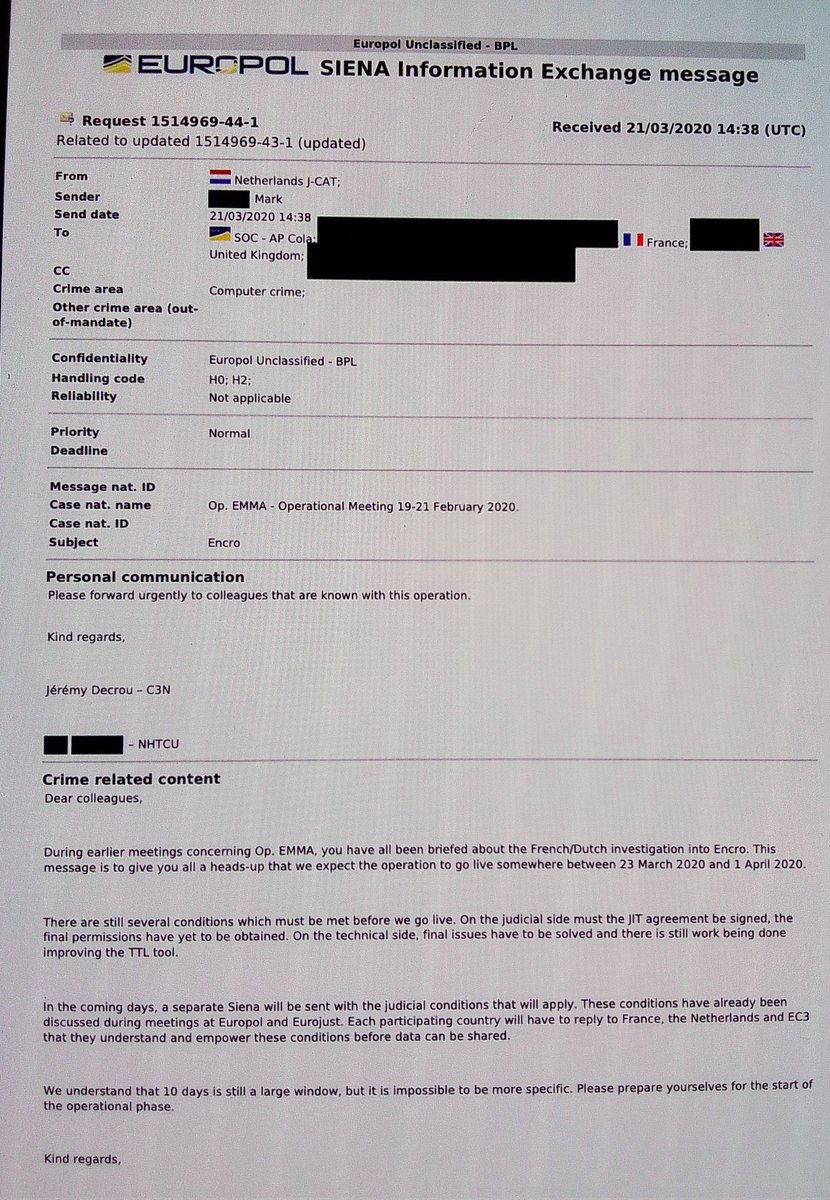
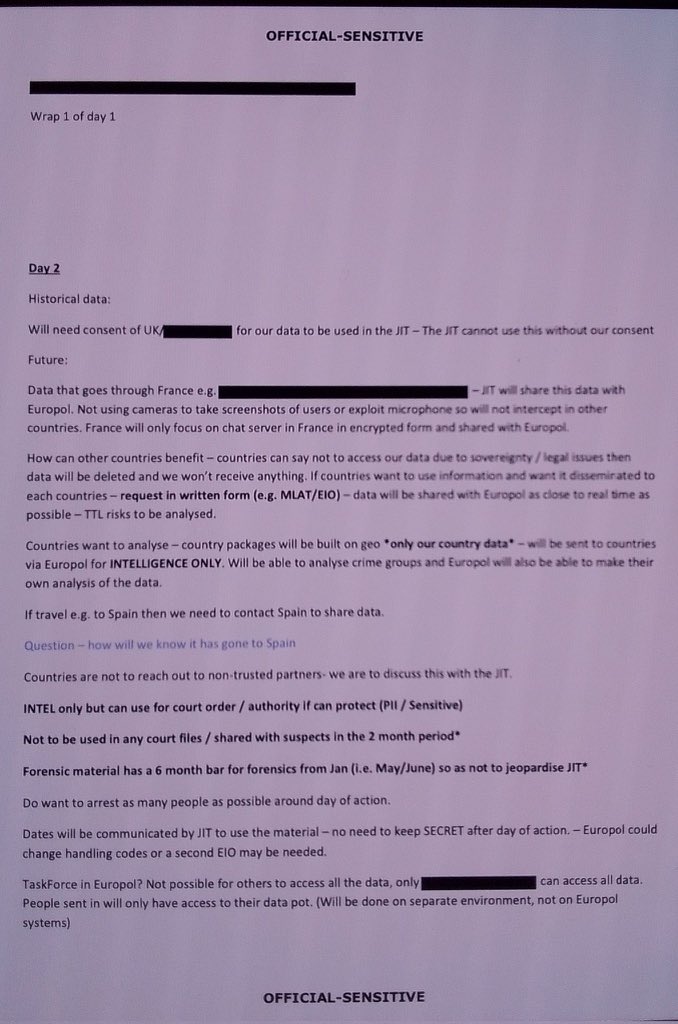
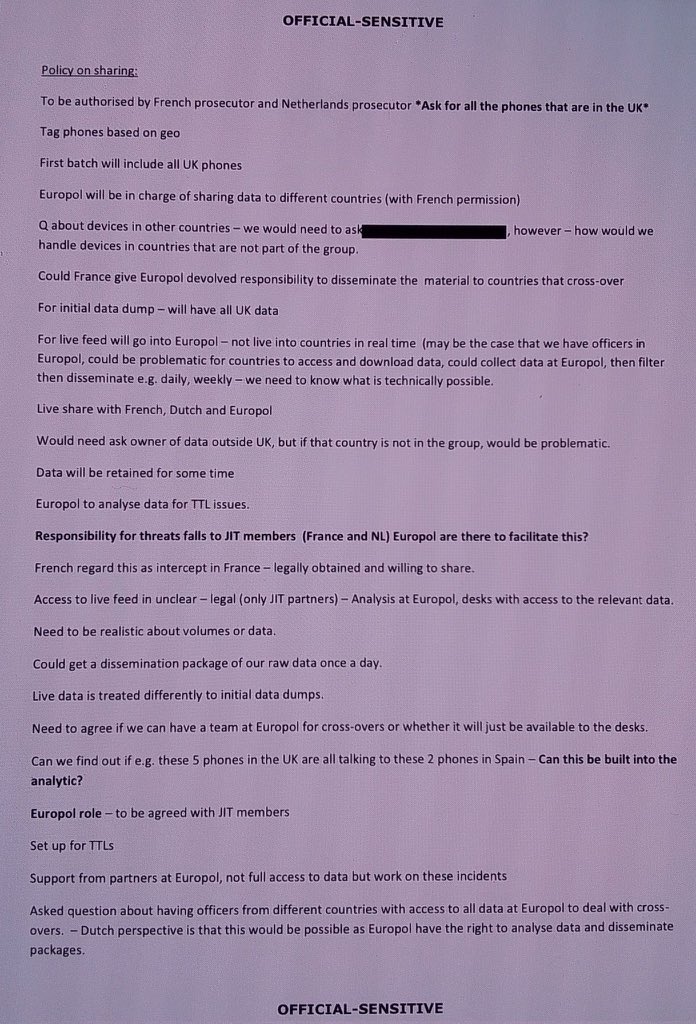
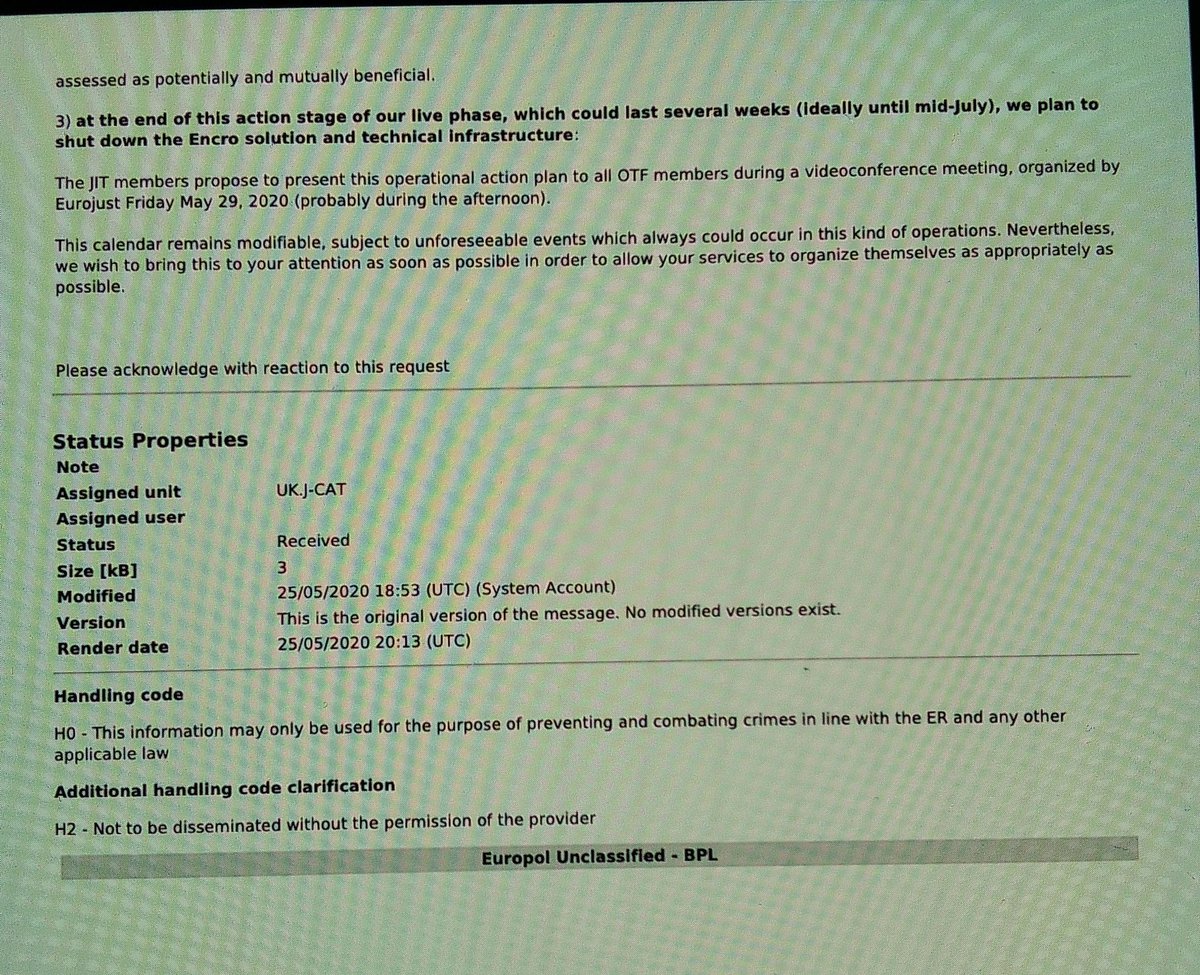
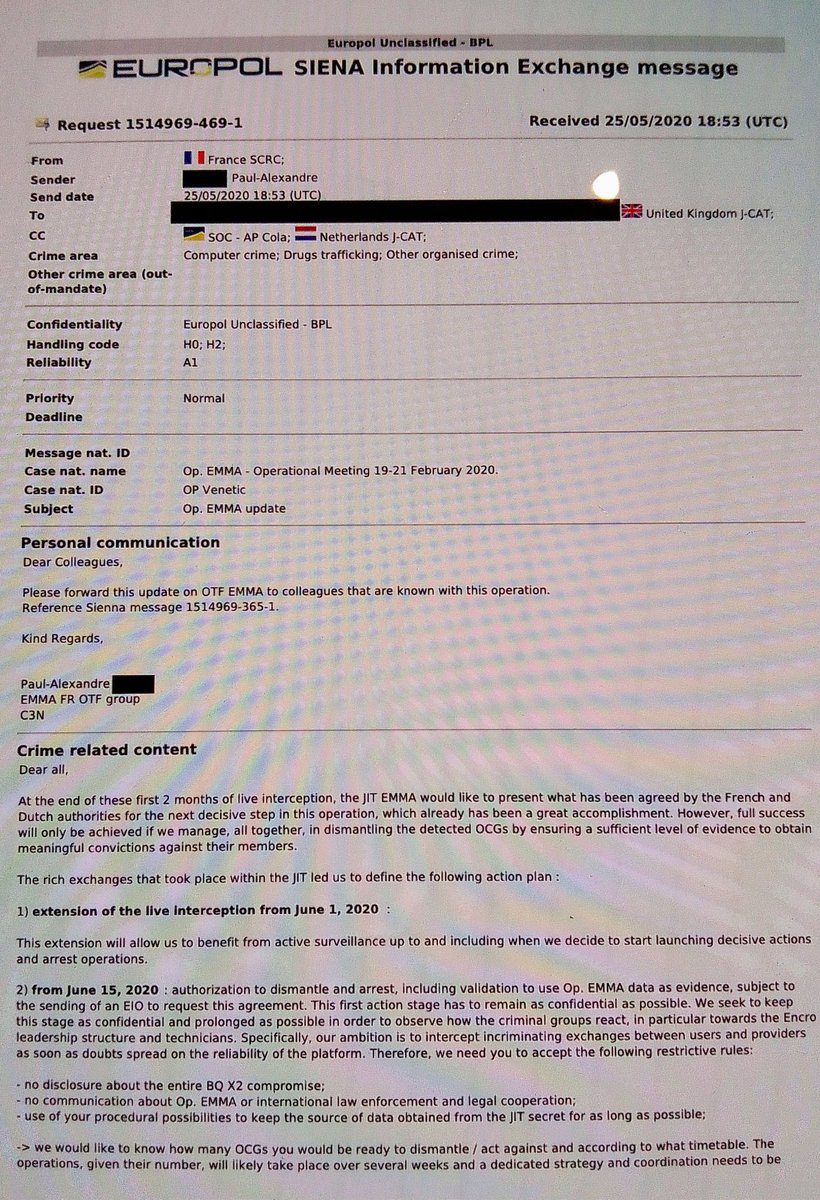
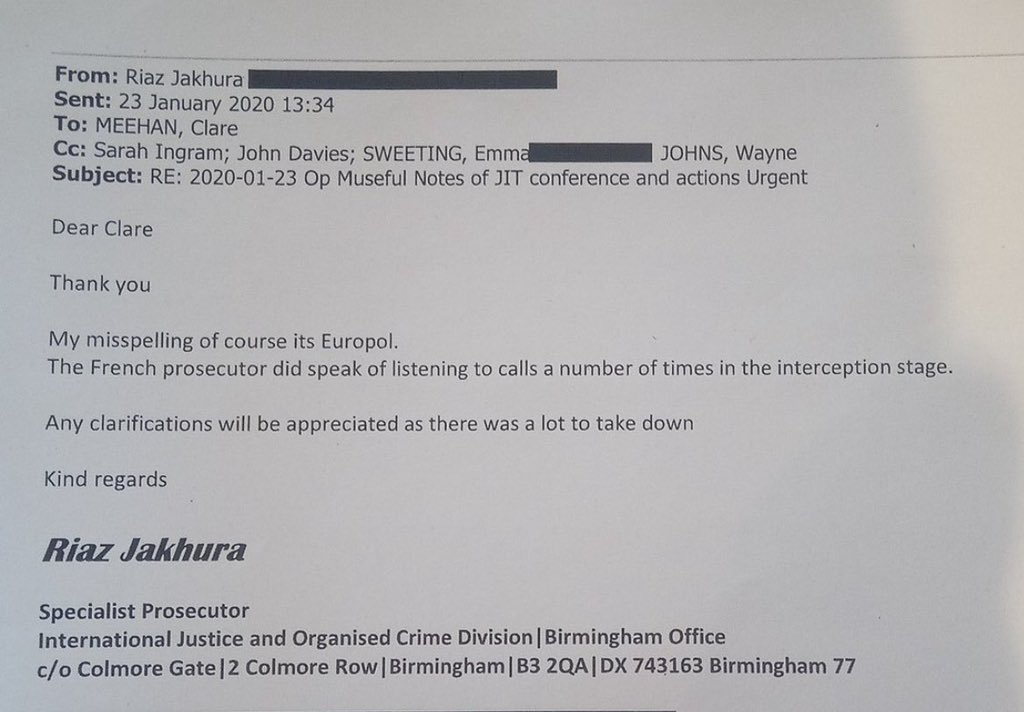
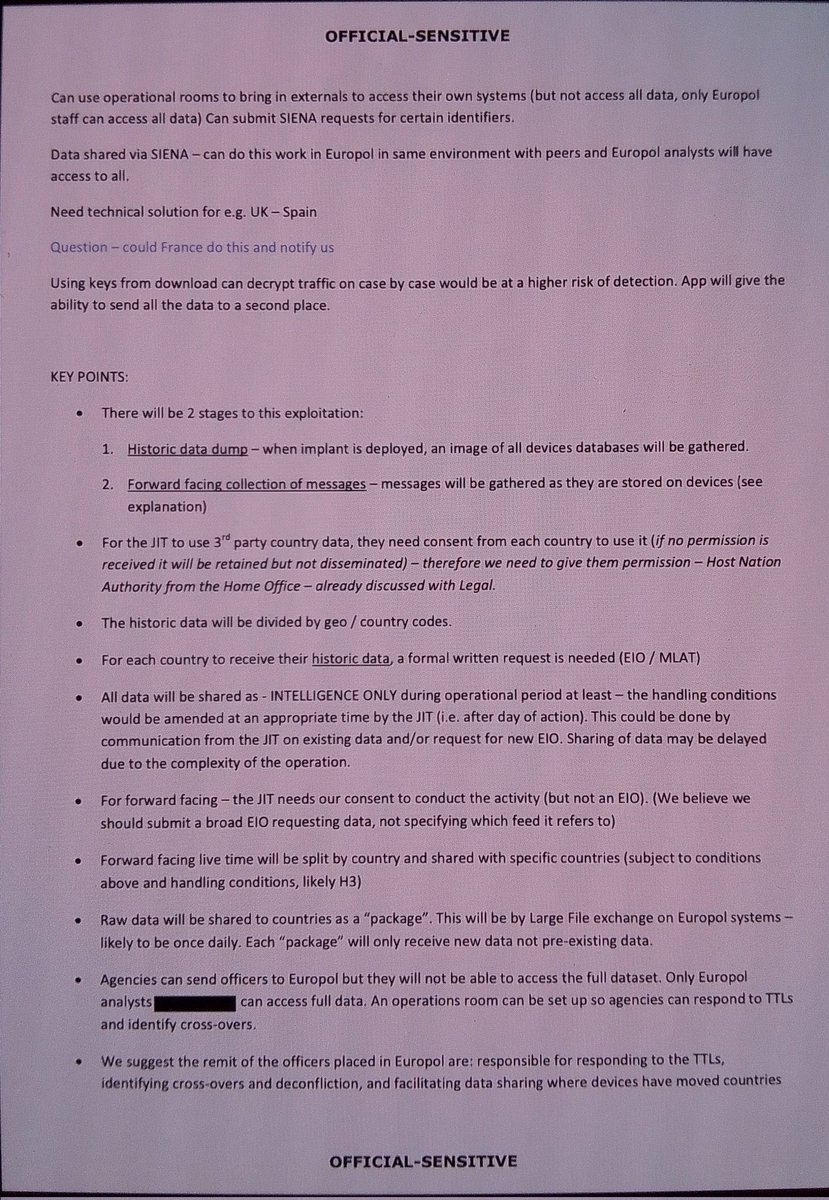
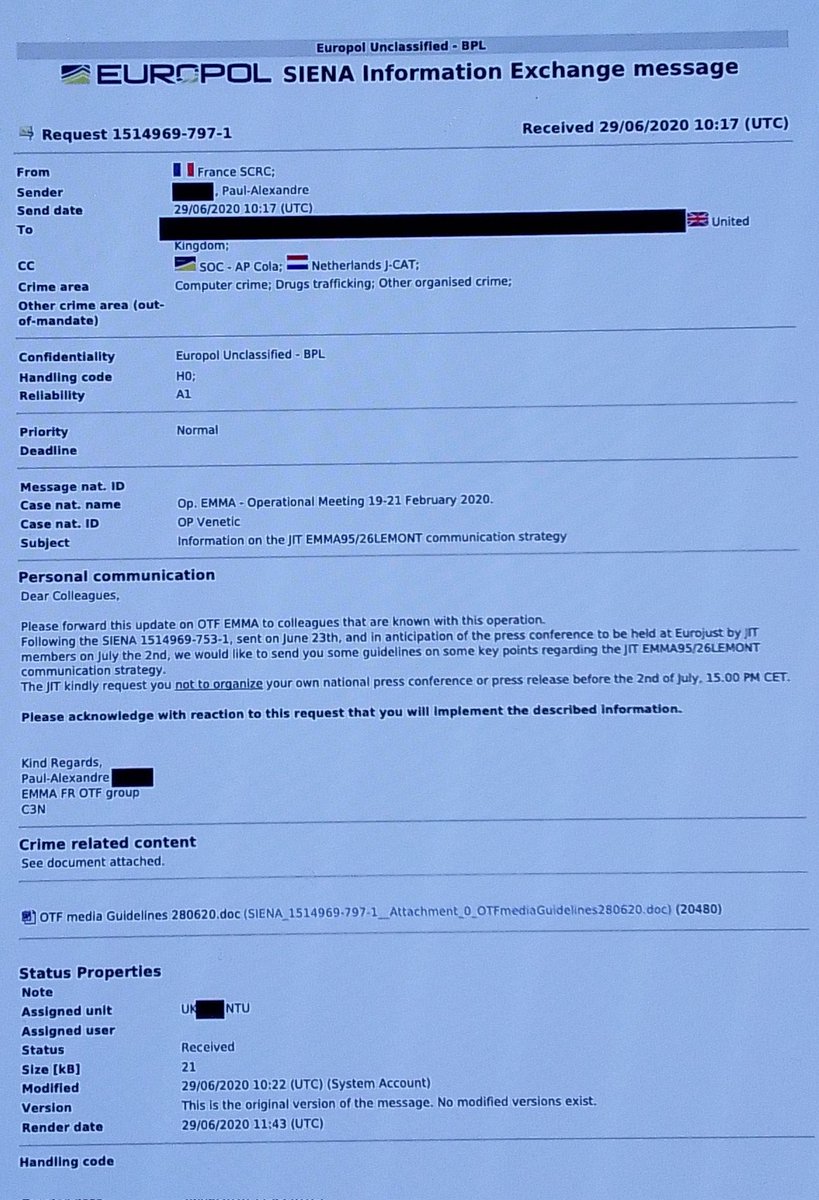
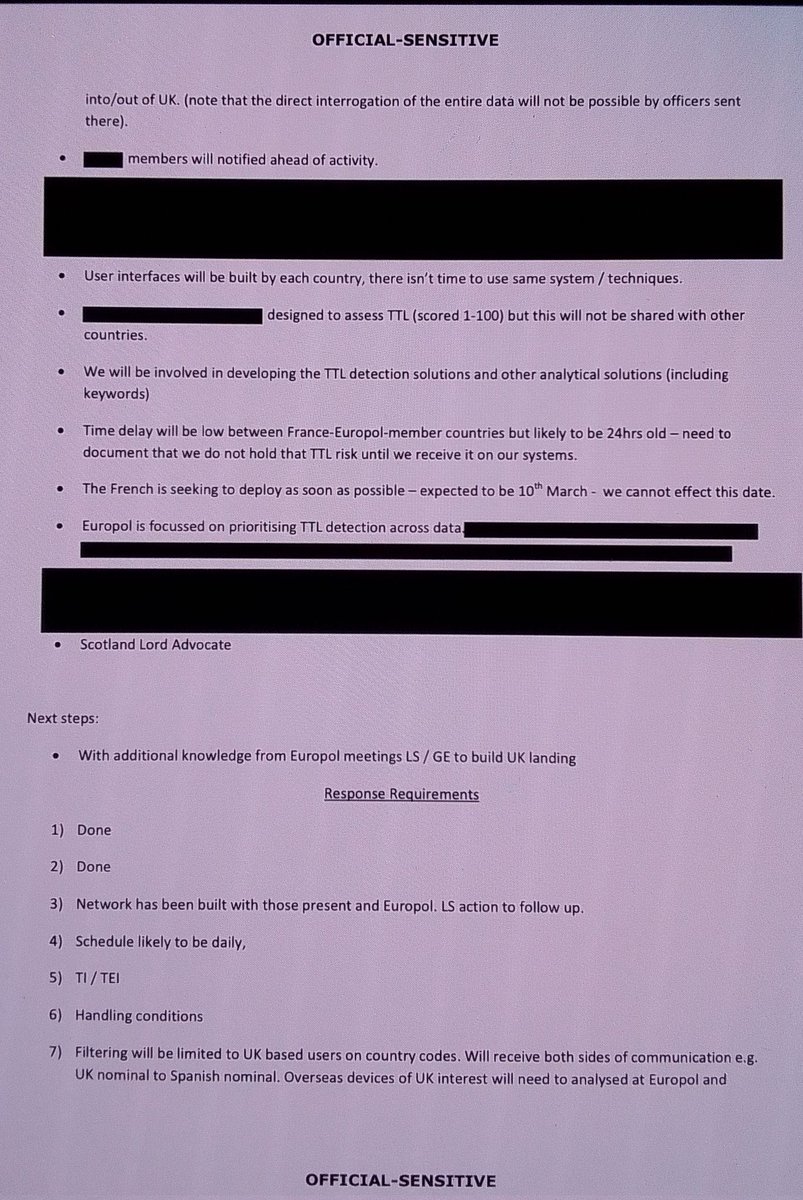
Part 3 Evidence of Journalists only working for the NCA and authorities.
Legal Challenge Collapses as UK Courts Uphold EncroChat Evidence
The legal challenge in the EncroChat case known as “Sub-Zero” ultimately failed at the Court of Appeal, which refused permission for the case to proceed to the UK Supreme Court.
Court of Appeal Decision
In March 2021, the Court of Appeal ruled that there was no “point of law of general public importance” that would justify referring the appeal to the Supreme Court. This decision effectively ended the legal avenues for challenging the admissibility of EncroChat evidence in this context. The court upheld the position that messages obtained from the encrypted EncroChat network by the NCA did not constitute live interception, but rather equipment interference—a distinction that made the data admissible under UK law.
Justice Idis & the IPT Hearing into EncroChat: Process, Secrecy, and Public Concern
The Investigatory Powers Tribunal (IPT) is the UK’s independent body for handling complaints about surveillance by public bodies, including the police, intelligence services, and the National Crime Agency (NCA). In one of the most controversial digital surveillance cases in modern UK legal history — the EncroChat hack — a key hearing was overseen by Justice Idis.
The Context:
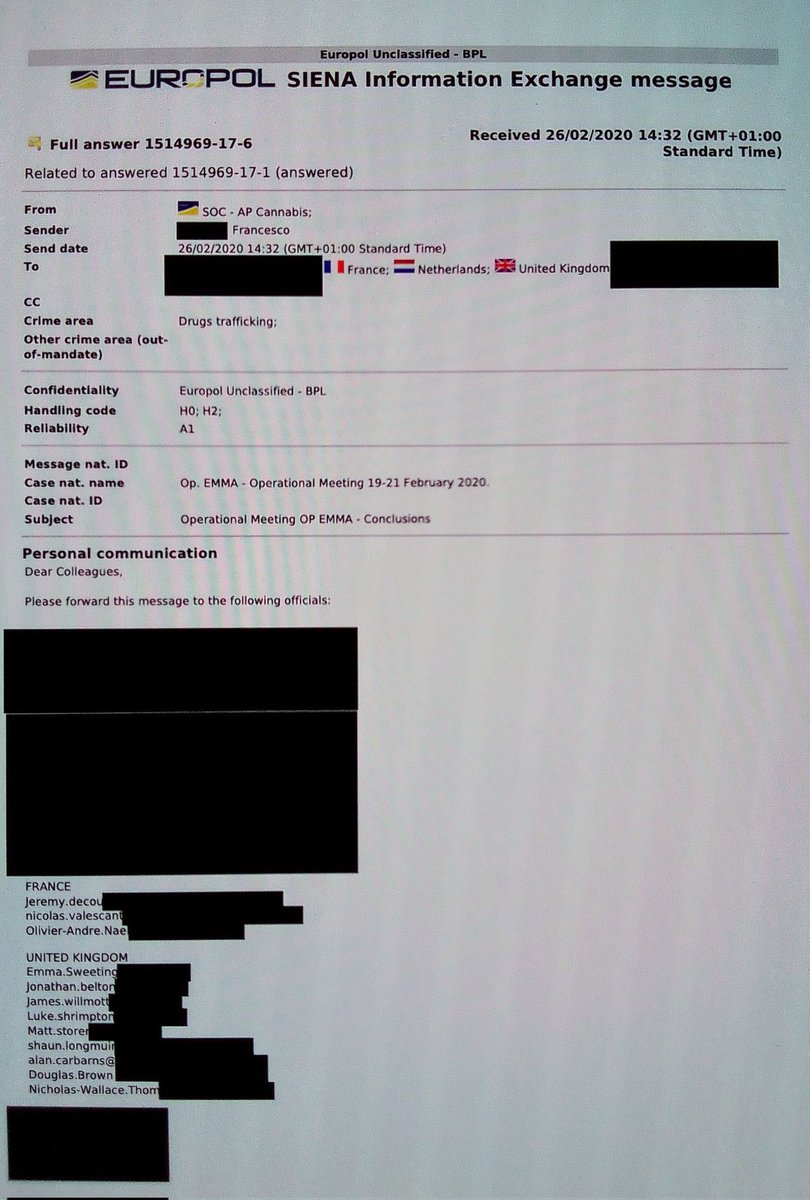
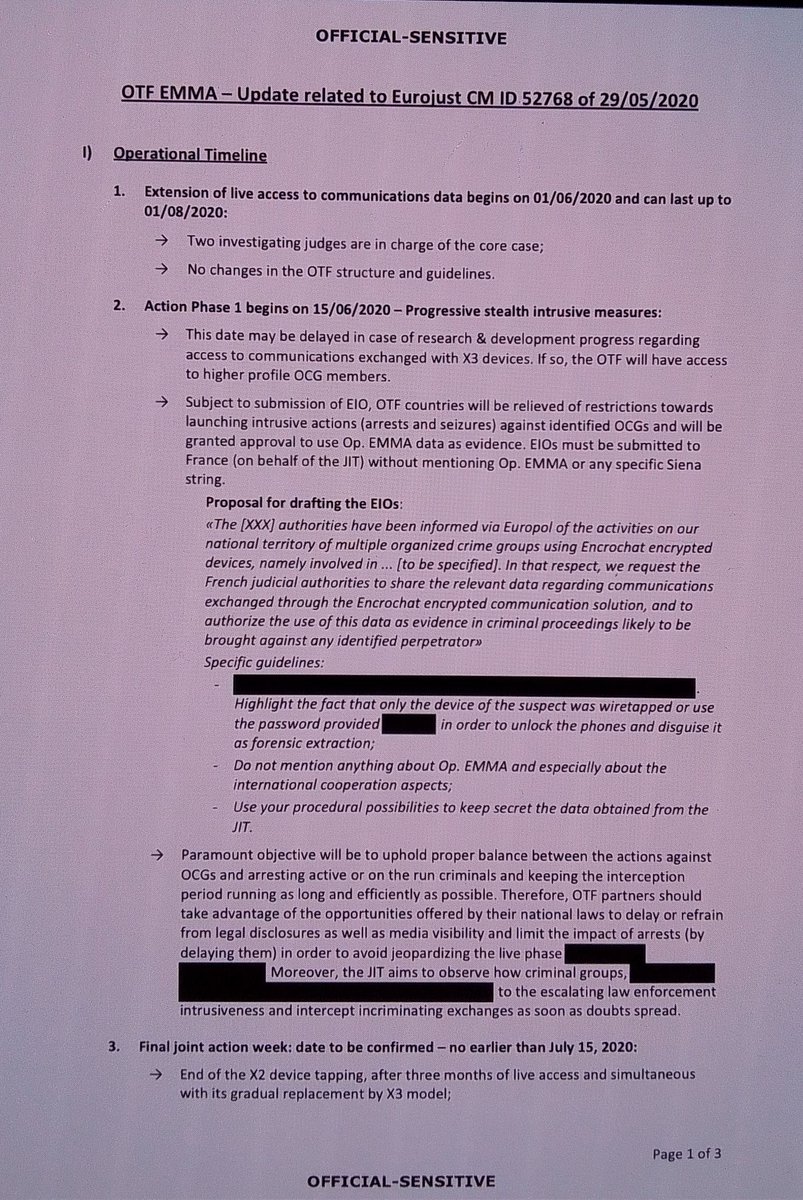
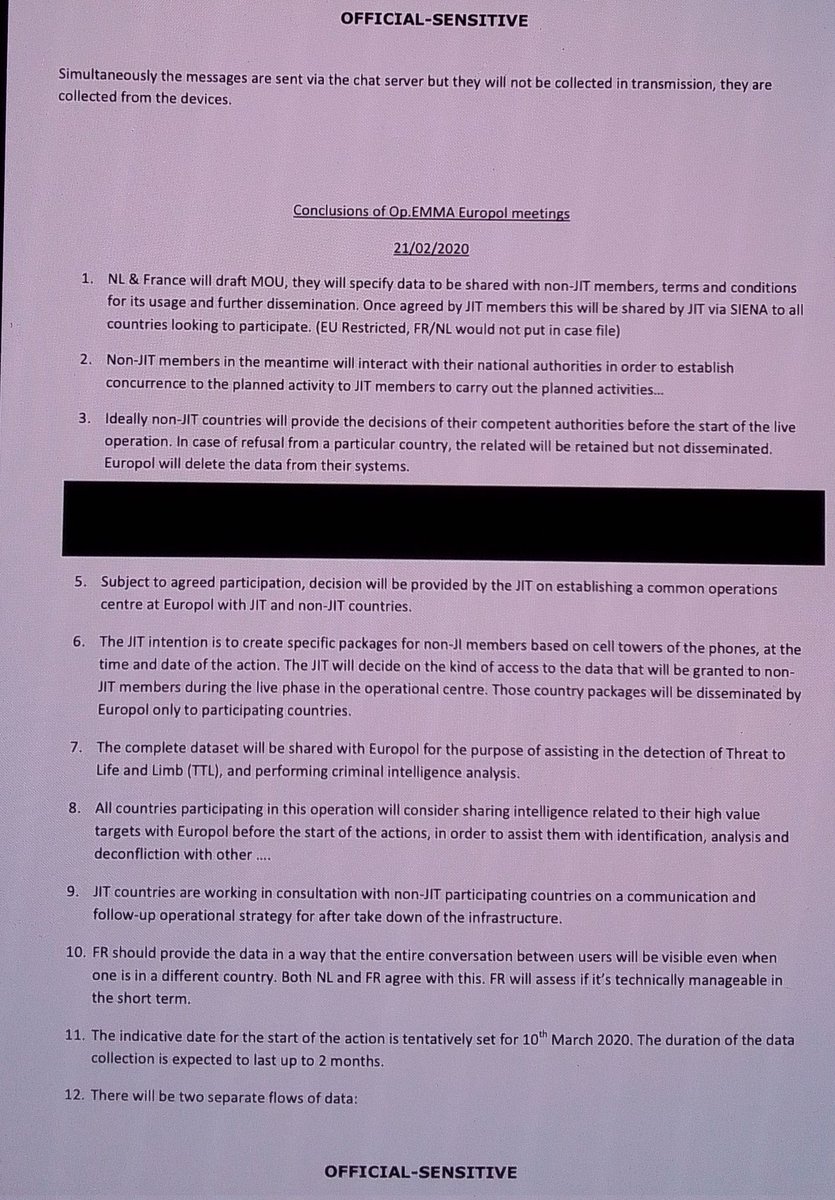
In 2020, French and Dutch authorities infiltrated the EncroChat encrypted phone network and shared decrypted messages with the UK’s NCA. This led to hundreds of arrests and convictions in the UK. However, serious legal concerns emerged:
•Was the data lawfully obtained?
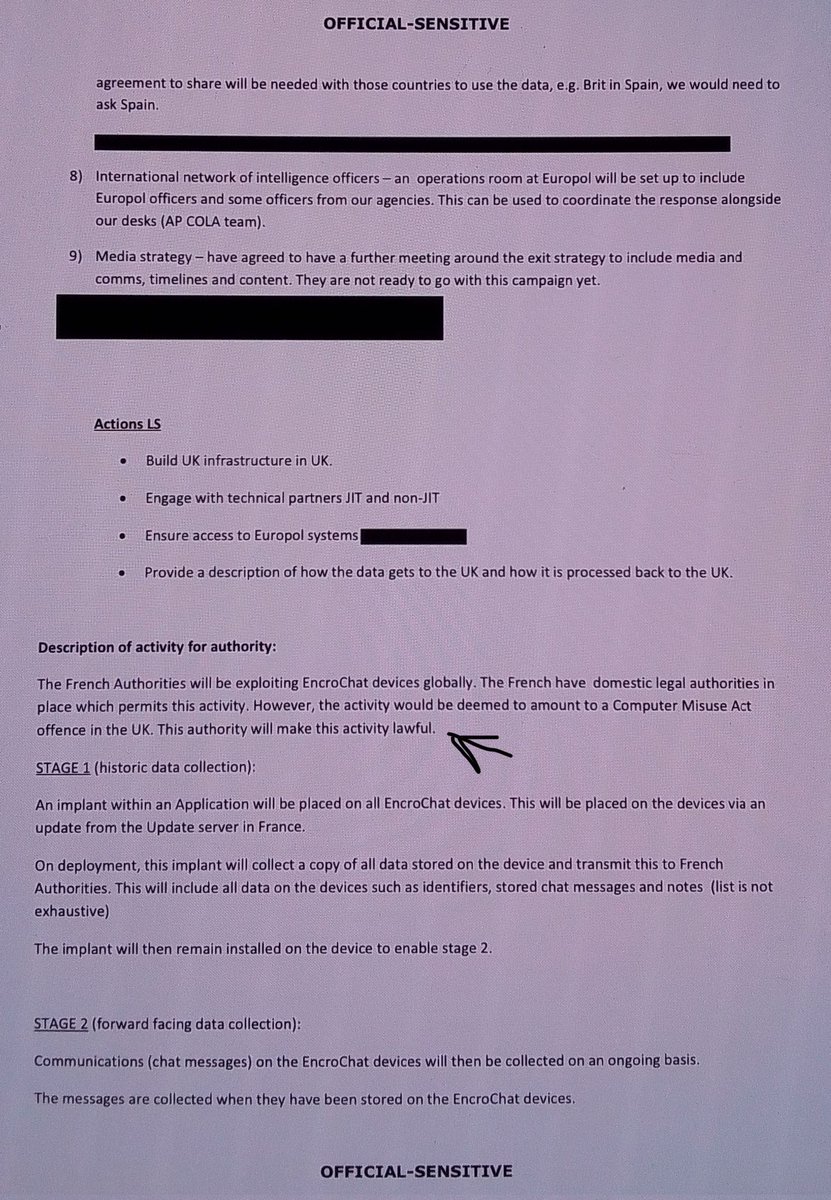
•Did it amount to live interception, which requires a specific UK warrant under the Investigatory Powers Act 2016?
•Or was it a bulk data hack treated as intelligence, bypassing key legal safeguards?
The IPT Process Under Justice Idis:
Justice Idis presided over a confidential IPT case — reportedly under the codename “Sub-Zero” — brought by several defendants challenging the legality of the data acquisition and its use in criminal prosecutions.
Under Justice Idis’ direction:
•Hearings were held in secret — with no access granted to the public or press
•No full judgment or transcripts have been made publicly available, other than limited summaries or procedural notices
•Core legal arguments over interception warrants, equipment interference, and cross-border data sharing between the NCA and French authorities were discussed behind closed doors
This extreme level of secrecy — unusual even for the IPT — has raised significant concern among civil liberties groups, legal observers, and defense lawyers, who argue that:
•The closed process undermines public confidence in surveillance oversight
•Defendants may be convicted based on evidence never properly tested in open court
•There is no clear precedent or transparency about how UK authorities treated the data and whether they followed due process
Key Issues Linked to the IPT Case:
•Digital forensic expert Luke Shrimpton gave evidence under unusual circumstances — via video link from an undisclosed location, in pyjamas, repeatedly stating he “could not recall” technical details
•He discarded his phone — a device that likely contained vital data — without backing it up
•Senior NCA officer Emma Sweeting gave conflicting statements under oath and was later found to have hidden key notes related to EncroChat on her laptop
•Emails from French officials explicitly warned that the EncroChat data might not be usable as evidence — yet the NCA continued using it in prosecutions
Conclusion:
The IPT proceedings led by Justice Idis have had profound implications, yet there has been virtually no public or journalistic scrutiny. While the EncroChat data has led to hundreds of convictions, the legal basis for those convictions remains partially hidden from public view.
As of now, the IPT has not released a full, reasoned judgment, and calls for transparency remain unanswered.
English