
Eric Martin
679 posts
Eric Martin
@MrEricMartin
Writer/Exec Producer - LOKI. I prefer unattractive people.
Los Angeles Katılım Ağustos 2010
640 Takip Edilen17K Takipçiler

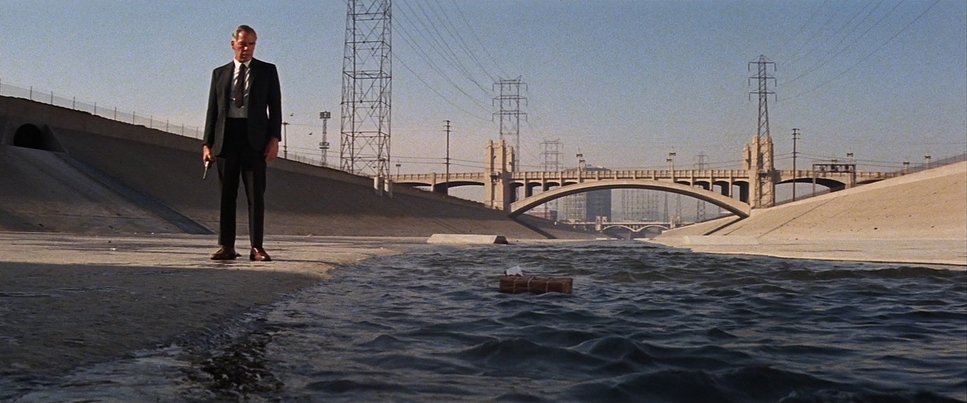
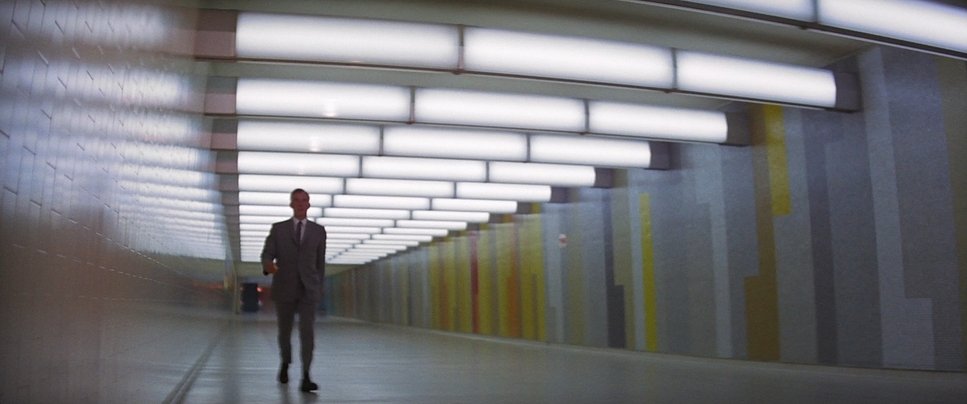
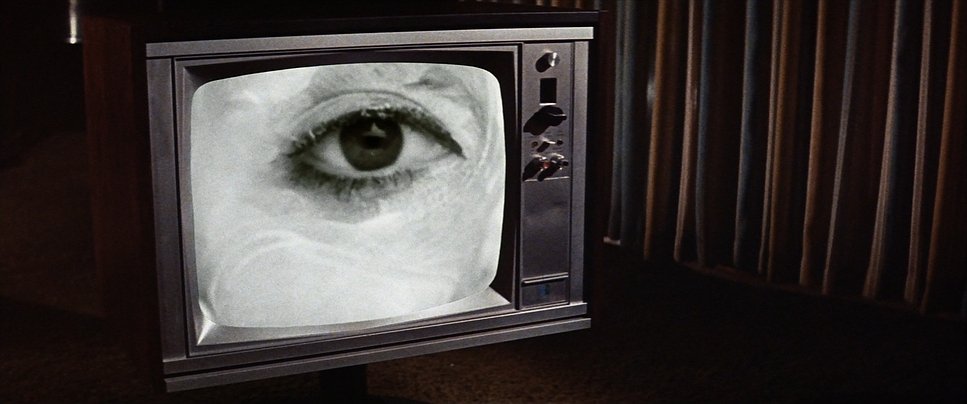
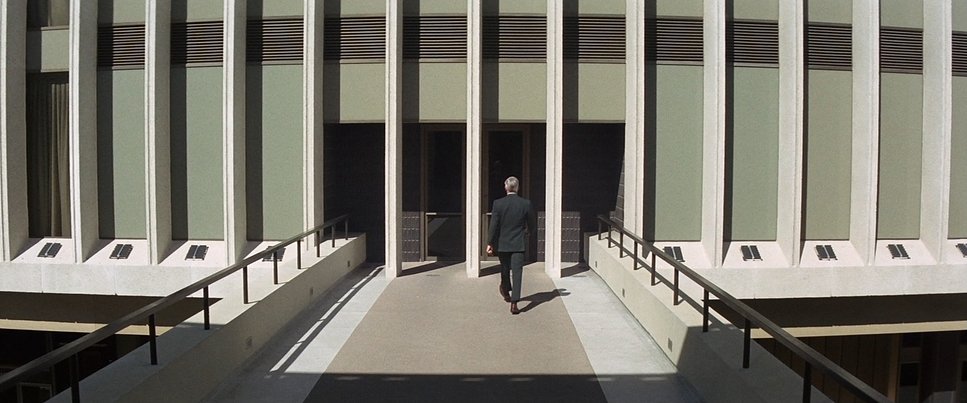
Just started Zemeckis' Contact and what the actual fuck was that opening scene!!? I'm already blown away! Wonder whether @MrEricMartin drew inspiration from this while writing the opening to Loki S1 E6 "For All Time. Always."?
English
Yup, everyone and everything on here is still insane. Time to log back off.
English

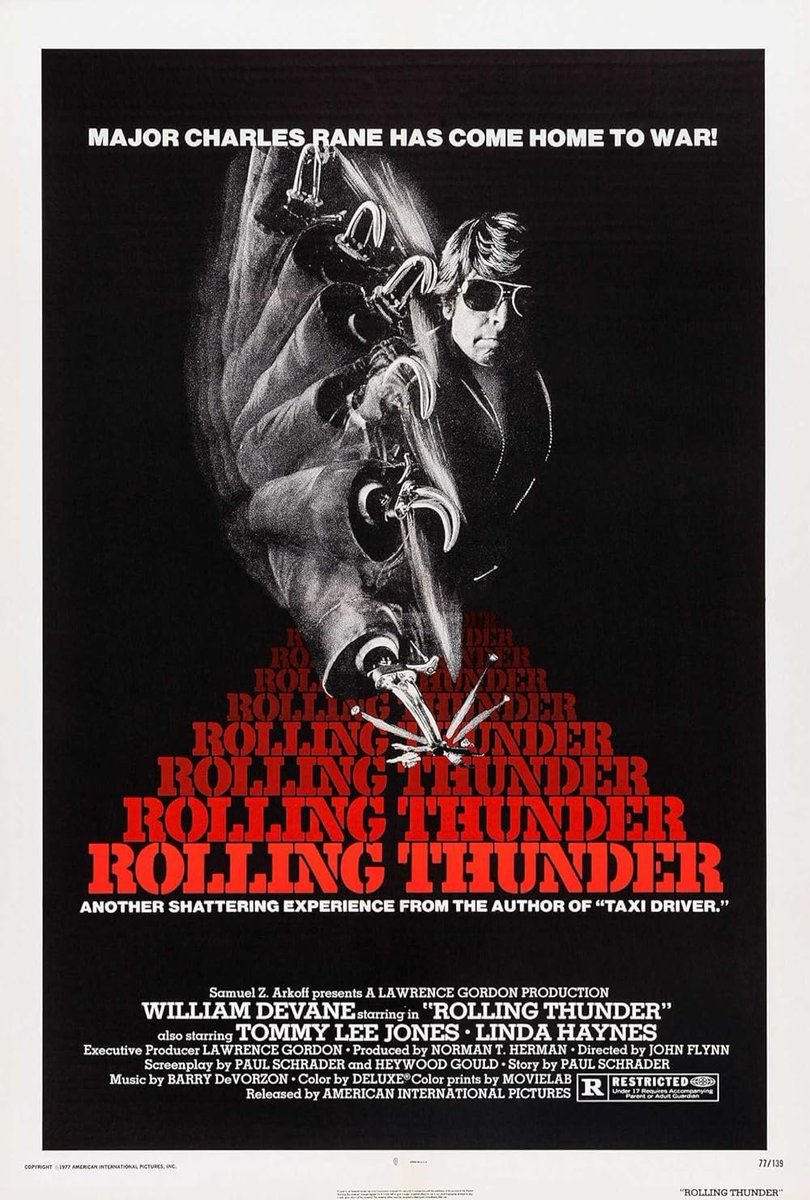
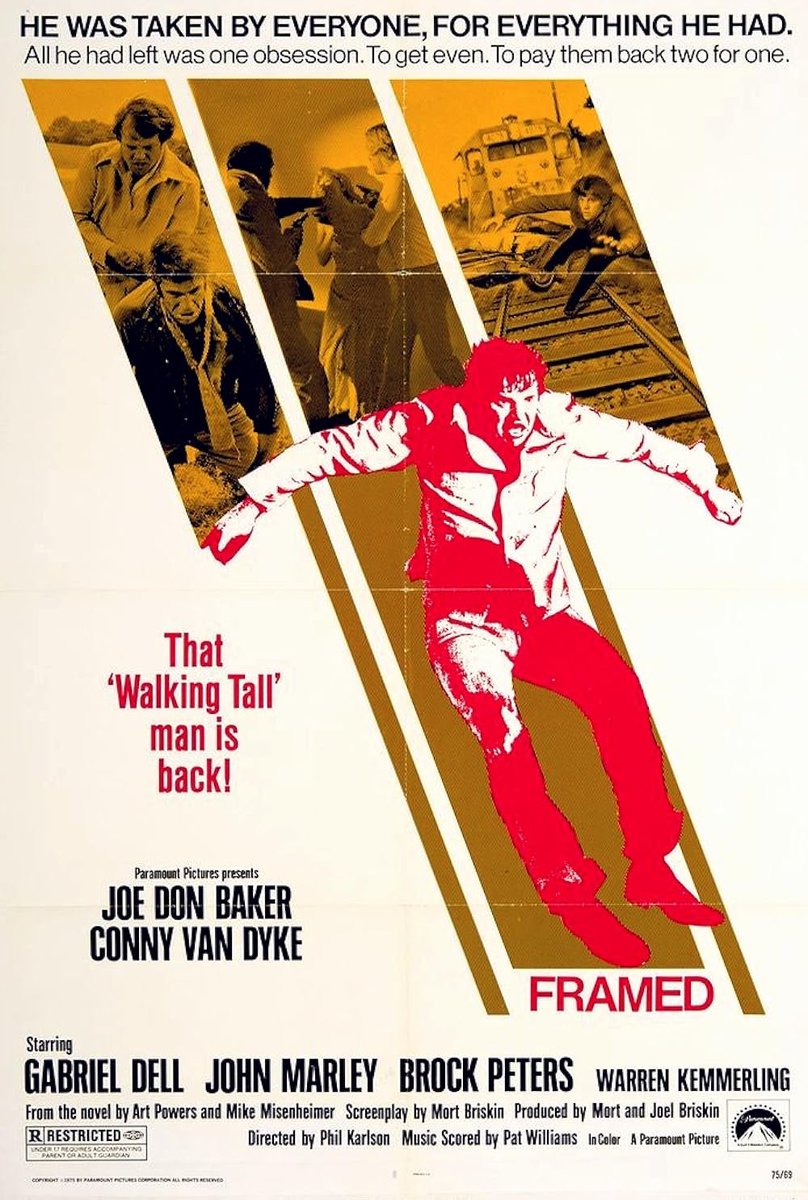
@MrEricMartin Not on par -- Rolling Thunder is a hardcore favorite -- but Framed has a few sequences (a fistfight and a train/car wreck) that are absolute must-sees. Also, Joe Don Baker in his prime.
English
Two super gnarly '70s thrillers: ROLLING THUNDER with William Devane & Tommy Lee Jones, and FRAMED with Joe Don Baker.
Dead End David💀👻👽👹@YoungRapscalion
I need a movie recommendation. Something I've never seen. It needs to be gritty and 70s. Something action or thriller. Something like The Taking of Pelham 123 but not that.
English
@MuseZack @TomiLaffly The story Milius told about writing it is just as good.
English
@TomiLaffly The ambush of the convoy (shot by the second unit) is one of the great suspense/action sequences of all time.
English

I’ve rewatched and rewatched a LOT of Harrison Ford movies over the years. CLEAR AND PRESENT DANGER has never been one of them—only saw it once 30 or so years ago.
Revisiting tonight.
English
Oh my god...this looks awesome, @bdgrabinski. Cannot wait.
20th Century Studios@20thcentury
A time-traveling, double-crossing, ass-kicking comedy Stream Mike & Nick & Nick & Alice only on @Hulu and Hulu On Disney+ March 27th.
English
@tonytost Watched it a few years ago for the first time. It seemed like all the pieces were there to be something I would love, but it ended up just being a bunch of pieces.
English
I've tried watching it off & on through the years, always giving up before the one hour mark. But I'd just read the Parker novel it's based on & adored that version of the story, so I thought I'd give it another chance. Slightly less confusing this way, but even more aggravating.
English
Eric Martin retweetledi

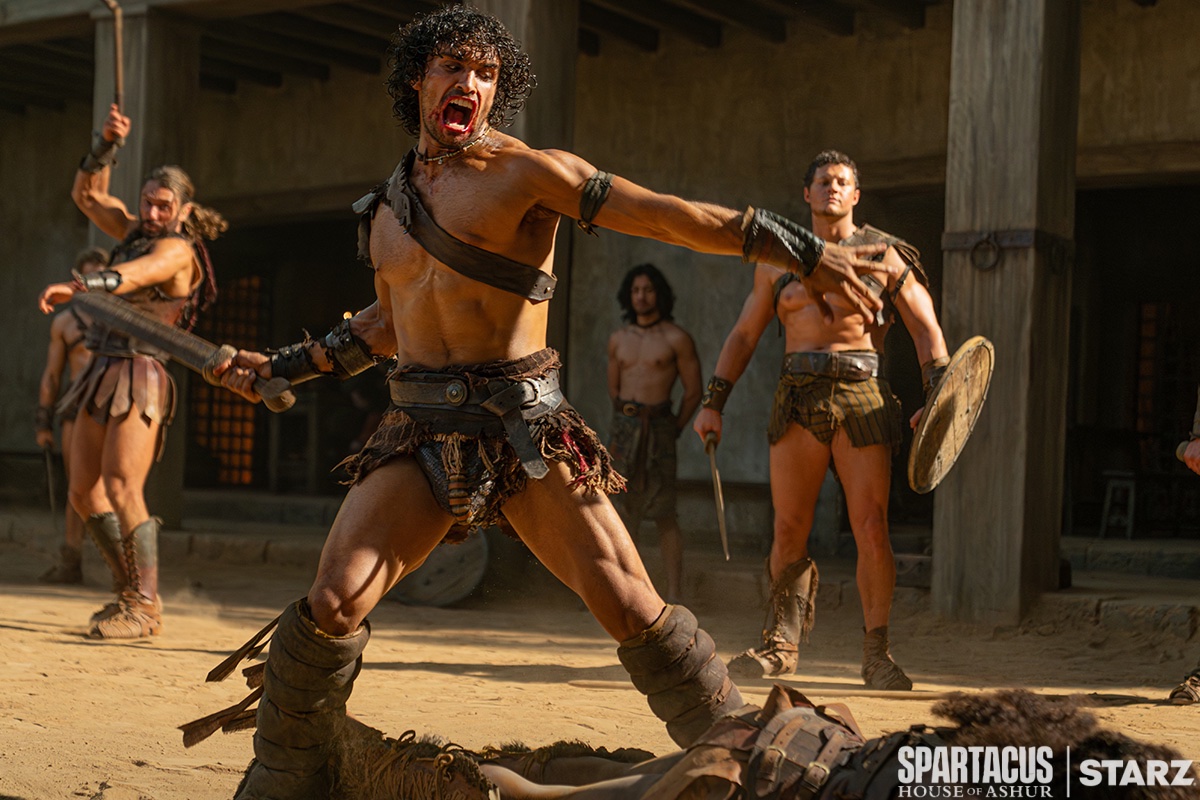
Difficult to promote a TV show in these troubling times, but if you’re looking for an escape for an hour, there’s a new episode of #HouseOfAshur dropping tomorrow. Then we take a week off but will be back Jan 23rd. @spartacus_starz @LionsgateTV



English
Eric Martin retweetledi

impressive. very nice. now let's see their parents' occupations.

Channel 4 News@Channel4News
A brother and sister duo from London are already selling out venues before their debut album even comes out. The Gen Z Mod band The Molotovs grew up surrounded by musical influences from The Jam to the Libertines, and now they’ve got some powerful backers in their corner.
English

@MrEricMartin Truly. His big character moment is when he works up the nerve to shoot again!
English
I worked with a Teamster captain who in his office had a framed letter from the Coen brothers thanking him for what a great job he did finding all the vehicles for No Country for Old Men. It meant the world to him to be recognized for his contribution to that film.
English
I love this quote from Coogler. The greatest thing about a film or TV set is how seamlessly it blends the artistic and the blue collar, often within the same people.
Kyle Buchanan@kylebuchanan
SINNERS is expected to be a major Oscar player, though Ryan Coogler turned down his own invitation to join the Academy. “It’s not out of animosity,” he explained to me.
English
If I made this piece of shit, think I'd have trouble sleeping too.
Culture Crave 🍿@CultureCrave
McDonald's has released an AI-generated Christmas ad The studio behind it says they 'hardly slept' for several weeks while writing AI prompts and refining the shots — 'AI didn't make this film. We did' Comments have been turned off on YouTube
English

Boogie Nights 4K preordered.
Eric Martin@MrEricMartin
Now would be a good time to buy your favorite Warner Bros titles on physical media.
English
Now would be a good time to buy your favorite Warner Bros titles on physical media.
Deadline@DEADLINE
Netflix Wins Bidding War For Warner Bros. Discovery deadline.com/2025/12/netfli…
English
@jimmycthatsme Wow. This looks incredible, Jim. Congratulations.
English

I am thrilled to finally invite you to watch a documentary that has been 9 years in the making.
Pre-Order it now and it will notify you the second it goes live.
It is incredible. Support the girls.
#DontTellCorey
tv.apple.com/us/movie/corey…
English
Eric Martin retweetledi

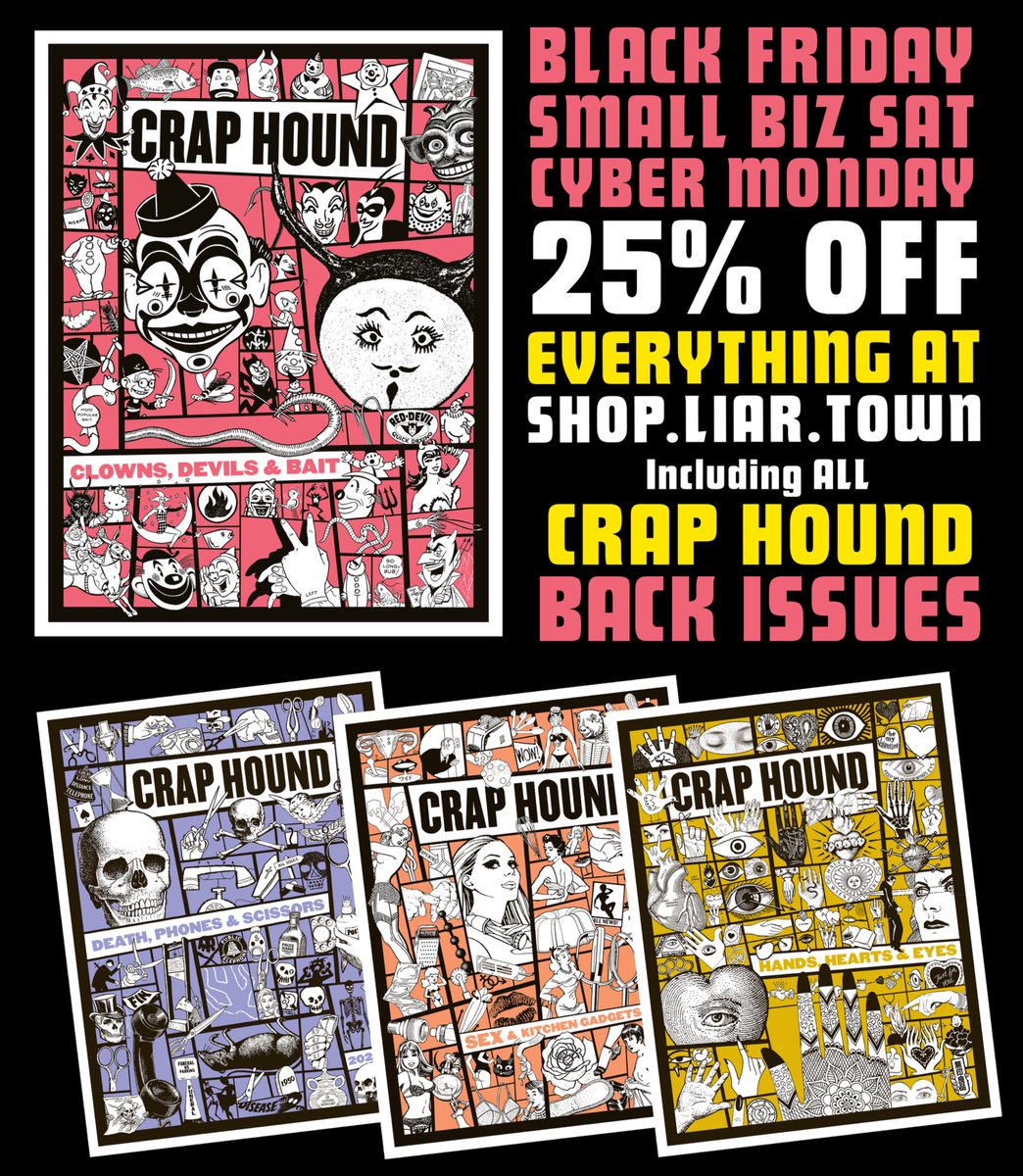
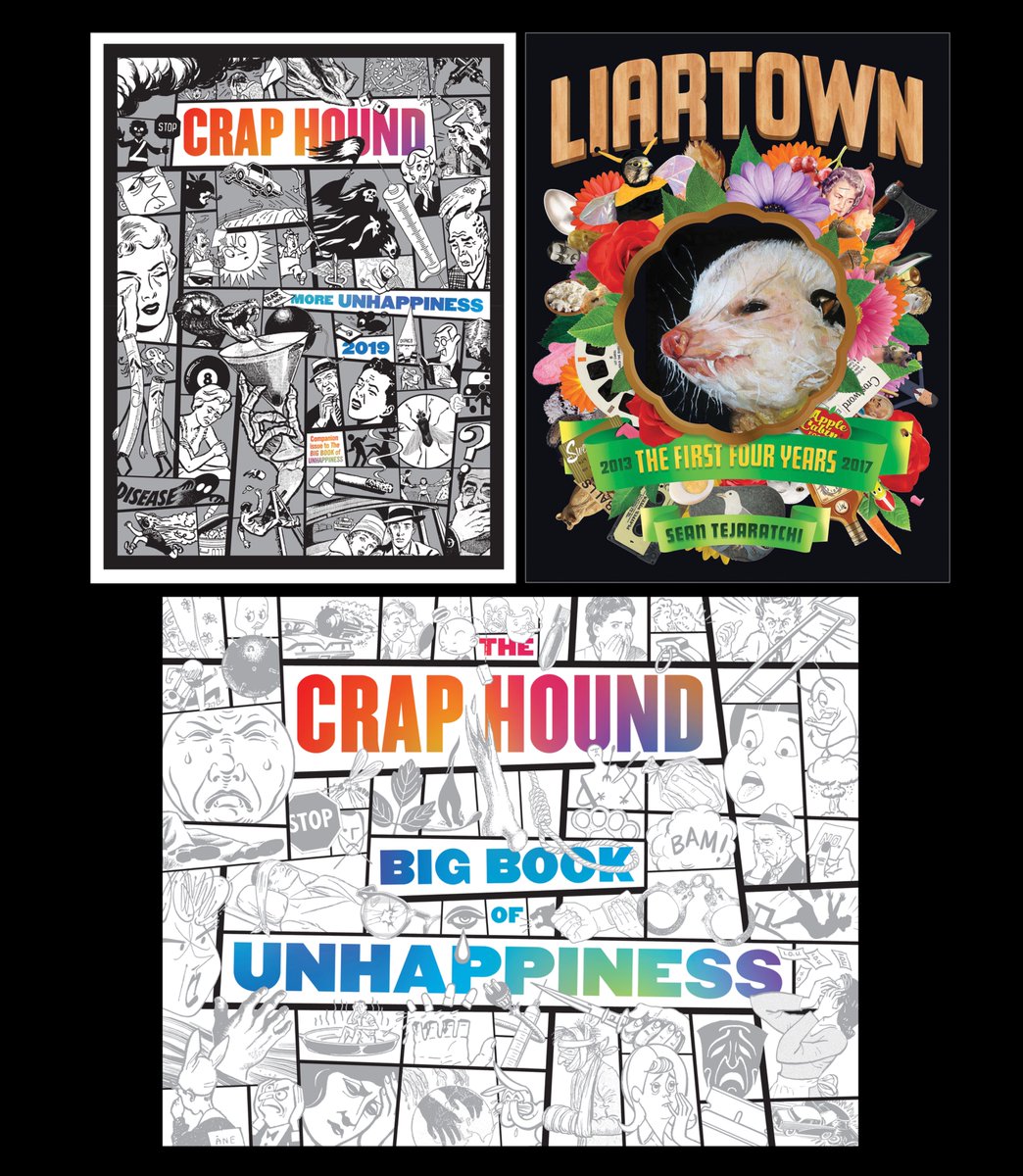
Black Friday Sale—25% off ALL CRAP HOUND BACK ISSUES at shop.liar.town! Looking the perfect gift for someone you know? Unfortunately, I'm really not sure if back issues are a great idea. People are complicated— maybe they won't understand the point of a zine full of little pictures. Sure, back issues are only $15, but there's no guarantee that "special someone" won't stare blankly at what you've given them. Then again, the LiarTown book and the Big Book of Unhappiness are also on sale, so those might appeal instead. It's so hard to know what to do in these situations.


English