Geoscopy.com — Geology Communicator

1.9K posts
Geoscopy.com — Geology Communicator banner
Geoscopy.com — Geology Communicator

Geoscopy.com — Geology Communicator

@MrGeoscopy

Earth's Geology Communicator — Geology Explained. Watch engaging videos, read insightful articles, and explore rock & mineral alongside other resources.
Check out our website Katılım Eylül 2021
122 Takip Edilen1.1K Takipçiler
Geoscopy.com — Geology Communicator
There are two continent-sized structures sitting on top of Earth’s core. Tuzo beneath Africa. Jason beneath the Pacific. Seismic waves reveal their shapes. Their edges may help organise where some of Earth’s biggest volcanic events begin — from Hawaii to the Deccan Traps. Full article: geoscopy.com/llsvps-hidden-… #geology
English
0
0
2
51
Geoscopy.com — Geology Communicator
Earth is making hydrogen underground. From Mali’s famous hydrogen well to deep targets beneath Lorraine and Kansas, “white hydrogen” has triggered a geological gold rush. But the real question is harder: can it flow at industrial scale? Read the full article on Geoscopy: geoscopy.com/white-hydrogen…
Geoscopy.com — Geology Communicator tweet media
English
0
0
1
26
Geoscopy.com — Geology Communicator
Diamonds don’t come from coal. Most natural gem diamonds formed 140–200 km beneath ancient continents, often more than a billion years ago, long before many major coal deposits existed. I wrote a geology explainer on how diamonds actually form, how kimberlite eruptions bring them up, and why tiny inclusions inside diamonds can reveal water and minerals from Earth’s deep mantle: geoscopy.com/are-diamonds-m…
Geoscopy.com — Geology Communicator tweet media
English
0
0
3
2.2K
Geoscopy.com — Geology Communicator
Nintendo didn’t invent the Mushroom Kingdom. Earth did - about 2 million years before Mario. 🍄 The round hills? Karst formations like the Chocolate Hills in the Philippines. 🗼 The spiky mushroom towers? Fairy chimneys in Cappadocia, Turkey. 🕳️ The warp pipes? Lava tubes - hollow tunnels left by flowing magma. 🧲 And floatanium? That’s a superconductor, pinned mid-air by quantum magnetic locking. Send this to the friend who’d pick up a rock on a hike 🌎 #geology #karst #cappadocia #supermario #scicomm
English
0
0
1
95
Geoscopy.com — Geology Communicator
Earth wasn’t always the “pale blue dot” we see today. 🌍✨ 3 billion years ago, our planet was neon purple. This is the Purple Earth Hypothesis. Before chlorophyll-based plants dominated the world, the early biosphere used a simpler molecule called Retinal to harvest energy. 🧬 While modern plants reflect green light, ancient microbes gobbled it up, leaving our oceans glowing magenta from space. #Astrobiology #PurpleEarth #EarthOrigins #Geology #deeptime
English
0
0
0
97
Geoscopy.com — Geology Communicator
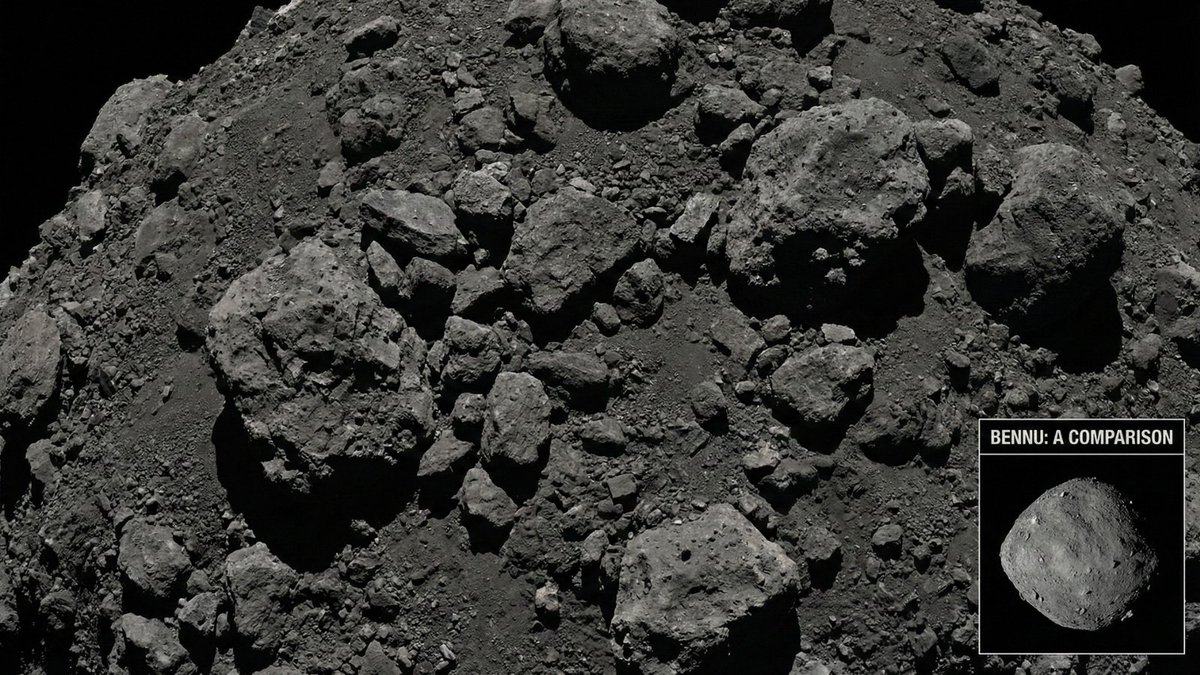
Plot twist: Psyche may not be a solid steel globe after all, but a kind of “rubble pile” with a lot of metal mixed in! 🪨 In 2021, scientists measured Psyche’s makeup and found it’s about 82.5% metal, 7% pyroxene rock, 10.5% carbonaceous material by weight, with ~35% porosity (empty space). That means Psyche is less dense and more chock-full-of-holes than a pure iron core. It might have been blasted by impacts and reassembled over time, accumulating rocky debris on a metal interior, kind of like a cosmic fruitcake. This makes it more akin to rubble-pile asteroids like Bennu than a perfectly intact core. In short, Psyche’s story could be more complicated, and more interesting, than we thought!
Geoscopy.com — Geology Communicator tweet media
English
0
0
0
80
Geoscopy.com — Geology Communicator
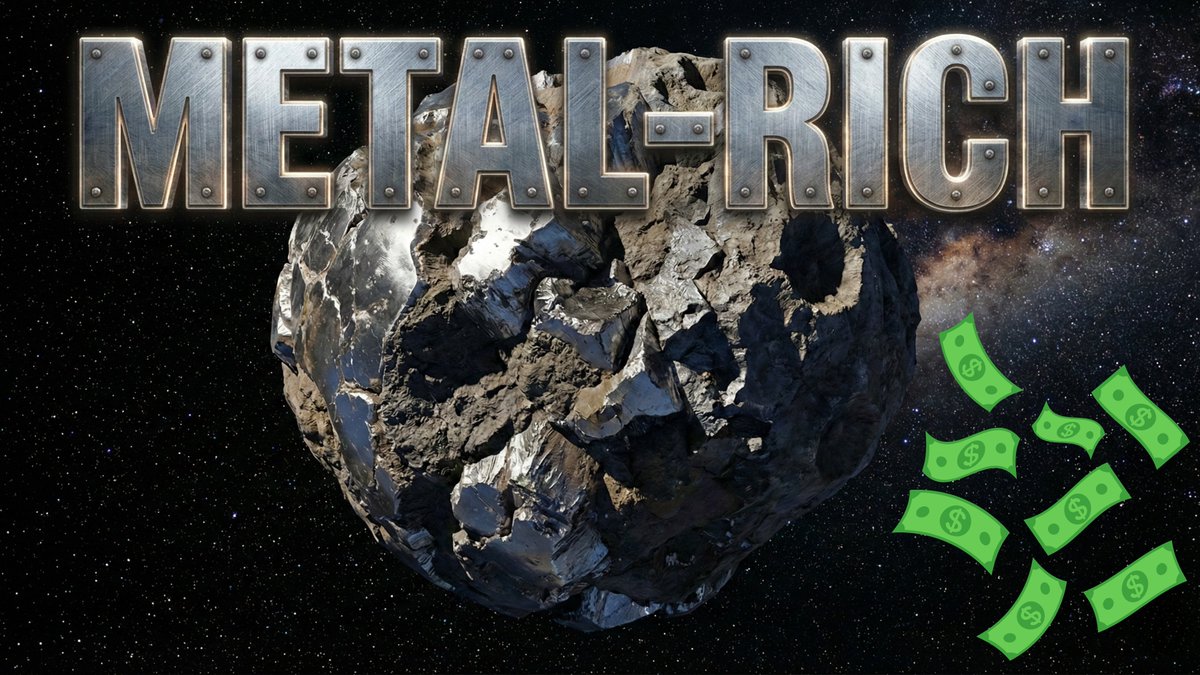
Why all the scientific buzz? Because Psyche is metal-rich. Initially, many thought it might be the exposed iron–nickel core of a protoplanet that lost its rocky exterior. In other words, a bare planetary core, something usually hidden deep inside planets. Its bulk density (~4 g/cc) is high but not solid iron, suggesting a mix of metal and rock. Current best estimates say Psyche is 30–60% metal by volume (iron and nickel) and the rest silicate rock. 🪨🔧 It’s like a cosmic layer cake of metal and stone. If true, Psyche offers a unique window into what an early planet’s core might look like.
Geoscopy.com — Geology Communicator tweet media
English
1
0
1
110
Geoscopy.com — Geology Communicator
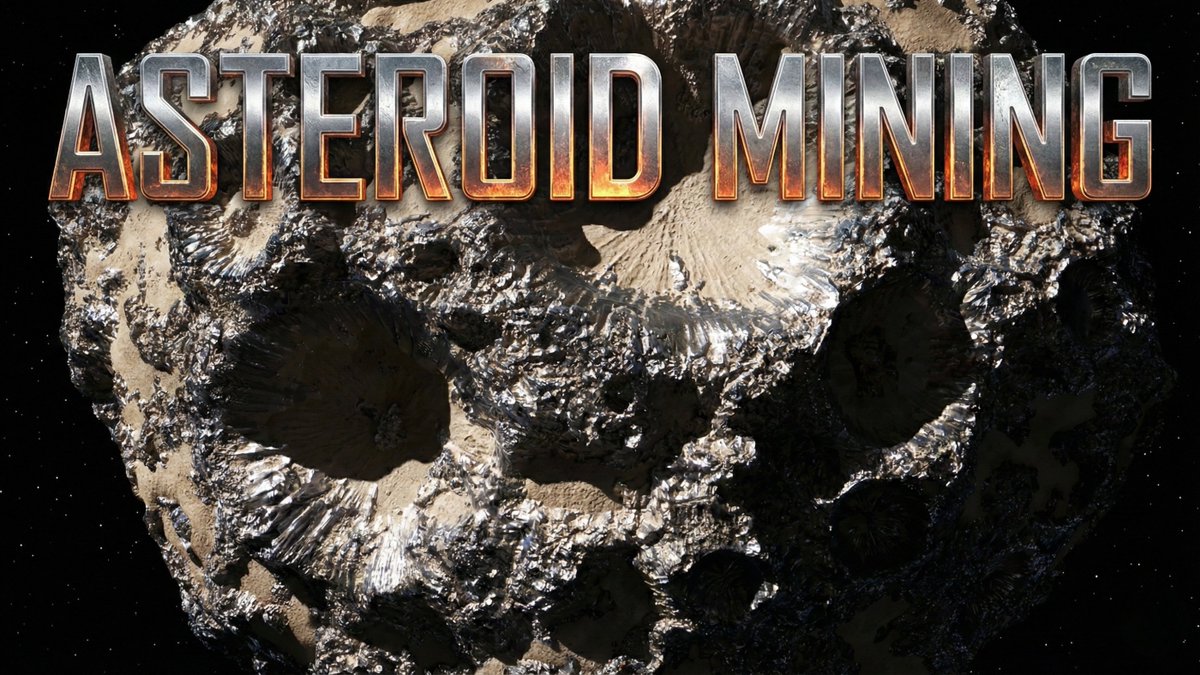
Imagine an asteroid so valuable it’s worth more than Earth’s entire economy. Meet 16 Psyche, a metal-rich world in the asteroid belt, estimated to hold about $10,000 quadrillion in iron and nickel! 😮 This more than about $$$, Psyche could be the exposed core of an early planet that never fully formed, giving us a rare peek at a planetary “heart.”
Geoscopy.com — Geology Communicator tweet media
English
1
0
3
160
Geoscopy.com — Geology Communicator
NASA’s upcoming Artemis missions are targeting the Moon’s South Pole, places like Shackleton Crater, because of the promise of water ice in the darkness. But those same regions have terrain that our study suggests could be quake-prone. Some permanently shadowed crater walls are so loose that even a minor tremor might send the soil sliding. In fact, one of the strongest Apollo-era quakes likely originated near the south pole and the cloud of possible epicenters overlaps several Artemis III landing site candidates.
Geoscopy.com — Geology Communicator tweet media
English
0
0
0
64
Geoscopy.com — Geology Communicator
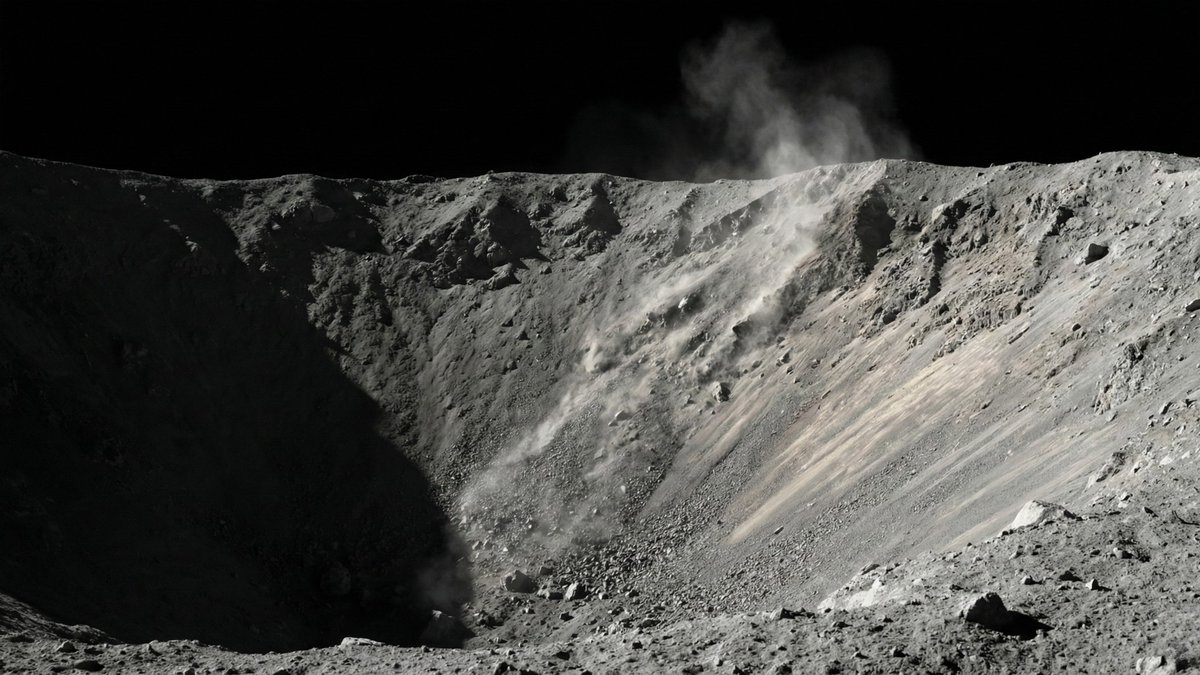
On the Moon, a magnitude 5 moonquake could be a whole different story (than on Earth). With lunar gravity only one-sixth of Earth’s, even a gentle ground shake might launch you off your feet! And the Moon’s soil is basically dry, powdery dust and rubble. On steep slopes, that loose regolith can easily tumble in a quake. In fact, moonquakes could trigger landslides that cascade down crater walls, a hazard for robots and astronauts alike.
Geoscopy.com — Geology Communicator tweet media
English
1
0
0
68
Geoscopy.com — Geology Communicator
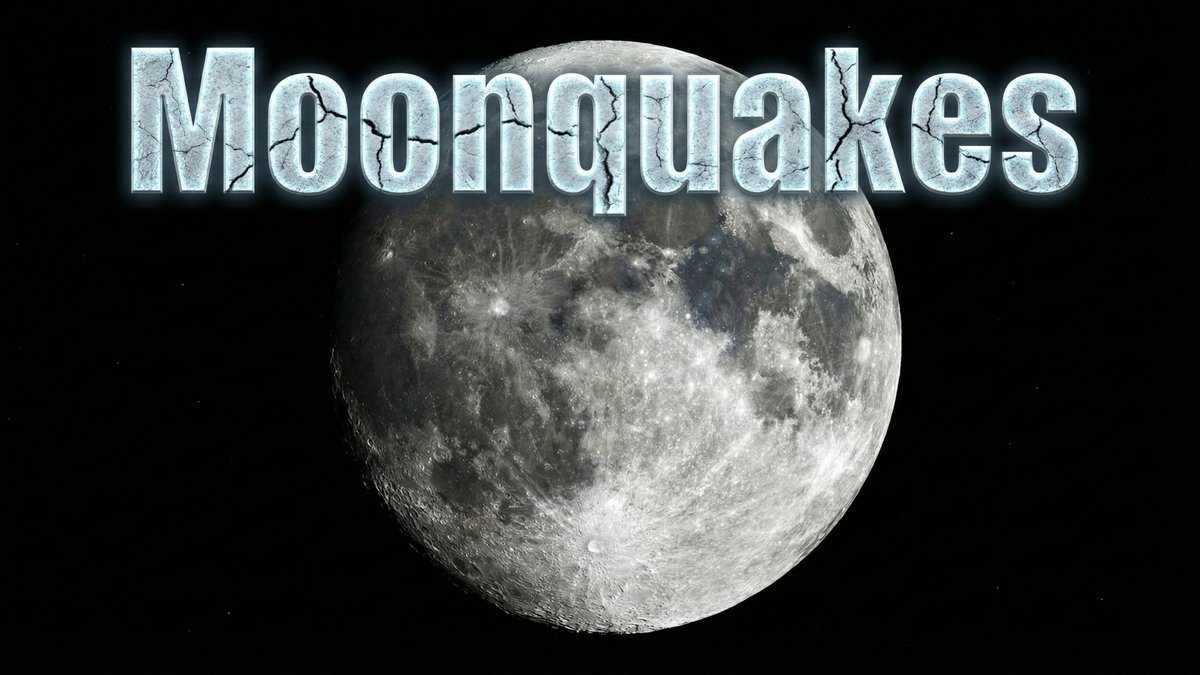
The Moon isn’t as geologically quiet as it looks. In fact, our lunar neighbor is slowly shrinking as its hot interior cools, by about 50 meters in the last few hundred million years. Like a grape turning into a raisin, the Moon’s surface wrinkles and cracks as it contracts, forming cliffs called thrust faults. And here’s the best part: those faults are active, still unleashing moonquakes today. Let's explore...
Geoscopy.com — Geology Communicator tweet media
English
1
0
2
144