

Mr.Shack530
23.3K posts


In Season 2, Episode 18 of The Cosby Show, Clair Huxtable, played by Phylicia Rashad, performs a playful lip-sync to Big Maybelle’s 1956 Savoy classic,“Candy” to charm her on-screen husband Cliff Huxtable, played by Bill Cosby.
This episode, titled “A Touch of Wonder,” originally aired on Thursday, February 20, 1986.
#BMH365 🎶🎤@BlackMusicHstry
Remembering Big Maybelle (Thursday, May 1, 1924 – Sunday, January 23, 1972) Born Mabel Louise Smith in Jackson, Tennessee, Big Maybelle came up singing gospel before moving into rhythm and blues as a teenager. She began performing professionally in the 1930s, including work with Dave Clark’s Memphis Band, and later appeared with the International Sweethearts of Rhythm, placing her in that vital bridge between gospel, blues, swing, jump blues, and early R&B. Her career broke through nationally after signing with Okeh Records in the early 1950s. Producer Fred Mendelsohn gave her the name Big Maybelle, a stage name that matched the force, grain, humor, and emotional weight of her voice. Her 1952 recording “Gabbin’ Blues” became a major R&B hit, followed by records such as “Way Back Home” and “My Country Man.” Big Maybelle’s most important recordings include “Candy,” “Gabbin’ Blues,” “Whole Lotta Shakin’ Goin’ On,” and “96 Tears.” Her 1956 recording “Candy” was later inducted into the Grammy Hall of Fame in 1999, and her 1955 version of “Whole Lotta Shakin’ Goin’ On” PRECEDED Jerry Lee Lewis’s famous rock and roll version. At her height, she was a commanding figure on the R&B circuit, appearing at major venues including the Apollo Theater and in connection with the 1958 Newport Jazz Festival, where her performance world crossed into the jazz documentary space of “Jazz on a Summer’s Day.” Her voice could be tender, comic, raw, and devastating, often in the same performance. On January 23, 1972, Big Maybelle died in Cleveland, Ohio, at age 47. The Blues Foundation states that she died in a comatose state while suffering from diabetes, and other biographical sources describe her death as caused by a diabetic coma. Her final album, “Last of Big Maybelle,” was released after her death. In 2011, Big Maybelle was posthumously inducted into the Blues Hall of Fame and her work still stands as evidence that early R&B, blues, gospel, and rock and roll were never cleanly separate lanes, they were overlapping Black American musical technologies carried by voices like hers. To this day, Big Maybelle’s legacy remains larger than the space she is usually given.
English

@GAFollowers 2nd half stands gonna be empty. Good opportunity for the nose bleeds to move on down to the bottom....
Union City, GA 🇺🇸 English
Mr.Shack530 retweetledi

Don't pay for Apple Music, use ESound
Don't pay for Netflix, use Flixio
Don't pay for Peacock, use GlitchTV
Don't pay for Hulu, use ShowZone
Don't pay for Disney, use Netmirror
Don't pay for Spotify, use Lyra
Don't pay for Prime Video, use CineHub
Don't pay for Paramount+, use EpicFlix
Don't pay for YT Premium, use Brave browser
Don't pay for HBO Max, use Moviebox
Don't pay for Apple TV, use Streamly
🫶🏿
English
Mr.Shack530 retweetledi

@nosyone4 Damn, did Lobo take a break. Didn't hear her voice at all....
Union City, GA 🇺🇸 English

Mr.Shack530 retweetledi

Overprotected kids become unprepared adults.
Dawn Staley nailed it.🔥
You can’t shelter your child from every hard moment and then expect them to handle adversity when it counts.
Hard is the lesson.
Watch. Share. Bookmark.
English
Mr.Shack530 retweetledi
Mr.Shack530 retweetledi


Glad to see Tony finally snapping on Bennie and Lucretia..... #theupshaws #Netflix
GIF
Union City, GA 🇺🇸 English
Mr.Shack530 retweetledi

Mr.Shack530 retweetledi
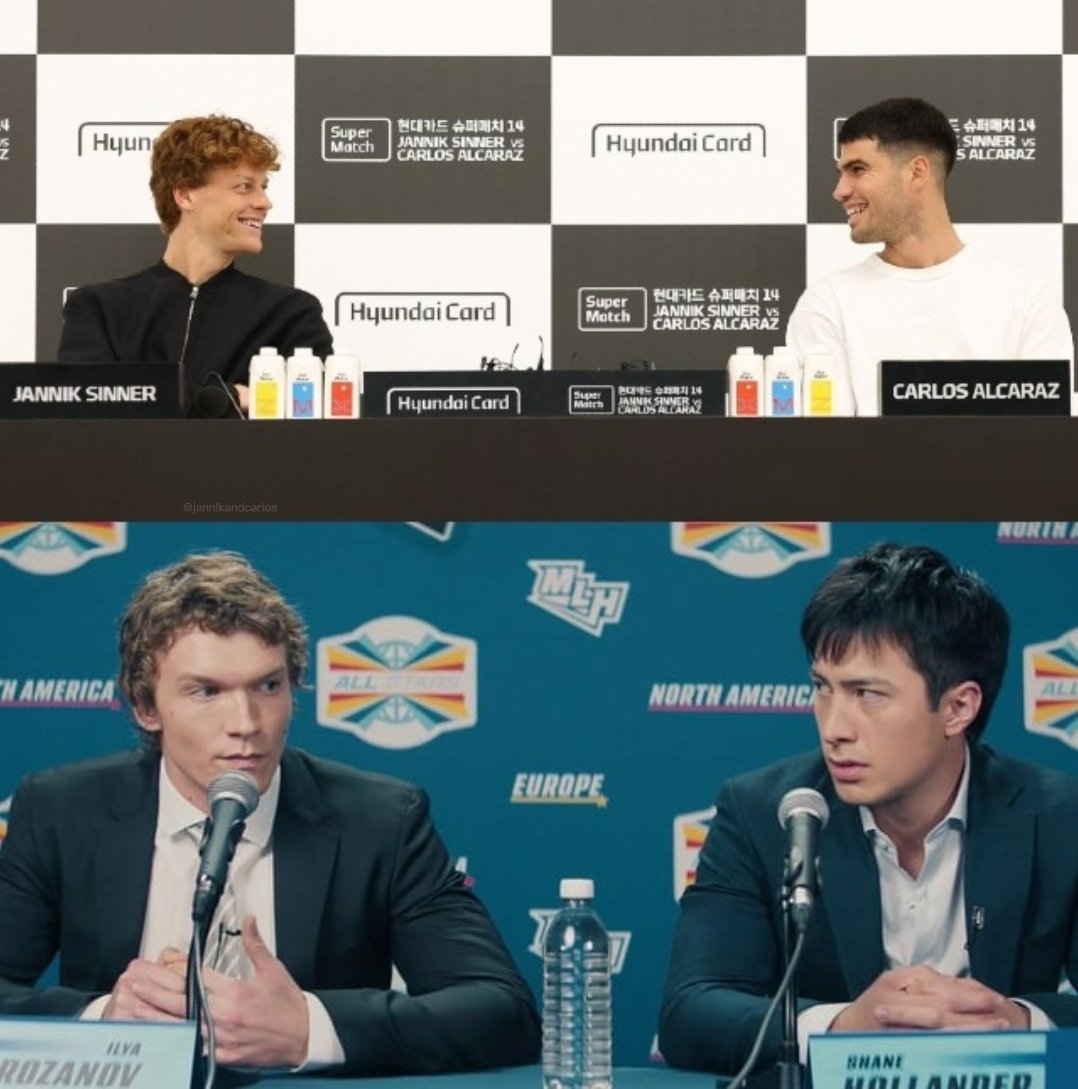
The monks are requesting that all TikTokers and live streamers refrain from following them.
They're fed up with Georgia.
English

@TheOnlySxSation after he faked that suicide attempt for attention, only for us to next see him in a orgy at home without a care in the world… that man can kiss my ass.
English

The way this man is knocking the dust off that pusssayyyyyyy in “Heated Rivalry”.
English
Mr.Shack530 retweetledi

Omg yall I’m NOT coming back. This wildfire is crazy-
English
Mr.Shack530 retweetledi
A CHARLIE BROWN THANKSGIVING CRASHOUT EDITION . 😁🫡🏴
English