Robyn Walton

2.9K posts

Robyn Walton banner
Robyn Walton

Robyn Walton

@MsRWalton

Teacher | AQA GCSE Geography | PE | Equity in education |

Katılım Kasım 2017
651 Takip Edilen334 Takipçiler
Sabitlenmiş Tweet
Robyn Walton
Robyn Walton@MsRWalton·
Giving blood can be one of the most amazing things you can do for another person. If you have five minutes today why not sign up and find a location to donate. blood.co.uk/the-donation-p…
NHS Blood Donation 🩸🩹@GiveBloodNHS

This is amazing news! We've developed a new 'one bag' product that has been found to help people survive major trauma injuries. It combines red blood cells and plasma. We worked with @QMUL and @NHSBartsHealth on this study, read about it here ➡️ bit.ly/3JE8PNj

English
0
1
3
4.3K
Robyn Walton retweetledi
Dana Palubiak
Dana Palubiak@DanaPalubiak·
A child who reads twenty minutes a day encounters millions of words in a year. That exposure builds vocabulary, background knowledge, and language patterns. No worksheet can compete with that. Reading widely is one of the most powerful learning engines we have.
English
47
707
2.9K
47.1K
Robyn Walton retweetledi
New Scientist
New Scientist@newscientist·
This International Women's Day, we should prioritise groundbreaking research into women's health, such as strengthening the reproductive system's natural defences, says Anita Zaidi #Echobox=1772915584" target="_blank" rel="nofollow noopener">newscientist.com/article/mg2693…
English
1
5
16
6.2K
Robyn Walton retweetledi
Head of Geog (Duncan John)
Head of Geog (Duncan John)@HeadofGeog·
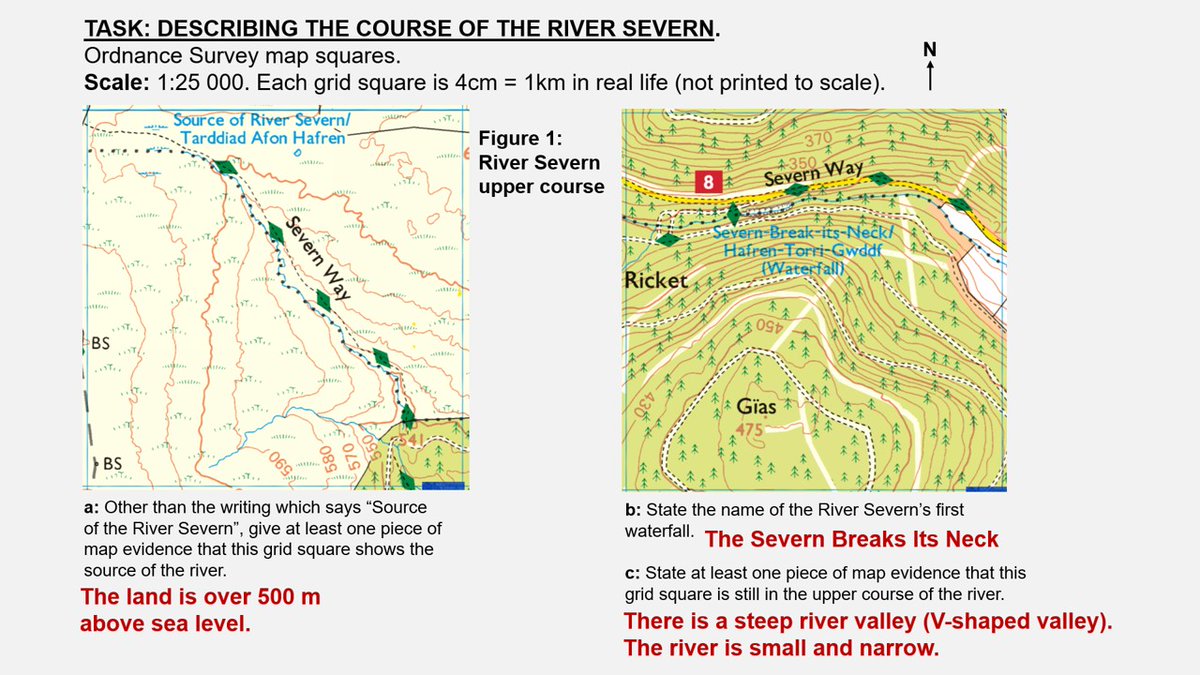
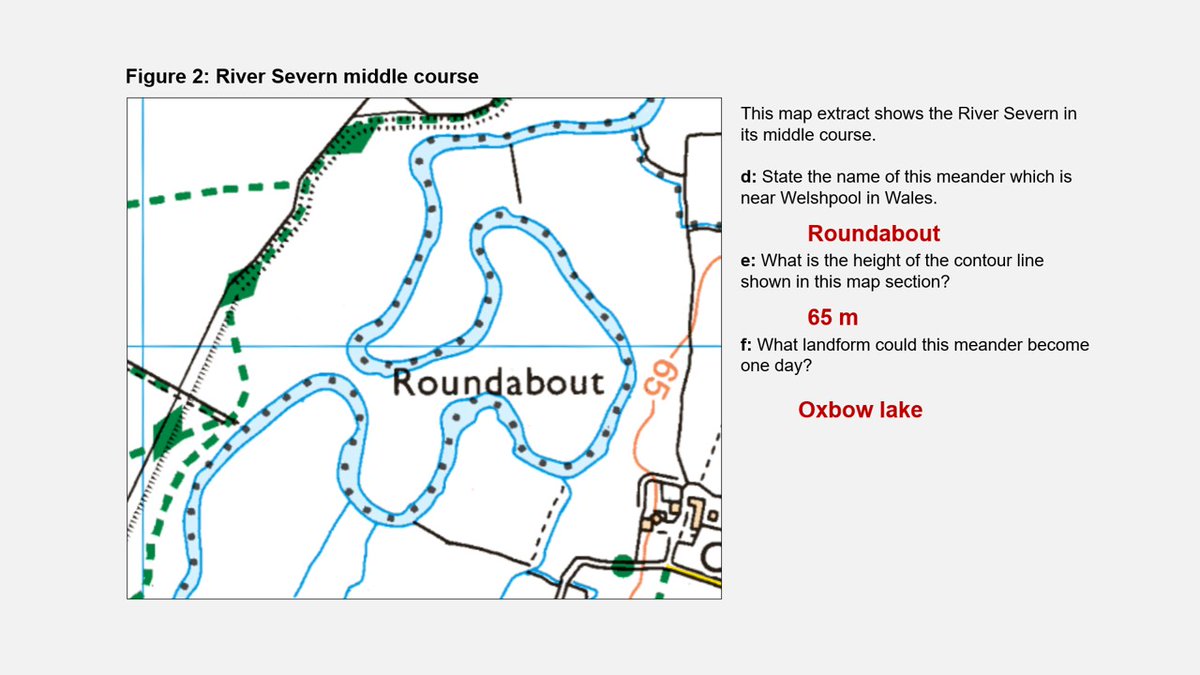
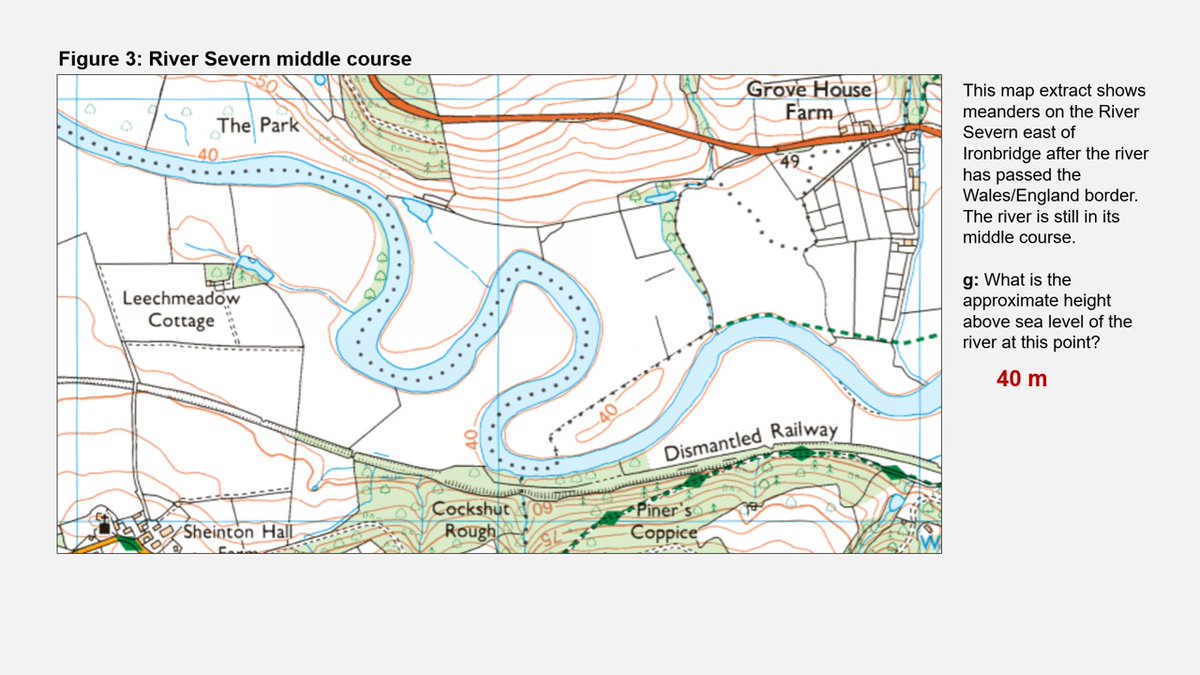
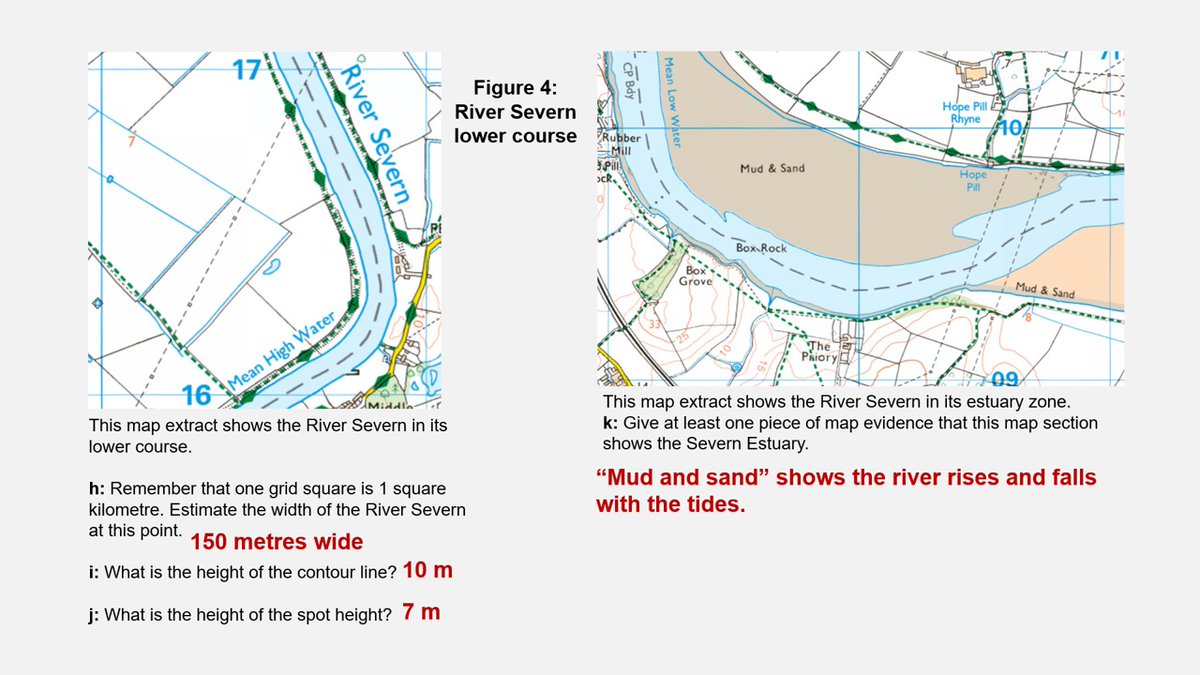
The course of the River Severn shown in OS map squares: Thanks to the beauty of Ordnance Survey Explorer maps, this is a great way to teach the stages of the UK’s longest river. Resource with questions added to shared folder. Link above. #geography #geographyteacher #teachers
Head of Geog (Duncan John) tweet mediaHead of Geog (Duncan John) tweet mediaHead of Geog (Duncan John) tweet mediaHead of Geog (Duncan John) tweet media
English
1
6
44
1.9K
Robyn Walton retweetledi
Time for Geography
Time for Geography@timeforgeog·
Where does the lithium for today's sustainable technologies come from? 🔋💧 Developed in partnership with @CUGeogPlan @CU_EARTH @cardiffuni, @CornishLithium, Imperial College London, and SRK Consulting (UK) Limited. Watch the full video on @timeforgeog and discover how you can put your geography to work in careers with Geotechnical Engineering Ltd, @RMetS, and @Idoxgroup: timeforgeography.co.uk/videos-list/re…
English
0
1
2
497
Robyn Walton retweetledi
PE Office
PE Office@PEOffice·
PE teachers — we’ve been quietly working on something big for you, coming soon! In the meantime, our new partnership with @British Triathlon brings free, ready-to-use resources straight to your school. No pool? No problem! No bike? No bother! The team at British Triathlon Federation have got it covered. Inclusive and accessible activities ready to teach Download today and see what you will Tri! 👉 zurl.co/mlPRX
English
0
2
0
1.7K
Robyn Walton retweetledi
BBC Sport
BBC Sport@BBCSport·
A NEW WORLD RECORD for Keely Hodgkinson! 🤩 She's broken the 800m indoor world record with a time of 1:54.87!
BBC Sport tweet media
English
65
320
6.4K
239.9K
Robyn Walton retweetledi
Head of Geog (Duncan John)
Head of Geog (Duncan John)@HeadofGeog·
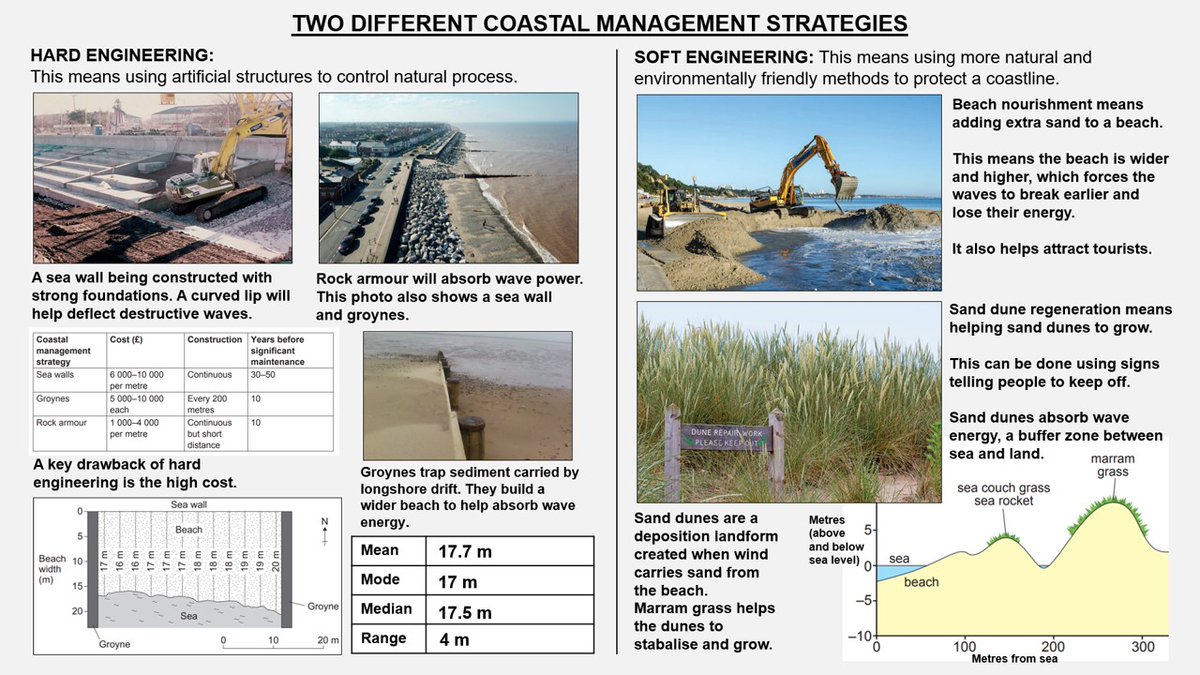
Coastal management revision poster: This helps revise hard and soft engineering, and works well on A3 paper. Also recaps mean, mode, median and range. Link above. Image credits from past exam papers: AQA, Edexcel, Eduqas. #teachers #geography #geographyteacher
Head of Geog (Duncan John) tweet media
English
0
4
29
1.6K
Robyn Walton retweetledi
Simon Kuestenmacher
Simon Kuestenmacher@simongerman600·
I enjoyed browsing this cost of living comparison between China and the US. The average US American is still much richer than the average Chinese but China is catching up. Source: voronoiapp.com/economy/China-…
Simon Kuestenmacher tweet media
English
7
23
75
9.3K
Robyn Walton retweetledi
Helen Bevan
Helen Bevan@HelenBevan·
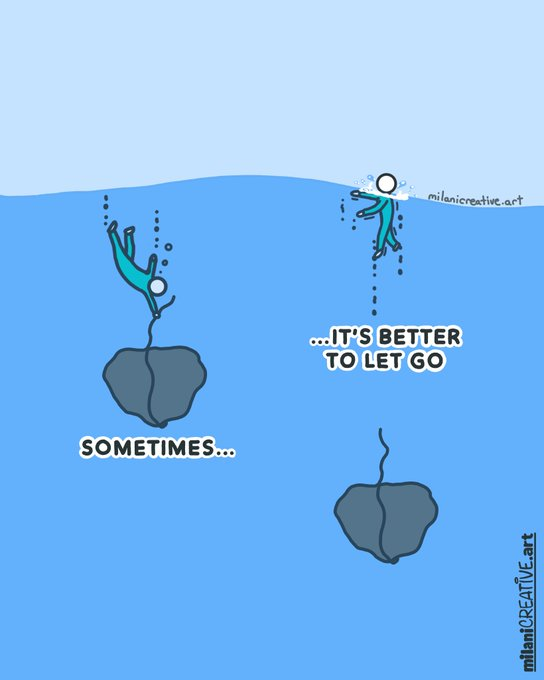
Being able to walk away from a change initiative (often something we have invested huge personal effort in and feel passionate about) is a defining capability for leaders of change. In change work, we celebrate the leaders who “push through resistance” and “never give up”. We talk less about the leaders who know when to stop – or walk away – from a change initiative altogether. Sometimes that decision is about the work itself: - The initiative is no longer aligned with organisational priorities. - The context has shifted so much that the original case no longer holds. - The effort required now far outweighs any likely benefit. But sometimes, the decision is about the toll on the person leading the change: - Sponsors are absent, inconsistent or obstructive, leaving us carrying the risk but not the authority. - We’re repeatedly asked to “spin” the story or sidestep hard truths in ways that clash with our values. - The behaviours rewarded around the initiative (blame-shifting, pressurising, tolerating poor behaviours) are the opposite of the culture we’re trying to build. Walking away will rarely be applauded. It may look to some people like a lack of resilience or loyalty. Yet it can be an act of deep responsibility: to our own wellbeing, to our credibility, to the people we lead & to the people we are seeking to create better outcomes for. Actions to reduce the risk of having to stop or walk away: 1) Name the conditions we need (sponsorship, resourcing, psychological safety) and pay attention when those conditions are chronically missing. 2) Build regular check‑ins with sponsors to test commitment, reset expectations and surface misalignments early, rather than absorbing them alone. 3) Set the change process up from the start as a series of “experiments” with clear hypotheses and time‑boxes, so we can make decisions about what to do next based on real data, not assumptions. 4) Hold structured learning huddles as a change team, focusing on “What are we learning? What needs to change in our approach? What should we stop?”. 5) Invite voices from outside the core project team (frontline staff, service users, partner organisations) into periodic reflection sessions to test whether the change still makes sense in their reality. 6) Create reflective space with others (coaching, mentoring, peer support) to notice when the work is eroding your own energy, integrity or wellbeing. The first rule of being an effective change agent is that “you can’t be an effective change agent on your own”. As leaders of change, our legacy isn’t just the initiatives we drive to completion. It’s also the ones we have the courage and strategic insight to stop. Sometimes the best move is not to push through, but to step away. See, for instance, @AdmiredLeaders on reactive quitting versus strategic quitting: admiredleadership.com/field-notes/kn…. The graphic is by the brilliant @milanicreative.
Helen Bevan tweet media
English
6
34
121
7.7K