

معاوية الشافعي
71 posts


Ustaadh Asif (رحمه الله)
Talking about how learning Arabic & understanding the Quran changed his life, and led him to finding happiness.
He reverted to Islam in his 50s, and in his 60s studied Arabic abroad.
He mastered it, and taught people Arabic in Canada.
True legend.
English
معاوية الشافعي retweetledi

♦️امتحان الناس بالأشخاص - بدعة من بدع #الخوارج
🎙️مقطع صوتي
الشيخ محمد هشام طاهري حفظه الله
📌المصدر : | شرح صحيح مسلم - كتاب الصلاة - ١٥ |
#صوت_العلماء
#الجواب_الكافي
#قناة_السلفية
قناة السّلفية@Assalafiyya
🎙مقطع صوتي 🔷 حكم امتحان الناس بالأشخاص وتصنيفهم حسب جوابهم ⬅️الشيخ عبد المحسن العباد حفظه الله #صوت_العلماء #قناة_السلفية
العربية
Daniel refutes Daniel:
''In Iran they would have holidays cursing the companions, my dad grew up participating''
Abu Zaid@abuzaidtweet
Daniel claims shia in Iran don't openly insult the Companions even though he hasn't been there since 1998 as a child!
English

This is a classic Somali "Subac" group Quran recitation! kids sit in a circle and take turns reciting verses.
English
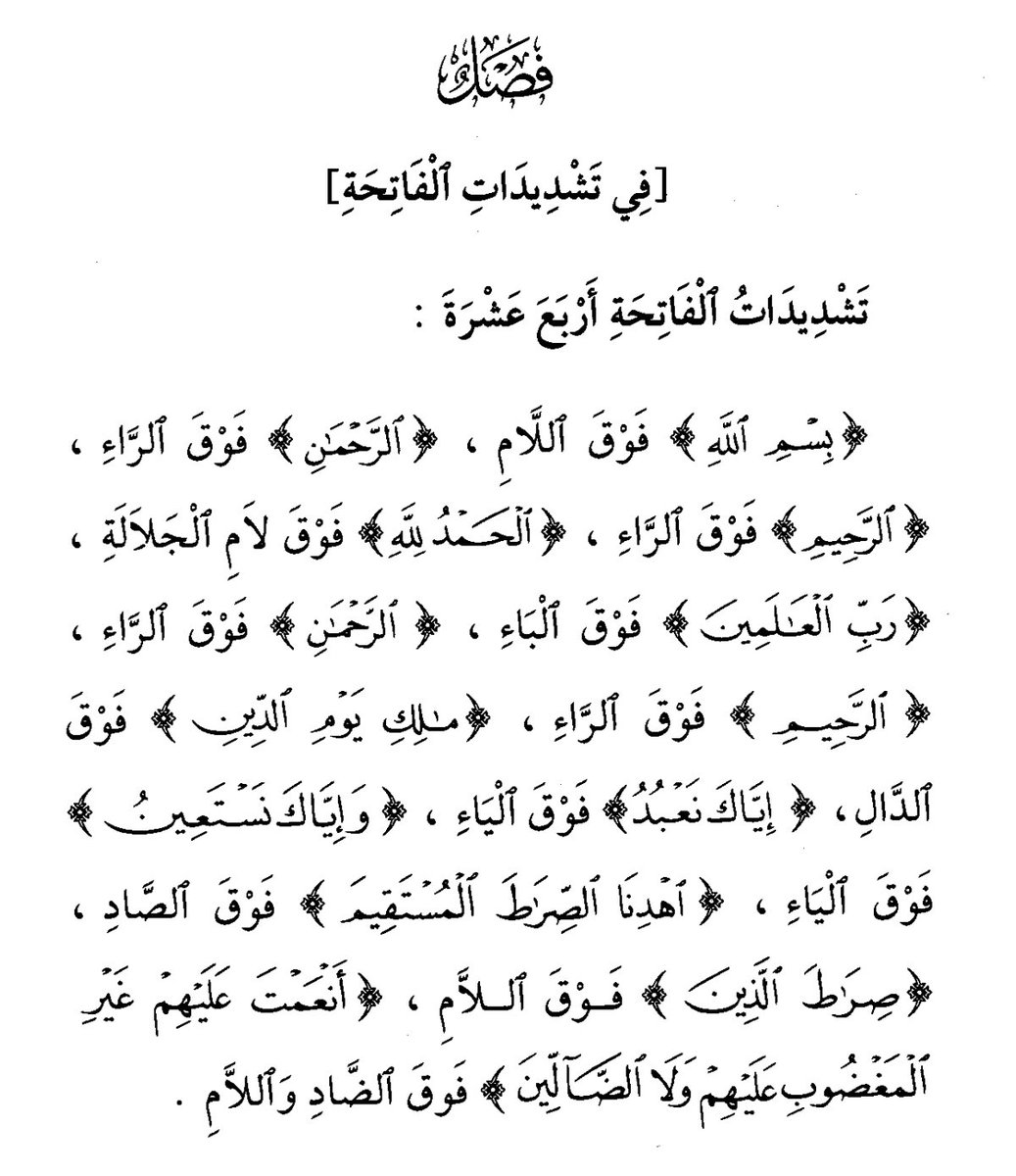
للفائدة:
هذه المسألة مما اعتنت به كتب #فقه_الشافعية؛ لتوقُّف صحة الصلاة على الإتيان بها تامة، ومن أقربها ما جاء في متن "سفينة النجاة":
علي بن محمد@ALI_M2025
السؤال سهل ولكن القارئ لم يعرف الاجابة !
العربية
Imām al-Shāfiʿī’s devotion to Arabic
— Shaykh Muḥammad Sālim Buḥayrī
Română


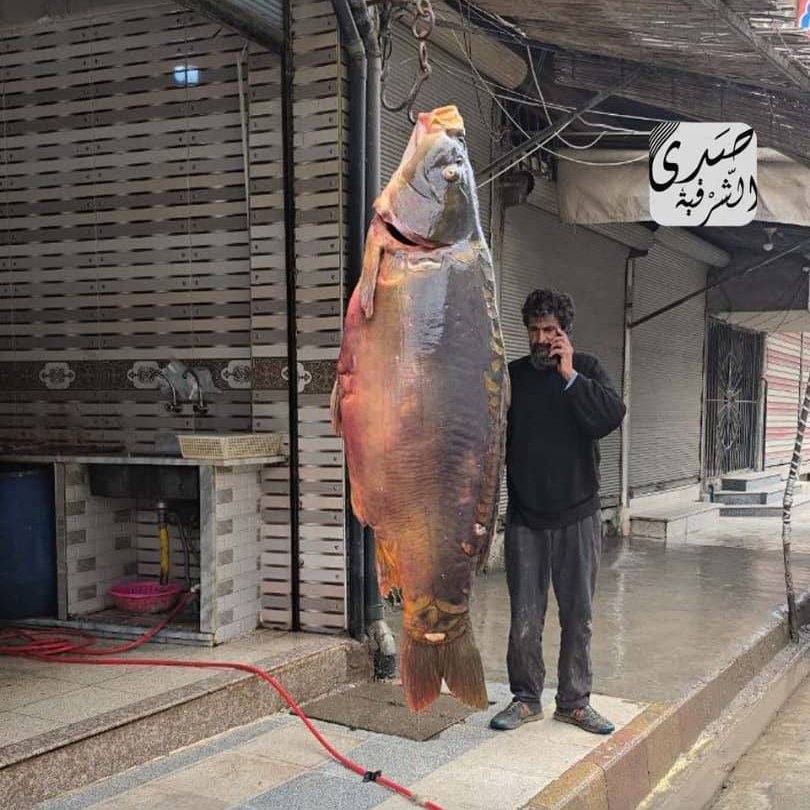
@QalaatAlMudiq No way that's real, how can a carp get that big
English
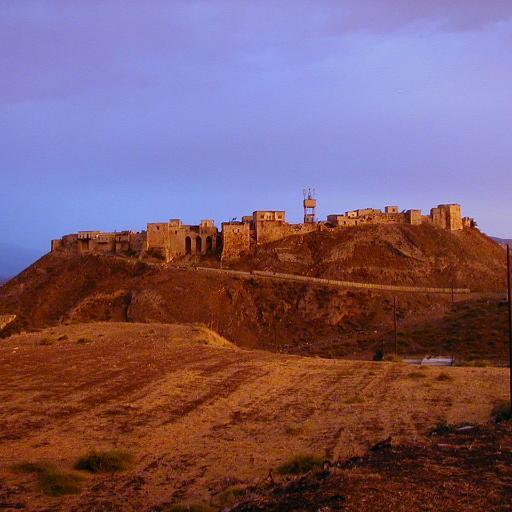
#Syria: big boy caught in the #Euphrates.
Qalaat Al Mudiq@QalaatAlMudiq
#Syria: fishermen on the #Euphrates usually use 3 methods: traditional techniques, electricity or dynamite. In this case, they are using the intermediate method: an electrified dip net connected to a small generator, which stuns the fish before being collected. Video from #Abukemal, near the Iraqi border 👇
English
Don't be of those who neglect the Qurʾān
— Shaykh ʿAbd al-Salām al-Shuwayʿir
Català
A lecture on tamadhhub— its need and the misconceptions surrounding it.
youtu.be/ENiL3xsOVe4
YouTube
English
“Taʿaṣṣub is a psychological deviation that stems from the individual himself, not from the madhhab, nor from the imām he follows. There is no connection between tamadhhub and taʿaṣṣub.”
— Shaykh Muḥammad Sālim Buḥayrī

Català
@abuzaidtweet The brother starts his ''advice'' with: ''O Madhhab fanatics!'' then wonders why people are calling out his behavior.
English


Want to know how serious you are about seeking knowledge? Ask yourself; how much of the Qur'ān have you memorized?
English
Spend your time learning Arabic
— Ustadh Abdulrahman Hassan
English
I asked Shaykh Sulaymān al-'Uyūnī:
Which is the best Arabic dictionary for beginner Arabic students to read?
And he responded with: al-Misbāh al-Munīr by al-Fayyūmī
Català
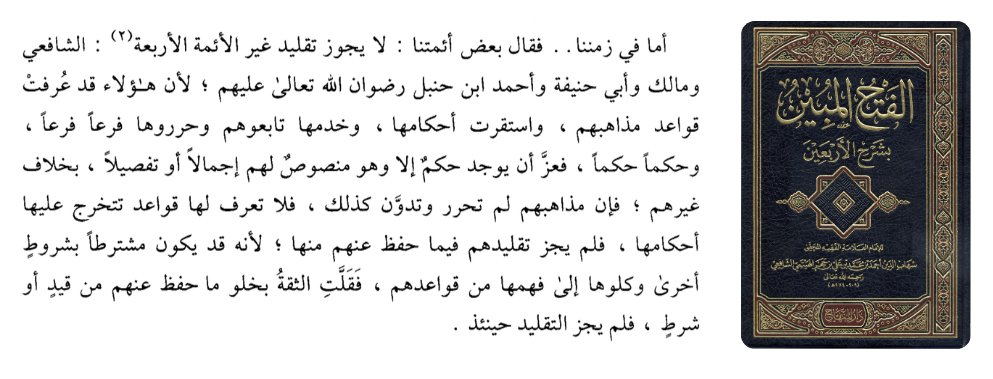
We rarely find any authentic source that gives us their (i.e., their mujtahidūn, other than the four) opinions alongside the conditions and context for their opinions. Thus, it is not permissible to do Taqlīd of them.”
(5/5)
— Al-Fatḥ al-Mubīn bi-Sharḥ al-Arbaʿīn, 474
English
(even) in opinions that are available because it is possible that the specific ruling was based on certain conditions which they expected to understand these rulings within the framework of their principles.
(4/5)
English
Ibn Hajar al-Haytamī said:
“As for our time, some scholars have said: it is not allowed to do taqlīd of anyone other than the four Imams, al-Shāfiʿī, Mālik, Abū Ḥanīfah, and Aḥmad ibn Ḥanbal. This is because the principles of their madhhabs have been well established—
(1/5)
Română