Sabitlenmiş Tweet

So VERY hard to believe it's been 4 years, as of today, that I became the first person to publicly link Ralph Baric to the intensely demonized Zelenko Protocol (Zinc + HCQ)..
And remarkably, to this day, I remain one of the few who still dare to INVOKE Baric's name when it comes to advocating for Zinc based early treatments..
So no one misunderstands my position on Baric. He is NOT a hero.. He is an (Evil?) genius who, I opine, chose PROFIT over a Nobel Prize.
He literally held the solution to RNA viral infections within his grasp..
All he had to do was conduct the animal, or even human, testing using benign RNA viruses to establish it's efficacy in living creatures.
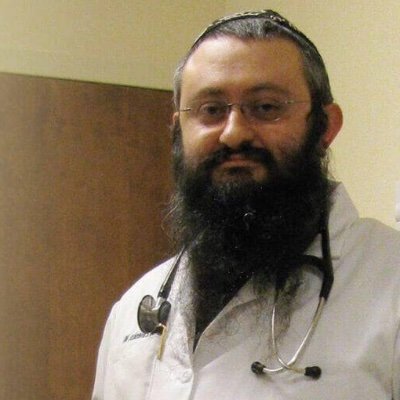
But it required a humble, yet insightful, Jewish family doctor, Dr. Vladimir "Zev" Zelenko, to become the FIRST physician to implement Ralph Baric's research in living patients.
Dr. Zelenko literally stumbled upon Baric's research, not even realizing the significance of Baric's reputation. This video was sent to him one night via email, while he was praying for a solution.
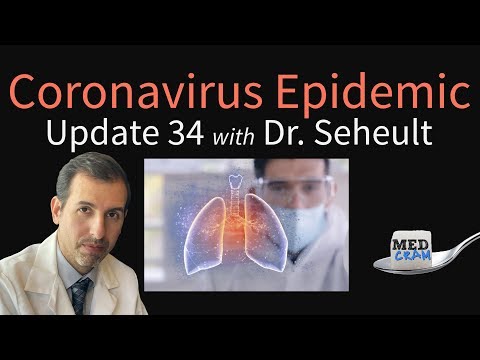
Even the esteemed presenter, @RogerSeheult, to my knowledge, had no idea of the importance of Ralph Baric's reputation being connected to this research.
Watch this:
youtu.be/U7F1cnWup9M?t=…
Zev was just desperate to save his many patients from the very same SARS-2 virus that Ralph Baric was involved in creating (directly, or indirectly).
And he took a chance.. And he created his protocol and this led to thousands of other doctors following in his footsteps to apply the same protocol, no doubt saving thousands to millions of lives in the process.
But more importantly, it provided HOPE in the hearts of those fearful of GOF'd viral p(l)andemics, or even natural RNA viruses.
Some 180 different animal and human RNA viruses plague our lives, instilling fear within our very beings.
Here's a list for reference:
step1.medbullets.com/microbiology/1…
RNA viruses like Measles, Mumps, Rebella, Dengue, Zika, EBOLA, and now H5N1 Avian Influenza, ALL create fear for our families and loved ones health and safety.
It creates economic and societal chaos, fear and disruption, as well as the means by which nefarious actors/entities seek to usurp our very human freedoms and physical liberties, through their Gain of Function biological weapons experiments. (And WEF trans-humanist Neo-Feudalists, you know who I'm referring to.)
But are they biological weapons, you may ask? Isn't it important to conduct vaccine research? Doesn't this justify the risks of such "dual-use" bioresearch? After all, we now have dairy cows with H5N1, right? We can't even drink raw milk.
Reflect upon this logical rational for a moment...
Given that Ralph Baric researched the means to BLOCK the very replication of RNA Viruses, and I mean ALL OF THEM, using only NATURAL ingredients, why do we even need vaccines for RNA viruses.
EVERY RNA Virus using the same RNA dependent RNA Polymerase (RdRP) "3D viral protein printer" mechanism. It does not mutate.
But the means by which RNA viruses bind onto our cellular receptors DOES MUTATE all the time. And this DOES require new vaccine formulas, resulting in a profitable game of "whack-a-mole". Vaccines attempt to prevent that virus from binding to our cells by activating our immune response.
But EARLY TREATMENT, doesn't care.. LET THAT VIRUS COME INSIDE.. Because we have a Zinc plated .44 Magnum waiting to castrate it.
And its viral offspring will NOT be leaving that cell to infect others. (at least not more than our immunity can naturally handle).
Natural RdRP inhibitors ARE the key to ridding humanity of the these RNA plagues and disarming those nefarious entities that would use them to harm, or instill fear, within us, profiting immensely in the process as they line their pockets with ineffective, and even dangerous gene-therapies they legally relabel as "vaccines".
The Hippocratic Oath to which each physician swears an oath, states "First Do No Harm".
There is NO NEED to risk doing harm to perfectly healthy individuals via experimental mRNA gene therpies/vaccines, when you have the means to provide an effective EARLY treatment option.
Treat the SICK, do no harm to the healthy.
I implore all that read this. Make certain your are Zinc sufficient on a daily basis. For most adults, this means the ELEMENTAL ZINC equivalent of 50mg of Zinc Sulfate (21% Elemental Zinc). Combine this with a moderate dosage of a NATURAL Zinc Ionophore. I use EGCG, but Quercetin is also, to a lesser degree, effective (and maybe more appropriate for daily use). I prefer EGCG as it is nearly 1:1 as potent as HCQ.
Here is a resource for your reference on the RDA for daily ELEMENTAL Zinc:
lpi.oregonstate.edu/mic/minerals/z…
Do not be Zinc deficient..
Do not be Vitamin D deficient..
Do not be Copper deficient.
Educate yourselves on how your body works and the organic nutrients and minerals that it requires to function.
It's been a longer journey over these past four years and I still can't believe that I am fighting this battle/war to educate our leaders, and everyday people like myself, on what we can do to preserve our health, and freedoms from RNA viruses.
Baric created the "disarm code" for his GOF'd RNA viral monsters, and it required Zev Zelenko to stumble upon it and make it real.
And Zev spent those precious last years of his life trying to save humanity from Baric's GOF, using Baric's own means of defusing these RNA viral threats.
I humbly attempt to carry on that mission.. imperfectly, I realize, but with pure, and determined, intent.
YouTube
Ron Reece@Mujhunter
My apologies for the screwed up thread on Ralph Baric and Dr. Faucist's apparent collusion to suppress research on Zinc + Zinc Ionophores as anti-viral treatments. Here's the Thread rollout.. Please RT if you concur with my analysis. threadreaderapp.com/thread/1266771…
English