
Muritadoh Sodeeq retweetledi
Muritadoh Sodeeq
965 posts


Muritadoh Sodeeq retweetledi

Meet the most skillful midfielder in the NPFL, Ayobami Abiodun Junior aka Baggio.
The midfielder, boasting of 11 assists and counting, honed his skills at Brighton Academy.
English
Muritadoh Sodeeq retweetledi

Muritadoh Sodeeq retweetledi

Muritadoh Sodeeq retweetledi

That video of D’Tigress players and their coach Rena Wakama talking about their academic qualifications is exactly the kind of content we should be putting out for the girl child. These are the role models young girls across Africa should be looking up to: disciplined, educated, and excelling on every level. Not those non-entities who promote immorality and be shouting, “School na scam.”
English
Muritadoh Sodeeq retweetledi

Sliding Window looks simple... until you're in the interview.
It's one of the favourite topics of tech interviewers.
Why? Because it tests your ability to:
→ Identify the right pattern quickly
→ Know when to shrink the window
→ Understand where to update your answer
The confusion is real:
• Shrink while VALID or INVALID?
• Update INSIDE or AFTER the loop?
• Monotonic Increasing or Decreasing?
Let me simplify all 6 Patterns for you:
Pattern 1: Fixed Size Window
↳ Size K is given in the problem
↳ Build first window, then slide: +new, −old
↳ LC 239, 643, 1456
Pattern 2: Variable MAX (Longest)
↳ Find maximum length subarray
↳ Shrink while INVALID
↳ Update answer AFTER while loop
↳ LC 3, 424, 1004
Pattern 3: Variable MIN (Shortest)
↳ Find minimum length subarray
↳ Shrink while VALID
↳ Update answer INSIDE while loop
↳ LC 76, 209, 862
Pattern 4: HashMap (Anagram)
↳ Permutation / Anagram matching
↳ Track need & window maps
↳ valid++ when window[c] == need[c]
↳ LC 567, 438, 76
Pattern 5: Exactly K Trick
↳ exactly(K) = atMost(K) − atMost(K−1)
↳ Count subarrays: right − left + 1
↳ LC 992, 1248, 930
Pattern 6: Monotonic Deque / Stack
↳ Need MAX in window → Decreasing deque
↳ Need MIN in window → Increasing deque
↳ Always store indices, not values
↳ LC 239, 84, 42, 739
Quick Pattern Recognition:
"Window size K" → Fixed
"Find longest" → Variable MAX
"Find shortest" → Variable MIN
"Anagram / Permutation" → HashMap
"Exactly K distinct" → Subtraction Trick
"Max/Min in window" → Monotonic Deque
English
Muritadoh Sodeeq retweetledi

NPFL / NNL / NWFL drivers are the real GOAT!!!
Their navigation skills with the death traps called Nigerian roads day and night is top.
May God protect everyone in the system doing these bi-weekly travels 🙏
English
Muritadoh Sodeeq retweetledi

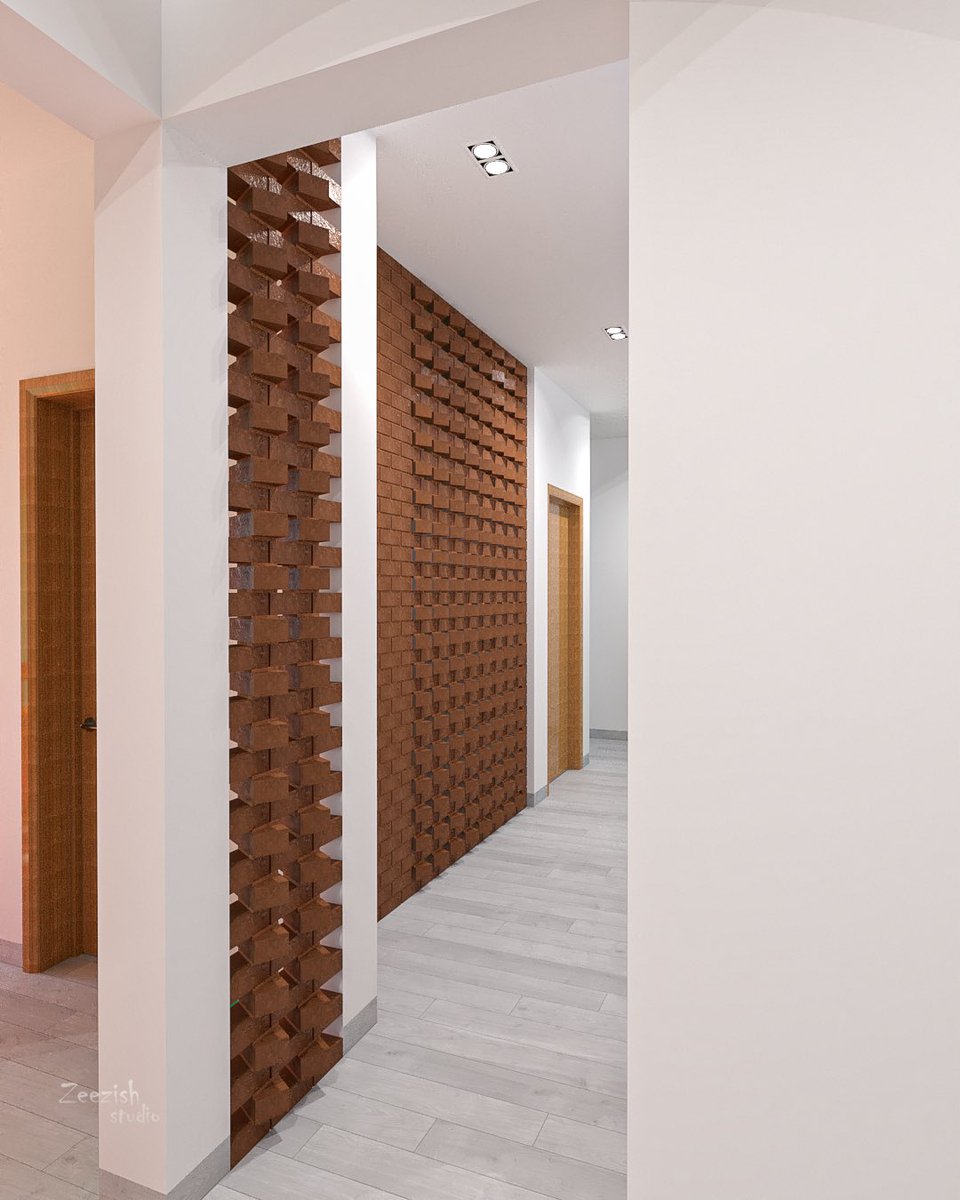
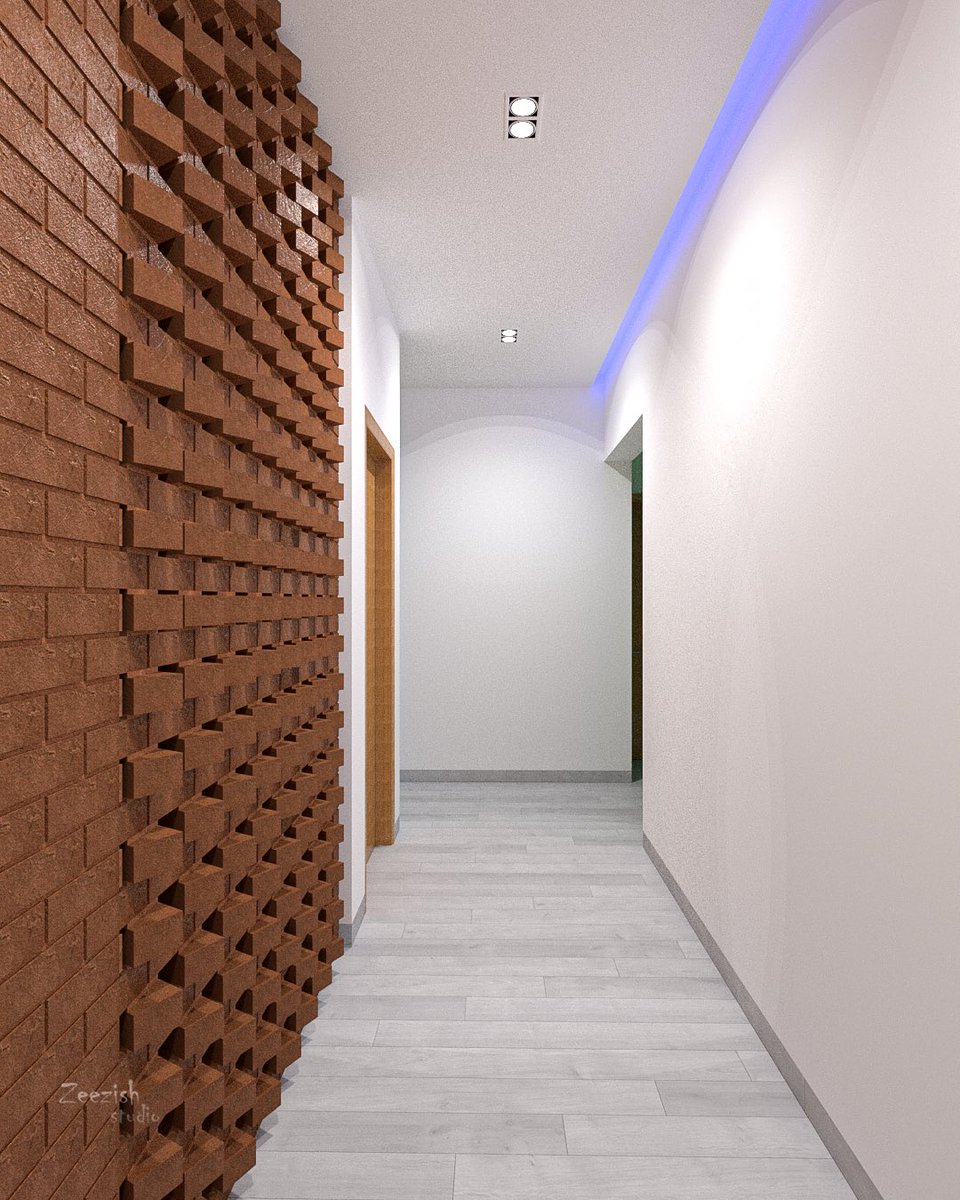
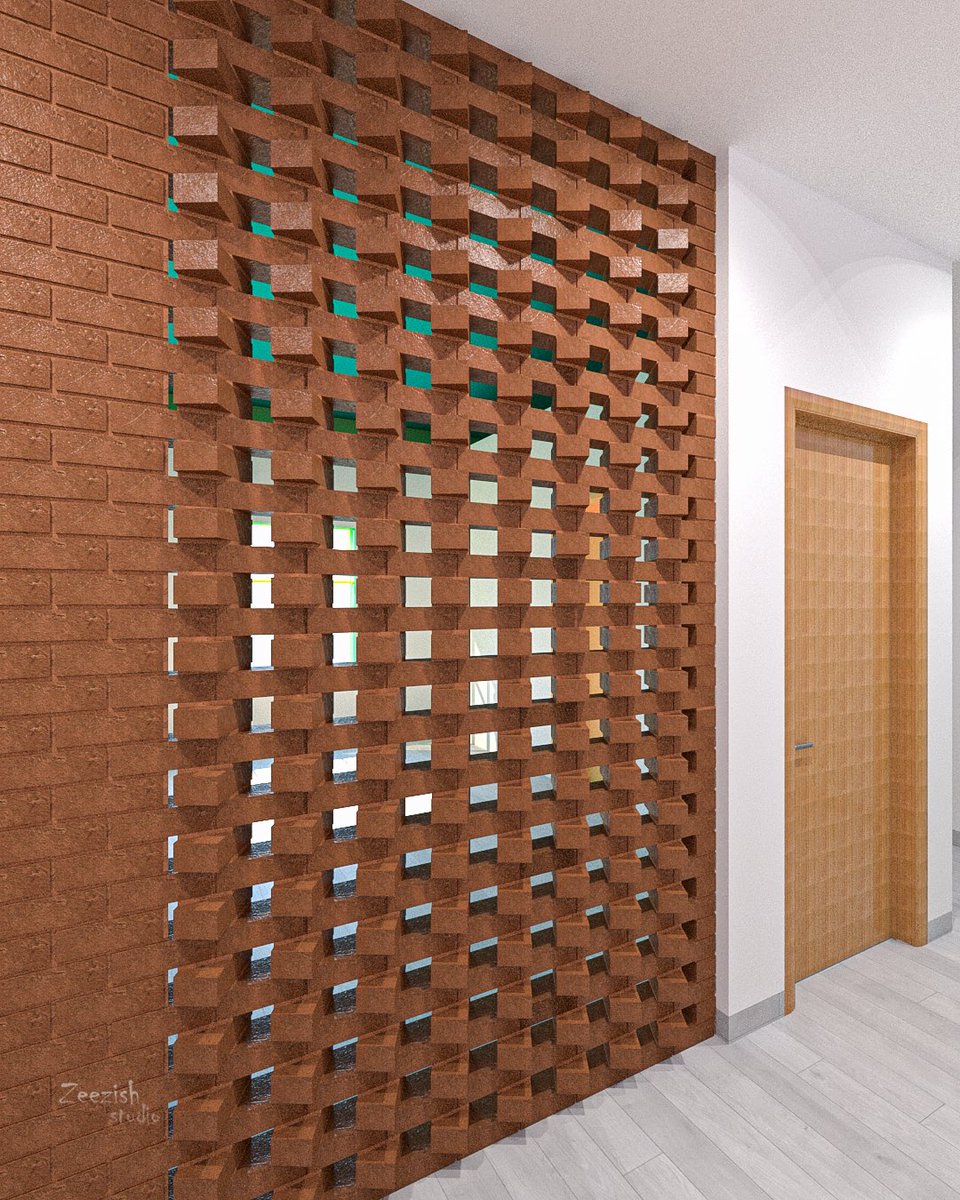
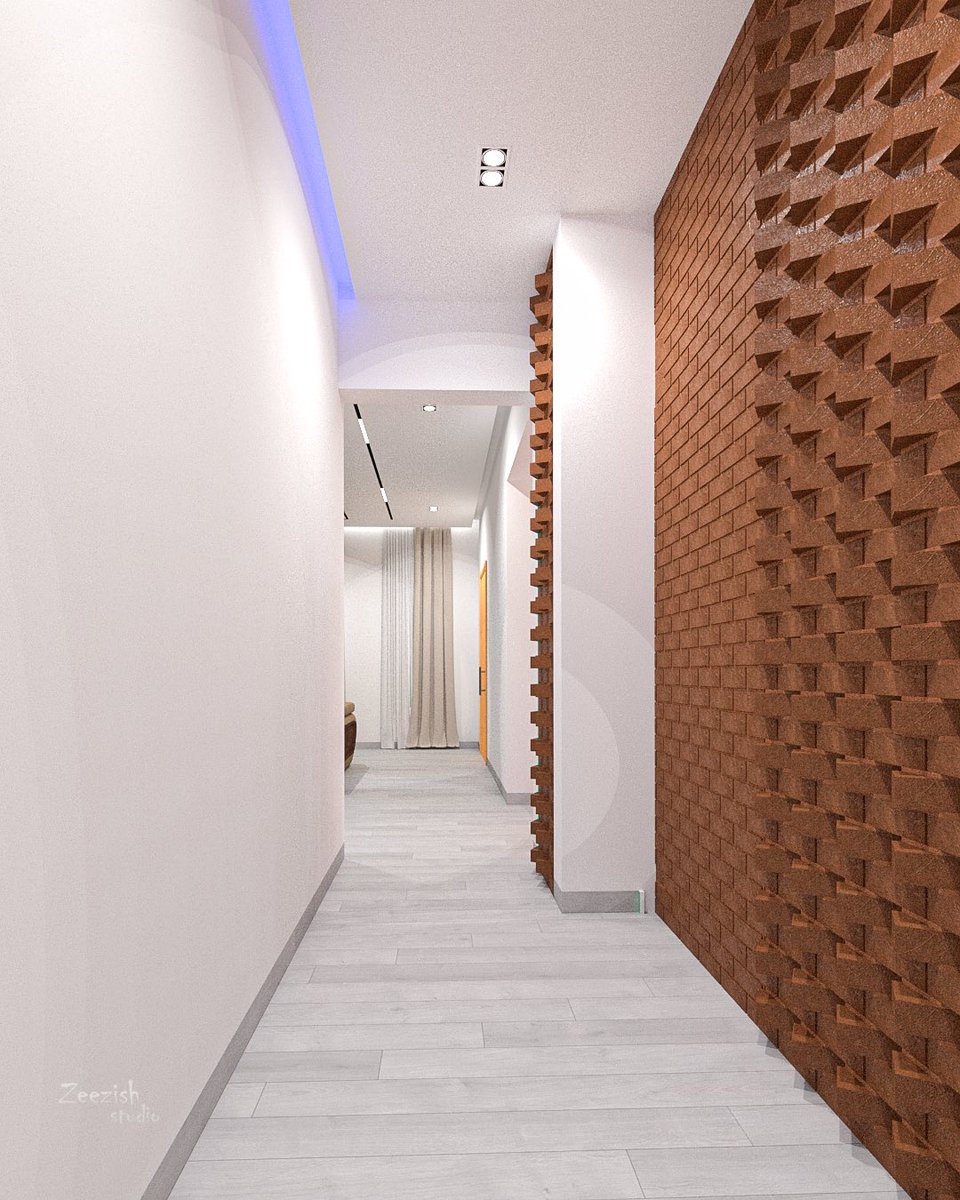
I recently designed and incorporated this breeze block along the lobby path and I find it really cool. 🫧🧱
English
Muritadoh Sodeeq retweetledi

Not gonna lie… this goalkeeper should already be plying his trade a couple tiers higher
English
Muritadoh Sodeeq retweetledi

Is Africa generally just a small addressable Market?
There's a startup in Kenya that founded in 2020, and there's one doing the same exact thing based out of Berlin founded in 2024. It currently has $2M ARR.
I wonder what the difference is. Is it the addressable market?
English
Muritadoh Sodeeq retweetledi

Chegg was worth $14.7 billion. Today it’s worth $156 million.
That’s what a drained moat looks like when you follow the money. Naval is right, but the dollar flows tell a more specific story. AI is draining one type of moat and filling another with concrete.
The moats getting drained are all knowledge moats. Chegg’s whole business was being the middleman between students and answers. ChatGPT made that free. Stock down 99% from its 2021 peak. Two rounds of layoffs in 2025, cutting 22% of staff in May and another 45% in October. Freelance writing jobs dropped 33% since ChatGPT launched. Translation fell 19%. Graphic design fell 13%. A Stanford study found entry-level software developer jobs fell nearly 20% between 2022 and 2025. If your competitive advantage was “I know something you don’t,” the market has repriced that to near zero.
Now look at where the capital is flowing in the other direction. The Mag Seven are spending roughly $680 billion on AI infrastructure in 2026, up from $400 billion in 2025. Amazon alone is projected to be $200 billion. Alphabet at $175-$185 billion. Meta at $115-$135 billion. Microsoft is on pace for $144 billion. You need to spend that kind of money annually to stay in the race. That’s the deepest capital moat in business history being poured in real time (not a drained one)
NVIDIA became the first company to hit a $5 trillion market cap, largely because its CUDA software ecosystem has developer adoption 10x that of its nearest competitor. Cursor, an AI coding editor, went from zero to $1 billion in annual revenue in 24 months, the fastest in B2B SaaS history, and is now valued at $29.3 billion. OpenAI tried to acquire Cursor for $3 billion and was turned down. Google then spent $2.4 billion to acquire the team behind the number two player, Windsurf. Two of the biggest companies in AI both tried to buy their way into coding tools, and neither got the one they wanted.
A 2025 McKinsey survey found that 79% of organizations say their competitors are making similar AI investments, but only 23% believe they’re building sustainable advantages. I think that’s the real story here. AI drains knowledge moats and fills capital moats. The companies writing $680 billion in checks this year aren’t worried about their moats disappearing. They’re building new ones that most competitors literally cannot afford to cross.
Naval@naval
AI is going to drain a lot of moats.
English
Muritadoh Sodeeq retweetledi

THIS IS A CRY FOR HELP ON HOW I’M SUFFERING WITH ACL AND MENISCUS INJURY
My name is Somtochukwu Abraham, I am a professional footballer...
I sustained an injury a while back and I've been trying to manage it the way I could afford to but right now I need surgery to be able


English




Weak KYC/KYB systems don’t just cause fraud — they can shut businesses down.
I wrote an article exploring:
• KYC & KYB from the user, business, PM, and engineering perspective
If you’re building fintech, or SaaS, this may be useful.
@muritadohsodeeq/the-importance-of-kyc-and-kyb-in-nigeria-why-it-matters-and-how-its-built-5f4faad5d5a3" target="_blank" rel="nofollow noopener">medium.com/@muritadohsode…
English

Muritadoh Sodeeq retweetledi

Macclesfield defender Sam Heathcote, who is a full-time teacher, was back in school on Monday — just two days after helping stun Crystal Palace in the FA Cup’s greatest-ever upset. 😲
Unsurprisingly, he was welcomed back like a hero. 👏
English
Muritadoh Sodeeq retweetledi

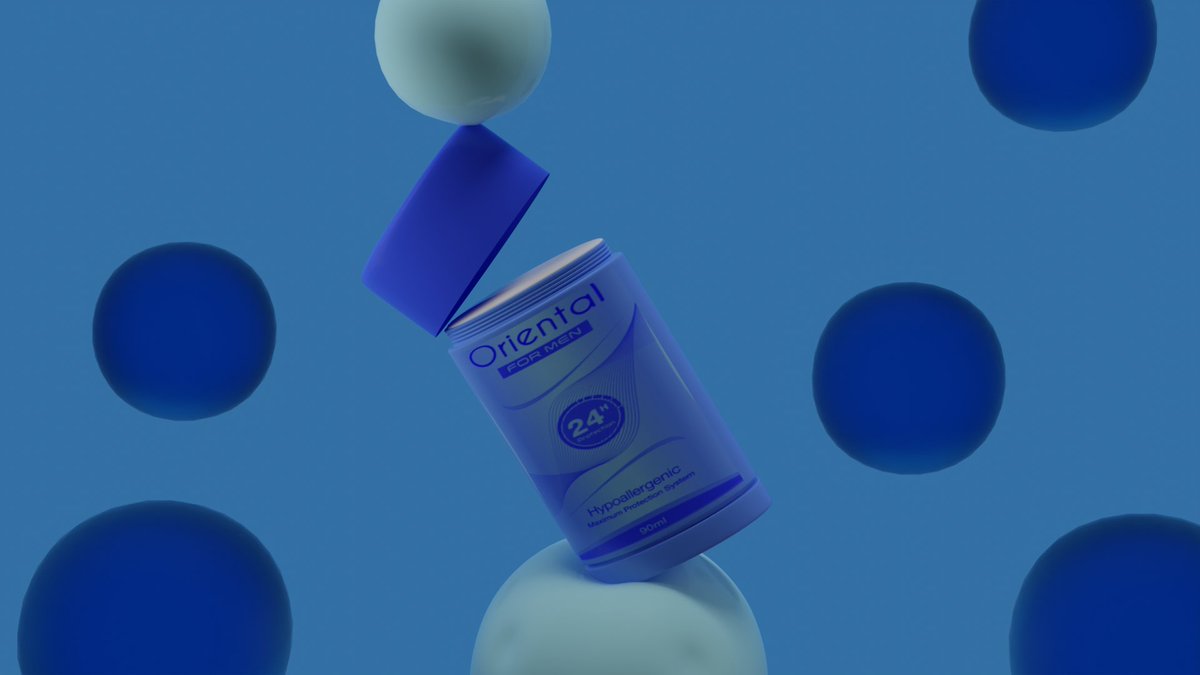
New addition to my product design portfolio. This deodorant render focuses on clean modeling, realistic materials, and carefully balanced lighting to highlight every detail of the product.
#3dproductdesign #3dvisualization #3dartist #Blender


English
Muritadoh Sodeeq retweetledi
Showcasing my latest 3D product design: a Revlon cosmetic lube, carefully modeled with attention to detail, lighting, and textures.
#3dproductdesign #3dartist #3dvisualization #blender


English
Muritadoh Sodeeq retweetledi
new 3D product model added to my product design portfolio.
This project focuses on clean modeling, realistic materials, accurate proportions, and strong visual presentation.
#3dproductdesign #3dvisualization #3dartist #blender


English
I just published Writing Faster SQL: How to Master the Database Query Optimizer medium.com/p/writing-fast…
#Database #SoftwareDevelopment #DataEngineering
English