Museum of Science

15.1K posts

Museum of Science banner
Museum of Science

Museum of Science

@museumofscience

Inspiring a lifelong love of science in everyone - in museums, classrooms and online. We believe in a world where science belongs to everyone.

Boston, MA Katılım Nisan 2009
1.8K Takip Edilen51.9K Takipçiler
Museum of Science
Museum of Science@museumofscience·
You know that fresh, earthy smell right before or after rain? It’s called petrichor. 🌧️ When raindrops hit dry soil, they release plant oils and a compound called geosmin made by soil bacteria, sending that scent into the air. That cozy “rain is coming” smell is actually chemistry rising from the ground.
English
0
0
2
203
Museum of Science
Museum of Science@museumofscience·
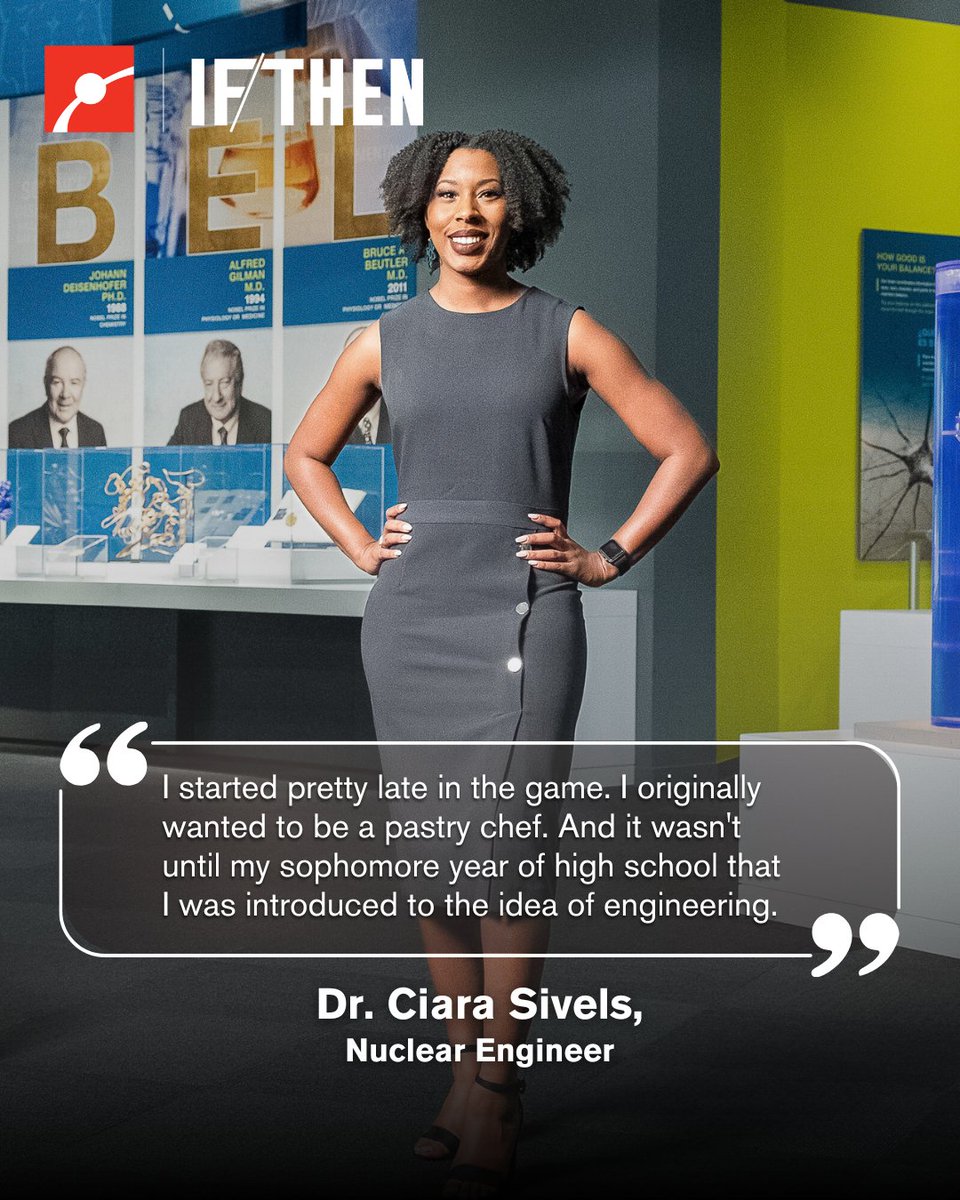
Better health starts with stronger questions and the science to answer them. Dr. Jessica Taaffe is a global health scientist driven by research that improves lives around the world. For her, the most rewarding part is seeing science turn into healthier futures. This project is part of IF/THEN®, an initiative of Lyda Hill Philanthropies.
Museum of Science tweet media
English
1
0
1
177
Museum of Science
Museum of Science@museumofscience·
@spacecadet_kels This is fantastic! Figuring out where our uncertainties are also gives us more opportunities to learn!
English
0
0
0
26
Museum of Science retweetledi
Kelsey Doerksen
Kelsey Doerksen@spacecadet_kels·
Excited to share my first post a part of my @museumofscience SciComm fellowship - let’s get into Uncertainty Quantification in AI!
English
1
3
10
540
Museum of Science
Museum of Science@museumofscience·
Did you know the Sun is only 20 galactic years old? ☀️ Astrophysicist @ErikaHamden explains that the path the Sun follows in its orbit around the center of the Milky Way galaxy takes about 225 million years. Since it’s 4.5 billion years old, it’s only orbited around 20 times. With an estimated 10 billion years remaining, it still has a few more orbits left in it. This project is part of IF/THEN®, an initiative of Lyda Hill Philanthropies.
English
0
0
4
206
Museum of Science
Museum of Science@museumofscience·
There are more Rubik’s Cube combinations than grains of sand on Earth. 🧩 A standard cube has about 43 quintillion possible configurations, while scientists estimate there are roughly 7.5 quintillion grains of sand on Earth. Yet every one of those combinations can be solved in 20 moves or fewer. 🤯
English
0
0
2
237
Museum of Science
Museum of Science@museumofscience·
Join us on Saturday, March 28 for a Women’s History Month Celebration filled with local scientists, live performances, and family activities! Connect with neighborhood organizations and enjoy a special, one-day-only free screening of Barbie. Together, let's honor the women who shape our past, present, and future. Visit our website to learn more and plan your day with us! Learn more: bit.ly/4bMy5yF
Museum of Science tweet media
English
0
0
1
152
Museum of Science
Museum of Science@museumofscience·
"In Search of Earth’s Secrets"" is a new temporary exhibit at the Museum of Science. Enjoy hands-on experiences while learning about earthquakes, volcanoes, and the dinosaur extinction. It highlights the JOIDES Resolution, a seagoing research vessel that drills core samples and collects measurements from under the ocean floor. Explore the Earth’s magnetism, extract a core sample, and play with a giant geology map puzzle! Learn more: bit.ly/4bg4HR9
Museum of Science tweet media
English
0
0
5
185
Museum of Science
Museum of Science@museumofscience·
How does salmon end up in the forest? 🐻 The Nature Educator, also known as Rachael, explains that when grizzly bears catch spawning salmon they carry them from rivers into nearby woodlands. There the leftover fish decompose and deliver nutrients to soils, plants, and riparian ecosystems. It’s a powerful example of how grizzly bear conservation helps support biodiversity and ecosystem health. This project is part of IF/THEN®, an initiative of Lyda Hill Philanthropies.
English
0
1
5
286
Museum of Science
Museum of Science@museumofscience·
Flow state is when your brain enters deep focus. 🎯 During flow, activity in parts of the prefrontal cortex temporarily quiets, reducing self-doubt and distraction. That shift allows intense concentration and creativity.
English
0
2
3
207
Museum of Science
Museum of Science@museumofscience·
Join us on March 22 from 6:00 - 9:00 PM for a member exclusive night at the Museum of Science! Step inside a life-sized North Atlantic Right Whale, meet guest scientists who are exploring our oceans, and get hands-on with special science activities – here for one night only. Get tickets: bit.ly/3Phxhck
Museum of Science tweet media
English
0
1
3
203
Museum of Science
Museum of Science@museumofscience·
Why does the “Celtic Curse” run in some Irish families more than others? 🧬🍀 @AlexDainis explores the “Celtic Curse,” also known as hereditary hemochromatosis, a condition linked to mutations in the HFE gene that can cause the body to absorb too much iron. It manifests in joint pain, liver damage, and heart problems. By analyzing DNA from more than 40,000 people, scientists found higher rates of the variant in people with ancestry from northwest Ireland, Northern Ireland, and the Outer Hebrides. Findings like these could help improve genetic screening, support earlier diagnosis, and connect more at-risk families with treatment before serious damage occurs.
English
0
0
3
270
Museum of Science
Museum of Science@museumofscience·
Is Artemis taking a step back to move forward? 🚀🌕 NASA’s latest shake-up means Artemis 3 won’t land on the Moon. Instead, it will stay in Earth orbit to test critical systems like docking and next-generation spacesuits. It may sound like a delay, but this smarter Apollo-style approach reduces risk, tests high-stakes tech closer to home, and could make a 2028 lunar landing far more achievable. 🔗 Read the full Space News Deep Dive: The Artemis Shake-Up on our Substack: open.substack.com/pub/spacingout… #Space #NASA #Artemis
Museum of Science tweet media
English
0
1
2
218
Museum of Science
Museum of Science@museumofscience·
Do you think we’ll discover alien life in our lifetime? 👽
English
2
0
4
307
Museum of Science
Museum of Science@museumofscience·
On April 15, Mass Innovation Nights launches at the Museum of Science, kicking off a new chapter for Boston’s original grassroots innovation showcase. Meet the makers, explore cutting-edge products from local startups, and connect with the innovators, investors, students, and supporters powering Massachusetts’s vibrant innovation ecosystem. 🎟 Free with pre-registration through the link here: bit.ly/4sevOlP
Museum of Science tweet media
English
0
2
6
251
Museum of Science
Museum of Science@museumofscience·
Your body already carries microbes that could disarm peanut allergies. 🥜 New research has found that there are two microbes in the mouth and gut that have the natural ability to break down the proteins in peanuts that trigger severe allergic reactions. Kids with more of these microbes tended to have milder reactions and greater tolerance to peanuts. This is not a cure for peanut allergies, but it could help scientists better predict who is at higher risk and shape future approaches to reducing the severity of reactions.
English
0
2
4
361
Museum of Science
Museum of Science@museumofscience·
A comet is headed our way, and it could get SO bright you'll be able to see it in broad daylight. 👀 ☄️ On April 4, the comet C/2026 A1 (MAPS) will pass less than 100,000 miles above the Sun’s surface, where intense heat could cause its icy nucleus to crack or break apart. But if it makes it through, warming ice will release gas and dust that form a glowing comet tail, potentially making it bright enough to spot low in the western sky after sunset.
English
0
5
9
612
Museum of Science
Museum of Science@museumofscience·
Your brain can’t feel pain. 🧠 Brain tissue itself has no pain receptors, which is why surgeons can sometimes perform brain surgery while patients are awake and responsive. Headaches come from surrounding tissues, nerves, and blood vessels, not the brain itself.
English
0
0
2
208