Muslim Landmarks Explored

4.7K posts

Muslim Landmarks Explored banner
Muslim Landmarks Explored

Muslim Landmarks Explored

@MuslimLandmarks

Sharing facts on places of historical Islamic interest from around the world.

Katılım Mayıs 2011
456 Takip Edilen33.8K Takipçiler
Muslim Landmarks Explored
Muslim Landmarks Explored@MuslimLandmarks·
📍 The opening and closing of the Church of the Holy Sepulchre | Jerusalem The Church of the Holy Sepulchre in Jerusalem is the holiest place for Christians as its where they believe Isa (عليه السلام) [Jesus] was crucified. This is why 'Good Friday' is commemorated. Muslims completely reject the crucifixion of Isa (عليه السلام). The Quran is explicit — he was neither killed nor crucified, but was raised up by Allah. He will return before the Day of Judgement. "They did not kill him, nor did they crucify him — it only appeared so." — Surah al-Nisa, 4:157 Yet this church — the holiest site in Christianity, where Christians believe Isa (عليه السلام) was crucified, buried, and resurrected — has been opened and closed by a Muslim every single day for over 800 years. When Umar ibn al-Khattab (رضي الله عنه) entered Jerusalem in 637 CE, he was invited to pray inside the Church by the Patriarch Sophronius. He refused — concerned that future Muslims would use it as justification to convert the church into a mosque. He prayed outside instead. The Mosque of Umar marks that spot today. Following Salahuddin's reconquest of Jerusalem in 1187, custodianship of the church's keys was entrusted to two Muslim families: the Joudeh family, responsible for safeguarding the keys, and the Nuseibeh family, responsible for opening and closing the doors each day. The reason was practical wisdom. Six Christian denominations share the church, and rivalries between them run deep. There are regular, and sometimes violent skirmishes as each vies to maintain their territory within the church. Therefore as neutrals, Muslims open and close the door. The Joudeh family holds two keys — one around 850 years old, now broken, and one still in use today that is approximately 500 years old. A tradition born from Islamic principles of protecting places of worship — still observed to this day.
English
0
10
32
2.3K
Muslim Landmarks Explored
Muslim Landmarks Explored@MuslimLandmarks·
📍 Ustuwanah Aisha | Masjid-e-Nabawi, Madinah Inside the Rawdah of Masjid-e-Nabawi stands a pillar known by three names — the Pillar of Aisha, the Pillar of Casting Lots, and the Pillar of the Emigrants. Aisha (رضي الله عنها) once said to the Sahabah: "In this masjid there is a spot — if people knew its true virtue, they would draw lots just to pray there." She refused to reveal it. Only her nephew, Abdullah ibn Zubayr (رضي الله عنه), persisted until she showed him. He went quietly and prayed. The companions watched from a distance to identify the spot. That spot is this pillar. It sits in the first row closest to Mihrab al-Nabawi, third from the minbar. The Muhajireen would regularly gather here. Abu Bakr and Umar (رضي الله عنهما) both prayed at this spot. Today it is marked by a golden wreath and inscription inside the Rawdah.
Muslim Landmarks Explored tweet media
English
0
29
160
7.4K
Muslim Landmarks Explored
Muslim Landmarks Explored@MuslimLandmarks·
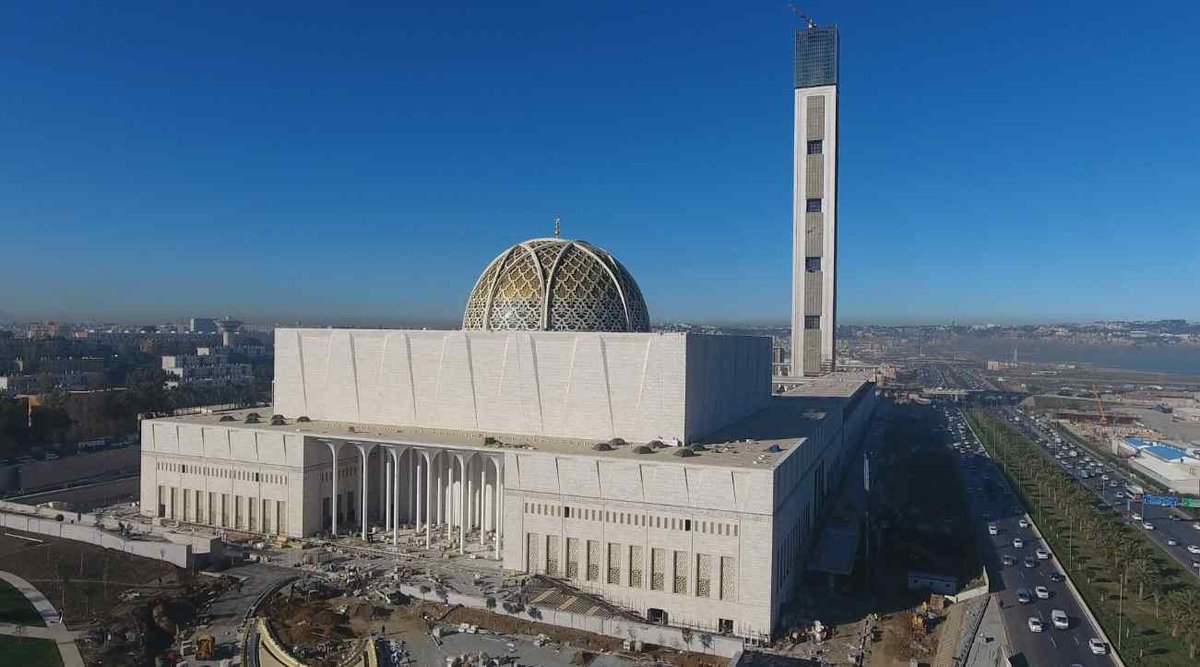
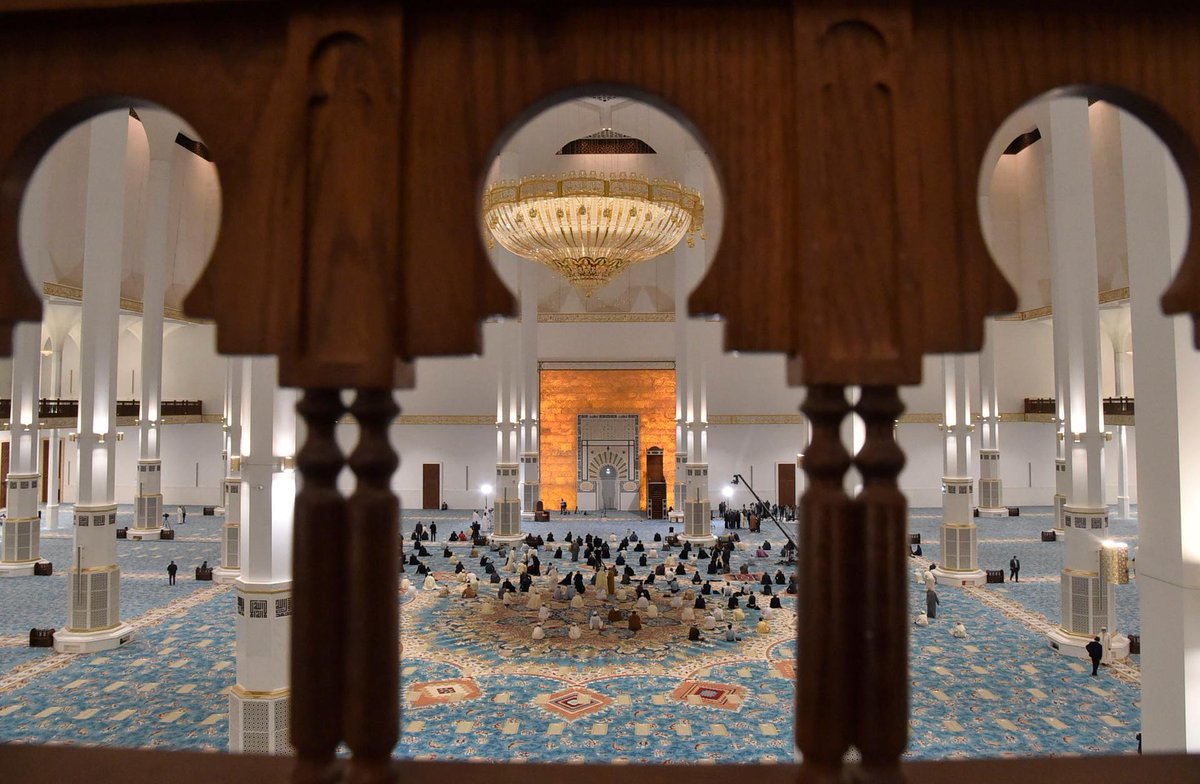
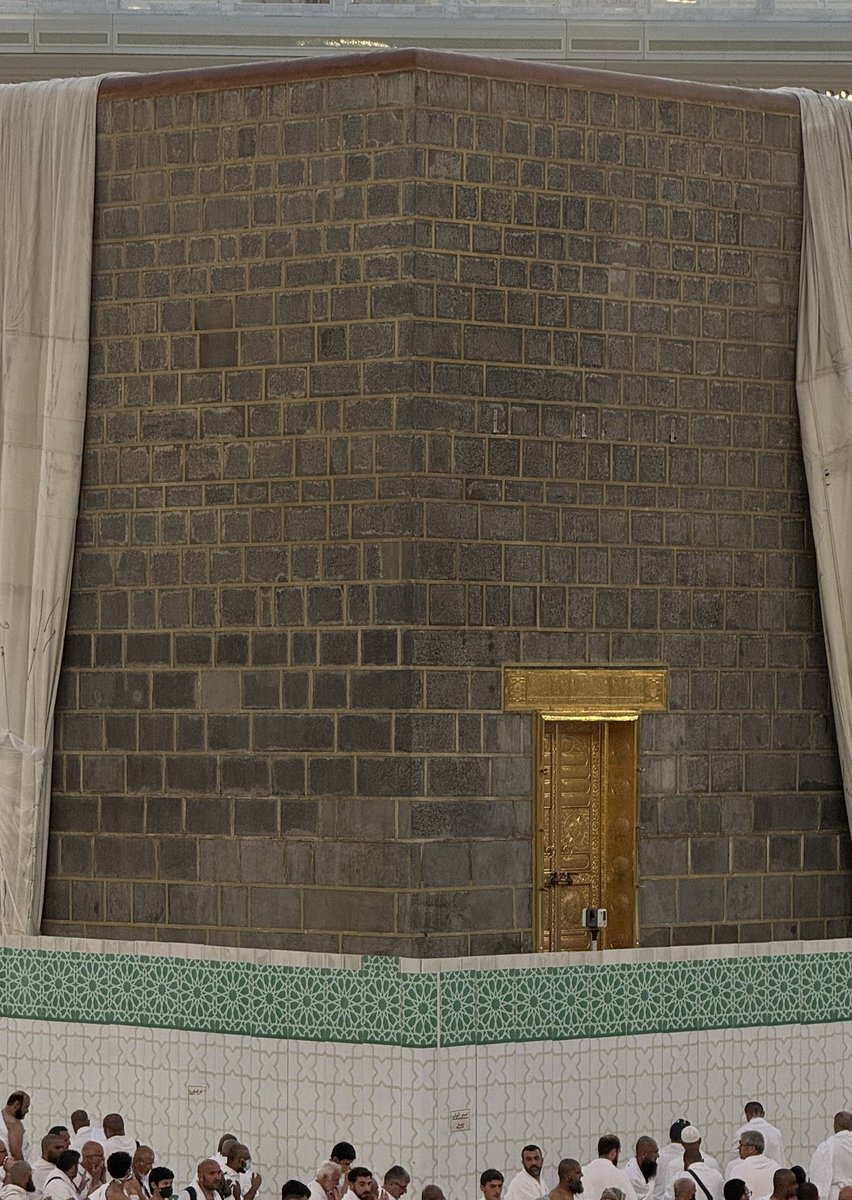
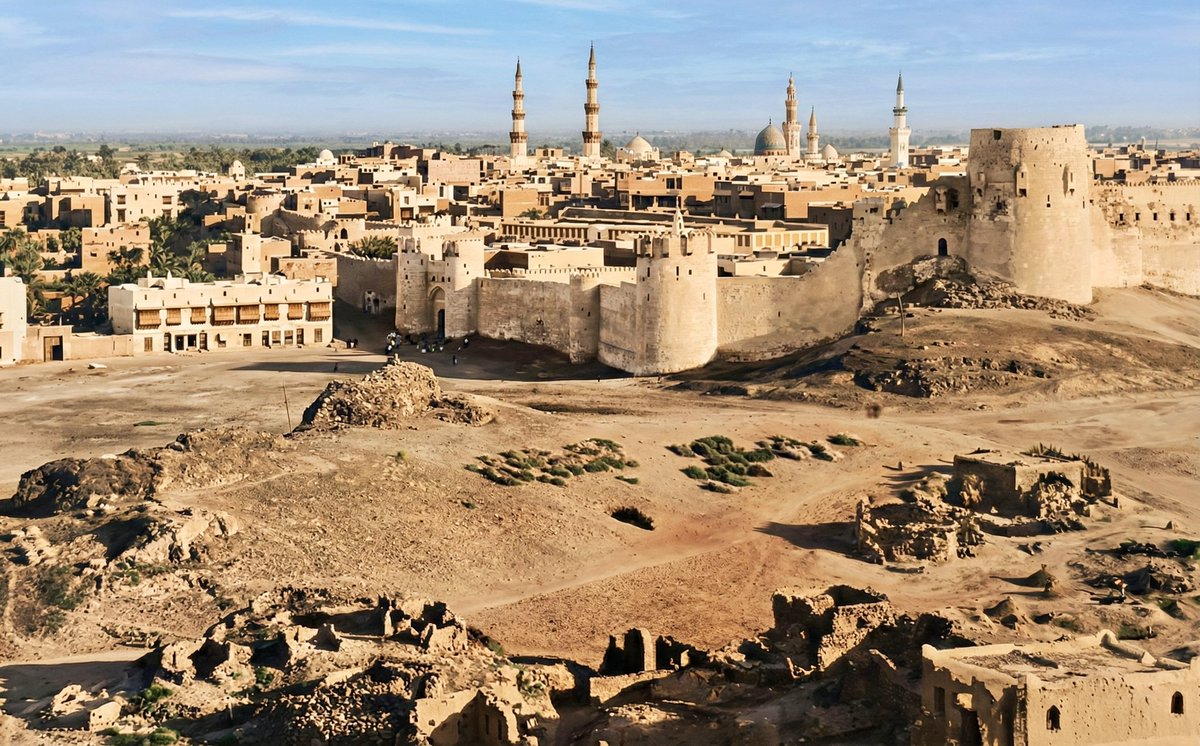
📍 Masjid Hafiz Patel | Elbasan, Albania Located in the city of Elbasan, Albania, this mosque stands as a tribute to one of the most influential Muslim figures in Western history — Hafiz Mohammed Patel (رحمه الله), 2016–1926. One of the UK’s most influential Muslims, he headed the Tablighi Jama’at in Europe. His tireless efforts greatly contributed to establishing Islam in the West. May Allah (سبحانه وتعالى) have mercy on him and grant him the highest ranks in Jannah. Albania's Islamic heritage was nearly erased when the communist regime of Enver Hoxha banned religion in 1967, demolishing approximately 740 mosques across the country. That this mosque bears his name is a reminder of how Allah raises individuals to serve His deen across generations and continents — and how that legacy endures long after they are gone.
Muslim Landmarks Explored tweet mediaMuslim Landmarks Explored tweet mediaMuslim Landmarks Explored tweet mediaMuslim Landmarks Explored tweet media
Català
0
53
305
51.4K
Muslim Landmarks Explored
Muslim Landmarks Explored@MuslimLandmarks·
📍 Madinah | Jabal ar-Rumat (جبل الرماة) Also known as Jabal Aynayn, this small hill sits southwest of Jabal Uhud — and it was here that one of the most consequential moments of the Battle of Uhud (7 Shawwal, 3 AH / 19 March 625 CE) unfolded. The Prophet ﷺ stationed 50 archers on this hill under the command of Abdullah ibn Jubayr (رضي الله عنه). His instructions were to not leave their position, whether the Muslims were winning or losing. In the early stages of the battle, the Muslims gained the upper hand and the Qurayshi lines broke. Believing the battle was over, most of the archers descended to join the advance and collect spoils — against the direct orders of the Prophet ﷺ and the pleas of their commander. Khalid ibn al-Walid — not yet a Muslim — had kept his eye on the hill. When he saw the position abandoned, he led his cavalry around it and struck the Muslims from the rear. The Muslim lines were thrown into disarray. 70 Companions were martyred. Allah ﷻ addressed this directly in the Quran: "Indeed, Allah fulfilled His promise to you when you ˹initially˺ swept them away by His Will, then your courage weakened and you disputed about the command and disobeyed, after Allah had brought victory within your reach. Some of you were after worldly gain while others desired a heavenly reward. He denied you victory over them as a test, yet He has pardoned you. And Allah is Gracious to the believers." — Surah Al-Imran 3:152
Muslim Landmarks Explored tweet media
0
1
47
2K
Muslim Landmarks Explored
Muslim Landmarks Explored@MuslimLandmarks·
📍 Madinah | Jabal Uhud (جبل أُحُد) On 7 Shawwal, 3 AH / 19 March 625 CE, the Battle of Uhud was fought at the foot of this mountain — the second major engagement between the Muslims of Madinah and the Quraysh of Makkah. A Muslim force of 700 faced a Qurayshi army of 3,000. The Prophet ﷺ positioned 50 archers on the adjacent hill to guard the rear, with strict orders not to leave their post. When many abandoned their position believing victory was secured, Khalid ibn al-Walid exploited the gap and outflanked the Muslims. Seventy Companions were martyred, among them Hamza ibn Abd al-Muttalib (رضي الله عنه), the uncle of the Prophet ﷺ. The Prophet ﷺ said of this mountain: "Uhud is a mountain that loves us and we love it." (Sahih al-Bukhari) Jabal Uhud stretches 7 km in length and 2–3 km in width, and is approximately 4 km north of Masjid an-Nabawi.
Muslim Landmarks Explored tweet media
English
1
24
140
4.6K
Muslim Landmarks Explored
Muslim Landmarks Explored@MuslimLandmarks·
📍 Graveyard of the Shuhada of Hunayn — near Masjid al-Ji'ranah, outside Makkah. Just 18–20km from Makkah, the valley of Hunayn was the site of one of the most consequential battles of the Prophet's ﷺ lifetime — fought in Shawwal, 8 AH, weeks after the Conquest of Makkah. The Hawazin and Thaqif tribes, alarmed by the fall of Makkah, mobilised under Malik ibn Awf al-Nasri. Bringing their families and possessions to the front — to compel their men to fight — they positioned archers in the hillsides of the valley and launched a pre-dawn ambush as the Muslim vanguard descended. The army of 12,000 broke and fled. The Prophet ﷺ held his ground. Al-Abbas (رضي الله عنه) called out to the companions, who rallied. Among those who stood firm from the first and did not leave was Ayman ibn Ubayd (رضي الله عنه) — son of Umm Ayman (رضي الله عنها) — who was killed defending the Prophet ﷺ that morning. The tide turned, the Hawazin were routed, and around 6,000 captives were taken. The spoils were gathered at al-Ji'ranah, where the Prophet ﷺ later distributed them and departed for Umrah. Malik ibn Awf subsequently accepted Islam and was appointed by the Prophet ﷺ over his own people. This graveyard holds the Muslim martyrs of that battle. Allah (سبحانه وتعالى) recorded the day in Surah at-Tawbah (9:25–26) — a reminder that numbers alone do not bring victory.
Muslim Landmarks Explored tweet media
English
1
16
127
5.7K
Muslim Landmarks Explored
Muslim Landmarks Explored@MuslimLandmarks·
📍Madinah | Masjid al-Ghamama (site of Where Eid salah was performed in Madinah). This site, 500 metres southwest of Masjid al-Nabawi, marks the location of the original Eidgah of Madinah — the open ground where the Prophet ﷺ led the Eid prayer. No mosque stood here during his lifetime. Eid al-Fitr was first established in 2AH. From then until his passing in 11AH, the Prophet ﷺ would walk from his mosque to this open musallah and lead the congregation in salah — his consistent practice across nine years, except when rain intervened. The name Ghamama — meaning cloud — comes from a separate occasion at this same site. When Madinah faced drought, the Prophet ﷺ led Salat al-Istisqa here. Clouds gathered and rain fell. The ground took its name from that event. The mosque standing here today was built generations later, during the caliphate of Umar ibn Abd al-Aziz (r. 86–93AH), and restored multiple times — most recently in the Ottoman era.
Muslim Landmarks Explored tweet media
English
0
26
183
8.3K
Muslim Landmarks Explored
Muslim Landmarks Explored@MuslimLandmarks·
📍 Makkah | The House of Khadijah (رضي الله عنها) This location, outside the Marwah exit in Makkah is where the house of Khadijah (رضي الله عنها) was located. This is where, in Ramadhan, the Prophet ﷺ returned after receiving the first revelation in the Cave of Hira — trembling, and saying "زَمِّلُونِي زَمِّلُوني" — "Cover me, cover me." It was Khadijah (رضي الله عنها) who wrapped him, calmed him, and spoke the words: "By Allah, Allah will never disgrace you. You uphold the ties of kinship, speak the truth, bear the burdens of others, give to the poor, honour your guests, and help those afflicted by hardship." Khadijah (رضي الله عنها) was not just a wife. She was the first Muslim, the first to believe, and provided the greatest support in this most critical moment in human history. They were married for 25 years, and during that entire time he ﷺ never married another woman. This house witnessed the start of a message that changed the world. It's also where most of the children of the Prophet ﷺ were born and where parts of the Qur'an were revealed. The actual house was located below the present ground level in this location. It was excavated and documented in 1989 before being covered.
Muslim Landmarks Explored tweet mediaMuslim Landmarks Explored tweet media
Català
1
52
288
16.9K
Muslim Landmarks Explored
Muslim Landmarks Explored@MuslimLandmarks·
This is 'Ain Jalut — the Spring of Goliath — in the Jezreel Valley of Palestine. On 25 Ramadan, 658 AH (3 September 1260 CE), it was the site of a battle that changed the course of Islamic history. It's a battle which is often forgotten. The Mongols had destroyed Baghdad, ended the Abbasid Caliphate, and taken Syria. No army had ever stopped them in the Muslim world. With the Islamic world in ruins, it fell to the Mamluks of Egypt — themselves former slave-soldiers — to take a stand. Sultan Saifuddin Qutuz led the army, with the brilliant tactician Baybars commanding the vanguard. In the blessed month of Ramadan, on this ground, they broke the Mongol army. It was the first decisive defeat of the Mongols in the western Islamic world. The advance stopped here — and never resumed. Ain Jalut preserved what remained of Islamic political civilisation.
Muslim Landmarks Explored tweet media
English
7
192
956
31.9K
Muslim Landmarks Explored
Muslim Landmarks Explored@MuslimLandmarks·
On 17 Ramadan 58 AH, Sayyidah Aisha bint Abi Bakr (رضي الله عنها) passed away in Madinah, aged 66. She was the wife of the Prophet ﷺ, daughter of Abu Bakr al-Siddiq (رضي الله عنه), and the most prolific female narrator of hadith in Islamic history. She passed away in the very home that stands at the front of Al-Hujra an-Nabawiyya (the Noble Prophetic Chamber) — the sacred enclosure in which the Prophet ﷺ himself passed away and is buried. She was laid to rest in Jannat al-Baqi'. Abu Hurairah (رضي الله عنه) led her Salat al-Janazah. A scholar, jurist, and teacher for 44 years after the Prophet's death, she left behind over 2,200 narrations that continue to shape Islamic law and practice to this day.
Muslim Landmarks Explored tweet media
Català
5
101
917
40.4K
Muslim Landmarks Explored
Muslim Landmarks Explored@MuslimLandmarks·
The Great Mosque of Kufa in Iraq. This is where Ali (رضي الله عنه) was struck down by a Kharijite on 19th Ramaḍān 40 AH, leading to his death two days later. Ali ibn Abi Talib (رضي الله عنه) was the cousin and son‑in‑law of the Prophet ﷺ, the fourth of the Khulafāʾ al‑Rāshidīn and one of the earliest Muslims. As he led Fajr salah, his assassin attacked him with a poisoned sword. Having survived the initial strike, he passed away later in his home. He was aged 61-63 years old. The Shia community believe he is buried at Najaf, Iraq, at the site of the current Imam Ali Shrine. The Sunni position is that his burial location was deliberately concealed by his family to prevent any desecration. May Allah elevate his status.
Muslim Landmarks Explored tweet media
Català
6
69
448
46.3K
Muslim Landmarks Explored
Muslim Landmarks Explored@MuslimLandmarks·
On the 20th of Ramadan, 8 AH (January 630 CE), the Prophet ﷺ entered Makkah peacefully during the Conquest of Makkah. After performing tawaf and removing the surrounding idols, he ﷺ asked for the keys of the Ka‘bah from ʿUthman ibn Talhah (ra), the key-bearer from Banu Shaybah, and opened the Ka‘bah himself. Inside, the Prophet ﷺ prayed two rak‘ahs — the location of his prayer is marked on the floor of the Ka‘bah today (see image). Those who entered with him were Usāmah ibn Zayd, Bilāl ibn Rabāh, and ʿUthman ibn Talhah (ra). This historic event symbolised the restoration of the Ka‘bah back to the worship of Allah alone.
Muslim Landmarks Explored tweet media
Català
2
50
351
23K
Muslim Landmarks Explored
Muslim Landmarks Explored@MuslimLandmarks·
17th Ramadhan marks the anniversary of the Battle of Badr, where by the grace of Allah, 313 Muslims defeated a much better armed army of 1000 of the Quraysh. The battle took place in 2 AH (624 CE) behind where Masjid Areesh is today, around 90 miles south-west from Madinah. An areesh is a simple structure made from palm tree components that the Sahabah built for the Prophet (ﷺ) for privacy and shade from the sun. It was from where the battle was directed. The minbar inside the masjid marks the approximate location where the areesh was built. The Prophet (ﷺ) spent time there in intense, tearful supplication, asking Allah for victory and the fulfillment of His promise, particularly urging: "O Allah, if you destroy this small group of men (313), then no one will worship You ever again!". Allah's help came in the form of thousands of angels who aided victory for the Muslims.
Muslim Landmarks Explored tweet mediaMuslim Landmarks Explored tweet mediaMuslim Landmarks Explored tweet mediaMuslim Landmarks Explored tweet media
English
5
148
600
18.6K
Muslim Landmarks Explored
Muslim Landmarks Explored@MuslimLandmarks·
Ar-Rawha is a place outside Madinah where the Prophet (ﷺ) and the Sahabah rested on the 14th Ramadhan 2AH on their march to Badr. It is also reported that the Prophet  (ﷺ) drank from its well (Bir Rawha). There are the historic remains of a masjid at Rawha. Amr ibn ‘Awf (رضي الله عنه) reports that the Prophet (ﷺ) said: “.. Indeed seventy Ambiya (Prophets) prayed salah in this Masjid (at Rawha)…” [Fathul Bari] Towards the end of time the Prophet Eesa [Jesus] (عَلَيْهِ ٱلسَّلَامُ) will pass through ar-Rawha after his return back to Earth. It has been narrated from Abu Hurairah (رضي الله عنه) that the Prophet (ﷺ) said, “By the One in Whose hand is my soul, the son of Maryam will certainly enter ihraam in the valley of ar-Rawha, as a pilgrim performing Hajj or ‘Umrah, or both.” [Muslim] The area has recently been renovated with a new masjid built.
Muslim Landmarks Explored tweet mediaMuslim Landmarks Explored tweet mediaMuslim Landmarks Explored tweet mediaMuslim Landmarks Explored tweet media
Català
5
104
634
26.1K
Muslim Landmarks Explored
Muslim Landmarks Explored@MuslimLandmarks·
Masjid al-Suqya, in south-west Madinah, marks the site where Prophet Muhammad (ﷺ) stopped before leaving for the campaign that led to the Battle of Badr. On 12 Ramadan 2 AH (March 13, 624 CE), the Prophet (ﷺ) performed ablution and salah at this location using water from the nearby Suqya well, owned by Sa'd ibn Abi Waqqas (رضي الله عنه). He (ﷺ) made du'a for the well-being of Madinah's people, reviewed the Muslim army, and declared Madinah a sanctuary like Makkah. Originally built by Umar ibn Abdul Aziz (رحمه الله) on the Prophet's prayer site, it was rebuilt multiple times, including under King Fahd, and is now inside the Anbariya train station, about 2 km from Masjid an-Nabawi.
Muslim Landmarks Explored tweet media
Català
0
74
603
17.9K
Muslim Landmarks Explored
Muslim Landmarks Explored@MuslimLandmarks·
Khadija رضي الله عنها passed away on 10th Ramadhan, three years before the Hijrah. She was the beloved first wife of the Prophet Muḥammad ﷺ, the first believer in Islam, who supported him with her wealth and unwavering loyalty. They were married for about 25 years, and during that entire time he ﷺ never married another woman. Her grave is in Jannat al-Mu'alla cemetery in Makkah, alongside their infant eldest son Qasim. A domed structure used to house her resting place but this was levelled in the 1920s.
Muslim Landmarks Explored tweet mediaMuslim Landmarks Explored tweet media
English
11
308
1.8K
66.2K
Muslim Landmarks Explored
Muslim Landmarks Explored@MuslimLandmarks·
This is Masjid Al-Tawbah, located in Tabuk in Saudi Arabia. In Rajab 9 AH, Prophet Muhammad ﷺ led 30,000 on the Tabuk Expedition, a 700km march north of Madinah amid scorching heat to deter a Byzantine Roman invasion. No battle occurred but treaties were made with nearby tribes. The Muslim army camped in this area for 20 days and it was during this campaign that Surah At-Tawbah was revealed. The mosque is named after this surah. The Muslims returned to Madinah in early Ramadhan.
Muslim Landmarks Explored tweet media
Català
1
54
426
15K